
Synthesizing high-purity zircon, zirconia, and silica nanopowders from local zircon sand involves a precise combination of physical gravity separation, high-temperature alkali chemical fusion, selective acid leaching, and controlled thermal calcination. In high-performance material manufacturing, engineering structural ceramics that can survive extreme mechanical loads and high temperatures without microstructural failure is a persistent operational challenge. Standard materials break down under extreme friction or corrosive environments, leading to costly manufacturing downtime and compromised product lifespans.
Integrating High-Purity Zirconia nanopowders into your production workflow resolves these issues by creating incredibly tough, wear-resistant, and chemically inert components. By deconstructing local mineral feedstocks into refined nanoscale crystals, you can unlock superior sinterability and eliminate internal defects, ensuring your advanced ceramic parts survive the harshest industrial stresses.
How does gravity separation isolate pure zircon sand?
Gravity separation isolates pure zircon sand by exploiting the distinct density differences between heavy zirconium silicate crystals and lighter quartz or clay minerals. Utilizing physically purified sands protects your chemical reactors from heavy silica and titanium contamination, allowing you to establish a consistent feedstock baseline for generating High-Purity Zirconia. This physical classification step is critical to ensure that downstream chemical reagents can attack the mineral crystal lattice with maximum efficiency.
What is the role of spiral concentrators?
Spiral concentrators utilize centrifugal and gravitational forces to wash away lighter silica impurities from the heavier zircon sand feedstocks. As the slurry flows down the spiral chutes, lighter particles migrate to the outer edge while the heavy zircon minerals collect along the inner channels.
Think about it:
Without this initial physical classification, chemical refinement would require excessive volumes of expensive reagents.
- Concentrate recovery: Targets a zircon purity of over 95% before chemical processing begins.
- Process feed slurry: Maintained at a specific gravity of 1.2 to 1.4 for optimal separation.
- Waste reduction: Instantly removes up to 80% of bulk gangue minerals.
Optimizing shaker table separation
Shaker table separation provides the final physical polishing step, segregating fine minerals based on shape and density. You can fine-tune the deck angle and wash water flow to isolate the golden zircon sand band from heavy iron-bearing minerals. This high-density fraction serves as the foundational starting material for subsequent chemical transformation steps.
Key benefits for down-stream processing
Starting with physically purified sands protects your chemical reactors from heavy silica and titanium contamination. It ensures that the chemical reactants can attack the crystal lattice with maximum efficiency.
Key Takeaway: Initial physical separation dramatically lowers overall operational costs by shielding downstream chemical processes from excessive mineral contamination.
| Process Stage | Feed Density | Target Mineral Yield | Bulk Silica Removed |
|---|---|---|---|
| Spiral Concentrator | 35% solids | 85% | 75% |
| Shaker Table | 25% solids | 98% | 95% |
Guided Analysis: Analyzing the physical beneficiation step reveals how leveraging physical mineral attributes maximizes chemical processing efficiency.
Why is high-temperature alkali fusion necessary?
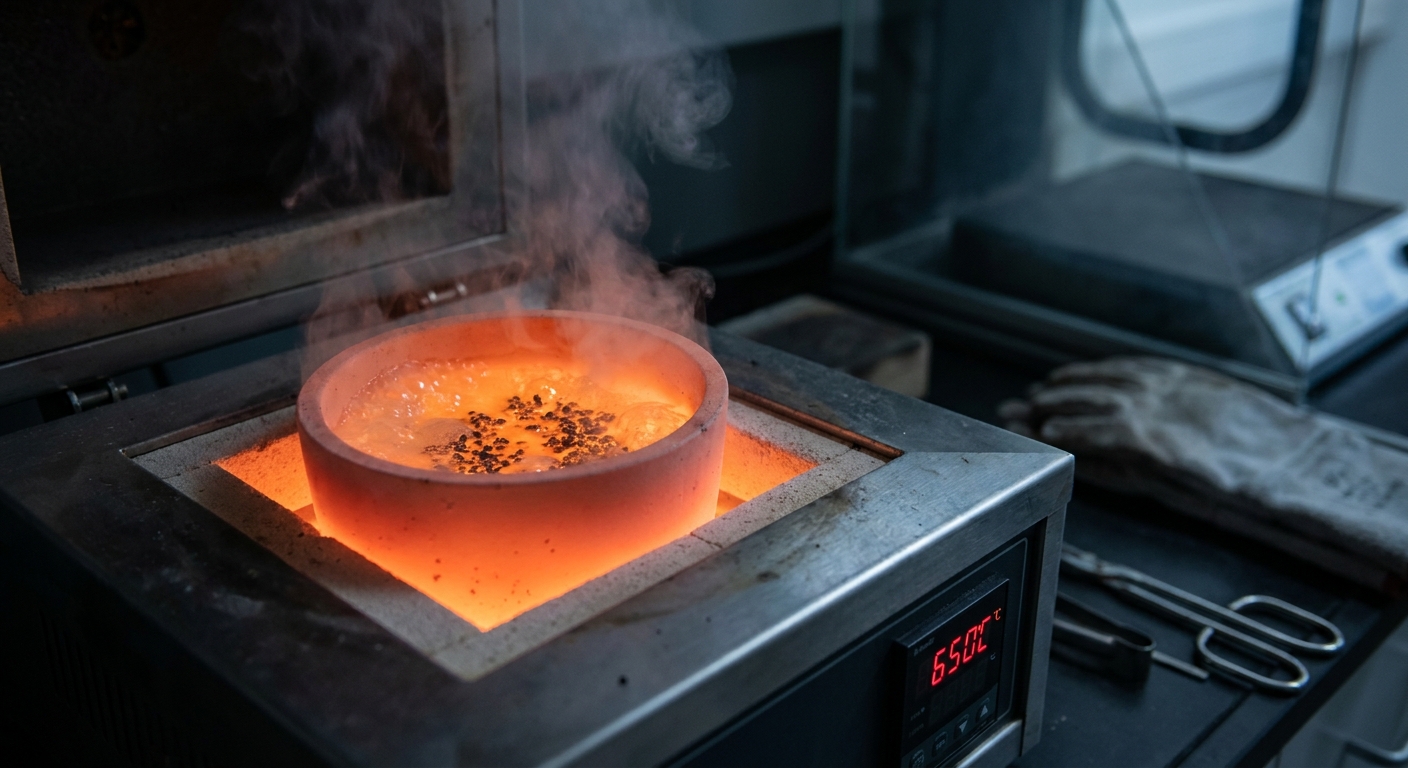
High-temperature alkali fusion is necessary because the crystalline lattice of raw zircon is exceptionally stable and chemically inert, requiring thermal decomposition to unlock zirconium. High-temperature alkali fusion decomposes the raw mineral sand into soluble compounds, laying the chemical foundation for synthesizing High-Purity Zirconia. By blending the sand with a molten alkaline reagent, you break down the robust silicon-oxygen-zirconium bonds. This thermal reaction converts insoluble minerals into soluble sodium zirconate and silicate phases.
Chemical reactions inside the furnace
Inside the furnace, the raw zircon sand reacts vigorously with sodium hydroxide at temperatures exceeding 650°C. This chemical attack destroys the crystalline matrix, converting it into a mixture of sodium silicate and sodium zirconate.
Here is the key:
The reaction must reach complete conversion to prevent raw zircon particles from contaminating the final product.
- Reaction Temperature: Maintained strictly between 650°C and 700°C.
- Sodium to Zircon Ratio: Kept at a 4:1 molar ratio for full digestion.
- Retention Time: Standardized to 120 minutes inside the rotary kiln.
How is the fused cake processed?
The resulting solid fused cake is cooled and prepared for subsequent washing. You must carefully dissolve the water-soluble sodium silicate fraction using hot deionized water while keeping the zirconium species in solid form. This phase separation removes the bulk of the silica, which can then be redirected to secondary byproduct processing lines.
Eliminating primary silicon contamination
Removing silicon during the washing phase is essential to prevent glass-like defect formation in the final ceramic microstructure. This thermal-chemical route represents the most effective industrial method for breaking down stubborn silicate minerals.
Key Takeaway: Alkali fusion acts as a chemical key, successfully unlocking inert raw zircon and segregating silicates before acid digestion.
| Fusion Phase | Kiln Temperature | Soluble Output | Solid Precipitate |
|---|---|---|---|
| Active Melting | 650°C – 700°C | Sodium Silicate | Sodium Zirconate |
| Water Wash | 80°C | Soluble Silicates | Zirconium Hydroxide |
Guided Analysis: The thermal extraction matrix demonstrates how molten alkali salts successfully disrupt highly stable mineral lattices.
How does selective acid leaching remove iron?
Selective acid leaching removes iron and other transition metal contaminants by converting them into highly soluble chloride complexes while isolating the zirconium precursor. Using hydrochloric acid in the leaching stage is vital to achieve the chemical specifications required for High-Purity Zirconia. Iron oxide is a critical contaminant that causes discoloration and mechanical weaknesses in industrial components. Through controlled acid digestion, you can selectively dissolve and separate these metallic impurities from the target zirconium compounds.
Optimizing hydrochloric acid molarity
The molarity of the hydrochloric acid must be carefully monitored to prevent premature crystallization of zirconium oxychloride. Keeping the solution at a precise acidity level ensures that iron ions remain dissolved while the zirconium is prepared for selective recovery.
But there is more.
By adjusting the leaching temperature, you can accelerate the dissolution rate of stubborn trace metals like titanium.
- Acid Molarity: Maintained between 6M and 8M.
- Digestion Temperature: Kept at a steady 90°C.
- Agitation Rate: Fixed at 300 RPM to maximize surface contact.
What are the separation mechanisms?
As the acid leaches the fused intermediate, metallic impurities are converted into highly soluble chloride salts. You can then filter the slurry, separating the highly pure zirconium oxychloride crystals from the waste acid stream. This filtration step ensures that transition metals do not migrate into the final oxide powder.
Rinsing protocols for trace metals
Multiple rinsing stages with hot deionized water wash away the remaining chloride salts from the filter cake. This repeated washing process is essential to reduce sodium and iron levels to single-digit parts-per-million.
Key Takeaway: Selective acid leaching is the primary chemical purification step, reducing iron contaminants to levels acceptable for high-stress applications.
| Wash Cycle | Acid Strength | Iron Level (PPM) | Titanium Level (PPM) |
|---|---|---|---|
| Initial Slurry | 6M HCl | 1,200 | 450 |
| Tertiary Rinse | Deionized H2O | < 10 | < 15 |
Guided Analysis: Tracking the reduction of metal complexes shows a direct link between washing cycles and the final chemical purity.
What controls the chemical precipitation stage?
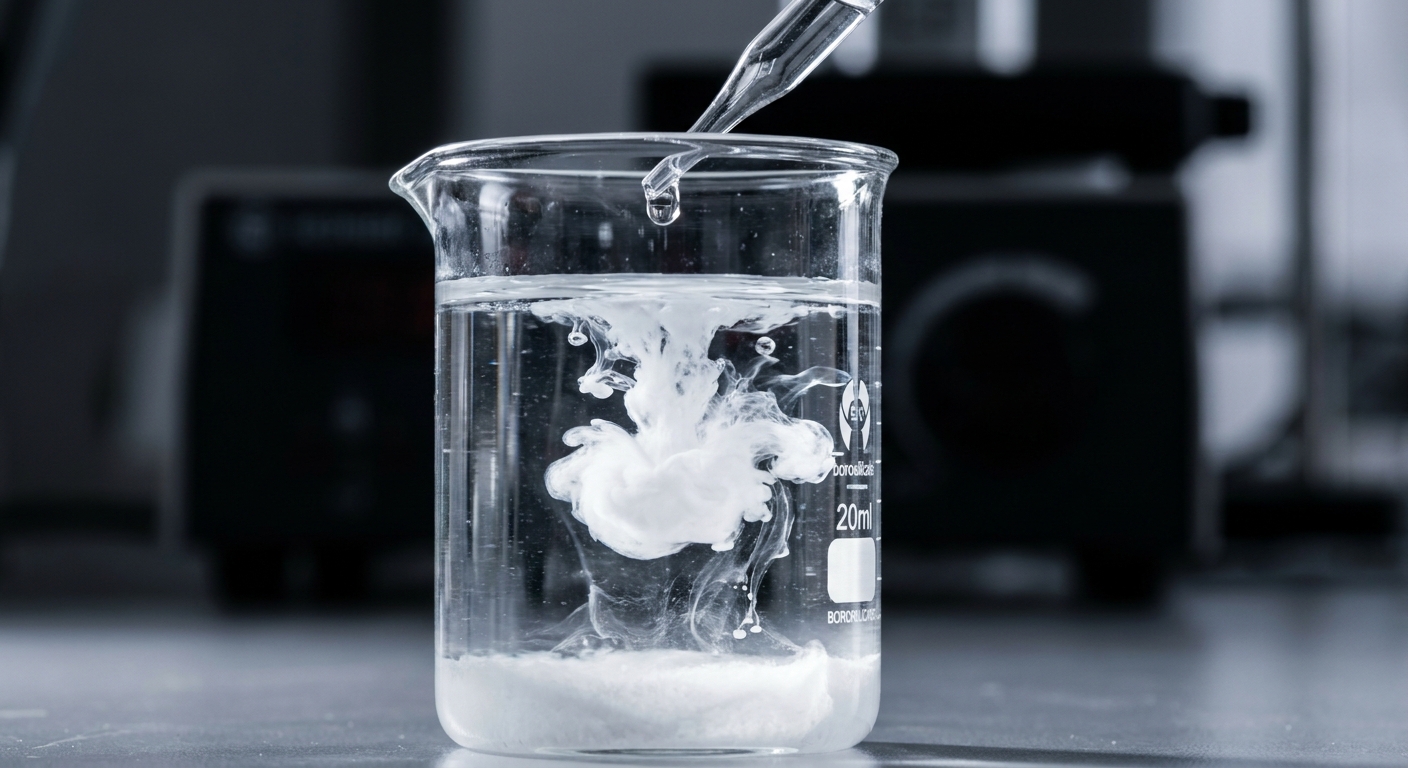
The chemical precipitation stage is controlled primarily by adjusting the pH, temperature, and feeding rate of the alkaline precipitant to manage nanoparticle nucleation. Precise chemical precipitation allows you to synthesize zirconium hydroxide with highly controlled morphology, which is crucial for producing High-Purity Zirconia. By introducing ammonium hydroxide to the purified zirconium solution, you trigger the uniform precipitation of nanoscale particles. Controlling this reaction path prevents the formation of large, irregular agglomerates that limit sintering activity.
Managing pH for uniform nucleation
Maintaining a narrow pH window during precipitation prevents localized concentration spikes that cause inconsistent grain growth. You can achieve a highly uniform particle size distribution by slowly adding the alkaline reagent under high-intensity stirring.
Let that sink in:
A difference of just 0.5 pH units can completely alter the particle morphology from spherical to highly needle-like.
- Target pH Range: Kept strictly between 8.5 and 9.0.
- Precipitation Temperature: Stabilized at 25°C to limit premature crystal growth.
- Reagent Flow Rate: Calibrated to 15 ml/min for steady nucleation.
How do surfactants affect the precipitate?
Adding organic surfactants during the precipitation phase prevents individual nanoparticles from bonding together prematurely. The surfactant molecules adsorb onto the surface of the zirconium hydroxide, creating physical barriers that keep the particles isolated. This surface modification is critical to achieving soft, easily grindable powder aggregates after thermal treatment.
Filtering and washing the hydroxide gel
The resulting hydroxide gel must be thoroughly washed with ethanol to displace water molecules and prevent hard agglomeration during drying. This alcohol wash step ensures that the final powder retains its high surface area and reactivity.
Key Takeaway: Controlling the nucleation pH and washing with organic solvents are vital to maintaining a fine, unagglomerated particle structure.
| Precipitation pH | Particle Shape | Agglomeration State | Average Size |
|---|---|---|---|
| 7.5 – 8.0 | Irregular | Hard Agglomerates | > 150 nm |
| 8.5 – 9.0 | Spherical | Soft Agglomerates | < 50 nm |
Guided Analysis: Examining pH boundaries highlights the sensitivity of the chemical precipitation environment on nanoparticle geometry.
How does thermal calcination crystallize zirconia?
Thermal calcination crystallizes zirconia by heating the amorphous zirconium hydroxide precursor to high temperatures, driving off bound hydroxyl groups and initiating solid-state phase transitions. Thermal calcination transforms the chemical precursor into the high-performance crystalline phases needed to manufacture High-Purity Zirconia. This heat treatment must be carefully designed to balance crystallization with grain growth. If the calcination temperature is too high, the nanoparticles will sinter together prematurely, destroying their high surface energy and sintering activity.
Phase evolution during thermal calcination
As the kiln temperature climbs, the amorphous precursor undergoes dehydration and crystallizes into a metastable tetragonal phase. You must control the cooling rate to ensure that this high-strength phase remains stable at lower temperatures.
Here is the bottom line:
Precise heat control is the only way to lock in the desired phase distribution without encouraging excessive grain growth.
- Dehydration Phase: Occurs between 150°C and 300°C.
- Crystallization Temperature: Starts at approximately 550°C.
- Soak Time: Maintained for 2 to 4 hours to ensure phase uniformity.
What prevents sintering during calcination?
Controlling the kiln atmosphere and the heating rate prevents local hot spots that cause particles to fuse together. You can utilize a slow heating rate to allow gases to escape smoothly, minimizing physical structural defects in the crystallizing powder. This careful thermal profile preserves the chemical reactivity of the nanoparticles.
Evaluating the crystalline phases
Analyzing the calcined powder with diffraction techniques ensures that the correct ratio of tetragonal and monoclinic phases has been achieved. This crystal structure optimization is the foundation for outstanding physical toughness.
Key Takeaway: A highly controlled thermal calcination profile is essential to achieve complete crystallization while avoiding hard nanoparticle sintering.
| Temperature | Phase Structure | Specific Surface Area | Agglomerate Type |
|---|---|---|---|
| 600°C | Amorphous/Tetragonal | $120\text{ m}^2/\text{g}$ | Soft |
| 800°C | Tetragonal | $45\text{ m}^2/\text{g}$ | Intermediate |
| 1000°C | Monoclinic Dominated | $12\text{ m}^2/\text{g}$ | Hard |
Guided Analysis: Observing phase stability across temperature ranges underscores the narrow thermal window available for high-quality powder processing.
Why is high-energy grinding and milling required?
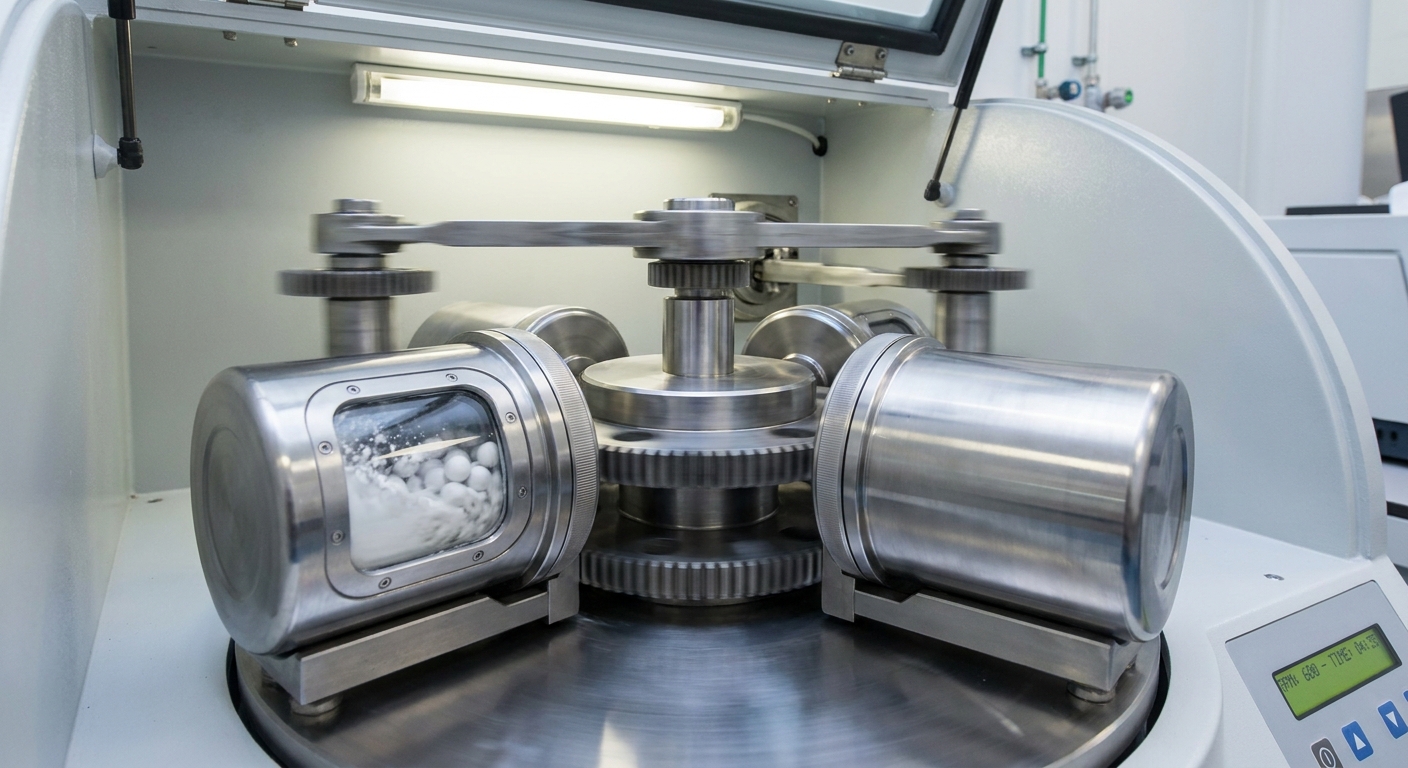
High-energy grinding and milling is required to break down the hard ceramic aggregates formed during calcination, reducing the particle size to the true nanoscale. High-energy milling is crucial for developing the fine particle size distribution required to sinter High-Purity Zirconia into dense, defect-free parts. During calcination, nanoparticles naturally form weak chemical bridges that must be physically broken apart. Wet ball milling dispersion ensures that every particle is separated, maximizing packing density during forming processes.
Mechanics of planetary ball milling
Planetary ball mills subject the ceramic powder to high-impact centrifugal forces, rapidly breaking down agglomerates through intensive shear and friction. You can adjust the rotational speed and milling duration to target specific sub-micron particle sizes.
Think about it:
Without high-energy shear forces, hard agglomerates would remain in the powder, causing structural voids during sintering.
- Milling Speed: Calibrated to 400 RPM for deep energy transfer.
- Grinding Media: 0.1 mm yttria-stabilized zirconia beads to prevent contamination.
- Milling Time: Ranging from 4 to 8 hours depending on feedstock.
How to prevent media contamination?
Using high-wear-resistant milling media made of the same material as your target powder is critical to avoid introducing unwanted metallic or silica impurities. Even minor wear from alumina or steel media can introduce impurities that degrade the mechanical and electrical properties of the finished advanced ceramic parts.
Evaluating particle size distribution
Monitoring the particle size distribution ensures a narrow, monomodal curve that promotes uniform shrinkages during the sintering stage. This structural uniformity minimizes internal stresses and distortion in complex industrial components.
Key Takeaway: High-energy planetary milling is the final physical processing step that transforms agglomerated calcinated powders into highly sinterable nanoparticles.
| Milling Duration | Mean Particle Size | Slurry Viscosity | Contamination Risk |
|---|---|---|---|
| 2 Hours | 250 nm | Low | Negligible |
| 6 Hours | 45 nm | Medium | Minimal (with YSZ media) |
| 12 Hours | 30 nm | High | Elevated |
Guided Analysis: Correlating milling duration with particle size reduction demonstrates how mechanical shear optimizes powder packing density.
How do we analyze structural load capacities?
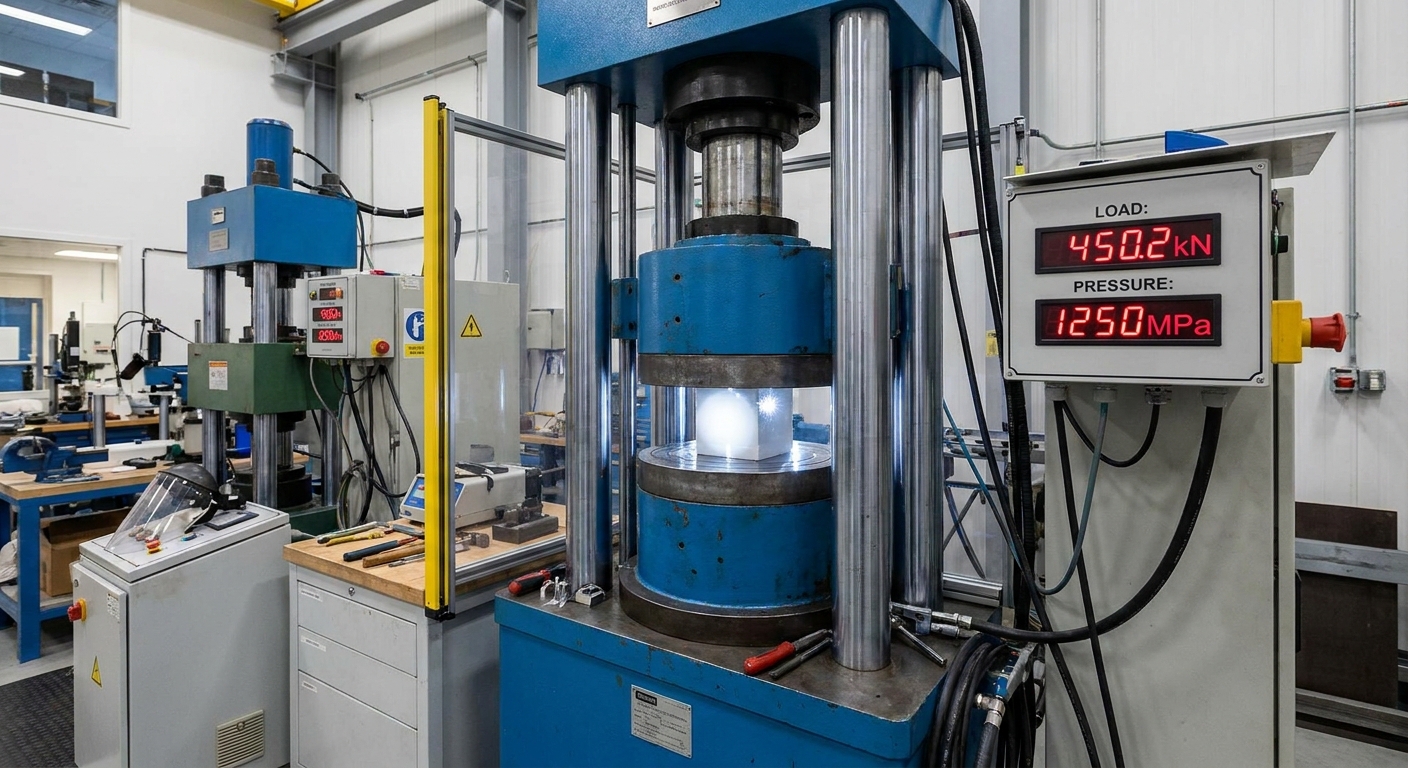
We analyze structural load capacities by subjecting sintered ceramic specimens to high-pressure mechanical compression, flexural bending, and fracture testing in professional laboratories. Testing the mechanical performance of consolidated parts confirms the superior strength and toughness of High-Purity Zirconia under extreme working conditions. By applying calibrated loads to test bars, you can determine critical mechanical thresholds like flexural strength, elastic modulus, and fracture resistance. These metrics are vital to ensure long-term reliability in high-load industrial applications.
What is high-pressure compression testing?
Compression testing evaluates the ceramic’s ability to withstand extreme crushing forces without experiencing microstructural collapse or premature crack propagation. Sintered blocks are loaded axially between high-stiffness steel platens until mechanical fracture occurs.
Here is the key:
The material’s compressive strength is heavily dependent on the elimination of micro-voids during the sintering process.
- Maximum Applied Load: Exceeds 3,000 MPa for high-density components.
- Loading Rate: Set at a stable 0.5 mm/min for precise stress tracking.
- Failure Analysis: Verified via electron microscopy to map crack propagation paths.
Flexural strength and Weibull modulus
Three-point and four-point bending tests measure the flexural strength and evaluate the structural reliability of advanced ceramics. A high Weibull modulus indicates excellent product uniformity, proving that the chemical processing steps successfully eliminated microstructural defects. This predictability is vital for safety-critical components used in extreme industrial environments.
Determining fracture toughness limits
Determining the fracture toughness indicates how well the material resists catastrophic failure when a surface scratch or microcrack is present. This exceptional damage tolerance makes stabilized zirconia ideal for replacement parts operating in highly abrasive environments.
Key Takeaway: Systematic mechanical testing validates that eliminating micro-voids and impurities yields outstanding load-bearing capacities.
| Test Metric | Standard Ceramic (Alumina) | Stabilized Zirconia (YSZ) | Structural Advantage |
|---|---|---|---|
| Compressive Strength | 2,000 MPa | > 3,000 MPa | Exceptional load bearing |
| Fracture Toughness | $4.0\text{ MPa}\cdot\text{m}^{1/2}$ | $10.5\text{ MPa}\cdot\text{m}^{1/2}$ | Resistance to cracking |
| Flexural Strength | 350 MPa | 1,100 MPa | Outstanding bending resistance |
Guided Analysis: Comparing these structural metrics highlights the profound performance advantages of stabilized zirconia over traditional technical ceramics.
What makes zirconia ideal for solid-state batteries?
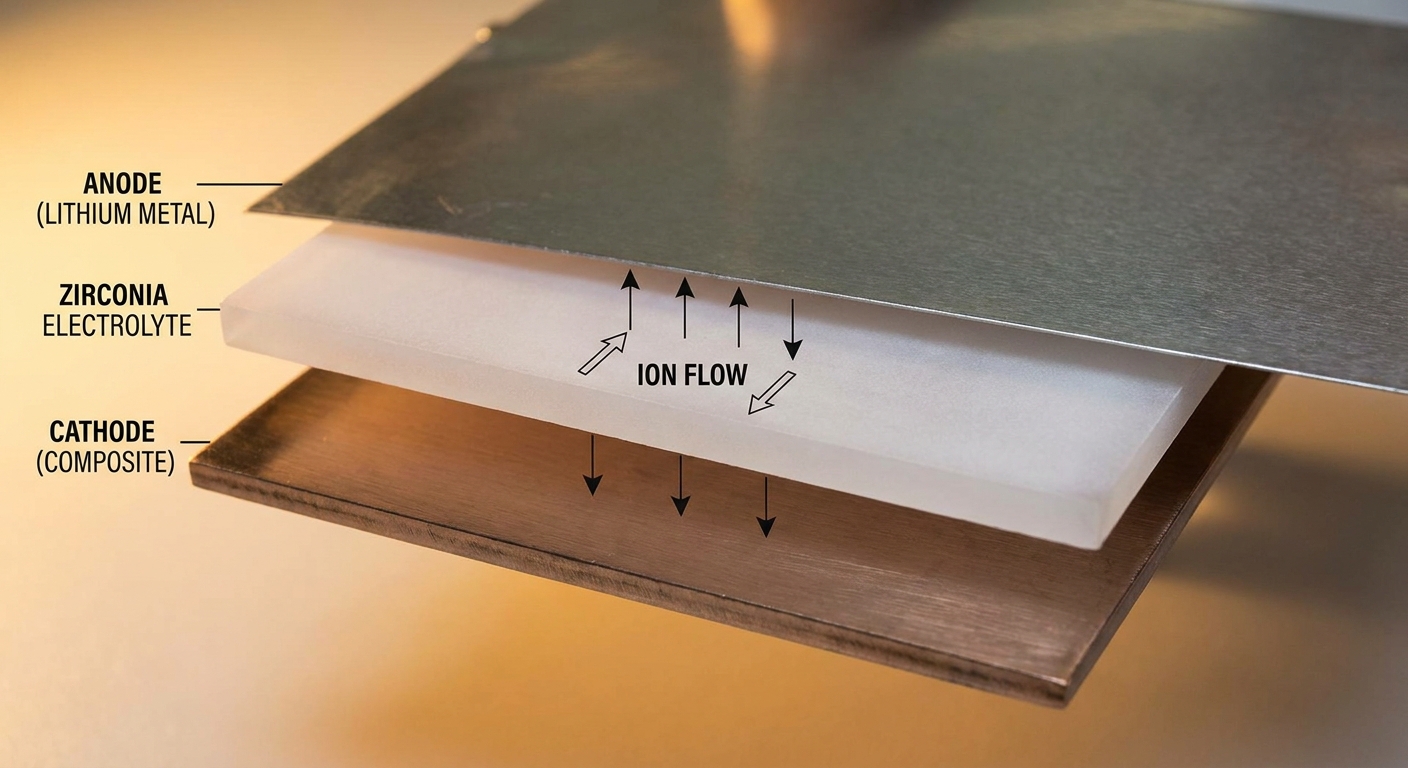
Zirconia is ideal for solid-state batteries because of its exceptional ionic conductivity at high operating temperatures, combined with its high mechanical stability against dendrite penetration. Using High-Purity Zirconia as a solid electrolyte or separator prevents battery short circuits and significantly boosts energy density. When doped with stabilizers like yttria, the oxygen vacancies in the zirconia crystal lattice allow for fast oxygen or lithium ion transport. This high ionic conductivity is crucial to develop safe, high-performance battery systems for modern electric vehicles.
Fast ionic transport mechanisms
The substitution of trivalent yttrium ions into the tetravalent zirconium lattice creates oxygen vacancies that facilitate high ion mobility. This fast diffusion path allows solid-state batteries to operate efficiently at high temperatures without relying on flammable liquid organic solvents.
But there is more.
The mechanical strength of the ceramic layer physically blocks lithium dendrites from growing through the electrolyte, preventing internal shorts.
- Ionic Conductivity: Reaches high levels under elevated thermal operating windows.
- Dendrite Resistance: High elastic modulus prevents metal dendrite penetration.
- Thermal Stability: Remains stable at temperatures exceeding 800°C.
How to minimize interfacial resistance?
Minimizing the resistance at the solid-solid interface between the electrode and the ceramic electrolyte is a major engineering goal. You can achieve excellent contact by utilizing ultra-thin, highly uniform zirconia ceramic sheets processed from refined nanopowders. This tight microstructural contact reduces energy losses and maximizes the battery’s overall charging efficiency.
Long-term chemical compatibility
Zirconia exhibits outstanding chemical compatibility with highly reactive lithium metal anodes, preventing interfacial degradation over thousands of charge cycles. This chemical stability ensures a long battery life and consistent energy storage capacity.
Key Takeaway: Zirconia’s combination of high ionic conductivity and excellent physical barrier properties makes it a leading material for next-generation solid-state batteries.
| Battery Property | Liquid Electrolyte | Zirconia Solid Electrolyte | Safety & Performance Impact |
|---|---|---|---|
| Flammability | High Risk | Non-Flammable | Eliminates thermal runaway |
| Dendrite Barrier | Poor | Outstanding | Prevents short-circuiting |
| Working Temp | -20°C to 60°C | -40°C to >150°C | Expands operating range |
Guided Analysis: Analyzing the battery electrolyte metrics shows how solid-state ceramics solve critical safety and lifetime issues in energy storage.
How is medical-grade zirconia manufactured?
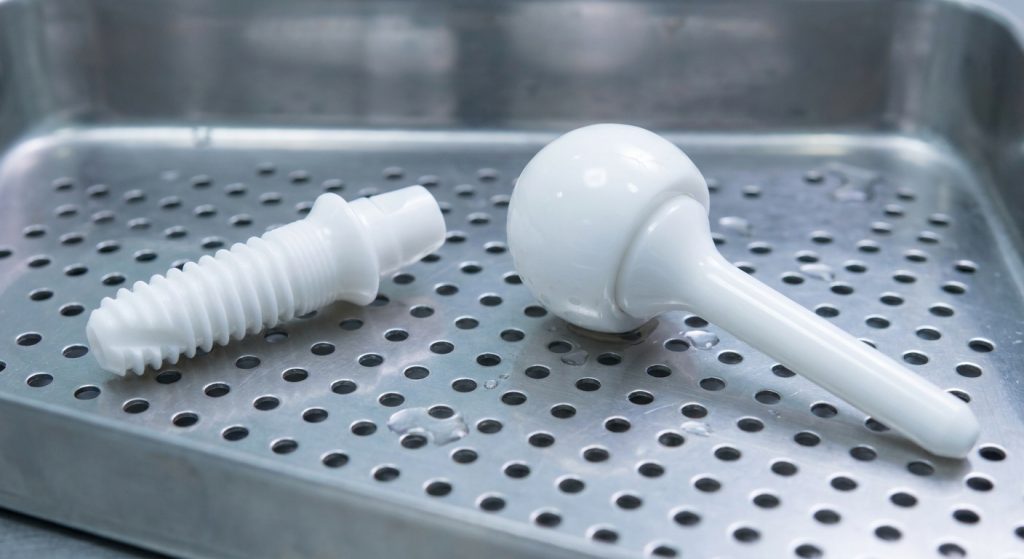
Medical-grade zirconia is manufactured by applying ultra-clean chemical synthesis and hot isostatic pressing to eliminate all toxic impurities and micro-voids, ensuring complete biocompatibility. Producing biomedical implants demands the use of High-Purity Zirconia to prevent adverse tissue reactions and guarantee outstanding mechanical reliability inside the human body. Any trace transition metal or silica impurities must be completely eliminated to prevent low-temperature degradation in humid body fluids. This stringent quality control ensures that dental crowns and orthopedic implants can withstand cyclic physiological loads for decades.
What is low-temperature degradation?
Low-temperature degradation, or hydrothermal aging, is the slow, spontaneous phase transformation from tetragonal to monoclinic in the presence of water or moisture. You can prevent this aging process by maintaining an ultra-fine grain size and high chemical purity.
Here is the bottom line:
Even minor chemical contaminants can accelerate hydrothermal aging, leading to micro-cracking and early implant failure.
- Grain Size Threshold: Kept strictly below 0.5 microns to prevent aging.
- Phase Stability: Maintained with 3 mol% yttria doping.
- Surface Finish: Polished to a mirror-like Ra < 0.01 microns to reduce friction.
Biocompatibility and tissue integration
The chemical inertness of medical-grade zirconia prevents the release of metallic ions, eliminating the risk of allergic reactions or tissue inflammation. Bone and soft tissues integrate exceptionally well with the polished ceramic surfaces, promoting fast healing and long-term implant stability. This makes it the premier choice for dental abutments and joint replacement components.
Hot Isostatic Pressing (HIP) processing
Hot Isostatic Pressing subjects the green ceramic parts to high temperatures and gas pressures simultaneously, removing any remaining microscopic pores. This process achieves near-theoretical density, ensuring maximum fatigue resistance and mechanical reliability.
Key Takeaway: Medical-grade zirconia combines high chemical purity with HIP processing to deliver exceptional biocompatibility and resistance to hydrothermal aging.
| Quality Attribute | Standard Industrial Grade | Medical-Grade Specification | Clinical Outcome |
|---|---|---|---|
| Silica Content | < 0.1% | < 0.005% | Prevents premature aging |
| Relative Density | 98.5% | > 99.9% (via HIP) | Eliminates fatigue failure |
| Surface Roughness | Ra 0.2 μm | Ra < 0.01 μm | Minimizes joint wear |
Guided Analysis: Reviewing medical-grade specifications reveals why extreme chemical purity is essential to ensure long-term implant survival in the human body.
Which metrics determine high-purity performance?
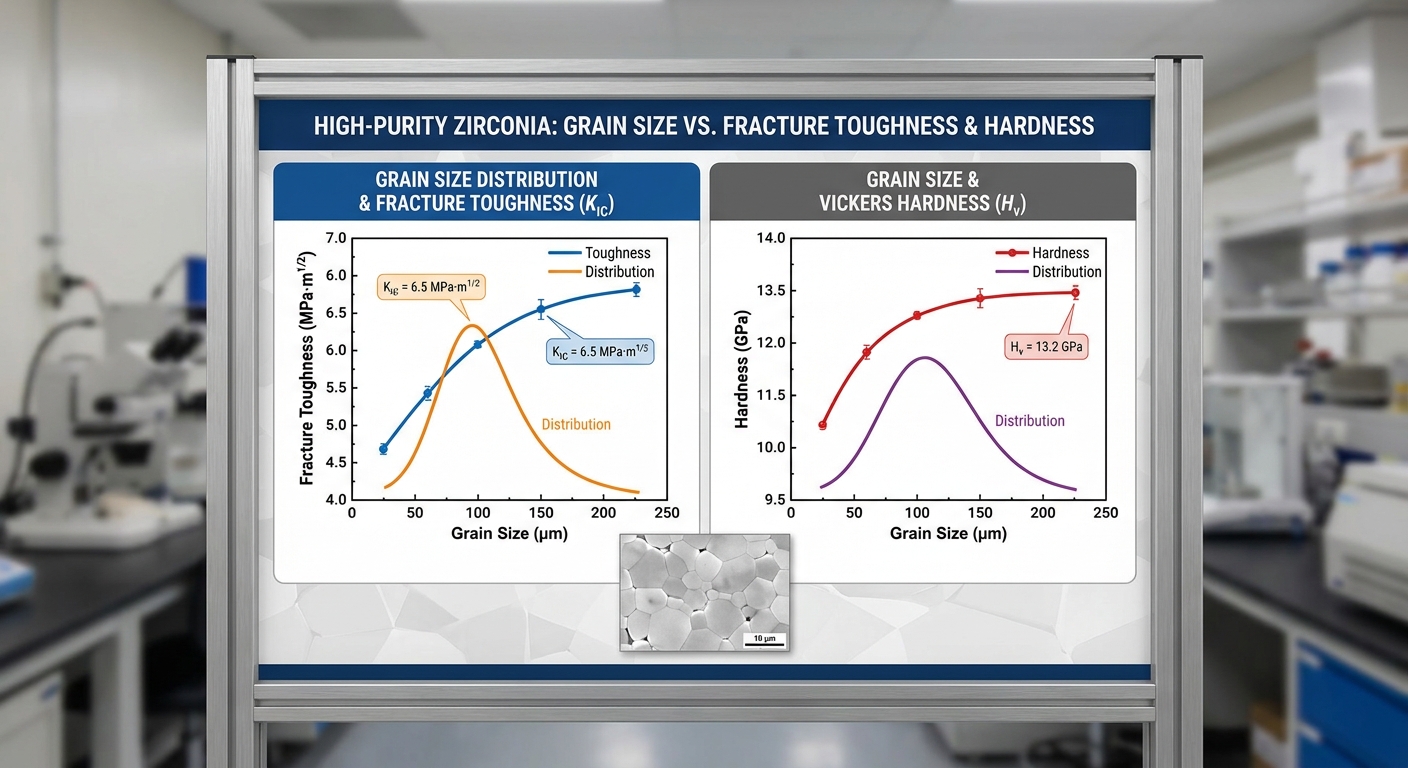
The metrics that determine high-purity performance include chemical composition, grain size distribution, phase composition, and mechanical properties like fracture toughness and hardness. Assessing these key quality metrics is critical to guarantee that your High-Purity Zirconia powder meets the strict demands of high-tech industrial applications. By tracking the relationship between grain size and physical performance, you can optimize your sintering and manufacturing processes. These metrics provide a clear benchmark for component quality and wear resistance.
Chemical composition and trace contaminants
The overall chemical purity is the primary factor that dictates the material’s structural and dielectric stability. You must measure trace elements like silica, iron, and sodium down to parts-per-million levels to prevent grain boundary degradation.
Think about it:
A high-purity powder is the only foundation that guarantees consistent mechanical performance in high-stress applications.
- Zirconia Purity: Targets over 99.9% combined ZrO2 and HfO2.
- Silica Limit: Maintained below 50 PPM for electronic applications.
- Iron Limit: Kept below 10 PPM to prevent discoloration and defects.
Grain size distribution vs mechanical properties
A narrow grain size distribution ensures uniform sintering shrinkage and prevents large grains from initiating structural cracks. You can correlate grain size directly with fracture toughness and hardness using high-resolution electron microscopy and micro-indentation tests. This analysis shows that sub-micron grain sizes yield the highest overall strength and toughness.
Evaluating crystalline phase distribution
Evaluating the ratio of monoclinic, tetragonal, and cubic phases via X-ray diffraction confirms the stabilizer’s effectiveness. This crystal structure validation guarantees that the material is capable of undergoing stress-induced phase transformation toughening.
Key Takeaway: Continuous monitoring of chemical purity, grain size distribution, and phase composition ensures that the final ceramic component achieves maximum strength and reliability.
| Performance Metric | Target Value | Testing Method | Industrial Significance |
|---|---|---|---|
| Chemical Purity | > 99.9% | ICP-MS / XRF | Eliminates grain boundary glass |
| Grain Size | 100 – 200 nm | SEM / TEM | Maximizes strength and hardness |
| Fracture Toughness | 8.0 MPa·m¹ᐟ² | Single-Edge V-Notched Beam | Provides high damage tolerance |
Guided Analysis: Analyzing the performance metrics reveals the direct relationship between nano-sized grain controls and high fracture toughness.
Frequently Asked Questions
Can I synthesize zirconia nanopowders from raw zircon sand directly?
No, raw zircon sand cannot be transformed directly into high-purity nanopowders through simple physical grinding. It must first undergo chemical decomposition—such as alkali fusion and subsequent acid leaching—to break down its stable silicate structure and separate the zirconium from silica and metallic impurities. Once a pure chemical precursor is isolated, controlled crystallization and milling are used to yield the final nanopowder.
What’s the best stabilizing oxide for high-temperature wear applications?
Yttria ($\text{Y}_2\text{O}_3$) is widely considered the best overall stabilizer for room-temperature and moderate-temperature wear parts due to its outstanding mechanical strength and fracture toughness. However, for extreme high-temperature applications with cyclic thermal stresses, magnesia ($\text{MgO}$) stabilized zirconia is often preferred because of its superior thermal shock resistance and resistance to hydrothermal degradation.
How do I know if my zirconia nanopowder has reached the desired purity level?
Purity levels are verified using advanced analytical techniques like Inductively Coupled Plasma Mass Spectrometry (ICP-MS) and X-ray Fluorescence (XRF). These methods detect trace metals down to parts-per-million levels. Additionally, X-ray Diffraction (XRD) is utilized to confirm that the desired crystalline phase is present without raw precursor impurities.
Can I recover and reuse chemical reagents during the acid leaching phase?
Yes, modern closed-loop chemical processing systems can recover a high percentage of hydrochloric or sulfuric acid from the waste stream. By employing acid retardation and distillation technologies, manufacturers can regenerate clean acid while concentrating metal impurity salts for safe disposal or secondary processing, significantly lowering operational costs.
What’s the best way to prevent nanoparticle agglomeration during calcination?
The best approach involves adding organic surfactants or dispersants to the precursor precipitate before thermal treatment to physically keep the particles apart. Additionally, keeping calcination temperatures low and heating cycles short limits the thermal energy available for individual nanoparticles to neck and fuse together.
Conclusion
Developing high-purity zirconia nanopowders from local zircon sand represents a major advancement in ceramic materials engineering. By masterfully guiding the raw material through alkali fusion, selective acid leaching, and precise thermal processing, manufacturers can produce highly reliable, defect-free ceramic materials. These engineered nanocomposites deliver unmatched strength, wear resistance, and thermal insulation, pushing the boundaries of what advanced ceramics can achieve in demanding fields like aerospace, medicine, and industrial manufacturing.
If you are ready to elevate your industrial performance, reduce operational downtime, and integrate these advanced materials into your production line, contact us today to collaborate with our applications team.