
Chlorination of zirconium bearing materials to produce high-purity zirconia is achieved by reacting zircon sand with carbon and chlorine gas at extreme temperatures to volatilize pure zirconium tetrachloride, which is then purified and calcined. Imagine a high-precision chemical processing facility where advanced ceramic valves and pump impellers suddenly crack under moderate stress, bringing an entire production line to a grinding halt. This catastrophic mechanical failure is almost always traced back to minute impurities, such as silica or iron, which reside inside the raw ceramic powder and create weak points in its microstructure. These microscopic flaws silently expand under cyclic loads, leading to unpredictable downtime, expensive equipment damage, and severe financial losses for your business.
Fortunately, transitioning your manufacturing processes to use High-Purity Zirconia completely resolves these structural vulnerabilities. This ultra-refined oxide is free from the microscopic contaminants that disrupt grain boundary cohesion, giving your final ceramic components unmatched fracture toughness, high-temperature stability, and exceptional wear resistance. By adopting this premium raw material, you ensure long-term operational reliability and safeguard your critical engineering equipment.
Why is High-Purity Zirconia in demand?
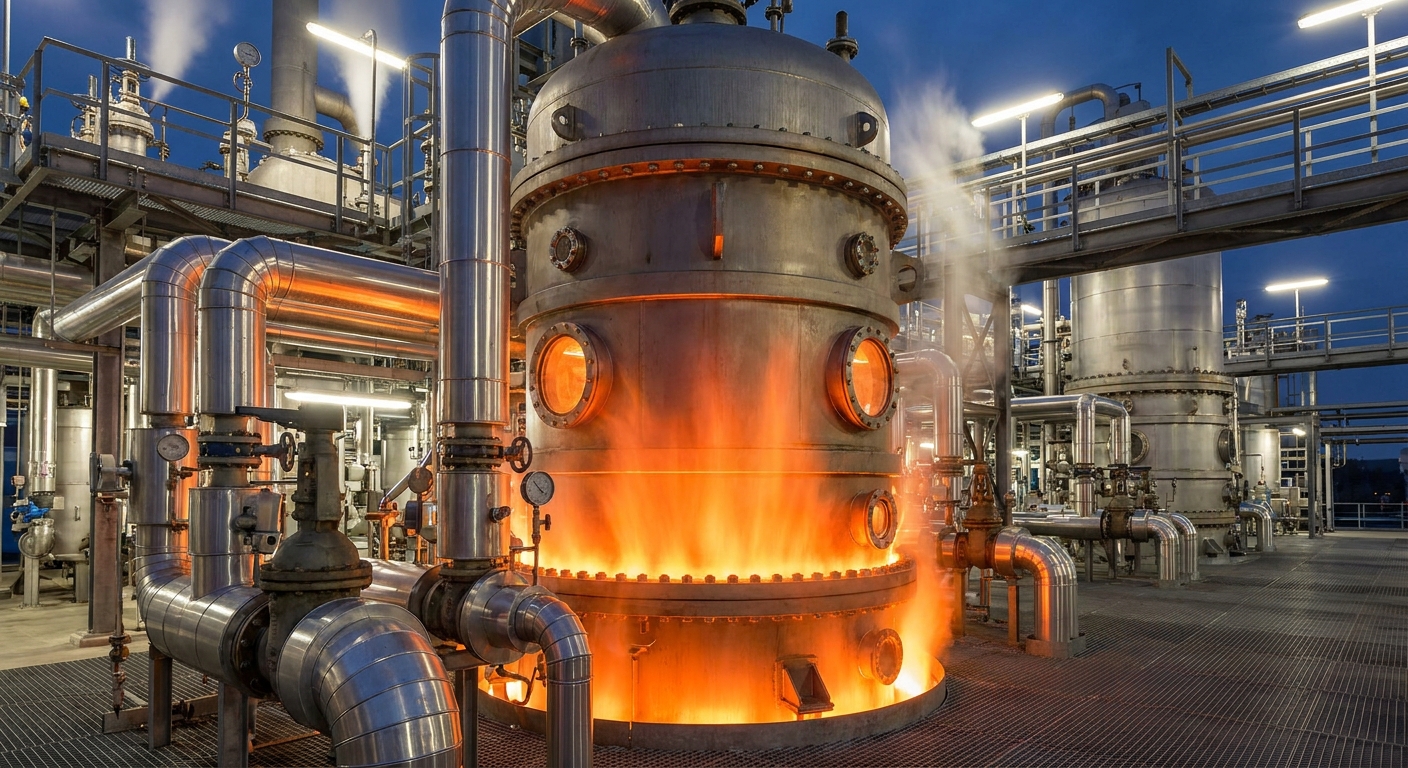
High-purity zirconia is in high demand because modern industrial applications require materials that can withstand extreme mechanical, thermal, and chemical stress without structural failure. Utilizing High-Purity Zirconia prevents microstructural defects that typically lead to catastrophic component breakdowns. By eliminating trace contaminants, you ensure your engineered parts achieve optimal fracture toughness and wear resistance.
Why is the Rise of Advanced Ceramics Accelerating?
Advanced ceramic components are replacing traditional metals in highly corrosive and high-stress environments. But how does this work in practice? By refining the mineral structure, you eliminate the micro-cracks that cause sudden mechanical failures. This ensures your components can withstand extreme frictional forces.
To achieve these results, you must evaluate specific wear parameters:
- Yield strength under compression.
- Maximum thermal stability limits.
- Surface roughness post-sintering.
These properties directly determine the overall reliability of your industrial operations.
What are the Electronics and Energy Needs?
The global shift toward renewable energy and micro-electronics demands materials with precise electrical and thermal conductivities. What does this mean for you? Your solid oxide fuel cells and oxygen sensors depend heavily on precise ionic conductivity. Even tiny impurities can block the oxygen ion pathways and degrade your cell efficiency.
Therefore, utilizing ultra-pure raw powders is non-negotiable for high-yield production:
- Oxygen ion conductivity stability.
- Dielectric breakdown strength.
- Thermal expansion matching.
You will see immediate improvements in product longevity when you maintain these standards.
Key Takeaway: Selecting high-grade zirconia guarantees high-efficiency electrical and thermal performance under extreme operational conditions.
| Parameter | Standard Grade | Ultra-Pure Grade |
|---|---|---|
| ZrO₂ + HfO₂ (%) | < 99.0 | ≥ 99.9 |
| SiO₂ (%) | 0.20 | < 0.005 |
| Fe₂O₃ (%) | 0.05 | < 0.002 |
| TiO₂ (%) | 0.15 | < 0.003 |
This clear contrast illustrates why eliminating trace silica and iron oxides is the ultimate deciding factor in advanced electronic component reliability.
How does chlorination yield High-Purity Zirconia?
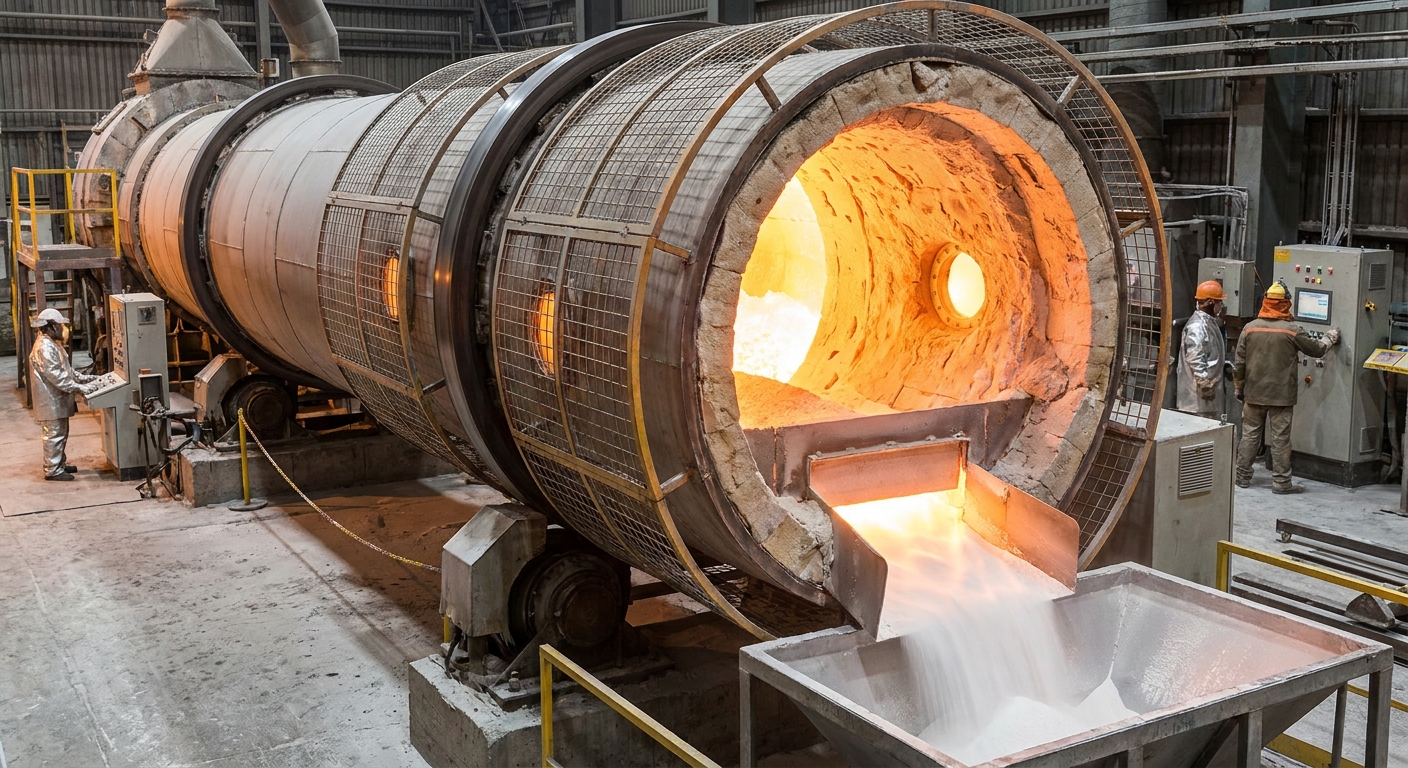
Chlorination yields High-Purity Zirconia by converting impure zircon sand into volatile zirconium tetrachloride gas, separating it from unwanted oxides, and then calcining the purified intermediate. This chemical pathway leverages the distinct boiling points of various metal chlorides to selectively isolate zirconium. Through this thermal separation process, you can achieve unprecedented levels of oxide purity.
What are the Basic Chemical Principles?
The extraction process relies on carbochlorination, where carbon acts as a reducing agent in the presence of chlorine gas. But how does this work in practice? You mix the zircon sand with petroleum coke and expose it to gaseous chlorine. This reaction successfully breaks the strong zirconium-silicon oxygen bonds.
During this phase, you must monitor several critical gaseous outputs:
- Zirconium tetrachloride vapour.
- Silicon tetrachloride gas.
- Carbon monoxide and dioxide.
Managing these process gases carefully keeps your system operating at peak safety and efficiency.
How is the Conversion to Zirconium Tetrachloride Achieved?
The reaction transforms the solid zircon feed into gaseous zirconium tetrachloride at temperatures exceeding 1200°C. Here is why: thermodynamic stability of the zircon crystal lattice requires high thermal activation energy to react with chlorine. Your reactor must maintain this heat level to ensure complete conversion.
To optimize this conversion stage, you should prioritize these key parameters:
- Chlorine gas flow velocity.
- Carbon-to-zircon stoichiometry.
- Residence time in the reaction chamber.
This ensures your yield is fully maximized while minimizing chlorine waste.
Key Takeaway: Vaporizing zirconium into a gaseous tetrachloride state allows for the precise, thermodynamic separation of all non-zirconium metal species.
| Reaction Parameter | Optimal Value Range | Technical Purpose |
|---|---|---|
| Reactor Temp | 1200°C – 1300°C | Drive carbochlorination reaction |
| Coke Ratio | 20% – 25% wt | Complete reduction of zircon |
| Cl₂ Gas Purity | ≥ 99.5% | Prevent oxidation during chlorination |
| Gas Velocity | 0.15 – 0.25 m/s | Maintain fluidized bed stability |
This clear contrast illustrates why controlling chlorine flow rate and coke stoichiometry is the ultimate deciding factor in intermediate tetrachloride yield.
What raw materials make High-Purity Zirconia?
The primary raw materials used to make High-Purity Zirconia are zircon sand (zirconium silicate) and a carbonaceous reducing agent like petroleum coke. These ingredients undergo high-temperature chlorination to yield the necessary pure intermediate compounds. By choosing high-quality starting materials, you dramatically reduce the workload on your downstream refining equipment.
Why is Zircon Sand Processing Critical?
Natural zircon sand contains significant levels of hafnium, iron, and titanium oxides that must be removed. What does this mean for you? Your raw sand must undergo rigorous milling to achieve a fine particle size before entering the reactor. This physical preparation increases the reactive surface area and speeds up the extraction process.
When preparing your feed, you must strictly control these sand characteristics:
- Mean particle size distribution.
- Total moisture content.
- Initial silica concentration.
Ensuring these parameters are consistent prevents sintering and bed agglomeration.
What are the Alternative Zirconium Sources?
While zircon sand is standard, you can also use baddeleyite or chemical-grade zirconium oxychloride as alternative inputs. But there is a catch. These alternative sources often carry unique impurity profiles that require specialized pre-treatment protocols. Your refining steps must adapt to handle these varying baseline elements.
Compare these common starting materials for your plant:
- Zircon sand (abundant, higher silica).
- Baddeleyite (scarce, lower silica).
- Zirconium basic carbonate (processed, low impurities).
Selecting the correct source aligns your operational budget with your final product specifications.
Key Takeaway: Mechanical and chemical conditioning of zircon sand is essential to prevent reactor clogging and maximize reactant gas contact.
| Raw Material | ZrO₂ Content (%) | Major Impurities | Process Effort |
|---|---|---|---|
| Zircon Sand | 65 – 67 | SiO₂ (30%), Fe₂O₃ (0.1%) | Medium (Requires Milling) |
| Baddeleyite | 90 – 98 | TiO₂ (1.5%), Fe₂O₃ (0.5%) | Low (High feedstock cost) |
| Carbonate Precursor | 40 – 45 | Na₂O (0.05%), SO₄²⁻ (0.2%) | Very Low (Direct Calcination) |
This clear contrast illustrates why raw material selection directly dictates the mechanical energy and chemical purification steps required downstream.
Can chlorination purify High-Purity Zirconia?
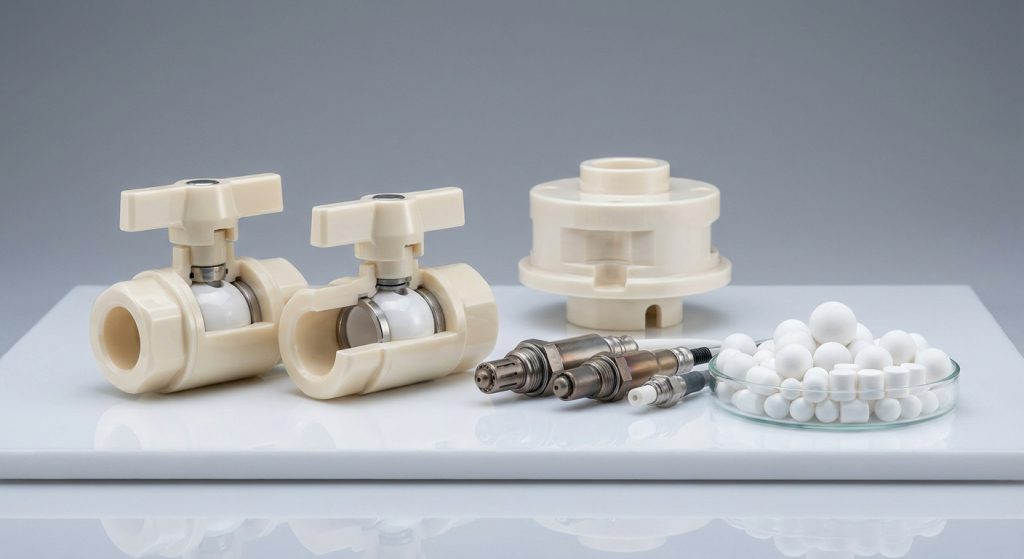
Chlorination can absolutely purify High-Purity Zirconia because different chemical impurities form volatile chlorides with vastly different boiling points. This physical property allows you to selectively condense and separate iron, titanium, and silicon from the zirconium tetrachloride gas stream. By exploiting these thermodynamic differences, you achieve a level of purity that conventional chemical precipitation struggles to match.
What are Selective Chlorination Mechanics?
Selective chlorination utilizes specific temperature windows to react only with targeted metal oxides. But how does this work in practice? You introduce chlorine gas at a temperature where zirconium remains unreacted while impurities chlorinate rapidly. This thermodynamic window lets you volatilize and remove unwanted elements first.
This process effectively isolates major contaminants:
- Iron oxide (converted to FeCl₃).
- Titanium dioxide (converted to TiCl₄).
- Silicon dioxide (converted to SiCl₄).
Using this selective chemical route helps you maintain high yields of the target zirconium intermediate.
How is the Separation of Heavy Metals Done?
Heavy metals like hafnium are notoriously difficult to separate from zirconium due to their identical chemical properties. Here is the real kicker: chlorination allows for fractional distillation of their respective tetrachlorides under high-pressure conditions. Your system can split these metals by capitalizing on a tiny boiling point difference of only several degrees.
To monitor heavy metal separation, you must track these indicators:
- Hafnium-to-zirconium ratio.
- Condenser temperature profiles.
- Reflux ratio in columns.
This level of control ensures your finished material meets nuclear and electronic specifications.
Key Takeaway: Exploiting chloride volatility differences enables the extraction of ultra-pure zirconium from highly contaminated, complex mineral matrices.
| Chloride Compound | Boiling/Sublimation Pt | Phase at 300°C | Separation Method |
|---|---|---|---|
| ZrCl₄ | 331°C (Sublimation) | Gas/Solid transition | Selective Condensation |
| SiCl₄ | 57.6°C (Boiling) | Gas | Distillation |
| FeCl₃ | 315°C (Boiling) | Gas | Fractional Condensation |
| TiCl₄ | 136.4°C (Boiling) | Gas | Fractional Distillation |
This clear contrast illustrates why managing precise temperature condensation zones is the ultimate deciding factor in separating iron and titanium from zirconium.
Which reactions form High-Purity Zirconia?
The chemical reactions that form High-Purity Zirconia include the carbochlorination of zirconium silicate to produce zirconium tetrachloride gas, followed by either hydrolysis or direct thermal oxidation, and final high-temperature calcination. These reaction steps must be executed under strict atmospheric and thermal controls to avoid re-contamination. By optimizing each chemical phase, you consistently produce a highly crystalline, ultra-pure final powder.
What are the Carbochlorination Kinetics?
Carbochlorination kinetics are governed by gas-solid diffusion rates and chemical reaction rates at the carbon-zircon boundary. Here is why that matters: your reaction rate will drop dramatically if the carbon and zircon sand are not thoroughly mixed. You must maintain a turbulent gas flow to prevent the formation of static boundary layers.
Accelerating this reaction requires optimizing several mechanical parameters:
- Specific surface area of reactants.
- Gas diffusion coefficient.
- Fluidization velocity.
Maximizing these physical factors allows you to achieve faster cycle times and lower energy usage.
How do High-Temperature Thermodynamics Behave?
High-temperature thermodynamics dictate whether the reduction and chlorination reactions will proceed spontaneously. What does this mean for you? You need to supply continuous thermal energy to overcome the highly endothermic nature of the primary reduction. If your reactor temperature drops below 1100°C, the conversion efficiency drops off a cliff.
You can evaluate the thermodynamic state using these standard values:
- Gibbs free energy change (ΔG).
- Reaction enthalpy (ΔH).
- Equilibrium constant (Kp).
Balancing these thermodynamic inputs prevents unreacted zircon sand from bypassing your fluidized bed.
Key Takeaway: Controlling reaction kinetics and thermodynamics ensures complete carbon reduction, preventing raw material carryover into the final product.
| Reaction Phase | Temp Range | Gibbs Free Energy (ΔG) | Rate-Limiting Factor |
|---|---|---|---|
| Reduction | 1100°C – 1200°C | Negative (Spontaneous) | Carbon surface area |
| Chlorination | 1200°C – 1350°C | Highly Negative | Chlorine gas diffusion |
| Oxidation | 800°C – 1000°C | Highly Negative | Oxygen partial pressure |
| Calcination | 1000°C – 1200°C | Zero (Phase transition) | Heat transfer rate |
This clear contrast illustrates why maintaining the reactor core temperature above 1200°C is the ultimate deciding factor in achieving high chemical reaction rates.
How is silica removed for High-Purity Zirconia?
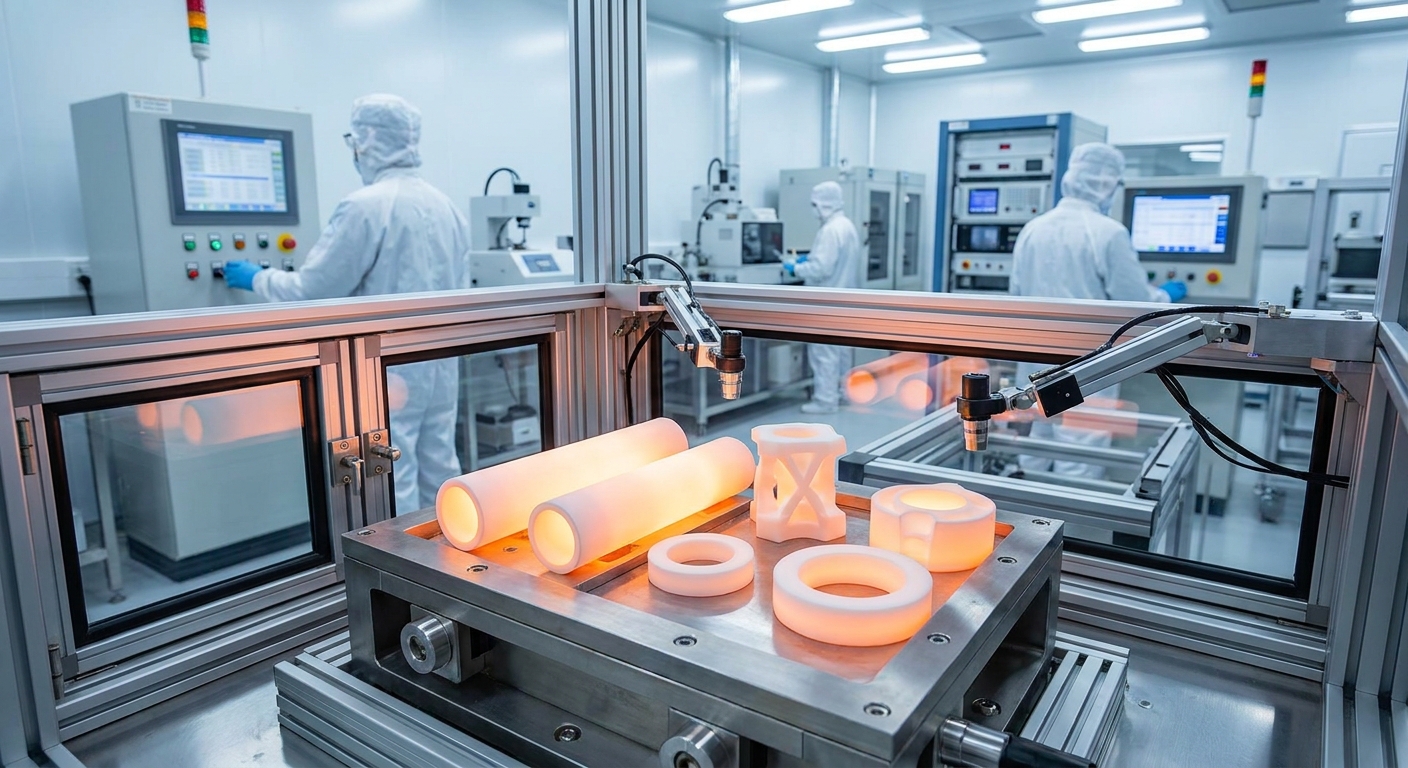
Silica is removed to produce High-Purity Zirconia by converting it into silicon tetrachloride gas, which remains in the vapor phase at temperatures where zirconium tetrachloride is condensed into a solid. This physical phase separation completely isolates the silica fraction from your target zirconium stream. By maintaining a clean temperature barrier, you prevent silicon from re-contaminating your refined intermediate powder.
What is Silicon Tetrachloride Separation?
Silicon tetrachloride has a boiling point of only 57.6°C, making it extremely volatile compared to zirconium tetrachloride. But how does this work in practice? You cool the mixed reaction gases to around 200°C, causing zirconium tetrachloride to desublimate directly into a solid. The silicon tetrachloride remains a gas and is easily vented away.
To handle this volatile silicon byproduct safely, you must manage:
- Exhaust gas scrubbers.
- Condenser cooling rates.
- Acid neutralization tanks.
Proper treatment of this gaseous stream allows you to reclaim valuable chlorine for reuse.
What are Sublimation Process Differences?
Sublimation differences allow you to purify zirconium tetrachloride without passing through a liquid phase. Here is the real kicker: zirconium tetrachloride sublimes at 331°C, while most heavy metal impurities remain solid or liquid at this temperature. You can vaporize the zirconium tetrachloride away from non-volatile oxides and heavy metals.
This sublimation cycle must monitor these process parameters:
- Carrier gas flow rate.
- Heat exchanger surface temperature.
- Sublimation chamber pressure.
Using this solid-to-gas phase transition gives you an ultra-clean zirconium intermediate.
Key Takeaway: Exploiting the wide gap between zirconium tetrachloride’s sublimation point and silicon tetrachloride’s boiling point guarantees complete silica removal.
| Compound | Sublimation/Boiling Pt | State at 200°C | Handling Method |
|---|---|---|---|
| ZrCl₄ | 331°C (Sublimation) | Solid | Mechanical Scraping |
| SiCl₄ | 57.6°C (Boiling) | Gas | Condensation & Scrubbing |
| SiO₂ | 2230°C (Boiling) | Solid | Reactor Bed Discharge |
This clear contrast illustrates why the condenser temperature must be held strictly between 150°C and 250°C to achieve optimal separation of gaseous silicon tetrachloride.
What temperatures favor High-Purity Zirconia?
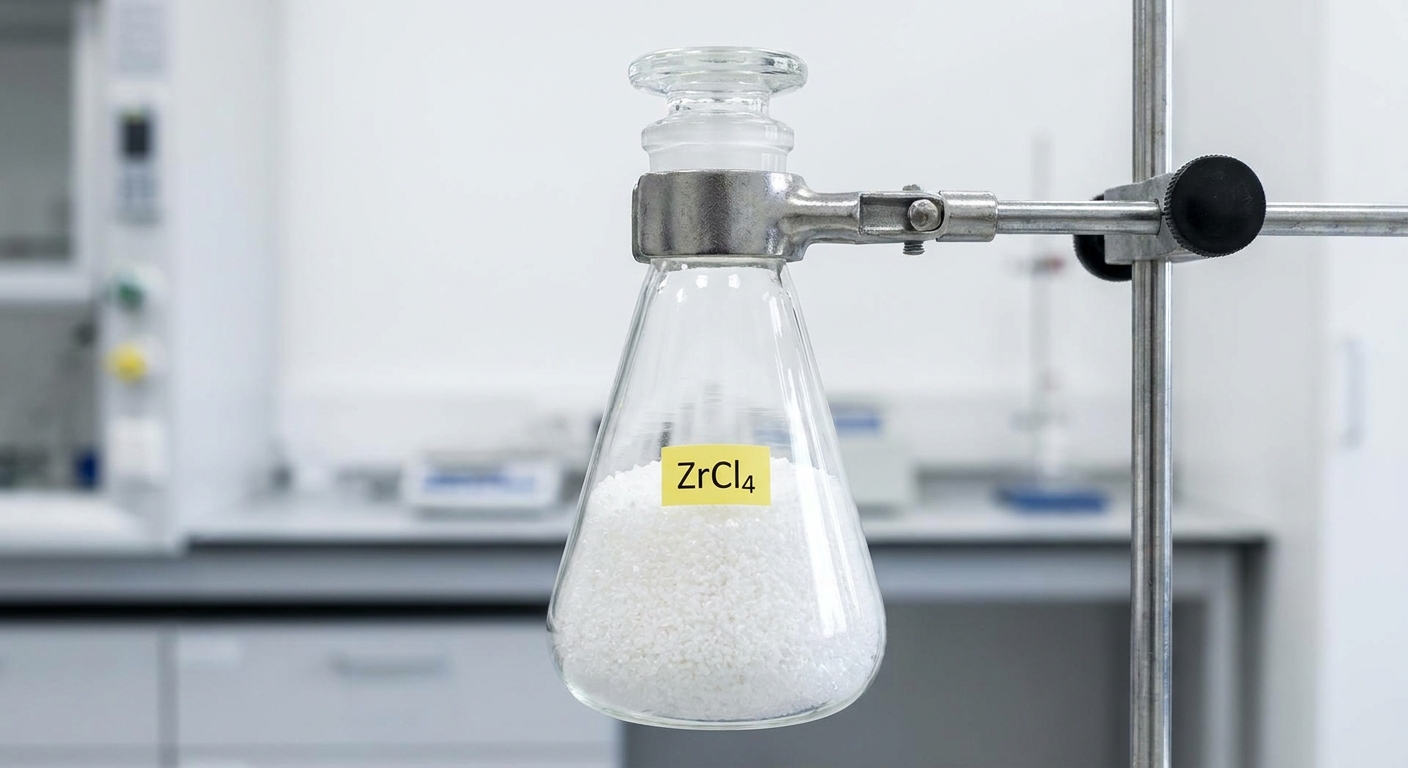
Temperatures between 1200°C and 1350°C favor the production of High-Purity Zirconia during the chlorination phase, while calcination is best executed between 1000°C and 1200°C. Maintaining these exact thermal regimes prevents incomplete chemical reactions and controls the final oxide grain size. By strictly regulating your thermal boundaries, you ensure both chemical purity and physical consistency.
What is the Optimal Heat Range for Recovery?
The optimal heat range for maximum zirconium recovery balances reaction speed against reactor material degradation. What does this mean for you? If you push temperatures past 1400°C, your reactor lining will wear out prematurely and contaminate the product. Conversely, dropping below 1150°C slows down the reaction kinetics to an unprofitable level.
You must balance these critical thermal zones:
- Chlorination bed (1200°C – 1300°C).
- Condensation zone (180°C – 220°C).
- Calcination kiln (1000°C – 1100°C).
Achieving this thermal balance ensures maximum throughput and saves energy.
How to Achieve Energy Efficiency in Reactors?
Achieving energy efficiency in high-temperature reactors requires effective heat recovery and optimized insulation. Here is why: the carbochlorination reaction is exothermic once initiated, meaning you can harness this reaction heat to sustain the process. Your pre-heating system should use hot exhaust gases to warm incoming chlorine and zircon feed.
Implementing these thermal recovery tactics will boost your bottom line:
- Counter-current gas-solid heat exchangers.
- High-grade ceramic fiber insulation blankets.
- Regenerative burner systems.
You will see a dramatic drop in utility costs when these systems are fully active.
Key Takeaway: Tight thermal control across all process zones maximizes reaction rates while preventing equipment damage and thermal runaways.
| Process Stage | Target Temp (°C) | Energy Source | Thermal Control Mechanism |
|---|---|---|---|
| Chlorination | 1250 | Reaction Exotherm + Electric | Chlorine feed modulation |
| Sublimation | 350 | External Electric Jackets | Thermocouple feedback loop |
| Calcination | 1100 | Gas-Fired Rotary Kiln | Air-to-fuel ratio control |
This clear contrast illustrates why maintaining the calcination zone at precisely 1100°C is the ultimate deciding factor in controlling the final particle size of the powder.
How do impurities affect High-Purity Zirconia?
Impurities degrade High-Purity Zirconia by causing lattice distortions, micro-cracking, and premature mechanical failure under load. These chemical contaminants concentrate at the grain boundaries, weakening the ceramic’s structural cohesion. By eliminating these microscopic flaws, you unlock the material’s full potential for high-stress applications.
What is Iron and Titanium Contamination?
Iron and titanium impurities are the most common culprits for discoloration and structural weakness in advanced ceramics. But how does this work in practice? These metal ions substitute into the zirconium oxide crystal lattice, creating oxygen vacancies and structural strain. This lattice strain makes your finished parts highly susceptible to thermal shock and cracking.
These impurities cause several noticeable defects in sintered parts:
- Dark gray or yellowish spots on white ceramics.
- Reduced dielectric strength in electronic parts.
- Accelerated wear under sliding friction.
You must eliminate these metals to meet strict quality and aesthetic standards.
What are the Quality Standards for Industry?
Industrial quality standards mandate ultra-low thresholds for silica, iron, and titanium in advanced zirconia applications. Here is the real kicker: for dental implants and aerospace components, the total allowable impurity level is often less than 0.1%. Your chemical assay reports must prove compliance with these rigid international standards.
Verify your powder batches against these critical industry metrics:
- Total ZrO₂ + HfO₂ content.
- Absolute iron oxide limit.
- Specific surface area consistency.
Meeting these specifications ensures your products are accepted by high-end B2B buyers worldwide.
Key Takeaway: Sourcing zirconia with sub-ppm impurity levels prevents grain boundary degradation, maximizing the lifetime of your components.
| Impurity Element | Maximum Limit (ppm) | Negative Operational Impact |
|---|---|---|
| Fe₂O₃ | < 100 | Discoloration, decreased electrical resistance |
| TiO₂ | < 150 | Lattice strain, lower fracture toughness |
| SiO₂ | < 50 | Grain boundary glassy phase, thermal fatigue |
| Al₂O₃ | < 200 | Uncontrolled phase transformation during cooling |
This clear contrast illustrates why reducing iron and silica to double-digit ppm levels is the ultimate deciding factor in preventing catastrophic mechanical failures.
Why use fluidized beds for High-Purity Zirconia?
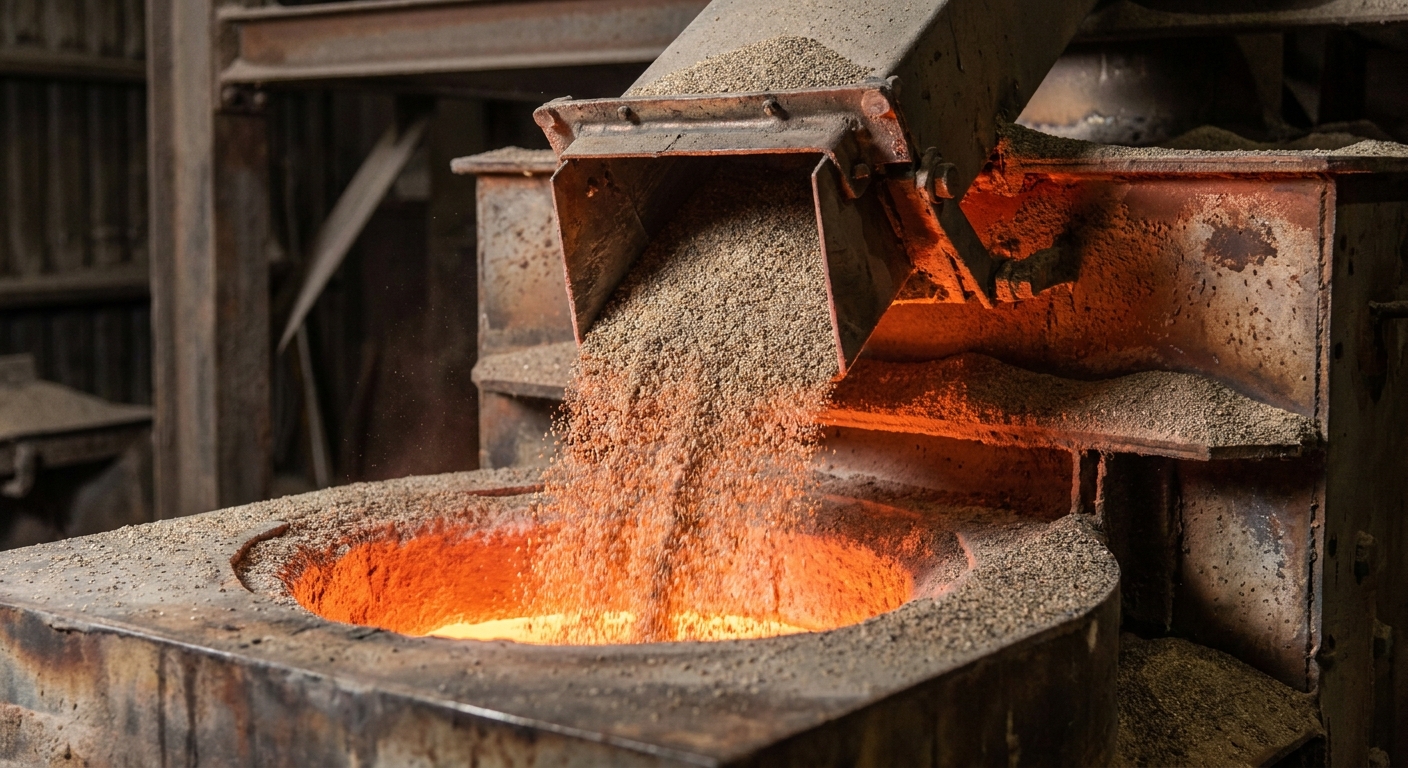
Fluidized beds are used to produce High-Purity Zirconia because they provide exceptional heat and mass transfer, ensuring uniform gas-solid contact and rapid chemical reactions. This reactor design prevents localized hot spots that lead to sintering and incomplete chlorination. By using a fluidized gas stream, you maintain continuous, automated processing with high chemical efficiency.
What are Fluidized Bed Advantages?
Fluidized bed reactors excel because they suspend solid particles in an upward-flowing stream of reactant gas. What does this mean for you? The entire volume of zircon sand is exposed to chlorine gas simultaneously, accelerating the reaction rate. You avoid the cold spots and stagnant zones typical of static shaft furnaces.
These reactors provide several key operational benefits:
- Highly uniform bed temperatures.
- Rapid chemical conversion kinetics.
- Easy continuous feeding and discharging.
These advantages directly translate into lower operating costs and higher daily production volumes.
How to Optimize Reactor Design and Scaling?
Optimizing reactor design requires careful calculation of gas distribution velocities and bed expansion ratios. But how does this work in practice? You must size the bottom distributor plate to ensure gas enters the bed evenly across its entire width. If your gas flow is uneven, the bed will channel, causing unreacted chlorine to bypass the sand.
Scale up your system by focusing on these essential physical factors:
- Bed aspect ratio (height-to-diameter).
- Freeboard height (to minimize particle carryover).
- Refractory lining chemical compatibility.
A well-designed scaling plan ensures your product quality remains perfect at any production volume.
Key Takeaway: Utilizing fluidized bed reactors ensures perfect thermal uniformity, eliminating under-chlorinated zones and boosting product yield.
| Design Parameter | Optimal Value | Influence on Bed Behaviour |
|---|---|---|
| Gas Velocity | 3.5 x Umf | Ensures vigorous, uniform particle fluidization |
| Bed Height / Dia | 2.5 : 1 | Prevents slugging and limits gas channeling |
| Distributor Type | Bubble cap plate | Provides uniform gas entry without particle weeping |
| Freeboard Height | 1.8 m | Allows entrained fine particles to settle back |
This clear contrast illustrates why maintaining the fluidization gas velocity at 3.5 times the minimum fluidization velocity is the ultimate deciding factor in avoiding reactor bed defluidization.
Where is High-Purity Zirconia applied today?
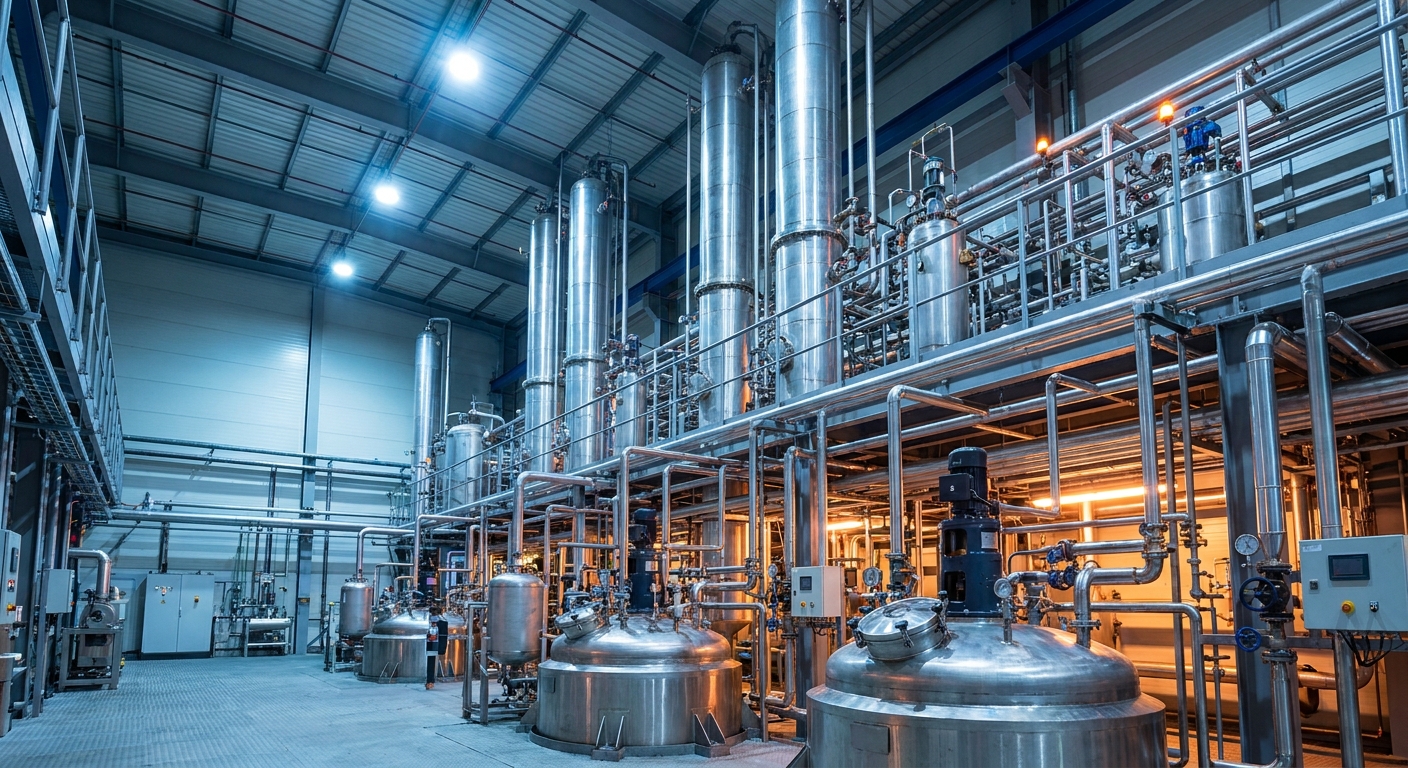
High-Purity Zirconia is applied today in critical high-performance industries including dental prosthetics, aerospace thermal barriers, oxygen sensors, and high-efficiency grinding media. These demanding sectors rely on the material’s exceptional mechanical strength, wear resistance, and biocompatibility. By incorporating this elite oxide into your manufacturing processes, you can deliver products that survive the harshest environments on earth.
How is it Used in Structural and Bioceramics?
In biomedical and mechanical fields, structural ceramics require absolute purity to prevent premature aging and stress degradation. Here is why: dental crowns and joint implants must resist constant cyclic loading in corrosive bodily fluids without cracking. Your components will exhibit superior hydrolytic stability when you use powders free of trace silica.
These bioceramic parts excel due to specific mechanical qualities:
- Unmatched fracture toughness.
- High flexural strength.
- Low wear coefficient.
Sourcing ultra-clean materials is the only way to guarantee long-term implant safety.
What are the Catalyst and Sensor Materials?
Catalytic converters and oxygen sensors utilize the unique oxygen ion conductivity of stabilized zirconia at elevated temperatures. What does this mean for you? Your exhaust gas sensors will deliver faster response times and more accurate readings with ultra-pure oxides. Even minute silica residues can block the active surface sites, slowing down the catalytic reaction.
These electronic applications require precise material characteristics:
- High oxygen ion mobility.
- Excellent chemical resistance to hot gases.
- Consistent electrical impedance.
Maintaining these standards ensures your sensor products comply with strict automotive emissions regulations.
Key Takeaway: Utilizing ultra-clean zirconia powders guarantees maximum product reliability in medical, electronic, and high-stress industrial applications.
| Application Field | Critical Property | Purity Requirement | Typical Lifespan Benefit |
|---|---|---|---|
| Dental & Bioceramics | Hydrolytic stability | > 99.9% ZrO₂ | Lifetime wear resistance |
| Oxygen Sensors | Ionic conductivity | < 100 ppm SiO₂ | Instantaneous response times |
| Thermal Barriers | Low thermal conductivity | < 150 ppm Fe₂O₃ | Extended turbine blade life |
| Grinding Media | Fracture toughness | Zero glassy phases | 5x longer media service life |
This clear contrast illustrates why eliminating trace elements from the crystal lattice is the ultimate deciding factor in maximizing the service life of high-performance technical ceramics.
Conclusion
By mastering the carbochlorination and thermal separation process, manufacturers can successfully overcome the persistent challenges of trace silica, iron, and titanium contamination that historically triggered premature ceramic component failures. This sophisticated refining pathway guarantees an ultra-pure chemical intermediate, allowing for the reliable production of oxides that exhibit unmatched mechanical, electrical, and thermal properties.
To elevate your production standards and secure your supply chain, you can partner with Zr Brontec. We provide fully traceable, batch-consistent, and custom-tailored zirconium oxides, beads, and components designed specifically to withstand the most punishing industrial and medical environments. If you are ready to eliminate structural vulnerabilities and optimize your product performance, we invite you to contact us today to explore our engineering capabilities and request custom samples.
Our vision is to empower global advanced manufacturing by delivering the pristine, high-performance zircon materials that form the bedrock of tomorrow’s technological breakthroughs.
Frequently Asked Questions
How do I know if my zirconia powder has high silica contamination?
You can detect silica contamination by conducting high-resolution scanning electron microscopy (SEM) or inductively coupled plasma (ICP) optical emission spectroscopy on your raw powder. Chemical silica concentrations as low as 0.05% will migrate to the grain boundaries during sintering, forming a detrimental glassy phase that drastically reduces mechanical fracture toughness and thermal fatigue resistance.
Can I use baddeleyite directly in the carbochlorination fluidized bed?
Yes, you can. However, you must first mechanically mill the baddeleyite to a fine, uniform particle size and adjust your reactor parameters to handle its higher baseline concentrations of titanium and iron oxides compared to standard zircon sand.
What’s the best temperature to maintain during the final calcination stage?
The best range is between 1000°C and 1100°C. Maintaining this precise thermal band ensures complete conversion of the zirconium hydroxide intermediate into a fully crystalline tetragonal or monoclinic oxide phase while preventing unwanted particle agglomeration and grain growth.
Can I recycle the silicon tetrachloride byproduct generated during chlorination?
Yes, you can. The gaseous silicon tetrachloride byproduct can be routed through gas condensers, purified, and then hydrolyzed to manufacture high-value fumed silica or electronic-grade silicon for the semiconductor and fiber-optics industries.