
Zirconium oxide powder, commonly known as zirconia (ZrO₂), is a high-performance, advanced technical ceramic material celebrated for its exceptional mechanical toughness, chemical inertness, and thermal insulation capabilities. Imagine your heavy industrial process grinding to a sudden, costly halt because a critical metal component failed under extreme mechanical wear or thermal shock. This operational downtime doesn’t just stall production; it actively bleeds profitability and compromises customer trust across your supply chain. Utilizing High-Purity Zirconia offers a robust engineering solution that resists fracture and chemical decay under the most grueling operating conditions.
What is High-Purity Zirconia?
High-Purity Zirconia is an advanced transition metal oxide ceramic with the chemical formula ZrO₂ that exhibits unique polymorphic properties depending on thermal conditions. This synthetic material is processed from purified zircon sands to achieve maximum purity, eliminating contaminants that degrade its mechanical integrity.
This highly dense powder features a covalent-ionic bonding structure that yields a theoretical density of 5.68 g/cm³. Engineers rely on this structural configuration to manufacture parts capable of surviving severe operational stresses.
Is it different from cubic zirconia?
As it turns out: You might wonder if the ceramic used in mechanical parts is the same as the popular gemstone. The answer lies in the dopant concentration and phase morphology.
- Industrial Zirconia: Typically stabilized in the tetragonal phase for maximum toughness.
- Cubic Zirconia: Fully stabilized in the cubic phase with high dopants for optical clarity.
- Application Target: Structural load-bearing versus decorative jewelry markets.
What are the key mechanical properties?
The best part? You get a technical ceramic that defies the usual brittle nature of oxides. It exhibits an extraordinary blend of hardness and fracture resilience.
- Vickers Hardness: Typically exceeds 1200 HV for superior abrasion resistance.
- Fracture Toughness: Ranges between 5–10 MPa·m¹/² depending on stabilization.
- Modulus of Elasticity: Approximately 200–210 GPa, allowing excellent structural rigidity.
What is the refractive profile of industrial zirconia?
Think about it: You must understand how light interacts with zirconium oxide to optimize optical or thermal coatings. Industrial zirconia lacks the artificial brilliance of decorative stones.
- Opaqueness: High grain density scatters light in structural grades.
- Refractive Index: Typically maintains a high index of refraction near 2.15.
- Phase Effect: Crystalline boundaries alter final translucency characteristics.
Sourcing the right powder phase ensures your final sintered components perform flawlessly in mechanical environments. Selecting high-purity variants prevents premature phase decay.
| Property / Parameter | Industrial Zirconia | Gemstone-Grade Cubic Zirconia |
|---|---|---|
| Primary Crystal Phase | Tetragonal (typical) | Cubic |
| Vickers Hardness (HV) | > 1200 | 800 – 900 |
| Refractive Index | ~ 2.15 (opaque/translucent) | 2.15 (highly transparent) |
| Primary Application | Structural/Wear Parts | Optics & Jewelry |
Selecting a tetragonal-dominant crystal structure is critical when your objective is achieving maximum mechanical durability rather than optical transparency.
Why choose High-Purity Zirconia over alumina?
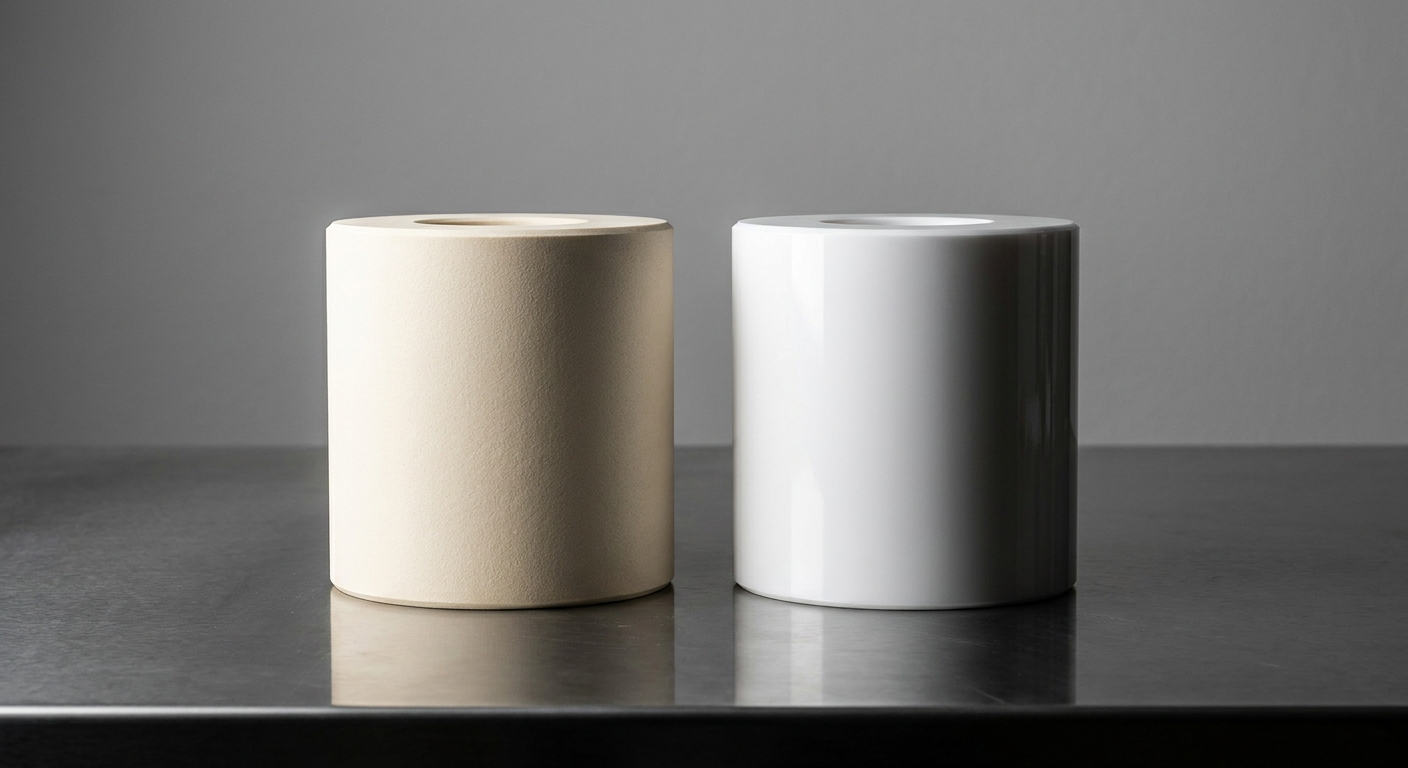
Choosing High-Purity Zirconia over alumina provides you with vastly superior fracture toughness and wear resistance under high-stress mechanical conditions. While alumina is a highly capable standard ceramic, it remains susceptible to brittle cracking when subjected to dynamic impacts.
If you are evaluating materials for challenging environments, viewing our industrial ceramic solutions can guide your selection. This comparison helps prevent premature engineering failure.
How does fracture toughness compare?
Here is the thing: Zirconia undergoes a unique physical phenomenon known as stress-induced phase transformation toughening. This mechanism acts as a localized crack arrester.
- Crack Propagation: When a crack starts, the stress causes a local phase change.
- Volume Expansion: The tetragonal phase shifts to monoclinic, expanding by 3% to 5%.
- Squeeze Effect: This expansion pinches the crack closed, preventing catastrophic failure.
Which material lasts longer in operation?
As it turns out: Industrial case studies consistently show that zirconia components outlast high-purity alumina in abrasive environments. This translates directly to reduced downtime and lower maintenance costs.
- Wear Lifecycles: Zirconia valve seats typically last 3 to 5 times longer than alumina.
- Slurry Exposure: Resists degradation in highly abrasive chemical slurries.
- Surface Finish: Maintains a highly polished surface with minimal friction coefficient.
Why are thermal properties so different?
You might be wondering: Why would you choose zirconia if you need thermal isolation? Zirconia has an exceptionally low thermal conductivity compared to alumina’s highly conductive nature.
- Zirconia Conductivity: Low conductivity of 2–3 W/m·K.
- Alumina Conductivity: Higher thermal conductivity of 25–30 W/m·K.
- Thermal Barriers: Ideal for protecting metallic substrates in extreme heat.
Selecting the correct thermal profile prevents thermal stress and ensures mechanical longevity in demanding industrial designs.
| Property / Feature | High-Purity Zirconia (ZrO₂) | High-Purity Alumina (Al₂O₃) |
|---|---|---|
| Fracture Toughness (MPa·m¹/²) | 5.0 – 10.0 | 3.0 – 4.0 |
| Thermal Conductivity (W/m·K) | 2.0 – 3.0 | 25.0 – 30.0 |
| Thermal Expansion Coefficient (× 10⁻⁶/K) | ~ 10.0 | ~ 8.0 |
| Wear Lifecycle in Acidic Slurries | High (Self-healing mechanism) | Moderate (Brittle chipping) |
Investing in zirconia yields a significantly lower total cost of ownership in high-impact dynamic environments where alumina would fail due to brittle fractures.
How is High-Purity Zirconia manufactured?
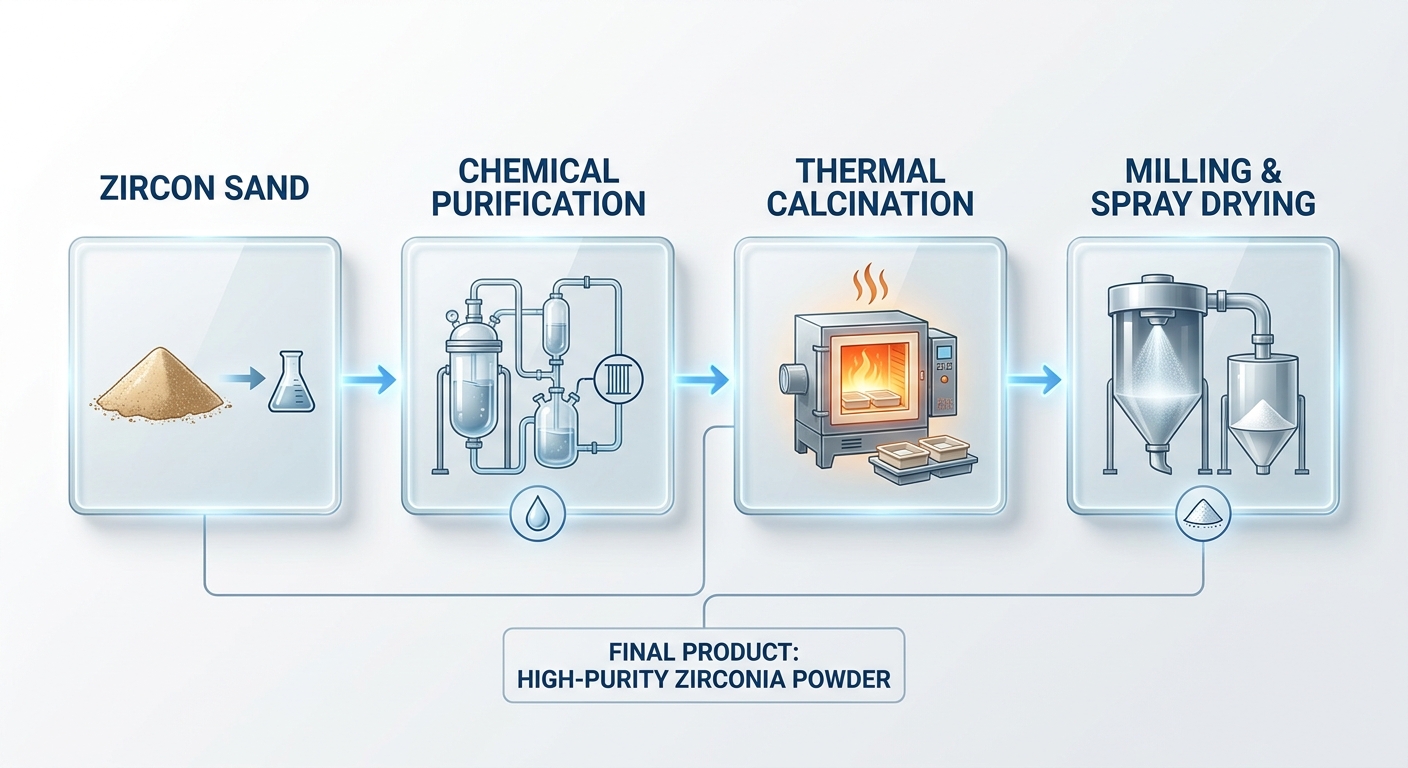
High-Purity Zirconia is manufactured through a highly controlled chemical extraction, thermal calcination, and ultra-fine mechanical milling process starting from natural zircon sand. Every stage of this manufacturing pipeline must be tightly regulated to ensure the elimination of unwanted metallic and silica impurities.
Modern processing setups utilize specialized spray dryers and wet-milling equipment to shape the powder into highly consistent, ready-to-press granules. This consistency directly influences the final sintered shrinkage rate and component density.
What is the chemical purification step?
Think about it: Natural zircon sand (ZrSiO4) is highly stable, which makes the extraction of pure zirconium oxide a significant chemical engineering feat. Suppliers must break down the sand structure completely.
- Alkali Fusion: Decomposing raw sand using sodium hydroxide at high temperatures.
- Acid Dissolution: Applying hydrochloric or sulfuric acid to isolate zirconium salts.
- Silica Removal: Separating silicon compounds to avoid grain boundary glassy phases.
What happens during calcination?
Here is the thing: Thermal calcination of zirconium hydroxide precursors determines the initial crystal structure and surface area of the resulting powder. Temperature management inside the kiln must be precise.
- Temperature Range: Typically conducted between 800°C–1200°C.
- Atmosphere Control: Preventing contamination while ensuring complete oxidation.
- Phase Growth: Controlling the transition to the target monoclinic oxide crystal size.
Why control the particle size distribution?
The best part? Achieving a narrow particle size distribution (PSD) with a median diameter (D50) between 0.3–1.5 μm allows you to sinter parts with minimal dimensional distortion.
- Sintering Defect Prevention: Uniform particles prevent differential shrinkage and warpage.
- High Flowability: Optimizes powder flow in automatic dry pressing dies.
- Optimal Packing Density: Ensures maximum green strength before entering the kiln.
B2B procurement teams must verify the manufacturer’s PSD metrics to ensure the powder matches their specific pressing or molding equipment capabilities.
| Process Phase | Target Temperature | Primary Objective | Key Parameter to Monitor |
|---|---|---|---|
| Chemical Purification | Wet chemical temps | Eliminate SiO₂, Fe₂O₃, TiO₂ | Impurity levels (< 0.05% total) |
| Thermal Calcination | 800°C–1200°C | Form stable crystal oxide nuclei | Specific surface area (m²/g) |
| Fine Jet Milling | Ambient air | Achieve narrow sub-micron D50 | Median particle diameter (D50) |
Tight control over the calcination temperature window is the single most critical factor in determining the ultimate powder reactivity and sintering temperature threshold.
How does High-Purity Zirconia perform in heat?
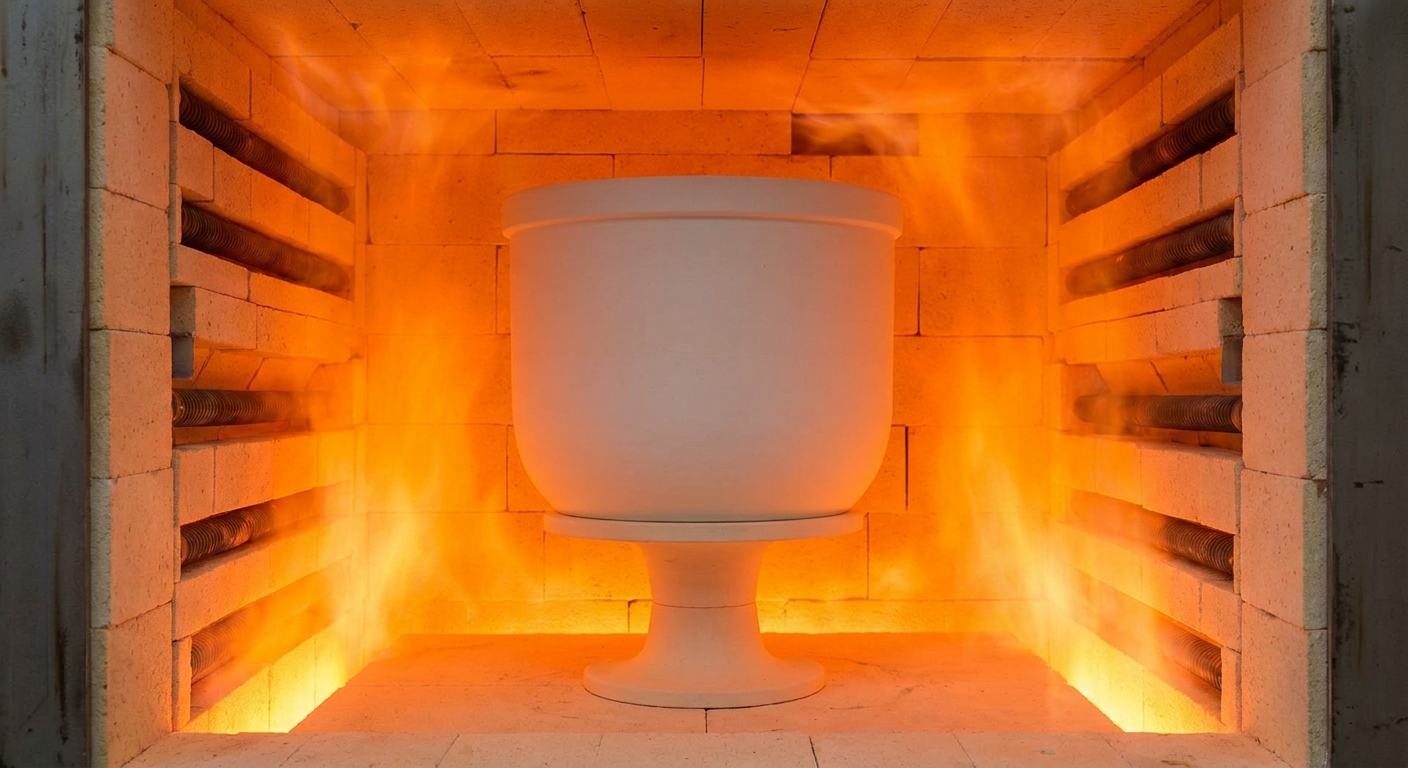
High-Purity Zirconia performs exceptionally well under extreme temperatures, showcasing a remarkable melting point of 2715°C and outstanding chemical stability. This makes it an essential choice for refractory crucibles, industrial heating elements, and aerospace thermal barriers.
However, unstabilized zirconia undergoes severe structural changes during thermal cycles that can lead to catastrophic cracking. This limitation is why chemical stabilizers are integrated during synthesis to lock the high-temperature phases.
Why does phase transformation occur?
You might be wondering: Why would a high-temperature material crack simply by cooling down? The answer lies in the dramatic volume changes between crystal structures.
- Monoclinic to Tetragonal: Occurs upon heating past 1170°C.
- Tetragonal to Cubic: Occurs upon further heating past 2370°C.
- Volumetric Strain: The 3–5% volume contraction and expansion during cycles destroys unstabilized bodies.
What are the benefits of stabilization?
As it turns out: Adding small percentages of stabilizer oxides allows the tetragonal or cubic phase to remain stable at room temperature. This creates a highly thermal-shock-resistant material.
- Metastable Tetragonal Phase: Maintained down to room temperature.
- Crack Arresting: Triggers localized transformation toughening only at crack tips.
- Thermal Cycle Survival: Allows components to endure rapid heating and cooling cycles.
How does it match with metal substrates?
The best part? Zirconia’s coefficient of thermal expansion is remarkably close to that of several major steel alloys, facilitating seamless metal-ceramic assemblies.
- Expansion Coefficient: Approximately 10 × 10⁻⁶ /K.
- Assembly Integrity: Minimizes shear stress at the interface during thermal expansion.
- Industrial Advantage: Ideal for composite parts such as high-temperature ceramic-lined steel shafts.
Evaluating the precise temperature ranges of your application ensures you choose the appropriate stabilizer grade to prevent unexpected in-service phase decay.
| Crystal Phase | Temperature Range (Unstabilized) | Crystal Symmetry | Volumetric Trend on Heating |
|---|---|---|---|
| Monoclinic | Room Temp to 1170°C | Monoclinic | Baseline volume |
| Tetragonal | 1170°C to 2370°C | Tetragonal | Contraction (~ 4%) |
| Cubic | 2370°C to 2715°C | Cubic | Minimal expansion |
Unstabilized zirconia is unusable for thermal-cycling applications; stabilizers are absolutely required to preserve mechanical integrity across varying temperature zones.
What are High-Purity Zirconia stabilizer grades?
High-Purity Zirconia stabilizer grades are formulated by doping the base zirconium oxide crystal lattice with precise quantities of rare earth or alkaline earth metal oxides. These dopants stabilize either the tetragonal or cubic phases down to room temperature, tailoring the mechanical and thermal properties of the material.
Selecting the correct stabilizer concentration is essential, as even minor deviations of 0.5 mol% can radically shift the crystal balance. This balance determines whether a component prioritizes high fracture toughness or exceptional thermal insulation.
What is Yttria-Stabilized Zirconia (YSZ)?
Here is the thing: Yttrium oxide (Y₂O₃) is the most widely utilized dopant for creating versatile, high-performance structural ceramics. It is divided into distinct categories based on molecular percentage.
- 3Y-TZP (3 mol% Yttria): Displays the highest mechanical strength and fracture toughness.
- 5Y-PSZ (5 mol% Yttria): A partially stabilized ceramic offering balanced translucency and strength.
- 8Y-FSZ (8 mol% Yttria): Fully stabilized cubic structure used for high-temperature solid oxide fuel cells (SOFCs).
Where is Monoclinic Zirconia used?
As it turns out: Unstabilized monoclinic zirconia still plays a major role as a specialized raw material across several chemical and manufacturing sectors. You do not always need a stabilized phase at the powder stage.
- Pigment Synthesis: Used as a base carrier for ceramic stains and glazes.
- Glass Additive: Modifies refractive indices and chemical resistance in optical glasses.
- Custom Formulations: Serves as the starting material for proprietary stabilizer blending.
What are the benefits of Ca/Mg stabilizers?
You might be wondering: Are there cost-effective alternatives to yttria stabilizers for large-scale heavy machinery parts? Calcium oxide (CaO) and magnesium oxide (MgO) provide compelling properties.
- Mg-PSZ (Magnesia-Stabilized): Excellent resistance to thermal shock and high-temperature moisture degradation.
- Ca-PSZ (Calcia-Stabilized): Frequently used in heavy industrial tooling and high-wear extrusion dies.
- Corrosion Resistance: Highly stable against corrosive slag in metallurgical melting operations.
Identifying the exact chemical stabilizer (Y, Mg, or Ca) and its concentration is the first technical filter you should apply during procurement.
| Stabilizer Type | Typical Concentration | Main Phase Formed | Primary Application |
|---|---|---|---|
| Yttria (Y₂O₃) | 3 mol% (3Y-TZP) | Tetragonal | High-stress structural & dental parts |
| Yttria (Y₂O₃) | 8 mol% (8Y-FSZ) | Cubic | SOFC electrolytes, oxygen sensors |
| Magnesia (MgO) | 8 – 10 mol% | Partially Stabilized | Heavy extrusion dies, thermal barrier coatings |
| Calcia (CaO) | 3 – 5 wt% | Partially Stabilized | Refractory crucibles, metal extrusion tooling |
Choose 3Y-TZP for unmatched structural load-bearing performance, but transition to Mg-PSZ when your component must endure persistent thermal shock and humid conditions.
How does High-Purity Zirconia benefit dentistry?
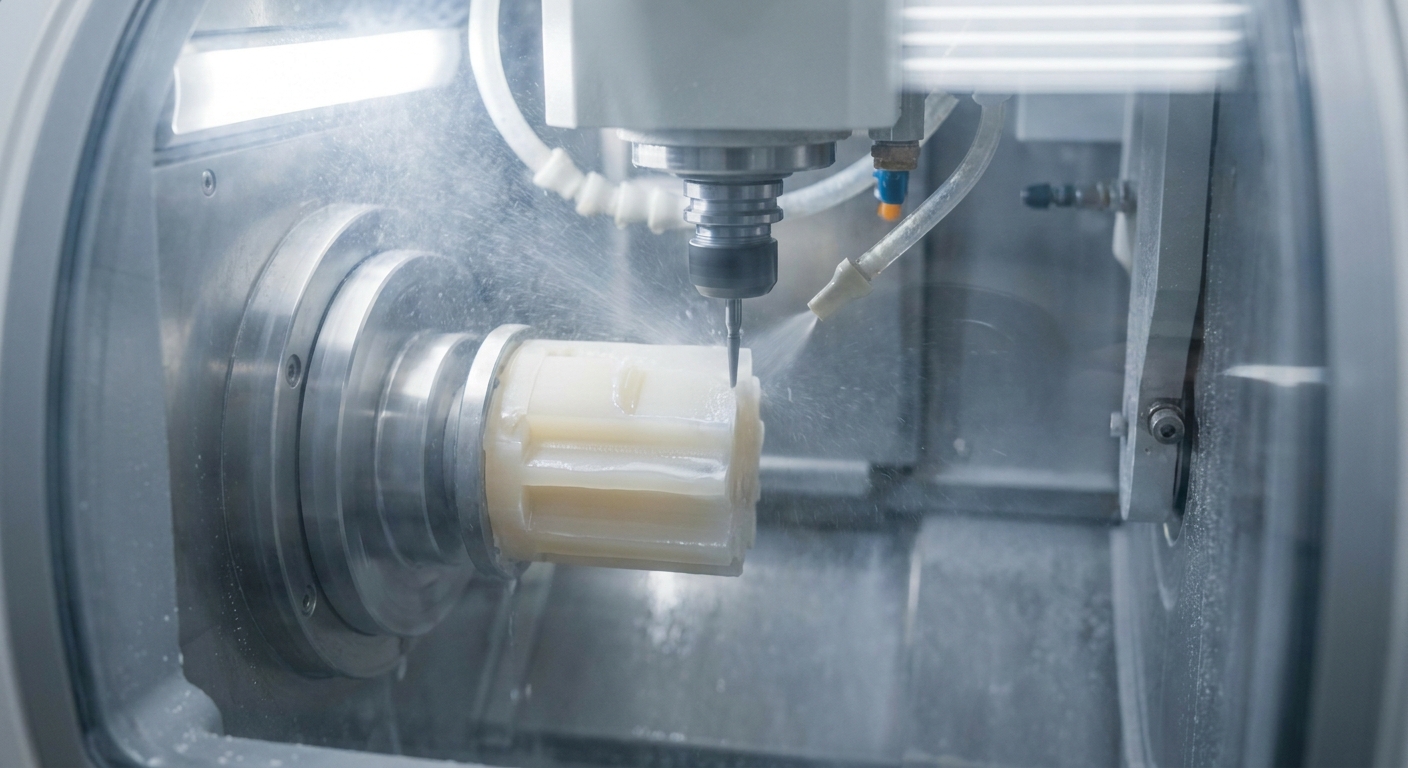
High-Purity Zirconia benefits the field of dentistry by providing a metal-free, highly aesthetic, and exceptionally durable restorative material for crowns and bridges. Its optical properties allow restorations to blend seamlessly with neighboring teeth.
In addition, the material’s structural performance allows for thin-walled dental preparations, saving precious tooth structure. If you want to know more about our commitment to producing medical-grade and industrial materials, feel free to visit our about us page.
How is natural translucency achieved?
The best part? You no longer have to sacrifice mechanical strength to achieve lifelike optical properties that match human tooth enamel.
- Grain Boundary Control: Refining grain boundaries reduces the scattering of incident light.
- Stabilizer Tuning: Shifting from 3Y to 4Y or 5Y grades increases the cubic phase, boosting light transmission.
- Aesthetic Layering: Multi-layered pre-sintered blanks mimic the natural color gradient of teeth.
Is zirconia completely biocompatible?
Here is the thing: Zirconia exhibits excellent chemical inertness, making it highly compatible with biological tissues. It does not leach metal ions into the oral cavity.
- Cytotoxicity Testing: Consistently passes all strict biocompatibility standards.
- Low Plaque Adhesion: Smoother surfaces prevent bacterial colonization compared to metals.
- Hypoallergenic: Offers an excellent alternative for patients with known metal allergies.
Why does CAD/CAM block performance matter?
Think about it: Consistent, predictable sintering shrinkage is the key to ensuring a perfect, snug marginal fit for custom dental prosthetics.
- Shrinkage Tolerance: Strictly maintained within ±0.3% from batch to batch.
- Pre-Sintered Machinability: Soft “green” state allows fast CAD/CAM milling without excessive tool wear.
- Sintering Densification: Reaches full structural density without warping after milling.
Dental laboratory suppliers should source powders with highly consistent yttria distributions to maintain predictable shrinkage rates during dental CAD/CAM milling.
| Dental Zirconia Class | Yttria Content | Translucency Level | Flexural Strength (MPa) |
|---|---|---|---|
| High-Toughness (HT) | 3 mol% (3Y) | Standard (~ 35%) | 1100 – 1400 MPa |
| High-Translucency (ST) | 4 mol% (4Y) | Elevated (~ 43%) | 800 – 1000 MPa |
| Ultra-Translucency (UT) | 5 mol% (5Y) | Excellent (~ 49%) | 600 – 800 MPa |
Utilizing 5Y-TZP is ideal for anterior crowns where light transmission is vital, whereas posterior multi-unit bridges require 3Y-TZP to absorb heavy chewing forces.
Where is High-Purity Zirconia used in industry?
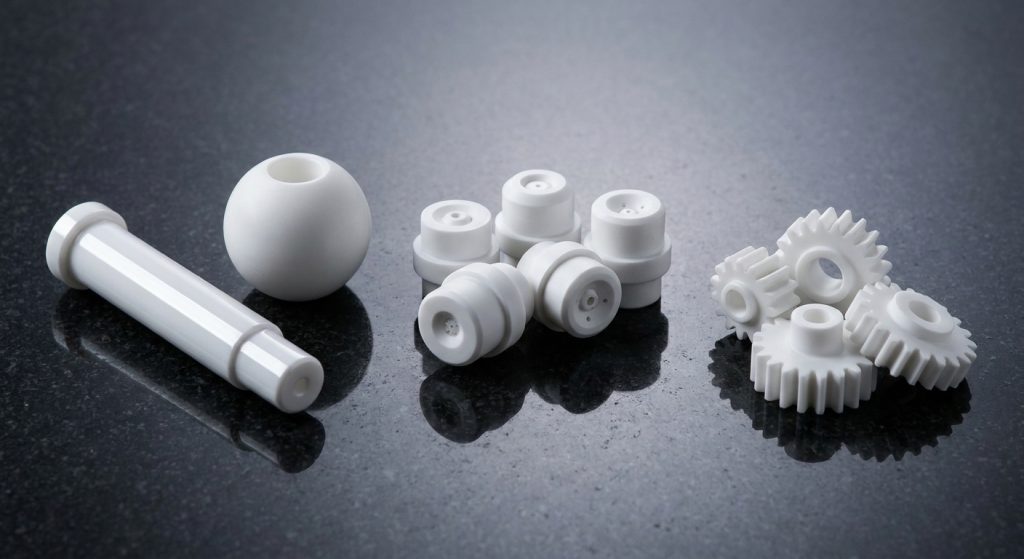
High-Purity Zirconia is used extensively across various industrial sectors to produce wear-resistant structural parts, thermal barrier coatings, and ultra-fine grinding media. Its ability to withstand highly abrasive, corrosive, and elevated-temperature environments makes it a vital material in advanced engineering.
From chemical pumps to aerospace engines, this versatile ceramic resolves persistent engineering issues where conventional metals and polymers fail. Its high mechanical durability ensures a long operating lifespan.
How does it perform in structural parts?
As it turns out: Replacing high-wear steel components with stabilized zirconia can extend the continuous runtime of industrial pumps and valves by several fold.
- Pump Pistons: Excellent resistance to abrasive mineral slurries and high pressure.
- Valves & Seals: Prevents chemical erosion and dynamic friction wear in pipelines.
- Extrusion Dies: Maintains precise orifice dimensions under hot metal extrusion forces.
How do thermal barrier coatings work?
You might be wondering: How do jet engine turbine blades survive hot gases that actually exceed the melting point of their underlying superalloys? Zirconia thermal barrier coatings provide the thermal shield.
- Plasma Spray Application: Fine powder is melted and sprayed directly onto alloy parts.
- Thermal Insulation: Keeps substrate temperatures significantly cooler than the flame.
- Adhesion Stability: Resists spallation due to closely matched thermal expansion coefficients.
Why use YSZ for grinding media?
The best part? Sintered YSZ micro-beads exhibit the high density and fracture toughness required for energetic wet milling without contaminating your products.
- Zero Product Contamination: Minimal bead wear prevents downstream chemical pollution.
- Ultra-Fine Particle Sizes: Capable of reducing materials down to sub-micron or nano levels.
- High Milling Energy: The high density of ~6.0 g/cm³ accelerates mechanical milling cycles.
Transitioning to zirconia wear components or grinding media improves your process hygiene and significantly lowers long-term replacement frequency.
| Industrial Sector | Primary Component | Operating Stress Addressed | Sintered Zirconia Type Used |
|---|---|---|---|
| Chemical Processing | Valve Balls & Seats | Chemical erosion, high mechanical abrasion | 3Y-TZP |
| Aerospace Propulsion | Turbine Blades (TBC) | Extreme thermal oxidation, heat shielding | 7-8 wt% YSZ |
| Electronic Materials | Wet Grinding Media | High energy milling impact, zero-contamination | High-density YSZ beads |
When contamination of active ingredients must be strictly avoided (e.g., in pharmaceutical or electronic pastes), high-density YSZ grinding media represents the premium industry benchmark.
What specs define High-Purity Zirconia?
Defining High-Purity Zirconia requires strict chemical assay measurements, specific surface area metrics, and rigorous physical density specifications. These standards serve as the baseline for choosing powder grades suited to custom industrial pressing.
For high-precision components, these specifications must remain stable from batch to batch to prevent shrinkage fluctuations during the sintering stage. Feel free to contact us to receive our detailed technical datasheets.
Why limit trace metallic impurities?
Here is the thing: Tiny amounts of transition metals like iron and titanium can severely disrupt the physical and electrical properties of your finished components.
- Iron (Fe₂O₃ < 0.002%): Can cause unwanted dark discoloration and reduce electrical insulation.
- Titanium (TiO₂ < 0.003%): Accelerates grain boundary aging under moist, low-temperature conditions.
- Silica (SiO₂): Forms weak glassy spots at grain borders, causing unexpected brittle failure.
What is the role of surface area (BET)?
Think about it: The specific surface area, measured in square meters per gram, dictates how easily the powder will pack and sinter in your furnace.
- High BET (5–15 m²/g): Lowers required sintering temperatures but increases powder stickiness.
- Low BET (<5 m²/g): Provides easier flowability but requires much higher firing temperatures.
- Optimal Balance: Crucial for achieving flawless green parts during automatic pressing operations.
Why monitor bulk and tap density?
As it turns out: Bulk and tap density specifications directly determine how deep your press mold must be and how evenly the cavity fills with powder.
- Bulk Density: Reflects the loose packing of dry granulated spray-dried powder.
- Tap Density: Predicts powder behavior and packing limits under mechanical vibrations.
- Granulation Quality: Spray-dried spheres with organic binders dramatically improve density consistency.
Always require your powder supplier to provide a complete Certificate of Analysis covering BET surface area, impurity limits, and D50 particle sizing.
| Technical Specification | Typical Range (Sintering Grade) | Critical Impact on Sintered Ceramic |
|---|---|---|
| Chemical Purity (ZrO₂ + Y₂O₃) | ≥ 99.9% | Prevents grain boundary decay and aging |
| Specific Surface Area (BET) | 5.0–15.0 m²/g | Dictates the optimal sintering temperature |
| Median Particle Size (D50) | 0.3–1.5 μm | Eliminates sintering voids and defects |
| Iron Oxide Impurity (Fe₂O₃) | < 0.002% | Eliminates localized cosmetic discoloration |
Demanding a chemical purity of ≥ 99.9% is vital for electrical and medical designs, as trace glass formers like silica and soda will accelerate physical aging at high temperatures.
How is High-Purity Zirconia purity verified?

High-Purity Zirconia purity is verified using advanced quantitative elemental analysis, crystal phase identification, and laser diffraction powder characterization methods. These sophisticated lab tests ensure that incoming materials meet strict regulatory, safety, and mechanical performance benchmarks.
Relying on raw assertions is insufficient; reliable B2B ceramic manufacturers provide complete, batch-tracked Certificates of Analysis (COA). This trace verification guarantees physical consistency.
How are XRF and ICP analysis used?
The best part? You can trace impurity levels down to the parts-per-million (ppm) range using a combination of spectroscopic testing.
- X-Ray Fluorescence (XRF): Measures macro elements such as zirconium and stabilizer percentages.
- Inductively Coupled Plasma (ICP): Detects trace heavy metals and silica impurities with incredible accuracy.
- Quality Consistency: Ensures every delivered batch aligns with chemical specs.
What does XRD phase analysis show?
You might be wondering: How do we know if the powder is correctly stabilized or if it contains too much monoclinic phase? X-Ray Diffraction provides the exact crystalline breakdown.
- Phase Distribution: Quantifies the percentages of monoclinic, tetragonal, and cubic phases.
- Stabilizer Integration: Confirms if the yttria is fully dissolved into the crystal lattices.
- Sintered Check: Verifies that the component retains its desired crystal phases after final cooling.
What must be on a valid COA?
Here is the thing: A valid, professional Certificate of Analysis is your safety shield against raw material defects. Make sure it contains these mandatory parameters.
- Batch Tracking: Unique batch numbers matching the physical product packaging.
- Particle Size Metrics: Specific D10, D50, and D90 measurements.
- Radioactivity Compliance: Confirms specific activity levels remain well below global regulatory clearance values.
Standardizing your incoming inspection protocols on ICP, XRD, and PSD data prevents costly compounding flaws and downstream component failures.
| Analytical Instrument | Test Objective | Crucial Output Metric |
|---|---|---|
| X-Ray Fluorescence (XRF) | Macro-composition confirmation | ZrO₂ and Y₂O₃ weight percentages |
| Inductively Coupled Plasma (ICP) | Trace metallic impurity search | Fe₂O₃, SiO₂, TiO₂ ppm concentrations |
| X-Ray Diffraction (XRD) | Crystallographic phase check | Monoclinic vs. Tetragonal vs. Cubic ratio |
| Laser Diffraction PSD | Granulometry measurement | D10, D50, and D90 particle sizes |
Ensure your supplier utilizes ICP-OES instead of simpler wet-chemical titrations, as ICP-OES is the only method sensitive enough to detect glass-forming micro-impurities under 10 ppm.
How to source quality High-Purity Zirconia?

Sourcing quality High-Purity Zirconia requires you to partner directly with a vertically integrated manufacturer rather than a middle-tier trading house. This direct communication line ensures that physical properties, chemical compositions, and grain size profiles are customized to match your machinery.
Direct manufacturers maintain complete control over their raw sands and purification steps, insulating you from market price volatility and sudden batch inconsistencies. It also allows you to request customized spray-dried granules with specific organic binder matrices.
Manufacturer vs. trading company?
Think about it: When you buy from a trading house, you lose direct control over trace modifications and risk receiving mismatched materials in future orders.
- Traceability: Direct sourcing gives you immediate access to batch-level processing records.
- Technical Support: Directly consult with engineers to troubleshoot sintering issues.
- Cost Control: Eliminate intermediary margins to secure optimal high-volume pricing.
What to ask your technical engineer?
Here is the thing: You should ask highly targeted technical questions to properly screen a supplier’s manufacturing process control and consistency.
- Statistical Process Control: “Do you maintain SPC charts for chemical purity and D50 parameters?”
- Raw Sand Sourcing: “Where is your raw zircon sand mined, and how is it purified?”
- Custom Binder Formulations: “Can you adjust binder ratios to optimize our automatic dry pressing lines?”
What about lead times and MOQs?
As it turns out: Securing a reliable supply chain requires establishing clear agreements regarding minimum order quantities (MOQs) and logistical safety stocks.
- Standard Lead Times: Typically ranges from 2 to 4 weeks depending on customized specifications.
- Safety Stock Agreements: Safeguards against unexpected shipping delays or volume spikes.
- Sampling Protocols: Utilize a multi-stage qualification testing cycle starting with trial batches.
Focus your sourcing strategy on suppliers who possess ISO 9001 certifications and exhibit deep technical fluency in advanced ceramic processing.
| Evaluation Criteria | Vertically Integrated Manufacturer | Standard Trading House |
|---|---|---|
| Batch Traceability | Complete (from raw sand to final powder) | Fragmented (often multi-sourced) |
| Custom Formulation Capability | High (tailored particle sizing and binders) | Very low (off-the-shelf grades only) |
| Technical Engineering Support | Direct access to materials scientists | Limited (general sales reps) |
| Price Stability over Long-Term | Highly stable (internal process control) | Variable (market spot price exposure) |
Prioritizing direct manufacturers with in-house calcination capabilities ensures that your advanced ceramic parts will have completely predictable shrinkage rates year after year.
Summary & Strategic Procurement
Navigating the engineering demands of modern industrial processing requires materials that actively combat dynamic mechanical wear, extreme thermal strain, and chemical corrosion. Relying on sub-standard metal or ceramic parts introduces the persistent risk of premature mechanical breakdown, stalling production capacity and inflating total maintenance costs. Transitioning to certified zirconium oxide powders provides your systems with the structural resilience needed to sustain high-performance operations under the most challenging environments.
At ZrBrontec, we are dedicated to pushing the boundaries of material science, ensuring your engineering challenges are met with unmatched resilience. We invite you to contact us today to find the ideal zirconium oxide powder grades optimized for your processes, turning extreme industrial demands into sustainable operational victories.
B2B Technical FAQ Section
Q1: Can I extend the shelf life of high-purity zirconia powder by changing my storage environment?
Yes, keeping the powder in hermetically sealed packaging inside a strictly humidity-controlled environment is the best way to prevent degradation. Zirconia powders naturally absorb moisture from ambient air over time, which can lead to unwanted particle agglomeration. If your powder absorbs moisture, you must dry and re-sieve it to restore its original flow characteristics before pressing.
Q2: What’s the best way to prevent trace silica impurities from weakening my sintered zirconia parts?
Selecting a starting powder with a verified silica content of less than 0.01% is critical to preserving high-temperature mechanical properties. When zirconia is fired, trace silica contaminants migrate directly to the grain boundaries, creating a glassy phase. Under high-temperature load, this glassy phase liquefies, causing grain boundaries to slide and resulting in premature mechanical failure.
Q3: How do I know if my imported zirconia powder complies with international radioactivity limits?
You must verify that your supplier’s Certificate of Analysis (COA) explicitly states a specific activity level of less than 1 Becquerel per gram (Bq/g). Because natural zircon sands contain minor decay elements of uranium and thorium, premium manufacturers use chemical purification to remove these radionuclides. Checking this parameter ensures effortless global logistics and customs compliance.
Q4: Can I use spray-dried zirconia granules directly inside our ceramic injection molding machines?
No, standard spray-dried granules are not suitable for direct use in injection molding and require further processing with specialized organic binders. Spray-dried powders are specifically designed for dry uniaxial pressing. For ceramic injection molding (CIM), the raw sub-micron powder must first be compounded with thermoplastic binders to create a high-viscosity feedstock.
Q5: How do I know if uneven shrinkage in my complex parts is caused by the powder itself?
You should measure the green density across different sections of your part to see if uneven compaction is causing the variation. While inconsistent powder particle size distribution can cause shrinkage variations, uneven density inside your pressing die is the most common cause of anisotropic shrinkage. Specifying narrow-distribution powders will help minimize this problem.