
Zirconia-based materials have emerged as the premier class of technical ceramics for next-generation aerospace systems operating under extreme thermal and mechanical stress. Imagine your aerospace propulsion system pushing past 1500°C during peak atmospheric acceleration. As the superalloys in your combustion chamber groan under the extreme thermal load, you face the severe risk of rapid oxidation, thermal shock, and structural wear leading to catastrophic engine failure. To eliminate these critical structural vulnerabilities, you need High-Purity Zirconia as an engineered protective barrier to insulate your metallic substrates and secure long-term flight safety. By utilizing these high-performance oxides, you can run turbine systems hotter and more efficiently than ever before.
Why Choose High-Purity Zirconia for Propulsion?
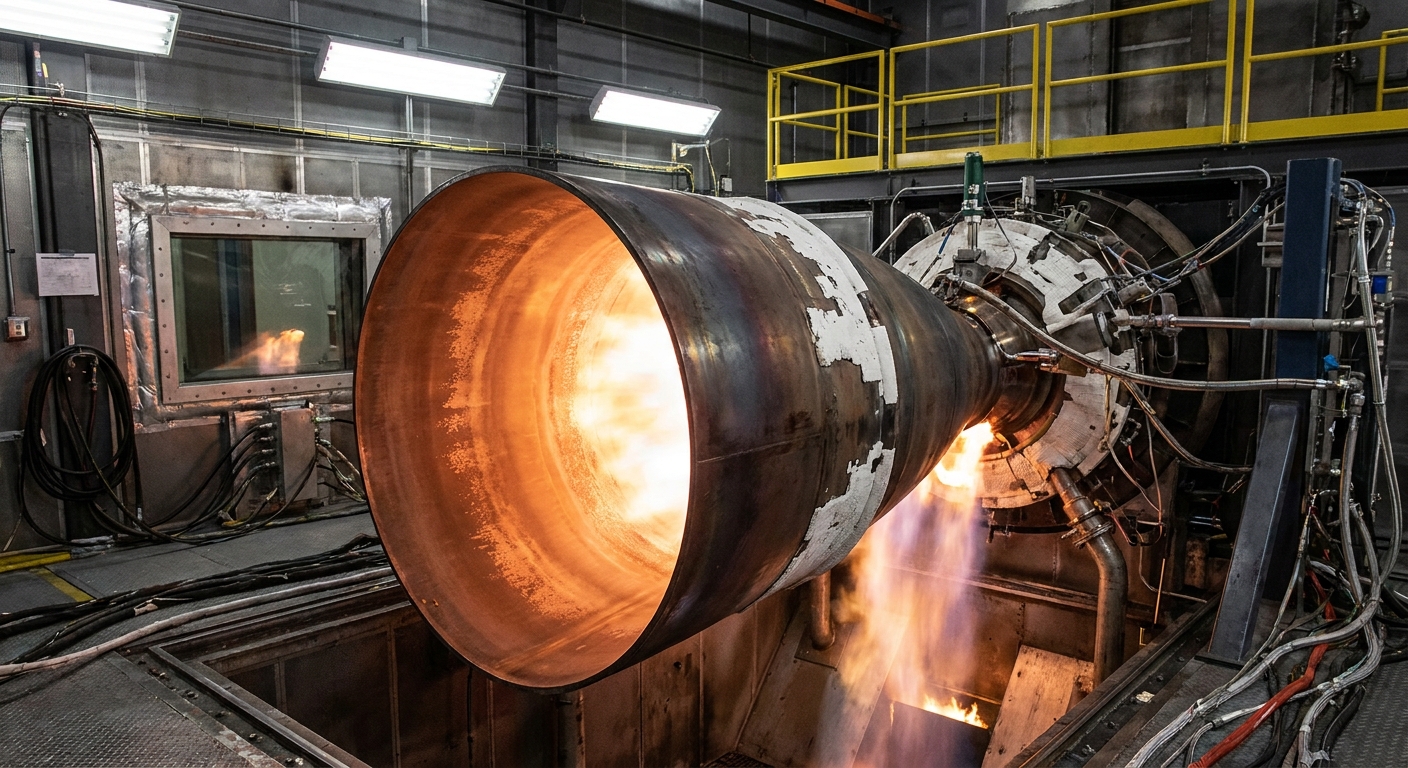
Choosing High-Purity Zirconia for propulsion applications is driven by its exceptional melting point of approximately 2700°C and ultra-low thermal conductivity. This combination allows rocket nozzles and internal engine components to maintain physical boundaries under extreme operational temperatures.
What makes propulsion systems so destructive?
Modern rocket nozzles and combustion chambers operate in conditions where standard alloys quickly degrade or melt entirely. You are dealing with volatile chemical reactions, supersonic gas velocities, and severe temperature fluctuations.
Think about it: a material must not only survive this thermal environment but also maintain structural boundaries under tremendous pressure.
- Extreme combustion heat exceeding 1600°C.
- Abrasive particulate wear in the exhaust gas stream.
- Aggressive oxidation that destroys traditional metals.
How does insulation improve thermal efficiency?
By applying a thick ceramic insulating barrier, you reduce the heat transfer rate to the underlying load-bearing metal alloy substrate. This physical gap in thermal conductivity guarantees that the structural metal remains safely below its critical plastic deformation threshold.
| Metric | Ceramic Barrier | Standard Superalloy |
|---|---|---|
| Melting Point | ~2700°C | ~1350°C |
| Thermal Conductivity | 2.0 W/m·K | 15.0 W/m·K |
Choosing optimized material systems provides a physical barrier that prevents thermal gradients from damaging metallic turbine components.
Key Takeaway: Sourcing advanced insulating oxides allows you to design rocket engines that burn fuel far more efficiently. This directly translates to increased payload capabilities and reduced launch costs for modern launch systems.
How Does High-Purity Zirconia Resist Thermal Shock?
High-Purity Zirconia resists severe thermal shock through its high fracture toughness and the engineering of localized phase transformations that halt crack propagation. This mechanical characteristic is crucial when components endure sudden cryogenic-to-combustion temperature differentials.
Why do traditional ceramics fail rapidly?
Traditional monolithic ceramics suffer from extreme brittleness, which causes them to shatter when exposed to rapid cooling cycles. When a material cools too quickly, localized thermal contraction creates immense tensile stress on the surface.
Here is the key: unless the material possesses a microstructural mechanism to absorb this localized energy, the resulting cracks will propagate catastrophically.
- High thermal expansion coefficients in unalloyed ceramics.
- Absence of internal stress-relief mechanisms.
- Low tensile strength under rapid temperature drops.
How does stress-induced transformation work?
When a tensile crack begins to expand, the surrounding tetragonal grains undergo a stress-induced martensitic transformation to the monoclinic phase. This volumetric expansion of 3% to 5% squeezes the crack tip shut, absorbing the fracture energy safely.
| Ceramic Type | Fracture Toughness (MPa·m^0.5) | Thermal Shock Resistance |
|---|---|---|
| Monoclinic Zirconia | 1.0 – 1.5 | Low |
| Stabilized Zirconia (YSZ) | 3.0 – 5.0 | Excellent |
The mechanical transformation creates a self-healing barrier that arrests microcracks before they compromise structural safety.
Key Takeaway: Utilizing partially stabilized grades ensures your structural elements can survive instantaneous temperature shifts of over 1000°C. This eliminates sudden component failures during rapid atmospheric descent or engine startups.
Where Is High-Purity Zirconia Applied in Turbines?
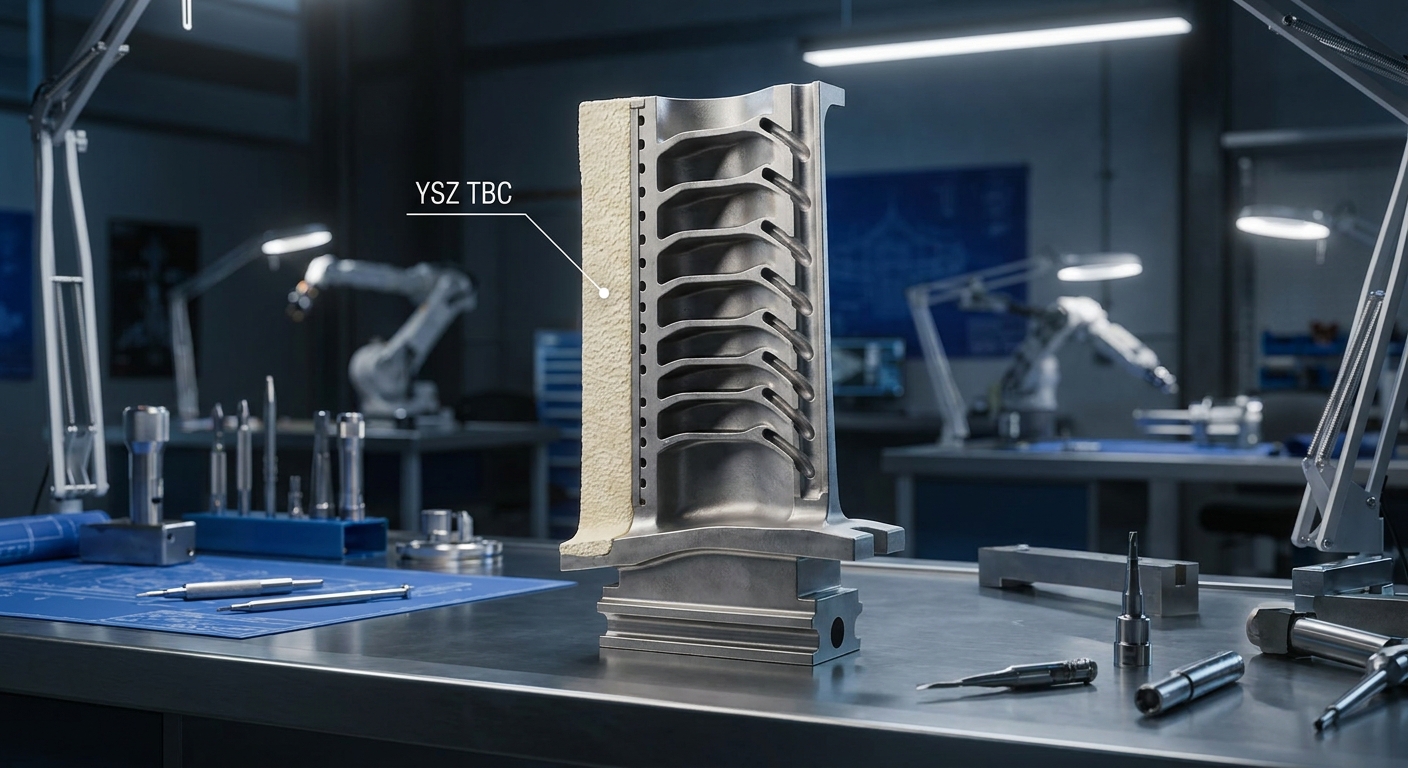
Applying High-Purity Zirconia in gas turbines focuses on critical hot-section components like stator vanes, combustion liners, and rotating turbine blade coatings. Protecting these areas is essential for boosting engine performance and extending maintenance intervals.
What components require intense insulation?
The combustor and the high-pressure turbine stage face the highest gas temperatures in the entire aircraft engine. Without a protective ceramic barrier, turbine rotor blades would experience rapid creep and structural failure within minutes.
But that is not all. Let’s list the primary components that rely heavily on these specialized ceramic coatings:
- Combustor chamber shingles and liners.
- Turbine shroud segments.
- High-pressure stator vanes and exhaust mixers.
Why is the thermal barrier structure unique?
Thermal barrier coatings utilize a multilayered architecture consisting of a metallic bond coat, a thermally grown oxide, and the outer ceramic top coat. This engineered layering accommodates the physical differences in thermal expansion between the metal and the ceramic.
| Layer Component | Primary Function | Typical Thickness |
|---|---|---|
| Ceramic Top Coat | Thermal Insulation | 100 – 300 microns |
| Thermally Grown Oxide | Adhesion & Oxidation Barrier | 1 – 5 microns |
| Metallic Bond Coat | Oxidation Resistance & Bonding | 50 – 150 microns |
The structural distribution of thermal and mechanical loads prevents the protective top coat from peeling off under cyclic stresses.
Key Takeaway: Integrating multilayered ceramic systems allows aviation engines to operate at temperatures exceeding the substrate’s melting point. This advances engine thrust limits while protecting vital turbine structures.
What Phases Define High-Purity Zirconia Dynamics?
The polymorphic dynamics of High-Purity Zirconia are defined by three distinct crystalline structures: monoclinic, tetragonal, and cubic, which transition based on pressure and temperature. Controlling these transitions is the fundamental key to engineering a durable advanced ceramic.
How do temperature transitions occur?
Pure zirconia remains monoclinic up to 1100°C, where it transitions to a tetragonal lattice structure. If you heat the material further past 2370°C, it adopts a highly stable cubic symmetry.
Look at the data:
- Monoclinic phase is stable from room temperature to 1100°C.
- Tetragonal phase remains stable up to 2370°C.
- Cubic phase continues from 2370°C up to the melting point.
Why is chemical stabilization required?
Symmetrical phase transitions must be chemically controlled to prevent structural failures during cooling. By introducing doping ions like yttria, magnesia, or calcia into the crystal lattice, you can lock the stable tetragonal or cubic phase down to ambient temperatures.
| Stabilizing Agent | Common Weight Percentage | Resulting Crystal Phase |
|---|---|---|
| Yttrium Oxide (Y2O3) | 7 – 8 wt% | Metastable Tetragonal (t’) |
| Magnesium Oxide (MgO) | 3 – 5 wt% | Cubic / Tetragonal Mixture |
| Calcium Oxide (CaO) | 4 – 6 wt% | Cubic / Monoclinic Mixture |
The intentional introduction of these dopants eliminates the sudden volumetric changes that would otherwise break the ceramic.
Key Takeaway: Understanding phase diagrams is essential for specifying the exact dopant ratio for your engineering application. This chemical control prevents material degradation during flight profiles.
Why Is High-Purity Zirconia Chemical Stability Key?
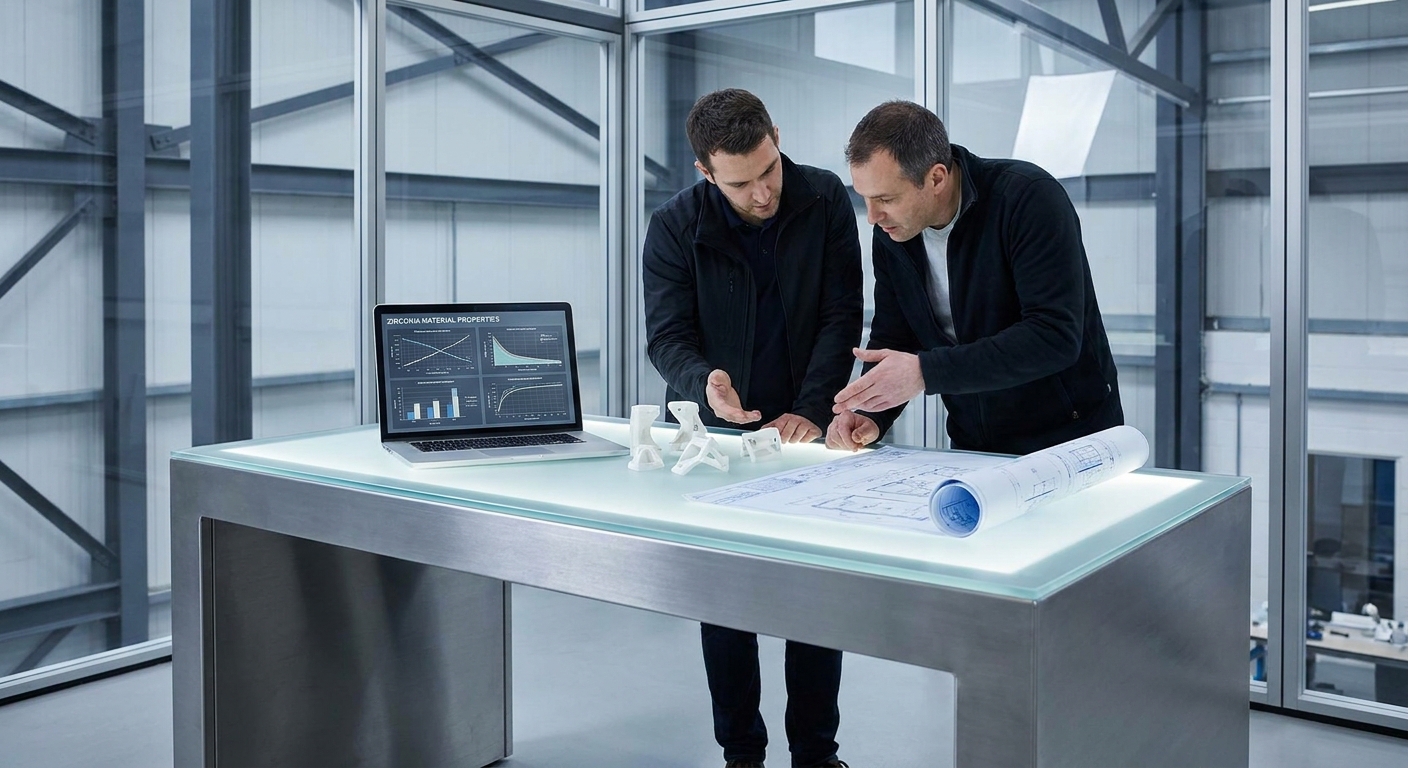
Sourcing High-Purity Zirconia is critical because its superior chemical stability prevents destructive interactions with corrosive combustion gases and metallic substrates. This ensures that the material does not degrade or lose its structural properties when exposed to high-pressure, reactive atmospheres.
How does the material resist gas attacks?
Rocket and aircraft exhaust contains highly reactive combustion byproducts that chemically attack traditional metals and lower-grade ceramics. This material maintains its inert oxide state even when continuously exposed to high-pressure hot gases.
The best part? It resists molten silicate deposits (CMAS) which frequently melt and degrade turbine coatings.
- High thermochemical resistance to sulfur dioxide and hydrochloric acid.
- No active reduction reactions up to 1800°C.
- Excellent barrier against molten calcium-magnesium-alumino-silicate.
Why is metallurgical compatibility crucial?
In advanced turbine design, the ceramic must sit directly adjacent to nickel-based superalloys without initiating interface reactions. This oxide maintains a highly stable chemical boundary, preventing phase degradation or element migration between the layers.
| Interface Material | Chemical Reactivity | Expansion Coefficient |
|---|---|---|
| Oxide Ceramic Top Coat | Near Zero | ~10 x 10^-6 /K |
| Nickel Superalloy | High (Without TBC) | ~14 x 10^-6 /K |
The lack of chemical reactivity ensures the mechanical bond between metal and ceramic remains stable.
Key Takeaway: Using chemically inert technical ceramics protects valuable engine subcomponents from accelerated environmental degradation. This guarantees consistent aerodynamic performance and longer inspection intervals.
How Does High-Purity Zirconia Limit Gas Corrosion?
High-Purity Zirconia limits gas corrosion by forming a dense, chemically inert barrier that blocks corrosive oxygen and sulfur ions from reaching metal substrates. This isolation is crucial for protecting load-bearing aerospace structures from rapid oxidation.
What chemical threats exist in flight?
Atmospheric oxygen and environmental contaminants react aggressively with hot turbine metals, creating brittle oxide layers that flake away. This process of oxidation and hot corrosion rapidly thins the structural walls of combustion components.
Think about it: a microscopic break in your protective coating can lead to localized burn-through.
- Sulfur dioxide and trioxide from low-grade fuel combustion.
- Sodium chloride from marine flight environments.
- High-pressure steam acceleration within the engine core.
How does the barrier layer perform?
The oxide coating possesses a dense, non-porous structure when properly processed, which stops the diffusion of aggressive chemical species. This ensures that the underlying metallic components remain isolated from the destructive combustion environment.
| Exposure Time | Alloy Loss (With Coating) | Alloy Loss (Without Coating) |
|---|---|---|
| 100 Hours | < 1 micron | > 25 microns |
| 500 Hours | < 3 microns | Catastrophic Erosion |
This drastic reduction in metal degradation preserves the geometric tolerances of critical aerodynamic surfaces.
Key Takeaway: Deploying corrosion-resistant ceramic barriers dramatically reduces material loss in aggressive environments. This ensures your components maintain their structural boundaries and aerodynamic profiles throughout their service life.
Can High-Purity Zirconia Handle Structural Load?
Sourcing High-Purity Zirconia allows you to deploy components that easily handle high structural loads, thanks to its exceptional compressive strength and fracture toughness. It bridges the gap between weak monolithic ceramics and dense, heavy metals.
What are the mechanical load limits?
Aerospace structural parts must withstand immense physical stresses without experiencing deformation or sudden fracture. While traditional ceramics are notorious for failing under tension, this material displays exceptional load-bearing performance.
Here is the key: the unique grain structure allows it to distribute localized mechanical forces safely.
- Compressive strength exceeding 2000 MPa.
- Bending (flexural) strength up to 1000 MPa.
- High Young’s modulus of approximately 200 GPa.
How does it resist creep under load?
Creep is the slow, permanent deformation of a material subjected to high stress at elevated temperatures. Unlike metals that soften and flow under these conditions, this advanced ceramic maintains its physical dimensions perfectly.
| Structural Property | Structural Ceramic Grade | Aerospace Grade Titanium |
|---|---|---|
| Tensile Yield Strength | ~300 MPa | ~900 MPa |
| Compressive Strength | >2000 MPa | ~950 MPa |
| Creep Limit (at 1000°C) | Near Zero | Rapid Deformation |
The stable atomic bonds prevent grain boundary sliding under extreme mechanical and thermal loads.
Key Takeaway: Integrating high-strength structural ceramics allows you to replace heavy metal alloys in load-bearing, high-temperature zones. This structural substitution reduces engine weight and optimizes fuel efficiency.
How to Process High-Purity Zirconia Components?
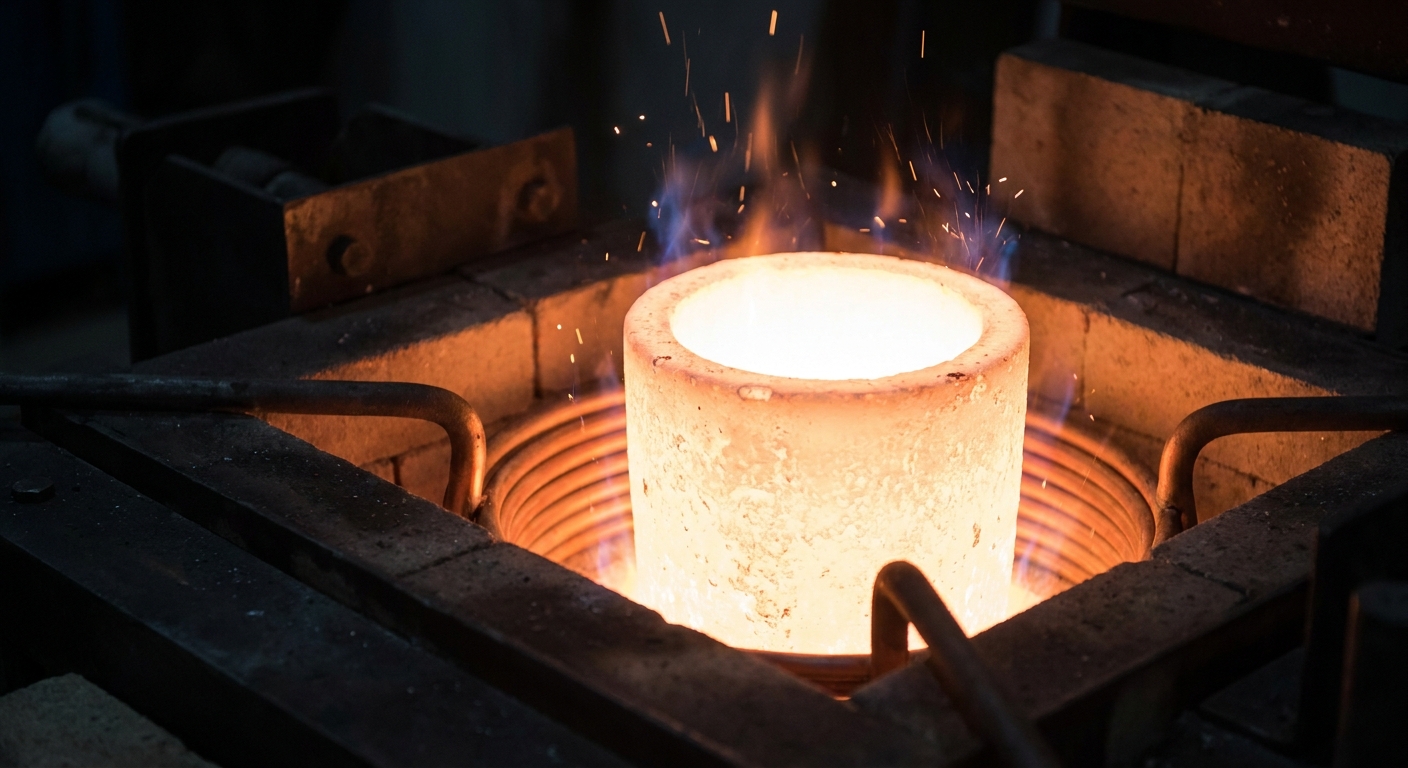
Processing High-Purity Zirconia components requires precise manufacturing steps, beginning with high-temperature powder synthesis followed by specialized sintering and green-state machining. Proper control over these variables is what prevents the introduction of critical structural defects.
Why is raw powder preparation vital?
Sourcing high-quality raw powders with a controlled particle size distribution is the foundation of high-strength ceramic parts. Any chemical impurities or physical irregularities in the powder will create microvoids during final consolidation.
Look at the data:
- Powder purity must be maintained above 99.9%.
- Particle sizes are carefully milled to submicron scales.
- Doping additives are blended to ensure homogeneous phase distribution.
How is final consolidation achieved?
The shaped parts undergo high-temperature sintering, typically between 1400°C and 1600°C, to achieve full physical densification. This thermal process consolidates the individual particles into a dense, solid component with optimal grain boundaries.
| Sintering Phase | Temperature Range | Physical Result |
|---|---|---|
| Green State | Room Temp | Molded Powder Compact |
| Intermediate Stage | 1000°C – 1200°C | Initial Necking & Porosity Reduction |
| Final Densification | 1400°C – 1600°C | Fully Consolidated Solid Parts |
Controlled cooling rates prevent the development of internal residual stresses that could cause cracks.
Key Takeaway: Partnering with a manufacturer that possesses advanced sintering capabilities is critical for ensuring your finished components are free of structural defects. This manufacturing control guarantees reliable component lifetimes in extreme applications.
Is Additive High-Purity Zirconia Feasible?
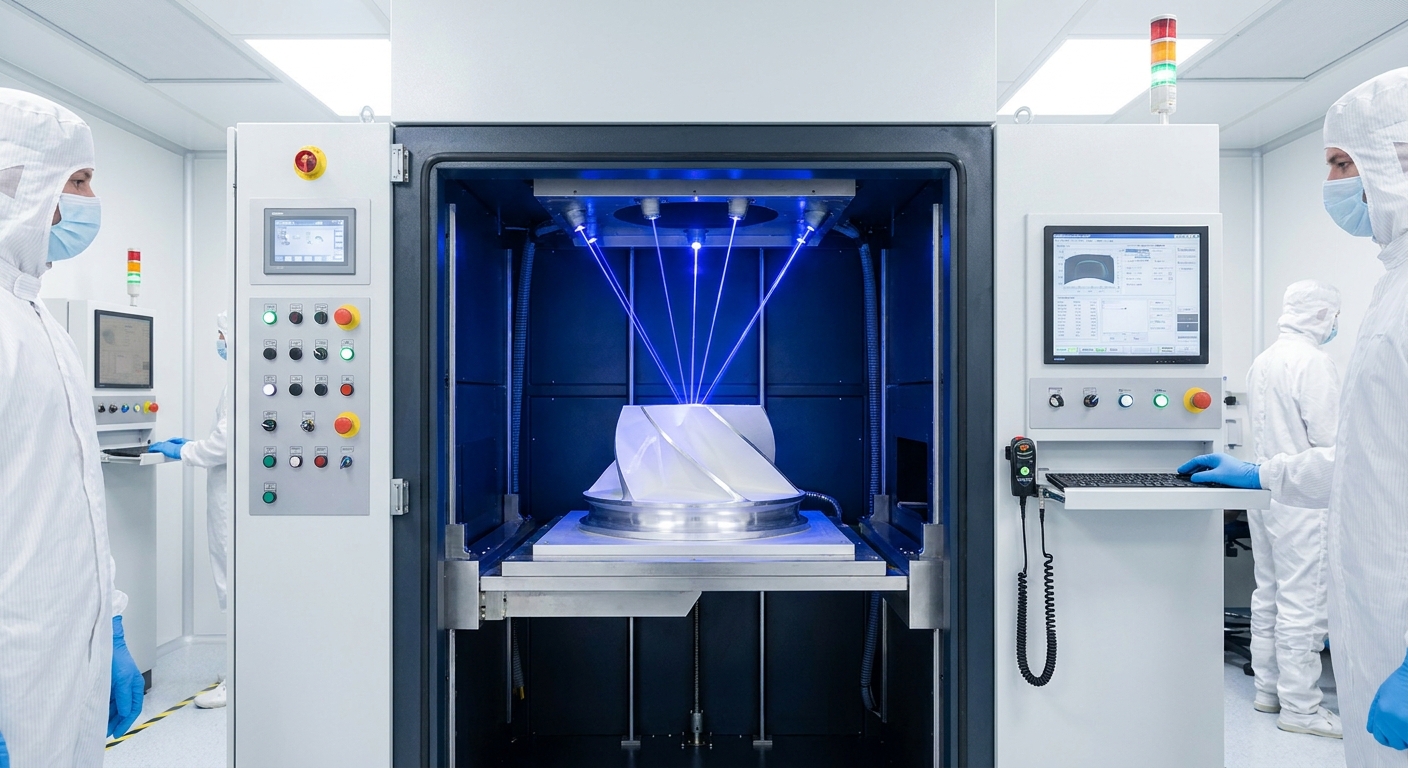
Additive manufacturing of High-Purity Zirconia is highly feasible and represents a revolutionary approach to producing complex geometries without traditional machining constraints. This enables custom designs like integrated cooling channels in turbine blades that were previously impossible to produce.
How does ceramic 3D printing work?
Advanced techniques like Ceramic Stereolithography utilize ultraviolet lasers to cure a photopolymer resin containing suspended ceramic particles. This process builds the component layer-by-layer to construct complex internal flow channels.
The best part? This eliminates the need for expensive diamond tooling and reduces material waste.
- Complex hollow designs for internal cooling.
- Minimal post-processing and zero tool wear costs.
- Rapid prototyping of customized aerospace parts.
What structural properties are achieved?
Once sintered, additively manufactured parts display physical properties and structural performance matching traditional pressing methods. This opens up entirely new design possibilities for advanced propulsion and thermal protection components.
| Fabrication Method | Dimensional Tolerance | Complex Geometry Capability |
|---|---|---|
| Traditional Machining | Excellent (+/- 0.01 mm) | Low to Moderate |
| Additive Printing (SLA) | High (+/- 0.05 mm) | Unmatched / Unlimited |
The structural consistency of printed ceramics allows engineers to push the boundaries of thermodynamic design.
Key Takeaway: Adopting additive ceramic manufacturing allows you to iterate designs rapidly and create complex cooling channels. This engineering freedom optimizes the performance of next-generation aerospace components.
What Is High-Purity Zirconia Sourcing Strategy?
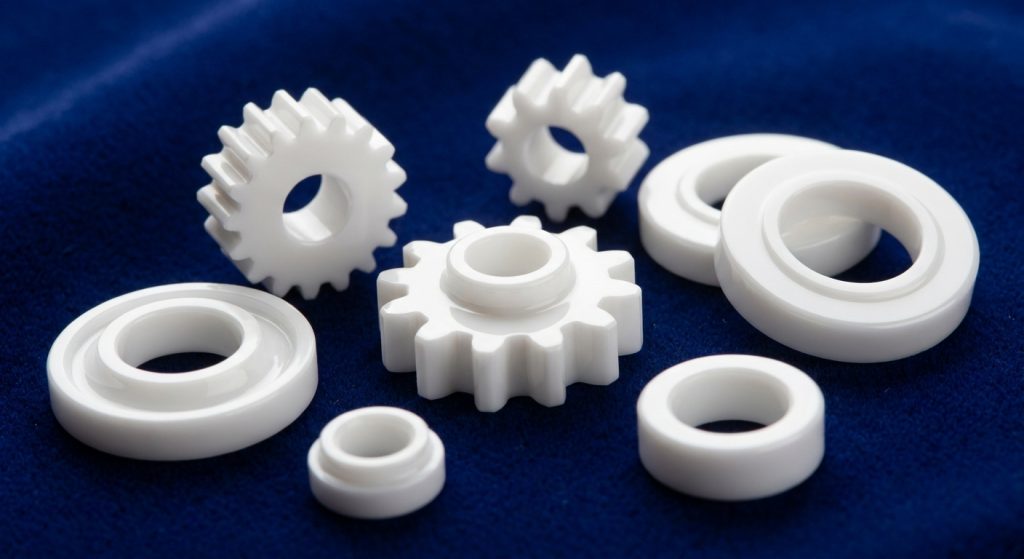
Your sourcing strategy for High-Purity Zirconia must prioritize phase stability, exact chemical compositions, and the manufacturer’s quality control standards to ensure flight safety. Partnering with a specialized supplier ensures that structural ceramics perform reliably under intense thermal cycling.
What metrics determine supplier quality?
Sourcing technical ceramics for aerospace requirements demands a deep understanding of phase stability, thermal dynamics, and mechanical performance. You must evaluate the supplier’s testing protocols and trace material purity back to raw batches.
Here is the key: consistency in crystal size distribution is what prevents premature component failures under cyclic stress.
- Verification of yttria or magnesia dopant distribution.
- Traceable raw powder manufacturing processes.
- Comprehensive mechanical and thermal testing documentation.
Why is collaborative design essential?
Engaging with our technical team early in your design process ensures that components are optimized for both performance and manufacturability. This joint engineering approach minimizes design iterations and accelerates your qualification timelines.
| Sourcing Metric | Critical Tolerance | Aerospace Requirement |
|---|---|---|
| Material Purity | >99.9% | Mandatory for Stress-Critical Parts |
| Phase Homogeneity | >95% Tetragonal | Required for High Fracture Toughness |
Rigorous supplier standards eliminate the risks associated with material defects in high-stress zones.
Key Takeaway: Sourcing from specialized, quality-certified manufacturers reduces the risk of structural ceramic components failing in service. Collaborative design ensures that parts are engineered perfectly for your extreme operating parameters.
Conclusion
By bridging the critical gap between high-temperature metallurgy and severe operational environments, advanced technical ceramics have redefined the limits of aerospace design. Implementing these specialized oxide materials enables higher engine combustion temperatures, minimizes metal alloy degradation, and ensures structural survivability during high-velocity atmospheric reentries. Choosing the appropriate chemical stabilizers and manufacturing processes is critical for maximizing both component longevity and fleet safety under intense mechanical stress.
To optimize your system’s thermal and mechanical boundaries, our technical team is ready to evaluate your custom application requirements so you can contact us today for a comprehensive structural review. Our engineering commitment ensures that every component is precision-manufactured to survive the future of high-altitude propulsion. Let us shape the boundaries of space exploration together.
Frequently Asked Questions
- Can I apply unalloyed zirconia directly as a thermal barrier coating?
No, you cannot use pure, unalloyed zirconia because it undergoes destructive phase transitions. Without a chemical stabilizing agent like yttria, the thermal cycling between ambient and operational temperatures triggers a 3% to 5% volumetric expansion that completely shatters the coating. - What’s the best stabilizing additive for extreme thermal cycling?
Yttrium oxide remains the premier stabilizing dopant for high-temperature cyclical environments. Adding 7 to 8 weight percent of yttria stabilizes the metastable tetragonal phase, delivering excellent fracture toughness and superior resistance to cyclic thermal shock. - How do I know if my design requires partially stabilized ceramics?
You need partially stabilized grades if your structural components face high-stress gradients and potential crack initiation under cyclic mechanical loads. This material’s localized phase transformation mechanism actively arrests microcracks, ensuring high structural integrity that unstabilized ceramics lack. - Can I integrate ceramic components directly next to titanium alloys?
Yes, you can integrate these components provided you accommodate the physical differences in thermal expansion. Designing specialized metallic bond coats or compliant interfaces prevents thermal stresses from causing mechanical failures at the interface. - What’s the best fabrication method for complex internal cooling channels?
Additive manufacturing via ceramic stereolithography is the most effective production method. This layer-by-layer laser curing process creates intricate, hollow structural pathways without tool wear, eliminating the microcracks associated with traditional diamond-grit grinding.