Zircon is a natural silicate mineral, zirconium is a chemical element, and zirconia is the oxide form of that element. You likely face confusion when specifying materials for high-performance applications, leading to potential procurement errors and design flaws. This ambiguity agitates your production cycle and can result in costly material failures or incompatible component properties. Our expert guide to Zirconium Oxide provides the clarity you need to make informed engineering decisions and optimize your material supply chain.
What is Zirconium Oxide compared to zircon?
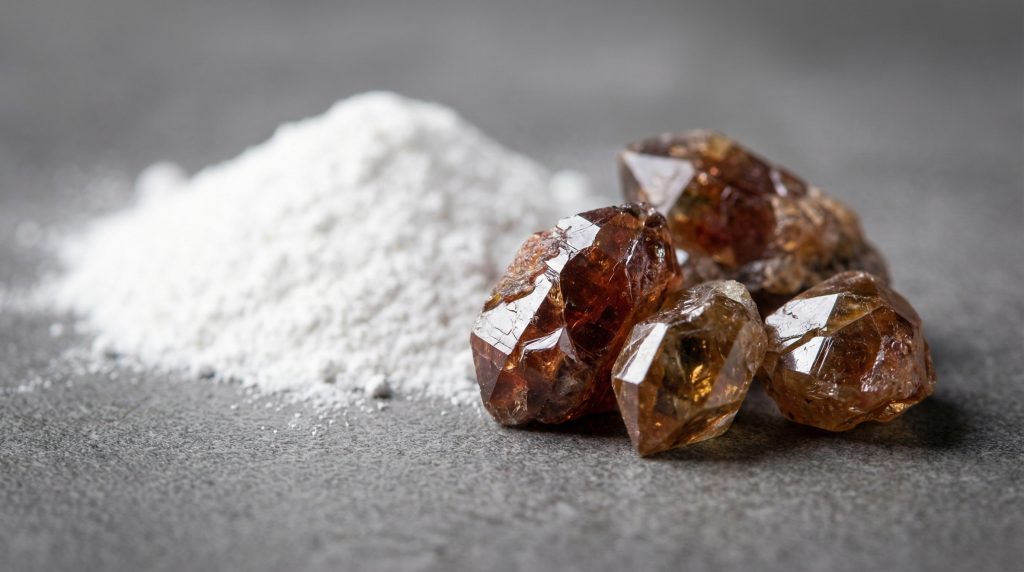
Zirconium Oxide is a synthesized ceramic material produced by chemically or thermally processing zircon sand, which is a naturally occurring mineral composed of zirconium silicate. While zircon contains both zirconium and silicon, Zirconium Oxide is a purified material that offers much higher thermal stability and chemical resistance for technical applications.
How does the raw mineral transform?
Here is the deal: zircon is the starting point for almost all zirconium-based products used in modern industry. Through a process of fusion or chemical leaching, we remove the silica to isolate the high-purity oxide that your facility requires.
- Zircon Sand: Raw mineral used in foundries.
- Zirconium Silicate: Milled powder for ceramic glazes.
- Zirconium Oxide: High-performance technical ceramic.
Key Takeaway: Understanding the transition from raw silicate to refined oxide helps you choose the right purity level to reduce process variation and improve final product yield.
| Material | Chemical Formula | Common State | Primary Use | |
|---|---|---|---|---|
| Zircon | ZrSiO4 | Sand/Crystal | Refractories | |
| Zirconium Oxide | ZrO2 | White Powder | Advanced Ceramics |
This comparison shows why refined oxides are necessary for applications requiring extreme heat resistance and mechanical strength.
How does Zirconium Oxide differ from zirconium?
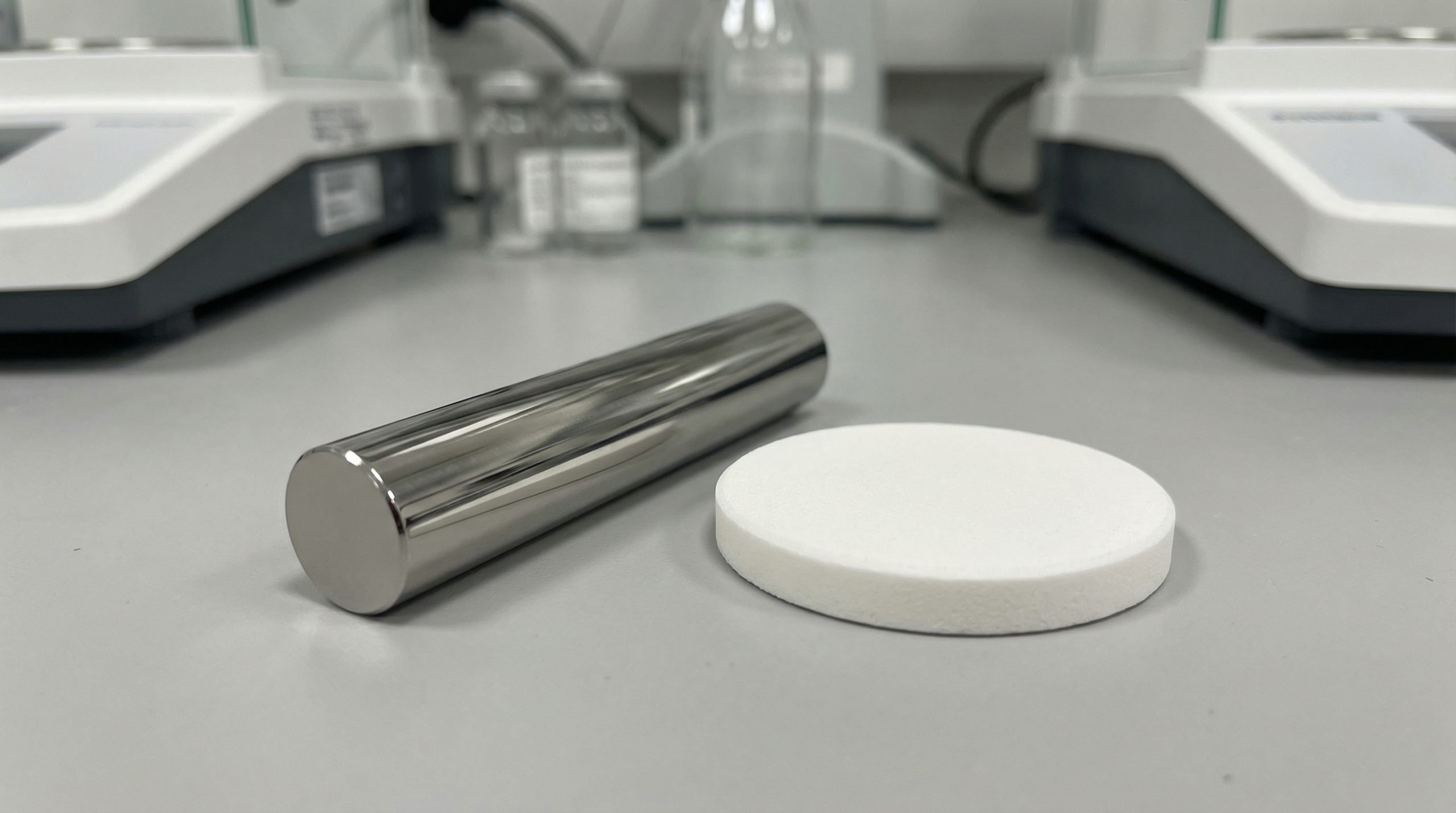
Zirconium Oxide is a stable ceramic compound formed when the metal zirconium reacts with oxygen, whereas zirconium is a silver-gray transition metal in its pure, elemental state. You will find that Zirconium Oxide is far more prevalent in industrial manufacturing because of its inertness and high melting point.
When should you specify the metal?
But wait; the metal itself is rarely used in the same context as the ceramic because of its unique properties. Pure zirconium metal is prized in nuclear reactors and chemical processing equipment where corrosion resistance is the absolute priority.
- Metal: High ductility, conductive, silver color.
- Oxide: Brittle, insulating, typically white.
- Both: Highly resistant to chemical attack.
Key Takeaway: Distinguishing between the metal and its oxide ensures you don’t mistakenly order conductive components for applications that require the insulating properties of ceramics.
| Property | Zirconium (Metal) | Zirconium Oxide (Ceramic) | |
|---|---|---|---|
| Electrical | Conductive | Insulative | |
| Ductility | High | Low (Brittle) |
This data confirms that the oxide form is the superior choice for thermal barriers and electronic insulation.
Why is Zirconium Oxide called zirconia?
Zirconia is simply the common industry name for Zirconium Oxide (ZrO2), used interchangeably by engineers and material scientists worldwide. This Zirconium Oxide material serves as the foundation for the advanced ceramic parts you likely use in dental blocks, grinding media, and wear-resistant components.
Is the terminology interchangeable?
Look: whether you see a technical data sheet referring to zirconia or the full chemical name, they are describing the same high-strength material. Most manufacturers use “zirconia” as a shorthand to describe the stabilized versions of the oxide used in structural applications.
- Common Name: Zirconia.
- Chemical Name: Zirconium Oxide.
- Formula: ZrO2.
Key Takeaway: Recognizing that these terms are identical prevents communication gaps during the procurement process, ensuring your technical specifications are always met accurately.
| Terminology | Scientific Meaning | Industrial Usage | |
|---|---|---|---|
| Zirconia | Oxide of Zirconium | High | |
| Zirconium Oxide | ZrO2 | Very High |
These terms refer to the same chemical entity, providing consistency across global engineering standards and material catalogs.
Is Zirconium Oxide a ceramic or a metal?
Zirconium Oxide is strictly classified as a technical ceramic because of its ionic and covalent bonding, despite containing the metallic element zirconium. Using Zirconium Oxide provides your projects with high fracture toughness and hardness that pure metals often cannot match in extreme environments.
Why does it behave like a metal?
The truth is, zirconia is often called “ceramic steel” because it possesses a unique transformation toughening mechanism. This allows the material to stop crack propagation, a property typically associated with metals rather than brittle ceramics.
- Hardness: Similar to traditional ceramics.
- Toughness: Approaching metallic properties.
- Stability: Chemically inert at high temperatures.
Key Takeaway: Leveraging the “ceramic steel” properties of zirconia allows you to replace heavy metallic parts with lighter, more durable ceramic components in high-wear environments.
| Characteristic | Metallic Alloys | Zirconium Oxide | |
|---|---|---|---|
| Corrosion | Susceptible | Immune | |
| Weight | Heavy | Lighter (approx. 6g/cm³) |
The combination of toughness and corrosion immunity makes this material a premier choice for demanding industrial hardware.
Where is Zirconium Oxide used in industry?
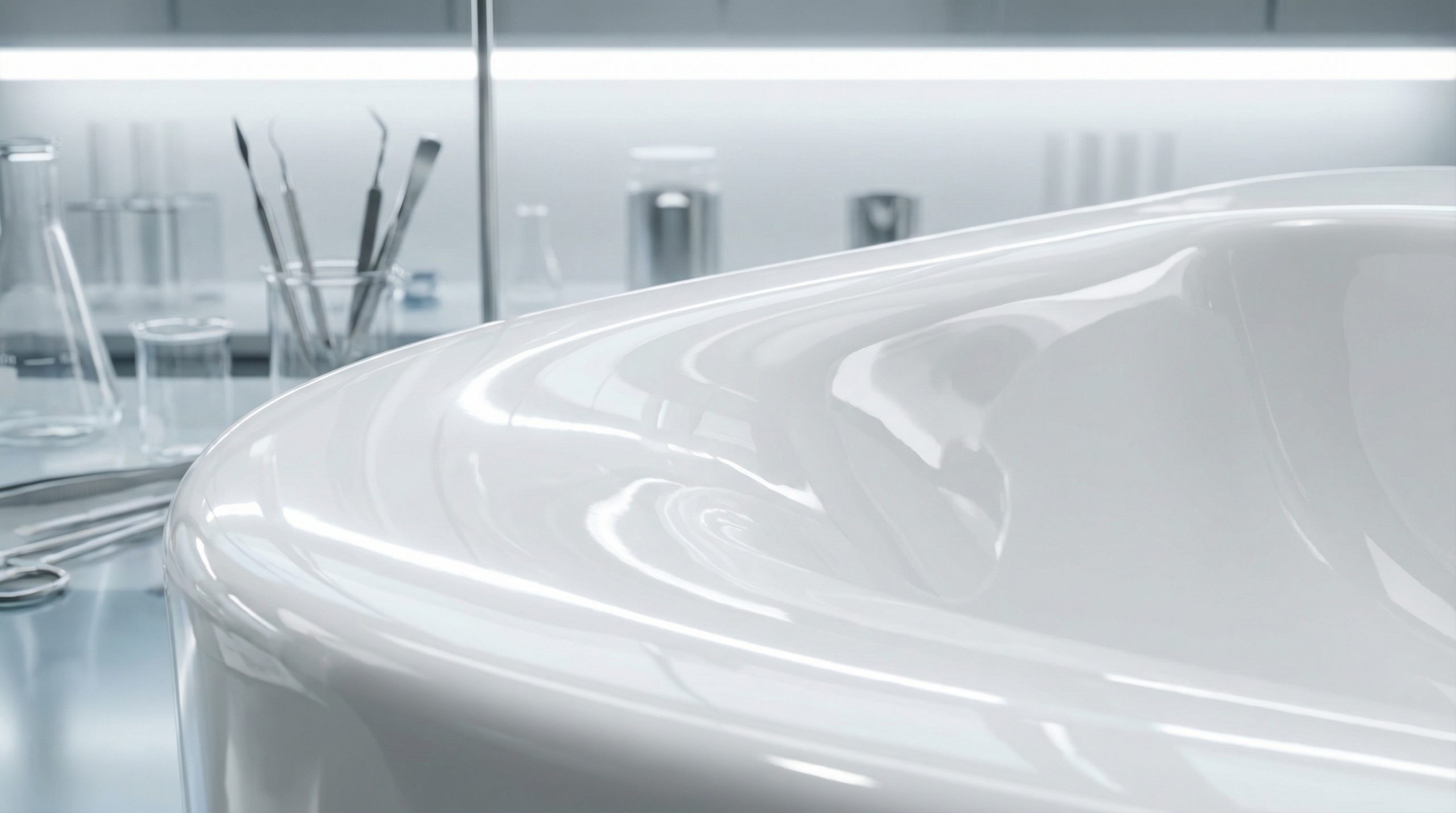
Zirconium Oxide is utilized in a diverse range of industries including dental medicine, aerospace, electronics, and heavy manufacturing due to its biocompatibility and thermal resistance. You can find Zirconium Oxide in everything from high-end watch cases to the thermal barrier coatings on jet engine blades.
How does it benefit ceramics?
Actually, its most common role is as an opacifier in ceramic glazes and as a toughening agent in structural parts. It provides the brilliant white color and the smooth, scratch-resistant surface you expect in premium sanitary ware and tiles.
- Dental: Crowns and bridges.
- Grinding: High-density milling beads.
- Energy: Fuel cell membranes.
Key Takeaway: Identifying the broad utility of zirconia can inspire you to integrate it into new applications where traditional materials are currently failing.
| Industry | Primary Application | Key Benefit | |
|---|---|---|---|
| Dental | Prosthetics | Aesthetics & Strength | |
| Chemical | Pump Parts | Wear Resistance |
These diverse applications demonstrate the material’s adaptability across both aesthetic and highly functional industrial sectors.
Is Zirconium Oxide the same as cubic zirconia?
Cubic zirconia is a specific synthetic crystalline form of Zirconium Oxide that is grown to mimic the brilliance and clarity of natural diamonds. While industrial Zirconium Oxide is usually stabilized in the tetragonal phase for strength, the cubic phase is preferred for jewelry and optical components.
Why stabilize the cubic phase?
Think about it: at room temperature, pure zirconia is monoclinic, which is not suitable for gems or high-strength parts. We add stabilizers like yttria to lock the material into the cubic or tetragonal structure, depending on whether you need beauty or brawn.
- Cubic: Optical clarity and sparkle.
- Tetragonal: Mechanical strength and toughness.
- Monoclinic: Standard raw powder state.
Key Takeaway: Knowing the difference between phases allows you to specify the correct crystalline structure for your specific functional or aesthetic requirements.
| Phase | Common Use | Primary Property | |
|---|---|---|---|
| Cubic | Jewelry/Optics | High Refractive Index | |
| Tetragonal | Industrial Parts | Maximum Toughness |
This distinction is critical for ensuring you receive a material optimized for mechanical performance rather than visual appearance.
Does Zirconium Oxide resist high heat?
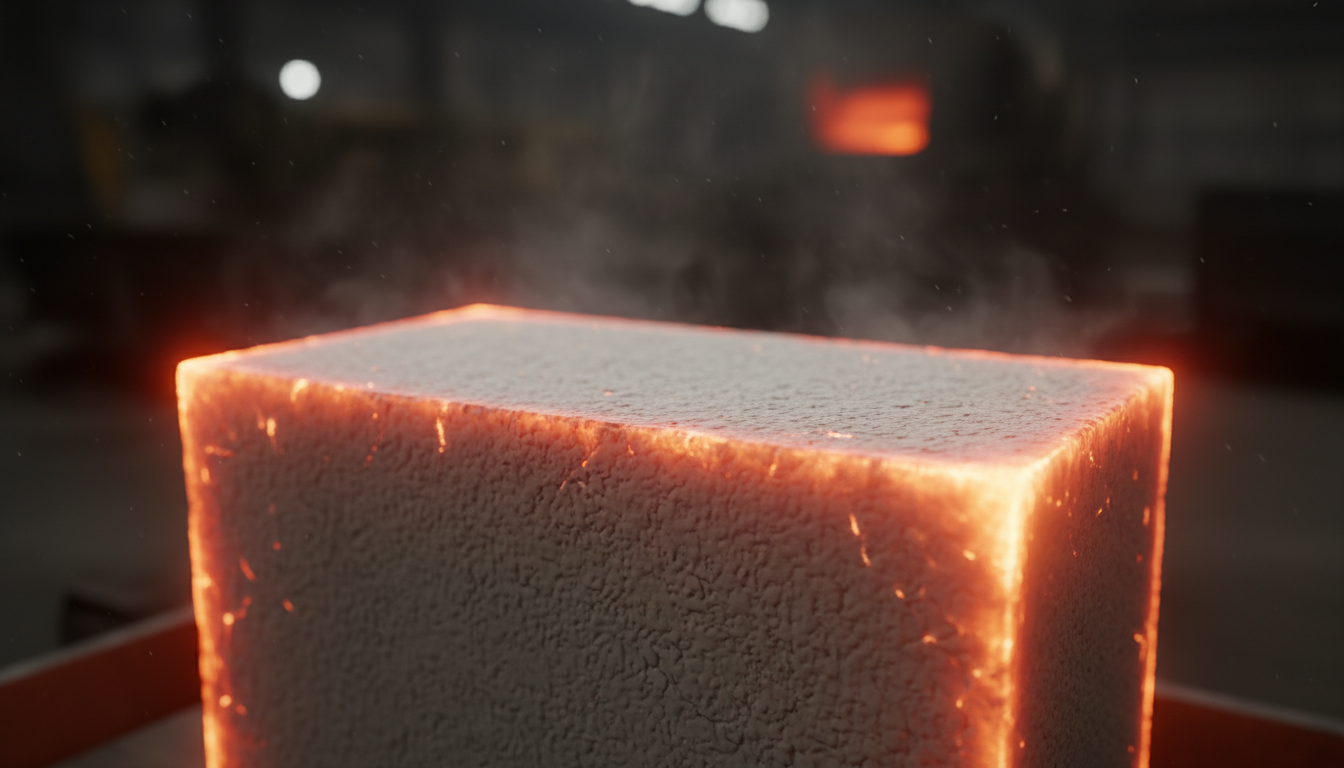
Zirconium Oxide has an incredibly high melting point of approximately 2,715°C, making it one of the most heat-resistant materials available for industrial use. This thermal stability ensures that Zirconium Oxide components remain structurally sound during extreme temperature fluctuations in your furnaces or engines.
Can it survive thermal shock?
Here is the kicker: while it resists heat, the way it is stabilized determines how well it handles rapid temperature changes. Partially stabilized zirconia (PSZ) is designed specifically to handle thermal cycling without cracking, protecting your equipment from premature failure.
- Melting Point: >2,700°C.
- Low Thermal Conductivity: Excellent insulator.
- Resistance: Highly stable in oxidizing atmospheres.
Key Takeaway: Utilizing the thermal insulation properties of zirconia helps you protect sensitive equipment and reduce energy loss in high-temperature processes.
| Material | Melting Point | Thermal Conductivity | |
|---|---|---|---|
| Alumina | 2,050°C | High | |
| Zirconium Oxide | 2,715°C | Low |
The data proves that zirconia is the superior choice for high-temperature insulation compared to standard alumina ceramics.
How is Zirconium Oxide purity analyzed?
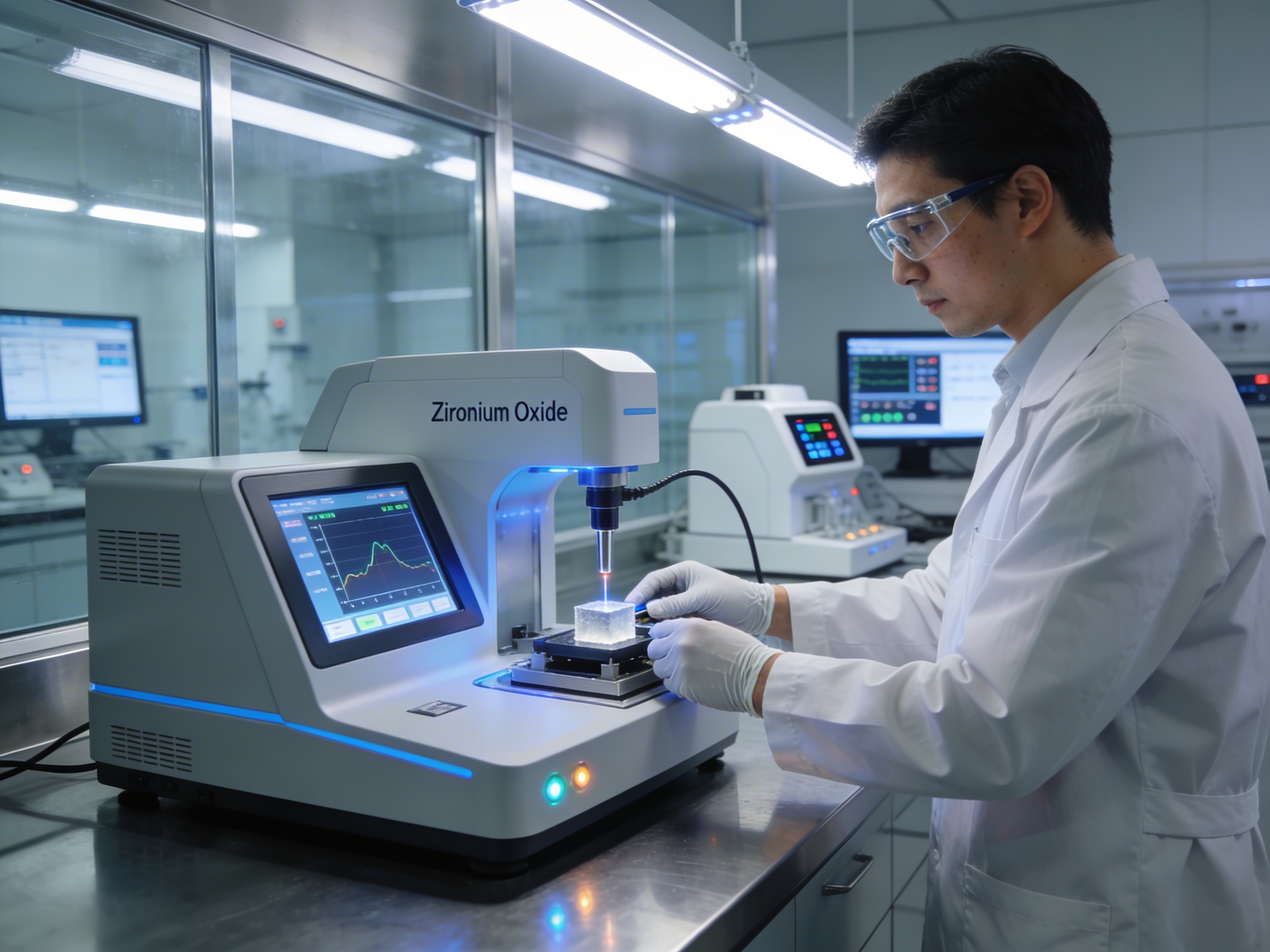
Zirconium Oxide purity is analyzed using advanced techniques like X-ray fluorescence (XRF) and ICP analysis to detect trace impurities and hafnium content. Controlling the chemical makeup of Zirconium Oxide is vital for maintaining consistent phase stability and sintering behavior in your production line.
What about radioactivity levels?
In fact, because zircon sand can contain trace amounts of radioactive elements, reputable manufacturers conduct strict radioactivity testing. You must ensure your supplier provides certificates of analysis (COA) that verify the material meets international safety standards for your region.
- XRF: Measures bulk chemical composition.
- XRD: Identifies crystalline phases.
- Radioactivity Test: Ensures environmental safety.
Key Takeaway: Rigorous purity analysis eliminates the risk of batch-to-batch variation, ensuring your finished products meet the highest quality and safety standards.
| Analysis Type | Target Data | Importance | |
|---|---|---|---|
| XRF | ZrO2 + HfO2 % | Material Grade | |
| XRD | Phase Content | Mechanical Strength |
Full laboratory documentation is the only way to guarantee that your materials will perform as expected in critical applications.
Can Zirconium Oxide be customized?
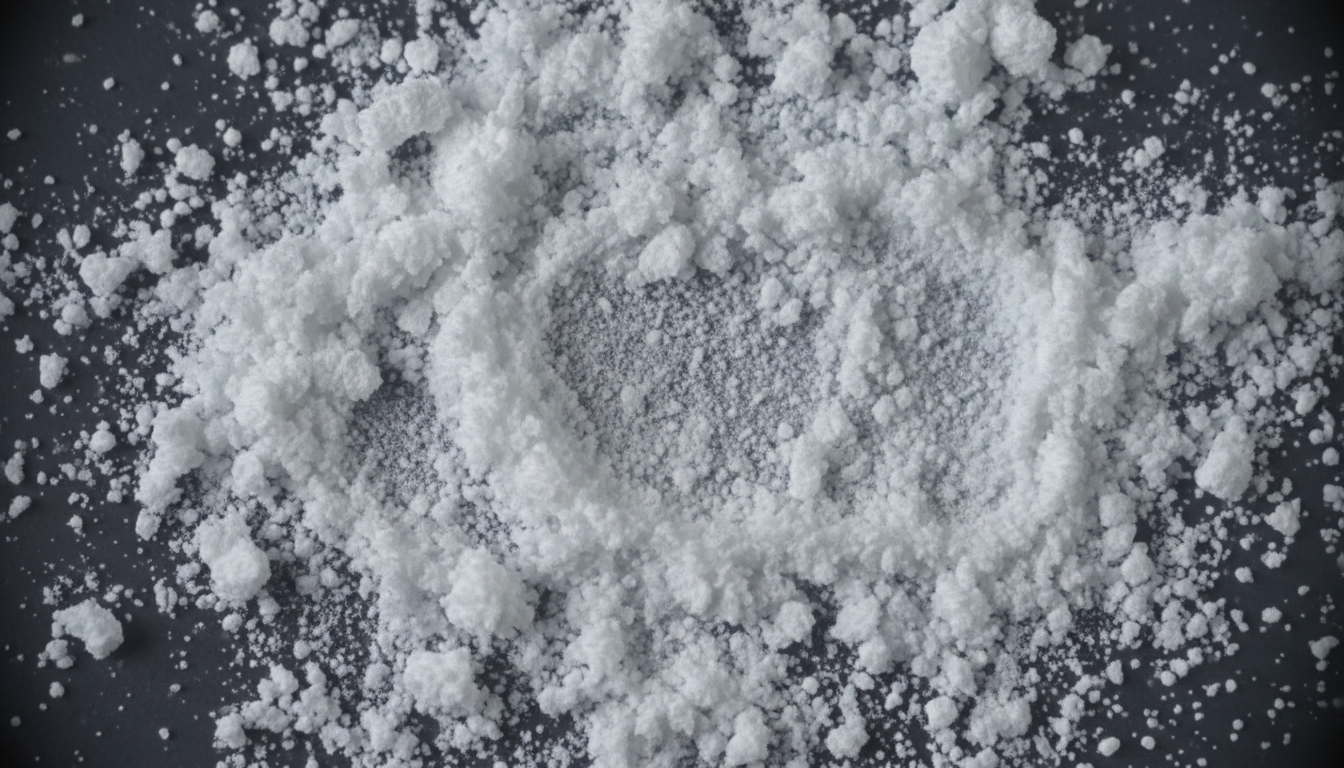
Zirconium Oxide can be customized in terms of particle size distribution (PSD), specific surface area, and the type of stabilizer used. Tailoring Zirconium Oxide properties allows you to optimize the sintering curve and achieve the specific density and hardness required for your components.
Can you adjust the color?
Surprisingly, while naturally white, zirconia can be pigmented during the manufacturing process to meet specific aesthetic needs. For dental applications or consumer electronics, we can provide powders that produce a variety of natural or industrial shades without compromising strength.
- Particle Size: D50 from 0.3μm to 5μm.
- Stabilizers: Y2O3, MgO, or CaO.
- Forms: Spray-dried granules or bulk powder.
Key Takeaway: Customizing your material specs ensures the powder integrates perfectly with your existing machinery, reducing the need for expensive process modifications.
| Customization | Range | Industrial Impact | |
|---|---|---|---|
| PSD (D50) | 0.3 – 5.0 μm | Sintering Speed | |
| Stabilizer | 3Y, 5Y, 8Y | Phase Stability |
Optimizing these parameters allows you to fine-tune your production for maximum efficiency and material performance.
Is Zirconium Oxide difficult to source?

Sourcing high-quality Zirconium Oxide is highly efficient when you partner with a vertically integrated manufacturer that controls the process from ore to finished powder. We ensure that your Zirconium Oxide supply remains stable, consistent, and fully traceable to meet your rigorous quality management requirements.
Why choose direct manufacturing?
Here is the bottom line: trading companies often source from multiple small suppliers, leading to significant batch-to-batch variation. By working directly with a manufacturer, you lock in your specifications and receive the same high-performing material with every single shipment.
- Stability: Consistent PSD and whiteness.
- Traceability: Full chain-of-custody records.
- Support: Direct access to engineering expertise.
Key Takeaway: A direct manufacturing partnership eliminates supply chain risks, providing you with the reliable material flow necessary for high-volume production.
| Sourcing Route | Quality Risk | Technical Support | |
|---|---|---|---|
| Trading Company | High | Limited | |
| Direct Manufacturer | Low | Full Engineering |
Choosing a direct manufacturer is the most effective way to stabilize your production yield and ensure long-term component reliability.
Conclusion
Navigating the complexities of zircon, zirconia, and zirconium doesn’t have to be a challenge for your procurement team. At ZrBrontec, we solve the problem of material inconsistency by providing vertically integrated solutions and direct engineering support. Whether you are dealing with glaze defects or searching for high-toughness structural parts, we can help you optimize your specifications for maximum performance. Our vision is to empower global manufacturers with the most stable and high-performing zircon materials in the industry. To learn more about our custom solutions or to request a sample for your next project, contact us today .
Frequently Asked Questions
1. Can I use Zirconium Oxide for electrical insulation?Yes. Zirconium Oxide is a high-performance electrical insulator with excellent dielectric properties, especially at high temperatures where other materials might fail.
2. What’s the best way to determine which phase I need?It depends. If you need maximum mechanical strength and fracture toughness, tetragonal stabilized zirconia is usually the best choice, whereas cubic is better for optical applications.
3. How do I know if my Zirconium Oxide is high purity?It depends on the laboratory report. You should always check the XRF data for the sum of ZrO2 and HfO2, ensuring it meets your specific grade requirements—typically 94.5% to 99.9%.
4. Can Zirconium Oxide be recycled?No. Once Zirconium Oxide has been fully sintered into a ceramic component, it cannot be easily returned to powder form for reuse in the same manufacturing process.
5. Is Zirconium Oxide safe for medical implants?Yes. It is highly biocompatible and chemically inert, making it one of the most trusted materials for dental crowns, bridges, and hip replacement joints.