
Zirconia beads serve as the ultimate advanced grinding media for high-performance microdispersion and nanoparticle processing by delivering unmatched kinetic energy, wear resistance, and chemical purity. You are standing on the production floor, watching an operator struggle with inconsistent slurry grinding that leads to clogged filters and uneven coatings. Every ruined batch costs your company thousands of dollars in wasted materials, labor, and delayed shipping timelines, creating immense pressure on your margins. Fortunately, switching to premium Zirconia Grinding Beads resolves these issues completely by establishing a predictable, high-yield milling process.
Why choose Zirconia Grinding Beads for ultra-fine nano milling?
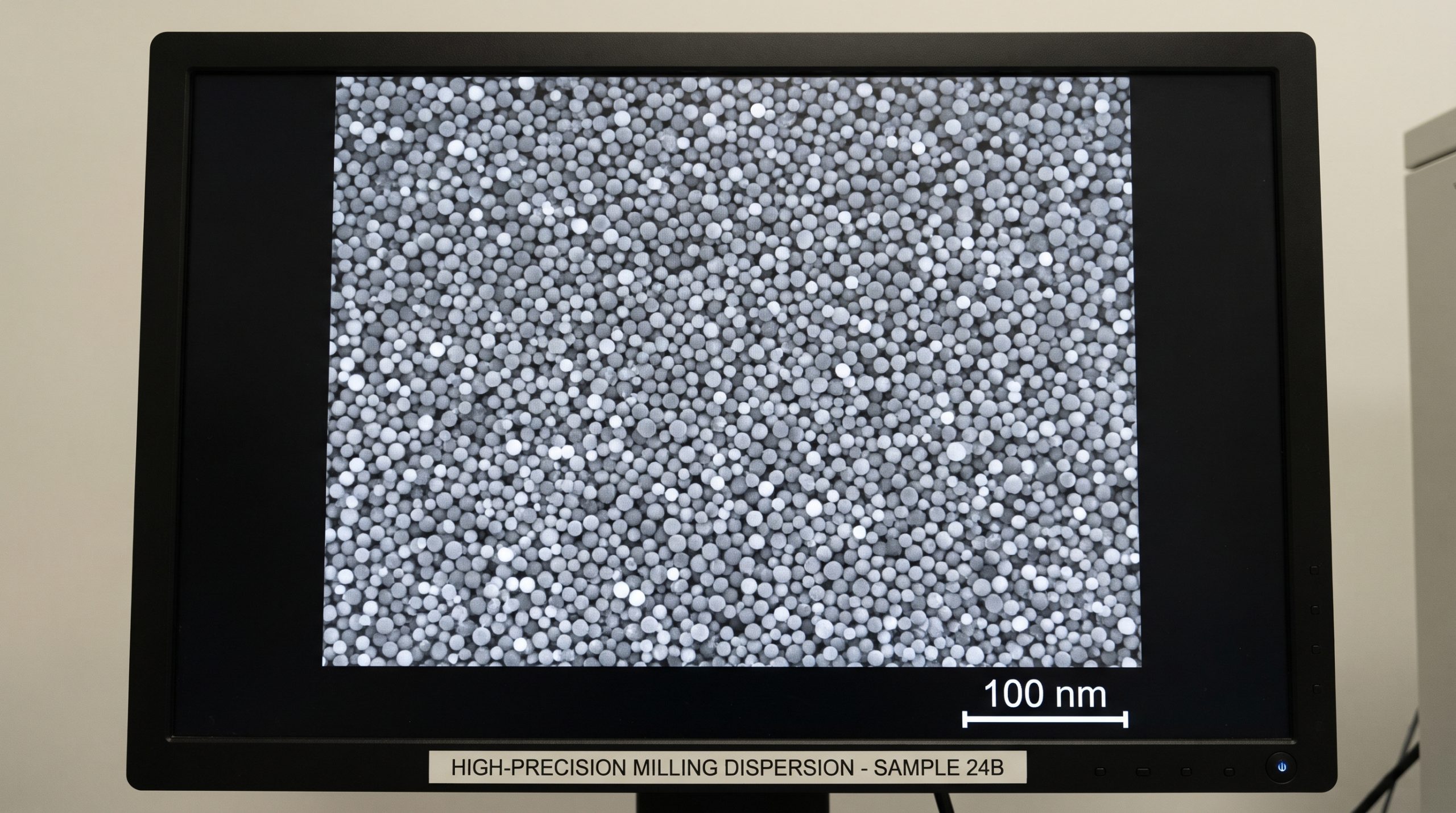
Selecting Zirconia Grinding Beads for ultra-fine nano milling ensures that you achieve exceptional particle size reduction due to their high density and superior impact energy transfer. This advanced ceramic material provides the necessary kinetic energy required to break down challenging agglomerates into the nanometer range. Furthermore, its structural stability prevents premature bead deformation during high-speed agitation.
Is density the key to high-energy impact?
Yes, high density is absolutely critical because it directly translates into maximum kinetic energy during wet milling. Think about it. When you operate a high-energy bead mill, a denser bead delivers much stronger shear and impact forces against the raw pigment or active pharmaceutical ingredient. This enables you to process hard materials in a fraction of the time.
- High-density media (5.8–6.1 g/cm³) maximizes collision energy.
- Accelerates particle fracturing for faster milling cycles.
- Reduces the overall electricity consumption of your mill.
If you use lighter media like glass, you will struggle to reach the nanometer threshold. Therefore, upgrading to denser options remains the smartest way to boost your daily throughput.
How does material purity protect your dispersion?
Utilizing high-purity zirconia protects your dispersion by eliminating the risk of cross-contamination from wearing media. Here is why. When beads degrade, they shed microscopic debris into your formulation, which can ruin electronic component conductivity or alter paint colors. By utilizing premium ceramic materials, you guarantee that your product retains its chemical composition without unwanted trace elements.
- Purity levels exceeding 99% ZrO₂ safeguard chemical formulations.
- Prevents color shifts in premium inks and cosmetic slurries.
- Protects delicate electronic pastes from metallic contaminants.
If you are milling sensitive pharmaceutical compounds, even minor contamination can result in entire batch rejections. You can avoid these costly regulatory and quality setbacks by selecting media engineered for high-purity performance.
| Parameter | Glass Beads | Steel Media | Zirconia Beads |
|---|---|---|---|
| Density (g/cm³) | 2.5 | 7.8 | 6.0 |
| Purity Level | Low | Moderate | Ultra-High |
| Contamination Risk | High | High | Minimal |
This data highlights how material selection directly influences operating costs and contamination levels.
Key Takeaway: By investing in high-density, pure zirconia media, you eliminate batch contamination while significantly reducing processing times for your nano-scale products.
How do Zirconia Grinding Beads maximize bead mill efficiency?
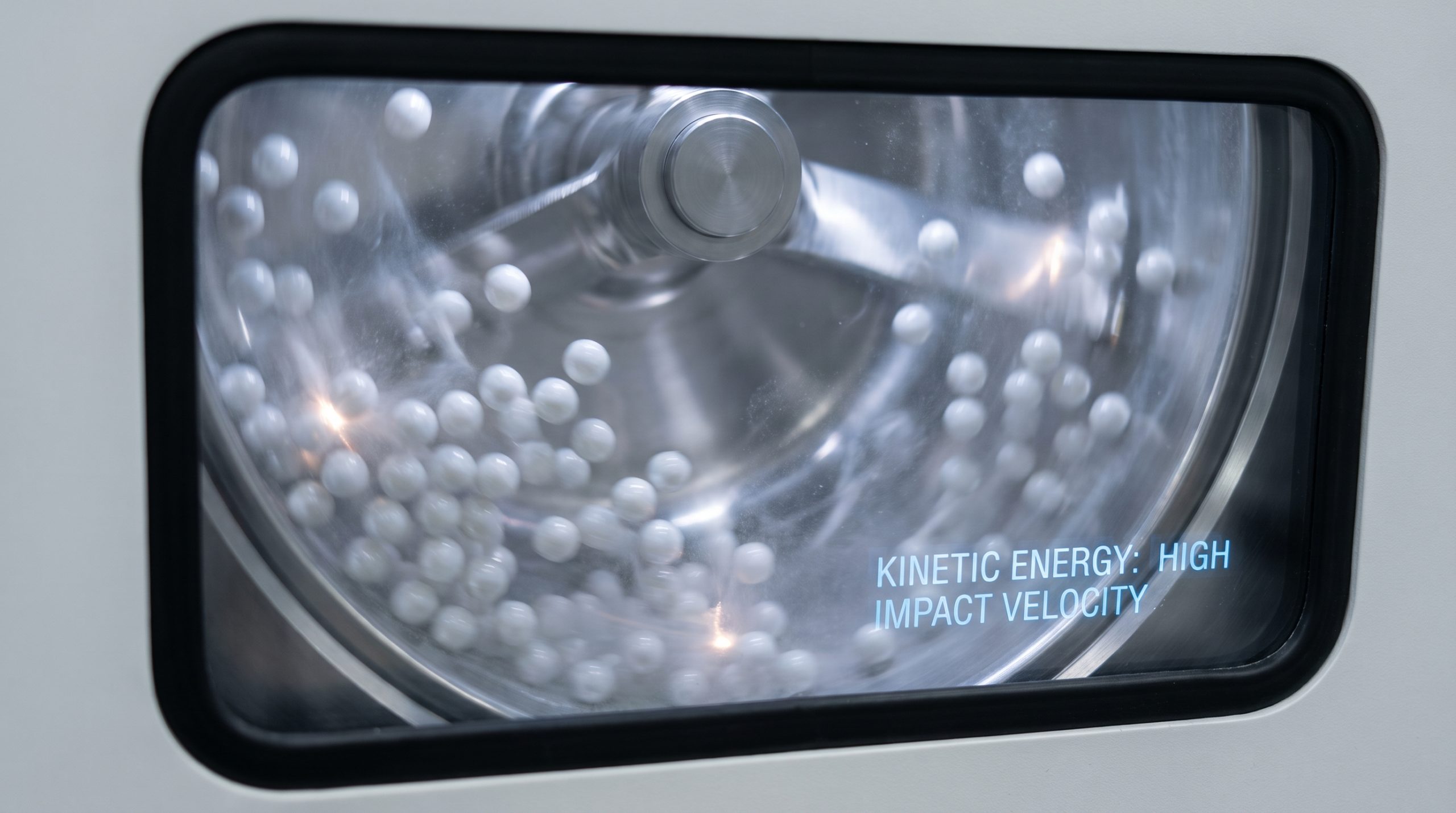
Zirconia Grinding Beads maximize bead mill efficiency by offering exceptional spherical precision and a narrow size distribution that optimizes fluid dynamics. This consistency allows the media to flow smoothly inside the chamber without creating high-pressure blockages or dead zones. As a result, your equipment operates at peak performance with lower power draw.
What role does spherical precision play?
Perfect sphericity reduces frictional heat and ensures uniform contact points between the beads and your slurry. Here’s the deal: non-spherical beads generate uneven shear fields, which leads to incomplete dispersion and localized overheating. When you use perfectly round ceramic spheres, you get predictable wear and consistent energy transfer across the entire milling chamber.
- Sphericity values above 95% optimize internal fluid flow.
- Reduces localized friction to maintain cool operating temperatures.
- Prevents erratic bead movement that causes internal mill wear.
If your beads are misshapen, they will wear down unevenly and eventually crack under intense kinetic stress. You can secure smooth, continuous operations simply by choosing media manufactured to the highest geometric tolerances.
Can narrow size distributions speed up your cycle times?
Yes, a narrow size distribution prevents smaller beads from nesting between larger ones, which maintains open channels for slurry flow. Why does this matter? When media sizes vary too much, fluid flow is restricted, causing hydraulic pressure to build up and trigger automatic mill shutdowns. Keeping a uniform media size ensures that every bead contributes equally to the grinding action.
- Uniform size distributions prevent hydraulic packaging.
- Ensures consistent shear rate throughout the milling chamber.
- Eliminates premature clogging of the media separation screen.
You will notice an immediate drop in cycle times when the entire bead charge works in unison. Selecting a tightly graded product is the easiest way to streamline your processing workflow.
| Geometric Property | Standard Media | Premium Zirconia | Impact on Mill |
|---|---|---|---|
| Sphericity | < 85% | ≥ 95% | Reduces frictional heat |
| Size Distribution | Wide | Narrow (CV < 5%) | Prevents screen clogging |
| Wear Uniformity | Poor | Excellent | Extends operating life |
This comparison demonstrates how geometric consistency directly dictates internal chamber pressures and fluid dynamics.
Key Takeaway: Utilizing beads with high spherical precision and tight size tolerances ensures stable milling operations and eliminates unplanned pressure spikes.
What makes Zirconia Grinding Beads outlast traditional media?
Zirconia Grinding Beads outlast traditional media because of their superior fracture toughness and exceptional resistance to abrasive wear. These properties prevent the beads from cracking or shattering under the intense mechanical stress of high-speed agitation. Consequently, you experience fewer production interruptions and a much lower media consumption rate over time.
Is wear resistance your shield against downtime?
Unrivaled wear resistance is indeed your ultimate shield against frequent maintenance shutdowns and media replenishment costs. Think about it. If your current media wears down quickly, you must constantly stop production to sieve out undersized fragments and top off the mill. Switching to a highly durable ceramic material ensures that your system runs continuously without performance degradation.
- Ultra-low wear rates reduce media replacement frequency.
- Minimizes the labor costs associated with frequent mill charging.
- Maintains consistent grinding performance over hundreds of hours.
You cannot afford to let high wear rates eat into your weekly manufacturing margins. Investing in long-lasting media keeps your lines moving and your operators focused on shipping finished products.
How do fracture toughness standards protect your equipment?
High fracture toughness prevents the catastrophic shattering of beads that can severely damage your internal mill components. But there is a catch. If you select low-quality media, the continuous impact against the rotor and chamber walls will cause microcracking, leading to sudden bead failure. Premium zirconia utilizes phase-transformation toughening to absorb energy and stop crack propagation in its tracks.
- Fracture toughness of 5–8 MPa·m^{1/2} prevents shattering.
- Protects expensive rotor discs and chamber liners from abrasion.
- Eliminates sharp shards that plug up fine screen separators.
When a bead shatters, the resulting debris acts like sandpaper inside your mill, destroying seals and rotors. You can safeguard your capital equipment investments by insisting on verified toughness ratings.
| Material Class | Fracture Toughness (MPa·m¹/²) | Hardness (HV) | Relative Lifespan |
|---|---|---|---|
| Glass | 0.7 – 0.9 | 500 | 1x (Base) |
| Alumina | 3.0 – 4.0 | 1400 | 3x – 5x |
| Zirconia | 5.5 – 8.0 | 1200 | 10x – 15x |
This performance matrix shows why ceramic materials with high fracture toughness deliver superior operational longevity.
Key Takeaway: High-toughness zirconia beads prevent catastrophic media failure, protecting your machinery while reducing long-term replacement costs.
How to select the right size of Zirconia Grinding Beads?
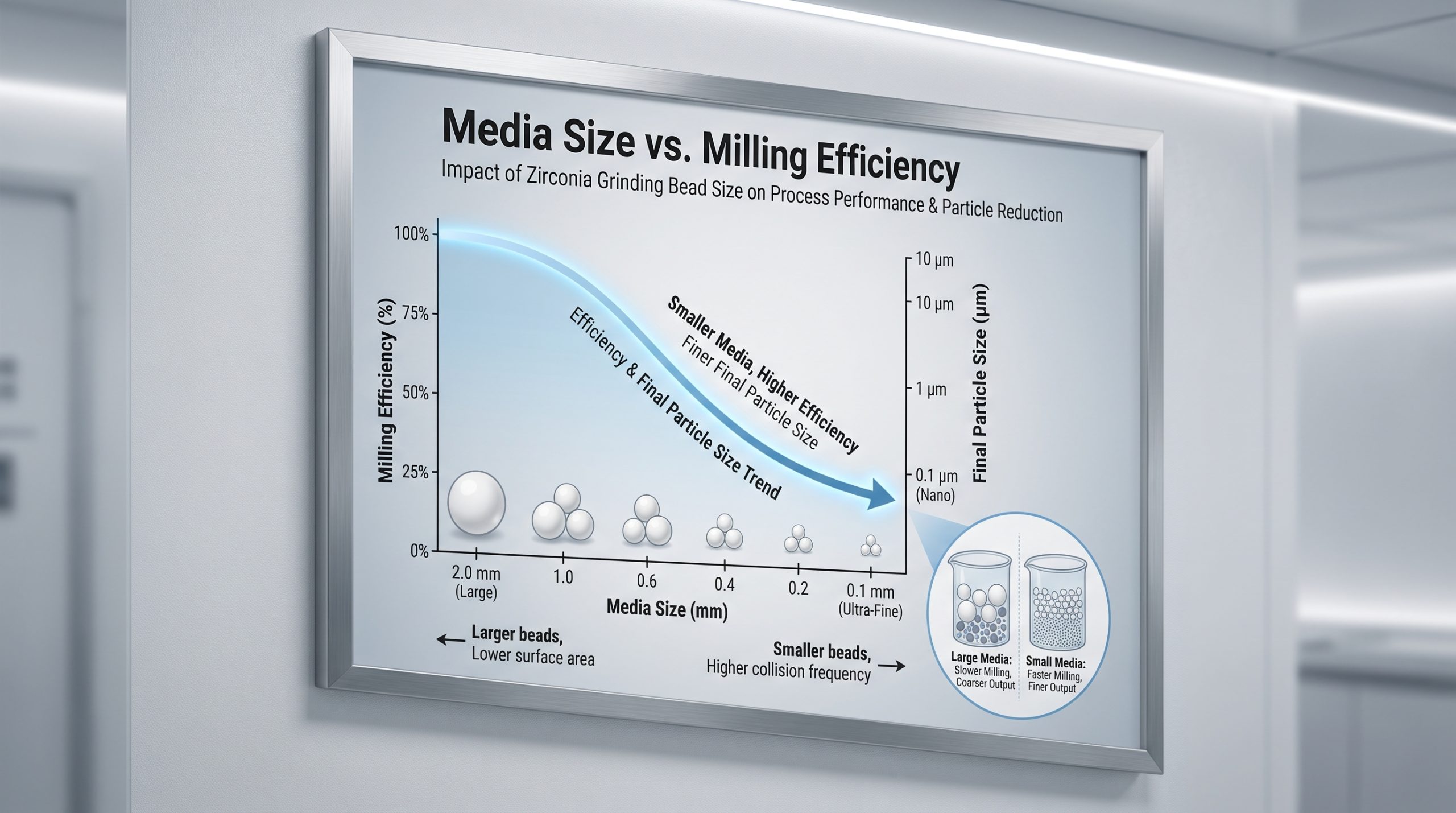
To select the right size of Zirconia Grinding Beads, you must balance the feed particle size of your raw slurry with the separator screen clearance of your mill. Choosing an optimal diameter ensures that the media provides enough impact force to crush large agglomerates while remaining small enough to generate high contact density. This balance is key to reaching your target particle size efficiently.
Do smaller bead diameters yield finer particles?
Yes, smaller bead diameters provide a massive increase in contact points per unit volume, which is essential for reaching sub-micron and nano ranges. Here is why. As you reduce the bead size, the number of individual grinding spheres in the chamber grows exponentially, creating a denser shear field. This allows you to capture and grind even the smallest target particles during passage.
- Micro-beads (0.1–0.5 mm) are ideal for true nanotechnology.
- Increases collision frequency to speed up the dispersion process.
- Enables the efficient processing of highly concentrated dispersions.
However, you must ensure your pre-milling stage has already reduced the feed particles below the threshold of the small beads. Otherwise, the micro-media will lack the kinetic mass to break down the incoming agglomerates.
What size range fits your screen opening?
The general engineering rule is that your bead diameter should be at least two to three times larger than the slot width of your mill’s separation screen. Why does this matter? If your beads are too close in size to the screen openings, they will wedge themselves into the slots, causing immediate clogging and system pressure alarms. Selecting the proper ratio ensures a smooth slurry discharge and continuous operation.
- Media size should be 2.5x to 3x the separator screen gap.
- Prevents bead hydraulic bypass and screen jamming.
- Allows high-viscosity slurries to exit the mill without restriction.
You should regularly inspect your screen for wear, as even a small gap expansion can let media escape into your product. Sticking to recommended size ratios will keep your manufacturing line running without unexpected interruptions.
| Bead Size (mm) | Recommended Screen Gap (mm) | Max Feed Particle Size (μm) | Typical Application |
|---|---|---|---|
| 0.1 – 0.3 | 0.05 – 0.10 | < 10 | Nanoparticles, Inkjet |
| 0.5 – 0.8 | 0.20 – 0.25 | < 30 | Automotive Paint, Ceramics |
| 1.0 – 1.5 | 0.40 – 0.50 | < 100 | Pigments, Industrial Coatings |
This operational chart guides you in matching media dimensions with screen setups to prevent flow blockages.
Key Takeaway: Correctly sizing your grinding media relative to the screen gap prevents catastrophic mill blockages and optimizes final particle fineness.
Why is chemical stability critical for Zirconia Grinding Beads?
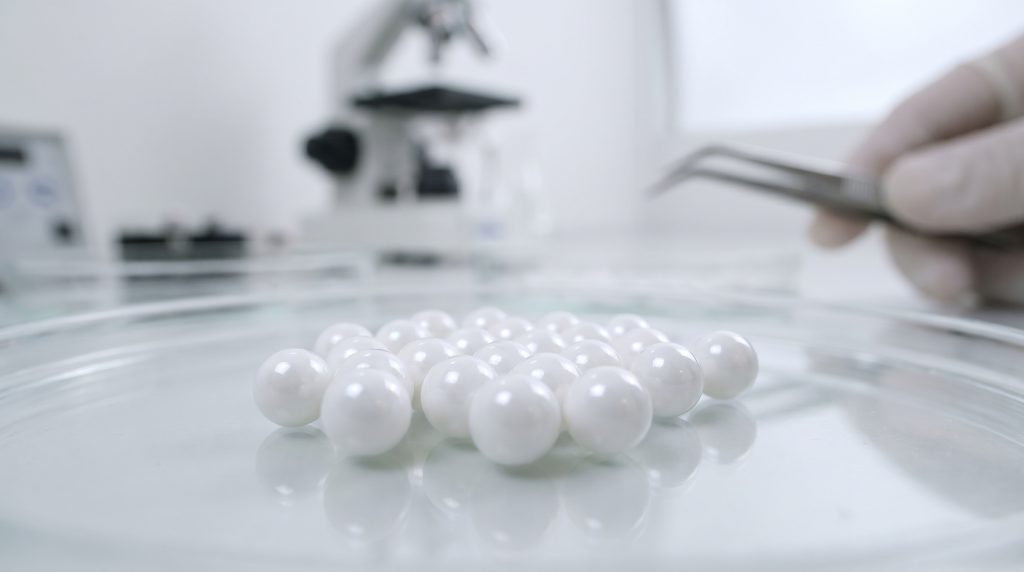
Chemical stability is critical for Zirconia Grinding Beads because it prevents the media from dissolving or reacting with corrosive solvents, acids, and alkalis during aggressive wet milling. This inertness ensures that the physical properties of the beads remain unchanged, preventing premature wear and slurry contamination. Consequently, your product purity remains uncompromised across diverse chemical environments.
Can acid and alkali resistance prevent contamination?
Yes, superior resistance to acidic and basic formulations is essential to keep your chemical batches completely uncontaminated. Here is why. When you process highly acidic chemical pastes or alkaline cosmetic bases, inferior grinding media can slowly leach ions into the mixture, altering pH and ruining quality. Stable ceramic structures do not dissolve, preserving the exact chemical fingerprint of your product.
- Maintains structural integrity across a wide pH range (2 to 12).
- Prevents metallic or silicate leaching in aggressive chemical bases.
- Preserves the color and chemical purity of sensitive cosmetics.
You will avoid costly batch rejections and customer complaints when your media remains completely inert. Protecting your formulas with chemically stable ceramics is a vital step toward regulatory compliance.
How does temperature stability affect high-speed milling?
Excellent thermal stability ensures that the beads do not undergo structural phase degradation or suffer from thermal shock when chamber temperatures rise during high-energy runs. But there is a catch. The rapid friction in high-speed mills generates intense localized heat, which can cause inferior materials to weaken or crack. High-performance zirconia stands up to thermal stresses, maintaining its hardness and toughness throughout the run.
- Resists thermal shock during rapid heating and cooling cycles.
- Maintains mechanical hardness at elevated process temperatures.
- Prevents hydrothermal degradation in high-moisture slurries.
You can run your mills at higher velocities without worrying about thermal stress fracturing your media. Choosing heat-tolerant ceramics allows you to push your equipment to its true production limits.
| Media Material | pH Stability Range | Max Operating Temp (°C) | Hydrothermal Resistance |
|---|---|---|---|
| Soda-Lime Glass | 6.0 – 8.0 | < 150 | Poor |
| Steel (Alloy) | 7.0 – 11.0 | < 250 | Moderate |
| Premium Zirconia | 2.0 – 12.0 | > 1000 | Excellent |
This chemical resistance data highlights how material inertness prevents premature media breakdown in corrosive slurries.
Key Takeaway: Chemically stable zirconia beads ensure reliable performance in corrosive and high-temperature slurries, preventing ionic leaching and preserving product purity.
How do Zirconia Grinding Beads compare with steel and glass?
Zirconia Grinding Beads outperform steel and glass media by providing the optimal balance of high density, superior wear resistance, and absolute chemical purity. While glass is cheap but wears quickly, and steel is dense but causes severe contamination, zirconia offers long-lasting durability without compromising slurry quality. This unique combination makes it the most cost-effective solution for precision manufacturing.
Is the initial cost offset by lifetime savings?
Yes, the higher upfront cost of ceramic media is rapidly offset by dramatic reductions in replacement frequency and machine maintenance. Think about it. If you choose cheap glass beads, you will spend thousands of dollars annually on replacements, labor, and cleaning up shattered media. Investing in high-grade ceramics pays for itself within months by running continuously without degradation.
- Lasts up to 15 times longer than soda-lime glass media.
- Reduces operator labor costs by minimizing frequent mill recharges.
- Lowers utility expenses through faster, more efficient grinding cycles.
You will see a clear improvement in your bottom line when you look at the total cost of ownership over a full fiscal year. Smart procurement focuses on long-term performance rather than just the initial price tag.
Which material minimizes product contamination?
Zirconia is the premier choice for minimizing contamination because its ultra-low wear rate keeps foreign particles out of your formulation. Here’s the deal: steel media sheds iron and heavy metals that stain light-colored pigments and ruin electronic pastes, while glass releases silica that changes slurry viscosity. Ceramic beads remain completely stable, preserving the exact color and composition of your products.
- Zero iron contamination prevents discoloration in white pigments.
- Inert ceramic structure avoids chemical reactions with active ingredients.
- Extremely low wear rates protect delicate chemical structures from contamination.
You cannot risk shipping off-color or chemically compromised batches to your high-value clients. Selecting non-contaminating media is the easiest way to guarantee consistent product quality and maintain market trust.
| Performance Indicator | Glass Beads | Steel Media | Zirconia Beads |
|---|---|---|---|
| Relative Wear Rate | Very High | Moderate | Extremely Low |
| Contamination Risk | High (Silica) | Very High (Iron) | Minimal |
| Total Operating Cost | High (Due to wear) | Moderate | Low (Long life) |
This cost-benefit analysis illustrates how premium materials optimize operational expenditure over their entire lifecycle.
Key Takeaway: Switching from glass or steel to premium zirconia media reduces long-term operational expenses and guarantees contaminant-free dispersions.
Are yttria-stabilized Zirconia Grinding Beads right for you?
Yttria-stabilized Zirconia Grinding Beads are right for you if your application demands the absolute highest levels of fracture toughness, microstructural uniformity, and wear resistance in high-speed wet mills. This material grade leverages yttrium oxide to lock the crystal structure in a highly durable state, preventing beads from fracturing under high-intensity collisions. This makes them the ultimate choice for paint, ink, and electronic paste industries.
What makes yttria stabilization the gold standard?
Yttria stabilization is the gold standard because it creates a tetragonal zirconia polycrystal structure with unmatched mechanical strength and wear resistance. Here is why. The addition of yttrium oxide prevents the material from undergoing destructive phase transitions at room temperature, ensuring structural integrity during high-energy runs. This results in incredibly smooth, spherical beads that perform consistently over hundreds of operating hours.
- Stabilizes the high-toughness tetragonal phase at room temperature.
- Ensures a uniform crystalline structure with minimal internal porosity.
- Provides exceptional hardness to withstand abrasive, high-speed milling.
You will achieve a more predictable particle size distribution when your media maintains its size and shape over extended periods. Relying on yttria-stabilized beads is the most reliable way to secure high-performance manufacturing results.
Does phase transformation toughening work for your slurry?
Yes, phase transformation toughening works actively during high-impact milling to arrest microcracks before they cause the bead to shatter. Why does this matter? When an impact puts stress on a crack tip, the surrounding tetragonal crystals absorb the energy by transforming into the monoclinic phase, expanding slightly to pinch the crack shut. This self-healing behavior gives the beads the rugged durability required to process highly abrasive slurries.
- Absorbs high-energy impacts to prevent sudden bead fracturing.
- Provides a self-healing mechanism that stops microcrack propagation.
- Enables the processing of hard minerals and ceramic raw materials.
You can subject these beads to extreme shear forces without worrying about catastrophic media disintegration inside the chamber. This microstructural toughness translates directly into uninterrupted production and lower operating costs.
| Stabilizer Type | Crystal Structure | Primary Benefit | Best Application |
|---|---|---|---|
| Yttria (3 mol%) | Tetragonal (Y-TZP) | High fracture toughness | Electronic Pastes, Inks |
| Yttria (Partial) | Cubic + Tetragonal | Thermal resistance | High-temp wet milling |
| Unstabilized | Monoclinic | Low-cost impact | Basic grinding, coarse |
This phase data demonstrates how stabilizer selection controls crystalline behavior under high mechanical stress.
Key Takeaway: Yttria-stabilized media offers unmatched durability through phase-transformation toughening, making it ideal for high-intensity nanoparticle milling.
When should you use cerium-stabilized Zirconia Grinding Beads?
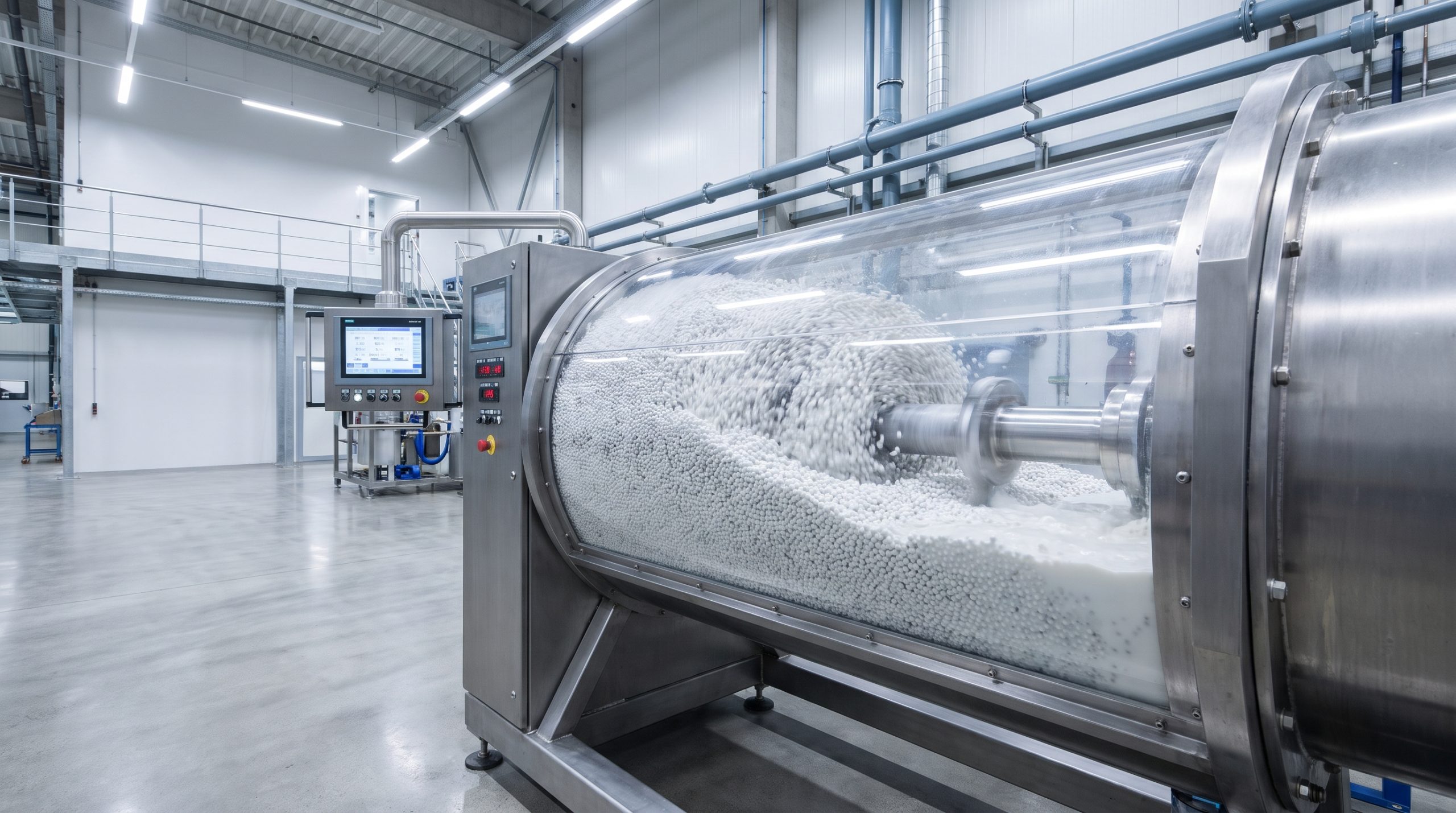
You should use cerium-stabilized Zirconia Grinding Beads when you are processing highly viscous slurries or hard minerals that require maximum kinetic energy and high impact force. This stabilizer formulation yields a denser, heavier bead that can easily penetrate thick mixtures where lighter media would stall or float. Consequently, it is the perfect choice for demanding heavy-duty industrial applications.
Is high slurry viscosity slowing you down?
High slurry viscosity can severely slow down your milling speed if your grinding media lacks the necessary mass to break through the thick fluid. Here’s the deal: light beads cannot generate enough momentum to pierce viscous paint or cosmetic bases, leading to poor dispersion and long cycle times. Cerium-doped beads solve this by providing the high density needed to maintain continuous, high-impact collisions.
- Heavier beads easily overcome the resistance of thick fluid binders.
- Maintains consistent grinding motion in high-solids formulations.
- Prevents the media from floating or clustering near the mill outlet.
You will immediately see shorter cycle times and a more uniform dispersion once you upgrade to heavier media. Do not let high viscosity drag down your daily production capacity.
How does superior density improve heavy-duty grinding?
Superior density improves heavy-duty grinding by maximizing the kinetic energy transferred during each bead collision inside the chamber. Think about it. Since kinetic energy is directly proportional to mass, a heavier cerium-stabilized bead strikes feed particles with much greater force than standard ceramic media. This enables you to fracture hard minerals, calcium carbonate, and titanium dioxide with ease.
- Density of 6.2 g/cm³ delivers unmatched impact energy.
- Accelerates the breakdown of hard, crystalline raw materials.
- Reduces overall wear on the mill rotor by requiring fewer passes.
You can achieve finer dispersions in shorter times when your media has the weight to do the heavy lifting. Choosing high-density ceria beads is the key to mastering difficult, high-viscosity grinding applications.
| Stabilizer | Bead Density (g/cm³) | Viscosity Suitability | Primary Industry |
|---|---|---|---|
| Yttria | 6.0 | Low to Moderate | Inks, Electronics, Pharma |
| Cerium | 6.2 | High Viscosity | Minerals, Paints, Paper |
| Alumina-Zirconia | 5.5 | Moderate | Agricultural Chemicals |
This density comparison shows why heavier stabilizers are preferred for high-viscosity industrial slurries.
Key Takeaway: Cerium-stabilized beads provide the superior weight and density required to penetrate high-viscosity slurries, ensuring efficient grinding of tough materials.
How to maintain and optimize your Zirconia Grinding Beads?
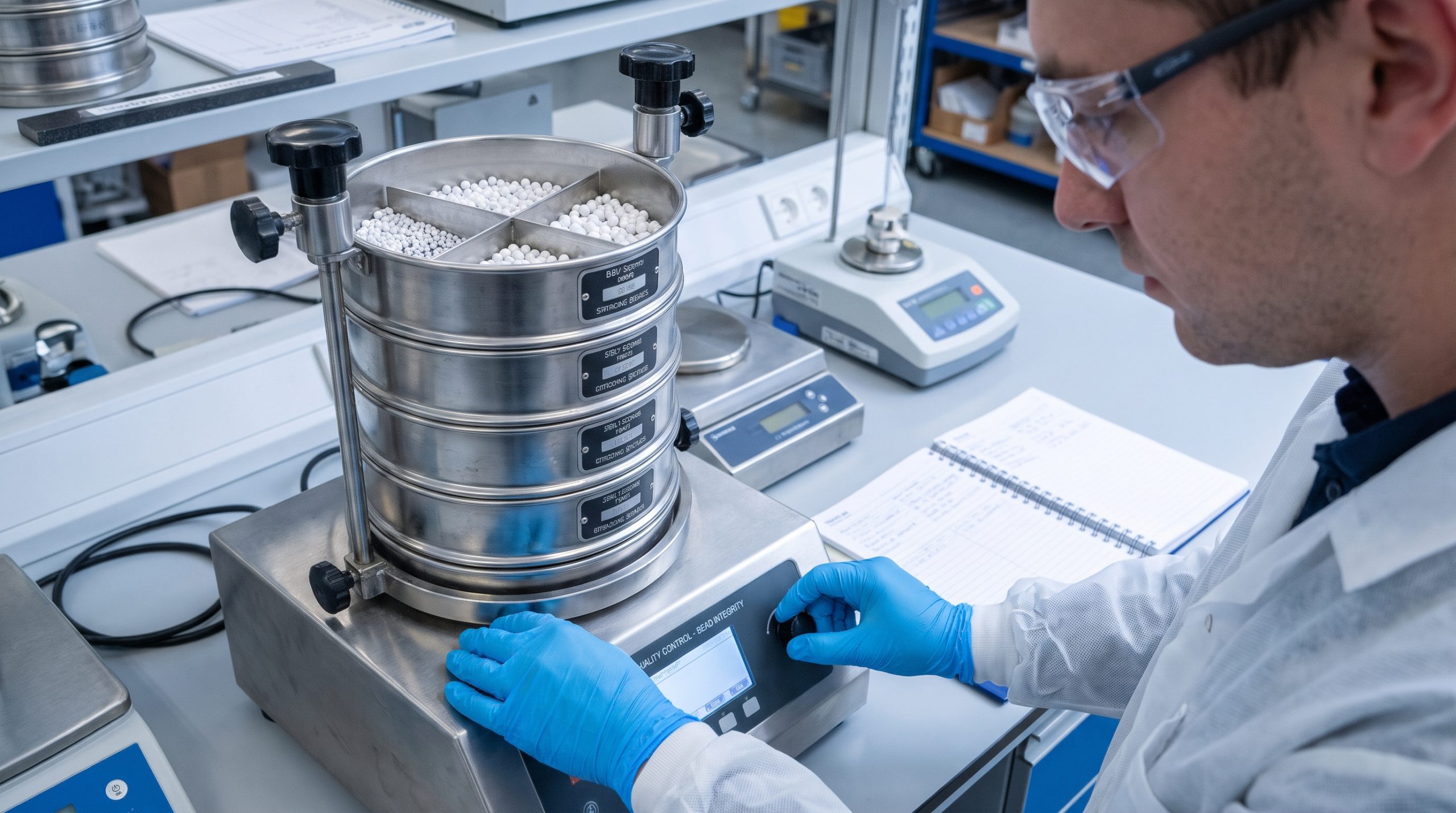
To maintain and optimize your Zirconia Grinding Beads, you must implement a rigorous program of routine sieving, wear monitoring, and precise volume top-offs. This preventive care ensures that your media charge remains at the correct volume and size profile, preventing unexpected drops in milling efficiency. By managing your media proactively, you avoid sudden mill failures and maintain consistent product quality.
What is the best way to monitor bead wear?
The best way to monitor bead wear is to regularly measure the total media volume inside your mill and check for changes in bead size. Why does this matter? Over hundreds of hours of operation, even the highest quality beads will experience microscopic wear, slowly reducing their overall diameter. Keeping track of this change allows you to add fresh media before your grinding speed drops.
- Check the chamber filling ratio after every 100 hours of run time.
- Record batch-to-batch grinding times to detect drops in efficiency.
- Extract small samples to inspect for surface defects or out-of-roundness.
You can prevent poor dispersion quality by keeping your media charge within the manufacturer’s recommended volume range. Staying on top of wear metrics is the smartest way to ensure consistent product fineness.
How can regular sieving prevent mill clogging?
Regular sieving prevents mill clogging by separating and removing worn, undersized beads and fragments before they can plug your separation screen. Here is why. If you allow small, worn media to accumulate, they will pack together and block the flow of slurry, causing high internal pressures and shutdowns. Sifting your media charge through standard sieves ensures that only active, properly sized beads remain in the mill.
- Sieve the media charge every 200 to 300 operating hours.
- Discard any beads that fall below 80% of their original diameter.
- Wash the remaining beads thoroughly to remove dried slurry residue.
You will avoid catastrophic production downtime and screen damage when you keep your media charge clean and uniform. Establishing a simple maintenance schedule is all it takes to keep your mills running smoothly.
| Maintenance Task | Frequency | Target Metric | Operational Benefit |
|---|---|---|---|
| Volume Inspection | Every 100 Hours | ±5% of initial charge | Maintains grinding speed |
| Size Sieving | Every 250 Hours | Remove < 80% size | Prevents screen blockages |
| Chamber Flush | Every Product Change | Zero residue crossover | Eliminates batch contamination |
This maintenance schedule demonstrates how systematic inspections preserve mill components and keep processing performance stable.
Key Takeaway: Implementing routine sieving and volume monitoring prevents media-related mill blockages and guarantees highly consistent batch results.
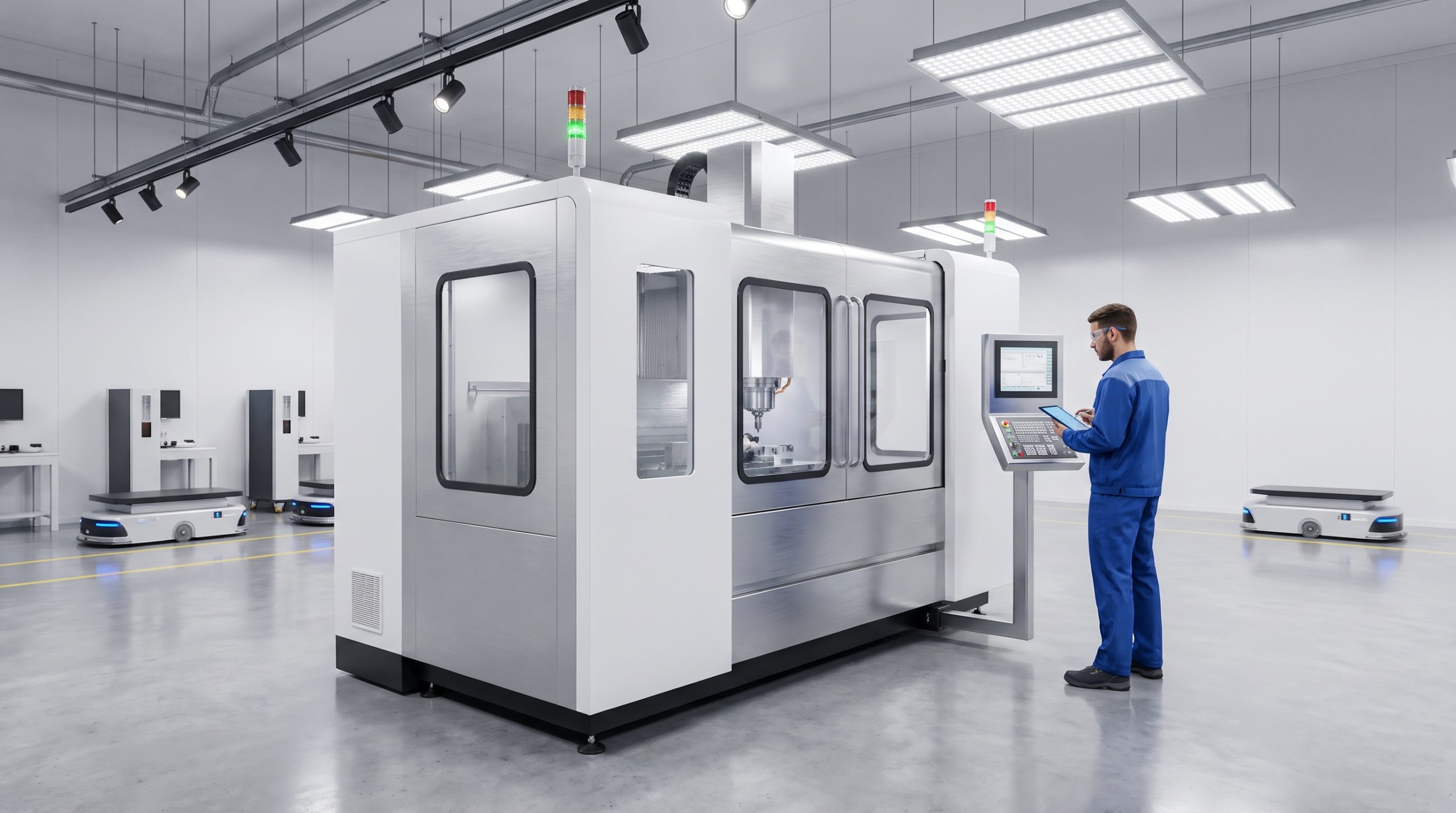
Sourcing premium-grade Zirconia Grinding Beads requires partnering with a vertically integrated manufacturer that controls the entire production process from raw powder to finished spheres. This complete control ensures that every batch meets exact density, sphericity, and wear resistance specifications without variations. By choosing a trusted industrial supplier, you eliminate procurement risks and secure a stable, long-term supply for your manufacturing needs.
Does manufacturer consistency dictate your final product quality?
Yes, manufacturer consistency is the direct foundation of your final product quality because any change in bead density or size distribution will ruin your milling results. Think about it. If your supplier ships a batch of beads with poor fracture toughness, they will shatter, causing immediate contamination and forcing you to halt production. Consistent raw materials allow you to establish stable, repeatable processes that protect your brand reputation.
- Strict batch-to-batch tracking eliminates process variation.
- Guaranteed chemical composition prevents unexpected contamination.
- Standardized physical properties ensure uniform energy transfer.
You cannot build a reliable, high-tech manufacturing process on unstable, variable raw materials. Partnering with a manufacturer that provides complete quality assurance reports with every shipment is the only way to safeguard your operations.
How does a trusted supplier guarantee performance?
A trusted supplier guarantees performance by providing full batch traceability, certified physical testing reports, and expert technical support to help you optimize your milling setups. Here is why. When you face difficult grinding challenges, you do not just need a product; you need engineering advice on bead sizing and mill settings. A dedicated partner works directly with your team to solve processing issues and improve efficiency.
- Provides certified COA and particle size distribution reports.
- Offers technical assistance for mill setup and bead size selection.
- Maintains dedicated safety stocks to guarantee uninterrupted deliveries.
You will enjoy complete peace of mind when you work with an expert supplier who understands your technical needs. Establishing a strong relationship with a premium manufacturer is the ultimate way to de-risk your supply chain.
| Supplier Capability | Typical Trader | Vertically Integrated Manufacturer | Impact on Your Business |
|---|---|---|---|
| Quality Control | Spot checks | Batch-by-batch (full lab testing) | Zero defect rate |
| Custom Sizing | Limited options | Custom PSD and stabilizer tuning | Optimized mill efficiency |
| Supply Stability | High risk of delays | Managed safety stock & agreements | Uninterrupted production |
This capability comparison shows why choosing a direct, integrated manufacturer eliminates procurement risk and secures product quality.
Key Takeaway: Sourcing from an integrated manufacturer ensures consistent physical properties, expert engineering support, and a secure supply chain for your critical milling operations.
This comprehensive analysis has resolved your key milling challenges, showing you how to select, maintain, and optimize your grinding media to eliminate contamination, reduce downtime, and achieve flawless sub-micron particle distributions. We are committed to providing you with premium, vertically integrated ceramic solutions that turn complex materials processing into reliable, high-yield manufacturing results. If you are ready to eliminate process variation and elevate your dispersion quality, contact us today to speak directly with an application engineer, request representative testing samples, and experience how our certified consistency can transform your daily production output.
Frequently Asked Questions
Can I use yttria-stabilized beads in high-viscosity slurries?
Yes, you can, but cerium-stabilized beads are generally more efficient due to their higher density. The extra weight of cerium-doped formulations allows the media to easily penetrate thick, viscous fluids that would cause lighter yttria beads to float or lose grinding momentum.
What’s the best way to clean Zirconia Grinding Beads between batches?
The best method is to perform a high-speed flush of the milling chamber with a compatible cleaning solvent or deionized water. This mechanical washing removes dried residue from the bead surfaces and prevents cross-contamination without exposing the ceramic to thermal shock.
How do I know if my separation screen is too small for my beads?
You will know immediately because the mill will experience rapid hydraulic pressure spikes and automatic shutdowns. If your bead diameter is less than 2.5 times the width of the screen slot, the beads will pack tightly into the openings and block the slurry flow.
Can I mix different sizes of zirconia media in the same chamber?
No, you should avoid mixing sizes because smaller beads will nest in the gaps between larger ones, restricting fluid flow and increasing internal mill wear. Maintaining a narrow, uniform size distribution ensures a stable shear rate and protects your equipment.