Zirconium crowns are advanced dental caps made from a robust ceramic material called zirconia, known for being incredibly strong and biocompatible. Dealing with a cracked or severely decayed tooth can be painful and embarrassing, often making you hide your smile in social situations. If you ignore the problem, you risk infection, further tooth loss, and a significant blow to your long-term oral health and confidence. Fortunately, zirconium crowns provide a long-lasting, aesthetic solution that restores your smile’s function and beauty without the metallic look of traditional restorations.
Why choose zirconium crowns for dental restoration?
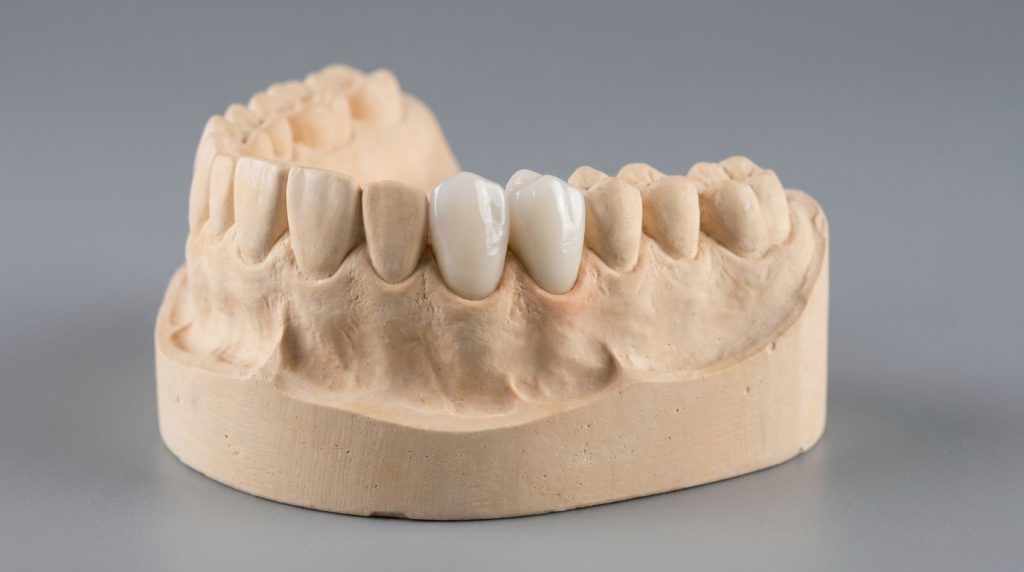
You choose these restorations because they offer an unparalleled combination of durability and aesthetics that other materials simply cannot match. Integrating zirconium crowns into your treatment plan ensures that your tooth is protected by a material that can withstand heavy chewing forces. Many dental professionals recommend this option because it allows for a more conservative tooth preparation process. This means you get to keep more of your natural tooth structure while achieving a high-end result.
How do they protect your natural tooth?
The best part? These crowns act as a protective shield that prevents further decay or structural failure of your underlying tooth. Because the material is so dense and strong, it can be manufactured in thinner layers than traditional porcelain.
- Reduced tooth reduction needed.
- Shielding against thermal sensitivity.
- Prevention of micro-leakage at the margins.
Think about it: keeping more of your natural enamel is always the preferred outcome for long-term oral health.
Why is the fit so precise?
Look: the accuracy of these restorations is driven by advanced digital scanning and milling technology. This ensures that the margin where the crown meets your gum is virtually seamless, reducing the risk of plaque buildup.
- Digital impressions eliminate messy putty.
- CAD/CAM design for micron-level accuracy.
- Improved comfort and bite alignment.
Why does this matter? A better fit means less time in the dental chair and a restoration that feels like a natural part of your mouth.
Are they suitable for all your teeth?
You might be wondering: can these be used anywhere in the mouth? The answer is yes, as they are versatile enough for both high-pressure molars and visible front teeth.
- High translucency for anterior regions.
- High fracture toughness for posterior regions.
- Stain-resistant surfaces for lasting beauty.
Key TakeawayZirconium crowns provide a versatile, strong, and highly accurate solution for protecting and restoring damaged teeth across any area of your mouth.
| Restoration Property | Advantage | |
|---|---|---|
| Preparation | Minimal tooth removal | |
| Fit | Digital precision | |
| Versatility | Front and back teeth |
Are zirconium crowns more durable than porcelain?
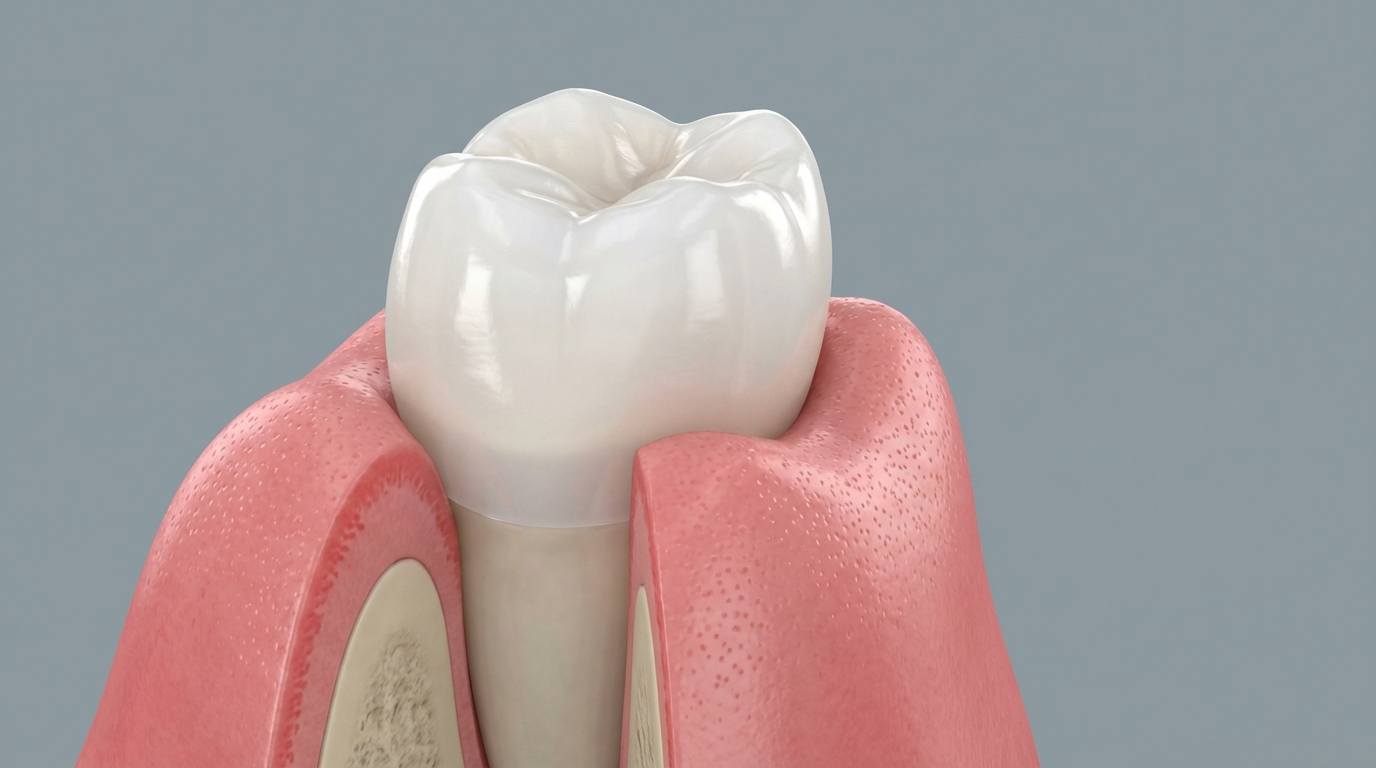
Yes, these restorations are significantly more durable than traditional porcelain because they are made from a crystalline mineral that resists cracking and chipping. When you choose zirconium crowns , you are opting for a material that has a much higher flexural strength than standard ceramics. This makes them ideal for patients who have a history of grinding their teeth or who need restorations on their molars. You can expect a much longer lifespan from this material compared to older dental technologies.
Can they handle heavy chewing forces?
Here is the deal: zirconia is often referred to as “ceramic steel” because of its incredible resistance to fracture. This allows you to eat your favorite foods without worrying about your crown snapping under pressure.
- Flexural strength exceeding 1000 MPa.
- Resistance to wear and tear over decades.
- Minimal risk of ceramic delamination.
It gets better: even if you suffer from bruxism, this material is designed to handle the extra stress without failing.
How do they resist chipping and cracking?
Believe it or not, the molecular structure of this material actually works to stop cracks before they spread. If a tiny fracture begins, the crystals in the material expand to “plug” the gap and maintain integrity.
- Transformation toughening properties.
- High density prevents internal voids.
- Surface hardness protects against abrasives.
The best part? You won’t have to deal with the annoying chips that often plague traditional porcelain-fused-to-metal restorations.
What is their expected lifespan?
You should know: while no dental restoration lasts forever, these are among the most long-lived options available today. With proper hygiene and regular checkups, they can easily last 15 to 20 years or more.
- Low plaque accumulation helps gum health.
- Stable material doesn’t degrade over time.
- Highly resistant to chemical erosion.
Key TakeawayThe superior strength and unique self-healing properties of zirconia make it the most durable ceramic choice for long-term dental health.
| Durability Factor | Zirconia | Porcelain | |
|---|---|---|---|
| Flexural Strength | Very High | Moderate | |
| Chip Resistance | Superior | Lower | |
| Typical Longevity | 15+ Years | 5-10 Years |
Can zirconium crowns be placed in a single visit?
Yes, many modern dental offices can provide these restorations in a single day thanks to integrated milling technology and digital workflows. By choosing zirconium crowns, you can often avoid the need for temporary caps and a second appointment weeks later. The dentist simply scans your tooth, designs the restoration on a computer, and mills it right there in the office. This “chairside” approach is a massive convenience for busy professionals and patients with dental anxiety.
How does the digital scanning work?
Think about it: you no longer have to endure those uncomfortable, gag-inducing trays of silicone putty. Instead, a small wand-like camera captures thousands of images of your mouth to create a 3D model.
- Faster and more hygienic process.
- Instant visualization of your new smile.
- Enhanced accuracy for a better fit.
Look: this technology ensures that your new tooth is shaped perfectly to match your existing bite and anatomy.
What happens during the milling process?
The magic happens in a compact, high-precision machine that carves your restoration from a solid block of ceramic. Within about 15 to 20 minutes, a custom-shaped tooth emerges that is ready for final polishing.
- Precision cutting with diamond-coated burs.
- No need for external laboratory shipping.
- Custom shading happens immediately.
The best part? You can actually watch your new tooth being created while you wait in the lounge.
Is there a wait for the material to set?
Wait, there is more: once the milling is complete, the restoration is often “sintered” or hardened in a high-temperature oven to reach its full strength. This process is now faster than ever, allowing the dentist to cement the crown in the same session.
- Rapid sintering technology saves hours.
- Surface glazing for a natural shine.
- Immediate bonding to your natural tooth.
Key TakeawaySame-day technology allows for the rapid creation and placement of high-strength restorations, eliminating the need for temporary crowns and multiple visits.
| Step | Traditional | Same-Day | |
|---|---|---|---|
| Impressions | Putty Tray | Digital Scan | |
| Wait Time | 2 Weeks | 2 Hours | |
| Temporary | Required | Not Needed |
Are zirconium crowns safe for sensitive patients?
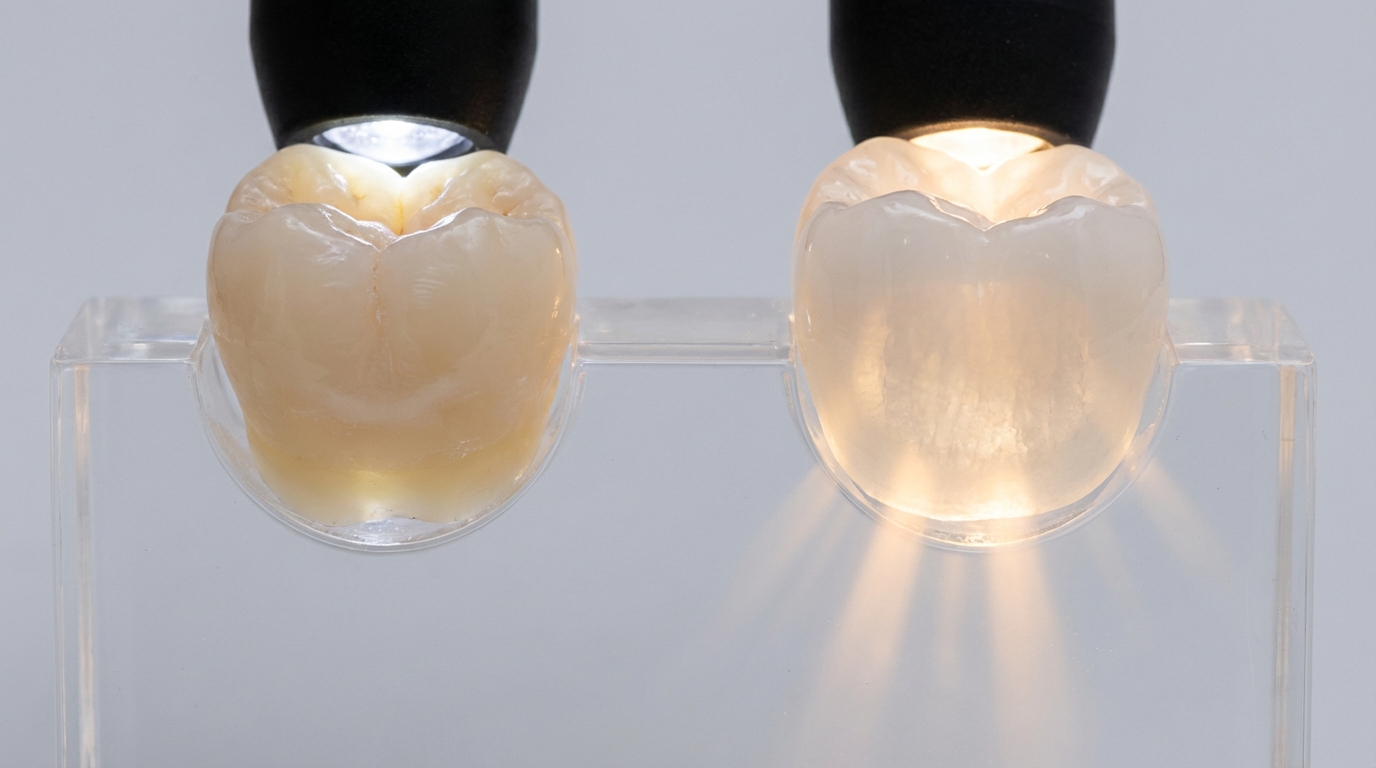
These restorations are incredibly safe for sensitive patients because the material is 100% biocompatible and contains no metal components. When you select zirconium crowns , you are choosing a substance that the human body accepts without the risk of allergic reactions or inflammation. Unlike older metal-based options, these will not cause a dark line at the gumline or a metallic taste in your mouth. You can feel confident that your restoration is as healthy for your body as it is beautiful for your smile.
Can they prevent allergic reactions?
Here’s the deal: many people have undiagnosed metal sensitivities, particularly to nickel or chromium used in older dental alloys. Zirconia is a ceramic, meaning it is inert and does not leach ions into your bloodstream.
- Hypoallergenic material properties.
- No galvanic shocks between different metals.
- Safe for patients with autoimmune concerns.
Think about it: choosing a metal-free option eliminates a major variable in your systemic health.
How do they affect gum health?
The best part? The smooth surface of this material actually repels dental plaque and bacteria more effectively than natural tooth enamel or other ceramics. This helps keep your gums firm, pink, and free from the chronic inflammation often seen with metal margins.
- Reduced risk of periodontal disease.
- Smooth margins prevent gum recession.
- Excellent tissue integration.
Look: your gums will stay healthier because the material doesn’t harbor the “biofilm” that leads to infection.
Do they cause temperature sensitivity?
You should know: zirconia has low thermal conductivity, which means it doesn’t transfer heat or cold to the nerve of your tooth as quickly as metal does. This makes it a great choice if you already struggle with sensitive teeth when eating ice cream or drinking hot coffee.
- Natural insulation for the tooth pulp.
- Reduced post-operative discomfort.
- Comfort across all types of food.
Key TakeawayZirconium-based materials are the gold standard for biocompatibility, offering a safe, metal-free, and tissue-friendly alternative for all patients.
| Concern | Metal/PFM | Zirconia | |
|---|---|---|---|
| Allergies | Possible | None | |
| Gum Color | May turn gray | Remains natural | |
| Sensitivity | High | Very Low |
Do zirconium crowns look like natural teeth?
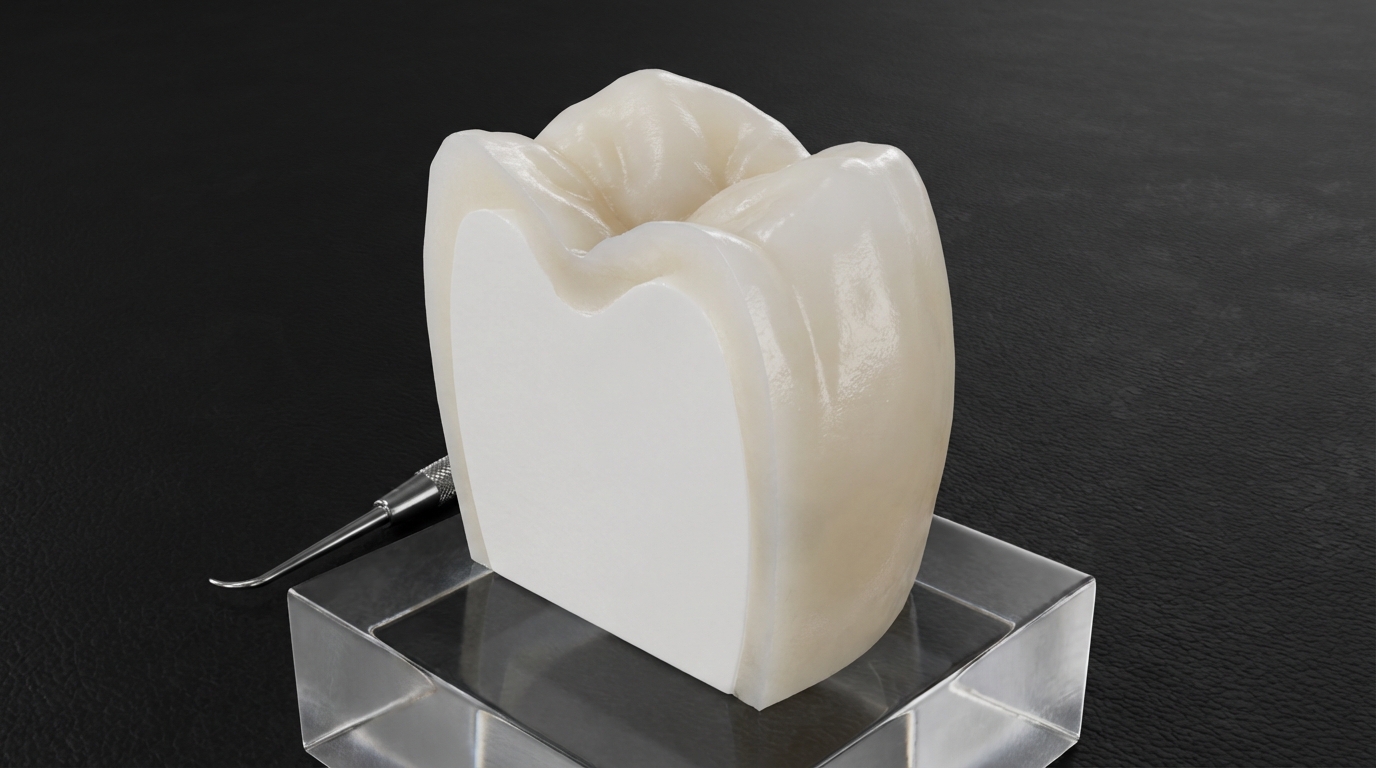
Yes, these restorations can be crafted to look virtually indistinguishable from your natural teeth by mimicking the way light passes through enamel. High-quality zirconium crowns offer a level of translucency and color depth that was once only possible with fragile all-porcelain options. Modern manufacturing techniques allow for “multi-layered” blocks where the color and transparency change from the gumline to the biting edge. You don’t have to sacrifice beauty to get the strength you need for a functional bite.
How does the translucency compare?
Look: older zirconia was often criticized for being too “opaque” or white, but those days are long gone. New formulations allow light to penetrate the surface and reflect back, creating a “vital” look that doesn’t look like a piece of chalk.
- Light-scattering properties match enamel.
- Variable translucency for different teeth.
- No “flat” or monochromatic appearance.
The best part? Even in bright sunlight or flash photography, your crown will look like a real tooth.
Can they be color-matched exactly?
Think about it: your natural teeth aren’t just one solid color; they have subtle hints of yellow, gray, and even blue. Dentists can now use custom stains and glazes to recreate these tiny details on your restoration.
- Hundreds of shade variations available.
- Custom characterization for older teeth.
- High color stability that doesn’t fade.
Believe it or not, most people—including you—will forget which tooth is the crown after just a few weeks.
Do they stain over time?
The best part? Zirconia is highly resistant to external staining from things like coffee, red wine, or tobacco. While natural enamel becomes porous and yellow over time, your crown will maintain its original brilliance for years.
- Non-porous surface resists pigments.
- Easy to clean with standard brushing.
- Maintains high polish after years of use.
Key TakeawayAdvances in material science ensure that modern zirconia provides both the high-end aesthetics of porcelain and the robust strength of a structural restoration.
| Visual Aspect | Old Zirconia | Modern Zirconia | |
|---|---|---|---|
| Translucency | Low/Opaque | High/Enamel-like | |
| Color Depth | Single Shade | Multi-layered | |
| Realism | Moderate | Excellent |
How much do zirconium crowns cost on average?
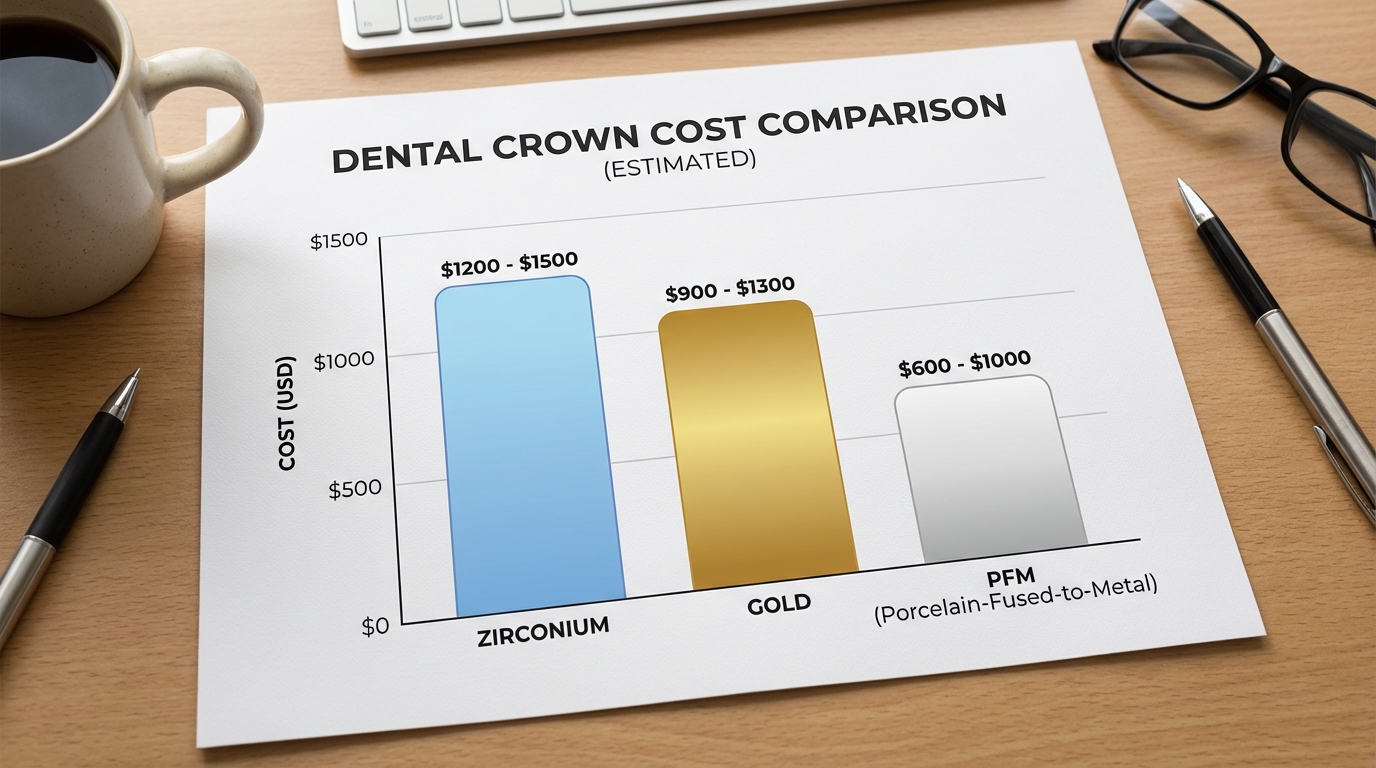
The average cost of these restorations typically ranges from 1,000 to 2,500 per tooth, depending on your location and the complexity of the case. While you might find that zirconium crowns have a higher upfront price than metal or resin options, their longevity often makes them the more affordable choice over time. You are paying for a high-tech material that requires specialized equipment to mill and sinter. Most patients find that the investment is well worth the peace of mind that comes with a durable, beautiful result.
Is the cost covered by insurance?
Here’s the deal: most dental insurance plans treat these restorations the same way they treat any other “major” dental work. They usually cover about 50% of the cost, provided the crown is medically necessary due to decay or fracture.
- Check your annual maximum limits.
- Verify if “all-ceramic” is a covered code.
- Pre-authorization can prevent surprises.
Look: even if your insurance is limited, many offices offer financing plans to spread the cost over several months.
Why do prices vary between dentists?
Think about it: a dentist who uses an in-house milling machine might have different overhead than one who sends their work to an elite dental laboratory. The skill of the technician who applies the final aesthetic layers also plays a huge role in the final bill.
- Specialist vs. general dentist rates.
- Geographic cost-of-living differences.
- Quality of the specific zirconia used.
The best part? You usually get what you pay for when it comes to the artistry and fit of the final tooth.
Are they a good long-term investment?
It gets better: because these restorations rarely chip or break, you are much less likely to need a costly replacement in five years. When you compare the price of one zirconia crown to two or three cheaper resin crowns, the winner is clear.
- Fewer emergency dental appointments.
- Reduced risk of needing a root canal later.
- High resale value for your oral health.
Key TakeawayWhile the initial price point for zirconia is higher, its superior durability and lower failure rate make it a cost-effective choice for long-term health.
| Material | Initial Cost | 10-Year Value | |
|---|---|---|---|
| Zirconia | 1,200−2,500 | Very High | |
| PFM | 800−1,500 | Moderate | |
| Composite | 300−600 | Low |
Are zirconium crowns the best choice for back teeth?
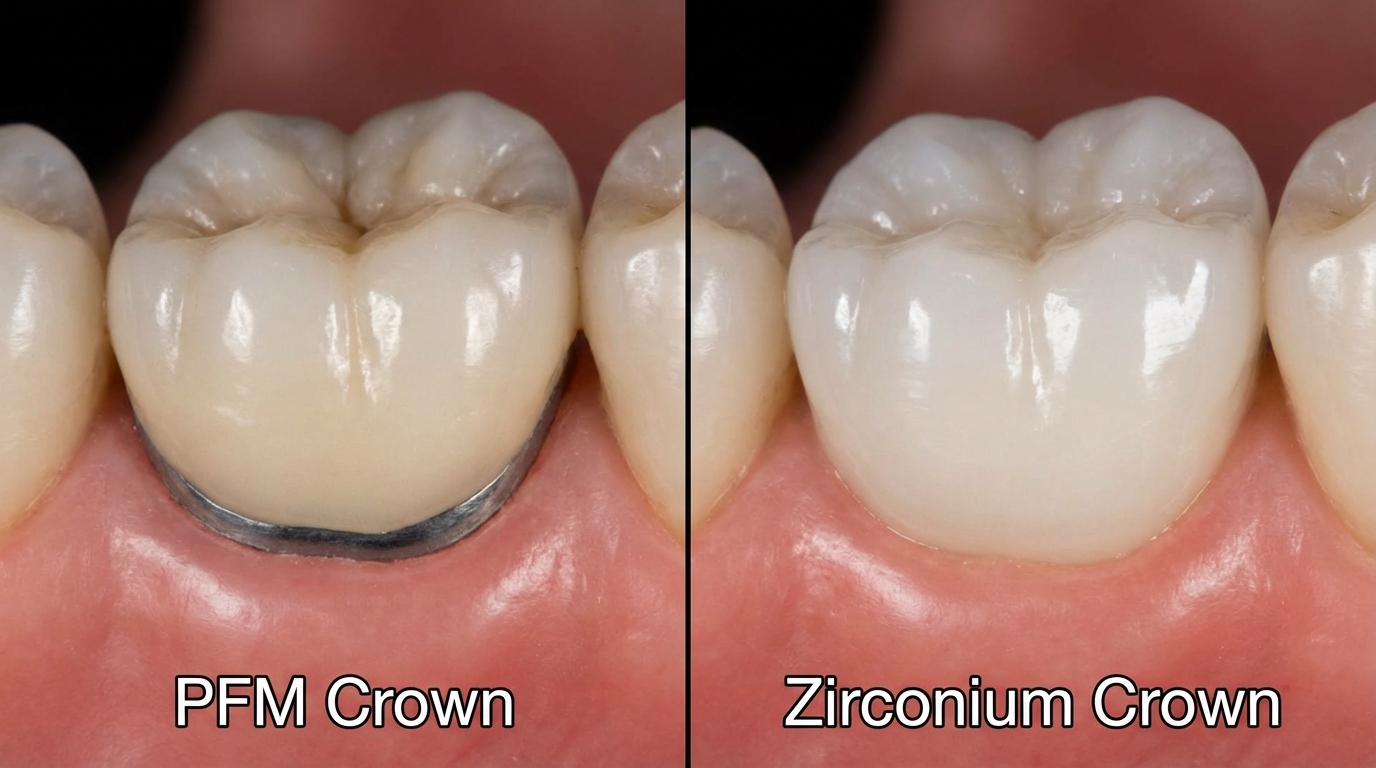
Yes, these restorations are widely considered the gold standard for molars because they can withstand the massive grinding forces generated in the back of your mouth. When you use zirconium crowns for your back teeth, you don’t have to worry about the porcelain chipping off and exposing an ugly metal substructure. They provide a monolithic, solid construction that is nearly impossible to break during normal chewing. This reliability makes them the preferred choice for dentists who want to ensure their patients don’t have to return for repairs.
How much pressure can they withstand?
Look: the human jaw can exert hundreds of pounds of pressure on the molars during heavy chewing. Zirconia is one of the few dental materials that can endure this stress without developing fatigue cracks.
- Ideal for patients with heavy bites.
- Resists fracture even in thin sections.
- High edge strength for better margins.
The best part? You can eat steak, nuts, and crunchy vegetables with total confidence.
Do they wear down your other teeth?
You might be wondering: will this hard material grind down the natural teeth on the opposite side? Recent studies show that highly polished zirconia is actually smoother and gentler on opposing enamel than traditional dental porcelain.
- Polished surfaces reduce friction.
- Less abrasive than “sandpaper-like” ceramics.
- Better for long-term bite stability.
Think about it: a smoother surface means less wear on your natural teeth over time.
Why is monolithic design better?
Wait, it gets better: “monolithic” means the entire crown is carved from a single, solid block of material. This eliminates the weak point where different layers of ceramic might otherwise pull apart or delaminate.
- No “fused” layers to separate.
- Consistent strength throughout the tooth.
- Simplified repair and maintenance.
Key TakeawayFor posterior restorations, the sheer mechanical strength and wear-friendly properties of polished zirconia make it the most reliable material choice available.
| Feature | Posterior Zirconia | Traditional PFM | |
|---|---|---|---|
| Fracture Risk | Near Zero | Moderate | |
| Aesthetics | Good | Poor (Metal shows) | |
| Tissue Response | Excellent | Variable |
Can zirconium crowns be used for dental bridges?
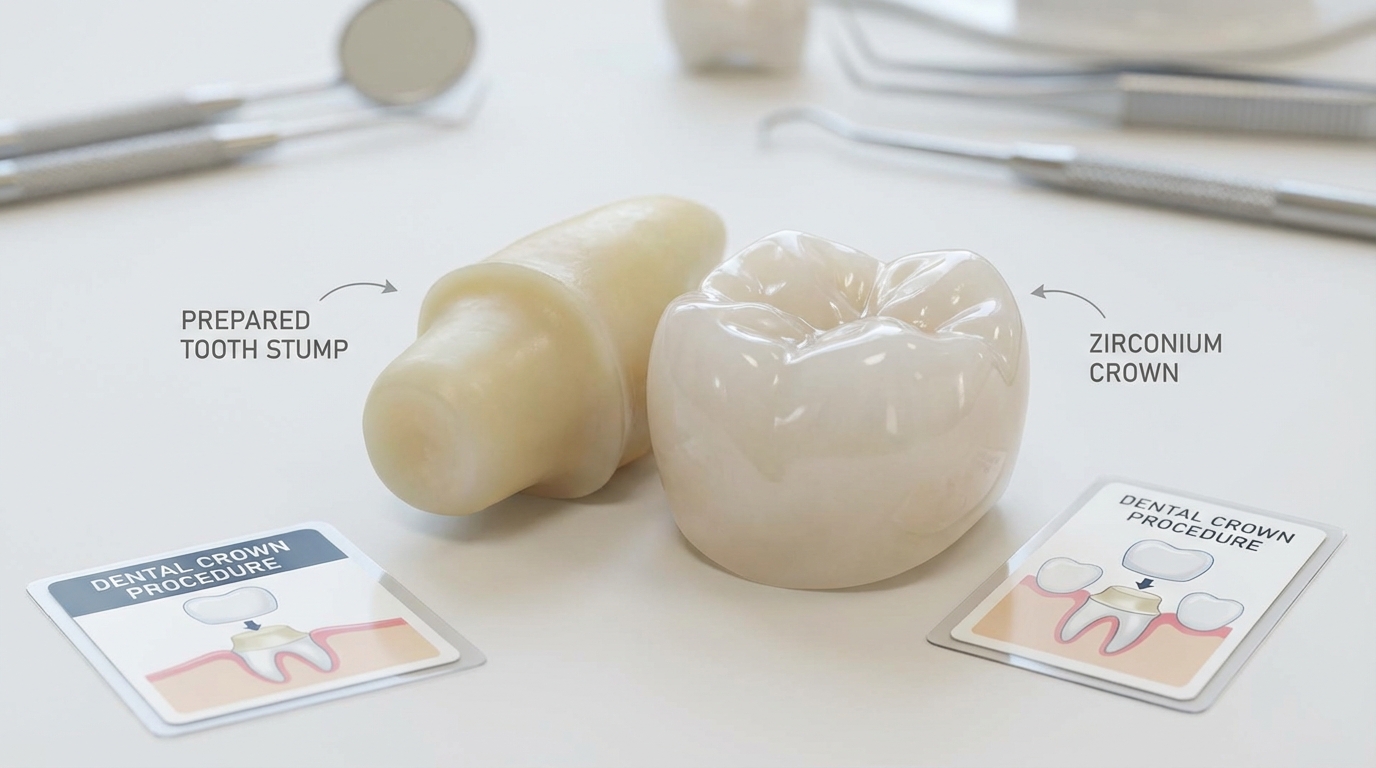
Absolutely, this material is one of the best choices for multi-unit bridges because its high flexural strength allows it to span gaps where teeth are missing. By opting for zirconium crowns as part of a bridge, you get a restoration that is both incredibly strong and light-weight. Older bridges often required a heavy metal framework to support the porcelain, which could lead to a gray appearance and heavy feeling. Modern zirconia bridges are slim, comfortable, and can be designed to match the natural curves of your gumline perfectly.
How strong is a zirconia bridge?
Think about it: a bridge has to act like a structural beam, supporting the weight of your bite across an empty space. Zirconia’s high “modulus of elasticity” means it doesn’t bend or flex under pressure, which prevents the bridge from snapping.
- Supports up to 4 or more units.
- High resistance to bridge “connector” failure.
- Maintains alignment of surrounding teeth.
Look: this strength allows you to restore your smile without the bulkiness of metal supports.
Does it look natural over the gums?
The best part? The part of the bridge that sits on your gums—the “pontic”—can be shaped to look like a tooth is actually growing out of your tissue. Because the material is biocompatible, your gums will grow closely around it for a natural look.
- No dark shadows at the base.
- Healthy pink tissue integration.
- Smooth surface is easy to floss under.
It gets better: you won’t have to deal with the “fake” look that often comes with bulky bridge margins.
Is it easy to clean a zirconia bridge?
You should know: the high-polish finish of this material makes it difficult for plaque to stick to the underside of the bridge. This is critical for preventing decay on the “anchor” teeth that hold the bridge in place.
- Resists “biofilm” accumulation.
- Compatible with water flossers and brushes.
- Maintains a fresh feel throughout the day.
Key TakeawayZirconia is the ideal framework for dental bridges, providing the structural integrity needed for long spans without compromising on aesthetics or hygiene.
| Bridge Factor | Metal-Based | Zirconia | |
|---|---|---|---|
| Weight | Heavy | Light | |
| Appearance | Opaque/Dark | Translucent | |
| Strength | High | Very High |
What are the main downsides of zirconium crowns?
While there are many benefits, the main downsides include their higher cost and the difficulty of adjusting them once they have been permanently cemented. Because zirconium crowns are so hard, your dentist must use specialized diamond tools to make even minor changes to your bite. Additionally, because the material is opaque at its core, achieving a perfect “depth of color” for a single front tooth can be more challenging than with other ceramics. However, for most patients, these minor drawbacks are far outweighed by the material’s legendary durability and safety profile.
Is it difficult to adjust the bite?
Look: if your crown feels slightly “high” after you go home, you will need to return to the office for a professional adjustment. You cannot simply “wear it down” through chewing because the material is harder than your natural enamel.
- Requires high-speed diamond burs.
- Needs careful polishing after any grind.
- Adjustments take slightly longer than resin.
The best part? Once the bite is perfected, it will stay that way for years without shifting or wearing down.
Can they be too white or opaque?
Think about it: if your dentist chooses a lower-grade zirconia, it can sometimes look a bit like a “bathroom tile”—very white and very flat. This is why it is important to ensure your dentist is using high-translucency or multi-layered material.
- Potential for “unnatural” brightness.
- Harder to match highly transparent teeth.
- Requires skill in shading and staining.
But wait: modern premium materials have largely solved this issue for all but the most demanding cases.
How hard are they to remove?
You should know: if a crown ever needs to be replaced due to a root canal or gum changes, removing a zirconia cap is a much more intensive process. It takes more time and more drill bits to cut through the material than it does for porcelain or gold.
- Longer appointment for removal.
- More vibration during the cutting process.
- Requires specialized “zirconia-cutting” burs.
Key TakeawayThe incredible hardness of zirconia is its greatest strength, but it also means that adjustments and removals are more technically demanding for the dental team.
| Downside | Impact | Solution | |
|---|---|---|---|
| Hardness | Difficult to adjust | Digital bite mapping | |
| Opacity | Can look “flat” | Multi-layered material | |
| Cost | Higher initial price | Long-term durability |
How do zirconium crowns compare to metal options?
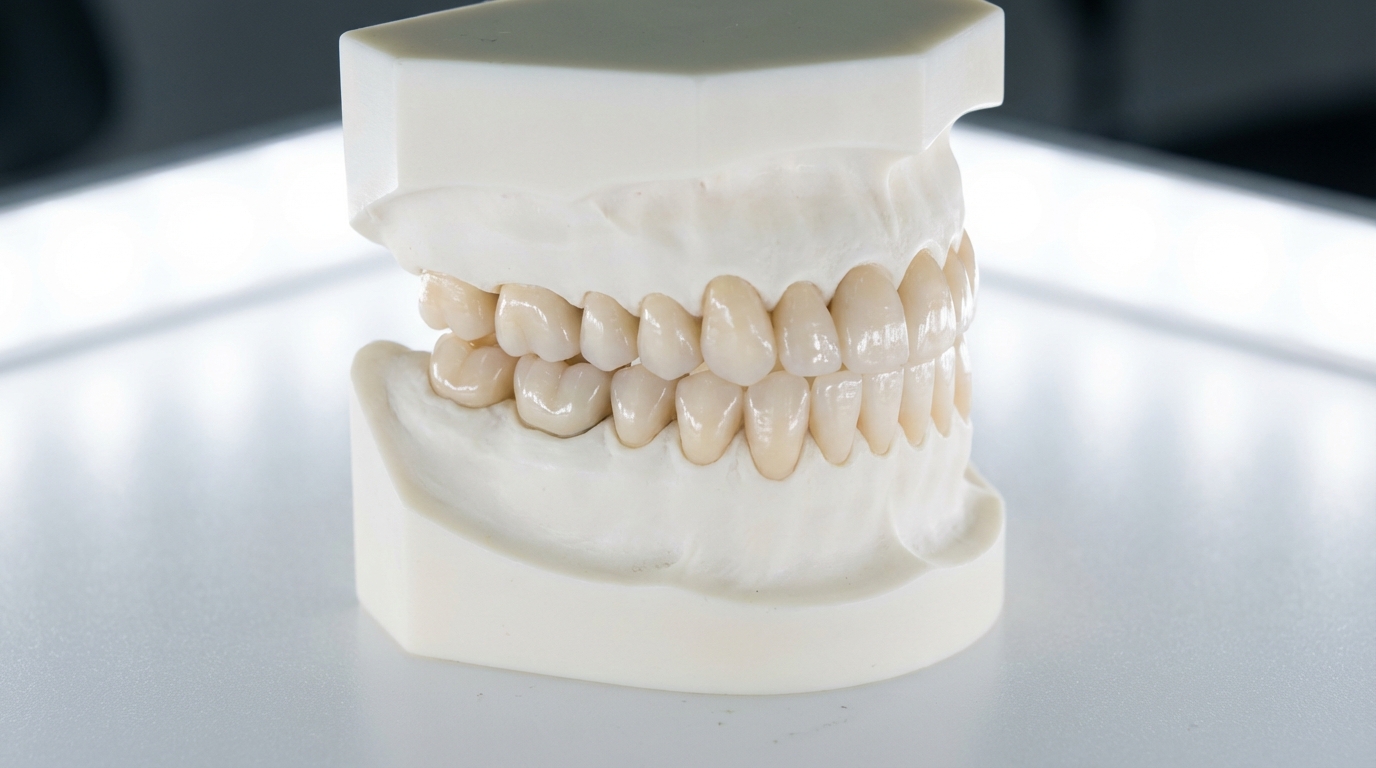
Zirconium options are superior to metal because they offer similar strength without the risk of allergies, metallic tastes, or the “gray line” effect at the gums. When you choose zirconium crowns , you get a restoration that looks like a natural tooth from every angle, even if your gums recede slightly over time. Metal-based crowns often look dark near the base because the metal substructure blocks all light from passing through. Choosing the ceramic option ensures your smile stays bright and healthy-looking for the long haul.
Why do metal crowns cause gray lines?
Here is the deal: as you age, your gums may naturally recede by a millimeter or two. With a metal-based crown, this recession reveals the dark metal rim, creating a “black line” that makes the tooth look decayed or fake.
- Zirconia has no metal rim to show.
- Natural light reflection at the gumline.
- Stays beautiful even if gums shift.
Think about it: you want a restoration that looks good today and ten years from now.
Do metal crowns affect your taste?
Believe it or not, some patients report a persistent “pennylike” or metallic taste when they have multiple metal restorations in their mouth. Zirconia is an inert ceramic that does not react with saliva or food, ensuring your sense of taste remains pure.
- No ion release into the mouth.
- Better for sensitive taste buds.
- Clean, neutral feeling in the mouth.
Look: your morning coffee and favorite meals will taste exactly as they should.
Which is better for your overall health?
The best part? By avoiding metals like nickel, beryllium, and chrome, you are reducing the toxic load on your body. While most dental alloys are considered safe, many holistic-minded patients prefer the “zero-metal” approach of high-purity ceramics.
- 100% metal-free construction.
- No risk of “galvanic” currents.
- Highest level of biocompatibility.
Key TakeawayZirconia provides all the structural benefits of metal restorations while eliminating the aesthetic, biological, and sensory drawbacks associated with alloys.
| Comparison | Metal/PFM | Zirconium | |
|---|---|---|---|
| Aesthetics | Poor (Gray lines) | Excellent (Seamless) | |
| Taste | Potential metallic | Completely neutral | |
| Durability | High | Very High |
Conclusion
Choosing the right dental restoration is a major decision that impacts your health, comfort, and self-esteem for years to come. Zirconium-based options provide the modern bridge between high-tech engineering and natural beauty, ensuring you never have to choose between a strong bite and a stunning smile. If you are ready to restore your oral health with the most advanced materials available, contact us today to learn more about how our precision-engineered solutions can transform your dental experience. Your journey to a stronger, more beautiful smile starts with the right material choice.
Frequently Asked Questions
Can I get my zirconium crowns whitened if they get dull?No. Like all dental ceramics, zirconia is resistant to whitening gels and will not change color once it has been sintered and glazed. If you are planning to whiten your natural teeth, you should do so before your crown is made so your dentist can match the new, brighter shade.
What’s the best way to clean zirconium crowns at home?Simply treat them like your natural teeth by brushing twice a day with a soft-bristled brush and non-abrasive toothpaste. Flossing is critical to protect the anchor tooth, and using a water flosser can help keep the margins clean and free of plaque.
Are zirconium crowns completely metal-free?Yes. Although zirconium is technically a transition metal on the periodic table, it is used in dentistry in its oxide form (zirconia), which is a ceramic material. It does not behave like a metal in the body and does not cause the reactions associated with metal alloys.
Do zirconium crowns feel bulky compared to natural teeth?No. Because the material is so strong, it can be made thinner than traditional porcelain-fused-to-metal crowns. This often results in a restoration that feels less “thick” and more like the original size of your tooth.
How long do these crowns take to settle in?Most patients feel completely normal within a few days. You might experience minor sensitivity to temperature for the first 48 hours as the tooth nerve recovers from the procedure, but this should fade quickly as the bonding agent fully cures.