The value of zirconia today lies in its unmatched ability to bridge the gap between high mechanical durability and lifelike light performance, allowing dental laboratories to fabricate highly aesthetic, monolithic restorations without sacrificing longevity. Imagine a busy dental laboratory struggling with a sudden influx of complex anterior and posterior cases, each demanding a different material setup. Technicians face constant delays swapping between fragile glass-ceramics and opaque high-strength materials, leading to compromised aesthetics or high margin chipping rates. By adopting 4Y Zirconia as your foundational material, you consolidate your workflows with a single, highly adaptable restorative option that satisfies both demanding anterior smile zones and high-load posterior areas.
Why Is 4Y Zirconia Dominating Dental Lab Production Today?
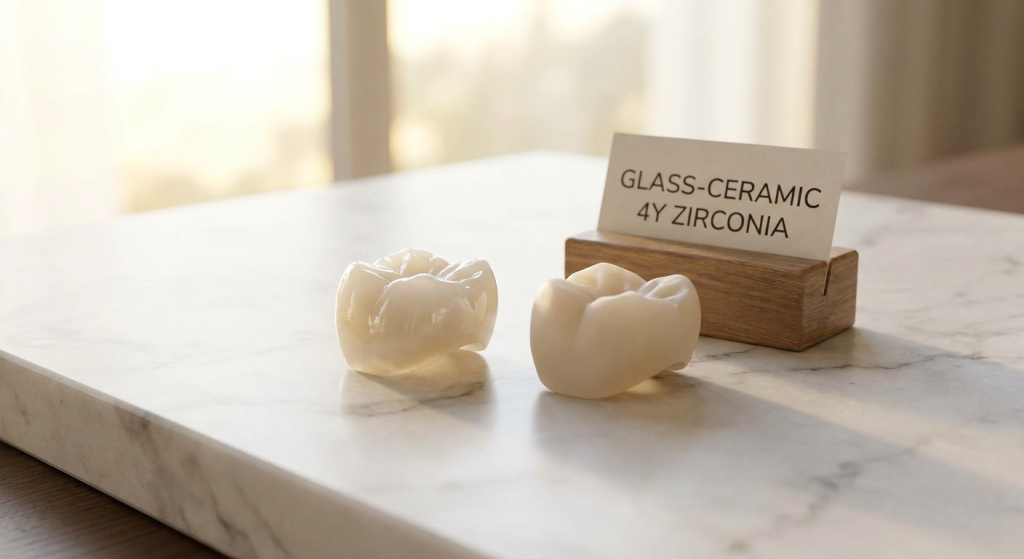
Modern dental laboratories are adopting this material rapidly because it provides the ultimate compromise-free balance between high structural strength and natural, tooth-like translucency. By incorporating 4Y Zirconia into daily digital workflows, you can eliminate the need to stock multiple material types for standard anterior and posterior cases. This consolidation significantly lowers operational costs while elevating the overall consistency of your final dental restorations.
What Makes It Better Than Traditional Glass Ceramics?
Glass-ceramics have long been favored for their lifelike optical properties, but they fall short when subjected to high posterior occlusal forces.
Think about it:
- Traditional lithium disilicates generally offer flexural strengths of only 360 to 450 MPa.
- Modern yttria-stabilized formulations easily exceed 800 MPa while maintaining comparable aesthetic qualities.
This massive leap in durability gives you complete confidence that your restorations will not fracture under heavy load.
How Does It Solve Your Restorative Dilemmas?
This advanced material solves the age-old dilemma of choosing between high mechanical durability and high aesthetic translucency. Lab owners no longer have to risk clinical failure in the posterior zone just to achieve a beautiful, monolithic result.
The best part? You can confidently fabricate thin-walled monolithic restorations, preserving healthy tooth structure during preparations.
Key Takeaway: Consolidating your production with high-translucency monolithic zirconia minimizes material inventory while dramatically reducing clinical fracture rates.
| Material Class | Average Flexural Strength (MPa) | Translucency Level (%) | Primary Aesthetic Application |
|---|---|---|---|
| Glass-Ceramic | 360 – 450 | 50 – 55 | High-end Anterior Veneers |
| 4Y Formulation | 700 – 900 | 30 – 40 | Anterior & Posterior Monolithic |
Comparing these core performance benchmarks reveals why transitioning from traditional glass-ceramics to high-performance zirconia is a vital step for modern lab efficiency.
How Does 4Y Zirconia Balance Strength and Translucency?
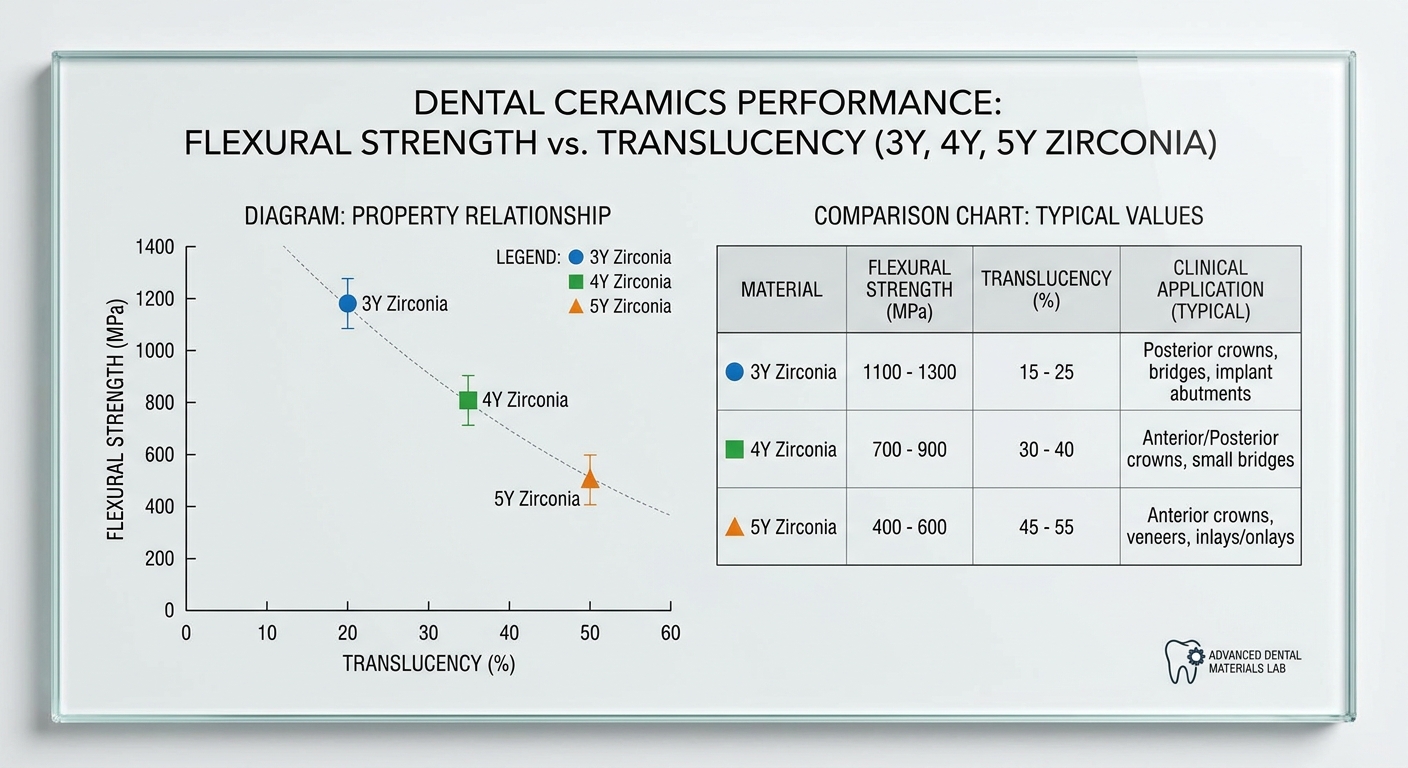
The balance between mechanical durability and optical performance is achieved by precisely calibrating the yttria stabilizer content to control the microstructural phase of the ceramic. By utilizing 4Y Zirconia, manufacturers can cultivate a unique blend of cubic and tetragonal crystal structures. This dual-phase microstructure prevents cracks from propagating while allowing light to pass through with minimal scattering.
What Is the Secret Behind the Material Composition?
The secret lies in the 4 mol% yttria doping, which acts as a stabilizer for the high-temperature cubic phase during sintering.
But here is the catch:
- Tetragonal zirconia phase provides high strength through transformation toughening.
- Cubic zirconia phase remains isotropic, which reduces light refraction at grain boundaries.
By balancing these two phases, you achieve a material that resists physical stress while remaining highly translucent.
Can You Trust Its Mechanical Load Bearing Capacity?
You can absolutely trust this structural material to withstand normal masticatory pressures in both anterior and posterior regions. Extensive laboratory testing proves that these restorations maintain their structural integrity even under cyclic fatigue tests.
The best part? The high fracture toughness ensures that the margins remain intact even during strenuous clinical cementation.
Key Takeaway: The microstructural engineering behind this material guarantees long-term mechanical reliability without compromising aesthetic light transmission.
| Zirconia Variant | Yttria Content (mol%) | Dominant Phase | Flexural Strength (MPa) |
|---|---|---|---|
| 3Y Variant | ~3.0 | Tetragonal | 1100 – 1300 |
| 4Y Variant | ~4.0 | Tetragonal + Cubic | 700 – 900 |
| 5Y Variant | ~5.0 | Cubic | 400 – 600 |
Understanding the structural differences between these formulations helps technicians choose the ideal block for every specific clinical load requirement.
What Sintering Practices Ensure Optimal 4Y Zirconia Aesthetics?
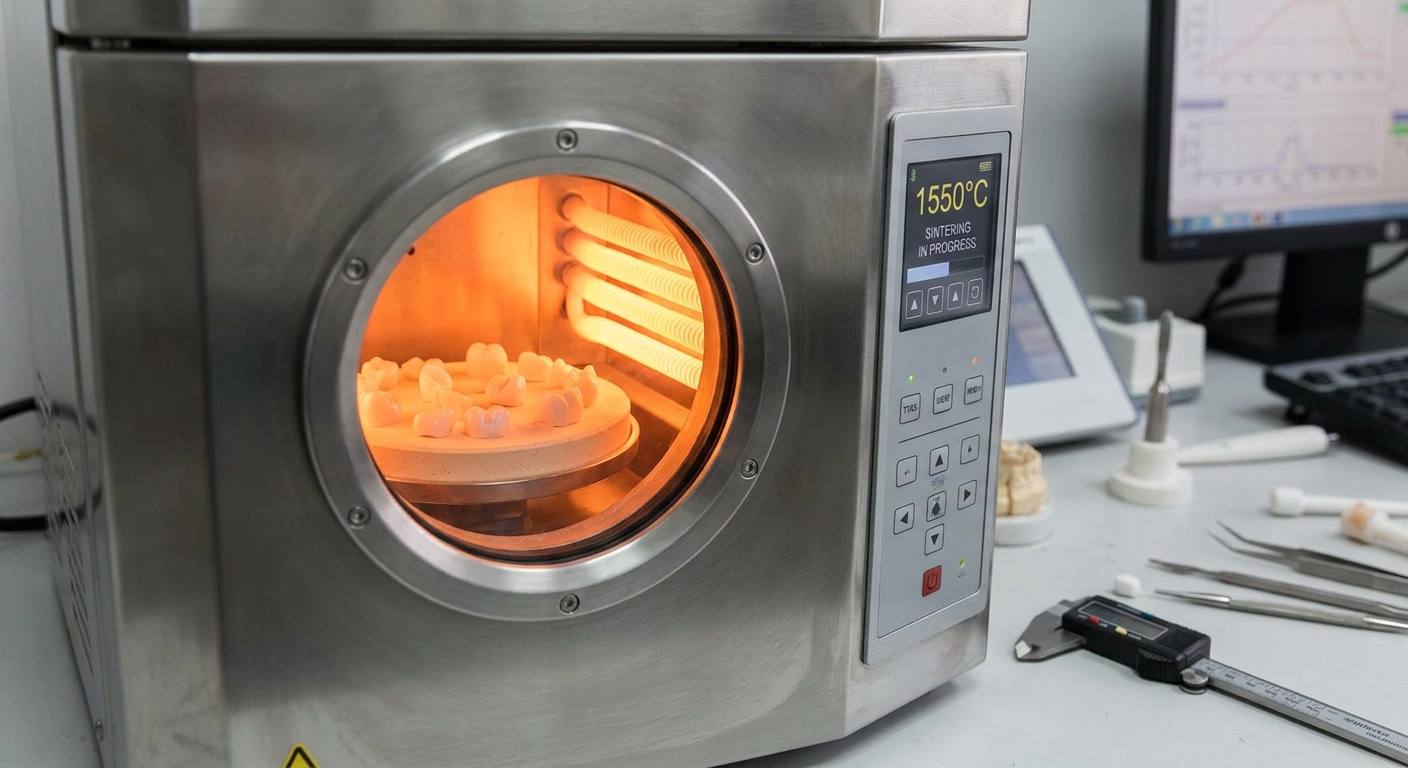
Achieving optimal aesthetics requires strict adherence to calibrated temperature curves, precise hold times, and controlled cooling phases during the sintering cycle. When processing 4Y Zirconia, even a minor deviation of a few degrees can drastically alter the final translucency and color. Properly managing your high-temperature sintering furnace is the single most critical step in unlocking the full visual potential of your material.
Why Does Sintering Temperature Impact Translucency?
The final temperature directly dictates grain growth and pore elimination within the polycrystalline structure.
Think about it:
- Under-sintering leaves residual micro-voids that scatter light, resulting in an opaque, chalky restoration.
- Over-sintering causes excessive grain growth, which degrades the mechanical strength of the margins.
Finding the exact thermal sweet spot ensures your restorations exhibit the perfect lifelike vitality.
How Do You Prevent Distortions During Sintering?
Preventing distortion relies on proper green-state nesting and utilizing supportive sintering beads inside the crucible. You must ensure that long-span frameworks can shrink uniformly without catching or binding on the refractory tray.
The best part? Following a slow, controlled cooling ramp prevents thermal shock and preserves the internal stress-free state of your ceramic.
Key Takeaway: Meticulous calibration of your dental sintering furnace ensures accurate shade matching, high optical translucency, and stable margin geometry.
| Sintering Phase | Target Temperature Range | Typical Hold Time | Main Optical / Physical Effect |
|---|---|---|---|
| High-Temp Sinter | 1450°C – 1530°C | 2 Hours | Grain growth and pore elimination |
| Cooling Phase | 1500°C to 100°C | Controlled Ramp | Prevention of thermal shock & stress |
Adhering to these strict thermal protocols eliminates unexpected aesthetic variations and ensures dimensional stability.
Is 4Y Zirconia Suitable for Anterior and Posterior Restorations?
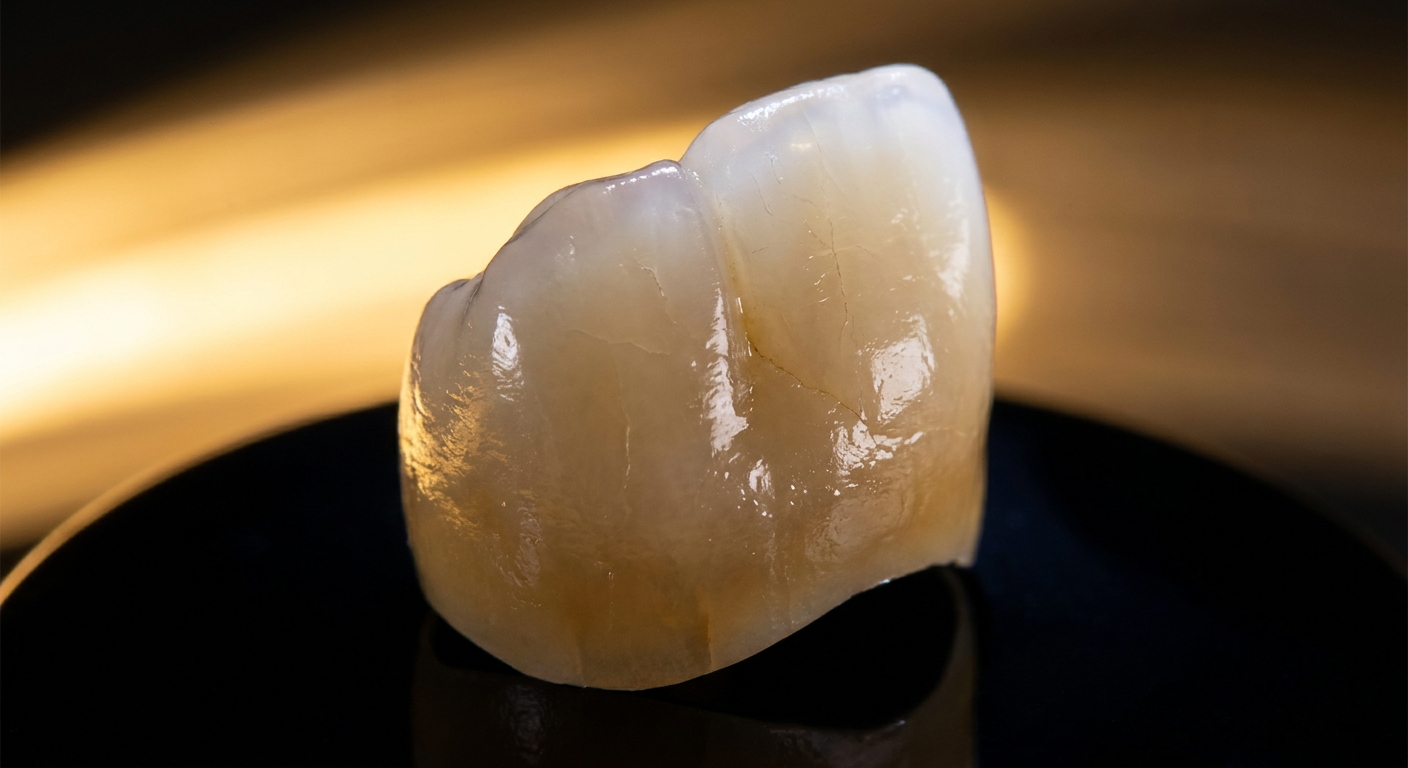
Yes, this versatile material is highly suited for both anterior and posterior applications due to its dual-nature composition. Utilizing 4Y Zirconia allows you to produce beautiful monolithic restorations that blend seamlessly into the anterior smile zone while surviving the heavy chewing forces of the molars. This universal applicability streamlines your laboratory production and simplifies the clinical selection process for your dentists.
Why Are Anterior Restorations Safest with This Material?
Anterior restorations require natural light transmission and realistic shade gradients to match surrounding natural teeth.
But here is the catch:
- Older monolithic generations lacked the light performance required for the aesthetic zone, looking dead or artificial.
- Modern stabilized blanks mimic the delicate value shifts of natural enamel, meaning you can achieve superb results with minimal micro-layering.
This gives you a huge advantage when fabricating delicate central incisors or multi-unit aesthetic cases.
Does It Hold Up Against Posterior Occlusal Forces?
It handles posterior masticatory forces with ease, providing far greater safety than any silicate-based ceramic on the market. Technicians do not need to compromise on margin thickness or connector areas to prevent fracture.
The best part? The high wear resistance means that polished occlusal surfaces will not cause wear on opposing natural dentition.
Key Takeaway: Specifying a high-translucency hybrid ceramic for both anterior and posterior units guarantees outstanding aesthetics and high physical durability.
| Restorative Zone | Minimum Required Wall Thickness | Recommended Connector Area | Optical Focus |
|---|---|---|---|
| Anterior Zone | 0.6 mm – 0.8 mm | 7.0 – 9.0 mm² | Translucency & Gradient |
| Posterior Zone | 0.8 mm – 1.0 mm | 9.0 – 12.0 mm² | High Flexural Strength |
Reviewing these zone-specific parameters ensures that technicians maximize both physical safety and natural light transition.
How Does 4Y Zirconia Enhance CAD/CAM Milling Precision?
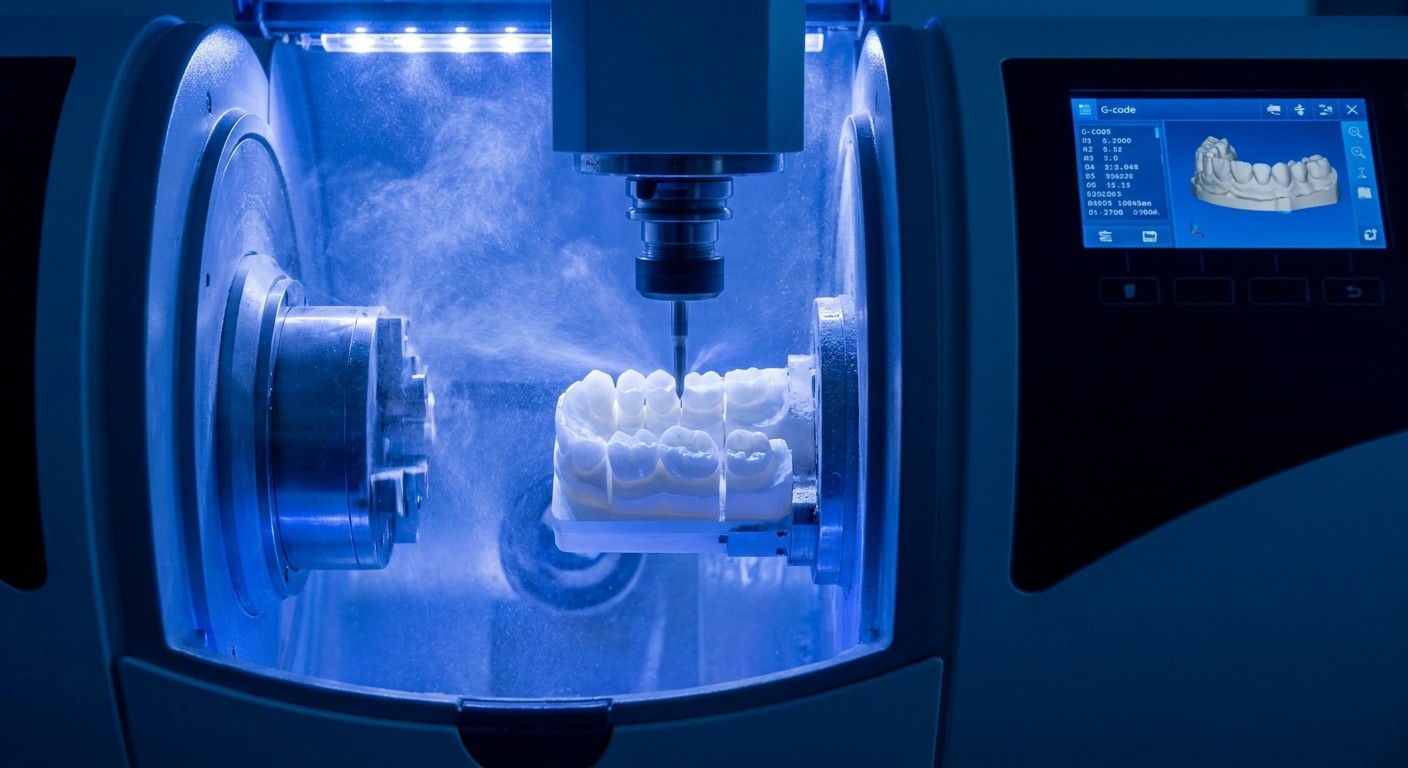
This material significantly enhances CAD/CAM precision due to its highly homogeneous pre-sintered grain structure, which allows for clean cutting at extremely thin margins. When milling 4Y Zirconia, your equipment can replicate complex anatomy and microscopic details without causing the material to chip or crumble. This predictable machining behavior ensures that your finished crowns seat effortlessly on the physical or digital model.
Can You Eliminate Margin Chipping During Milling?
You can virtually eliminate margin chipping by maintaining sharp milling burs and using optimized feed rates in your CAM software.
Think about it:
- Poorly binder-stabilized blocks are prone to micro-fractures at thin margins during fast wet or dry milling cycles.
- Highly refined material formulations maintain structural cohesion even when milled down to paper-thin margins.
This results in razor-sharp margins that require zero manual touch-ups after the milling process.
How Does It Optimize Tool Wear for Your Equipment?
The soft, chalk-like consistency of the pre-sintered blanks drastically reduces friction on your expensive carbide and diamond-coated burs. This mild wear profile extends the lifespan of your spindle and milling tools significantly.
The best part? Consistent block hardness means you will experience fewer unexpected bur breakages during automated overnight production.
Key Takeaway: Selecting a highly machinable pre-sintered disk ensures exceptional marginal integrity while lowering overall milling tool expenditures.
| Material Quality | Average Margin Quality | Bur Lifespan (Estimated Units) | Margin Thickness Target |
|---|---|---|---|
| Standard Blanks | Moderate (Some chipping) | 100 – 120 | 0.3 mm |
| Premium Blanks | Excellent (Sharp margins) | 150 – 200 | 0.2 mm |
Optimizing tool paths for premium-grade pre-sintered ceramic discs directly translates to flawless margins and higher machine yield.
Why Choose Multi-Layered 4Y Zirconia for Lifelike Gradients?
Choosing multi-layered formulations allows you to bypass complex, labor-intensive manual staining while achieving a natural transition of color and translucency. By adopting multi-layered 4Y Zirconia, you can easily replicate the natural gradation of human teeth, which transitions from a saturated cervical area to a translucent incisal edge. This built-in aesthetic intelligence dramatically boosts your laboratory throughput and consistency.
How Do the Shade Layers Mimic Natural Dentin?
The progressive distribution of pigments and yttria concentrations mimics the transition from dense dentin to translucent enamel.
But here is the catch:
- Some multi-layered materials feature abrupt, visible lines between the shade layers, creating an artificial appearance in natural light.
- Sophisticated gradient manufacturing processes blend the raw powders seamlessly during compaction to prevent any visible lines of transition.
This seamless blend allows you to achieve flawless aesthetics right out of the sintering furnace.
What Is the Value of Monolithic Light Performance?
Monolithic light performance refers to how naturally light scatters, refracts, and reflects through the restoration inside the mouth. True translucency looks alive and dynamic under varying lighting conditions, unlike surface stains which appear opaque.
The best part? Your final restorations will look incredibly vibrant and natural whether your patient is under direct sunlight or indoor lighting.
Key Takeaway: Implementing a true gradient multi-layered ceramic disk guarantees lifelike light performance and eliminates the “dead” look of traditional restorations.
| Multi-Layer Style | Color Transition | Translucency Transition | Processing Efficiency |
|---|---|---|---|
| Stacked Layers | Step-by-step (3-4 bands) | Constant | Moderate (Requires staining) |
| Seamless Gradient | Continuous (Seamless) | Variable (True enamel shift) | High (Glaze only) |
Selecting seamless gradient technology over basic layered configurations is the ultimate way to achieve effortless anterior aesthetics.
What Surface Preparation Techniques Maximize 4Y Zirconia Bonding?
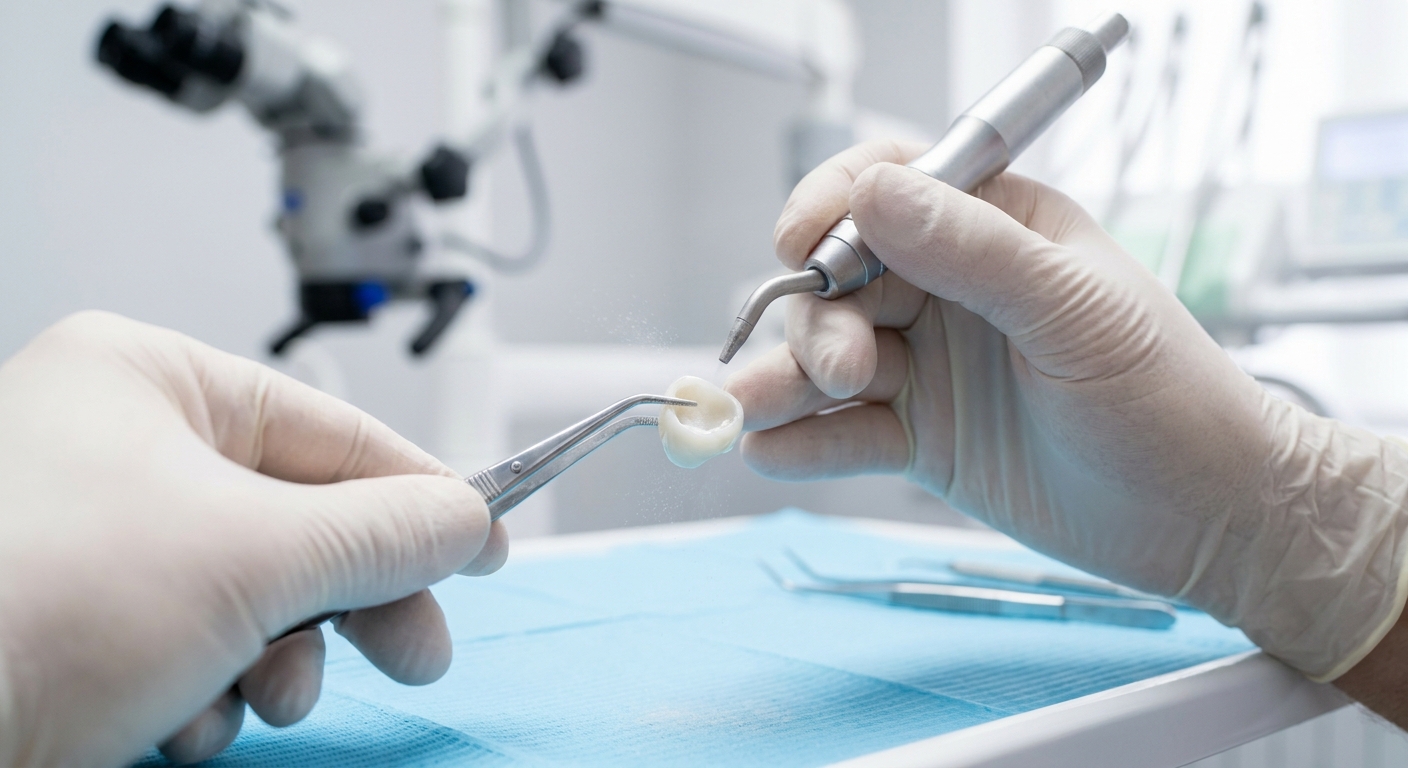
Achieving a reliable, long-term chemical bond requires a combination of controlled air-particle abrasion and the application of an MDP-containing primer. When preparing high-translucency 4Y Zirconia, you must use gentle parameters to prevent microstructural damage while still creating an active surface area for cementation. This careful protocol ensures that the restoration remains securely anchored to the preparation under all clinical loads.
Is Sandblasting Safe for High-Translucency Restorations?
Sandblasting is completely safe if you strictly control the abrasive particle size, air pressure, and angle of attack.
Think about it:
- Blasting at excessive pressures can trigger a phase transformation that introduces localized micro-cracks.
- Utilizing 50-micron alumina particles at a low pressure of 1.5 to 2.0 bar preserves the microstructural integrity of your margins.
This controlled abrasion cleans the internal surface of organic contaminants while maximizing mechanical retention.
What Primers Deliver the Most Reliable Chemical Bond?
Primers formulated with 10-MDP (Methacryloyloxydecyl dihydrogen phosphate) create an incredibly strong, water-resistant chemical bond with the zirconium oxide surface. This molecular bond prevents debonding and micro-leakage over the lifespan of the crown.
The best part? The dentist can easily apply these primers chairside during the final delivery protocol.
Key Takeaway: Following a strict sandblasting and MDP primer protocol guarantees maximum retention and prevents frustrating clinical failures.
| Preparation Step | Recommended Medium / Chemical | Air Pressure / Time | Primary Bonding Mechanism |
|---|---|---|---|
| Air Abrasion | 50 µm Alumina (Al₂O₃) | 1.5 – 2.0 bar | Mechanical Micro-Locking |
| Chemical Priming | 10-MDP Monomer Primer | Apply & Air Dry | Chemical Covalent Bonding |
Combining mechanical microroughness with active chemical monomers is the gold standard for clinical success with zirconia adhesive cementation.
How Does Clinical Quality Inspection Verify 4Y Zirconia Quality?
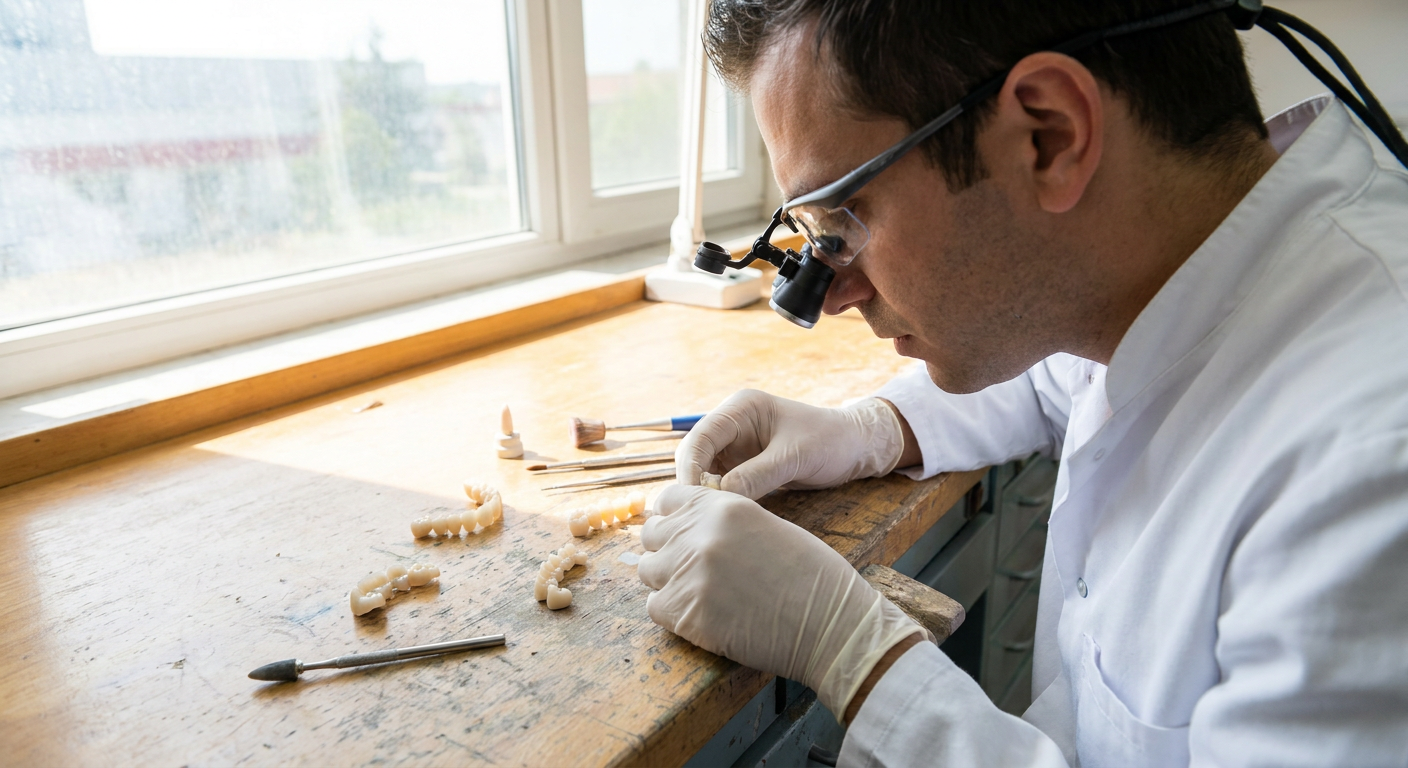
Clinical quality inspection verifies structural integrity by utilizing high-magnification microscopy and polarized light filters to detect micro-cracks or density variations before delivery. When inspecting finished 4Y Zirconia restorations, technicians can identify tiny surface irregularities that could lead to catastrophic failures under intraoral stress. Implementing a standardized inspection routine ensures that only flawless work leaves your facility, protecting your lab’s professional reputation.
What Microstructural Flaws Should You Watch Out For?
You must look for micro-voids, marginal micro-fractures, and white spot inclusions which occur from raw material contamination or poor sintering control.
But here is the catch:
- Many of these defects are completely invisible to the naked eye under standard bench lighting.
- Using a dental laboratory microscope at 10x to 20x magnification reveals hidden defects instantly.
Catching these issues early prevents remakes and clinical complications.
Why Does Microscopic Verification Secure B2B Trust?
Providing microscopically verified restorations builds deep trust with your prescribing clinical dentists and dental groups. They know they can rely on your lab for consistent fit, flawless margins, and zero seat-day surprises.
The best part? It elevates your lab’s brand position, allowing you to charge premium rates for your high-end digital services.
Key Takeaway: Rigorous microscopic inspection is your final line of defense against clinical failures, reinforcing your commitment to absolute quality.
| Inspection Tool | Target Defect Type | Magnification Range | Impact on Clinical Outcomes |
|---|---|---|---|
| Naked Eye | Major anatomical errors | 1x | Basic quality screening |
| HD Microscope | Micro-cracks & marginal chips | 10x – 20x | High margin seal & zero remakes |
Integrating a microscopic inspection protocol ensures that minor fabrication flaws are captured and corrected before shipment.
Can 4Y Zirconia Support Long-Span Bridges Safely?
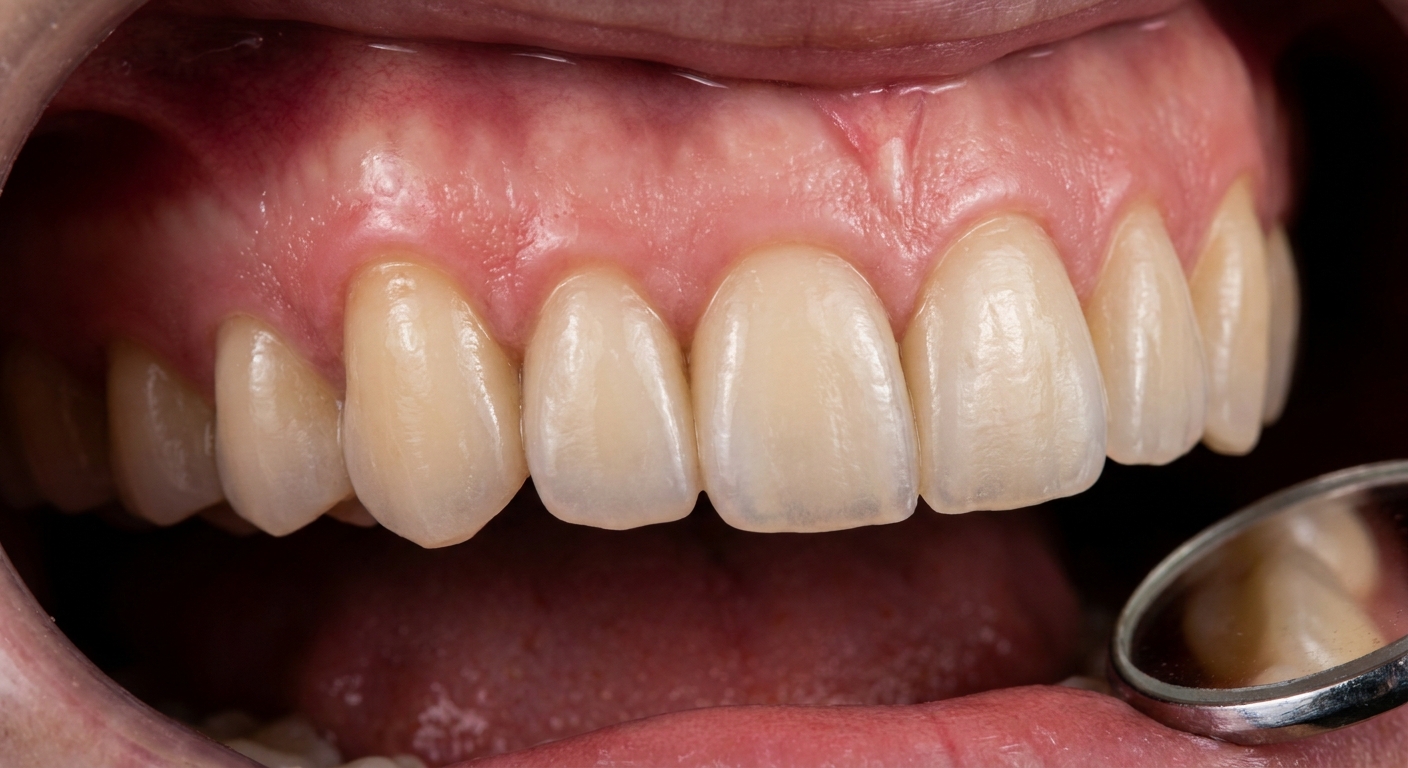
Yes, this formulation can support multi-unit and long-span bridges safely, provided you adhere strictly to established minimum connector dimensions. By selecting 4Y Zirconia, you can design anterior three-unit and even some posterior multi-unit bridges with complete confidence. The combination of high flexural strength and excellent fracture toughness makes it an ideal alternative to bulky metal-ceramic frameworks.
What Are the Connector Design Rules for Multi-Unit Bridges?
Designing long-span frameworks requires increasing the cross-sectional area of your connectors to handle high bending forces.
Think about it:
- A standard single crown can survive on thin margins and minimal material bulk.
- A posterior three-unit bridge must have a minimum connector area of 9 to 12 square millimeters.
Failing to provide adequate connector volume will inevitably lead to material fatigue and bridge fracture over time.
How Does Aging Resistance Prevent Catastrophic Failures?
High aging resistance prevents hydrothermal degradation, a process where moisture triggers spontaneous phase transformation and weakens the ceramic matrix. Modern formulations include highly stable raw materials that resist low-temperature degradation in the mouth.
The best part? This chemical stability ensures that your bridges retain their high mechanical strength for decades.
Key Takeaway: Designing multi-unit restorations with adequate connector dimensions guarantees long-term clinical survival and high resistance to chewing forces.
| Restorations Type | Minimum Connector Area (Anterior) | Minimum Connector Area (Posterior) | Structural Safety Level |
|---|---|---|---|
| 3-Unit Bridge | 7.0 – 9.0 mm² | 9.0 – 12.0 mm² | High Structural Stability |
| 4+ Unit Bridge | 9.0 – 12.0 mm² | 12.0 – 14.0 mm² | Requires strict engineering |
Adhering to these strict connector design standards is critical to mitigating stress concentration and preventing bridge failures.
How Do Technical Consultants Help You Master 4Y Zirconia?
Working with dedicated technical consultants helps your lab troubleshoot processing errors, optimize sintering programs, and maximize your material yield. When implementing 4Y Zirconia into a digital workflow, having expert guidance can cut your learning curve in half. Technical consultants act as an extension of your team, providing professional insights that keep your production line running smoothly.
What Training Resolves Your Common Lab Processing Errors?
Hands-on training from a specialist addresses issues like poor nesting in CAM, incorrect shading liquids application, and improper furnace calibration.
But here is the catch:
- Simply reading a product manual is rarely enough to master complex material physics.
- Customized webinars and lab visits let you address specific challenges unique to your equipment.
This personalized training instantly minimizes waste and boosts your technical team’s confidence.
Why Is Ongoing Technical Support Your Secret Weapon?
Ongoing technical support ensures that you can rapidly overcome unexpected software updates or equipment malfunctions. You do not have to halt production for days while searching for answers alone.
The best part? Your technical partners keep you updated on the latest material developments, keeping your lab competitive.
Key Takeaway: Building a strong relationship with professional technical consultants guarantees continuous production uptime and superior B2B client satisfaction.
| Support Level | Primary B2B Lab Benefit | Typical Resolution Time | Long-Term Business Value |
|---|---|---|---|
| Basic Manuals | Self-directed troubleshooting | Days to Weeks | Slow learning curve |
| Dedicated Consult | Tailored program calibration | Minutes to Hours | Rapid ROI and peak quality |
Partnering with experienced technical specialists ensures your team remains at the absolute cutting edge of restorative technology.
Partnering for Future Restorative Success
Consolidating your dental laboratory’s workflow with high-performance monolithic ceramics is the most effective way to eliminate margin chipping, reduce furnace remakes, and deliver stunning, lifelike restorations. We understand the daily operational challenges you face—from maintaining tight turnaround times to satisfying the aesthetic demands of your prescribing dentists. Our goal is to empower your laboratory with premium-grade blocks, reliable technical support, and the deep industry expertise needed to keep your business growing in a competitive digital market. Let us help you elevate your restorations to a higher standard of beauty and strength; contact us today to explore our comprehensive product selection and experience the future of digital dentistry.
Frequently Asked Questions
Can I sinter 4Y Zirconia using a fast-firing cycle?
Yes, you can utilize fast-firing cycles, but you must ensure your sintering furnace supports precise temperature ramps to avoid microstructural stress. Fast firing is highly efficient for single units, but larger multi-unit frameworks always require a standard, slower cycle to prevent distortion.
What’s the best way to avoid white spots after sintering?
The most effective method is to ensure that your pre-sintered restorations are completely dry and free from milling dust or lubricant residue before they enter the furnace. Using a soft, clean brush to clear off debris and dry-air preheating prevents trapped moisture from leaving unsightly white inclusions in the ceramic.
How do I know if my margins are too thin during CAD design?
You will know your margins are too thin if they exhibit micro-chipping or look translucent and fragile immediately after milling. To secure structural safety, always design margins with a minimum thickness of 0.2 mm to 0.3 mm in your CAD software.
Can I use standard phosphoric acid to clean these restorations?
No, you must never clean zirconium oxide restorations with phosphoric acid after clinical try-in. Phosphoric acid bonds to the oxide sites, neutralizing the surface and preventing the MDP-containing primers from establishing a chemical bond. Instead, use a specialized zirconium cleaner or sandblast the internal surface gently before cementation.
What’s the best way to polish monolithic posterior crowns?
The best approach is to use fine diamond-impregnated rubber polishers at a low speed, followed by a high-shine diamond polishing paste. A highly polished zirconia surface is incredibly gentle on opposing enamel, performing far better than a glazed surface that can wear down over time.