Zirconium powder offers extreme heat and acid resistance, while titanium powder provides an unmatched strength-to-weight ratio for aerospace and medical components. You often face the risk of component failure when selecting the wrong high-performance material for high-stress industrial environments. This uncertainty leads to costly downtime and safety concerns that can jeopardize your entire operation. By understanding the core differences in zirconium vs titanium , you can confidently select the metal that ensures long-term structural integrity.
What is the main zirconium vs titanium difference?
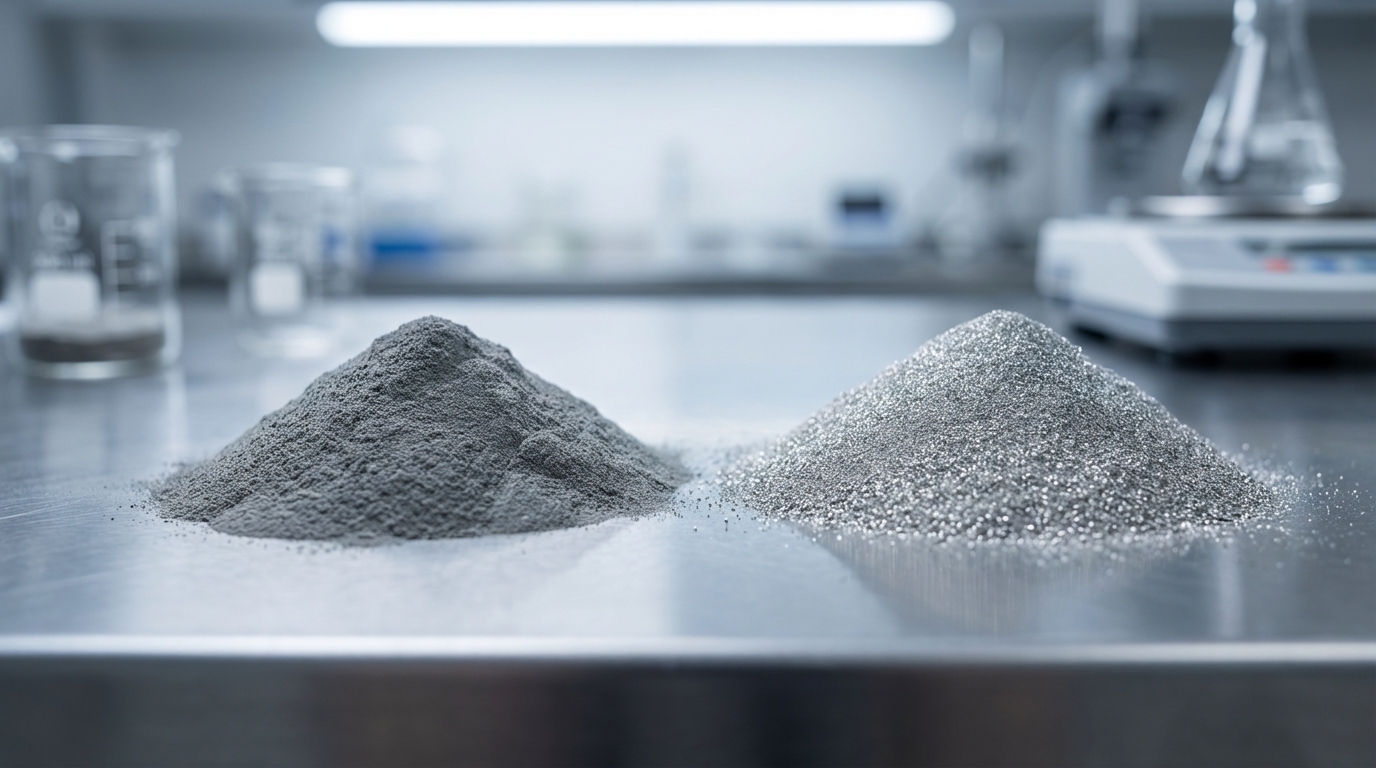
The primary difference lies in their specific industrial specializations: zirconium is the master of extreme chemical and thermal environments, while titanium excels in structural applications where low weight is mandatory. When evaluating zirconium vs titanium , you must consider how their atomic structures influence their protective oxide layers. Titanium’s TiO2 layer is optimized for seawater, whereas zirconium’s ZrO2 layer withstands hot concentrated acids.
How do atomic properties differ?
You will find that zirconium belongs to the same chemical group as titanium but possesses a larger atomic radius. This larger size translates to a higher density and a significantly higher boiling point.
Here is the deal:
- Zirconium’s boiling point reaches 4377°C.
- Titanium’s boiling point sits at approximately 3287°C.
- Zirconium is more stable under extreme thermal stress.
Which protective layer is better?
Both materials rely on a process called passivation to resist environmental damage. You can choose high-purity Zirconia Materials when your project requires specific phase stabilities that titanium cannot provide.
But wait, there’s more:
| Property | Zirconium (Zr) | Titanium (Ti) | |
|---|---|---|---|
| Atomic Group | Group 4 | Group 4 | |
| Oxide Type | ZrO2 (Zirconia) | TiO2 (Titania) | |
| Primary Strength | Chemical Stability | Specific Strength |
This table illustrates that while they share a chemical group, their performance focuses are divergent.
Key Takeaway: Choosing the right material depends on whether your priority is chemical inertness in acids or structural efficiency in lightweight designs.
Which density is better: zirconium vs titanium?
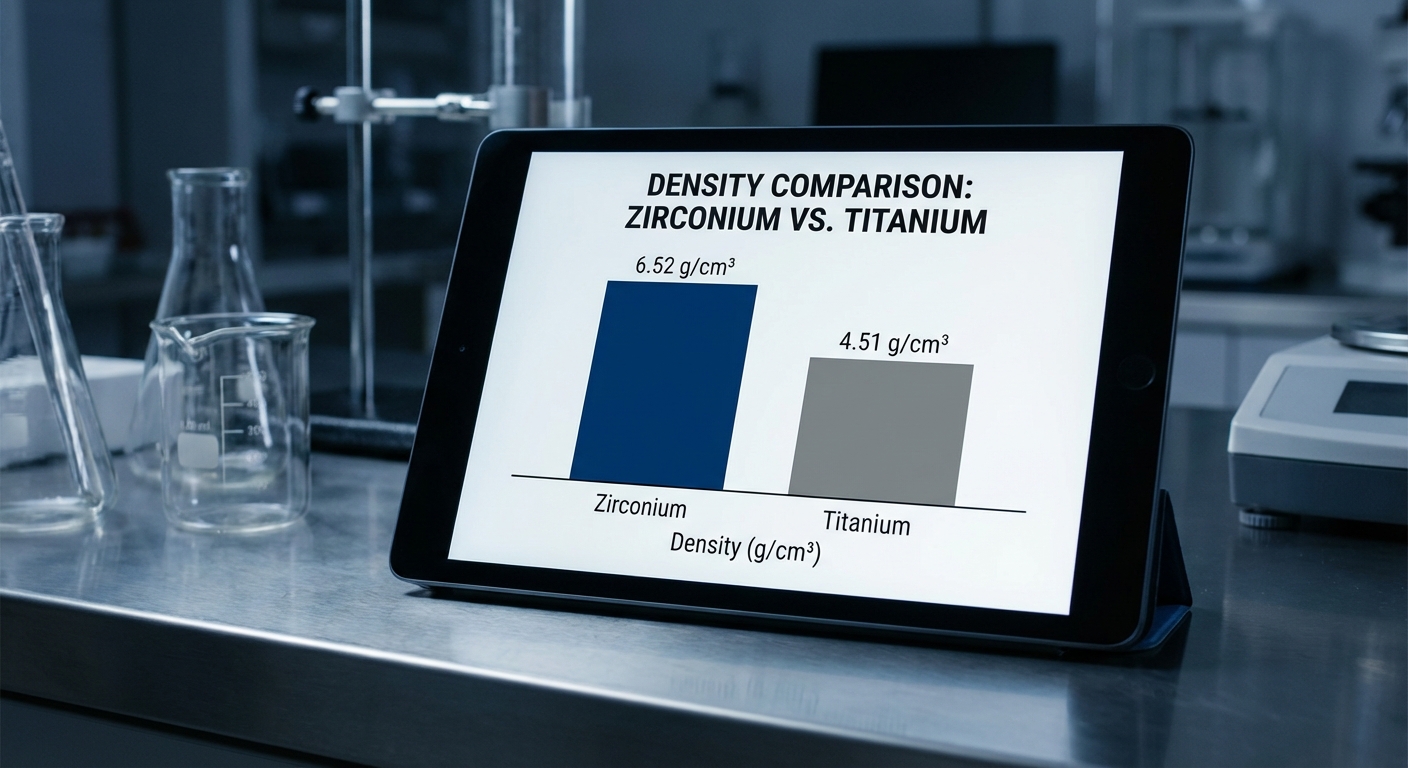
Titanium is the superior choice for density-sensitive projects because it is approximately 45% lighter than zirconium. When you compare zirconium vs titanium, the mass difference becomes the deciding factor for moving parts and portable equipment. Titanium’s density of 4.51 g/cm³ allows for massive weight savings without sacrificing structural durability.
Why does mass reduction matter?
In sectors like automotive or aerospace engineering, every gram of weight affects fuel efficiency and speed. Using titanium allows you to manufacture high-strength components that don’t add the bulk associated with heavier metals.
Think about it:
- Titanium density: 4.51 g/cm³.
- Zirconium density: 6.52 g/cm³.
- Steel density: ~7.80 g/cm³.
Is zirconium’s weight a disadvantage?
Zirconium isn’t “heavy” in a general sense, but its extra mass is a trade-off for specialized thermal properties. You should only accept the higher density of zirconium when the environmental resistance requirements outweigh the need for lightweighting.
Look:
| Material | Density (g/cm³) | Relative Weight | |
|---|---|---|---|
| Titanium | 4.51 | Baseline | |
| Zirconium | 6.52 | ~1.45x Heavier | |
| Aluminum | 2.70 | ~0.60x Lighter |
The comparison shows that titanium sits in the “sweet spot” for most structural engineering needs.
Key Takeaway: Titanium is the gold standard for weight reduction, while zirconium’s density is a necessary compromise for extreme chemical resilience.
Is zirconium vs titanium stronger at high heat?
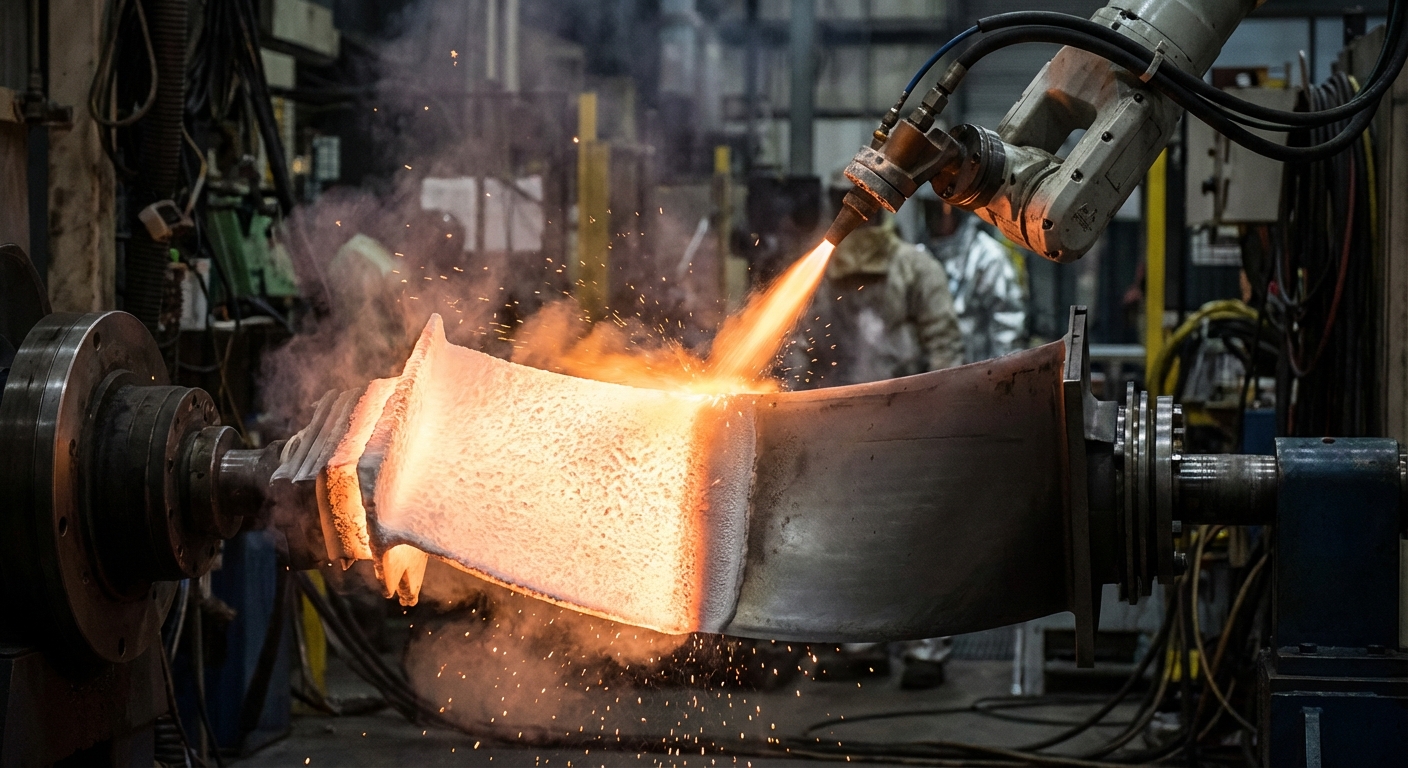
Zirconium provides superior high-temperature stability because its melting point of 1855°C is nearly 200 degrees higher than titanium’s 1668°C. When analyzing zirconium vs titanium , this thermal threshold determines if a component will maintain its shape or soften under pressure. Zirconium is the preferred choice for the thermal “red zones” found in industrial furnace linings and engine cores.
How does thermal expansion affect you?
Zirconium maintains better structural integrity at temperatures where titanium begins to lose its tensile strength. This makes zirconium powders ideal for high-temperature coatings that protect underlying materials.
In fact:
- Zirconium resists “wetting” by molten metals.
- It provides excellent thermal insulation.
- It prevents structural warping in heat-intensive cycles.
Can you use thermal spray coatings?
You can utilize Zircon Powder & Sand in investment casting and foundry applications to create heat-resistant barriers. These coatings allow you to combine the lightweight nature of titanium with the extreme heat resistance of zirconium.
The best part?
| Feature | Zirconium Powder | Titanium Powder | |
|---|---|---|---|
| Melting Point | 1855°C | 1668°C | |
| High-Temp Phase | Highly Stable | Phase Transitions | |
| Best Application | Furnace Linings | Aerospace Structures |
This breakdown clarifies why zirconium is the champion of the extreme thermal spectrum.
Key Takeaway: Select zirconium for environments exceeding 1000°C to ensure your components do not suffer from thermal deformation or softening.
Who wins on corrosion: zirconium vs titanium?
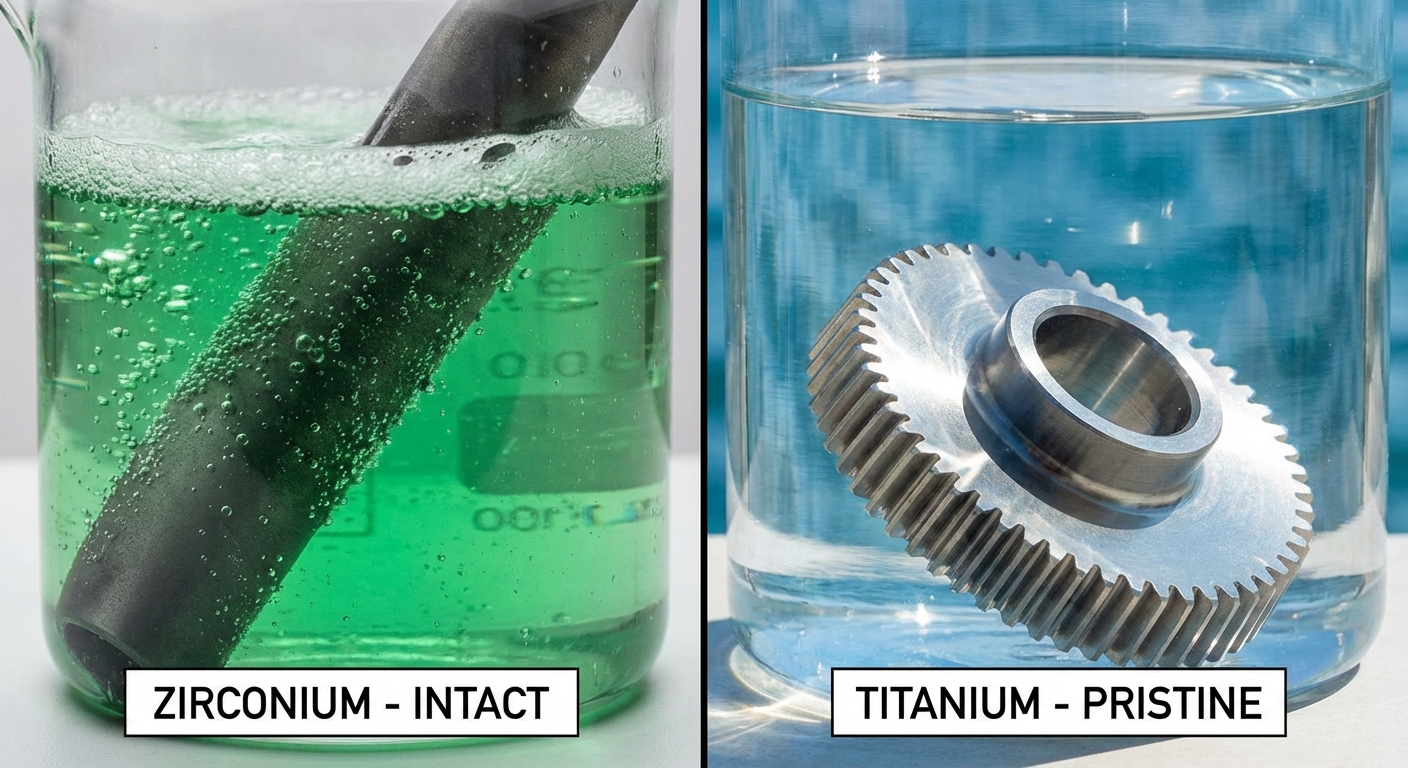
Zirconium wins in highly acidic environments, whereas titanium is the undisputed leader for seawater and chloride resistance. Your choice between zirconium vs titanium depends entirely on the specific chemical reagents present in your workflow. If your process involves high-temperature hydrochloric or nitric acids, zirconium’s protective layer remains virtually impenetrable.
Is titanium better for marine use?
Titanium excels in salt-rich environments where other metals would suffer from rapid pitting and stress corrosion. Its TiO2 layer is naturally optimized to survive in offshore oil rigs and desalination plants.
Check this out:
- Titanium thrives in chlorides.
- It resists bleach and seawater perfectly.
- It is the standard for marine engineering.
How does zirconium handle acids?
Zirconium resists almost all organic and mineral acids, making it a staple for the chemical processing industry. You can rely on its surface stability even when dealing with aggressive alkaline solutions that would erode titanium.
Essentially:
| Environment | Best Material | Why? | |
|---|---|---|---|
| Seawater | Titanium | TiO2 Chloride Stability | |
| Hot Nitric Acid | Zirconium | ZrO2 Acid Resistance | |
| Organic Acids | Zirconium | Superior Inertness |
The data confirms that each metal has a specific chemical “territory” where it performs best.
Key Takeaway: Map your chemical exposure carefully; choose titanium for salt and zirconium for aggressive industrial acids.
Which is better for nuclear: zirconium vs titanium?
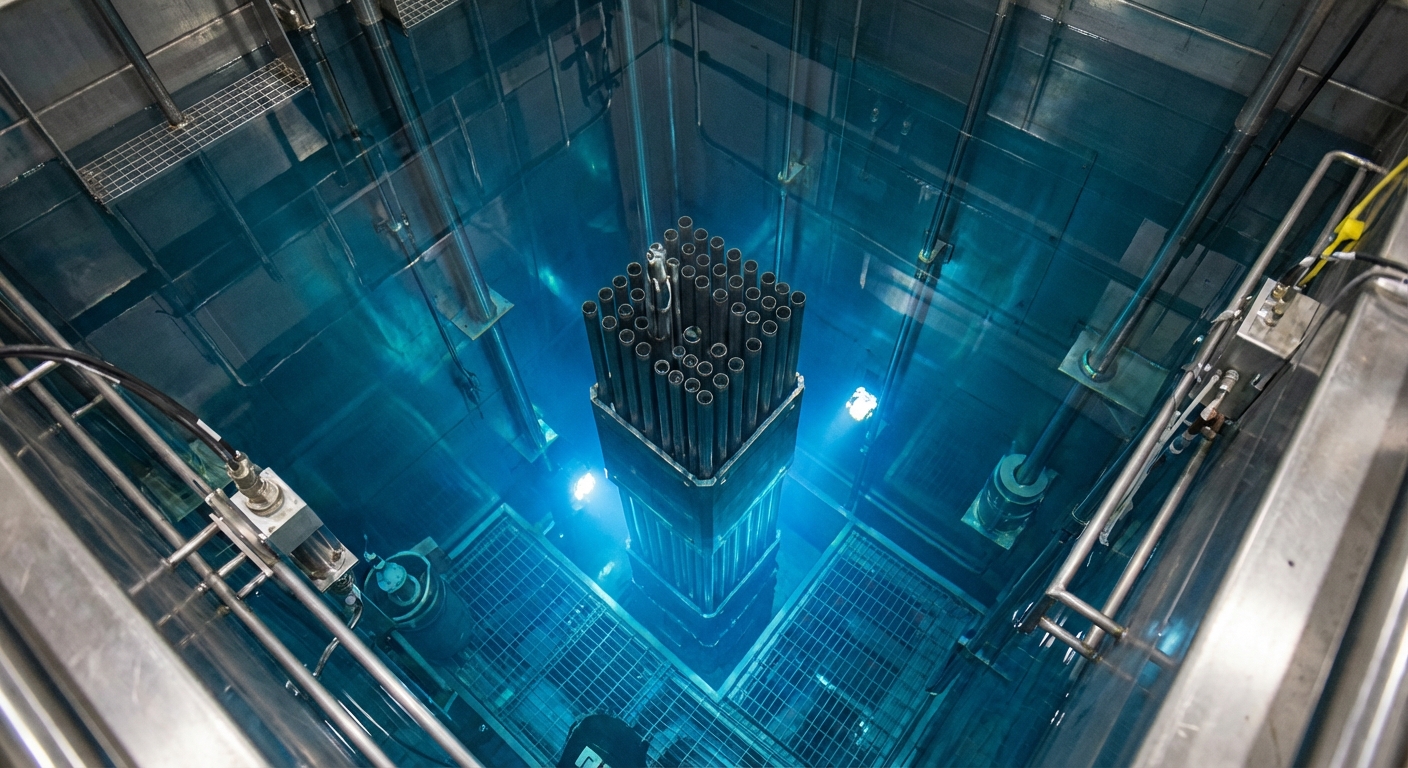
Zirconium is the only viable choice for nuclear fuel cladding because of its exceptionally low neutron absorption cross-section. In any zirconium vs titanium comparison for the energy sector, titanium fails because it absorbs too many neutrons. If you used titanium in a reactor core, it would effectively “poison” the nuclear chain reaction and stop power generation.
Why is neutron transparency critical?
In the nuclear sector, you need materials that allow neutrons to pass through freely to maintain the fission process. Zirconium alloys are the global industry standard for fuel rods and structural reactor components for this exact reason.
Believe it or not:
- Zirconium is nearly “invisible” to neutrons.
- Titanium’s absorption rate is too high for fuel cladding.
- Zirconium maintains safety in high-pressure water environments.
Does zirconium resist radiation damage?
Beyond transparency, zirconium provides the necessary corrosion resistance to withstand the harsh conditions inside modern nuclear power plants. It remains structurally stable under intense radiation flux while protecting the fuel pellets inside.
Bottom line:
| Metric | Zirconium | Titanium | |
|---|---|---|---|
| Neutron Absorption | Very Low | High | |
| Nuclear Standard | Yes | No (Structural only) | |
| Reactor Use | Fuel Cladding | Balance of Plant |
Zirconium’s unique atomic properties make it an irreplaceable component of modern nuclear energy infrastructure.
Key Takeaway: Zirconium is the mandatory material for reactor core internals where neutron economy is the primary engineering constraint.
Is zirconium vs titanium better for implants?
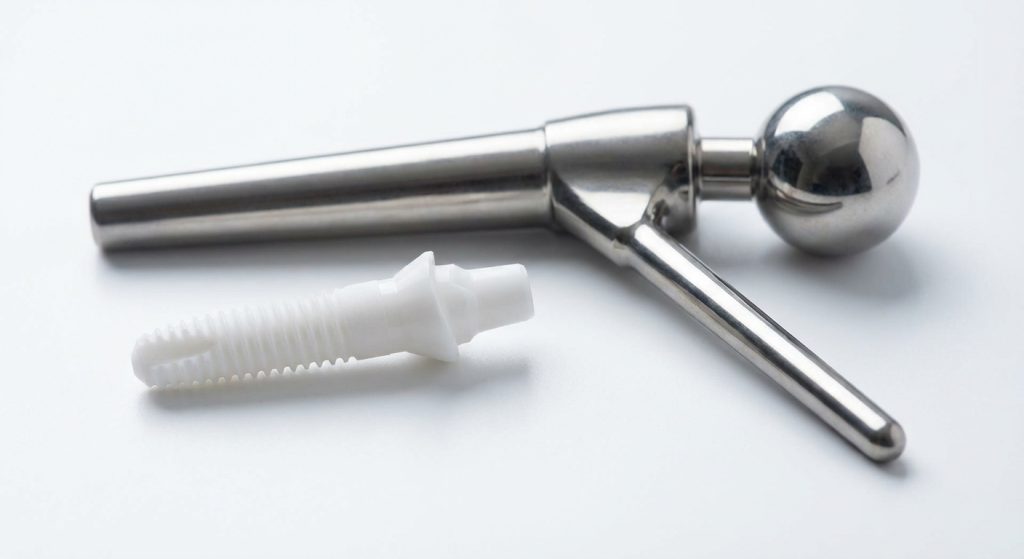
Titanium is the standard for load-bearing joints like hips, while zirconium is the preferred choice for aesthetic dental applications. When comparing zirconium vs titanium for medical use, titanium’s modulus of elasticity is closer to human bone. This reduces the risk of “stress shielding,” where the metal takes too much load and causes the surrounding bone to weaken.
Why does the dental industry prefer zirconia?
In the Dental industry , zirconia is favored because it is tooth-colored, metal-free, and highly resistant to oral bacteria. It offers a more natural appearance for crowns and abutments compared to grey metallic options.
Look:
- Zirconia is bio-inert and hypoallergenic.
- It provides superior aesthetics in the “smile zone.”
- It resists staining and plaque buildup effectively.
Which is tougher for orthopedic use?
For artificial knees and hips, titanium’s ability to osseointegrate—bond directly with bone—makes it the primary choice. It handles the mechanical stresses of human movement and impact much better than pure ceramic zirconium.
Think about it:
| Application | Best Material | Key Benefit | |
|---|---|---|---|
| Hip Replacement | Titanium | Bone-like Elasticity | |
| Dental Crowns | Zirconia | Aesthetics & Hygiene | |
| Bone Screws | Titanium | Osseointegration |
While both are biocompatible, their mechanical profiles dictate their specific placement within the human body.
Key Takeaway: Use titanium for high-impact structural bone replacements and zirconium for high-aesthetic dental restorations.
Can zirconium vs titanium save aerospace weight?
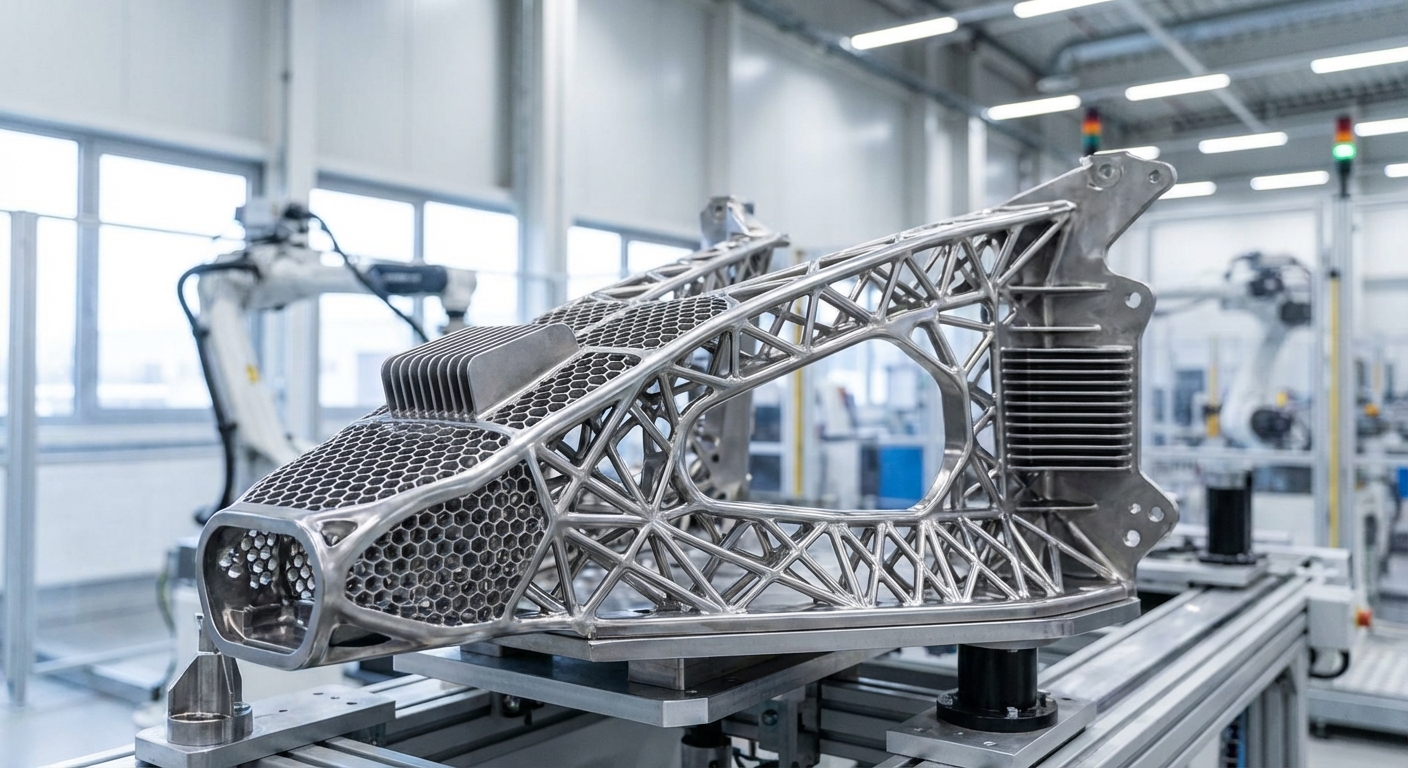
Titanium is the essential material for aerospace weight reduction, as its strength-to-weight ratio is significantly higher than that of zirconium. In the debate of zirconium vs titanium , aerospace engineers almost always choose titanium for airframes and landing gear. Zirconium is generally considered too dense for large-scale structural use where fuel efficiency depends on minimizing mass.
Where is titanium used in planes?
You will find titanium in everything from the “ribs” of a fuselage to the high-stress components of a jet engine. Its ability to withstand extreme stress without the weight penalty of steel makes it indispensable for modern aviation.
The best part?
- Titanium saves tons of fuel over a plane’s life.
- It resists fatigue better than aluminum.
- It survives the high-pressure cycles of takeoff and landing.
Does zirconium have any aerospace role?
While not used for the frame, zirconium is vital for thermal barrier coatings on turbine blades. It protects the lighter titanium or nickel alloys underneath from melting during high-altitude operation.
In fact:
| Component | Material | Function | |
|---|---|---|---|
| Landing Gear | Titanium | High Strength/Low Weight | |
| Turbine Blade Coating | Zirconium | Heat Insulation | |
| Engine Exhaust | Titanium | Corrosion Resistance |
The two materials work together to create an aircraft that is both light enough to fly and tough enough to survive heat.
Key Takeaway: Titanium enables flight through weight reduction, while zirconium enables engine efficiency through advanced heat management.
Which costs more in zirconium vs titanium setups?
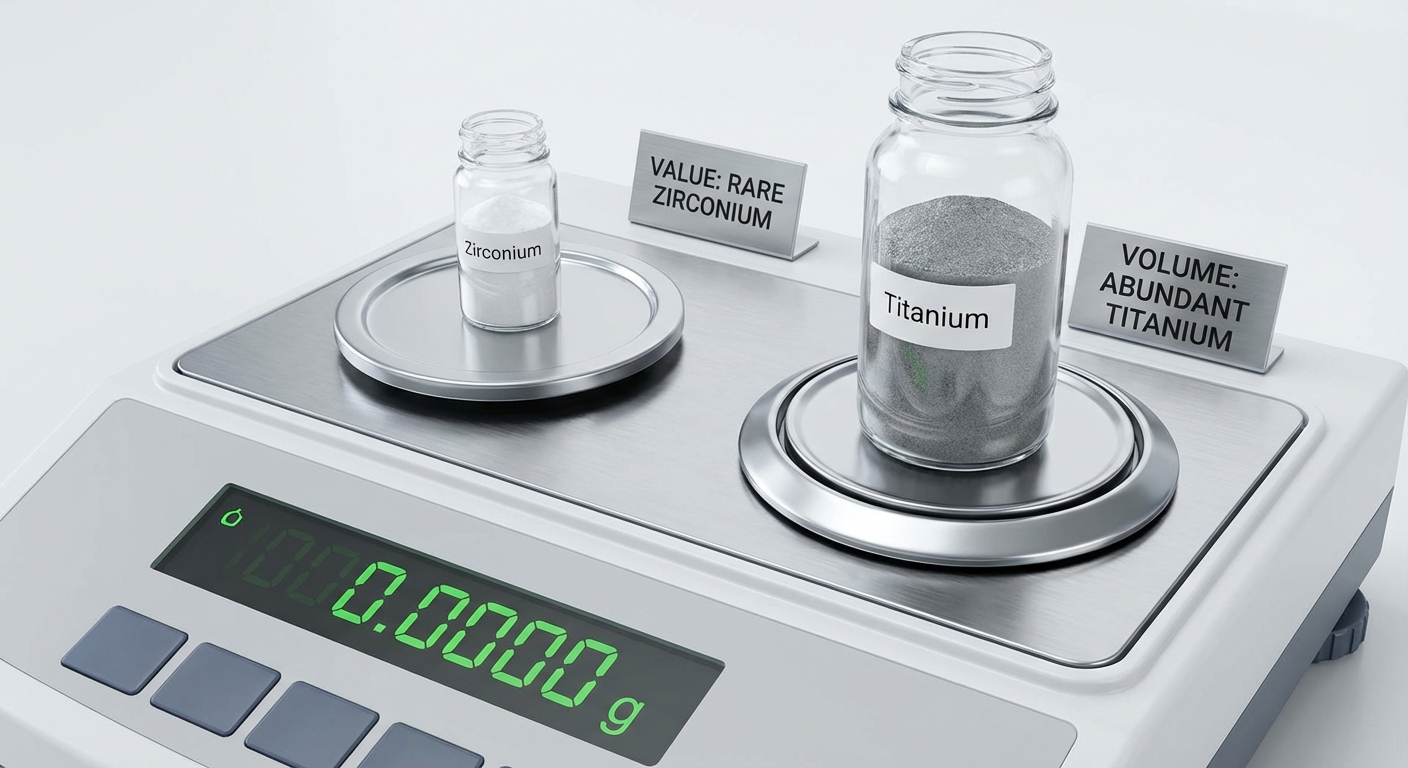
Generally, zirconium-based materials and high-purity powders are more expensive due to the complex extraction and refining processes required. When evaluating zirconium vs titanium costs, you must consider the specialized hafnium-separation process that zirconium undergoes. However, in the Ceramics industry , the long-term durability of zirconium components often results in a lower total cost of ownership.
Why is zirconium refining difficult?
Zirconium always occurs with hafnium in nature, and separating these two elements is technically demanding and energy-intensive. This is especially true for nuclear-grade material, which must be almost entirely hafnium-free to maintain neutron transparency.
But wait, there’s more:
- Titanium has a larger, more mature market.
- Its supply chain is more diverse and stable.
- Zirconium is a specialized, niche metal.
Can titanium save you money?
Titanium’s widespread use often leads to more competitive pricing for standard grades and alloys like Ti-6Al-4V. You should choose titanium for general high-performance needs where the extreme specialized properties of zirconium aren’t strictly required.
Look:
| Cost Factor | Zirconium | Titanium | |
|---|---|---|---|
| Raw Material | Higher | Moderate | |
| Processing Complexity | Very High | High | |
| Market Availability | Niche | Widespread |
While initial costs are higher for zirconium, its performance in specific “un-survivable” environments justifies the investment.
Key Takeaway: Use titanium for cost-effective high performance, and reserve zirconium for applications where failure is not an option regardless of price.
Does zirconium vs titanium work for 3D printing?
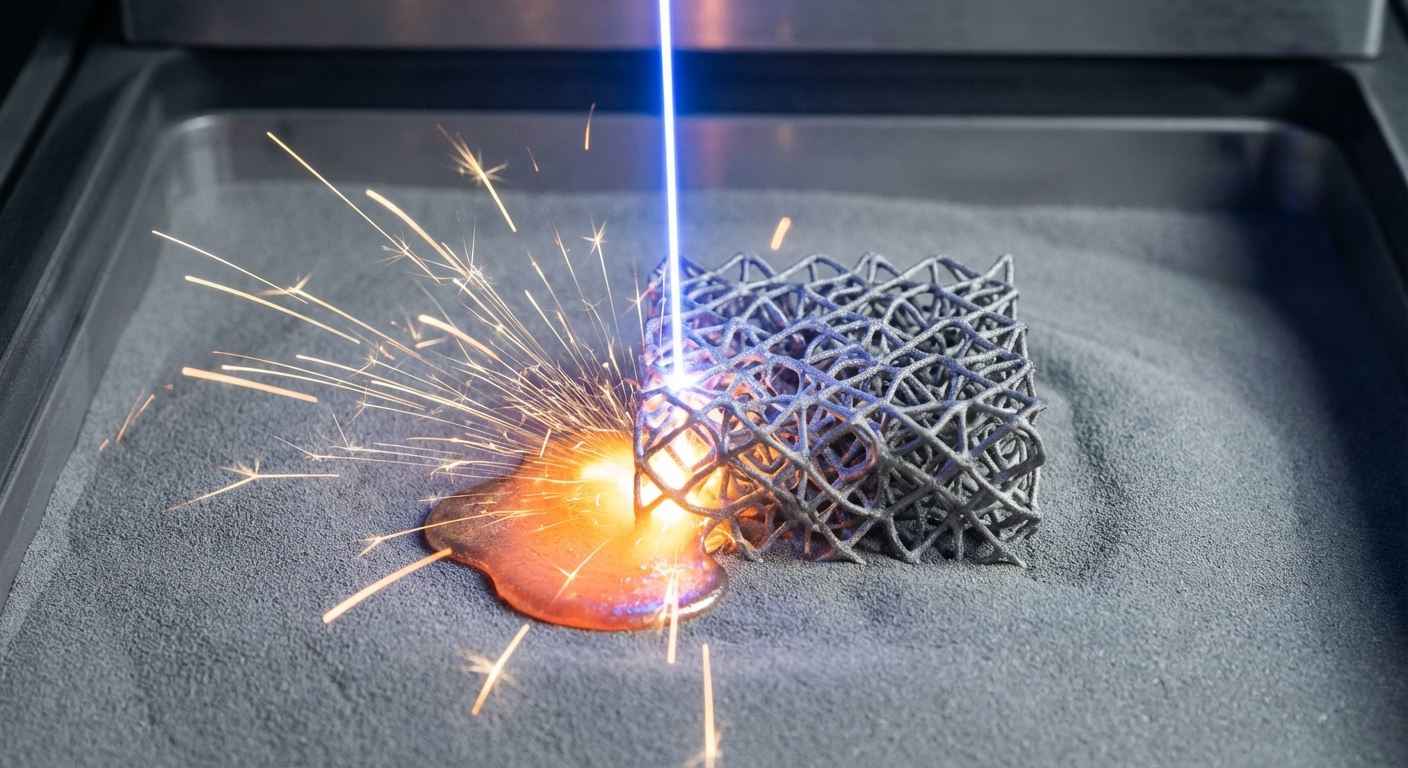
Both powders are leading materials in Additive Manufacturing (AM), but they require strictly controlled inert atmospheres to prevent fire hazards. When utilizing zirconium vs titanium in Selective Laser Melting (SLM), the powders must be perfectly spherical to ensure high flowability. High-quality spherical powders allow you to create complex, lightweight lattice structures that were previously impossible to manufacture.
How do you control powder quality?
For successful 3D printing, you need a narrow particle size distribution (PSD) to reduce porosity in the finished part. Many engineers now contact us to discuss tailored powder batches that match their specific printing bed requirements.
Here is the deal:
- Spherical particles improve layer consistency.
- Controlled PSD prevents laser scattering.
- Inert gas (Argon) prevents oxidation during the melt.
Are there risks in metal AM?
Both titanium and zirconium powders are highly reactive and can ignite if exposed to oxygen or static sparks. You must follow rigorous safety protocols, including specialized storage and handling equipment, to mitigate these risks in your facility.
Essentially:
| AM Metric | Zirconium Powder | Titanium Powder | |
|---|---|---|---|
| Powder Shape | Spherical | Spherical | |
| Flowability | Excellent | Excellent | |
| Reactivity Risk | High (Pyrophoric) | High |
Using high-grade powders ensures that your 3D-printed parts meet the strict density and strength requirements of the aerospace and medical fields.
Key Takeaway: Invest in high-purity spherical powders and rigorous atmospheric controls to unlock the full potential of metal 3D printing.
Can zirconium vs titanium replace each other?
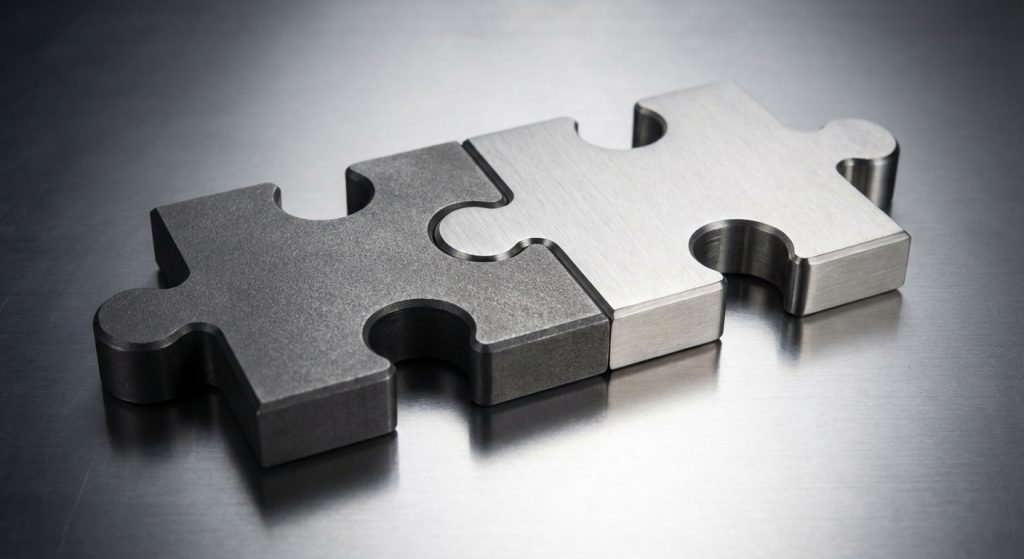
Zirconium and titanium are rarely direct replacements; instead, they are complementary materials that excel in different industrial niches. In a zirconium vs titanium comparison, zirconium can replace titanium in high-temperature acidic environments, but titanium remains irreplaceable for structural aerospace roles. You should view them as two distinct tools in your engineering toolkit rather than interchangeable substitutes.
Do hybrid applications exist?
In advanced turbine engines, you will often find a titanium structural core protected by a zirconium-based ceramic coating. This hybrid approach allows you to gain the weight benefits of titanium while utilizing the heat resistance of zirconium.
Think about it:
- Titanium provides the “bones.”
- Zirconium provides the “heat shield.”
- Together, they enable higher operating temperatures.
When should you switch materials?
You should consider switching from titanium to zirconium if your components are failing due to extreme acid corrosion or thermal softening. Conversely, move toward titanium if your project is over-weight and needs a higher strength-to-weight ratio to function.
Bottom line:
| Scenario | Choose Zirconium | Choose Titanium | |
|---|---|---|---|
| Acid Processing | Yes | No | |
| Seawater Exposure | No | Yes | |
| Weight Reduction | No | Yes |
Understanding these clear-cut boundaries prevents costly material selection errors in your production line.
Key Takeaway: Use zirconium for heat and chemicals, and titanium for strength and weight savings, or combine them for the ultimate performance hybrid.
Conclusion: Solving Your Advanced Material Challenges
This analysis has detailed how choosing between zirconium and titanium can solve your most pressing engineering challenges. Whether you need to survive 1800°C furnace temperatures, resist corrosive mineral acids, or reduce the weight of a jet engine component, the data provided here gives you a clear path forward. By matching the specific oxide stability and density of these metals to your environment, you eliminate the risk of catastrophic failure and optimize your total cost of ownership.
We believe that material science is the foundation of industrial progress. Our mission is to provide you with the high-purity powders and technical expertise needed to push the boundaries of what is possible in your field. To ensure your next project achieves maximum performance, contact us today for a consultation with our senior engineers. Let’s build a more resilient and efficient future together.
FAQ: Common Questions on Zirconium and Titanium
Can I use zirconium powder for 3D printing parts for seawater use? It is not recommended. Titanium is significantly better for seawater resistance, whereas zirconium is better suited for acidic chemical processing environments.
What’s the best way to store these reactive powders? It depends on the volume, but generally, you must store them in airtight containers under argon or in a vacuum. This prevents oxidation and significant fire hazards.
How do I know if I need nuclear-grade zirconium? Yes, if your component is going inside a reactor core. Nuclear-grade material must be hafnium-free to ensure it doesn’t absorb the neutrons needed for the reaction.
What’s the best choice for a high-temperature furnace lining? Zirconium-based materials are superior. Their higher melting point and thermal insulation properties make them more durable than titanium in furnace applications.
Can I mix zirconium and titanium powders manually? No. While Ti-Zr alloys exist, mixing them manually without a controlled metallurgical process will result in poor material properties and potential safety risks.