Zirconium is a lustrous, silver-grey transition metal renowned for its exceptional corrosion resistance, high melting point, and vital role in nuclear and industrial engineering. You likely deal with high-stakes environments where material failure isn’t just an inconvenience—it’s a catastrophic financial risk. Relying on standard alloys in corrosive or high-heat zones leads to frequent replacements and costly downtime. By understanding the unique properties of zirconium vs titanium , you can specify materials that withstand the most punishing conditions, ensuring long-term operational stability and safety.
Is appearance key in zirconium vs titanium?
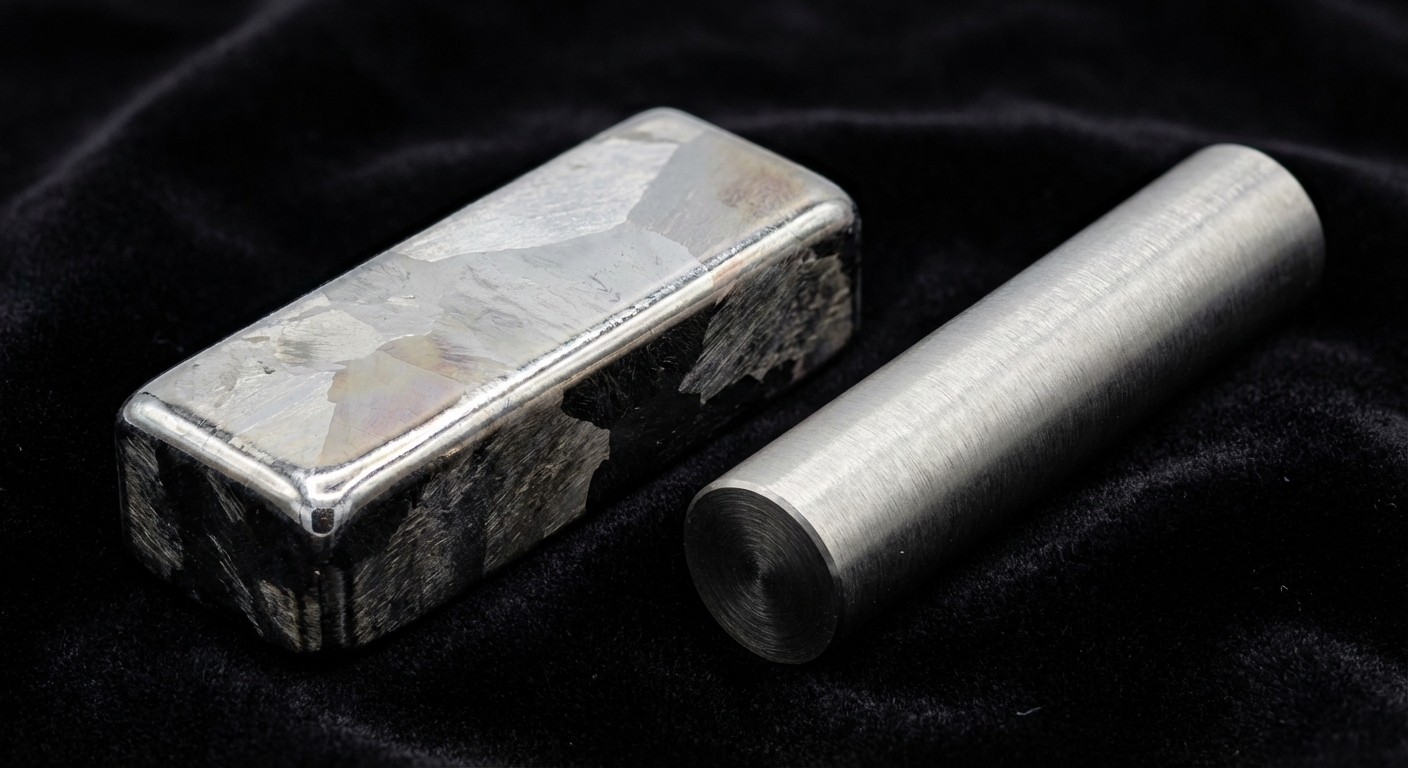
The appearance of these metals is a vital indicator of their surface finish quality and purity levels in precision manufacturing. When evaluating zirconium vs titanium , you will notice that pure zirconium exhibits a distinct silver-grey luster that remains stable under various atmospheric conditions. This aesthetic quality is more than just surface-deep; it reflects the metal’s inherent resistance to oxidation.
The silver-grey luster of pure Zr
Pure zirconium is prized for its ductile nature and bright metallic sheen. It maintains this appearance even when exposed to moisture or mild acids.
- High reflectivity in polished states.
- Resistance to tarnishing over time.
- Dense grain structure visible under macro-inspection.
Why does surface finish matter in precision parts?
But that’s not all. In B2B applications, a smooth surface finish reduces friction and prevents the accumulation of contaminants in chemical processing equipment. Think about this: a superior finish directly correlates to the longevity of your mechanical seals and valves.
Comparing ductility and metal sheen
The ductility of zirconium allows it to be formed into complex shapes without losing its characteristic glow. This ensures that even the most intricate components maintain structural and visual integrity throughout their service life.
Key Takeaway: Choosing zirconium for parts that require high surface integrity ensures lower maintenance and better visual inspection of wear patterns over time.
| Metric | Zirconium | Titanium | |
|---|---|---|---|
| Visual Luster | Bright Silver-Grey | Dull Metallic Grey | |
| Surface Stability | Very High | High | |
| Ductility | Excellent | Good |
Superior surface stability reduces the risk of micro-cracking during intensive forming processes.
Where is the source for zirconium vs titanium?
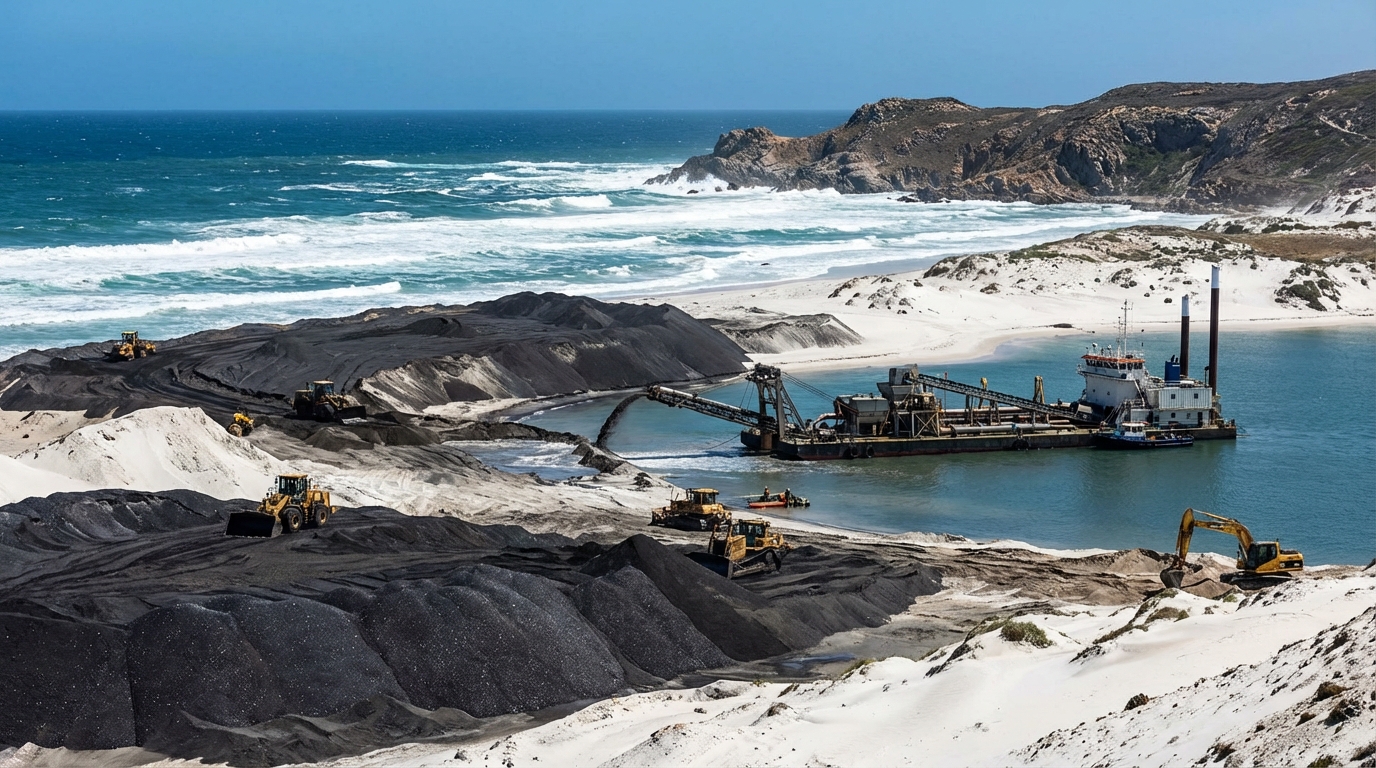
Zirconium is primarily sourced from the mineral zircon, which is commonly found dispersed within the sands of coastal waters and ancient mineral deposits. The geological availability of zirconium vs titanium differs significantly, as zirconium is rarely found in concentrated veins but rather broadly distributed across the Earth’s crust.
Extracting minerals from coastal sands
Mining operations often target heavy mineral sands to recover zircon. This process requires sophisticated dredging and separation techniques to isolate the valuable ore.
- Magnetic separation removes iron impurities.
- Electrostatic processes isolate non-conductive minerals.
- Gravity spirals concentrate the heavy zircon particles.
Is global distribution widespread?
It gets better. Major production hubs are located in Australia, South Africa, and China, providing a stable global supply chain for industrial users. While it is also found in lunar rocks and distant stars, terrestrial mining remains the only viable commercial path for your procurement needs.
Key Takeaway: Understanding the geographic diversity of zircon mining helps you manage supply chain risks by identifying diverse sourcing regions for your raw materials.
| Resource Factor | Zircon Source | Titanium Source | |
|---|---|---|---|
| Primary Ore | Zircon Sand | Ilmenite / Rutile | |
| Global Leaders | Australia, South Africa | China, Canada | |
| Abundance | Widespread | Highly Abundant |
Diversified sourcing from stable regions mitigates the impact of localized geopolitical disruptions on your material costs.
What is the history of zirconium vs titanium?
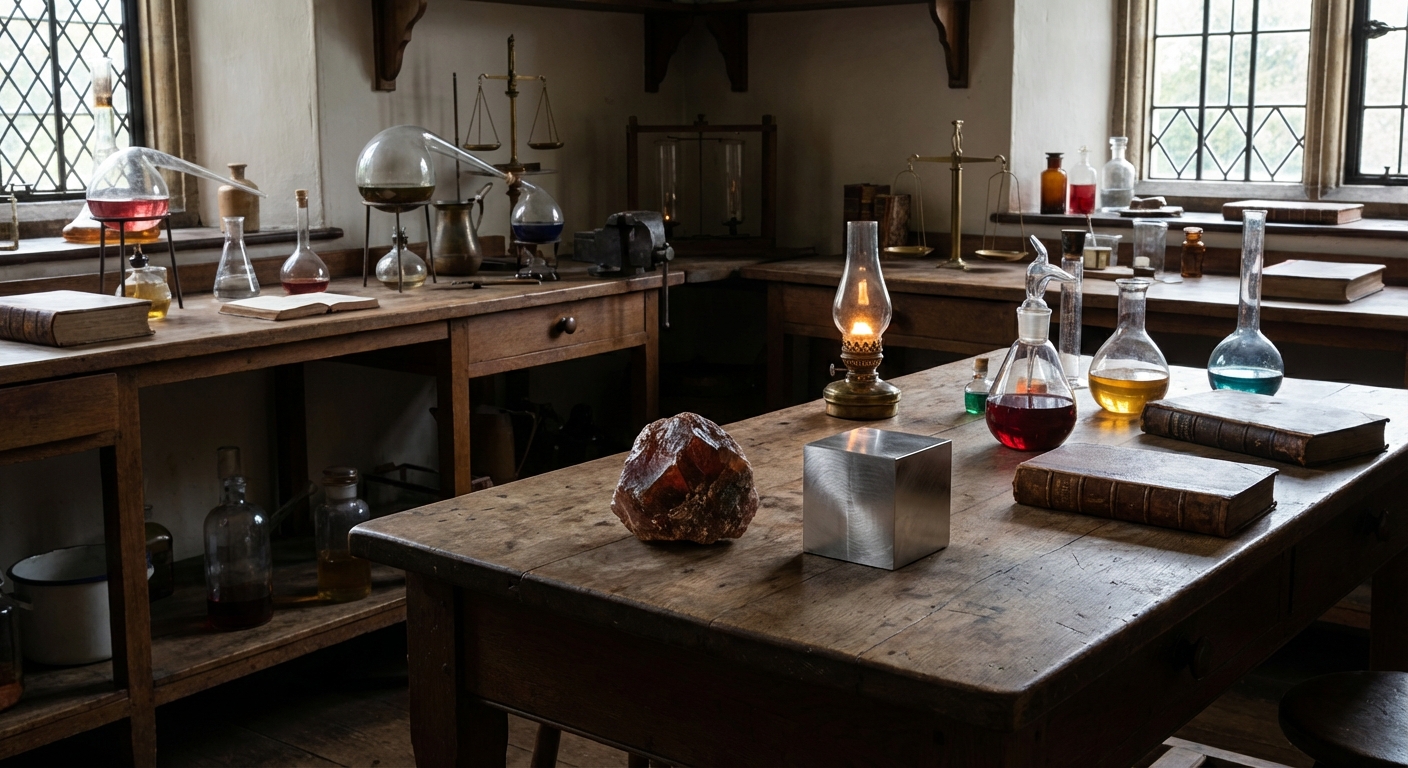
The history of zirconium dates back to the late 18th century, although its industrial potential was only realized centuries later. Looking at the timeline of zirconium vs titanium , you will find that zirconium was first identified as a distinct element in 1789 by German chemist Martin Klaproth.
From 18th-century discovery to industrial use
Klaproth isolated the oxide from a zircon specimen brought from Sri Lanka. However, producing the metal in its pure form proved to be an immense technical challenge for early scientists.
- 1789: Discovery of Zirconium oxide.
- 1824: First isolation of impure metal powder.
- 1925: Production of high-purity ductile zirconium.
When did commercial production begin?
You might be wondering when it became a staple. Commercial production surged in the late 1940s, driven primarily by the needs of the burgeoning nuclear power industry. Before this era, its applications were largely limited to specialized laboratory research and decorative gemstones.
Key Takeaway: The long history of refining zirconium has resulted in ultra-pure modern alloys that offer reliability that early industrial pioneers could only imagine.
| Milestone | Zirconium | Titanium | |
|---|---|---|---|
| Identification | 1789 | 1791 | |
| Pure Metal | 1925 | 1910 | |
| Industrial Scale | 1945+ | 1950+ |
Historical development cycles show that zirconium achieved high-purity standards just in time for the nuclear age.
Why choose nuclear zirconium vs titanium?
Zirconium is the preferred choice for nuclear applications because it possesses an exceptionally low thermal neutron capture cross-section. In the critical evaluation of zirconium vs titanium for reactor cores, zirconium’s transparency to neutrons allows the fission chain reaction to proceed with maximum efficiency.
The role of low neutron absorption
Neutrons must move freely through cladding materials to maintain the reactor’s power levels. If the material absorbs too many neutrons, the fuel efficiency drops significantly.
- Zirconium absorption: ~0.18 barns.
- Titanium absorption: ~6.1 barns.
- Result: Higher fuel economy for zirconium systems.
How do fuel rods protect the coolant?
Think about this: zirconium cladding acts as a vital barrier between radioactive fuel pellets and the circulating water coolant. It prevents contamination while withstanding the intense radiation flux found inside the reactor pressure vessel.
Is cladding essential for safety?
The structural integrity of this cladding is non-negotiable for plant safety. Zirconium alloys are engineered to resist “creep” and corrosion under high-pressure steam, ensuring the fuel remains securely contained for years.
Key Takeaway: For any application involving neutron flux or nuclear thermal management, zirconium is technically superior to almost any other engineering metal.
| Property | Zirconium (Nuclear) | Titanium | |
|---|---|---|---|
| Neutron Capture | Extremely Low | Moderate | |
| Radiation Stability | Excellent | Good | |
| Thermal Conductivity | High | Moderate |
Lower neutron absorption directly translates to reduced fuel enrichment costs and longer reactor cycle times.
How does medicine use zirconium vs titanium?
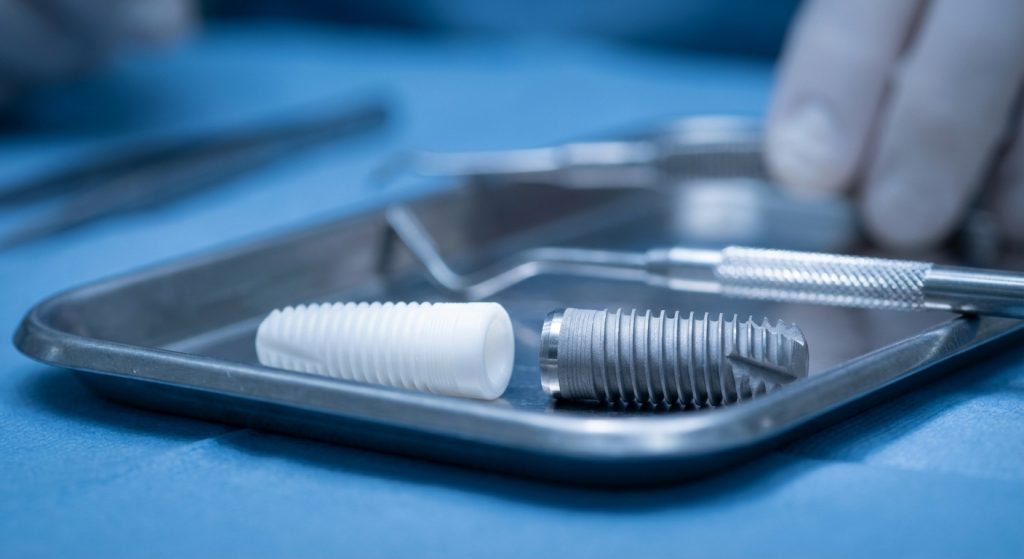
Medicine utilizes these materials primarily for their biocompatibility, which allows them to integrate with human bone and tissue without triggering immune rejections. When comparing zirconium vs titanium in a clinical setting, zirconium (as zirconia) is often favored for its aesthetic similarity to natural teeth and its metal-free properties.
Biocompatibility in dental implants
Zirconia dental implants provide a tooth-colored alternative that is highly resistant to bacterial plaque accumulation. This makes it an ideal solution for patients with metal sensitivities or those requiring high-esthetic results in the “smile zone.”
- Non-allergenic properties.
- High translucency for natural looks.
- Exceptional “osseointegration” (bonding with bone).
Are surgical components durable?
But here is the kicker. Zirconium dioxide is incredibly tough and wear-resistant, making it suitable for hip and knee replacement components. It offers a low-friction surface that minimizes the release of wear debris into the body over decades of use.
Key Takeaway: Utilizing zirconium-based medical components reduces the risk of inflammatory responses and provides a more natural aesthetic for dental patients.
| Application | Zirconia | Titanium | |
|---|---|---|---|
| Color | White/Translucent | Metallic Grey | |
| Allergy Risk | Extremely Low | Low | |
| Wear Rate | Very Low | Low |
Zirconia’s inert nature makes it the premium choice for patients prioritizing long-term tissue health and aesthetics.
Is heat resistance better in zirconium vs titanium?
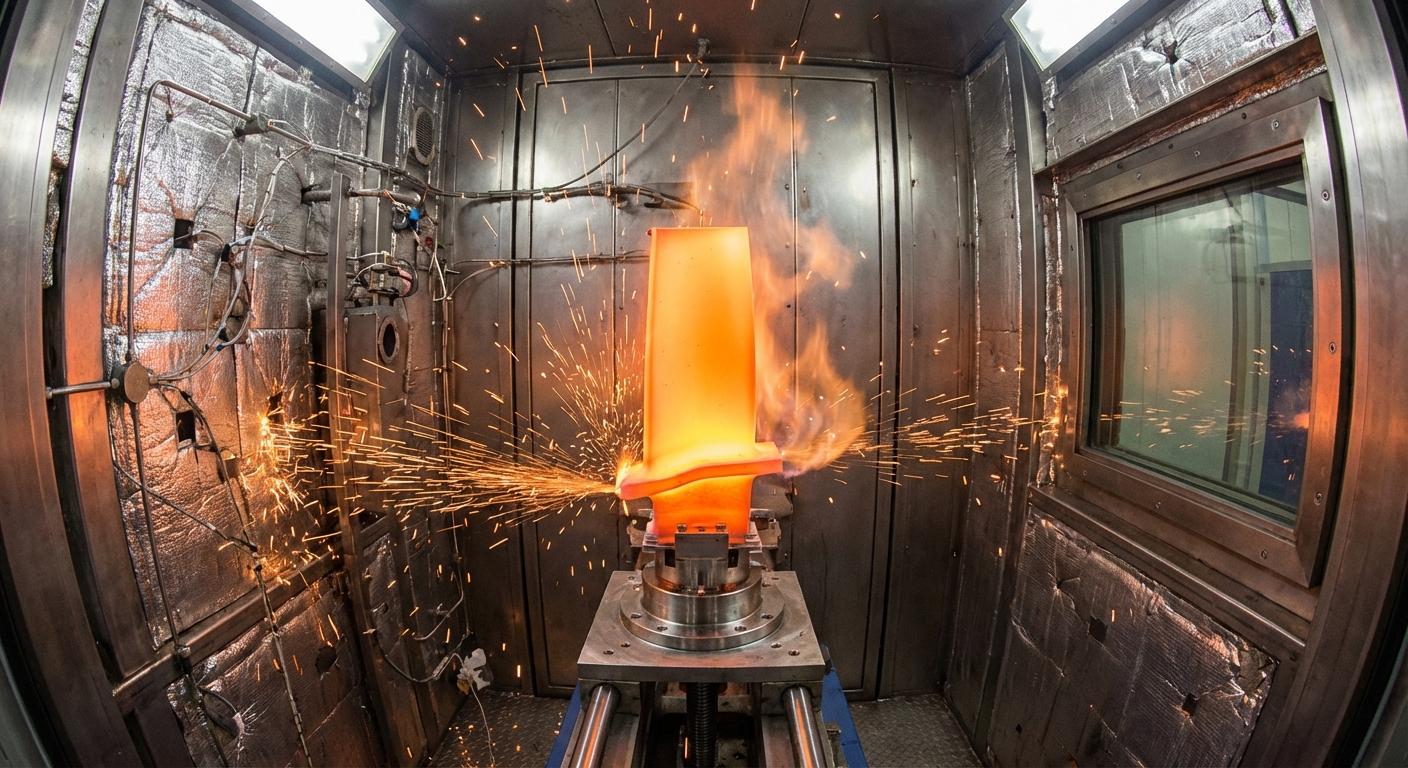
Zirconium offers superior heat resistance in extreme environments due to its higher melting point and better stability against thermal shock. In high-temperature comparisons of zirconium vs titanium, zirconium remains solid and structurally sound at temperatures where many other structural metals would begin to soften or oxidize rapidly.
Comparing melting points for jet engines
Zirconium melts at approximately 1855°C, providing a significant safety margin for aerospace and furnace components. This allows engineers to push operating temperatures higher to achieve better thermal efficiency.
- Zirconium melting point: 1855°C.
- Titanium melting point: 1668°C.
- Application: High-temperature combustion liners.
Thermal shock resistance in refractories
The story gets even more interesting. Zirconium-based ceramics are utilized in refractory bricks that line industrial kilns. These materials can withstand rapid heating and cooling cycles without cracking, which is a common failure mode in lower-grade alloys.
Key Takeaway: Specifying zirconium for high-heat zones allows your equipment to operate at higher temperatures, directly improving the efficiency of your thermal processes.
| Thermal Property | Zirconium | Titanium | |
|---|---|---|---|
| Melting Point | 1855°C | 1668°C | |
| Max Service Temp | Higher | Moderate | |
| Thermal Expansion | Low | Moderate |
Higher melting points allow for increased power density in engine designs without compromising component safety.
Which is more stable, zirconium vs titanium?
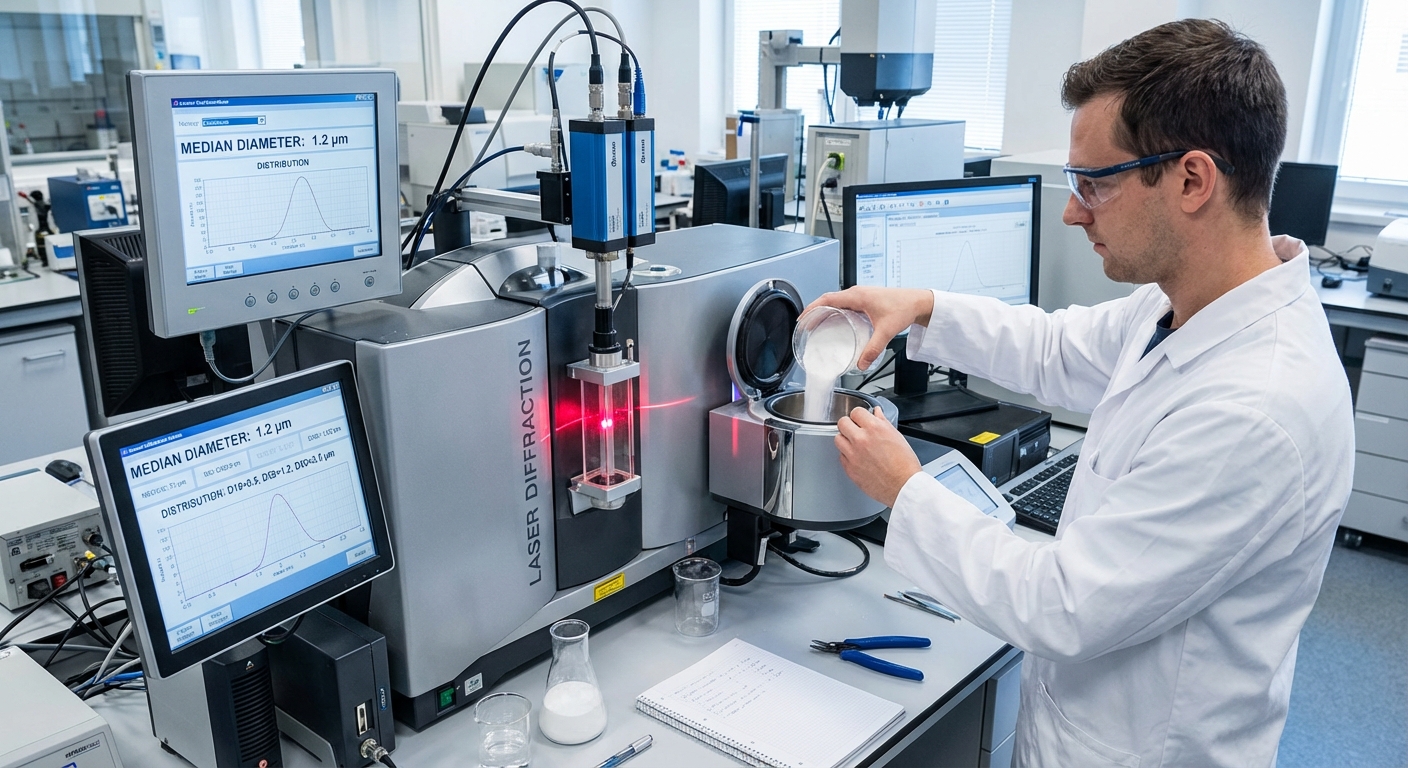
Chemical and phase stability are where zirconium truly excels, particularly when processed into advanced ceramic powders. When you look at zirconium vs titanium , the ability to control phase purity in zirconium-based materials leads to much more predictable manufacturing outcomes.
Reducing batch-to-batch variation
Precision manufacturing requires materials that behave exactly the same way every time they enter the kiln. Zirconium materials with controlled particle size distribution (PSD) minimize shrinkage errors during sintering.
- Narrow PSD ensures uniform density.
- Controlled chemistry prevents “pitting” in glazes.
- High phase purity eliminates structural weak points.
The importance of phase purity in ceramics
Believe it or not, the arrangement of atoms—the “phase”—determines the final strength of the ceramic. By stabilizing the tetragonal phase of zirconia, manufacturers create a material that actually gets stronger if it begins to crack, a phenomenon known as “transformation toughening.”
Key Takeaway: Investing in high-stability zirconium powders reduces your scrap rate and ensures that every finished part meets your rigorous quality standards.
| Stability Metric | Zirconium Powder | Titanium Powder | |
|---|---|---|---|
| Phase Control | Excellent | Good | |
| Sintering Predictability | High | Moderate | |
| Storage Shelf-life | Indefinite | Limited (Oxidizes) |
Controlled particle distribution is the foundation of high-yield automated production lines in the ceramics industry.
Does acid affect zirconium vs titanium?
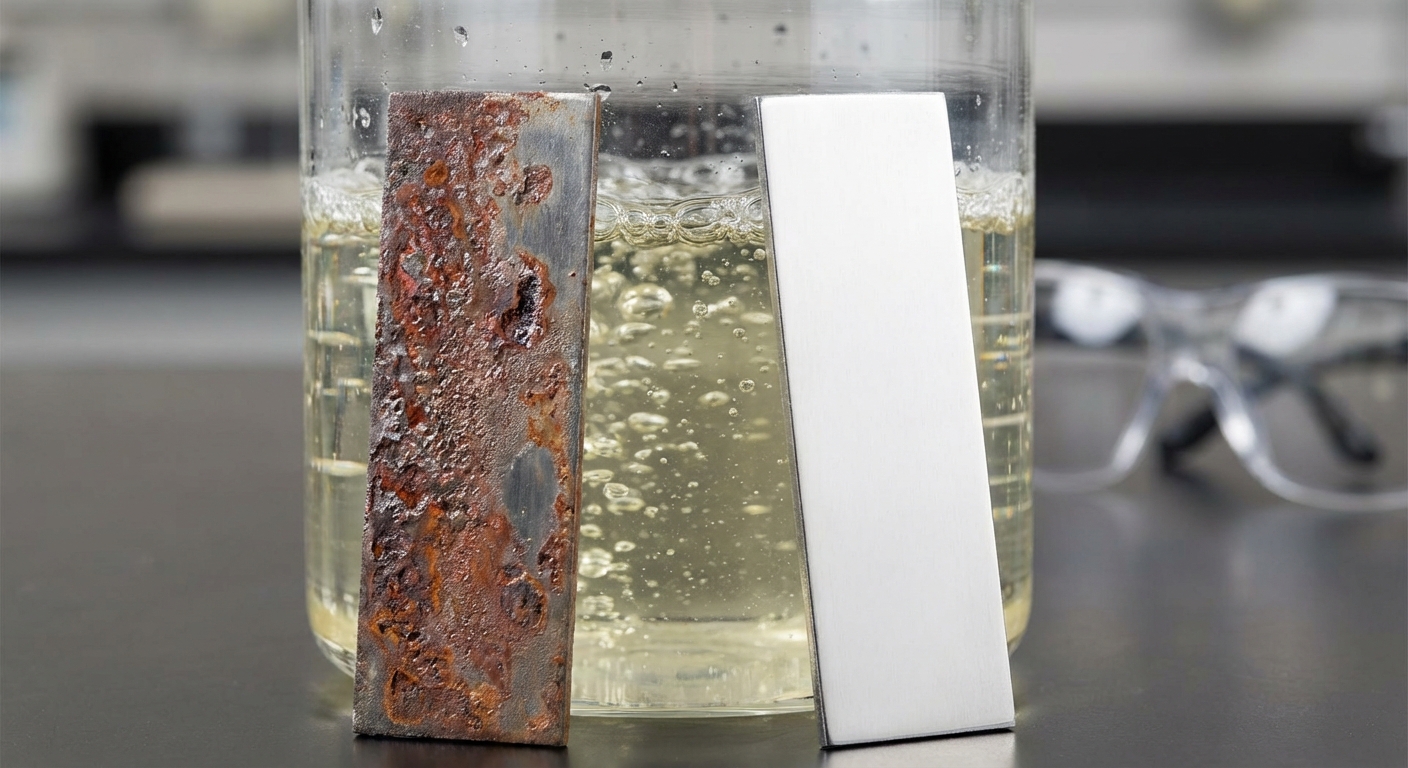
Zirconium is almost entirely immune to corrosion by most acids, alkalis, and even seawater. In a direct standoff of zirconium vs titanium in harsh chemical environments, zirconium is the “last metal standing” when exposed to aggressive media like hydrochloric or sulfuric acid at high concentrations.
Resistance to alkalis and seawater
Many metals that survive acids fail when exposed to strong bases or salty marine air. Zirconium maintains its integrity in both, making it the perfect choice for offshore equipment and alkaline processing tanks.
- Immune to nitric acid up to 90% concentration.
- Outstanding resistance to sodium hydroxide.
- No “pitting” or “crevice corrosion” in seawater.
Industrial chemical processing needs
Think about the cost of a leak. In chemical plants, using zirconium for heat exchangers and piping prevents catastrophic failures caused by corrosion-induced thinning. While the initial investment is higher, the total cost of ownership is drastically lower due to the extended service life.
Key Takeaway: For chemical processing involving volatile acids, zirconium provides a level of safety and longevity that simply cannot be matched by standard industrial metals.
| Corrosive Media | Zirconium | Titanium | |
|---|---|---|---|
| Sulfuric Acid | Exceptional | Good | |
| Hydrochloric Acid | Exceptional | Moderate | |
| Seawater | Perfect | Excellent |
Zirconium’s ability to resist both acidic and basic environments simplifies material selection for complex chemical reactors.
What is the value of zirconium vs titanium?
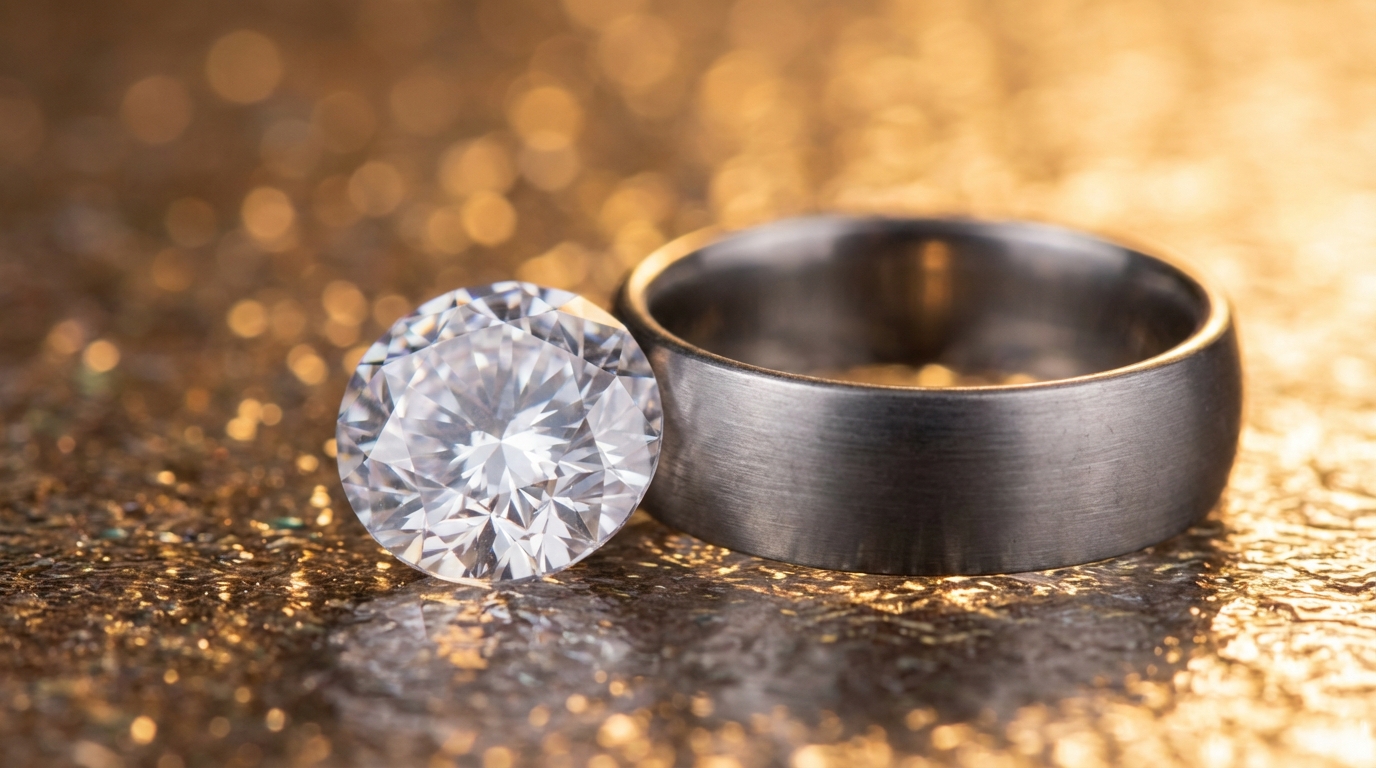
The value of these metals extends from heavy industry to the luxury consumer market, where they offer unique functional and aesthetic benefits. Comparing zirconium vs titanium reveals that zirconium has a dual identity as both a rugged industrial workhorse and a brilliant gemstone alternative.
Gemstone alternatives and cubic zirconia
Cubic zirconia (CZ) is a synthesized form of zirconium dioxide that serves as a high-quality substitute for diamonds. It offers a level of brilliance and fire that makes it indistinguishable to the untrained eye, providing incredible value in the jewelry sector.
- Hardness: 8.5 on the Mohs scale.
- Flawless optical clarity.
- Low cost compared to natural stones.
Cost-efficiency in investment casting
But that’s not all. In the B2B world, zirconium sand and flour are used in investment casting to create precision molds. These molds produce smoother metal finishes and tighter tolerances, reducing the need for expensive secondary machining.
Key Takeaway: Whether you are designing a high-end consumer product or a precision industrial part, zirconium provides a “premium” finish that enhances perceived and functional value.
| Value Category | Zirconium (Zirconia) | Titanium | |
|---|---|---|---|
| Consumer Use | Jewelry / Watches | Watches / Frames | |
| Precision Tooling | Excellent | Moderate | |
| Refractive Index | Very High | N/A |
Zirconium’s versatility allows it to solve problems in both heavy manufacturing and high-fashion luxury markets.
What is the future for zirconium vs titanium?
The future of advanced manufacturing will rely heavily on these elements to meet the demands of space exploration and clean energy. When we look at the trajectory of zirconium vs titanium, we see zirconium taking a lead role in the next generation of solid-state batteries and fuel cell technologies.
Innovations in advanced ceramics
New manufacturing techniques like 3D printing with zirconia powders are opening doors to complex geometries that were previously impossible to cast or machine. This allows for lighter, stronger components in aerospace and high-performance automotive sectors.
- Additive manufacturing of engine parts.
- Solid-electrolyte sensors for emission control.
- Ultra-tough ceramic coatings for cutting tools.
Can these metals drive net-zero goals?
The push for net-zero carbon emissions requires more efficient nuclear reactors and hydrogen fuel cells. Zirconium’s role in nuclear cladding and ceramic membranes for hydrogen separation makes it a cornerstone of the green energy transition.
Key Takeaway: Incorporating zirconium into your R&D pipeline today positions your company at the forefront of the upcoming sustainable industrial revolution.
| Future Trend | Zirconium Potential | Titanium Potential | |
|---|---|---|---|
| Space Exploration | High (Refractories) | High (Structural) | |
| Clean Energy | Very High (Nuclear/FC) | High (Hydrogen Storage) | |
| 3D Printing | Rapidly Growing | Established |
Zirconium’s unique electrochemical and thermal properties make it indispensable for the next wave of energy infrastructure.
Conclusion
Choosing the right material for high-performance applications doesn’t have to be a gamble. We have explored how zirconium solves the most pressing challenges in corrosion, heat resistance, and nuclear efficiency. By understanding the critical differences in chemical stability and mechanical properties, you can eliminate material failure from your list of concerns. At our core, we believe that material science is the engine of industrial progress. We are committed to providing the technical expertise and high-purity materials you need to build a more resilient future. If you are ready to optimize your production and reduce quality risks, contact us today to speak with an application engineer.
FAQs
Can I use zirconium implants if I have a metal allergy?Yes, zirconia is a ceramic material that is bio-inert and frequently recommended for patients with sensitivities to traditional metal alloys.
How do I know if my dental crown is zirconia or titanium?Zirconia crowns are tooth-colored and translucent, whereas titanium is a grey metal typically used for the internal implant post.
Which material lasts longer for industrial grinding?Zirconium-based grinding media generally provide higher density and better wear resistance, leading to a longer service life in high-intensity milling.
Is zirconium safer than titanium for high-heat environments?Yes, zirconium’s significantly higher melting point and thermal shock resistance make it the safer choice for refractory linings and nuclear cladding.
Can I recycle zirconium components from my factory?Yes, zirconium is fully recyclable, though it requires specialized processing to maintain its high purity for reuse in sensitive industries.