A Zirconia Crown is a modern dental restoration made from zirconium dioxide, a high-performance ceramic known for its exceptional strength and lifelike translucency. You might be suffering from a cracked molar that makes every meal a painful chore, or perhaps an old metal crown has left an unsightly gray line at your gumline. This aesthetic and functional failure can drain your confidence, making you hesitant to smile in professional settings or enjoy tough foods. Fortunately, the solution lies in advanced ceramic engineering that combines the durability of metal with the beauty of natural enamel. By choosing a Zirconia Crown , you are investing in a biocompatible, long-lasting restoration that seamlessly integrates into your oral health routine.
What Is a Zirconia Crown and How Is It Made?
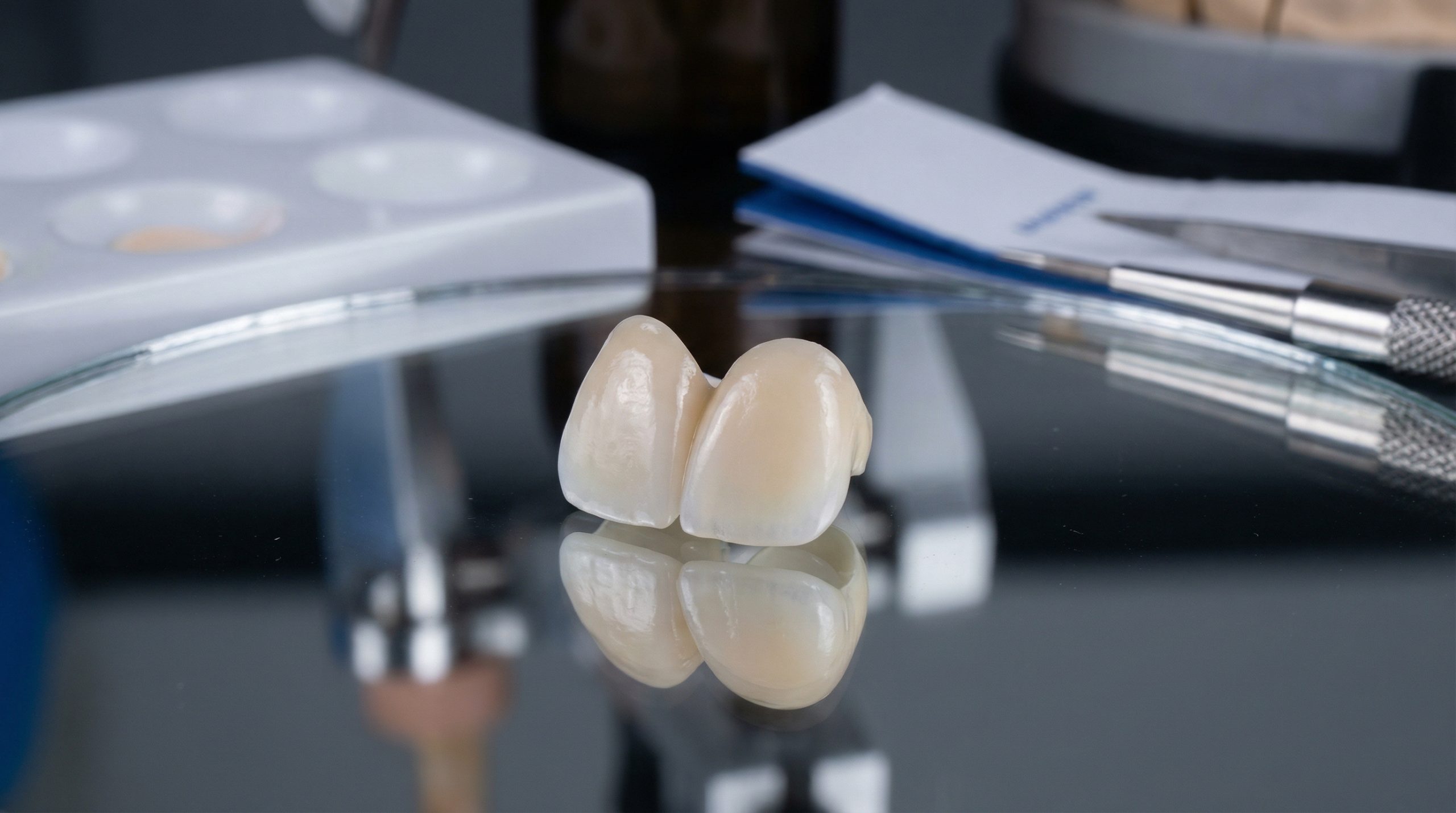
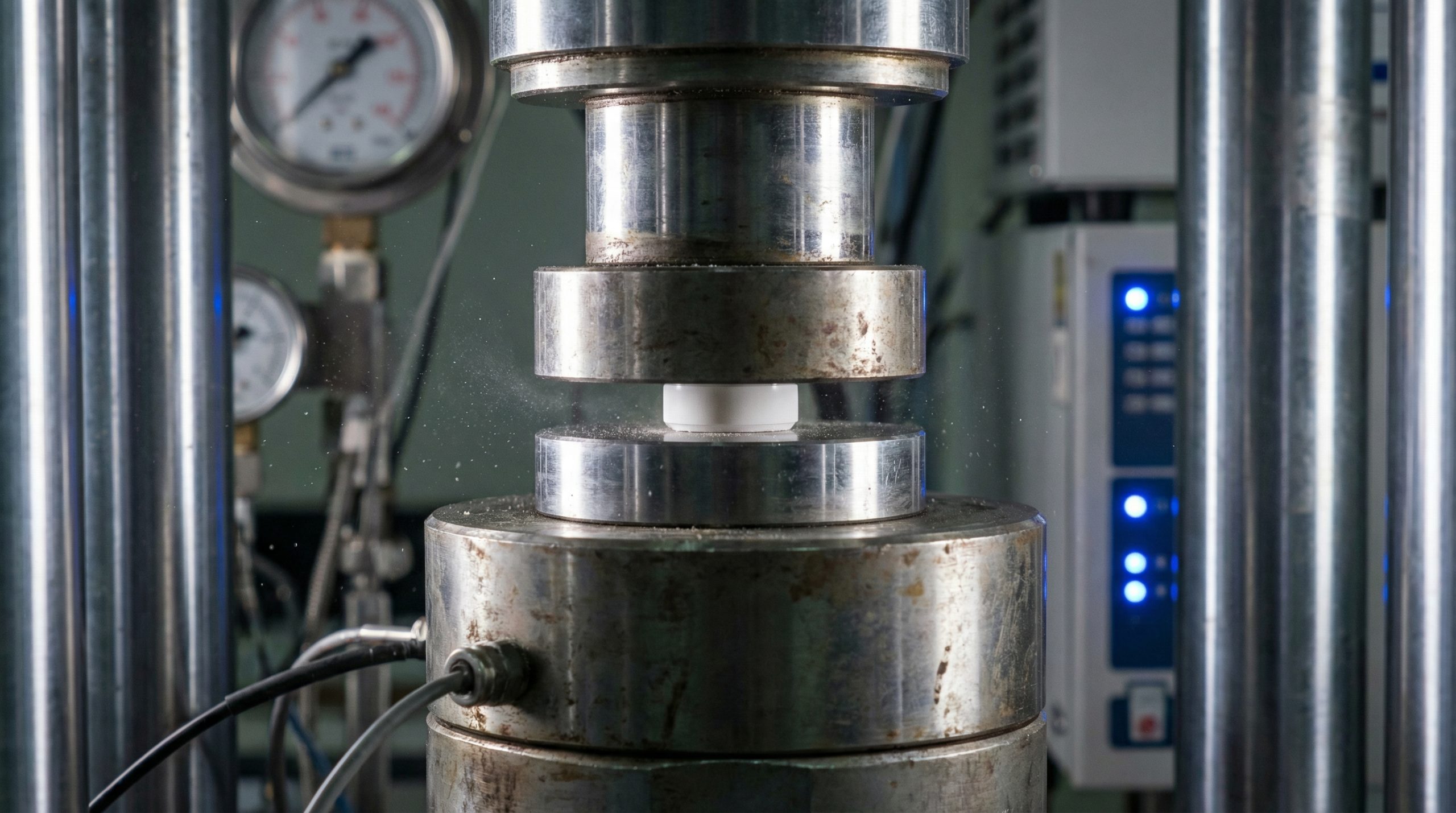
A Zirconia Crown is a “monolithic” dental cap carved from a solid block of zirconium dioxide using precision CAD/CAM technology. Unlike older restorations that layer porcelain over a metal substructure, these are milled to exact specifications to ensure a perfect fit.
What materials are in the ceramic?
The primary component is zirconium dioxide, often stabilized with yttria to prevent structural cracking over time. This unique chemical composition allows the material to undergo “transformation toughening” under stress.
- It is 100% metal-free.
- The material is chemically inert.
- It resists oxidation and corrosion.
Think about it: you are getting a material used in aerospace engineering for your smile.
How does the milling process work?
Digital scans of your mouth are sent to a milling machine that carves the restoration with sub-millimeter accuracy. This process eliminates the human error often associated with traditional stone molds and wax castings.
But that’s not all. The crown is then “sintered” in a high-heat furnace to reach its final, indestructible hardness. This ensures the fit is airtight and comfortable.
Key Takeaway
The manufacturing process focuses on digital precision and material purity to create a restoration that outperforms traditional options.
| Feature | Specification | |
|---|---|---|
| Material | Zirconium Dioxide (ZrO2) | |
| Processing | CAD/CAM Milling | |
| Biocompatibility | High (Hypoallergenic) |
The integration of digital workflows ensures that your restoration is structurally sound and tailored specifically to your unique dental anatomy.
What Are the Main Benefits of a Zirconia Crown?
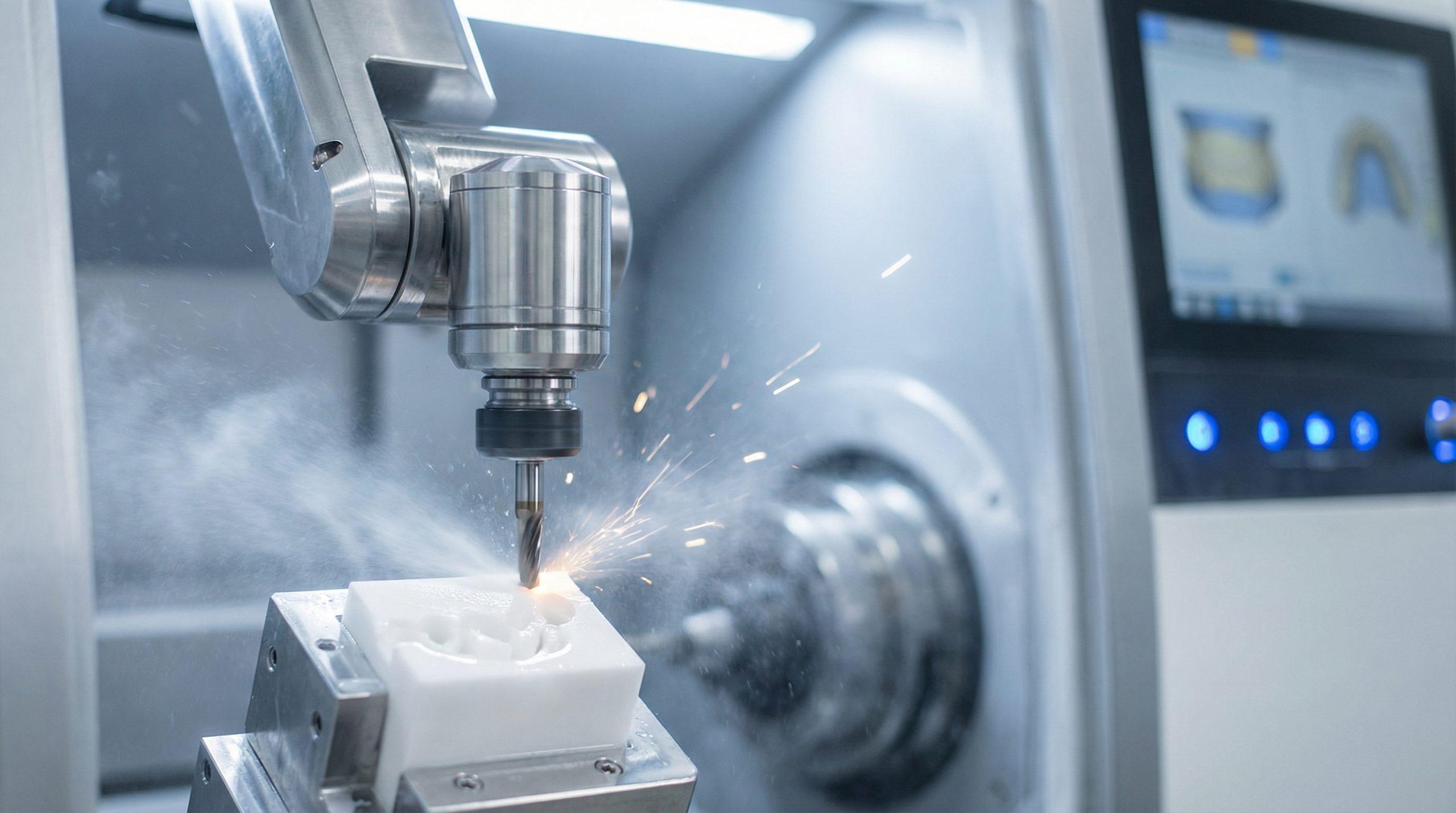
The primary benefits of a Zirconia Crown include extreme fracture resistance, superior aesthetics, and the ability to preserve more of your natural tooth structure during preparation. Because the material is incredibly strong even in thin layers, your dentist does not need to remove as much healthy enamel to make room for the cap.
Why is strength a priority?
Zirconia is virtually indestructible, making it the ideal choice for back molars that endure heavy chewing forces. It can withstand pressures that would cause traditional porcelain-fused-to-metal (PFM) crowns to chip or crack.
- It supports heavy mastication forces.
- It is resistant to wear and tear.
- It protects the underlying tooth from decay.
Here’s the deal: you can eat steak or crunchy vegetables without the constant fear of your dental work failing.
Is it safe for your gums?
Biocompatibility is a major advantage, as the ceramic does not cause the allergic reactions or inflammation sometimes seen with nickel or base-metal alloys. Your gum tissue tends to stay healthier and more aesthetic around the margins of the restoration.
You might be wondering if it looks natural. The answer is a resounding yes, as modern shading techniques allow the material to mimic the light-reflecting properties of real teeth.
Key Takeaway
Choosing this material ensures a balance between long-term functional reliability and a metal-free, healthy oral environment.
| Benefit Category | Impact | |
|---|---|---|
| Durability | Rated for 10-15+ years | |
| Aesthetics | No dark metal margins | |
| Oral Health | Reduced tissue irritation |
The combination of strength and safety makes this the gold standard for patients seeking a worry-free dental restoration.
Why Is a Zirconia Crown Better Than Porcelain?
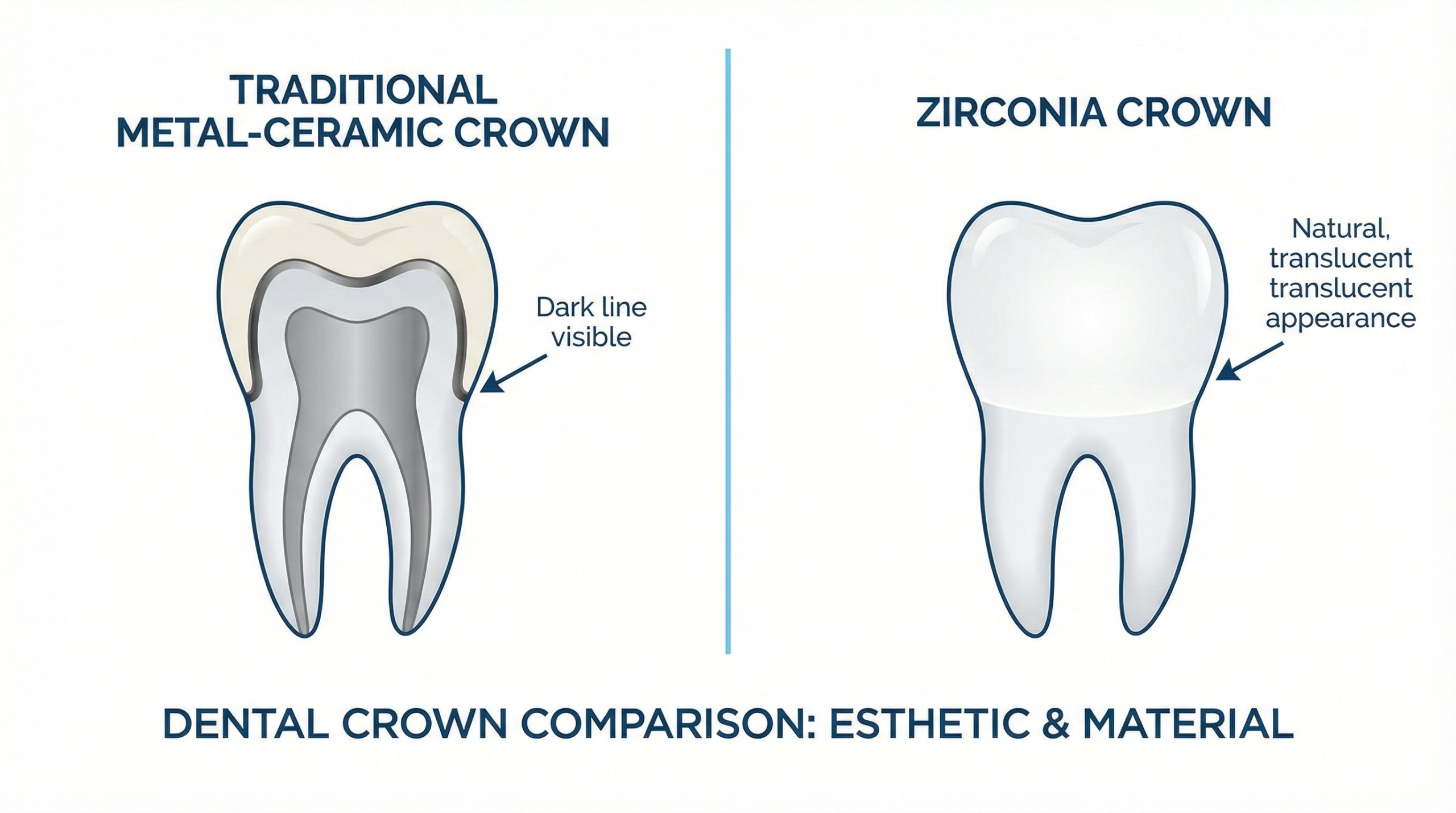
A Zirconia Crown is superior to traditional porcelain because it offers significantly higher flexural strength and does not require a dark metal base for support. While porcelain is beautiful, it is brittle and prone to fracturing under the intense pressure of the jaw.
How do the materials compare?
Traditional porcelain crowns often need a metal framework (PFM) to stay intact, which creates a visible dark line near the gums. Zirconia is strong enough to be used “monolithically,” meaning the entire crown is one solid, tooth-colored piece.
- Zirconia has 5x the strength of porcelain.
- It requires less tooth reduction.
- It offers better edge stability.
But wait, there’s more. Because there is no metal, you will never experience that tell-tale “fake tooth” look as your gums naturally recede over time.
What about temperature sensitivity?
Zirconia acts as an excellent insulator, reducing the “zing” you might feel when drinking hot coffee or eating ice cream. Traditional metal-based crowns transfer heat and cold directly to the nerve of the tooth.
This means you enjoy a much more comfortable daily experience. The thermal expansion coefficient is also very similar to natural teeth, ensuring a stable bond.
Key Takeaway
Zirconia eliminates the aesthetic and structural weaknesses of porcelain-fused-to-metal designs while providing better insulation.
| Material Feature | Porcelain (PFM) | Zirconia (Solid) | |
|---|---|---|---|
| Fracture Risk | Moderate to High | Very Low | |
| Gum Aesthetics | Dark line possible | Natural appearance | |
| Tooth Prep | Aggressive | Conservative |
Upgrading to zirconia represents a significant shift toward more conservative and aesthetically pleasing dental interventions.
How Durable Is a Zirconia Crown in Daily Use?
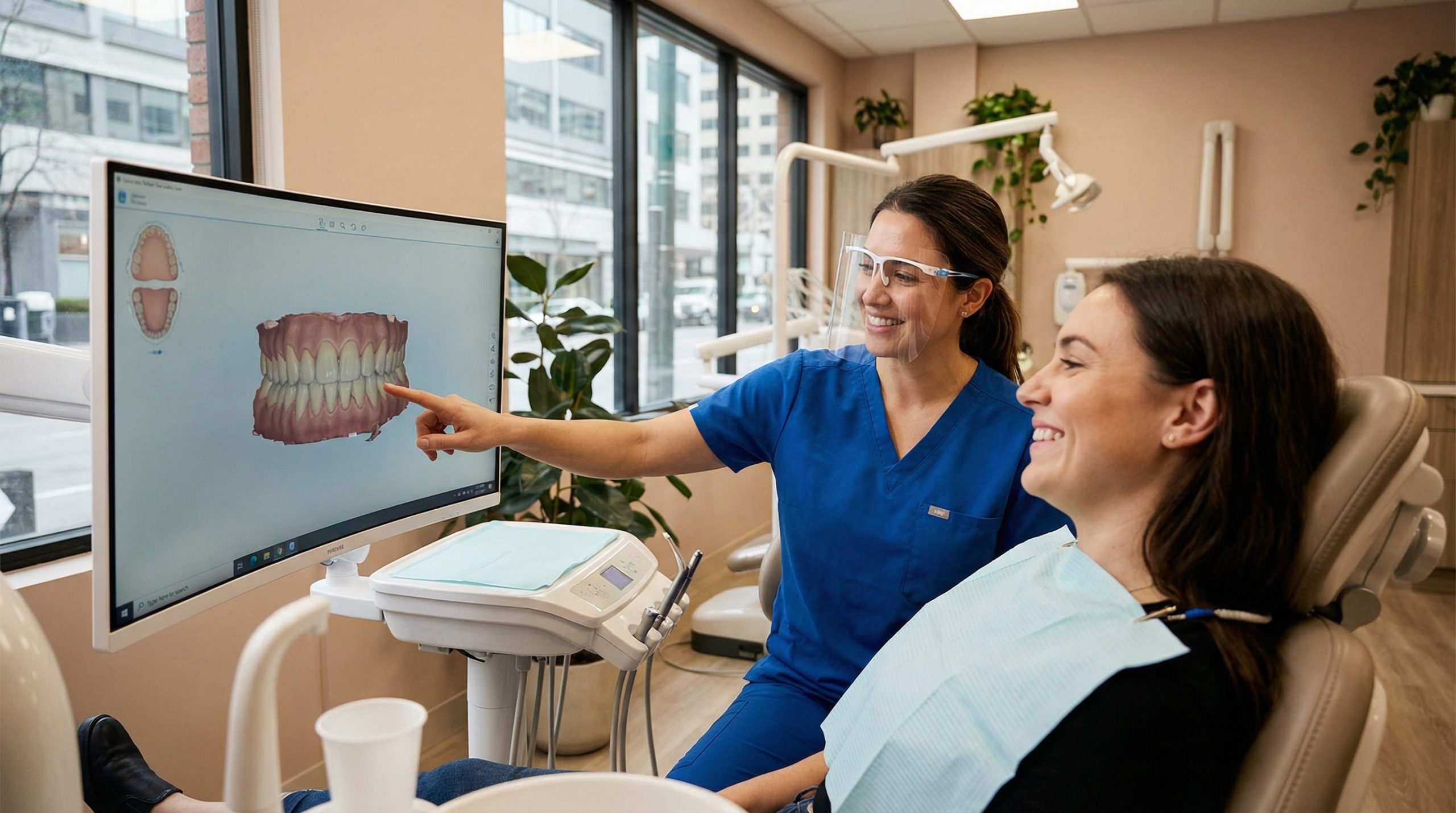
In daily use, a Zirconia Crown is exceptionally durable, typically lasting between 10 and 15 years with standard oral hygiene practices. It is specifically designed to resist the grinding forces of bruxism and the acidic environment of the mouth.
Can it handle heavy chewing?
The flexural strength of dental zirconia often exceeds 1,000 MPa, which is far beyond the natural forces generated during a typical meal. This makes it the preferred choice for molars and patients who have a history of breaking other types of restorations.
- It resists surface scratches.
- It maintains its shape under pressure.
- It does not “wear down” opposing teeth excessively.
The bottom line is this: your restoration is built to last through thousands of chewing cycles.
Does it stain over time?
Unlike natural enamel or some resin-based composites, the surface of a zirconia restoration is non-porous and highly resistant to staining. Coffee, tea, and red wine will not discolor the crown, allowing your smile to stay bright for years.
You don’t have to worry about your crown looking “old” compared to your other teeth. It retains its polished luster indefinitely.
Key Takeaway
Durability is the standout feature of this material, providing a long-term ROI for patients who want to avoid frequent dental chair visits.
| Durability Metric | Rating | |
|---|---|---|
| Average Lifespan | 10–15 Years | |
| Stain Resistance | Excellent | |
| Bite Strength | 1,000+ MPa |
The resilience of this ceramic ensures that your functional bite remains intact even under the most demanding dietary conditions.
Can a Zirconia Crown Match Your Natural Teeth?
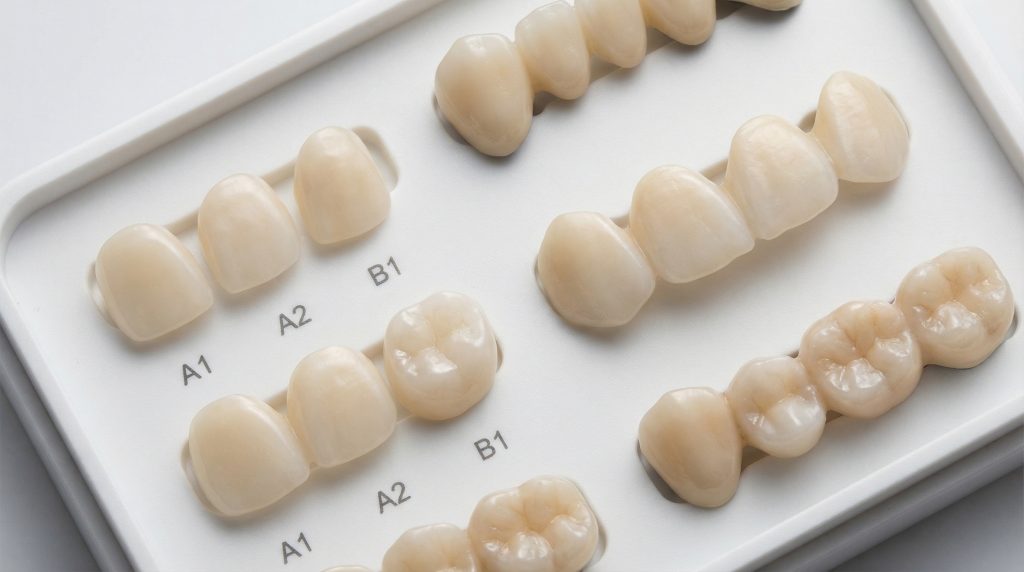
Yes, a Zirconia Crown can be expertly shaded and glazed to match the exact hue, value, and translucency of your surrounding natural teeth. Modern dental labs use multi-layered zirconia blocks that have built-in gradients to mimic the way a real tooth is darker at the root and more translucent at the biting edge.
How is the color customized?
Technicians use a shade guide to identify your natural tooth color and then select a corresponding zirconia block or apply surface stains before the final firing. This ensures that the restoration doesn’t look like a “flat” white block.
- It mimics natural light reflection.
- It allows for internal characterization.
- It provides a seamless blend with neighbors.
Look, the goal is for no one—including you—to be able to tell which tooth is the crown.
Is the translucency realistic?
While older versions were quite opaque, “high-translucency” zirconia now allows light to pass through the material just like natural enamel. This prevents the “chalky” appearance that was a common complaint in the early days of ceramic dentistry.
Now, you can smile with confidence even in bright, direct sunlight. The material captures the depth and vitality of a healthy tooth perfectly.
Key Takeaway
Advances in material science mean that choosing strength no longer requires a compromise on high-end aesthetic results.
| Aesthetic Factor | Achievement | |
|---|---|---|
| Color Matching | VITA Shade Standards | |
| Light Effects | Natural Translucency | |
| Surface Finish | High-Gloss Glaze |
The ability to blend strength with beauty makes this material suitable for both front and back tooth restorations.
What Is the Average Cost of a Zirconia Crown?
The average cost of a Zirconia Crown in the United States typically ranges from 1,000 to 2,500 per tooth. While this is slightly higher than basic porcelain or metal options, the longevity and reduced need for replacement often make it the most cost-effective choice in the long run.
What factors influence the price?
Pricing varies based on your geographic location, the complexity of the case, and whether the crown is milled in-office or sent to a specialized dental laboratory. Highly customized “layered” zirconia for front teeth may sit at the higher end of the spectrum.
- Lab fees and material quality.
- Dentist’s expertise and tech stack.
- Insurance coverage and deductibles.
It’s a simple fact: you get what you pay for when it comes to the materials placed permanently in your body.
Does insurance cover the cost?
Most dental insurance plans view zirconia crowns as a standard “major” restorative procedure and will typically cover 50% of the cost, provided the crown is medically necessary. You should always check your specific policy limits before proceeding.
Many offices offer financing plans to make the upfront cost more manageable. Investing in quality now prevents expensive “redo” procedures later.
Key Takeaway
While the initial investment is higher, the extended lifespan and superior comfort provide better value than cheaper alternatives.
| Cost Component | Estimated Range | |
|---|---|---|
| Professional Fee | 800–1,800 | |
| Material/Lab Fee | 200–700 | |
| Total Out-of-Pocket | 1,000–2,500 |
Balancing the upfront price against the decade-plus of service makes this restoration a sound financial decision for oral health.
Who Is the Ideal Candidate for a Zirconia Crown?

The ideal candidate for a Zirconia Crown is anyone with a severely decayed, cracked, or weakened tooth who desires a metal-free restoration that can withstand significant biting force. It is especially recommended for patients who struggle with bruxism (teeth grinding) or those who have known sensitivities to dental metals.
Is it right for grinders?
Because zirconia is incredibly resistant to wear, it is the best material for people who clench or grind their teeth at night. It won’t shatter or wear down as quickly as natural enamel or traditional porcelain.
- Excellent for back molar restorations.
- Perfect for patients with metal allergies.
- Ideal for replacing old, failing PFM crowns.
Believe it or not, many patients find that their gum health improves significantly after switching from metal-based crowns to zirconia.
What about front teeth?
While strength is its main selling point, high-translucency zirconia is also excellent for front teeth where aesthetics are the top priority. It provides the “pop” of a bright smile without the risk of the material snapping.
Your dentist will evaluate your bite alignment to ensure the crown is the perfect fit for your specific dental arch. It truly is a versatile solution.
Key Takeaway
Most patients requiring a crown are excellent candidates, particularly those prioritizing health, strength, and a metal-free lifestyle.
| Candidate Type | Primary Benefit | |
|---|---|---|
| The Grinder | High fracture resistance | |
| The Allergenic | Hypoallergenic material | |
| The Aesthetic | Natural tooth matching |
Consulting with a professional will confirm if your specific tooth structure is ready for this advanced ceramic upgrade.
What Happens During a Zirconia Crown Procedure?
The procedure for a Zirconia Crown involves preparing the tooth, taking a digital or physical impression, and then bonding the custom-milled restoration to the natural tooth structure. Thanks to CAD/CAM technology, this process can often be completed in a single visit at offices equipped with in-house milling machines.
How is the tooth prepared?
The dentist will numb the area and remove any decay or old filling material, shaping the tooth into a sturdy base for the crown. Because zirconia is so strong, the “prep” is usually very conservative, leaving more of your natural tooth intact.
- Cleaning and disinfecting the site.
- Precision shaping for the cap.
- High-definition digital scanning.
But that’s not all. The digital scan is much more comfortable than the “goopy” impression trays used in the past.
How is the crown bonded?
Once the crown is ready, the dentist checks the fit and color before using a high-strength dental cement to permanently bond it to your tooth. This cement creates a seal that prevents bacteria from entering and causing secondary decay.
The result is a restoration that feels just like a natural part of your body. You can usually go back to your normal routine the same day.
Key Takeaway
The process is streamlined, comfortable, and designed to preserve as much of your healthy natural tooth as possible.
| Procedure Step | Duration (Approx) | |
|---|---|---|
| Preparation | 30–45 Minutes | |
| Digital Scanning | 10 Minutes | |
| Final Bonding | 15 Minutes |
Modern technology has turned a multi-week ordeal into a fast, efficient, and pain-free restorative experience.
How Do You Maintain a Zirconia Crown for Longevity?
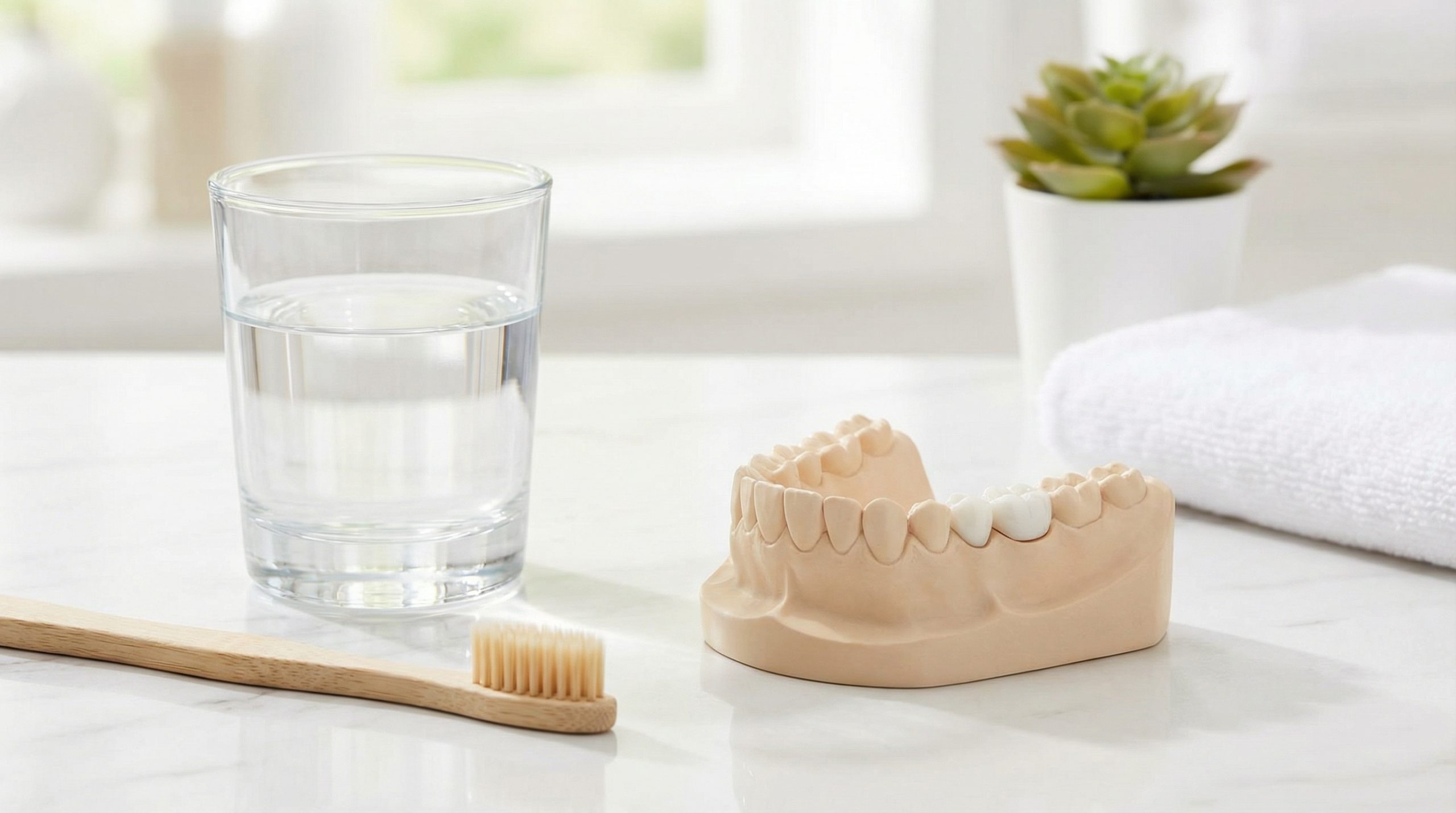
Maintaining a Zirconia Crown is remarkably simple: you treat it exactly like a natural tooth with twice-daily brushing, daily flossing, and regular professional cleanings. While the crown itself cannot decay, the natural tooth underneath and the surrounding gum tissue are still susceptible to disease.
What are the daily rules?
Use a non-abrasive fluoride toothpaste and a soft-bristled brush to keep the margins of the crown clean. Flossing is critical to remove plaque from the area where the crown meets the gumline, as this is where bacteria like to hide.
- Brush for two minutes twice a day.
- Floss every night before bed.
- Avoid using your teeth as tools (e.g., opening bottles).
Here’s the deal: if you take care of the foundation, the crown will take care of you for decades.
Do you need special checkups?
Regular six-month dental visits are essential so your dentist can monitor the integrity of the bond and the health of the surrounding bone. They will check for any signs of gum recession or bite misalignment that could put unnecessary stress on the restoration.
Consistency is the secret to a lifetime of dental health. Your crown is a high-tech tool that requires just a little bit of respect.
Key Takeaway
Standard, high-quality oral hygiene is all that is required to ensure your investment lasts for its full intended lifespan.
| Maintenance Task | Frequency | |
|---|---|---|
| Brushing | 2x Daily | |
| Flossing | 1x Daily | |
| Professional Exam | Every 6 Months |
By following these simple guidelines, you protect both your aesthetic smile and your long-term functional health.
Where Can You Find the Best Zirconia Crown Supplies?
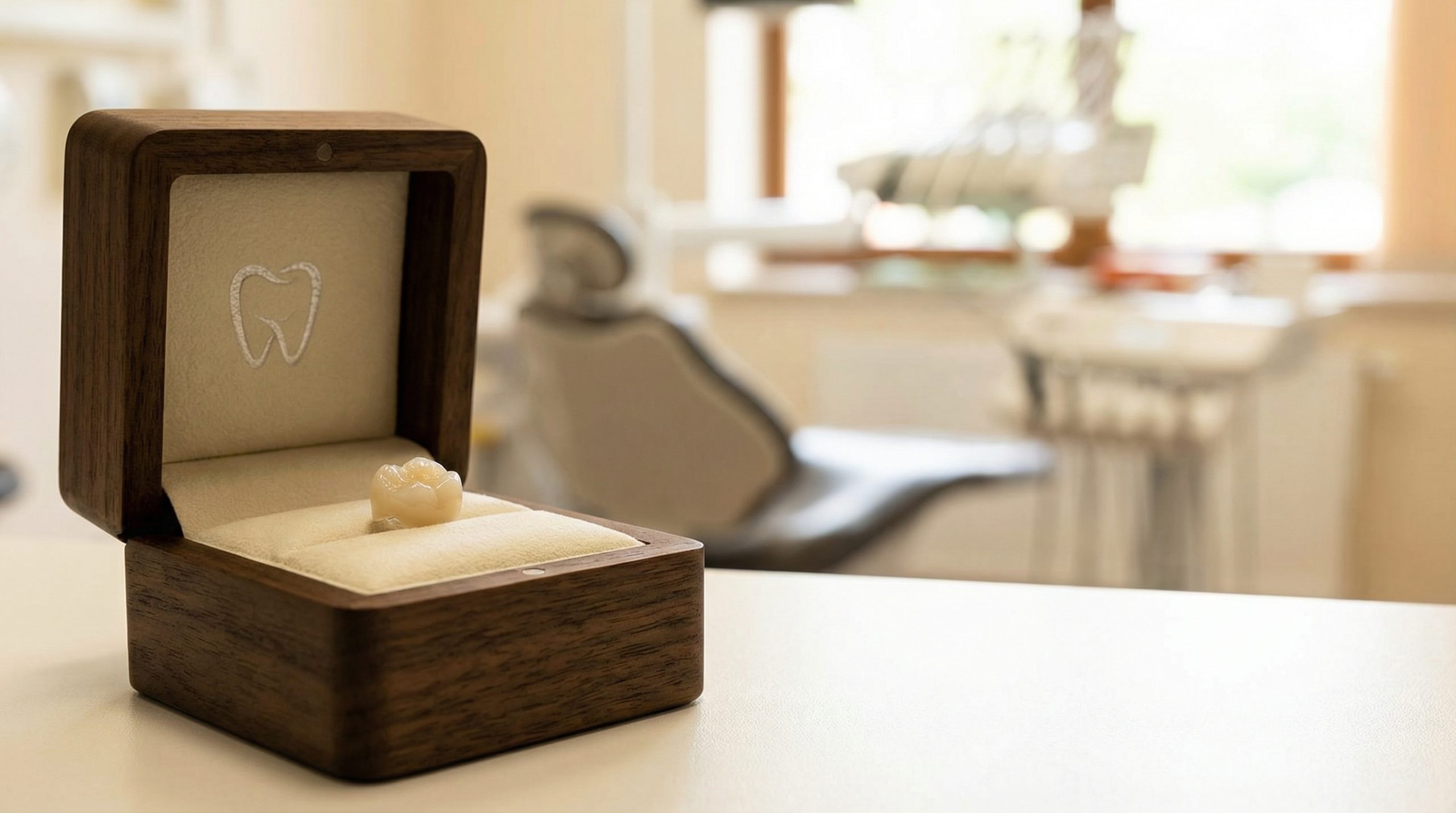
For dental laboratories and clinics, sourcing high-purity Zirconia Crown materials is essential to ensuring patient safety and restoration longevity. ZrBrontec specializes in vertically integrated zirconia production, offering powders and blanks that meet strict ISO standards for biocompatibility and sintering consistency.
Why choose a direct manufacturer?
By working with a direct supplier, you ensure that the raw materials used for your restorations are free from impurities and have a controlled particle size for maximum strength. This reduces the risk of production defects like chipping or inconsistent color matching.
- 8,000+ MT annual production capacity.
- 15+ dedicated technical engineers.
- Full batch traceability for quality control.
You shouldn’t settle for “mystery” materials when it comes to patient health and clinic reputation.
How do you get started?
Quality dental restorations begin with quality raw materials. Whether you are a lab looking to upgrade your CAD/CAM output or a clinic seeking the best for your patients, choosing a verified supplier is the first step toward excellence.
To learn more about high-performance dental ceramics or to request custom specifications for your laboratory, contact us today . Our team of experts is ready to help you elevate your restorative standards.
Summary & Final Recommendations
Zirconia dental crowns have solved the age-old problem of choosing between “pretty” porcelain and “strong” metal. By utilizing zirconium dioxide, patients receive a restoration that is biocompatible, virtually indestructible, and indistinguishable from a natural tooth. While the initial cost may be slightly higher, the reduction in repairs and the confidence of a metal-free smile provide a superior long-term outcome.
Our vision is to empower dental professionals with the most stable, high-performance materials on the market to ensure every patient walks away with a smile that lasts a lifetime. If you are ready to experience the future of restorative dentistry, reach out to our technical team for a consultation on the latest zirconia advancements.
Frequently Asked Questions
1. Can I get a Zirconia Crown in a single day?Yes, if your dentist utilizes in-office CAD/CAM technology like CEREC. They can scan your tooth, mill the crown from a solid block of zirconia, and bond it in place during a single appointment.
2. What’s the best way to prevent a Zirconia Crown from falling off?The most effective way is to ensure proper tooth preparation and high-quality bonding. As a patient, avoiding extremely sticky candies like taffy can also help protect the integrity of the dental cement.
3. How do I know if I’m allergic to my crown?You are very unlikely to be allergic to zirconia. It is a biocompatible ceramic that is widely used in medical implants because it does not cause the allergic reactions often associated with metals like nickel.
4. Can I whiten a Zirconia Crown?No, dental ceramics do not respond to whitening gels. If you plan to whiten your natural teeth, you should do so before the crown is made so your dentist can match the restoration to your new, brighter shade.
5. What is the best material for a back molar?Monolithic zirconia is currently considered the best material for molars. It provides the extreme strength needed for chewing without the risk of porcelain chipping off a metal base.