In precision manufacturing, confusing raw ore with processed material leads to batch inconsistencies that devastate your bottom line. You face surface pinholes in ceramic glazes, structural cracks in refractory bricks, and failed CAD/CAM tolerances in dental labs when the wrong mineral is selected. Using Zirconium Oxide engineered by ZrBrontec ensures your production chain maintains the highest stability and phase purity.
What defines high-purity Zirconium Oxide?
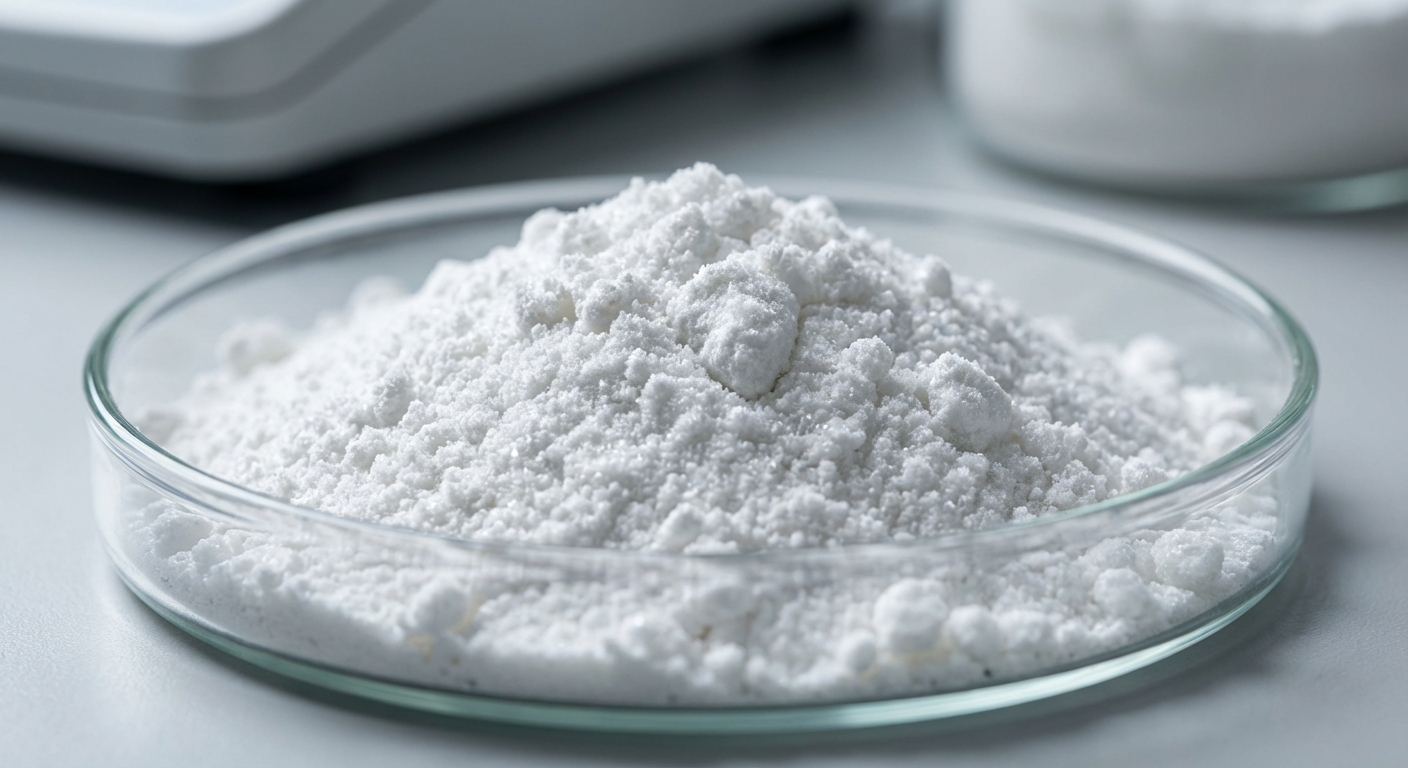
Zirconium Oxide is an inorganic, synthetic ceramic powder known for its high melting point, mechanical strength, and chemical inertness. In its pure form, this material exists in monoclinic, tetragonal, and cubic phases depending on the temperature.
Zirconium Oxide is primary for advanced industrial applications because of its crystalline stability. While it occurs naturally as the mineral baddeleyite, most industrial-grade powders are chemically processed from zircon sand to remove impurities.
Is it a metal or a ceramic mineral?
Believe it or not, many people mistake the two. Zirconium is the silvery transition metal, while Zirconium Oxide is the ceramic oxide of that metal.
- Zirconium: The pure metal element (Zr).
- Zirconia: The ceramic oxide (ZrO2).
- Zirconium Silicate: The natural mineral ore (ZrSiO4).
What is the chemical structure of zirconia?
But that is not all. The way the atoms are arranged determines whether the material will survive extreme environments or shatter under pressure.
- Monoclinic: Stable at room temperature up to 1170°C.
- Tetragonal: High strength phase found between 1170°C and 2370°C.
- Cubic: The phase utilized for gemstones and high-temp sensors above 2370°C.
Key Takeaway: Zirconium Oxide is a highly engineered ceramic material, distinct from both the raw metal element and the natural silicate mineral ore.
| Property | Zirconium Oxide (ZrO2) | Description | |
|---|---|---|---|
| Origin | Synthetic / Processed | Chemically refined from ore | |
| Phase | Multi-phase | Temperature-dependent structure | |
| Hardness | ~8.5 Mohs | Superior to natural zircon |
Is Zircon different from Zirconium Oxide?
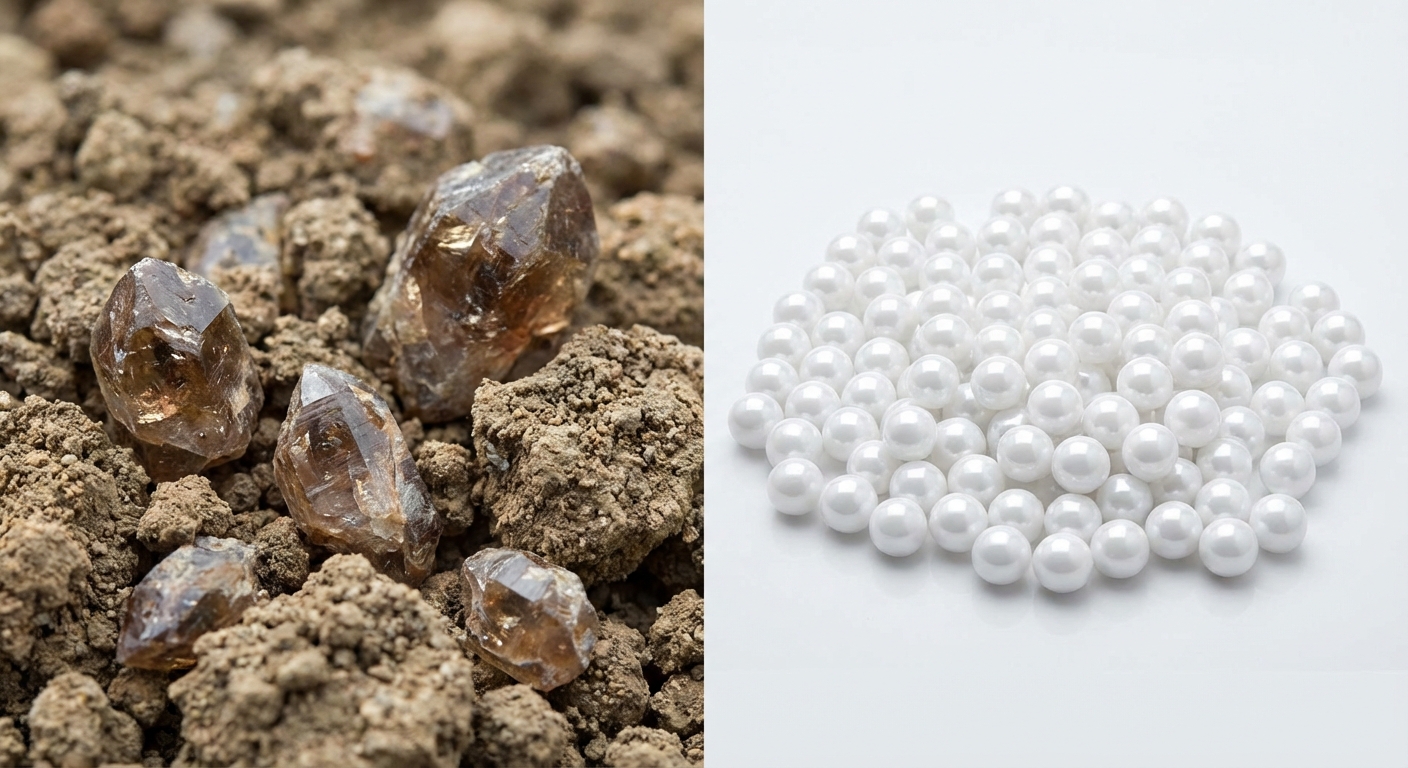
Zircon is a natural silicate mineral (ZrSiO4), whereas Zirconium Oxide (ZrO2) is a man-made oxide derived through chemical refinement. Zircon is extracted directly from earth as sand or gemstones, but Zirconium Oxide requires intense processing to strip away the silica.
Zirconium Oxide offers much higher chemical purity and physical performance than natural zircon. For you, this means a material that is more resistant to thermal shock and wear in demanding industrial processes.
Which one is a natural gemstone?
Here is the kicker: natural zircon has been used in jewelry for centuries. It is a genuine “fine stone” that comes in various colors like blue, brown, and red.
- Found in nature as crystals.
- Known for high double refraction.
- Hardness of 7.5 on the Mohs scale.
Why are the names frequently confused?
Think about this for a second. The names sounds almost identical, and both contain the element zirconium, which naturally leads to linguistic overlap in procurement departments.
- Similarity in spelling (Zircon vs. Zirconia).
- Shared elemental base (Zirconium).
- Overlapping industrial uses in ceramics.
Key Takeaway: Zircon is an ore provided by nature, while Zirconium Oxide is a high-performance material provided by advanced chemical engineering.
| Feature | Natural Zircon | Zirconium Oxide | |
|---|---|---|---|
| Formula | ZrSiO4 | ZrO2 | |
| Hardness | 7.5 Mohs | 8.5 Mohs | |
| Transparency | Varies (often brown) | Brilliant white or clear |
How does Zirconium Oxide improve glazes?
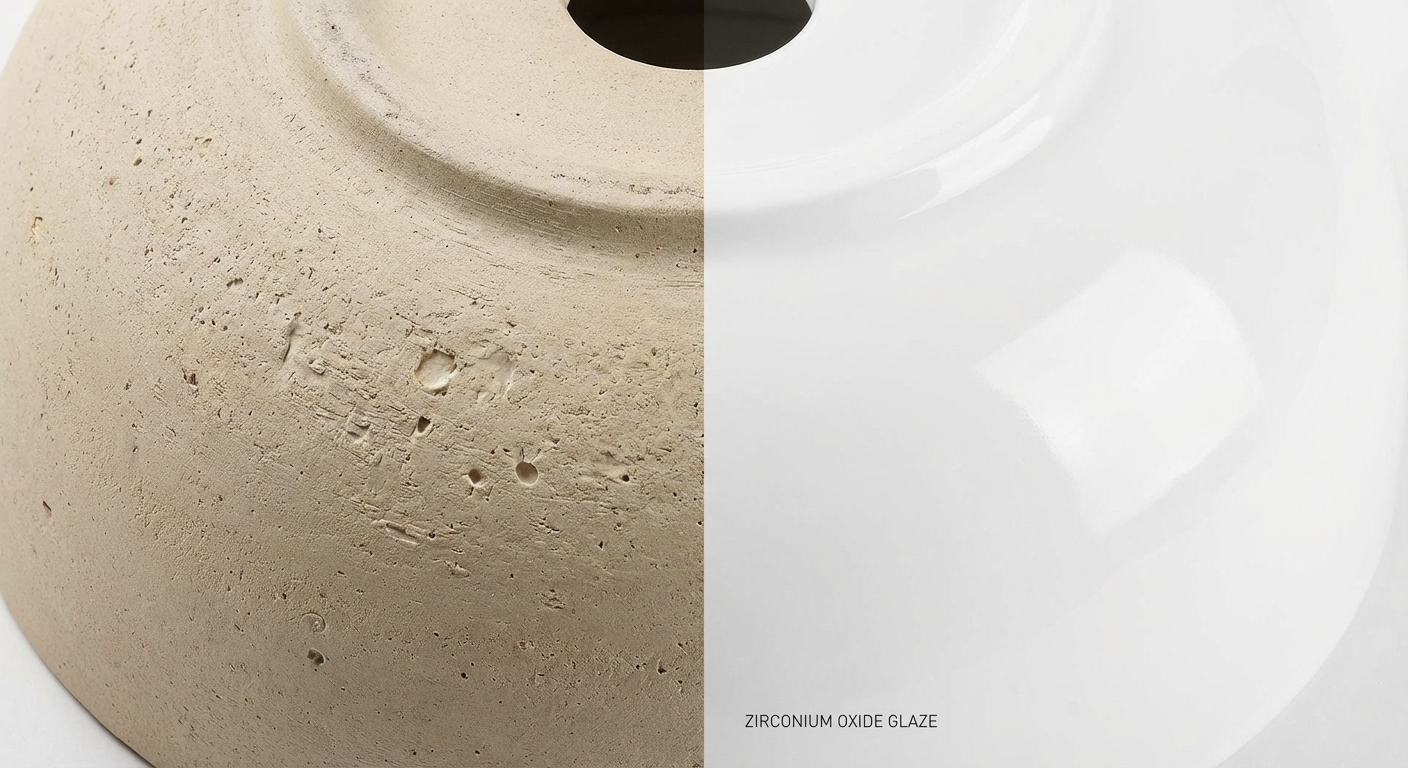
Zirconium Oxide acts as a powerful opacifier in ceramic glazes, providing consistent whiteness and a smooth surface finish. It is superior to standard silicates because it does not react as easily with other glaze components at high temperatures.
Zirconium Oxide helps you achieve a high-gloss, premium finish on sanitary ware and tableware. Its high refractive index ensures that the ceramic body underneath remains completely hidden under a vibrant white layer.
Can it solve surface pinhole defects?
You know the frustration of opening a kiln to find pitted surfaces. Using stabilized Zirconium Oxide reduces the process variation that typically causes pinholes and orange peel effects.
- Controls slurry rheology.
- Improves melt viscosity during firing.
- Reduces outgassing from the ceramic body.
Does it enhance final product whiteness?
But that’s not all. The purity of the oxide directly correlates to the “L” value (lightness) of your finished ceramic products.
- Pure ZrO2 has minimal iron contamination.
- Prevents yellowing or graying in white glazes.
- Provides a stable base for ceramic pigments.
Key Takeaway: Integrating Zirconium Oxide into your glaze formulations drastically reduces defect rates and increases the perceived value of your ceramic products through superior whiteness.
| Defect Solved | Zirconium Oxide Benefit | Result | |
|---|---|---|---|
| Pinholes | Surface tension control | Flawless, smooth glaze | |
| Yellowing | Low Fe2O3 content | Pure white finish | |
| Opacity | High refractive index | Complete body coverage |
Why is Zirconium Oxide vital for dental?
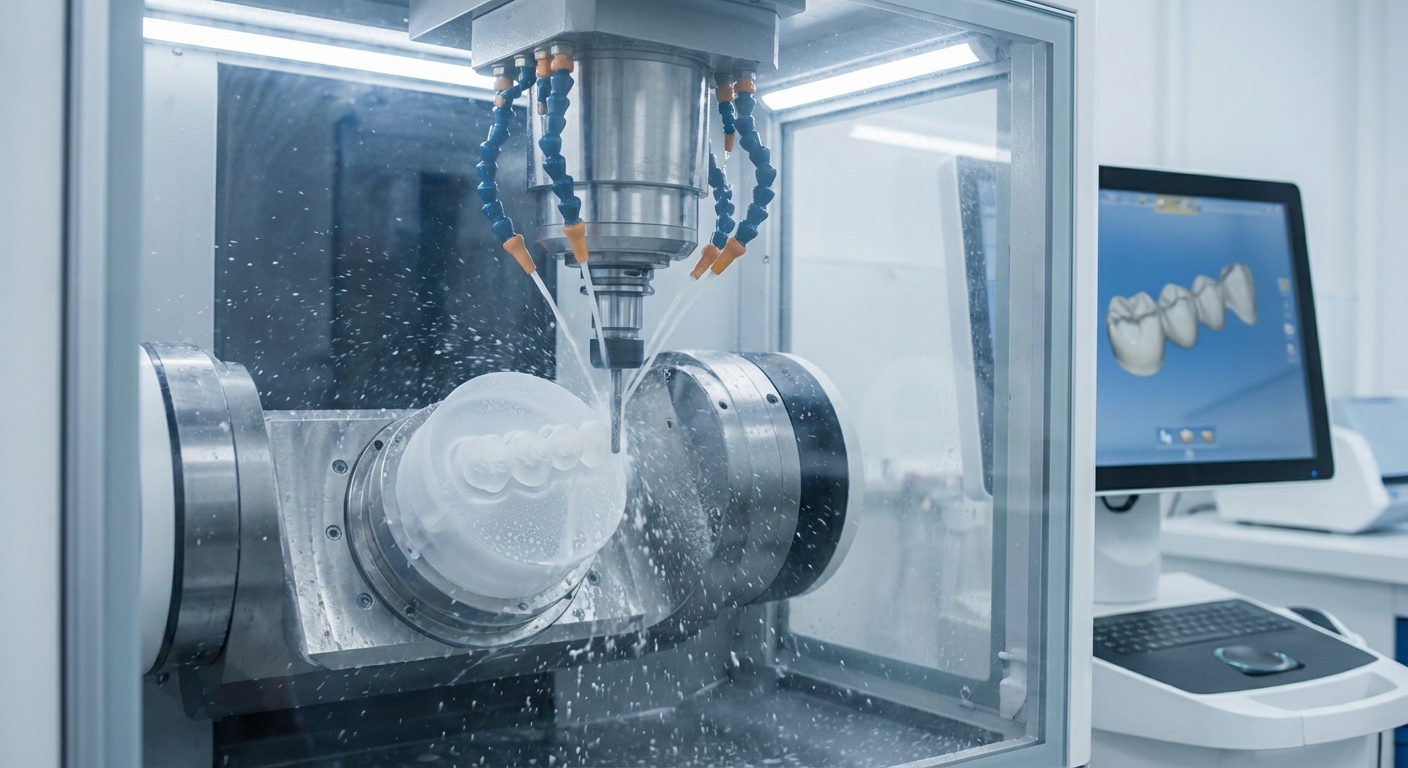
Zirconium Oxide is the gold standard for dental restorations due to its extreme toughness and biocompatibility. Zirconium Oxide blocks are milled using CAD/CAM technology to create bridges and crowns that can withstand the intense forces of chewing.
Zirconium Oxide allows for thinner restorations that preserve more of the patient’s natural tooth structure. Its translucent properties mimic natural tooth enamel, providing a result that is both functional and aesthetically pleasing.
Does it offer better bio-stability?
Here is the critical part: zirconia does not corrode like metal alloys. This means you won’t see the dark gray lines at the gumline that often appear with porcelain-fused-to-metal (PFM) crowns.
- Chemically inert in the mouth.
- Low affinity for bacterial plaque.
- No allergic reactions or metal sensitivities.
How precise is the sintering process?
Think about this for a second. The precision of the fit depends entirely on the predictable shrinkage of the powder during the final sintering stage.
- Controlled powder PSD ensures uniform shrinkage.
- Shrinkage variance reduced to ±0.3%.
- Ensures perfect marginal fit for crowns.
Key Takeaway: Zirconium Oxide provides the perfect balance of mechanical strength and optical beauty required for modern dental prosthetics.
| Property | Dental Zirconia | Benefit | |
|---|---|---|---|
| Fracture Toughness | High (K1c 8-10) | Prevents crown chipping | |
| Aesthetics | Translucent | Natural look | |
| Biocompatibility | Excellent | Safe for all patients |
Is Zirconium Oxide tough enough for wear?
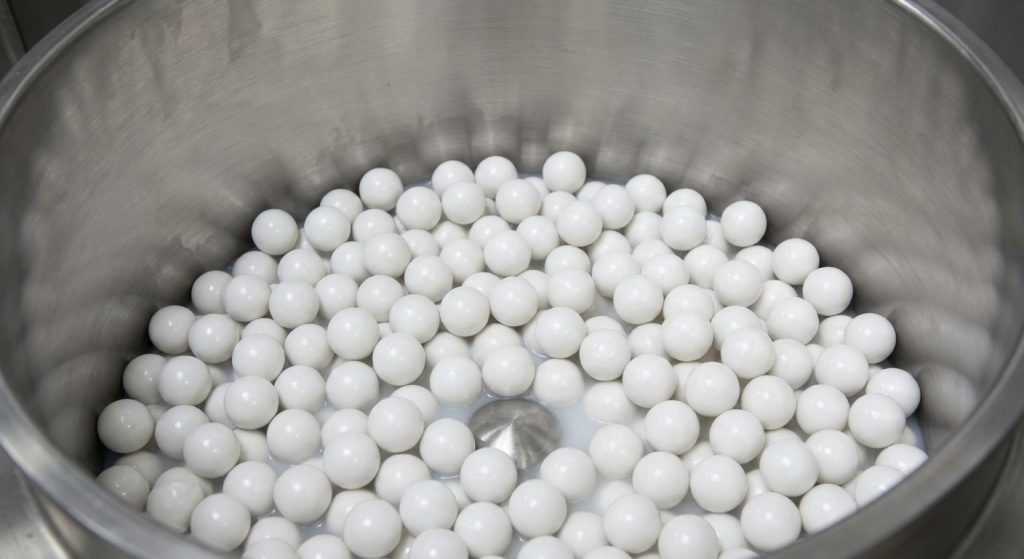
Zirconium Oxide is one of the hardest and most wear-resistant technical ceramics available today. It is commonly utilized as grinding media (beads) and in pump components where abrasive materials would quickly destroy stainless steel or alumina.
Zirconium Oxide grinding beads offer a high density that translates into faster milling times and finer particle sizes. Their exceptional toughness means they do not chip or break, preventing contamination of your high-purity batches.
What is the Mohs hardness rating?
You might be surprised by its durability. While natural zircon sits at 7.5, synthetic Zirconium Oxide reaches approximately 8.5 on the Mohs scale, placing it just below sapphire and diamond.
- Resists scratches from most industrial materials.
- Maintains edge sharpness in cutting tools.
- Low friction coefficient reduces heat buildup.
How does it resist structural cracks?
Here is the kicker: Zirconium Oxide features “transformation toughening.” This unique property allows the material to actually stop cracks from spreading by changing its crystalline phase under stress.
- Stress triggers a monoclinic-to-tetragonal shift.
- Volume expansion “squeezes” the crack shut.
- Prevents catastrophic failure in load-bearing parts.
Key Takeaway: Zirconium Oxide’s ability to self-heal and resist abrasive wear makes it the ideal choice for high-stress grinding and structural applications.
| Part Type | Material | Lifecycle | |
|---|---|---|---|
| Milling Media | ZrO2 Beads | Long-term, low contamination | |
| Pump Seal | ZrO2 Ceramic | Corrosion & wear proof | |
| Cutting Blade | ZrO2 Toughened | Maintains precision edge |
Can Zirconium Oxide handle extreme heat?
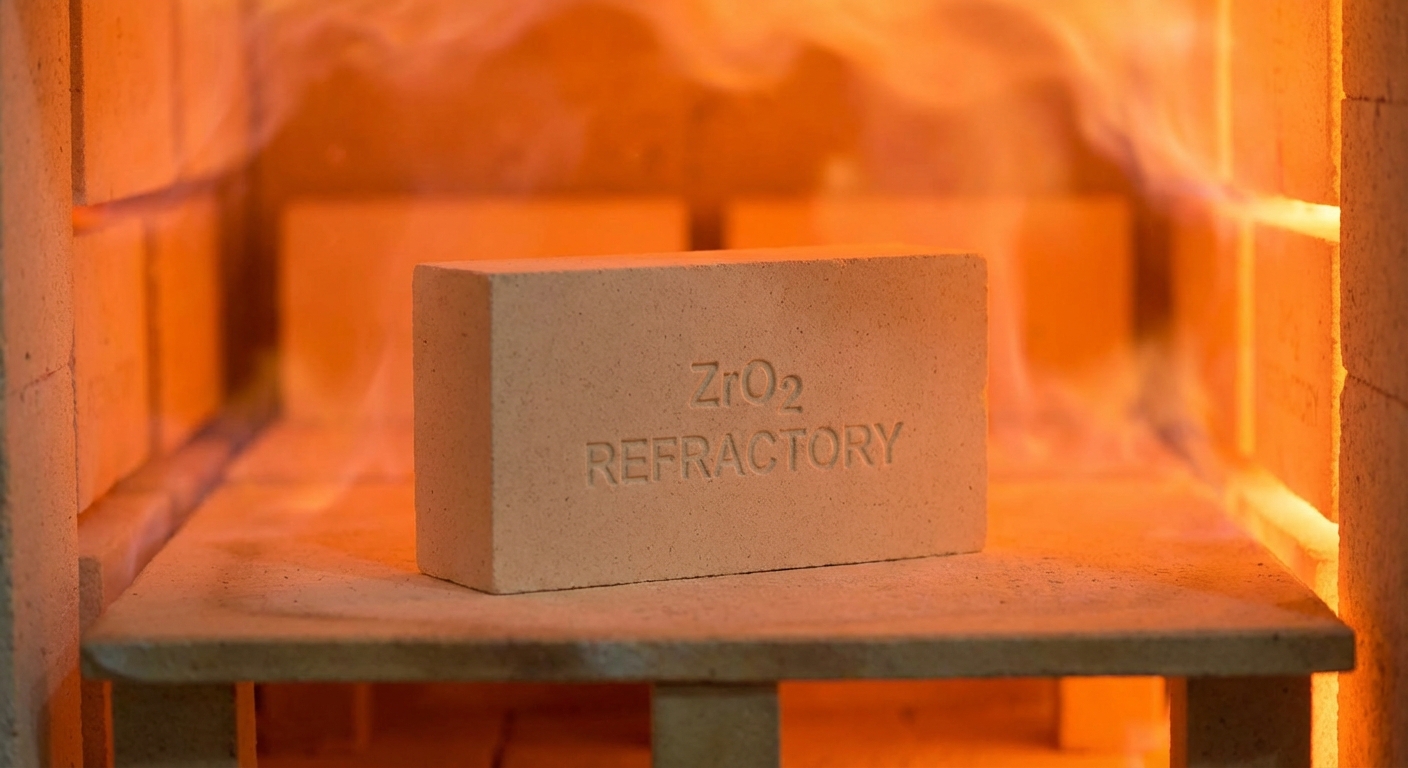
Zirconium Oxide can withstand temperatures up to 2700°C, making it an essential component for high-temperature refractory applications. Zirconium Oxide remains stable in oxidizing and reducing atmospheres where other materials would melt or degrade.
Zirconium Oxide is used to line kilns and melt superalloys because it does not react with molten metals. This thermal stability ensures that your industrial furnaces operate longer without requiring expensive shutdowns for relining.
Is it suitable for refractory bricks?
But that is not all. Adding just a small percentage of zirconia to traditional alumina bricks significantly boosts their performance in heavy industrial use.
- Improves corrosion resistance against slag.
- Increases the maximum service temperature.
- Prevents structural deformation under load.
What is thermal shock resistance?
Here is the critical part: stabilized zirconia can handle rapid temperature changes without cracking. This is vital for processes where components are cycled in and out of hot zones.
- Low thermal conductivity keeps heat localized.
- Stabilizers (like Yttria) prevent phase-change cracking.
- Extends the service life of kiln furniture.
Key Takeaway: Zirconium Oxide is the ultimate heat-barrier material for industries requiring extreme thermal stability and corrosion resistance.
| Material | Melting Point | Thermal Stability | |
|---|---|---|---|
| Steel | ~1500°C | Low | |
| Alumina | ~2050°C | Moderate | |
| Zirconium Oxide | ~2715°C | Extreme |
How to check Zirconium Oxide quality?
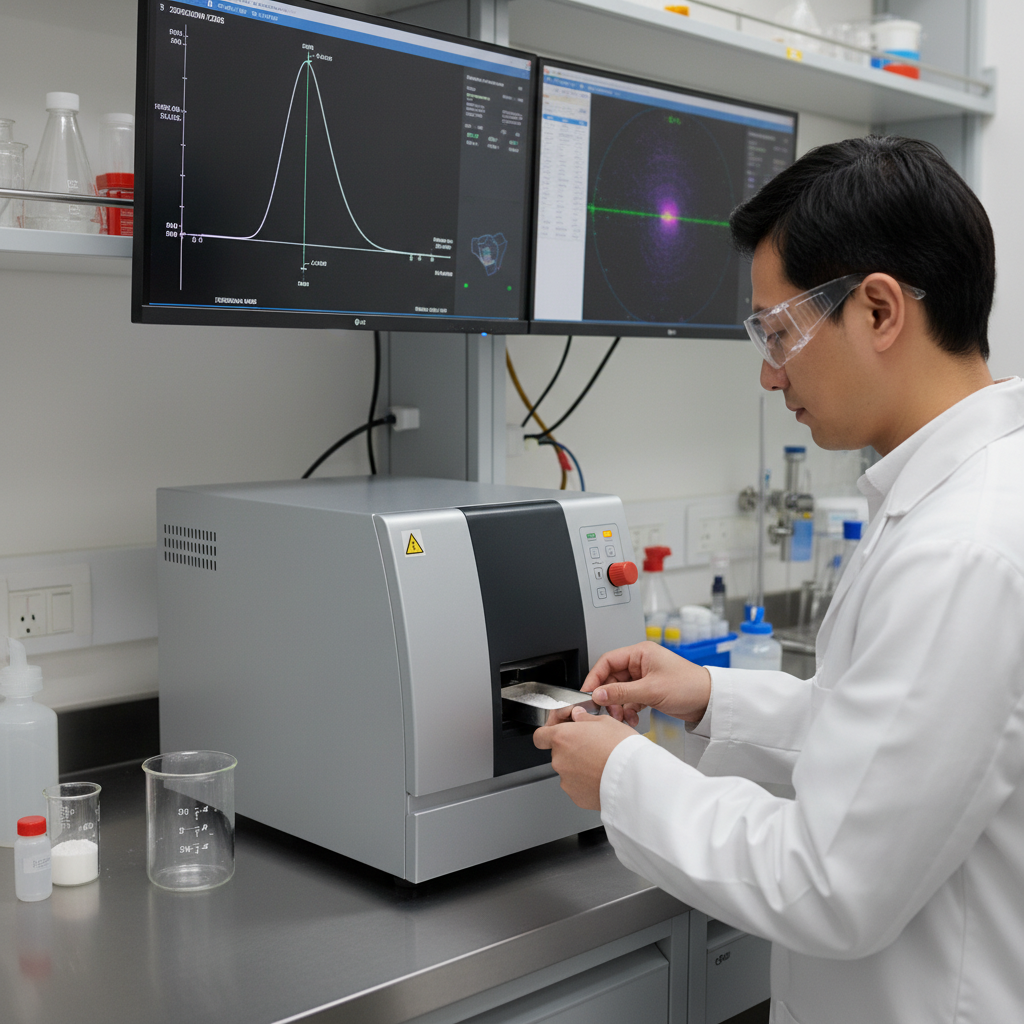
Quality check for Zirconium Oxide requires rigorous laser diffraction for particle size and X-ray fluorescence for chemical purity. You cannot rely on visual inspection alone; small variations in iron or silica content can ruin an entire batch of dental blocks or ceramic glazes.
Zirconium Oxide must have a consistent Particle Size Distribution (PSD) to ensure predictable sintering results. If the particles are too large or the distribution is too wide, your finished product will have uneven density and weak spots.
Why does PSD consistency matter?
Think about this for a second. If your powder has inconsistent sizing, the smaller particles will sinter faster than the larger ones, leading to internal stress.
- Causes warping in large ceramic parts.
- Leads to inconsistent shrinkage in dental bridges.
- Creates porous areas in refractory linings.
What are the key testing parameters?
But that is not all. A comprehensive Certificate of Analysis (COA) should cover every physical and chemical aspect of the material.
- Specific Surface Area (BET) for reactivity.
- Lab* colorimetry for whiteness verification.
- Phase Analysis (XRD) to confirm stabilization.
Key Takeaway: Superior Zirconium Oxide is defined by its data support; always demand detailed PSD and purity reports to protect your manufacturing yield.
| Parameter | Tool Used | Target | |
|---|---|---|---|
| Particle Size | Laser Diffraction | ±5% D50 variance | |
| Whiteness | Colorimeter | ≥95% L-value | |
| Composition | XRF | High ZrO2, Low Fe |
Is Zirconium Oxide the same as CZ?
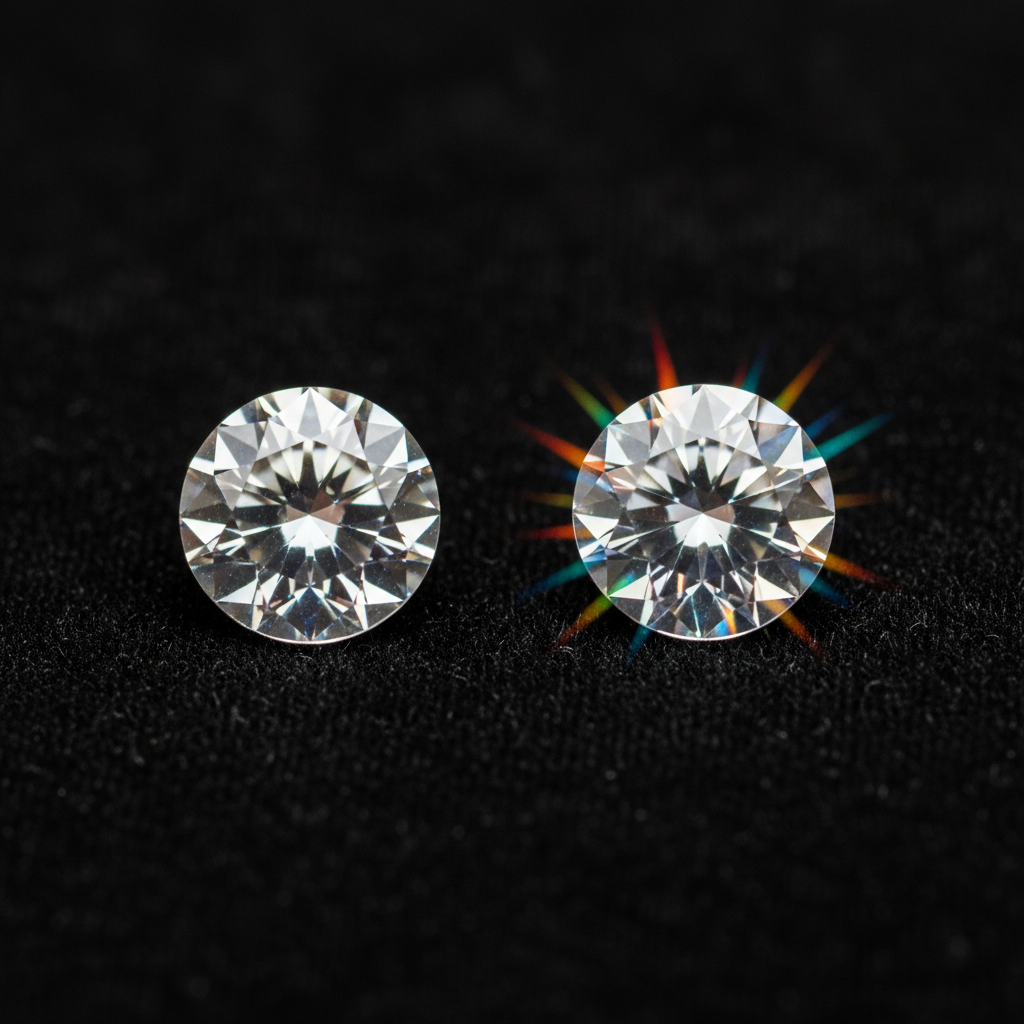
Cubic Zirconia (CZ) is a specific crystalline form of Zirconium Oxide grown as a single crystal to simulate diamonds. While industrial zirconia is usually an opaque white powder, CZ is transparent and possesses high light dispersion.
Zirconium Oxide in its cubic phase is specifically engineered to have a refractive index close to 2.15. This allows it to sparkle with the “fire” of a diamond but at a fraction of the cost.
Is it a “false diamond” material?
You should know that while it looks like a diamond, it is chemically different. Diamonds are pure carbon, while CZ is a synthetic zirconium mineral.
- CZ is heavier than diamond.
- It is more prone to scratching over time.
- CZ has more “rainbow” dispersion (fire) than diamond.
How does light dispersion differ?
Here is the kicker: because CZ has a higher dispersion rate, it often sparkles more than a real diamond under bright lights.
- Creates intense flashes of spectral color.
- Transparent and flawlessly clear by nature.
- Can be produced in any color using metal oxides.
Key Takeaway: Cubic Zirconia is the jewelry-grade application of Zirconium Oxide, highlighting the material’s incredible versatility from heavy industry to luxury.
| Property | Diamond | Cubic Zirconia | |
|---|---|---|---|
| Hardness | 10 Mohs | 8.5 Mohs | |
| Refractive Index | 2.42 | 2.15 | |
| Material | Carbon | Zirconium Oxide |
What industrial roles use Zirconium Oxide?
Zirconium Oxide plays a critical role across the ceramic, dental, aerospace, and energy sectors due to its unique electrical and thermal properties. It acts as an oxygen sensor in automotive exhausts and as a thermal barrier coating in jet engines.
Zirconium Oxide is also vital in the production of investment casting molds. Its high resistance to molten metal ensures that precision aerospace components come out of the mold with smooth surfaces and perfect dimensions.
How does it benefit grinding media?
But that is not all. In the pharmaceutical and paint industries, zirconia beads are used to mill powders to sub-micron levels without contaminating the product.
- Low wear rate saves on bead replacement costs.
- High density speeds up production cycles.
- Non-reactive with chemical solvents.
Is it used in investment casting?
Think about this for a second. Without the thermal stability of zirconia flour and sand, precision casting of turbine blades for jet engines would be nearly impossible.
- Resists metal penetration into the mold.
- Prevents chemical reactions with hot metal.
- Ensures dimensional accuracy of the casting.
Key Takeaway: Zirconium Oxide is an “enabling material” that makes modern high-precision engineering and mass production possible across multiple industries.
| Industry | Role | Key Benefit | |
|---|---|---|---|
| Aerospace | Turbine Coatings | Heat protection | |
| Automotive | Oxygen Sensors | Fuel efficiency | |
| Industrial Paint | Grinding Media | Pure color milling |
How to source Zirconium Oxide stability?
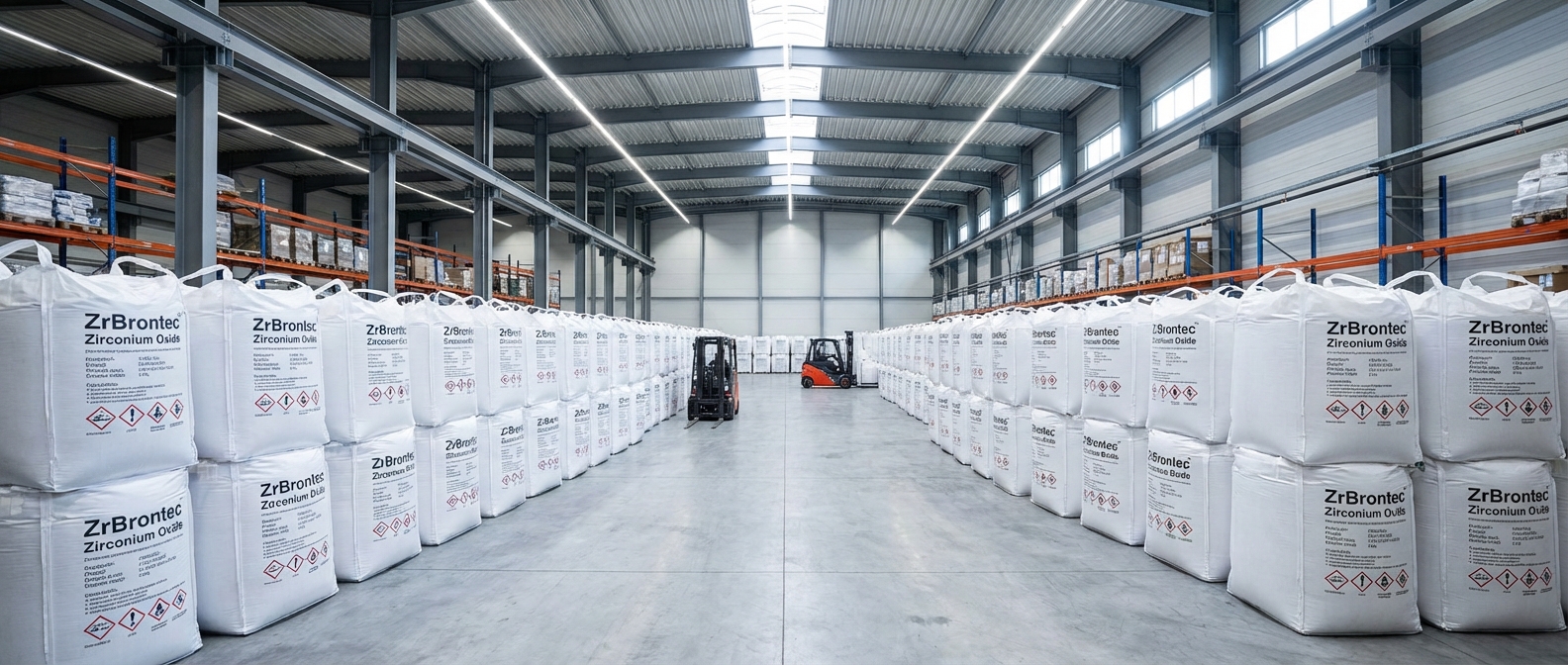
Sourcing stable Zirconium Oxide requires a direct manufacturer who controls the entire production chain from raw ore to final powder. Trading companies often mix batches from multiple sources, which leads to the PSD drift and quality issues that plague your production.
Zirconium Oxide consistency is the only way to reduce your scrap rates. When you partner with an integrated producer like ZrBrontec, you get materials that are identical batch after batch, year after year.
Why choose a direct manufacturer?
Here is the kicker: a direct manufacturer has the engineering team to solve your specific application problems, not just fulfill an order.
- Custom PSD tailoring for your process.
- Full batch traceability for quality audits.
- Lower costs by cutting out the middleman.
What data support should you expect?
But that’s not all. You should never accept a shipment without the proper documentation to prove the material meets your specifications.
- Full chemical analysis reports.
- Radioactivity certificates for safety compliance.
- Technical support from application engineers.
Key Takeaway: Long-term manufacturing success is built on raw material stability; choose a partner that provides full data transparency and vertical integration.
| Sourcing Route | Risk Level | Stability | |
|---|---|---|---|
| Trading Company | High (mixed batches) | Unpredictable | |
| Raw Ore Importer | Moderate | High impurity risk | |
| Direct Manufacturer | Low (controlled process) | High Consistency |
Conclusion
Understanding the difference between zircon and zirconium oxide is the first step toward optimizing your industrial output. While natural zircon is a valuable ore, engineered Zirconium Oxide is the high-performance solution required for the precision demands of the dental, refractory, and advanced ceramic industries.
If you are ready to eliminate process variation and improve your product yield, contact us today . At ZrBrontec, we solve your manufacturing challenges by providing vertically integrated material solutions, custom PSD tailoring, and expert engineering support. Our vision is to empower global manufacturers with the most stable, high-purity zircon materials on the market.
FAQ
1. Can I use zircon and zirconium oxide interchangeably in my glaze? No, because they have different refractive indices and chemical structures; replacing one with the other will result in poor opacity and surface defects.
2. What’s the best way to prevent cracking in my zirconia ceramics? The most effective method is using Yttria-stabilized Zirconium Oxide, which utilizes phase transformation to stop micro-cracks before they spread.
3. Can I get custom particle sizes for my specific milling equipment? Yes, direct manufacturers like ZrBrontec can adjust the milling and classification process to meet your specific D50 and D90 requirements.
4. What’s the best material for high-heat industrial sensors? Zirconium Oxide is the preferred choice due to its high melting point and unique oxygen-ion conductivity at elevated temperatures.
5. Can I verify the purity of my Zirconium Oxide without a lab? No, high-purity material requires professional XRF and XRD analysis to detect trace impurities and confirm the crystalline phase.