Procurement errors involving industrial minerals lead to production failures. Glaze defects or radiation risks ruin your professional reputation. Our guide provides a procurement framework for matching Zirconium Silicate properties with specific industrial applications.
How To Select Quality Zirconium Silicate?
Select quality by matching refractive indices with your specific aesthetic goals.
What traits drive performance?
Here is the deal. Premium Zirconium Silicate improves tile whiteness.
- Specific gravity
- Chemical stability
| Trait | Value | |
|---|---|---|
| Refractive Index | 1.93-2.01 |
Key Takeaway: High refractive indices guarantee superior opacity.
How Does Zirconium Silicate Structure Matter?
Crystal structure dictates the mechanical strength and price of your raw material.
Which crystal form works best?
What’s the real story? Monocrystalline Zirconium Silicate offers high purity for bioceramics.
- Polycrystalline for toughness
- Fibrous for insulation
| Structure | Typical Application | |
|---|---|---|
| Monocrystalline | Medical Devices |
Key Takeaway: Match crystal morphology to application stress levels.
Why Is Zirconium Silicate Particle Size Key?
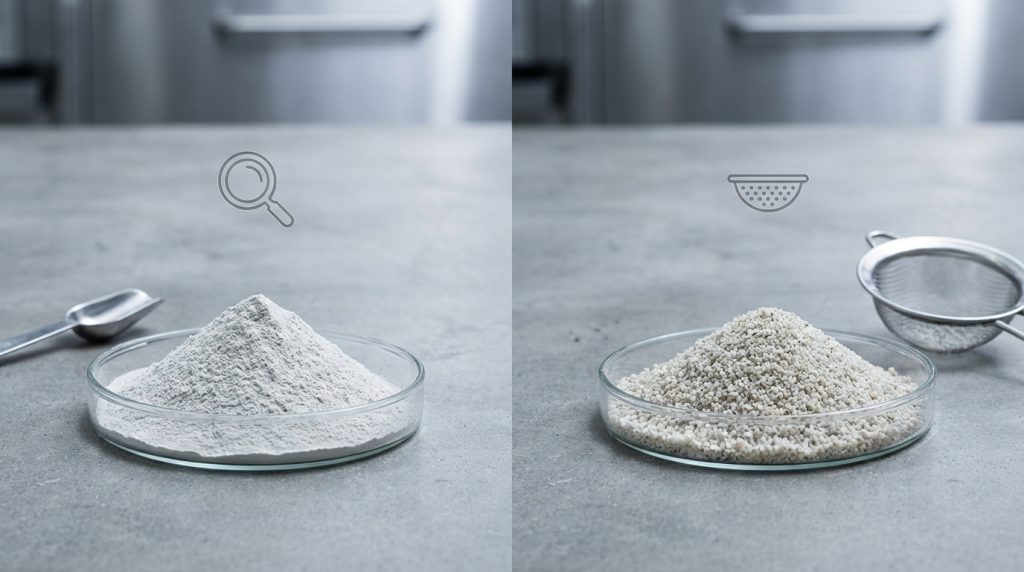
Particle size determines the surface area and resulting whiteness in ceramic applications.
How does D50 impact opacity?
Ready for the good part? Ultrafine Zirconium Silicate particles scatter light more effectively.
- Small particles (D50<1μm)
- Coarse particles (-200 mesh)
| Size Grade | Effect | |
|---|---|---|
| Ultrafine | Maximum Opacity |
Key Takeaway: Use finer grades to eliminate surface pinholing.
When To Test Zirconium Silicate Purity?
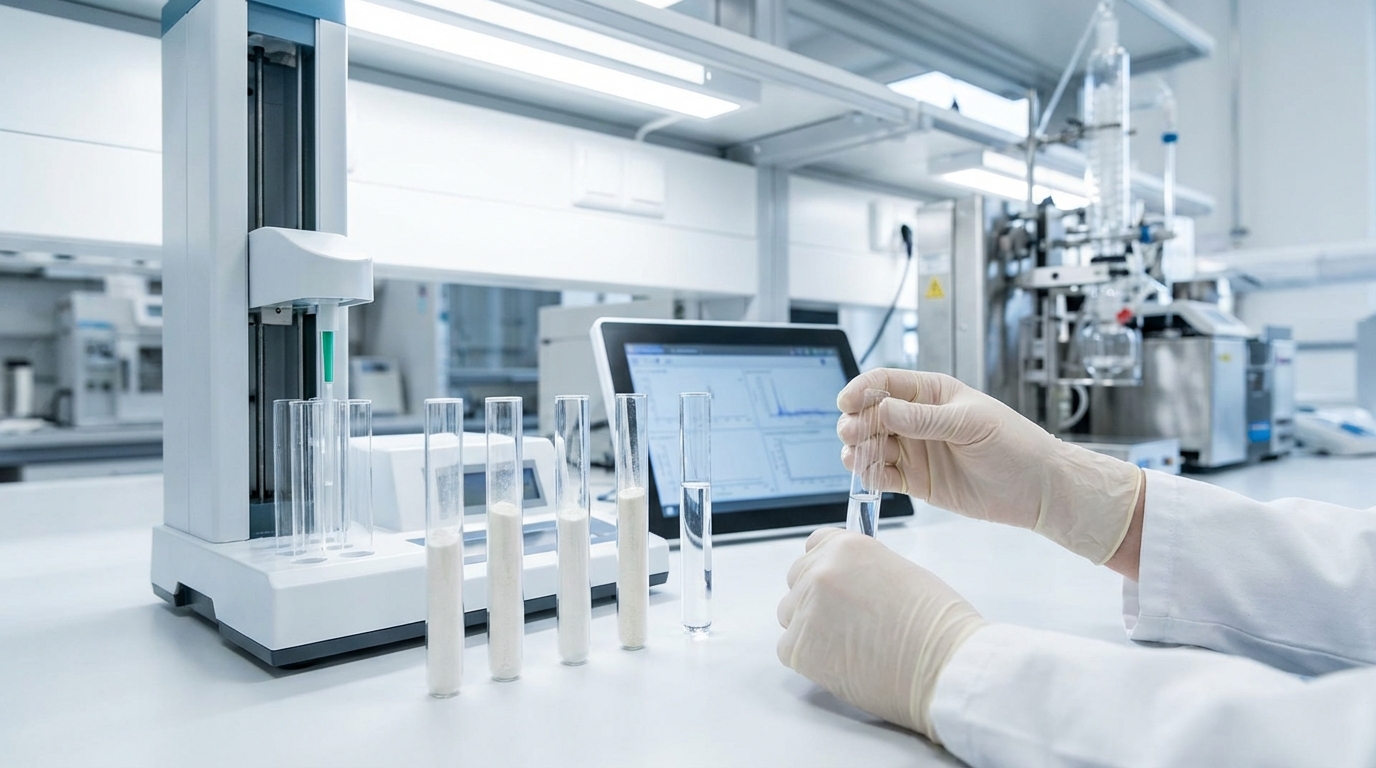
You should test purity when manufacturing high-end sanitary ware or medical components.
Why check for iron oxide?
This is where it gets interesting… Iron contaminants cause unwanted yellowing in white glazes.
- Titania levels
- Alumina content
| Impurity | Risk | |
|---|---|---|
| Fe2O3 | Color Defects |
Key Takeaway: Low iron content secures professional glaze results.
How To Manage Zirconium Silicate Radiation?
Monitor radiation levels to meet safety standards for food and medical sectors.
How to monitor radioactive levels?
But here’s the kicker. Natural ores contain trace amounts of Uranium and Thorium.
- Uranium (U)
- Thorium (Th)
| Element | Regulatory Limit | |
|---|---|---|
| U + Th | < 500 ppm |
Key Takeaway: Request certification for radioactivity to secure compliance.
How Is Zirconium Silicate Used In Glazes?
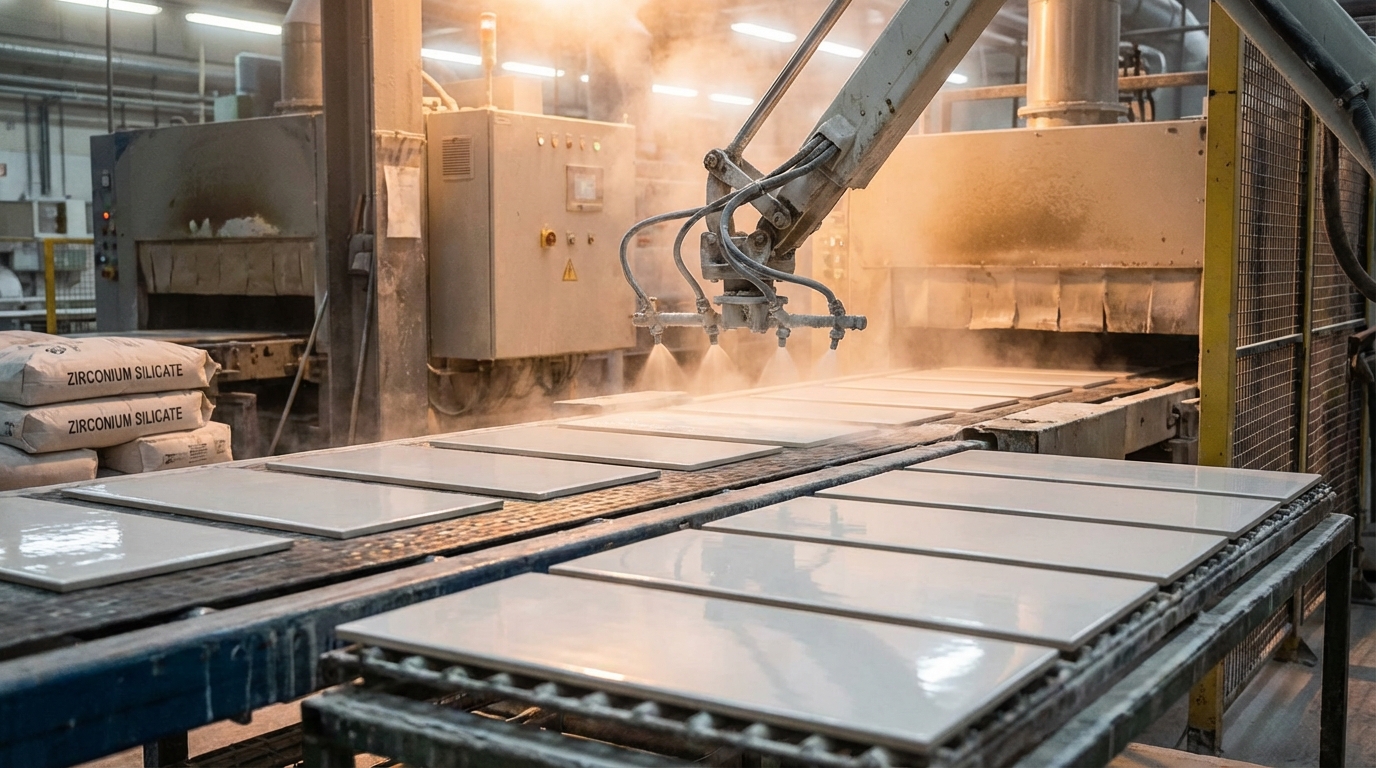
The material serves as an effective opacifier in ceramic tile production.
Why use it for tile glazes?
You might be wondering. Zirconium Silicate provides high chemical resistance and hardness.
- Scratch resistance
- Thermal stability
| Application | Benefit | |
|---|---|---|
| Floor Tiles | Wear Resistance |
Key Takeaway: Zirconium Silicate replaces expensive oxides to reduce costs.
Why Use Zirconium Silicate In Refractories?
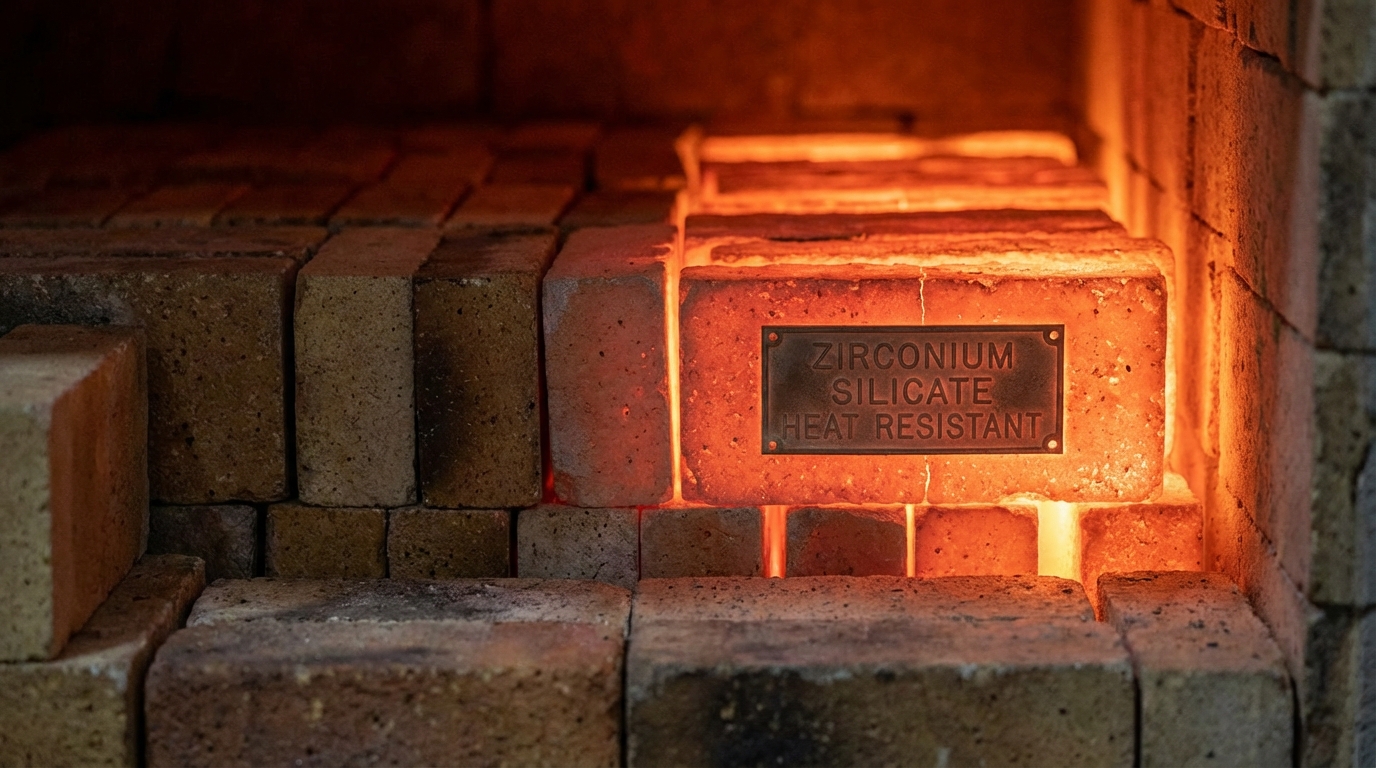
Its high melting point makes it ideal for glass and steel kilns.
How does it resist heat?
Here is the deal. Zirconium Silicate remains stable during extreme thermal cycling.
- Low thermal expansion
- High chemical inertness
| Property | Value | |
|---|---|---|
| Melting Point | 2550°C |
Key Takeaway: Use coarse grades for structural refractory integrity.
How Does Zirconium Silicate Aid Casting?
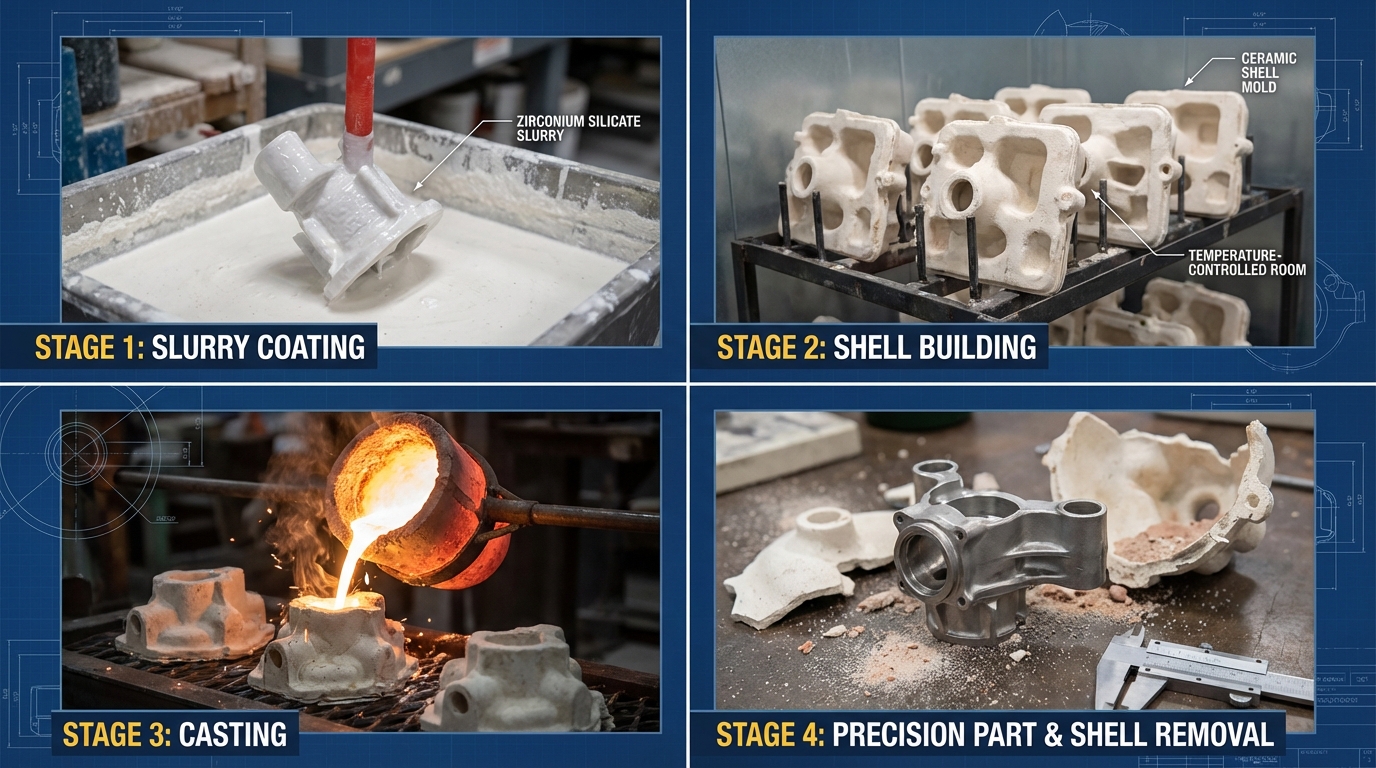
The mineral prevents metal penetration in precision investment casting shells.
Why choose it for foundry sand?
What’s the real story? Zirconium Silicate produces a smoother finish on cast alloys.
- Thermal shock stability
- Consistent grain size
| Casting Type | Media Role | |
|---|---|---|
| Precision | Shell Coating |
Key Takeaway: Correct grain distribution avoids costly casting defects.
How To Store Zirconium Silicate Properly?
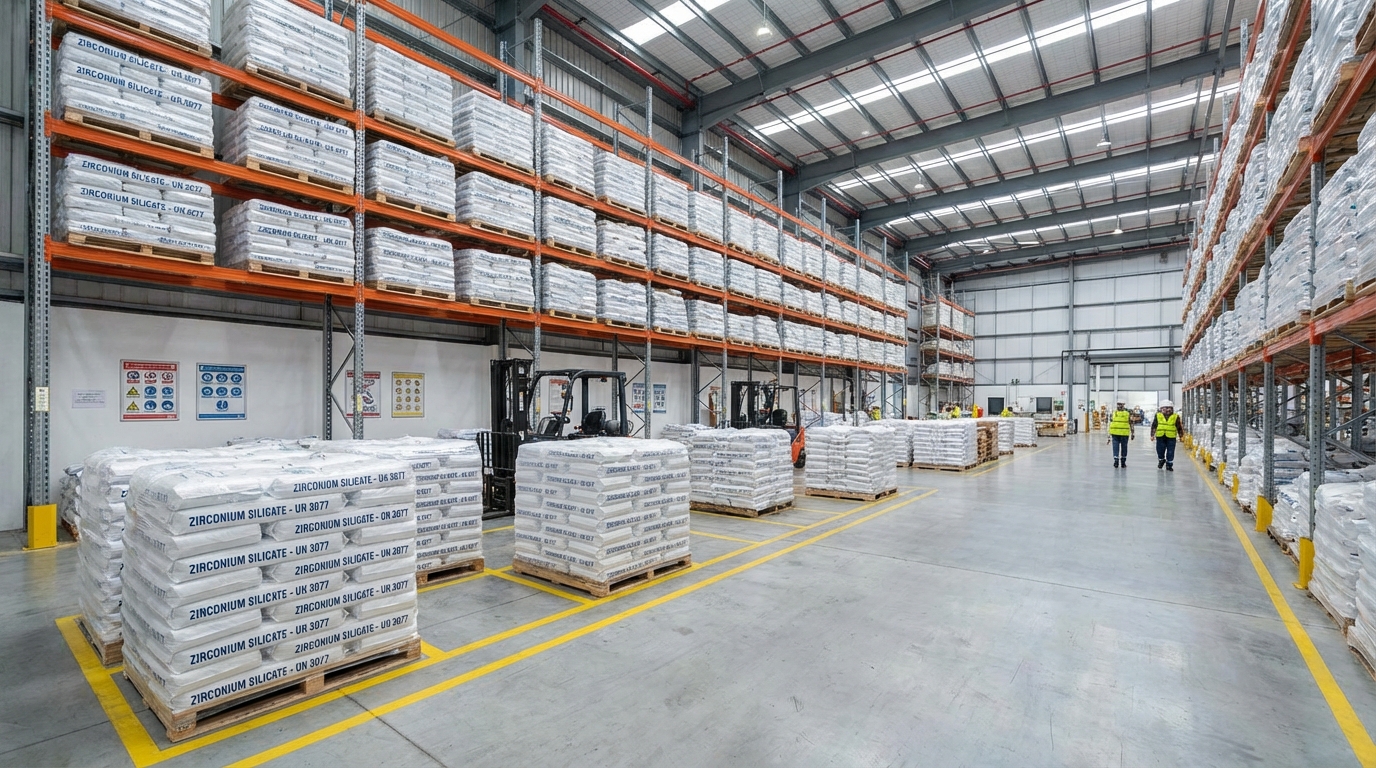
Proper storage involves keeping the powder in dry and ventilated warehouses.
How to prevent moisture issues?
Ready for the good part? Damp Zirconium Silicate causes clumping during the milling process.
- Sealed plastic bags
- Palletized stacking
| Storage Factor | Requirement | |
|---|---|---|
| Humidity | < 60% |
Key Takeaway: Dry storage maintains the flowability of your material.
How To Vet Zirconium Silicate Suppliers?

Vet suppliers by auditing their testing capabilities and consistency of their batches.
What certifications are needed?
This is where it gets interesting… Reliability depends on transparent particle size distribution data.
- ISO certifications
- PSD testing reports
| Metric | Verification | |
|---|---|---|
| D50 | Laser Diffraction |
Key Takeaway: Only partner with suppliers providing detailed chemical analysis.
Conclusion
Success in high-performance ceramics and precision industrial applications depends on a technical balance between particle size, crystal structure, and chemical purity. By applying the procurement framework outlined in this guide, manufacturers can effectively resolve issues such as glaze yellowing, surface pinholing, and radiation safety risks.
We don’t just supply minerals; we engineer the chemical integrity that secures your production standards and professional reputation. Contact our technical specialists today to optimize your material specifications and audit your mineral supply chain.
FAQ
Q1: Can I use it in food-safe glazes?Yes if radiation levels remain low.
Q2: How do I store it?Keep it dry in sealed bags.
Q3: Why test for iron?Iron causes yellowing in white glazes.
Q4: Does particle size impact cost?Smaller particles often cost more.
Q5: What is D50?It represents the median particle diameter.