Zirconia bridges are high-strength, biocompatible dental restorations made from zirconium dioxide that serve as a permanent solution for replacing missing teeth. Imagine you are at a business dinner, and you hesitate to order the steak because a missing molar has made chewing painful and inefficient. This loss of function often leads to bone resorption and shifting teeth, which can age your facial structure prematurely. Zirconia bridges act as the definitive solution, offering the structural integrity required to restore your bite and the aesthetics to reclaim your confidence. When deciding on the best restorative material, understanding the differences between zirconium vs titanium is essential for long-term health and success.
Why are zirconia bridges chosen for durability?
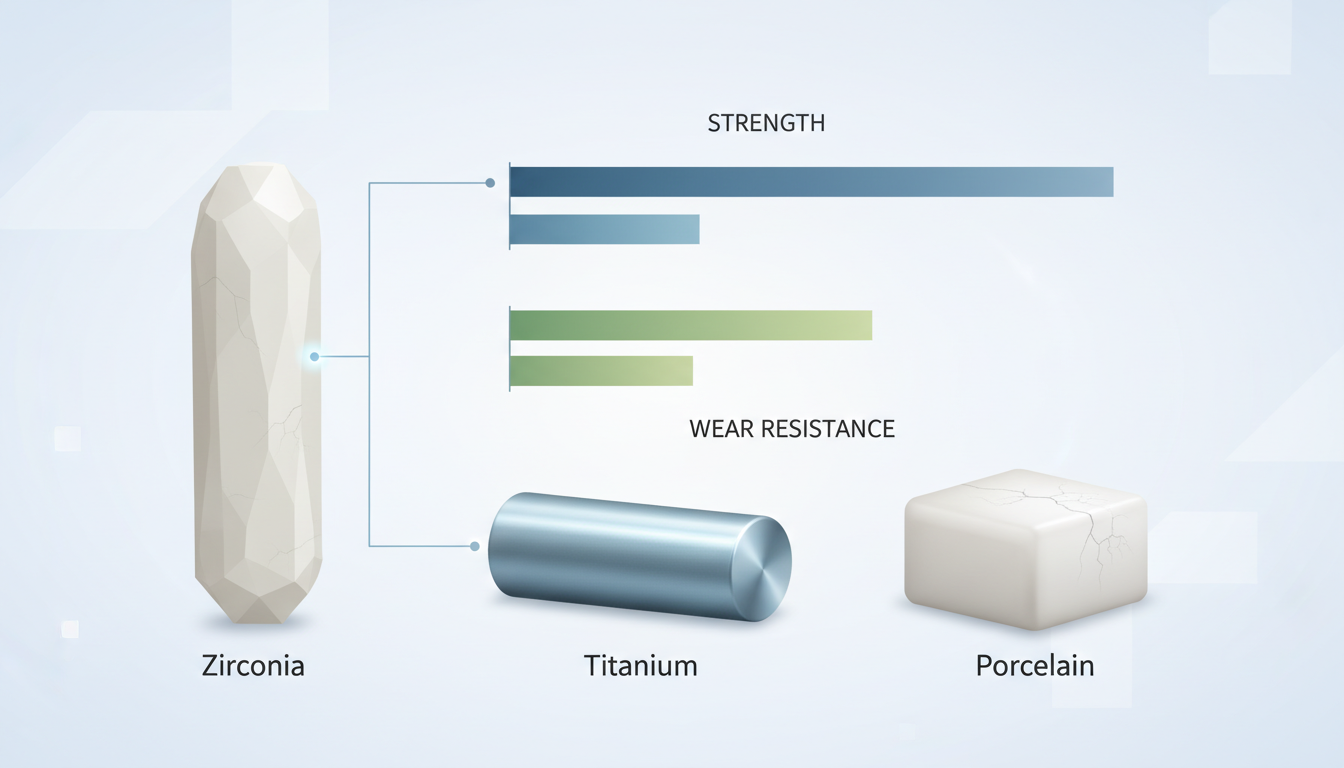
Zirconia bridges are renowned for their incredible fracture resistance, often outperforming the structural integrity found in the common zirconium vs titanium comparison for oral frameworks.
Does material strength affect biting force?
The flexural strength of zirconia allows it to withstand the heavy grinding forces of the back molars without chipping. This means you can return to a normal diet without fear of your restoration failing during a meal.
But here is the kicker:
- Zirconia handles up to 1,200 MPa of pressure.
- It resists the “brittle” nature of traditional porcelain.
- The material remains stable under extreme thermal changes.
- Wear on opposing natural teeth is minimized through polishing.
| Property | Monolithic Zirconia | Traditional Porcelain | |
|---|---|---|---|
| Flexural Strength | 900-1200 MPa | 100-150 MPa | |
| Fracture Risk | Extremely Low | Moderate to High | |
| Wear Resistance | High | Low |
This data confirms that zirconia provides a mechanical foundation that far exceeds the capabilities of traditional glass-ceramics.
Key Takeaway: Choosing zirconia ensures that your dental bridge can withstand the rigors of daily function for decades, making it the toughest ceramic available in modern dentistry.
How does zirconia compare in natural aesthetics?
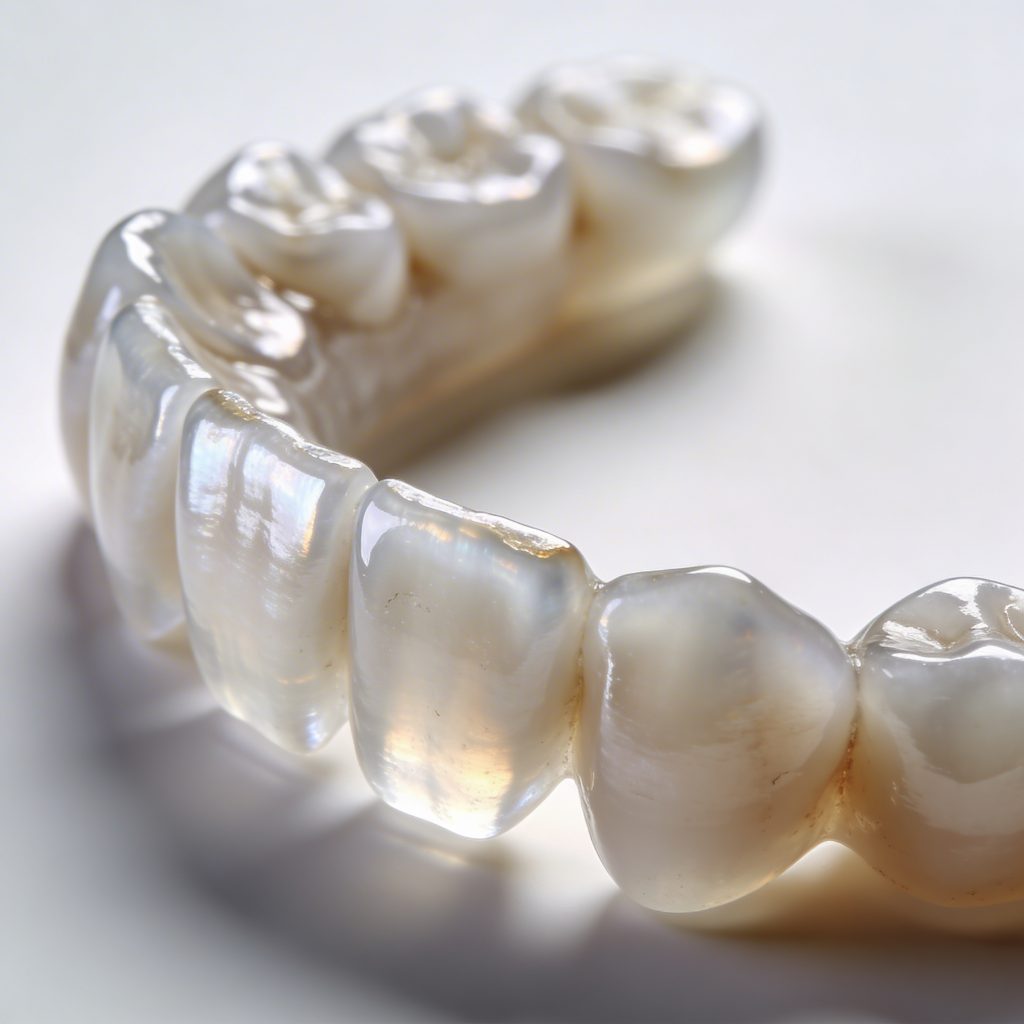
The translucency of zirconia mimics natural enamel better than traditional metal bases, providing a clear advantage when weighing zirconium vs titanium for front-of-mouth restorations where appearance is paramount.
Can shade matching hide dental work?
Advanced milling blocks allow technicians to create gradients that match the exact hue and value of your surrounding teeth. This ensures that the bridge blends in perfectly, even under direct sunlight or bright office lighting.
Think about it:
- Multi-layered zirconia provides a natural “light play.”
- No dark metal margins appear at the gum line.
- The material reflects light similarly to natural dentin.
- Surface stains can be prevented through high-gloss glazing.
| Aesthetic Feature | Zirconia Advantage | Metal-Based Bridge | |
|---|---|---|---|
| Translucency | Semi-transparent like enamel | Opaque and flat | |
| Gum Line Color | Natural pink/white | Potential gray shadow | |
| Color Stability | Permanent | May dull over time |
By eliminating the metal substructure, zirconia allows for a depth of color that was previously impossible to achieve with traditional bridges.
Key Takeaway: Zirconia bridges provide an “invisible” restoration that maintains the natural beauty of your smile without the aesthetic compromises of metal-based dental work.
Is zirconia more biocompatible for the mouth?
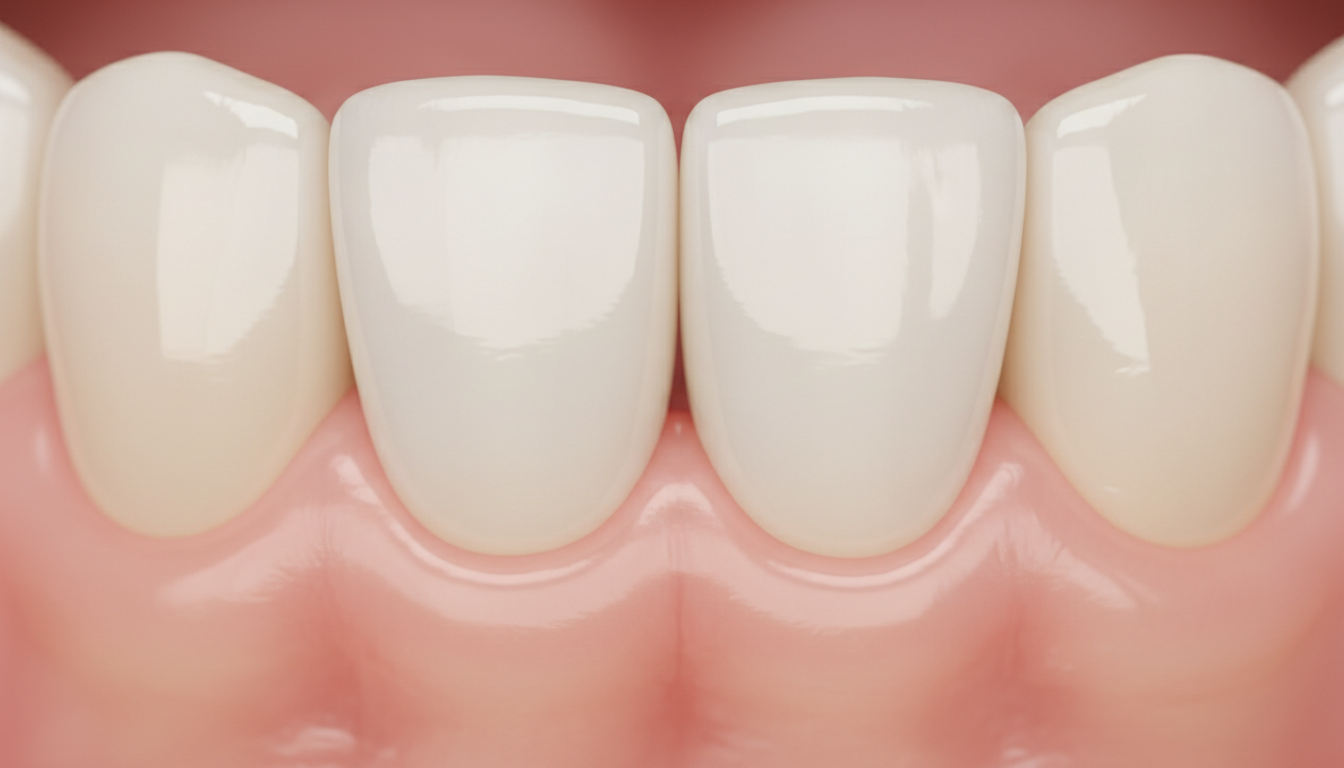
Because zirconia is a high-grade ceramic, it is highly inert, offering a hypoallergenic alternative that avoids the metallic issues often seen in the zirconium vs titanium debate.
Does it prevent gum inflammation?
Zirconia surfaces are incredibly smooth, which discourages the accumulation of plaque and harmful bacteria around the bridge supports. This promotes healthier gum tissue and reduces the risk of periodontal disease over time.
The reality is:
- The body does not recognize zirconia as a foreign threat.
- There is no risk of metallic taste or galvanic shock.
- Gingival tissues can grow tightly against the bridge.
- Allergic reactions are virtually non-existent in clinical studies.
| Biocompatibility Factor | Zirconia | Base Metal Alloys | |
|---|---|---|---|
| Allergic Potential | Negligible | Moderate (Nickel/Chrome) | |
| Plaque Retention | Very Low | High | |
| Tissue Integration | Excellent | Varies |
The inert nature of the material ensures that your body accepts the restoration as part of its own natural architecture.
Key Takeaway: Zirconia is the safest choice for patients with metal sensitivities, ensuring a healthy biological response and long-term tissue stability.
Why is stain resistance a key bridge feature?
The non-porous nature of zirconium oxide ensures a surface that resists pigments from coffee and wine, a property not found in metallic options when comparing zirconium vs titanium.
How does the surface stay polished?
The density of the material prevents microscopic pits from forming, which are typically where stains and odors begin to take root. This means your smile stays bright and fresh without the need for frequent professional whitening of the bridge.
Make no mistake:
- Zirconia does not absorb liquids or food dyes.
- The polished finish remains smooth for years of use.
- It is resistant to the chemical erosion of acidic foods.
- Odors are not trapped within the bridge structure.
| Resistance Level | Zirconia | Acrylic/Composite | |
|---|---|---|---|
| Coffee Staining | None | High | |
| Tobacco Discoloration | Minimal | Very High | |
| Odor Absorption | Zero | Moderate |
The chemical stability of zirconia ensures that the color selected on the first day is the color you will see ten years later.
Key Takeaway: Zirconia bridges offer a permanent solution to discoloration, providing a stain-proof surface that maintains its luster regardless of your dietary habits.
How are these bridges digitally manufactured?
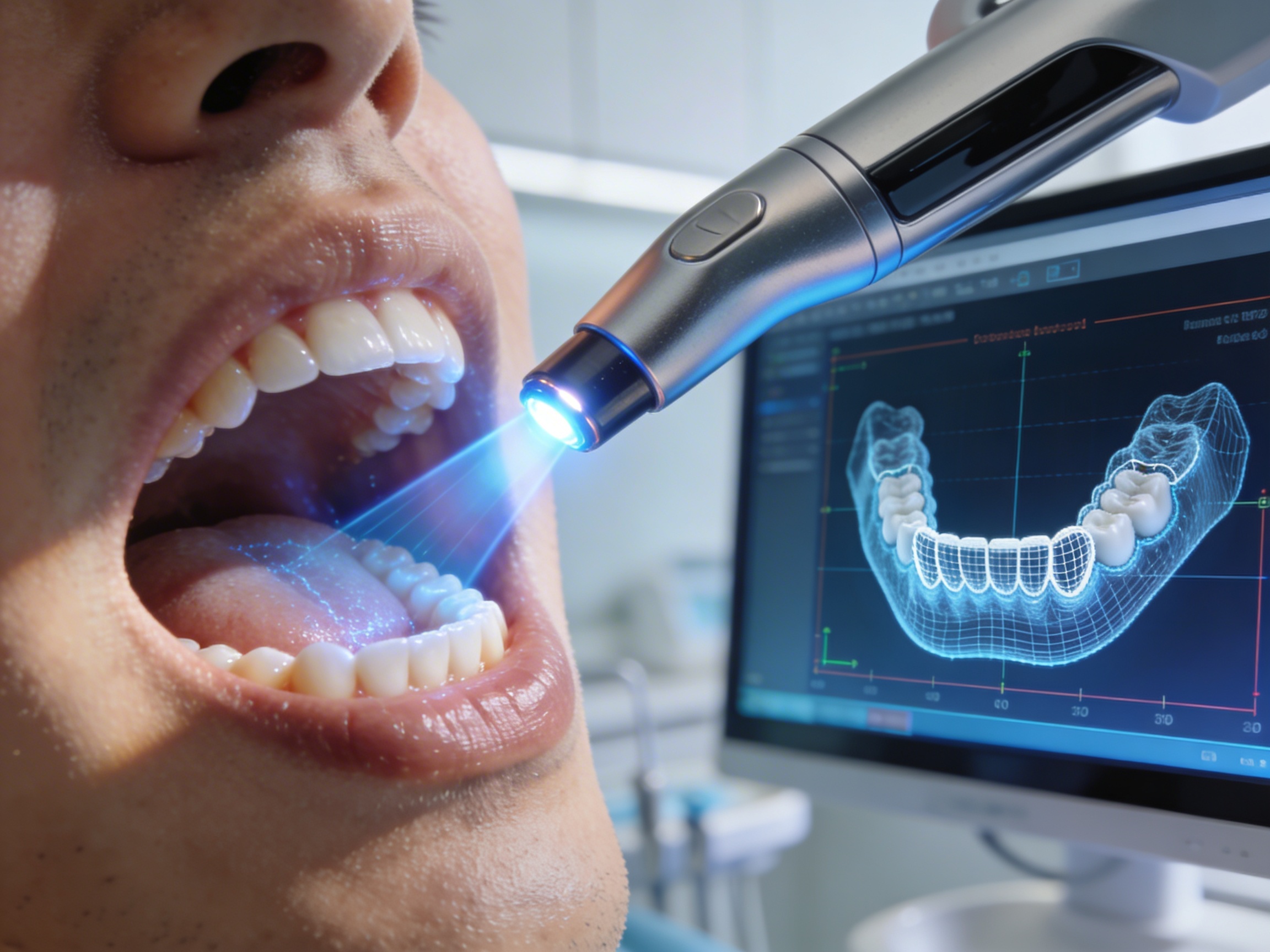
Modern CAD/CAM technology allows for the precise milling of zirconium vs titanium components to ensure a “micro-accurate” fit for every patient.
Does digital scanning improve patient comfort?
By using 3D oral scanners instead of messy traditional impressions, your dentist can capture every detail of your mouth in seconds. This data is then used to mill the bridge from a single solid block of zirconia.
Think about it:
- Digital impressions eliminate the gag reflex during molds.
- CAD software ensures the bridge fits the gum line perfectly.
- Milling accuracy is measured in microns.
- The sintering process locks in the final shape forever.
| Manufacturing Step | Traditional Method | Digital Zirconia Method | |
|---|---|---|---|
| Impression | Putty Molds | 3D Optical Scan | |
| Design | Hand-waxed | Computer-Aided (CAD) | |
| Production | Lost-wax Casting | Robotic Milling (CAM) |
This technology-driven approach ensures that the “seat” of your bridge is comfortable and requires minimal adjustments.
Key Takeaway: The digital workflow of zirconia manufacturing results in a high-precision fit that reduces chair time and increases the lifespan of the restoration.
What makes zirconia bridges a long-term value?
While initial costs vary, the longevity of zirconia reduces the need for frequent replacements, a common factor when evaluating zirconium vs titanium dental solutions for total cost of ownership.
Is the initial investment worth it?
Zirconia bridges are intended to last 15 to 20 years, or even a lifetime with proper care. This makes them significantly more cost-effective than acrylic or porcelain-fused-to-metal bridges that may chip or cause gum recession.
The bottom line is:
- Fewer repairs mean lower long-term dental bills.
- Durability prevents the cost of repeating the procedure.
- Insurance often covers zirconia as a standard of care.
- The material value remains high over its lifespan.
| Restoration Type | Lifespan Expectancy | Replacement Frequency | |
|---|---|---|---|
| Zirconia Bridge | 15+ Years | Very Low | |
| Acrylic Hybrid | 5-7 Years | High | |
| PFM Bridge | 7-10 Years | Moderate |
When you factor in the time and money saved on future dental visits, zirconia emerges as the most economical premium choice.
Key Takeaway: Investing in a zirconia bridge is a strategic financial decision that prioritizes long-term oral health over temporary, low-cost fixes.
Can zirconia bridges replace an entire arch?

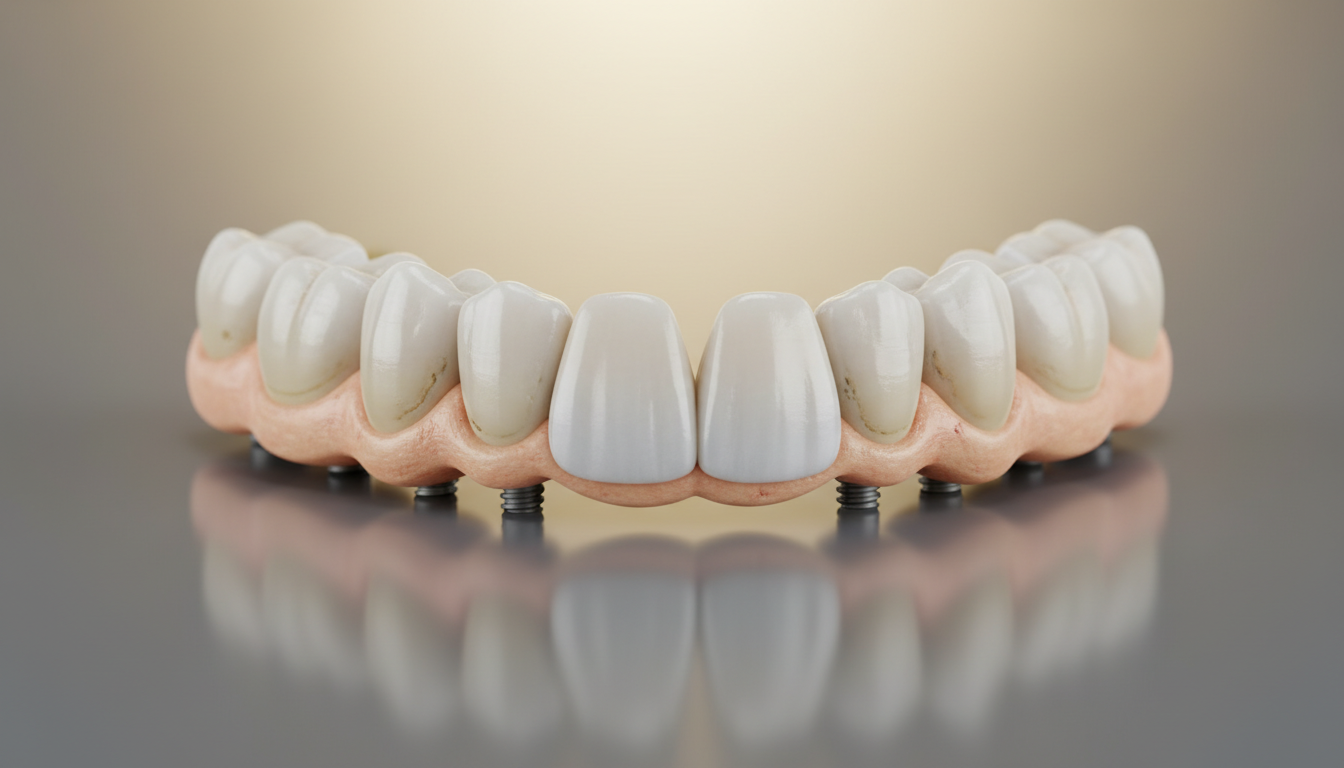
For full-arch restorations, monolithic zirconia provides the necessary rigidity and weight distribution often compared in zirconium vs titanium structural studies for total mouth reconstruction.
Is implant support necessary for full arches?
When replacing an entire row of teeth, the bridge is usually anchored to 4 or 6 dental implants. This “fixed” solution provides a level of stability that removable dentures simply cannot achieve, allowing you to speak and eat naturally.
Consider this:
- Zirconia is light enough for the jaw but strong enough for force.
- It does not harbor the odors often found in “All-on-4” acrylics.
- Full-arch bridges restore the natural facial height.
- The monolithic design prevents individual teeth from popping off.
| Arch Solution | Zirconia Bridge | Removable Denture | |
|---|---|---|---|
| Fixed/Removable | Fixed (Permanent) | Removable (Slippery) | |
| Stability | Rock-solid | Prone to shifting | |
| Bone Preservation | Yes (with implants) | No (bone loss continues) |
For patients who have lost all their teeth, a zirconia full-arch bridge is the closest thing to getting their original teeth back.
Key TakeawayZirconia is the premier material for full-mouth reconstruction, offering a bridge that feels, looks, and functions like a natural set of teeth.
How do patients experience these restorations?
Most users report a restoration that feels just like natural teeth, avoiding the bulkiness or metallic taste sometimes mentioned in the zirconium vs titanium context during patient follow-ups.
Do these bridges feel heavy in the mouth?
Zirconia has an optimal density that feels substantial without being cumbersome. Patients typically adjust to the sensation within a few days, after which the bridge becomes a seamless part of their oral anatomy.
Look at the facts:
- Speech patterns return to normal quickly.
- There is no thermal sensitivity to hot or cold foods.
- The smooth texture is comfortable for the tongue.
- Patients report a high boost in social self-esteem.
| Patient Experience | Zirconia Bridge | Traditional Denture | |
|---|---|---|---|
| Taste Sensation | No Change | Often Impaired | |
| Speech Clarity | Excellent | May cause whistling/slurring | |
| Comfort Level | High | Low (sore spots) |
The psychological benefit of having a permanent, beautiful smile cannot be overstated for professional and personal life.
Key Takeaway: The patient experience with zirconia is defined by comfort and confidence, allowing individuals to forget they even have a restoration.
How do you care for a zirconia bridge?
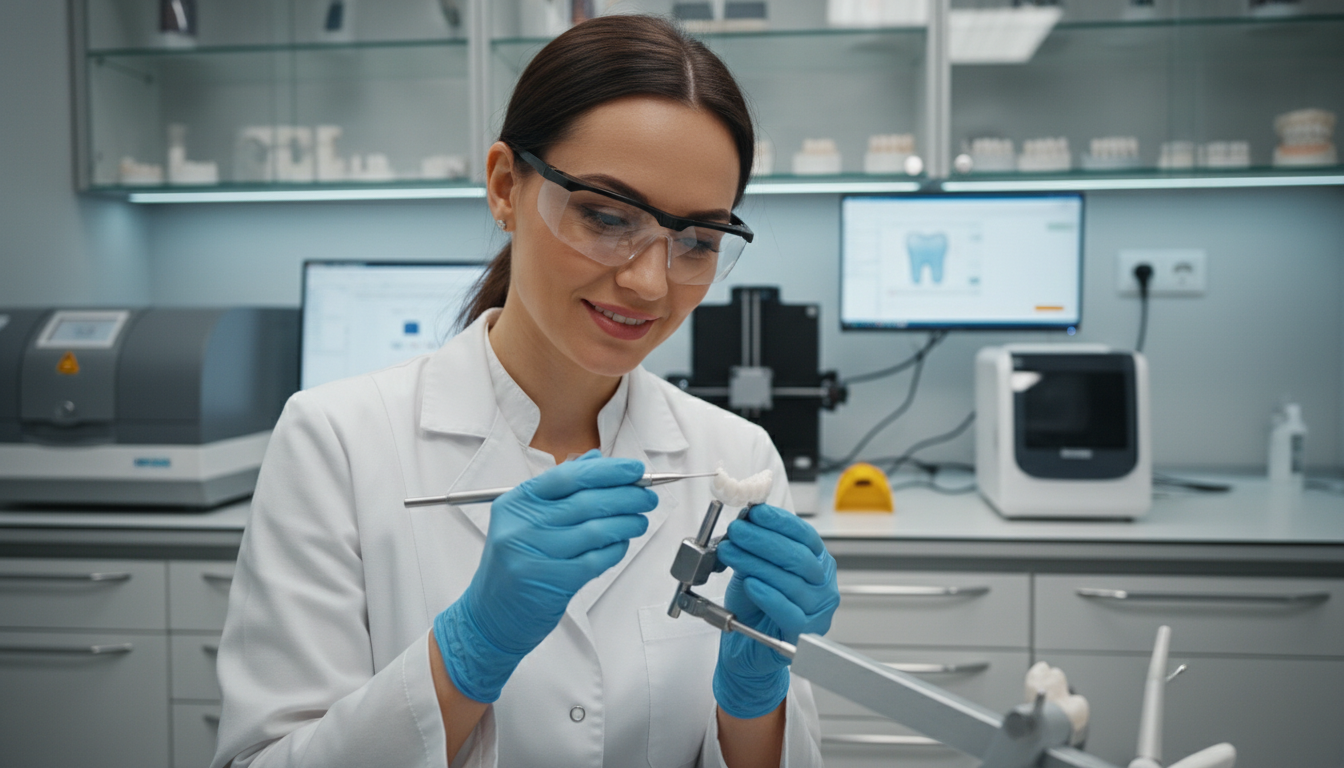
Maintenance is straightforward, emphasizing oral hygiene over the specialized care required for complex metal-based parts in the zirconium vs titanium spectrum.
Should you use specific cleaning tools?
You should treat your zirconia bridge exactly like natural teeth. Regular brushing with a non-abrasive toothpaste and flossing (or using a water flosser) ensures that the supporting teeth or implants stay healthy and free of disease.
Think about it:
- Non-abrasive brushes protect the polished surface.
- Water flossers are excellent for cleaning under the bridge.
- Avoid using the bridge to open packages or crack ice.
- Regular check-ups ensure the “fit” remains secure.
| Care Routine | Recommended Action | Avoid | |
|---|---|---|---|
| Brushing | Soft-bristled brush | Gritty, abrasive pastes | |
| Flossing | Water flosser / Bridge floss | Neglecting the underside | |
| Eating Habits | Normal balanced diet | Hard candies / Non-food items |
Routine care is the only thing standing between a 15-year bridge and a 30-year bridge.
Key Takeaway: Caring for a zirconia bridge is simple and fits naturally into a standard daily hygiene routine, ensuring the restoration’s longevity.
How do you find a bridge specialist?
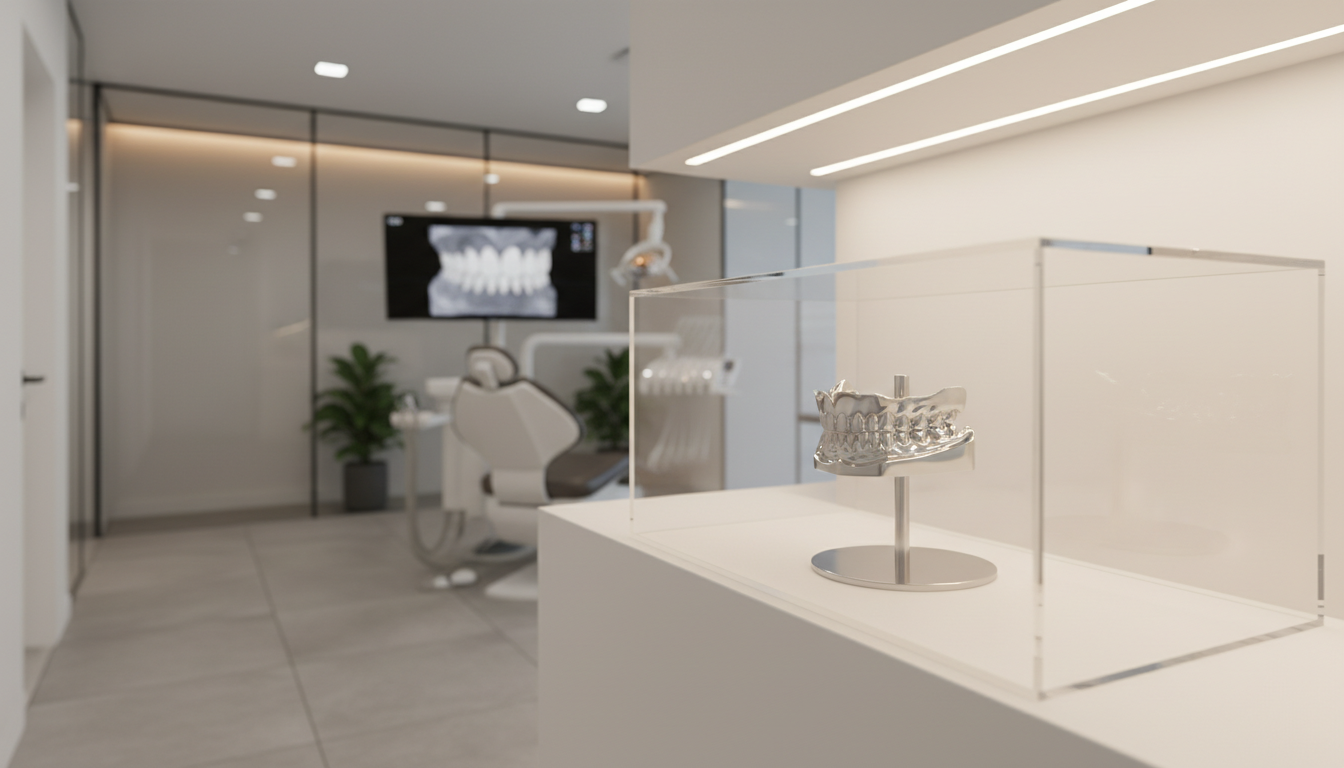
Selecting a provider with digital expertise is essential for maximizing the benefits of zirconium vs titanium technology in high-performance restorative dentistry.
What technology should a clinic use?
Look for a dental center that utilizes in-house CAD/CAM milling or works with high-end digital laboratories. This ensures that the zirconia used is of the highest medical grade and has been processed under optimal conditions.
Don’t forget:
- Ask to see before-and-after cases of zirconia bridges.
- Inquire about the specific brand of zirconia materials.
- Ensure the dentist has experience with full-arch cases.
- Check for digital scanning equipment in the office.
| Specialist Check | Professional Standard | Red Flag | |
|---|---|---|---|
| Equipment | 3D Oral Scanners | Traditional Putty Trays | |
| Portfolio | Verified Case Success | No specific bridge examples | |
| Communication | Explains material choices | Pushes one-size-fits-all solutions |
The skill of the clinician is just as important as the quality of the material when it comes to the final result.
Key Takeaway: Your restoration’s success depends on finding a specialist who integrates advanced digital technology with a deep understanding of zirconia material science.
Conclusion
A zirconia bridge is more than just a dental restoration; it is a permanent investment in your quality of life. By addressing the problems of tooth loss with a material that excels in strength, aesthetics, and biocompatibility, you ensure that your smile remains functional and beautiful for decades. At ZrBrontec, we are committed to engineering the ceramic foundations that make these advanced dental solutions possible. We believe that everyone deserves a smile that feels as strong as it looks. If you are ready to explore the pinnacle of dental restoration technology, please contact us today to learn more about our high-performance zirconia materials.
Frequently Asked Questions
How long does it take to get a zirconia bridge?Typically, the process takes two appointments over two weeks because the digital design and high-temperature sintering require specialized laboratory time.
Can I get a zirconia bridge if I have a titanium implant?Yes, zirconia bridges are frequently used as the final restoration on titanium implants because they provide a superior aesthetic finish compared to metal-based options.
How do I know if my bridge is high-quality zirconia?You should ask your dentist for a certificate of authenticity or information about the material source to ensure it is medical-grade zirconium oxide.
Will a zirconia bridge change my speech?Initially, you may notice a slight change as you adjust, but because zirconia is precision-milled to natural tooth dimensions, most patients speak clearly within a few days.
Are zirconia bridges repairable if they chip?While zirconia is extremely durable and rarely chips, small imperfections can sometimes be polished by a dentist, though significant fractures usually require a full replacement.