Choosing between these metals depends on whether you value ultimate tensile strength or superior scratch resistance in a permanent black finish. You may find yourself frustrated by the limitations of traditional precious metals, which often succumb to deep scratches, dents, and the inevitable loss of luster. These common jewelry pitfalls can make a significant investment feel like a maintenance burden rather than a lasting symbol of commitment. By opting for high-performance alternative metals like zirconium vs titanium , you effectively solve the problem of durability while embracing a sophisticated, modern look that fits your active lifestyle.
Why choose zirconium vs titanium for wedding bands?
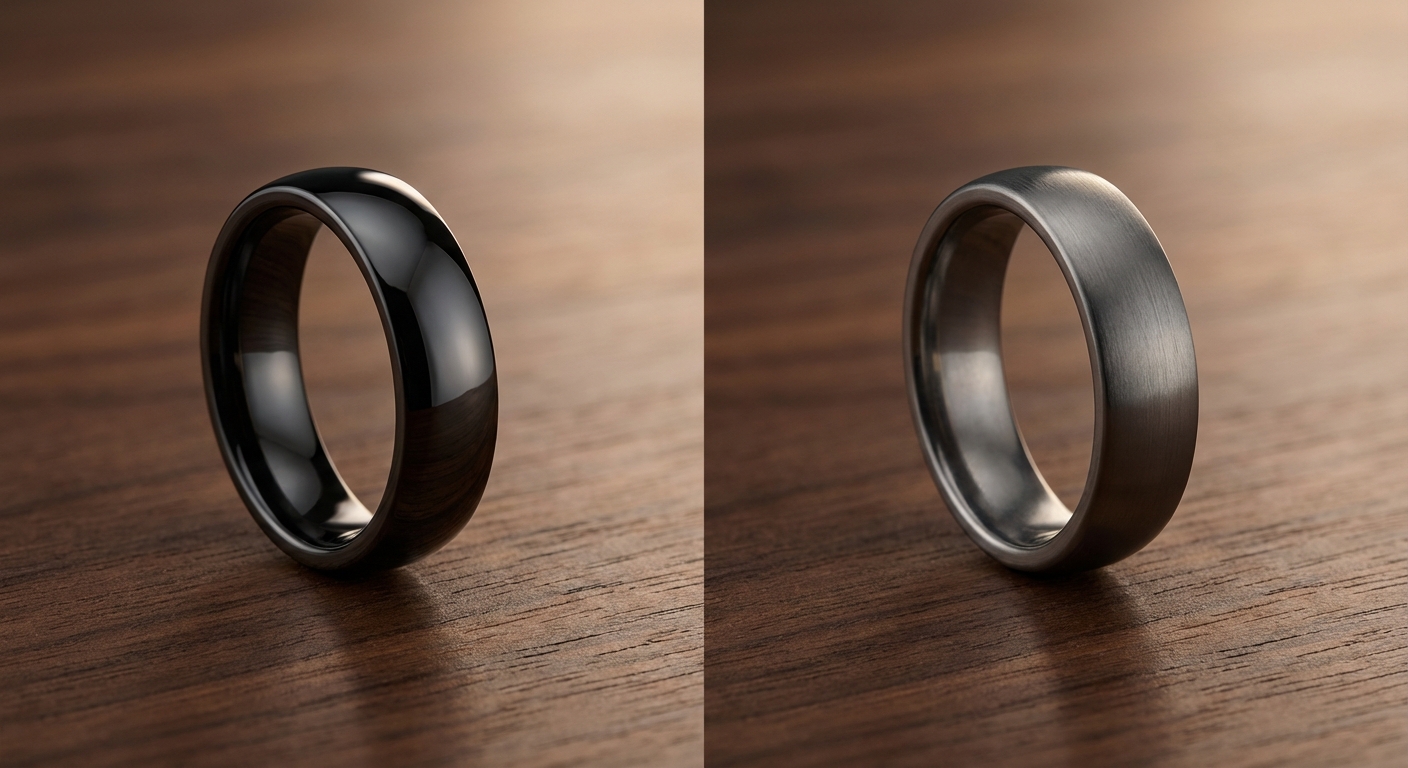
Selecting between zirconium vs titanium allows you to secure a ring that balances advanced material science with a refined, masculine aesthetic. These metals have surged in popularity because they offer a level of resilience that traditional gold and silver simply cannot replicate in high-impact environments. You deserve a piece of jewelry that remains as pristine as the day you bought it, regardless of your professional or recreational activities.
Alternative metals represent the pinnacle of modern jewelry engineering, providing a lightweight yet incredibly tough alternative to heavy, soft precious metals. Many professionals in engineering, medical, and technical fields prefer these materials due to their history in high-stakes industrial applications. When you choose one of these refractory metals, you are making a statement about your appreciation for innovation and structural integrity.
Why are alternative metals trending?
Modern consumers are moving away from traditional gold and silver because these softer metals lack the resilience required for active, modern lives. You likely want a ring that won’t warp, bend, or lose its polished finish after a day at the gym or in a demanding workplace. The shift toward performance jewelry reflects a broader cultural appreciation for materials that are built to last a lifetime.
Here is the deal:
- Superior resistance to deformation and warping.
- Distinctive, non-traditional color palettes available.
- Significantly lower maintenance requirements over time.
- Excellent value-to-performance ratio for buyers.
Overview of modern band materials
The landscape of wedding jewelry now includes aerospace-grade alloys and refractory metals that were once reserved for high-tech manufacturing. These materials provide a sleek, minimalist appearance that complements professional attire while remaining rugged enough for outdoor adventures. You are no longer limited to yellow or white gold; the modern palette includes gunmetal grays and obsidian blacks.
Comparing zirconium vs titanium origins
While zirconium is often associated with the nuclear power industry, titanium is globally recognized for its critical role in jet engines. Both metals are sourced from mineral deposits and undergo rigorous vacuum-arc remelting to achieve the purity levels necessary for high-end jewelry. This industrial heritage ensures that your ring is crafted from materials designed to withstand extreme thermal and physical stress.
Key Takeaway: Choosing alternative metals ensures your ring is as innovative and resilient as the technology you use in your daily professional life.
| Feature | Titanium | Zirconium | |
|---|---|---|---|
| Primary Industry | Aerospace & Medical | Nuclear & Chemical | |
| Material Class | Transition Metal | Refractory Metal | |
| Common Use | Bone Implants | Nuclear Cladding |
The industrial background of these metals proves their reliability for long-term wearable applications.
What defines black zirconium vs titanium aesthetics?
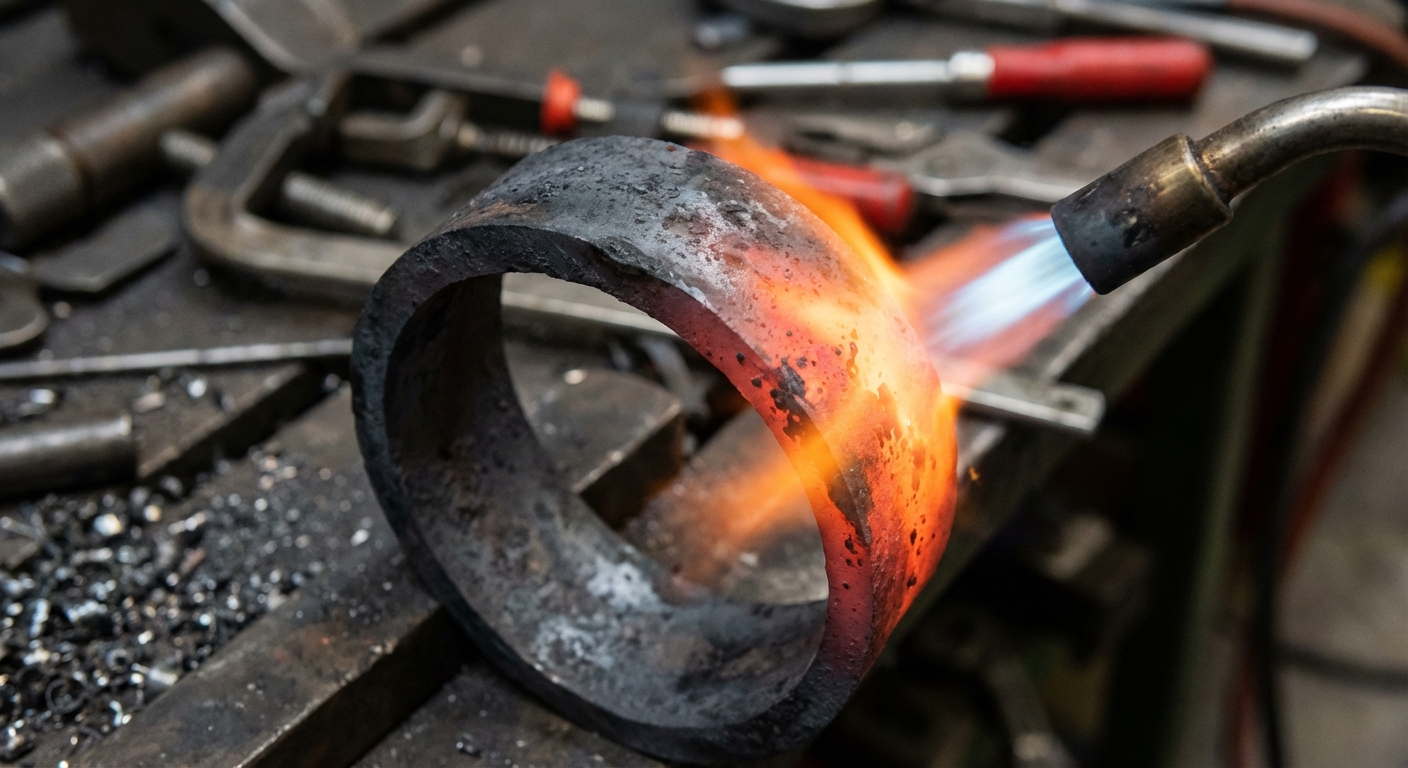
The visual identity of black zirconium vs titanium is defined by how the surface is chemically or thermally altered during the manufacturing process. Titanium is characterized by its natural, elegant gunmetal gray hue that offers a sophisticated alternative to the bright white of platinum or silver. Zirconium, in its natural state, is a silvery-gray metal, but it is most famous for its ability to be transformed into a deep, permanent obsidian black.
Your choice of color depends on whether you prefer a classic metallic look or a bold, stealthy appearance. Titanium provides a timeless, industrial luster that pairs exceptionally well with brushed or satin finishes. Conversely, black zirconium offers a unique, ceramic-like darkness that creates a striking contrast against skin tones and other jewelry.
The science of thermal oxidation
Black zirconium achieves its signature color through a high-temperature thermal oxidation process rather than a simple coating or plating. When the metal is heated to precise temperatures, a chemical reaction occurs that transforms the outer layer into a hard, black zirconium oxide. This layer is part of the metal itself, meaning it will not chip, peel, or flake off over time.
But wait, there’s more:
- The oxide layer is incredibly hard and sleek.
- It provides a silky, luxurious skin feel.
- The color depth is consistent throughout the surface.
Natural gray vs permanent black
Titanium remains a top choice for those who appreciate the raw, powerful look of unadulterated metal. Its gray tone is natural, meaning the color you see is the color of the alloy itself, which can be polished or matted. Zirconium is the superior choice for those who want a truly black ring that won’t eventually fade to a dull gray or reveal silver streaks.
How is a matte finish achieved?
Both metals are highly receptive to various finishing techniques, allowing you to customize the level of reflectivity on your band. Machinists use precision lathes and specialized abrasives to create bead-blasted or satin textures that hide fingerprints and minor abrasions. These finishes enhance the architectural lines of the ring, highlighting the material’s unique relationship with light and shadow.
Key Takeaway: While titanium offers a classic metallic gray, black zirconium provides a permanent, deep black finish through advanced thermal engineering.
| Aesthetic Property | Titanium | Black Zirconium | |
|---|---|---|---|
| Natural Color | Gunmetal Gray | Silvery-Gray | |
| Surface Treatment | Polishing/Brushing | Thermal Oxidation | |
| Finish Longevity | Permanent | Permanent Oxide Layer |
The permanence of these finishes ensures that your ring’s aesthetic profile remains consistent over decades of wear.
Is titanium tougher than zirconium vs titanium?
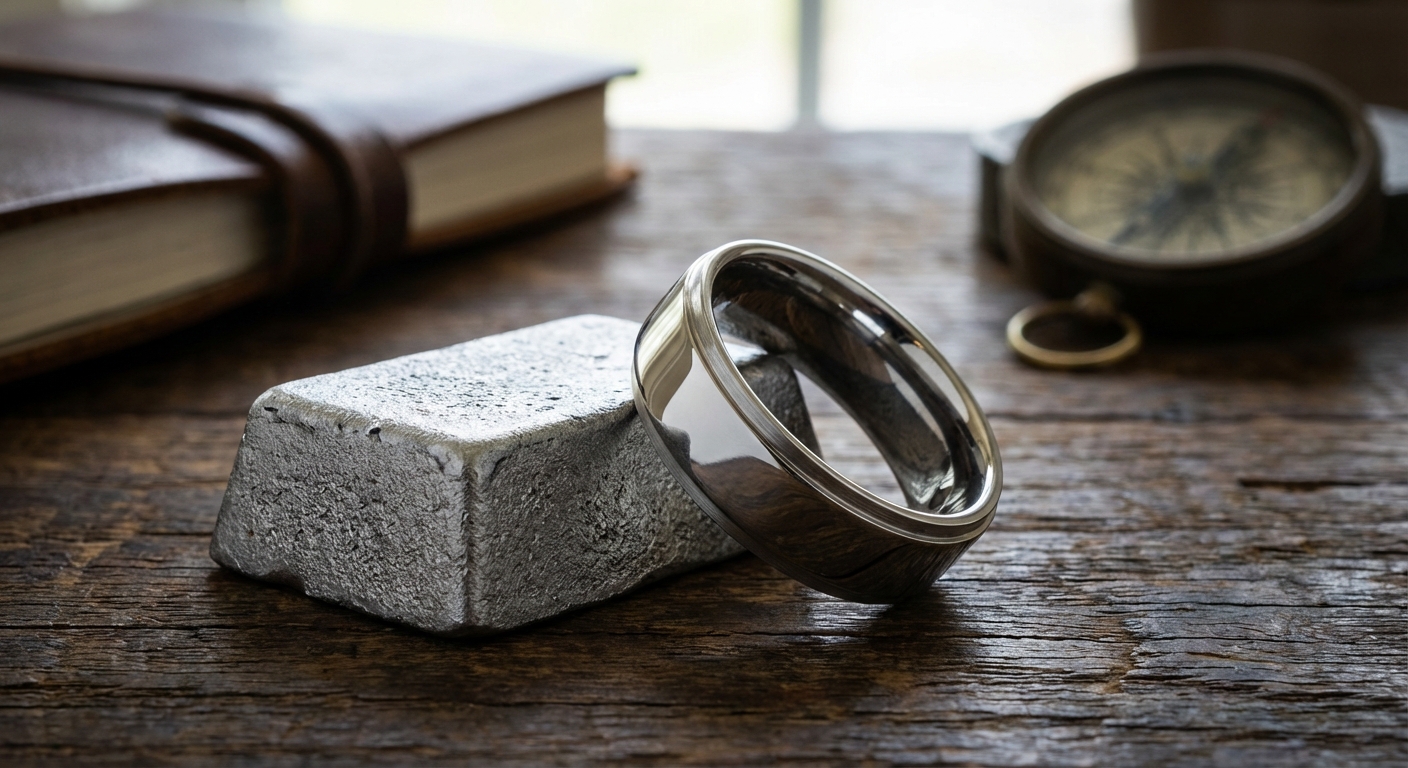
Titanium is technically stronger in terms of tensile strength and impact resistance when comparing zirconium vs titanium for industrial-grade durability. It possesses the highest strength-to-weight ratio of any known metal, which is why it is the gold standard for structural components in fighter jets. If your daily life involves heavy machinery or extreme physical labor, the sheer toughness of titanium is a significant advantage.
You can trust that a titanium band will resist crushing and deformation far better than gold or silver. While zirconium is by no means weak, its primary strength lies in its surface hardness rather than its overall structural elasticity. Titanium’s ability to give slightly under extreme pressure without snapping makes it one of the safest and most reliable materials for a lifelong wedding band.
Legacy of the Greek Titans
The name Titanium is derived from the Titans of Greek mythology, a testament to the metal’s legendary strength and endurance. This branding reflects the metal’s ability to withstand harsh chemical environments and physical stress without failing. When you wear a titanium ring, you are wearing a material that has been battle-tested in the most demanding environments on and off the planet.
Make no mistake:
- It survives extreme temperature shifts effortlessly.
- It resists corrosion from saltwater and sweat.
- It maintains its shape under heavy loads.
Industrial strength performance
In professional engineering contexts, titanium is prized for its fatigue resistance, meaning it can handle repeated cycles of stress without developing cracks. This translates to a wedding band that can endure the accidental knocks and bumps of a busy life without losing its structural integrity. You won’t have to worry about your ring becoming egg-shaped over time, a common issue with softer precious metal bands.
Does titanium bend or break?
Unlike tungsten, which is extremely hard but brittle and prone to shattering, titanium is incredibly ductile. This means that under extreme force, it is more likely to bend slightly than to snap or shatter into pieces. This property provides a crucial safety margin, as it allows for easier removal in emergency situations compared to ultra-brittle ceramic materials.
Key Takeaway: Titanium’s incredible tensile strength and shatter-proof nature make it the toughest choice for high-stress lifestyles.
| Strength Metric | Titanium (Grade 5) | Zirconium | |
|---|---|---|---|
| Tensile Strength | Very High | Moderate to High | |
| Brittleness | Low (Ductile) | Low (Ductile) | |
| Impact Resistance | Exceptional | High |
Titanium’s mechanical properties ensure it remains the most resilient option for those prioritizing structural toughness.
Which is more durable, zirconium vs titanium?
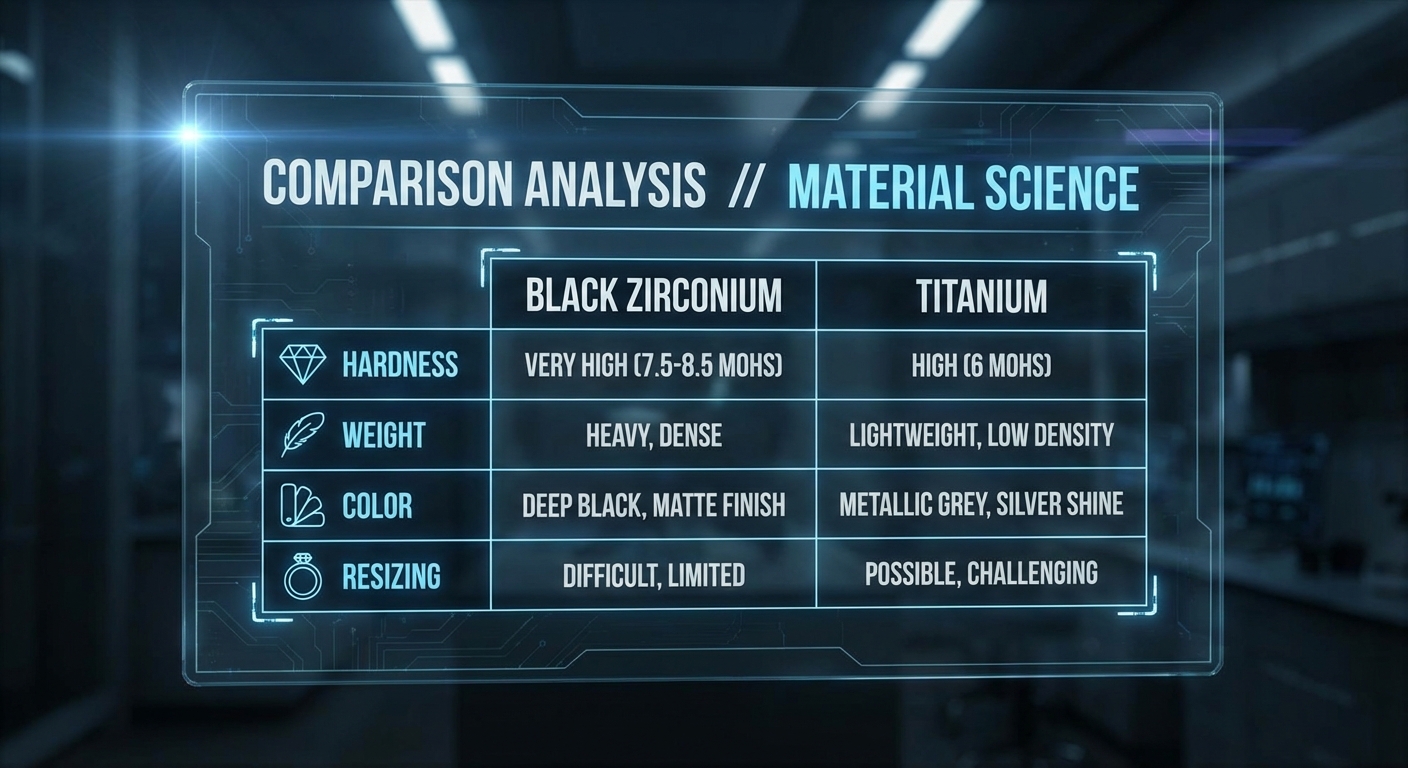
Durability in the zirconium vs titanium comparison is measured by scratch resistance, where the ceramic-like oxide layer of zirconium often holds a slight edge. While titanium is tougher structurally, the black zirconium oxide layer created during heat treatment is significantly harder than the metal beneath it. This makes black zirconium rings exceptionally resistant to the micro-scratches that usually dull the surface of metal jewelry over time.
You will find that both metals outperform gold, silver, and platinum by a wide margin in daily durability tests. If your primary concern is maintaining a like-new finish despite frequent contact with hard surfaces, the surface hardness of black zirconium is difficult to beat. However, titanium is also highly scratch-resistant compared to traditional jewelry, especially when treated with specialized hard-coat finishes.
Understanding Mohs scale hardness
The Mohs scale measures the ability of a material to resist scratching by another material, and both metals rank impressively high. While traditional gold sits at a 2.5 to 3, titanium ranks around 6, and the zirconium oxide layer can reach a hardness comparable to sapphire. This means that common items like keys, coins, and tools are much less likely to leave a permanent mark on your ring.
The bottom line is this:
- Harder surfaces stay polished much longer.
- Oxide layers act as a protective shield.
- High Mohs ratings prevent daily scuffing.
Are these rings scratch-resistant?
No metal is truly scratch-proof, but these materials come as close as possible while still remaining practical for jewelry. A black zirconium ring will eventually show a patina of wear, but because the oxide layer is so hard, these marks are often superficial. If a scratch is deep enough to penetrate the black layer, the silver zirconium underneath may show, which is why high-quality thermal treatment is essential.
Zirconia materials for extreme wear
The science behind black zirconium is the same science used to create industrial cutting tools and dental crowns. Zirconia is a ceramic-metal hybrid that offers the best of both worlds: the beauty of jewelry and the hardness of a technical ceramic. This ensures that your ring can handle the friction of daily life without losing its aesthetic appeal or structural form.
Key Takeaway: Black zirconium’s oxide layer provides superior surface hardness, making it the winner for long-term scratch resistance.
| Material | Mohs Hardness | Scratch Resistance | |
|---|---|---|---|
| Gold (14k) | 3.0 – 4.0 | Low | |
| Titanium | 6.0 | High | |
| Black Zirconium | 8.0 – 9.0 (Oxide) | Very High |
Focusing on surface hardness allows you to choose a ring that resists the dulling effect of years of friction.
How do weights compare for zirconium vs titanium?
You will find that both zirconium vs titanium are exceptionally lightweight, though titanium is marginally lighter due to its lower elemental density. If you are someone who is sensitive to the heavy feeling of a ring, these metals are the perfect solution. They offer a barely there feel that allows you to go about your day without the constant reminder of a weighted object on your finger.
The comfort provided by these low-density metals is one of their most cited benefits by grooms and professionals alike. Titanium is approximately 45% lighter than steel and significantly lighter than gold or platinum. Zirconium is slightly denser than titanium but still feels remarkably airy compared to the dense, heavy heft of tungsten or traditional precious metals.
Evaluating density and mass
In the world of metallurgy, density determines how much a specific volume of metal weighs, and both of these metals sit in the sweet spot. Titanium’s density is about 4.5 g/cm³, while zirconium sits at approximately 6.5 g/cm³. To put this in perspective, 14k gold has a density of about 13 g/cm³, making it twice as heavy as zirconium and nearly three times as heavy as titanium.
Think about it:
- Less finger fatigue during long workdays.
- Ideal for athletes and active professionals.
- The ring stays in place better during movement.
- Perfect for those who dislike wearing jewelry.
Lightweight comfort for daily wear
Choosing a lightweight ring isn’t just about the initial feel; it’s about long-term ergonomics and health. Heavy rings can sometimes cause discomfort or even contribute to risks in certain high-impact scenarios. By choosing a low-mass metal, you reduce the physical impact on your hand while maintaining the visual presence of a substantial, high-quality wedding band.
Is zirconium vs titanium lighter than steel?
Both titanium and zirconium are significantly lighter than stainless steel, which is the most common comparison point for industrial jewelry. While steel can feel clunky and cold, these refractory metals have a warmer, more natural feel against the skin. This combination of low weight and high thermal stability means the ring reaches your body temperature quickly, further enhancing the second skin sensation.
Key Takeaway: Titanium is the champion of lightweight comfort, though both metals offer a vastly superior experience compared to heavy gold or tungsten.
| Metal Type | Density (g/cm³) | Relative Weight | |
|---|---|---|---|
| Titanium | 4.5 | Extremely Light | |
| Zirconium | 6.5 | Very Light | |
| Tungsten | 19.3 | Extremely Heavy |
The weight of your ring directly impacts your daily comfort, making low-density metals a logical choice for first-time ring wearers.
What styles favor zirconium vs titanium rings?
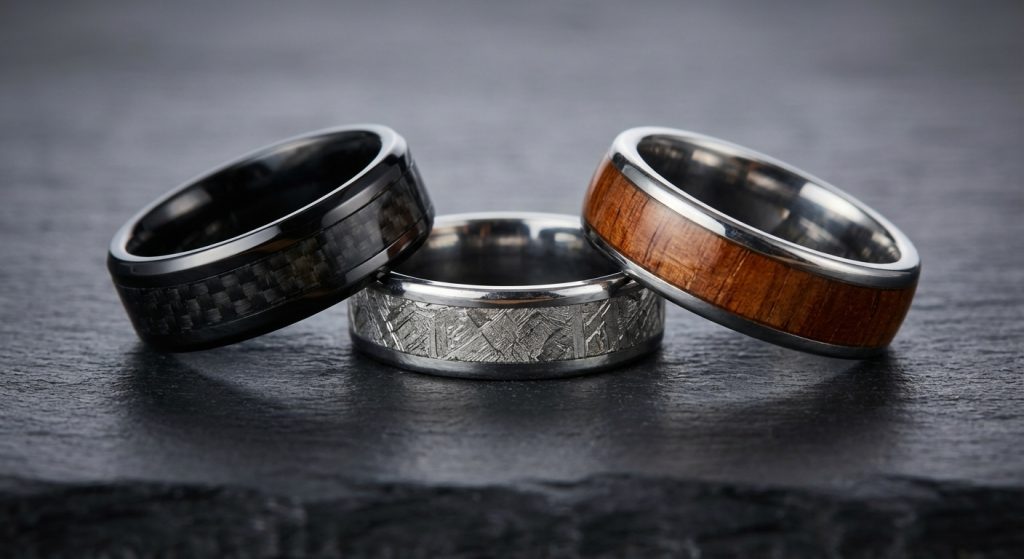
Modern styling for zirconium vs titanium rings often utilizes CNC machining to create intricate grooves and high-tech inlays like carbon fiber. Because these metals are exceptionally strong, they allow for thinner, more detailed designs that would be too fragile in gold. You can choose from a vast array of architectural styles, ranging from sleek, polished domes to rugged, hammer-textured bands.
The ability to create two-tone designs is a major draw for both materials. For example, a black zirconium ring can be machined after the oxidation process to reveal the bright silver metal underneath. Titanium’s natural gray also serves as a perfect canvas for colorful anodization, allowing for vibrant blues, purples, or golds to be hidden on the inside of the band.
Modern two-tone ring designs
Designers love working with these metals because they offer color-blocking opportunities that aren’t possible with single-colored precious metals. You might select a band with a black zirconium exterior and a titanium interior for a subtle, high-contrast look. These sleeved rings offer a way to incorporate multiple material properties, such as combining the scratch resistance of zirconium with the extreme lightness of titanium.
The truth is simple:
- Precision machining allows for sharp, clean lines.
- Mixed-media inlays are highly secure in these metals.
- Unique textures are more durable than in gold.
Incorporating unique metal inlays
Because these metals are so stable, they are frequently used as the chassis for exotic inlays like Gibeon meteorite or whiskey barrel wood. The hard outer shell of zirconium or titanium protects the more delicate inlay material from damage. This allows you to own a ring that is not only a piece of jewelry but a storytelling device containing rare or personally significant materials.
Which metal holds gemstones better?
While these metals are rarely used for traditional high-prong settings, they are excellent for tension-set or flush-set gemstones. The immense strength of titanium, in particular, can be used to hold a diamond in place using only the pressure of the metal band. This creates a futuristic look where the stone appears to float within the ring, a feat that is difficult with softer gold.
Key Takeaway: These metals are the best choice for men’s wedding bands featuring technical inlays, two-tone finishes, or architectural precision.
| Design Element | Titanium | Black Zirconium | |
|---|---|---|---|
| Inlay Compatibility | Excellent | Exceptional (Contrast) | |
| Color Customization | Anodization (Multicolor) | Black/Silver Contrast | |
| Texture Retention | High | Very High |
Leveraging the structural properties of these metals allows for design possibilities that transcend traditional jewelry boundaries.
Is zirconium vs titanium safe for sensitive skin?

Both zirconium vs titanium are completely safe for sensitive skin because they are biocompatible and free from common allergens like nickel. If you have ever experienced redness or a rash from wearing jewelry, you likely have a metal allergy triggered by trace elements in low-karat gold. These refractory metals are so inert that they do not react with body chemistry, making them the safest possible choice for daily wear.
You don’t have to worry about the green finger effect or any other skin discoloration when wearing these materials. Because they are elemental metals, they do not oxidize or tarnish in a way that leaches metallic ions into your skin. This makes them a preferred choice for medical professionals, athletes, and anyone who wants a worry-free relationship with their jewelry.
Benefits of hypoallergenic metals
The term hypoallergenic is often thrown around, but titanium and zirconium are among the few materials that truly earn the title. In fact, titanium is the primary material used for surgical implants and heart valves specifically because the human body does not reject it. When you choose a titanium or zirconium band, you are choosing a material that is literally designed to be in harmony with human biology.
It comes down to this:
- No nickel or cobalt content whatsoever.
- Inert surface prevents chemical skin reactions.
- Highly recommended by dermatologists for sensitivity.
Will these metals irritate skin?
Irritation often occurs when sweat gets trapped under a ring and reacts with the metal to cause a localized allergic reaction. Since these metals are corrosion-resistant, they do not break down in the presence of moisture or acidity, keeping your skin healthy. You can wear your ring during intense workouts or in the shower without any fear of developing a painful ring rash.
Biocompatible properties of zirconia
The black oxide layer on zirconium is essentially a ceramic, which is one of the most biocompatible materials used in modern medicine. This means that the part of the ring touching your skin is incredibly smooth and chemically stable, reducing friction. Whether you choose the natural metal or the oxidized black version, you are getting a product that prioritizes your physical comfort and dermatological health.
Key Takeaway: Both metals are 100% hypoallergenic and biocompatible, making them the ultimate choice for anyone with metal sensitivities or skin allergies.
| Property | Titanium (Grade 5) | Black Zirconium | |
|---|---|---|---|
| Biocompatibility | Medical Grade | High (Ceramic-like) | |
| Nickel Content | 0% | 0% | |
| Skin Reaction Risk | Non-existent | Non-existent |
Choosing a biocompatible metal removes the risk of allergic reactions, ensuring your ring remains a source of comfort rather than irritation.
Can you resize zirconium vs titanium wedding rings?
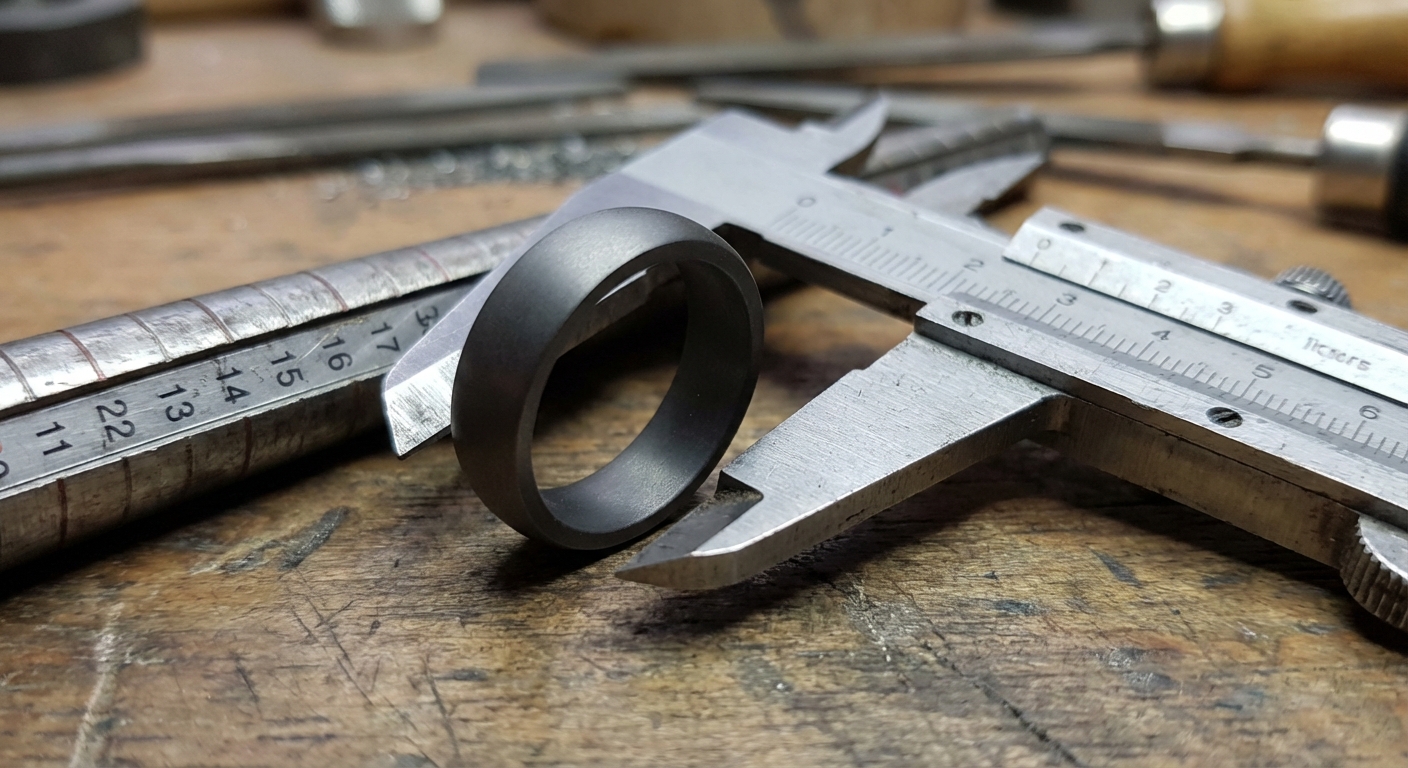
You cannot easily resize zirconium vs titanium rings due to their immense hardness, making accurate initial sizing critical for a lifelong fit. Unlike gold or silver, which can be cut and soldered by any local jeweler, these metals require specialized industrial equipment to manipulate. If your finger size changes significantly, you will often find that it is more cost-effective to replace the ring than to attempt a resize.
Because of this limitation, you must be diligent about getting an accurate comfort fit measurement before placing your order. Most high-end retailers offer size protection or exchange programs to help mitigate the risks associated with size changes later in life. While some minor stretching may be possible with titanium, black zirconium is virtually impossible to resize without destroying the oxide layer.
The challenge of hard metals
Traditional jewelry resizing involves heating the metal to a point where it becomes malleable, but these metals have incredibly high melting points. For example, titanium melts at over 3,000 degrees Fahrenheit, which is far beyond the capabilities of a standard jeweler’s torch. Additionally, the process of cutting and welding these metals must be done in an oxygen-free environment to prevent the metal from becoming brittle.
Just so you know:
- Precise initial sizing is mandatory for success.
- Use a comfort fit sizing tool before buying.
- Consider finger fluctuations due to local weather.
How to ensure a perfect fit?
To get the best results, you should have your finger measured by a professional at different times of the day. Many manufacturers of these rings will send you a set of sizing rings made of plastic or inexpensive metal to wear for a few days. This allows you to experience how the ring feels during sleep and exercise, ensuring the final product is perfect.
Planning for future size changes
While you can’t resize the ring in the traditional sense, many men find that their finger size remains relatively stable once they reach adulthood. If you are concerned about long-term fit, look for manufacturers that offer a lifetime sizing warranty, which allows you to exchange your ring. This swap model is the standard way the alternative metal industry handles the resizing challenge effectively.
Key Takeaway: You should treat these rings as non-resizable, making it essential to use a professional sizing kit and a manufacturer with a solid exchange policy.
| Material | Resizability | Method | |
|---|---|---|---|
| Gold | Easy | Cut and Solder | |
| Titanium | Limited | Small amount of stretching | |
| Black Zirconium | Very Difficult | Replacement usually required |
An accurate initial fit is the most important step in the purchasing process for these high-performance materials.
What is the price of zirconium vs titanium rings?
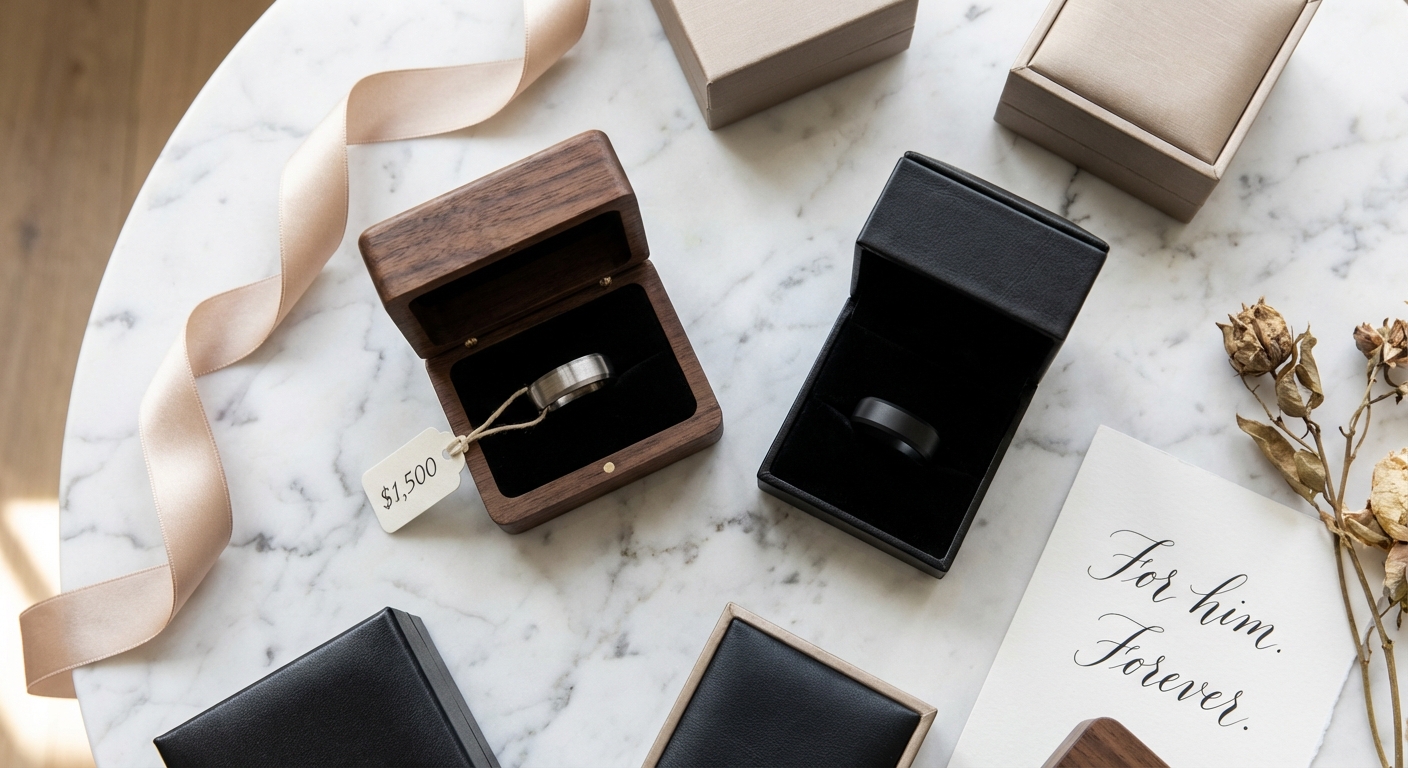
Prices for zirconium vs titanium vary based on the complexity of the oxidation process and the specific grade of the alloy used. Generally, titanium rings are among the most affordable high-quality wedding bands on the market, offering incredible value for their durability. Black zirconium tends to be slightly more expensive due to the additional labor and specialized equipment required to create the permanent finish.
When you compare these prices to traditional gold or platinum, the savings are substantial. You can often purchase a top-tier black zirconium or titanium band for a fraction of the cost of a 14k gold ring. This price advantage does not imply a lower quality; rather, it reflects the efficiency of modern industrial manufacturing versus the scarcity-based pricing of precious metals.
Factors influencing market cost
The cost of your ring is influenced by more than just the raw material; the complexity of the design plays a huge role. A simple, polished titanium band is inexpensive, but a ring with complex machining or custom inlays will command a premium. You are paying for the engineering hours and the precision CNC technology used to shape these stubborn metals.
Here is the deal:
- Titanium is highly accessible and very affordable.
- Zirconium requires more complex heat-treating stages.
- Customizations like engravings add to the cost.
Long-term value and maintenance
One of the hidden financial benefits of these metals is the lack of long-term maintenance costs. Gold rings often need to be re-plated every few years to maintain their appearance, especially white gold. Since black zirconium and titanium do not lose their color or wear down easily, you won’t be spending money on periodic professional servicing.
Comparing manufacturing complexity
Manufacturing a black zirconium ring involves a high-vacuum, high-heat environment that must be perfectly controlled to ensure the oxide layer is uniform. Titanium is also difficult to work with, as it tends to stick to cutting tools, requiring specialized lubricants. These industrial challenges are what define the price points, as only specialized workshops have the capability to produce high-end jewelry.
Key Takeaway: Titanium offers the best entry-level value, while black zirconium provides a premium, low-maintenance black finish at a mid-range price point.
| Price Category | Titanium | Black Zirconium | 14k Gold | |
|---|---|---|---|---|
| Raw Material Cost | Low | Moderate | High | |
| Manufacturing Cost | Moderate | High | Moderate | |
| Maintenance Cost | Very Low | Very Low | Moderate |
By choosing these metals, you maximize your investment by focusing on engineering quality rather than raw commodity price.
Which is best in the zirconium vs titanium debate?

The best choice in the zirconium vs titanium debate ultimately aligns with your daily activity level and your desire for a specific color profile. If you prioritize a classic, metallic gunmetal gray and the absolute highest strength-to-weight ratio, titanium is your ideal match. If you are looking for a bold, permanent black aesthetic with superior scratch resistance, black zirconium is the clear winner for your wedding band.
Both metals solve the primary problems of traditional jewelry: they are durable, hypoallergenic, and uniquely styled. Whether you are an engineer looking for a material that speaks to your profession or an athlete needing a band that won’t interfere with your performance, either choice is a massive upgrade over soft precious metals. Your decision should come down to which look resonates most with your personal brand.
Selecting based on your lifestyle
Think about your daily environment before making a final decision on which metal suits your hand best. If you work in a field where you frequently bump your hands against hard surfaces, black zirconium’s scratch resistance will keep the ring looking new longer. If you simply want the lightest ring possible that can withstand extreme pressure, titanium remains the undisputed champion.
Look at it this way:
- Both metals represent the peak of jewelry tech.
- They offer safety and comfort for all skin types.
- They are a fraction of the cost of gold.
Future-proofing your jewelry choice
By selecting an alternative metal, you are future-proofing your wedding band against the common issues of bending, scratching, and tarnishing. These rings are built to last as long as your commitment, requiring almost zero upkeep once they are on your finger. Whether you choose the industrial gray of titanium or the midnight black of zirconium, you are making a choice for life.
Key Takeaway: Your selection between these two powerhouse metals should be guided by your preference for either classic metallic tones or a modern, obsidian black finish.
| Final Verdict | Titanium | Black Zirconium | |
|---|---|---|---|
| Best For | Strength & Lightness | Color & Scratch Resistance | |
| Style | Classic Industrial | Modern Stealth | |
| Long-term Look | Gunmetal Patina | Permanent Black |
Making an informed choice based on these physical properties ensures that your wedding ring remains a lasting and comfortable symbol of your union.
Deciding between high-performance metals can be a challenge, but we are here to help you navigate the process of selecting a ring that reflects your unique style and durability needs. At Zr Brontec, we specialize in crafting precision-engineered bands that bridge the gap between industrial strength and luxury design. Please feel free to contact us today if you have any questions about our materials or the custom sizing process. Our vision is to provide every individual with a band that is as resilient, innovative, and timeless as the bond it represents.
FAQ
Can I wear my zirconium or titanium ring in the gym?Yes, these metals are ideally suited for the gym because they are lightweight and highly resistant to impact. Unlike gold, which can bend or warp under the pressure of a heavy barbell, these materials maintain their circular shape even under significant stress.
What’s the best way to clean these alternative metal bands?The most effective method is simply using mild dish soap and warm water with a soft cloth. Because these metals are chemically inert and non-porous, they do not require specialized jewelry cleaners or frequent professional polishing to stay clean.
How do I know if I have a nickel allergy that requires these metals?If you have ever noticed redness or itching after wearing low-karat gold or cheap costume jewelry, you likely have a sensitivity to nickel. Since both titanium and zirconium are 100% nickel-free and biocompatible, they are the safest recommendation for anyone with sensitive skin.
Can I get my zirconium vs titanium ring engraved?Yes, both of these metals can be professionally engraved using laser technology to include personal messages or dates. Traditional hand-engraving is difficult due to the hardness of the metal, but laser engraving provides a clean, permanent, and highly detailed result.
What’s the best finish for hiding fingerprints on a black ring?A matte or brushed finish is the best choice for black zirconium if you want to minimize the visibility of fingerprints and skin oils. While a high-polished black finish looks stunning, it acts more like a mirror and will show smudges more readily than a textured surface.