Choosing between zirconium and titanium depends on whether you value a permanent black finish or an ultra-lightweight, classic silver-grey aesthetic. Selecting a wedding or lifestyle ring is a high-stakes decision where most buyers want something more modern than traditional gold. However, technical jargon can make it difficult to identify which “alternative” metal truly fits your lifestyle. This comprehensive analysis of zirconium vs titanium provides the clarity you need to avoid common pitfalls like skin irritation or fading colors.
Why pick zirconium vs titanium?
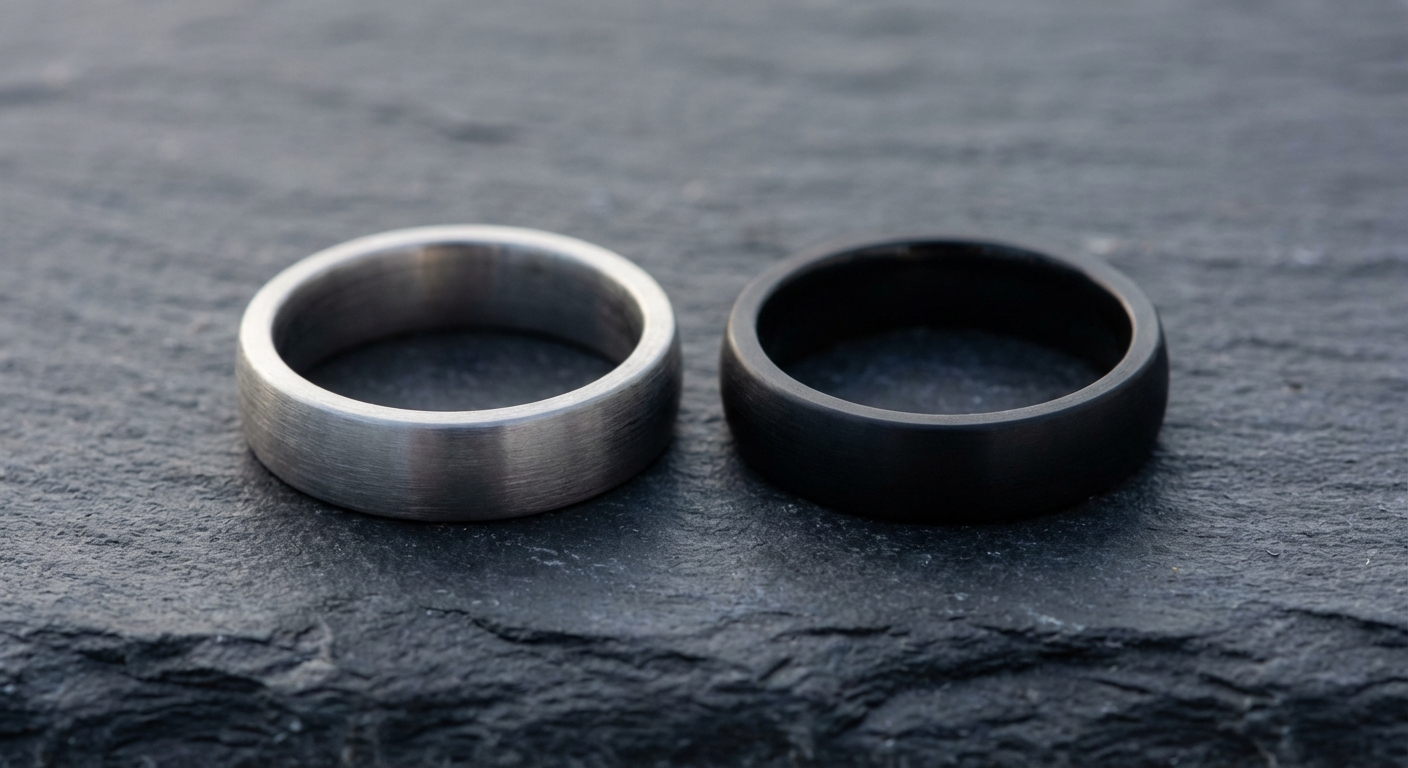
You pick zirconium or titanium based on your preference for a bold, permanent black finish or a classic, feather-light silver-grey metal. Choosing between zirconium vs titanium involves weighing the importance of aesthetic longevity against sheer physical comfort. Both options represent a modern shift toward industrial materials in the jewelry world. You need to consider how each metal fits your daily activities and style.
What are the core differences?
Consider this: while both metals are strong, they offer completely different visual profiles. Titanium is a naturally occurring element known for its grey luster and strength, while zirconium undergoes a thermal process to create a stunning black ceramic surface.
- Titanium: Naturally silver-grey and ultra-lightweight.
- Zirconium: Can be heat-treated to a permanent black.
- Both: Highly durable and corrosion-resistant. Key Takeaway: Understanding these base properties ensures you select a metal that aligns with your visual and physical expectations.
| Feature | Titanium | Zirconium | |
|---|---|---|---|
| Core Aesthetic | Industrial Silver | Deep Black or Grey | |
| Primary Benefit | Weightlessness | Permanent Color | |
| Metal Type | Element | Element/Ceramic Hybrid |
This comparison highlights how material selection dictates the fundamental character of your ring.
Is zirconium vs titanium cheaper?
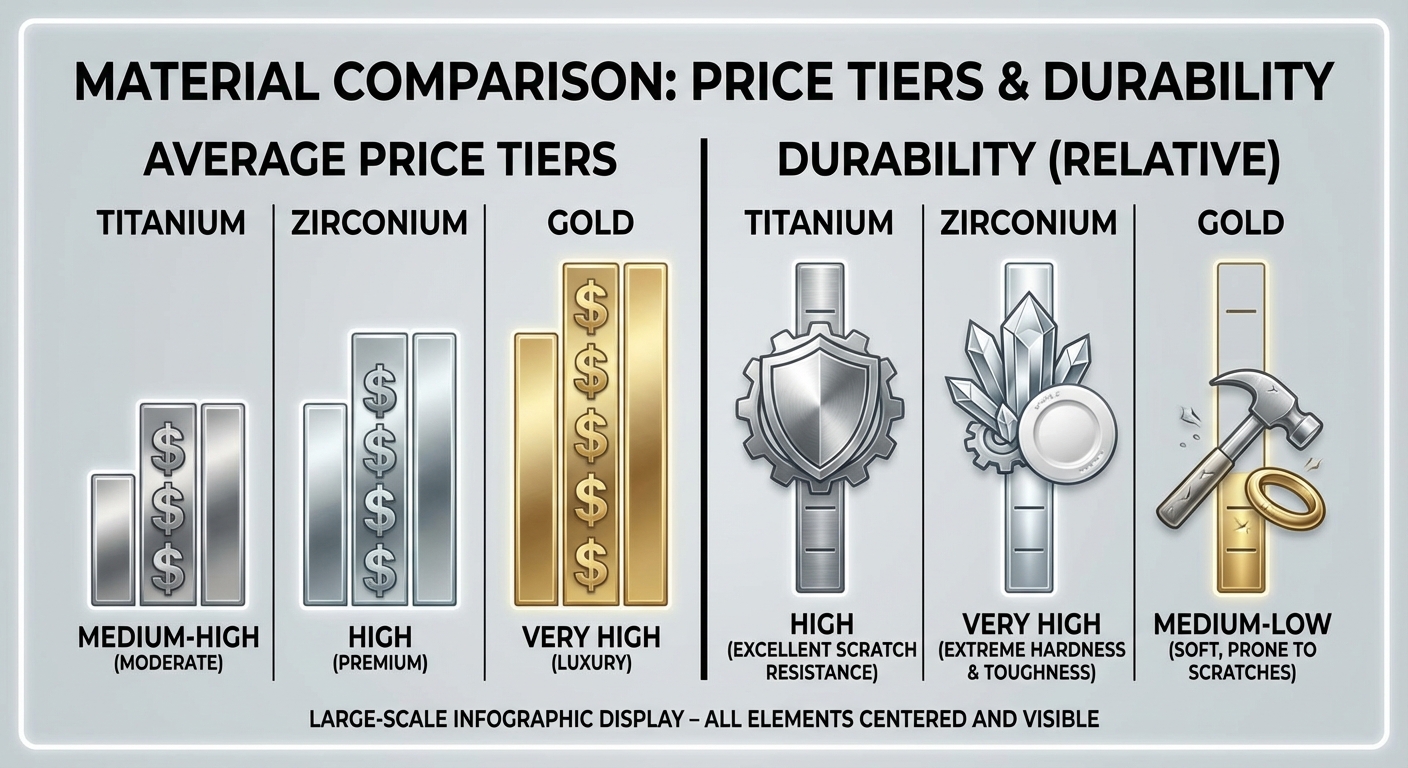
Both zirconium and titanium are significantly more budget-friendly than traditional precious metals like gold or platinum. When comparing zirconium vs titanium, you will find that both offer a high-end look without the luxury price tag. This makes them ideal for couples who want to invest more in their experiences or the home than in raw gold weight.
Is one more affordable than the other?
Here is the bottom line: titanium is generally the most cost-effective option because of its abundance and simpler manufacturing process. While zirconium is still affordable, the high-heat oxidation process required to turn it black adds a slight premium to the final cost.
- Titanium: Lowest entry price for quality bands.
- Zirconium: Mid-range pricing for alternative metals.
- Precious Metals: Significantly higher cost per gram. Key Takeaway: Choosing either metal provides a high-durability band that saves you substantial money compared to traditional gold.
| Cost Factor | Titanium | Zirconium | |
|---|---|---|---|
| Raw Material | Low | Moderate | |
| Processing | Simple | Complex Heat Treatment | |
| Relative Value | Excellent | High |
These price points allow for more flexibility when selecting intricate designs or custom engravings.
Does zirconium vs titanium scratch?
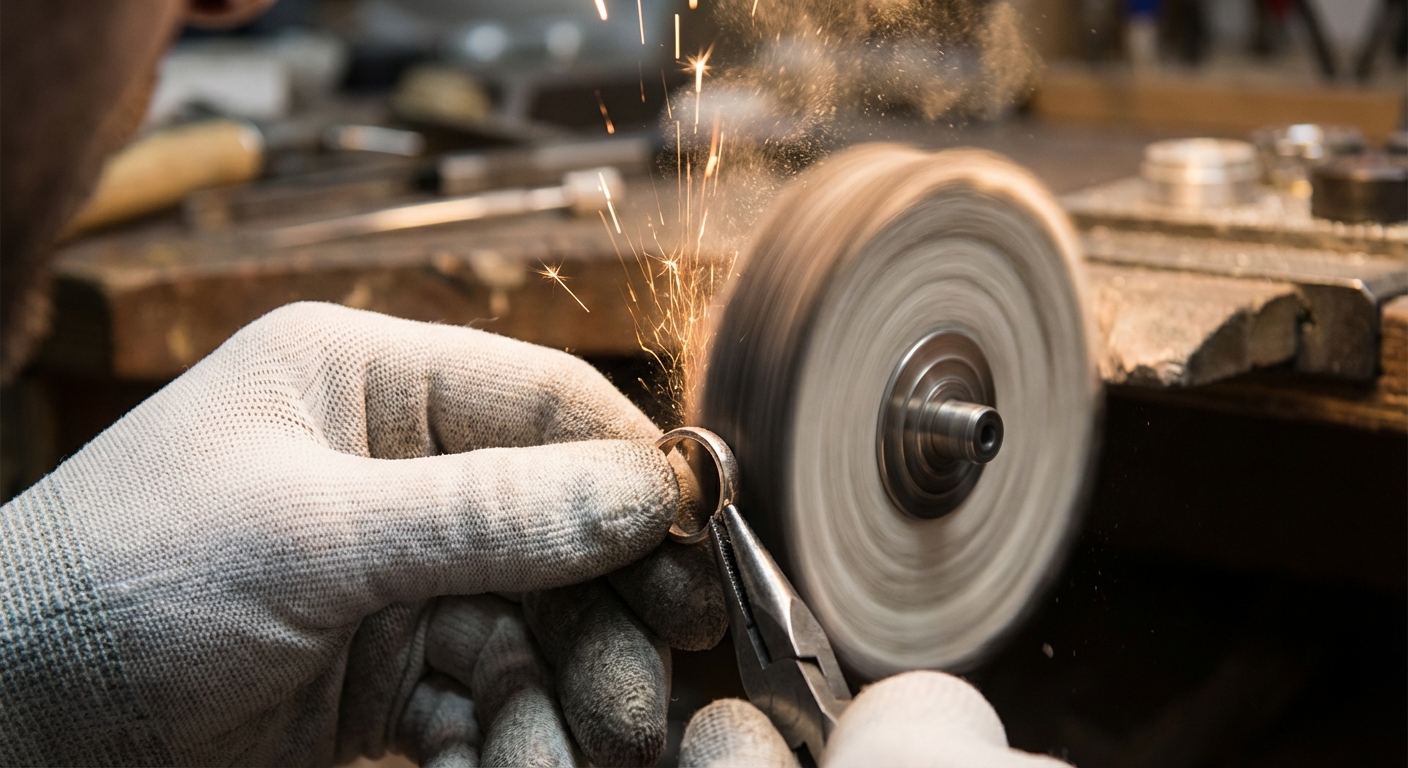
While both materials are exceptionally durable, oxidized zirconium provides superior scratch resistance due to its hard ceramic-like surface. When comparing zirconium vs titanium , the surface hardness of oxidized zirconium is significantly higher than that of Grade 2 or Grade 5 titanium. This means your ring will maintain its pristine finish for a much longer period.
Can you repair surface scuffs?
Look at it this way: titanium is tough, but it will eventually develop a “patina” of fine scratches from daily contact with harder surfaces. While these can be buffed out by a professional, the black layer on zirconium is almost impossible to scratch through under normal conditions.
- Titanium: Scratches over time but is easy to polish.
- Zirconium: Highly resistant to scratches due to its ceramic layer.
- Maintenance: Titanium requires more frequent refinishing. Key Takeaway: If you work with your hands, the superior hardness of oxidized zirconium offers better long-term protection against wear.
| Durability | Titanium | Zirconium | |
|---|---|---|---|
| Hardness | Very High | Extremely High | |
| Scratch Resistance | Good | Superior | |
| Finish Longevity | Years | Decades |
Investing in a harder material reduces the need for professional maintenance and keeps your band looking new.
Why is black zirconium vs titanium unique?
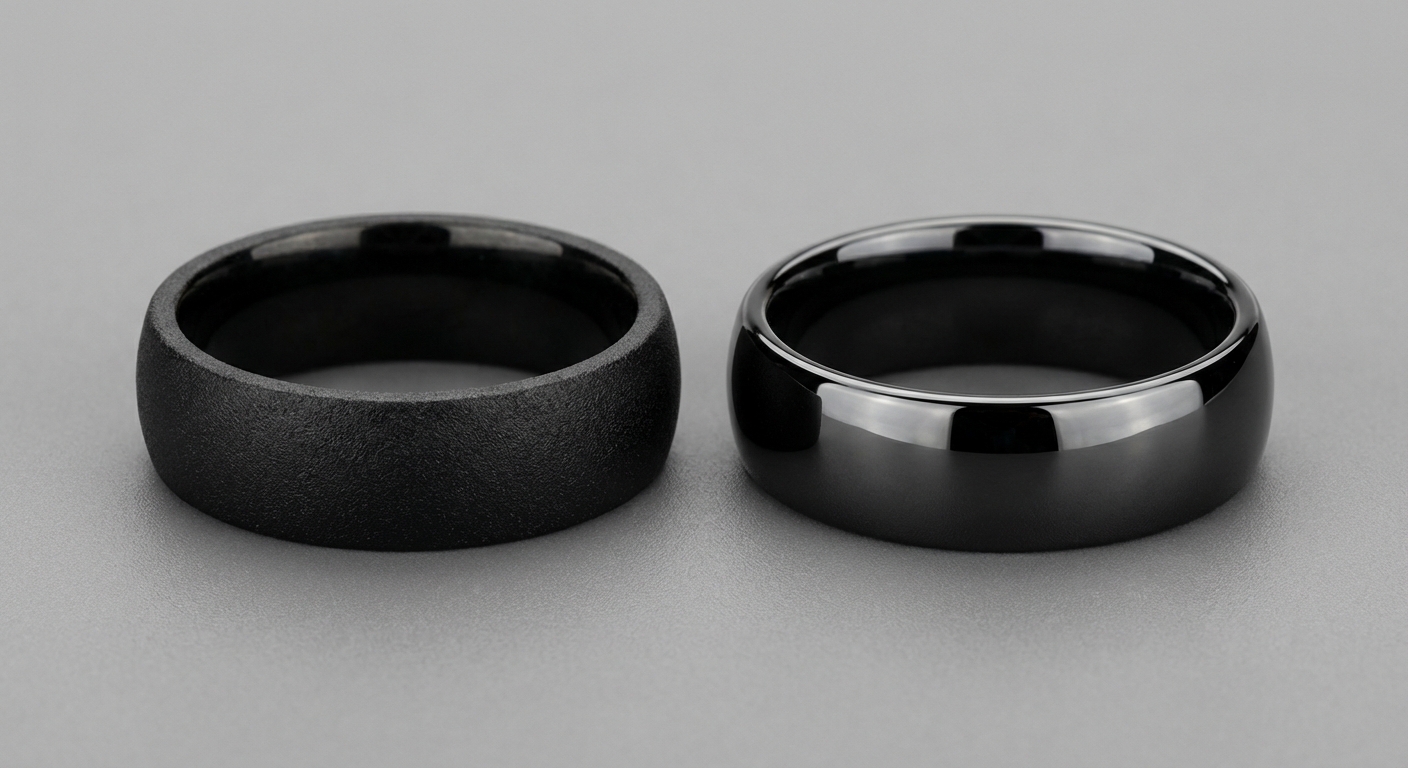
Black zirconium is unique because its color is a structural chemical change, whereas black titanium typically relies on a surface coating. In the debate of black zirconium vs titanium, the “blackness” of zirconium is a layer of zirconium oxide that is grown out of the metal itself. This results in a finish that is far more durable and beautiful than any plated or coated metal.
Will the black finish ever fade?
Think about it: most “black” jewelry uses a coating that can peel or wear off, but black zirconium is different. Because the black layer is part of the metal’s structure, it will never fade, peel, or turn your finger green.
- Zirconium: Chemical transformation (Permanent).
- Black Titanium: Often a DLC coating (Very durable but a coating).
- Visual Depth: Zirconium offers a richer, “piano black” finish. Key Takeaway: Choosing black zirconium ensures your ring’s color remains as deep and dark as the day you bought it.
| Color Method | Titanium (Black) | Zirconium (Black) | |
|---|---|---|---|
| Process | Ion Plating or DLC | Thermal Oxidation | |
| Permanence | High (But can wear) | Permanent | |
| Look | Gunmetal to Black | Deep Onyx Black |
The structural nature of the zirconium oxide layer provides a level of color security that coated metals cannot match.
Is zirconium vs titanium hypoallergenic?
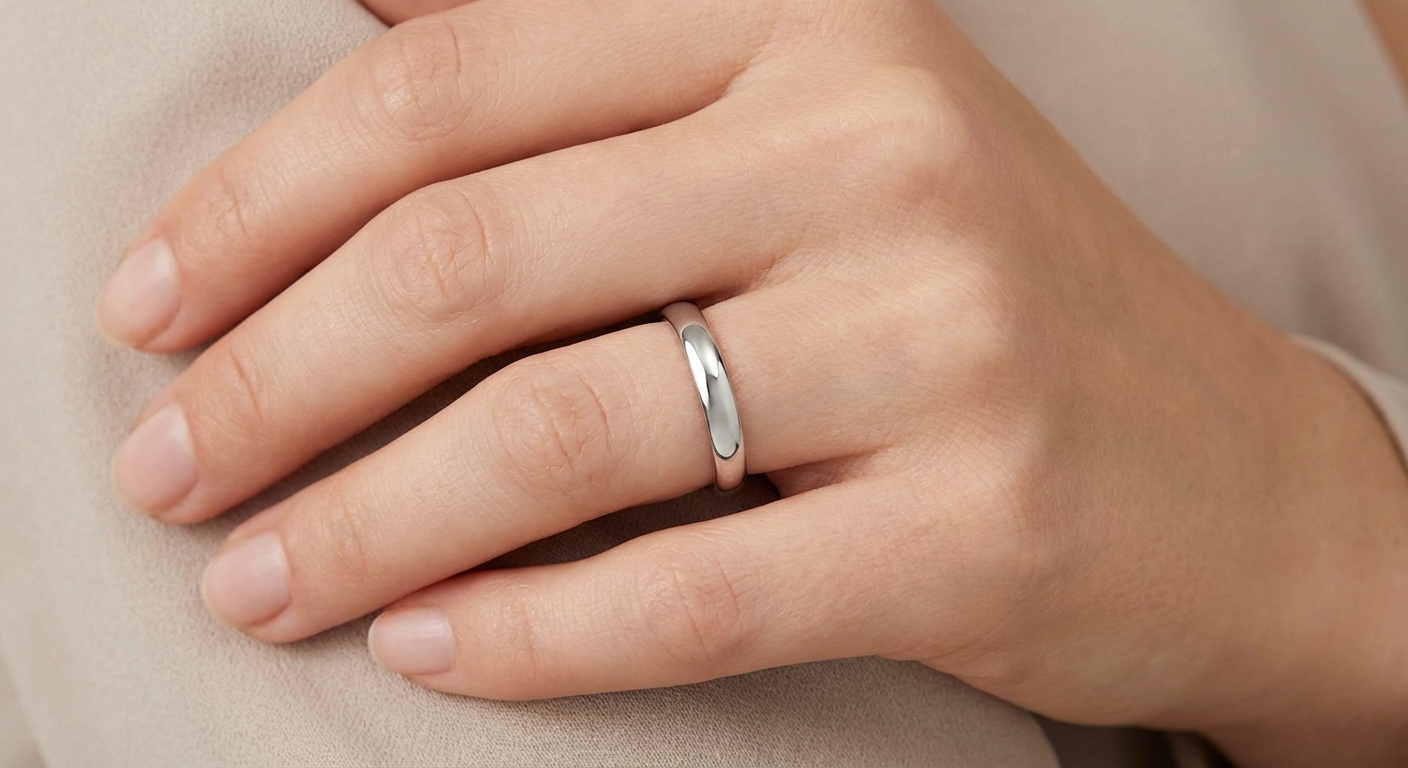
Both zirconium vs titanium are exceptionally hypoallergenic, making them the safest choices for individuals with sensitive skin. These metals are bio-compatible and are frequently used in surgical implants and dental work because the body does not react to them. You can wear either metal with total confidence that it will not cause a rash or irritation.
Why are these metals safe for skin?
The truth is: most skin allergies are caused by nickel, a common filler in gold and silver alloys. Titanium and zirconium are elemental metals that do not contain nickel or other common irritants.
- Biocompatibility: Both are used in medical grade applications.
- Irritants: Zero nickel, lead, or cobalt content.
- Safety: Ideal for 24/7 wear on any skin type. Key Takeaway: If you have a history of metal sensitivity, both materials offer a 100% safe and comfortable solution.
| Health Safety | Titanium | Zirconium | |
|---|---|---|---|
| Nickel-Free | Yes | Yes | |
| Medical Use | Implants/Screws | Dental Crowns/Joints | |
| Allergy Risk | Negligible | Negligible |
Choosing medical-grade materials eliminates the risk of painful skin reactions during long-term wear.
Can you resize zirconium vs titanium rings?
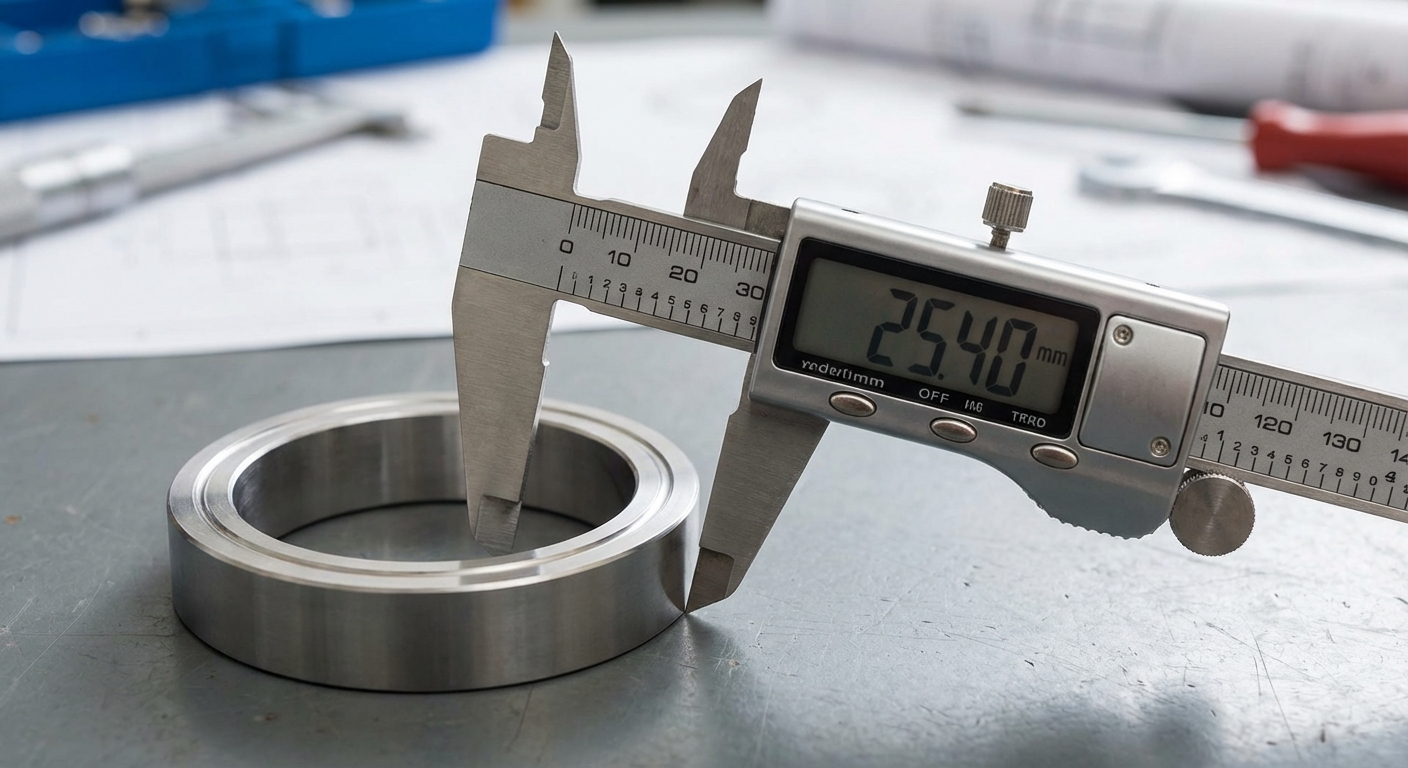
Standard resizing is generally impossible for both metals due to their extreme hardness and the specific way they are manufactured. When you choose between zirconium vs titanium, you must be certain of your ring size because these bands cannot be cut and soldered like gold. Most manufacturers offer a size exchange policy rather than a resizing service for this reason.
What happens if your finger size changes?
Simply put: if your ring no longer fits, you will likely need to replace the entire band rather than having it modified. Because these metals are machined from solid blocks, they lack the malleability required for traditional jewelry stretching or compressing.
- Sizing: Must be precise at the point of purchase.
- Adjustments: Minor internal shaving is sometimes possible.
- Replacement: Most brands offer a lifetime sizing warranty. Key Takeaway: Accurate sizing is the most critical step when ordering these high-performance metal bands.
| Serviceability | Titanium | Zirconium | |
|---|---|---|---|
| Resizability | Generally No | Generally No | |
| Repairability | Professional Polish Only | Difficult to Refinish | |
| Sizing Strategy | Size Exchange | Size Exchange |
The inability to resize is a trade-off for the extreme durability and strength these metals provide.
Which zirconium vs titanium style is best?
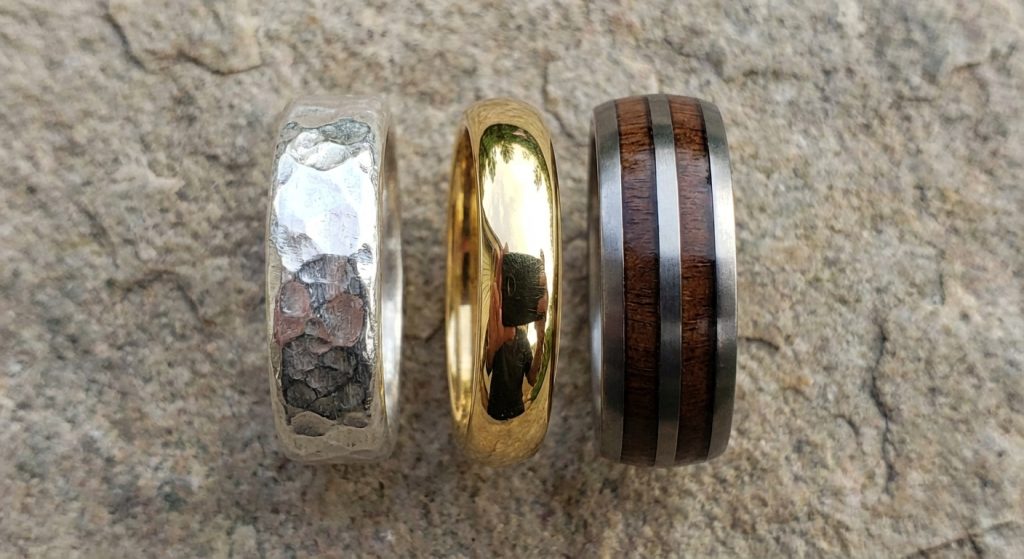
The best style depends on whether you prefer the sleek, modern black of zirconium vs titanium in its classic silver-grey form. Both metals are highly versatile and can be machined into various textures, from hammered finishes to high-polish shines. You can even find designs that incorporate exotic inlays like wood, antler, or precious metal wires.
Can you customize these metals?
The best part? Zirconium allows for a unique “two-tone” look where the black surface is milled away to reveal the silvery metal underneath. Titanium, meanwhile, is often favored for its ability to be anodized into vibrant colors like blue or purple.
- Finishes: Matte, satin, polished, or hammered.
- Inlays: Compatible with carbon fiber, gold, and wood.
- Customization: High-power lasers can engrave complex designs. Key Takeaway: Both metals offer vast design flexibility, allowing you to create a ring that is truly one-of-a-kind.
| Style Options | Titanium | Zirconium | |
|---|---|---|---|
| Color Range | Silver, Anodized Colors | Silver, Grey, Black | |
| Texture Support | Excellent | Excellent | |
| Two-Tone Ability | Limited | High (Milled Black/Silver) |
The versatility of these metals ensures that there is a style to match any personal aesthetic or fashion preference.
Is zirconium vs titanium heavy to wear?

Titanium is noticeably lighter than zirconium, offering a “feather-light” sensation that many people find more comfortable for daily wear. When comparing zirconium vs titanium weight, titanium is roughly 40% lighter than stainless steel. Zirconium sits in the middle, feeling more like a traditional precious metal but still lighter than gold.
Which weight is right for you?
You see: if you aren’t used to wearing jewelry, the weightlessness of titanium can be a major advantage. However, some men prefer the “heft” of zirconium because it feels more substantial and similar to the weight of a traditional wedding band.
- Titanium: Ultra-light; you might forget you’re wearing it.
- Zirconium: Moderate weight; feels sturdy and high-quality.
- Gold/Platinum: Very heavy and dense. Key Takeaway: Choose titanium if you want maximum comfort, or zirconium if you prefer to feel the weight of your ring.
| Density | Titanium | Zirconium | |
|---|---|---|---|
| Weight Feel | Feather-light | Substantial but comfortable | |
| Density (g/cm³) | ~4.5 | ~6.5 | |
| Comfort Level | Exceptional | High |
Weight is a personal preference that significantly impacts how much you will enjoy wearing your ring every day.
Does zirconium vs titanium purity matter?
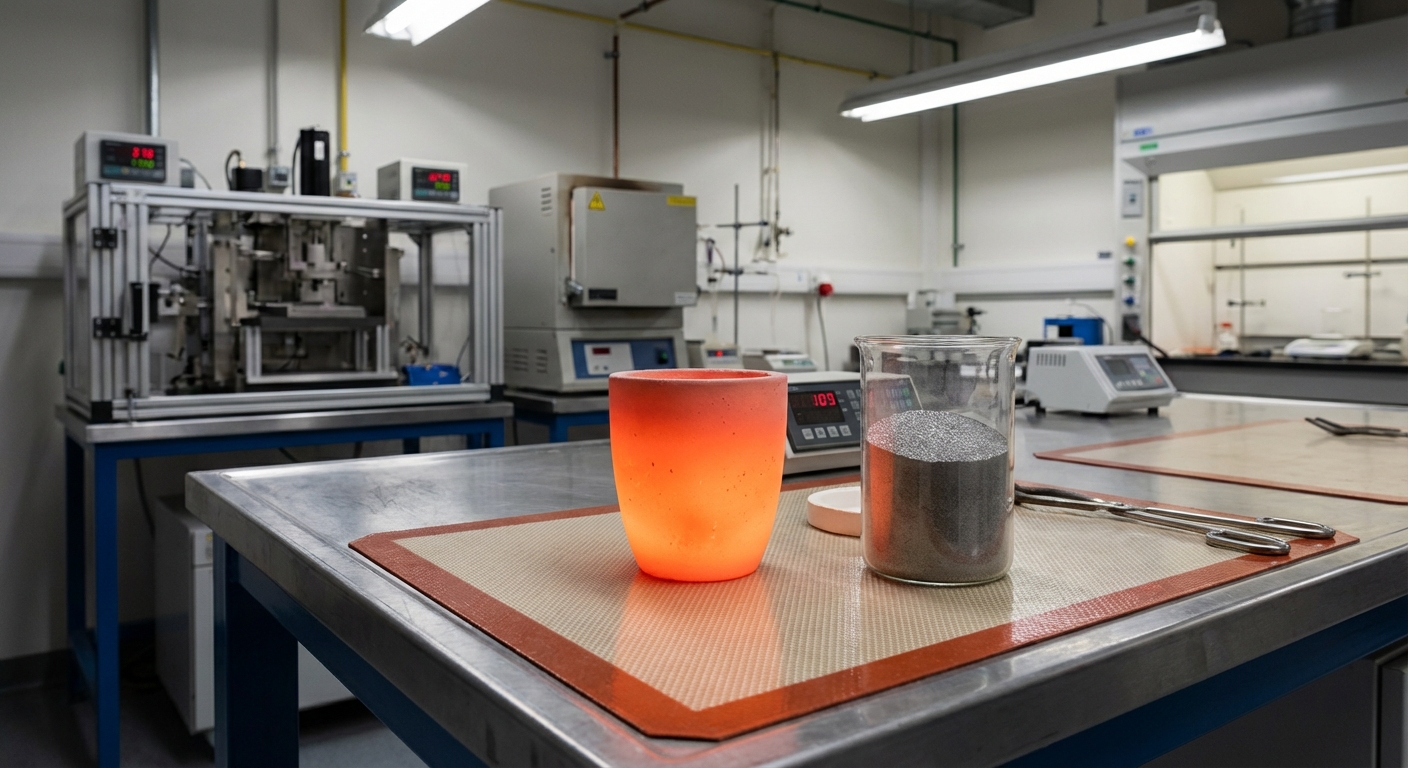
Material purity is critical because it ensures consistent color, structural integrity, and the absence of skin-irritating contaminants. Selecting high-purity zirconium vs titanium is essential for ensuring that your ring maintains its structural integrity and color over time. Lower-grade alloys may contain impurities that cause the metal to brittle or react poorly to the skin.
Why should you care about grades?
It gets better: using high-purity materials like zirconium silicate in the manufacturing process guarantees a uniform finish. Industrial-grade titanium (Grade 5) is often used for its superior strength, ensuring the ring will not bend or misshape under pressure.
- Purity: Prevents discoloration and structural failure.
- Grade 5 Titanium: The “gold standard” for strength.
- Zirconium Purity: Essential for a flawless black oxide layer. Key Takeaway: Buying from a reputable manufacturer ensures you receive medical-grade purity that lasts a lifetime.
| Quality Metric | Titanium (Grade 5) | Zirconium (High Purity) | |
|---|---|---|---|
| Strength | Aerospace Grade | Industrial Ceramic Strength | |
| Consistency | High | Very High | |
| Biocompatibility | Medical Grade | Medical Grade |
Purity is the invisible factor that determines whether your ring survives decades of wear or fails within years.
How to choose zirconium vs titanium rings?
You choose based on a balance of your color preference, desired weight, and budget requirements for long-term wear. Evaluating zirconium vs titanium requires looking at your daily habits and deciding which trade-offs matter most. Whether you prioritize the “unscratchable” nature of zirconium or the “weightless” feel of titanium, both are excellent choices.
Which one wins for your lifestyle?
Make no mistake: there is no wrong choice, only the choice that is right for your hand. If you want a classic silver look that is incredibly tough and light, titanium is your winner; if you want the best black ring on the market, zirconium is the only way to go.
- Choose Titanium: For weightlessness and classic silver tones.
- Choose Zirconium: For permanent black color and scratch resistance.
- Decision: Base it on your aesthetic and the “feel” you prefer. Key Takeaway: Finalizing your choice depends on which metal’s unique benefits best align with your personal style and activity level.
| Final Verdict | Choose Titanium if… | Choose Zirconium if… | |
|---|---|---|---|
| Color Need | You want silver-grey | You want permanent black | |
| Weight Need | You want it ultra-light | You like some substance | |
| Budget Need | You want the lowest price | You have a moderate budget |
By weighing these factors, you can confidently invest in a ring that represents your commitment and lifestyle perfectly.
Conclusion
Choosing between these two advanced materials shouldn’t be a source of stress. Whether you need the industrial-strength durability of titanium or the sleek, deep-black aesthetic of zirconium, we have the expertise to guide you. Our team is dedicated to providing high-purity, precision-engineered bands that solve the problems of skin irritation and surface wear. We believe that every ring should be a masterpiece of material science and personal expression. If you are ready to find your perfect fit, contact us today to explore our premium selections.
FAQ
Can I wear my zirconium ring in the pool?Yes. Both zirconium and titanium are highly resistant to corrosion from chlorine and salt water.
What’s the best way to clean a titanium band?Mild soap and warm water are all you need. This simple method removes oils and dirt without damaging the metal.
Can I get my zirconium ring engraved?Yes. Laser engraving is the most effective way to add permanent text or symbols to these hard metals.
How do I know if I have a nickel allergy?Redness and itching under a gold or silver ring are the most common signs. Switching to zirconium or titanium usually resolves these issues immediately.
Can I distinguish between zirconium and titanium by eye?Yes. Titanium is naturally a lighter silver-grey, while oxidized zirconium is a deep, dark black.