Choosing between titanium and zirconium depends on whether you prioritize high-strength ductility or extreme thermal and chemical inertness. You are likely facing a critical engineering crossroads where selecting the wrong alloy could lead to premature component failure, skyrocketing maintenance costs, or catastrophic downtime in high-pressure environments. Navigating the nuances of zirconium vs titanium requires a deep dive into material science to ensure your project achieves maximum longevity.
What are the core differences in zirconium vs titanium?
The primary difference lies in their classification; titanium is a lightweight structural metal, whereas zirconium is most frequently utilized in its oxide form (zirconia) as a high-performance technical ceramic. While both share a similar silver-grey metallic appearance in their raw state, the density and atomic structure of zirconium vs titanium set them apart for specific industrial roles.
Understanding Atomic Density and Weight
Titanium is the undisputed winner for weight-sensitive applications due to its significantly lower density. Zirconium is much heavier, which can be a drawback in aerospace but a benefit in ballast or wear-resistant grinding media.
- Titanium Density: Approximately 4.5 g/cm³.
- Zirconium Density: Approximately 6.5 g/cm³.
- Weight Impact: Titanium offers a superior strength-to-weight ratio for frames and airframes.
Think about it: Every gram matters when you are engineering components for flight or mobile robotics.
Comparing Crystal Structure and Stiffness
The structural behavior of these materials is dictated by their phases, with titanium offering more flexibility through its Young’s modulus. Zirconia, particularly Yttria-stabilized versions, provides extreme stiffness that resists deformation under high compressive loads.
Here’s the deal: Titanium’s modulus allows it to absorb stress, whereas zirconium’s stiffness makes it ideal for rigid mechanical seals.
Key Takeaway: Titanium excels in lightweight structural roles, while zirconium (as zirconia) is the go-to for rigid, high-density industrial applications.
| Property | Titanium (Grade 5) | Zirconia (Y-TZP) | |
|---|---|---|---|
| Density | 4.43 g/cm³ | 6.05 g/cm³ | |
| Elastic Modulus | 114 GPa | 210 GPa | |
| Primary Use | Structural Frames | Wear Parts/Refractories |
Selecting a material with the correct density ensures your assembly meets both weight and durability targets.
Which has better strength in zirconium vs titanium?
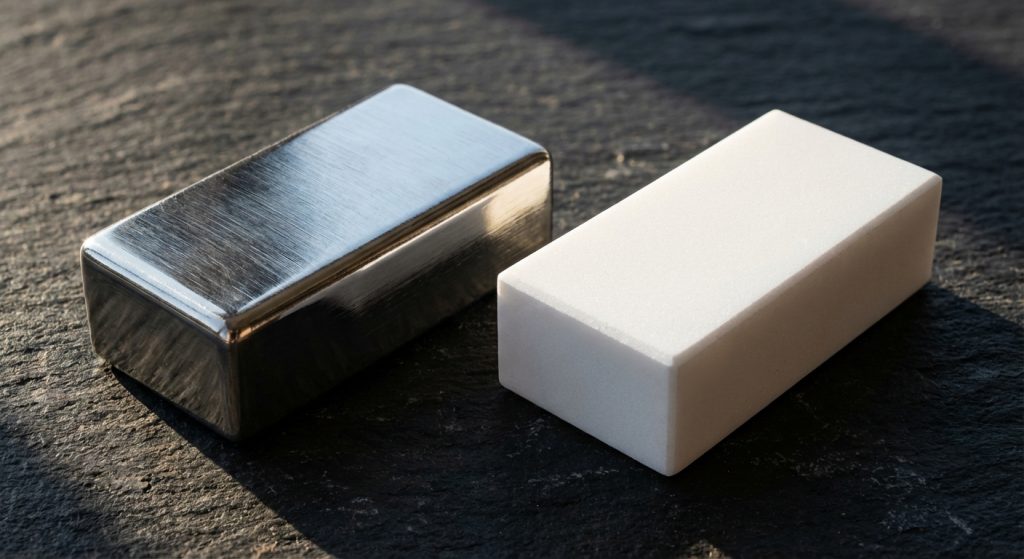
Titanium leads in ductile tensile performance, but zirconium-based ceramics offer far higher bending strength and surface hardness. When evaluating the mechanical limits of zirconium vs titanium , you must distinguish between the ability to stretch under load and the ability to resist surface crushing.
Tensile Strength and Ductility
Titanium alloys like Ti-6Al-4V are prized for their ability to withstand significant pulling forces without snapping. This ductility makes titanium safer for structural parts that may experience unpredictable impacts or vibrations.
- Titanium Tensile: Reaches up to 860 MPa in common alloys.
- Ductility: High fracture toughness allows for “bending before breaking.”
- Impact Resistance: Excellent for aerospace fasteners and engine mounts.
But wait, there’s more: If your application involves pure compression, zirconium might be the smarter play.
Bending Strength and Fracture Toughness
Zirconia (Y-TZP) is engineered to provide staggering bending strength that can exceed 1,000 MPa. However, it is a brittle material, meaning it does not have the “give” that titanium provides when pushed beyond its limits.
- Zirconia Bending Strength: 1,000 to 1,800 MPa depending on processing.
- Fracture Toughness: Zirconia (6-8 MPa m½) is much lower than Titanium (66 MPa m½).
- Hardness: Zirconia is significantly harder and more scratch-resistant.
Key Takeaway: Choose titanium for structural parts subject to tension and impact; use zirconium for components requiring extreme surface hardness and compressive strength.
| Strength Metric | Titanium Alloy | Zirconia Ceramic | |
|---|---|---|---|
| Tensile Strength | ~860 MPa | Not commonly measured | |
| Bending Strength | ~950 MPa | 1,000 – 1,800 MPa | |
| Fracture Toughness | 66 MPa m½ | 6 – 8 MPa m½ |
Ductility is the primary safety factor that separates metallic titanium from ceramic zirconium components.
How does corrosion resistance vary in zirconium vs titanium?
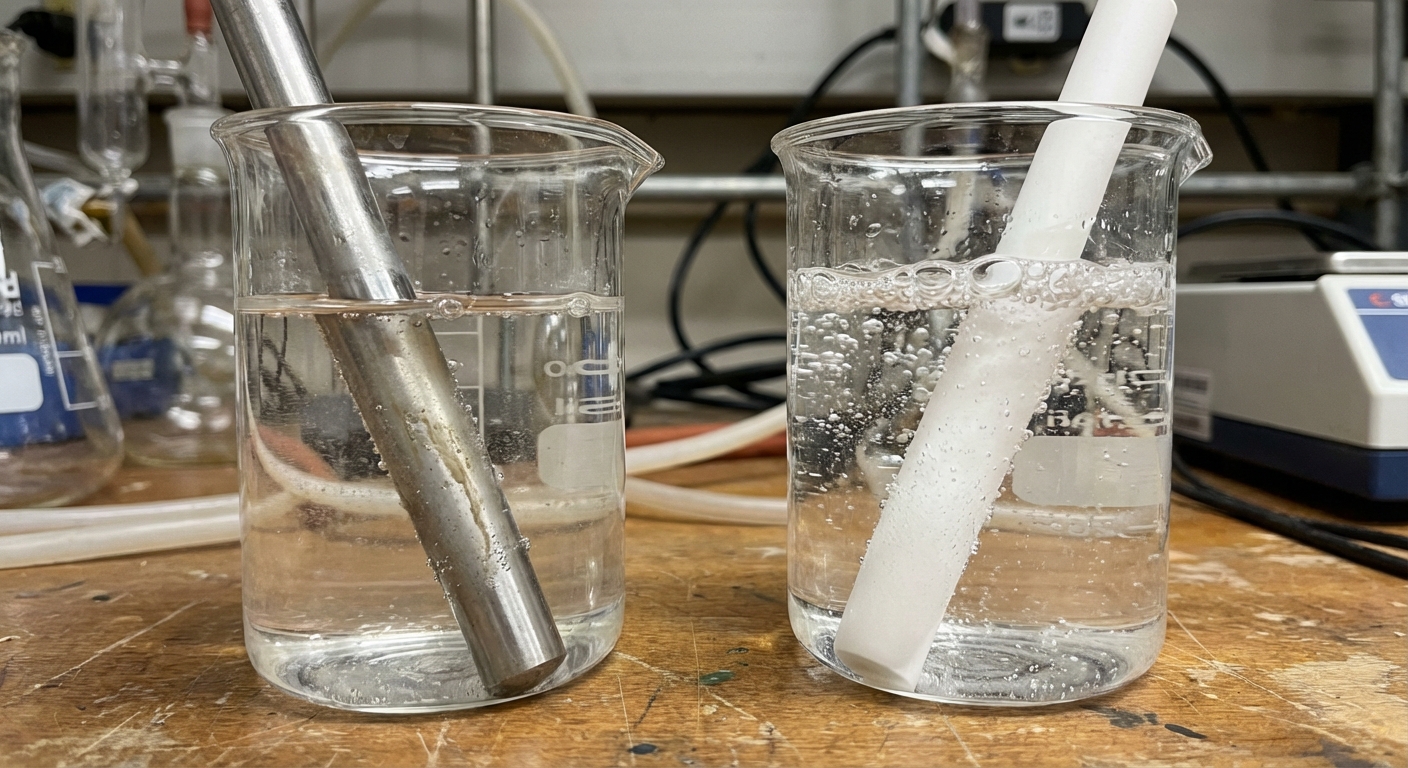
Both materials are nearly immune to atmospheric corrosion, but zirconium provides superior protection in highly concentrated acidic environments. The chemical stability of zirconium vs titanium depends on the specific aggressive media your hardware will encounter during its service life.
The Protective Oxide Film of Titanium
Titanium relies on a self-repairing TiO2 layer that forms instantly when exposed to oxygen. This layer is exceptionally stable in seawater and chlorinated environments, making it a favorite for marine engineering.
- Marine Environments: Virtually no corrosion in saltwater.
- Biocompatibility: The neutral charge of the oxide layer promotes healthy cell attachment.
- Oxidation: Protects against most organic acids and diluted alkalis.
Think about it: In most standard industrial environments, titanium is “set it and forget it.”
Superior Acid Resistance of Zirconium
Zirconium is the specialist’s choice for the chemical processing industry because it can survive where titanium fails. It offers unmatched resistance to hydrochloric and sulfuric acids, even at high temperatures and concentrations.
- Hydrochloric Acid: Zirconium remains pristine in high concentrations.
- Sulfuric Acid: Superior performance compared to most transition metals.
- Industrial Use: Ideal for heat exchangers and piping in chemical plants.
Here is the kicker: While titanium is great for the ocean, zirconium is built for the laboratory.
Key Takeaway: Use titanium for marine and general industrial use; specify zirconium for specialized chemical processing involving aggressive mineral acids.
| Chemical Agent | Titanium Resistance | Zirconium Resistance | |
|---|---|---|---|
| Seawater | Excellent | Excellent | |
| Hydrochloric Acid | Fair / Poor | Superior | |
| Sulfuric Acid | Good (Alloyed) | Superior |
Zirconium’s chemical inertness makes it an essential material for the harshest hazardous fluid handling systems.
Is zirconium vs titanium better for dental implants?
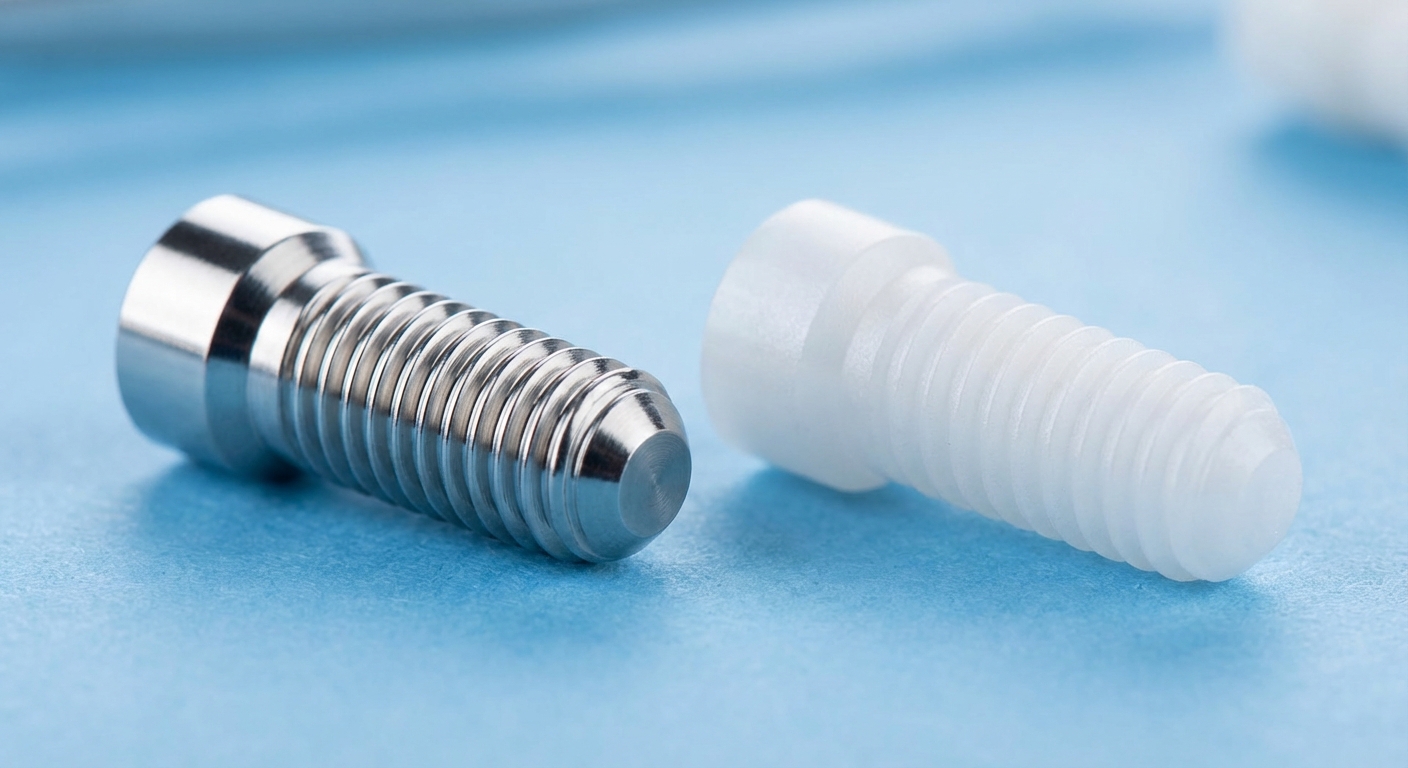
Titanium is the traditional gold standard for dental implants, yet zirconia is rapidly gaining ground for its metal-free aesthetics and plaque resistance. The medical debate over zirconium vs titanium centers on patient sensitivity and the long-term visual outcome of the restoration.
Osseointegration and Mechanical Reliability
Titanium has decades of clinical data proving its ability to fuse perfectly with human bone. Its flexibility is also closer to that of natural bone, which helps distribute biting forces more evenly across the jaw.
- Success Rate: Exceptionally high over 30+ years of use.
- Flexibility: Better stress distribution helps prevent bone loss.
- Weight: Lightweight feel is often preferred by patients.
It’s an open secret: Titanium remains the most common choice for multi-unit bridges and full-arch restorations.
Aesthetic Advantages of Zirconia
Zirconia is a “metal-free” alternative that eliminates the risk of a dark metallic line showing through the gums. Because it is tooth-colored and translucent, it provides a much more natural appearance for front-tooth replacements.
- Plaque Resistance: Lower bacterial adhesion compared to titanium.
- Aesthetics: High translucency mimics natural enamel.
- Biocompatibility: Excellent for patients with metal allergies or sensitivities.
But wait, there’s more: Zirconia is also highly resistant to the galvanic corrosion that can occur when different metals are present in the mouth.
Key Takeaway: Titanium is the leader for mechanical reliability and complex cases, while zirconia is the premium choice for aesthetics and allergy-prone patients.
| Feature | Titanium Implants | Zirconia Implants | |
|---|---|---|---|
| Visual Appearance | Metallic Grey | Tooth-Colored | |
| Plaque Adhesion | Moderate | Very Low | |
| Clinical History | Long-term (30+ years) | Emerging (15+ years) |
Aesthetic requirements often dictate the shift from traditional titanium to modern zirconia dental solutions.
What are the thermal properties of zirconium vs titanium?
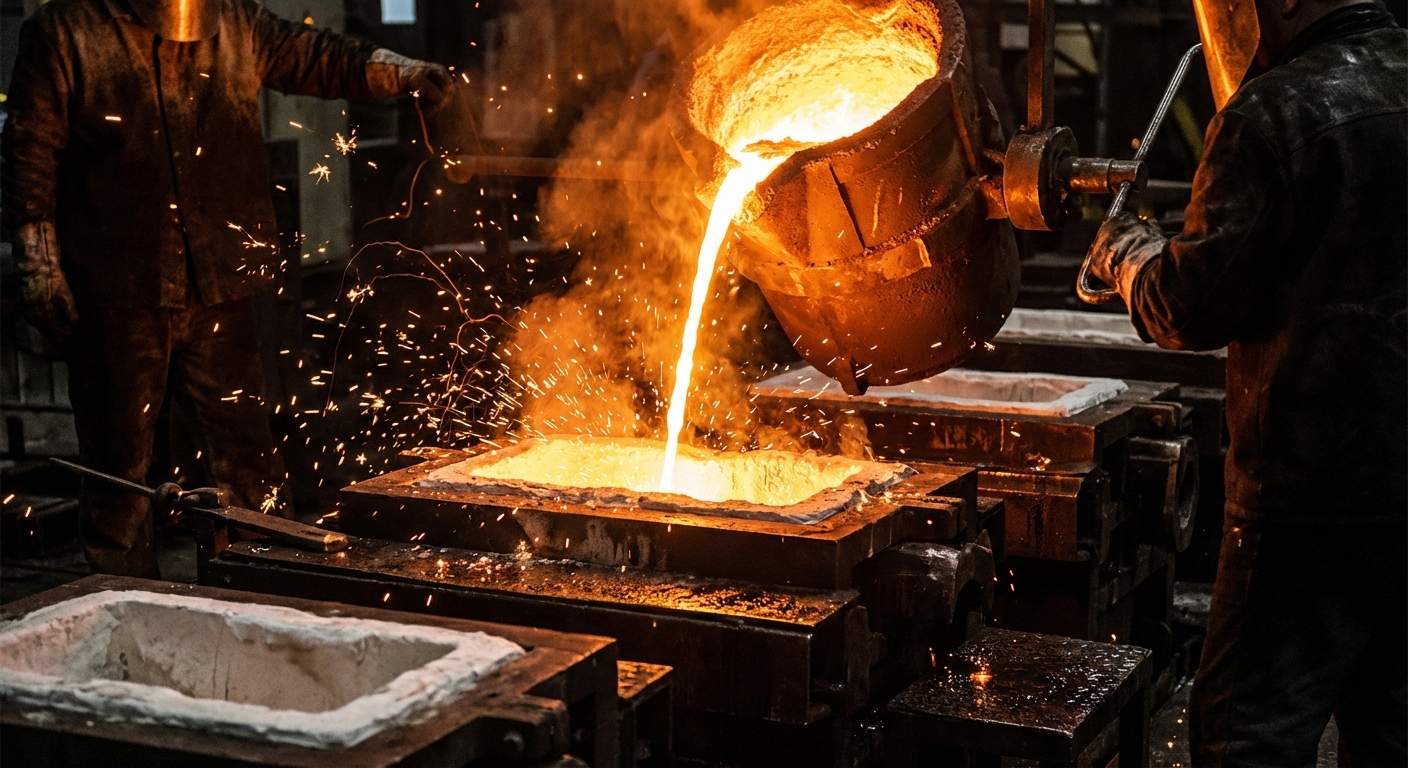
Zirconium derivatives are significantly more heat-resistant, with melting points nearly 1,000°C higher than titanium. When you compare zirconium vs titanium in high-heat scenarios, zirconium’s role as a refractory material becomes its most defining characteristic.
Refractory Stability and Melting Points
Zirconium (in the form of Zirconia) can withstand temperatures that would turn titanium into a liquid. This makes zirconium essential for lining furnaces and creating molds for molten metal.
- Zirconia Melting Point: Approximately 2,715°C.
- Titanium Melting Point: Approximately 1,668°C.
- Thermal Barrier: Zirconia acts as an insulator, while titanium conducts heat.
Here’s the deal: If your part needs to touch molten steel, titanium is not even an option.
Thermal Expansion and Shock Resistance
Titanium retains good mechanical properties up to about 600°C, but its strength drops off sharply after that. Zirconium-based materials maintain their structural integrity at much higher levels, though they are more prone to cracking if cooled too quickly.
- Thermal Conductivity: Titanium is a poor conductor, but Zirconia is an even better insulator.
- Applications: Foundry coatings, kiln furniture, and engine heat shields.
- Stability: Zirconium silicate maintains phase stability during rapid heating cycles.
Think about it: Zirconium is the shield that protects other materials from extreme thermal destruction.
Key Takeaway: Zirconium is the superior choice for extreme high-temperature refractory and insulation roles where titanium would melt.
| Thermal Metric | Titanium | Zirconia (ZrO2) | |
|---|---|---|---|
| Melting Point | 1,668°C | ~2,715°C | |
| Max Service Temp | ~600°C (Structural) | ~2,400°C (Refractory) | |
| Thermal Role | High-temp alloy | Refractory insulator |
Zirconium’s ability to remain solid at nearly 3,000°C makes it a cornerstone of modern metallurgy and foundry science.
Which is more cost-effective, zirconium vs titanium?
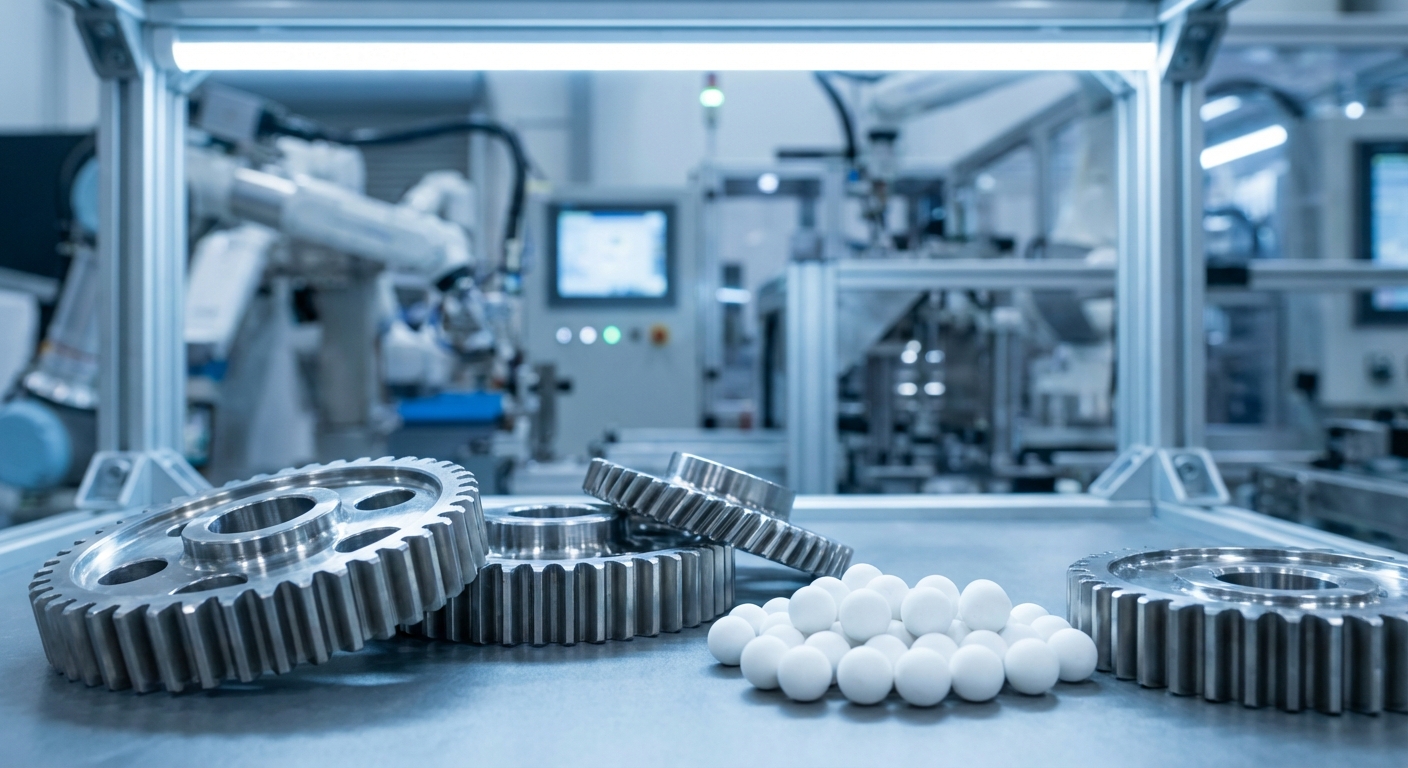
Titanium often has higher raw material costs, while zirconium’s value comes from its extreme wear life in abrasive environments. Calculating the cost-effectiveness of zirconium vs titanium requires you to look at the total cost of ownership rather than just the invoice price.
Lifecycle Value and Durability
In high-wear applications like grinding media or pump seals, zirconium components can last several times longer than titanium. This reduced frequency of replacement often makes the more “expensive” ceramic the cheaper option over five years.
- Wear Resistance: Zirconia is much harder than any titanium alloy.
- Maintenance: Fewer shutdowns for part replacement.
- ROI: Higher initial cost, but lower cost per operating hour.
But wait, there’s more: Processing zirconium into complex shapes often requires expensive diamond tooling, which adds to the price.
Processing and Manufacturing Fees
Titanium is widely available as a metal and can be machined using standard (though rigorous) CNC methods. Zirconium parts, especially ceramics, require high-temperature sintering and precision grinding, which can drive up production costs.
- Raw Material: Titanium is generally more expensive per kilogram.
- Machining: Zirconium ceramics are difficult to post-process.
- Scale: Bulk zircon sand for refractories is very cost-effective.
Here is the kicker: If you can use standard titanium, you will save on manufacturing; if you need extreme wear resistance, zirconium saves you on replacement.
Key Takeaway: Titanium is more cost-effective for complex structural parts, while zirconium provides better value in high-wear or abrasive industrial roles.
| Cost Factor | Titanium | Zirconium (Ceramic) | |
|---|---|---|---|
| Initial Material | High | Moderate to High | |
| Machining Cost | Moderate | High (Diamond Grinding) | |
| Service Life | Standard | Extreme (Wear-resistant) |
Investing in zirconium components pays dividends through significantly extended service intervals in abrasive environments.
How do zirconium vs titanium perform in nuclear apps?
Zirconium is the only viable choice for reactor core cladding because it does not “poison” the nuclear reaction by absorbing neutrons. In the high-stakes world of nuclear physics, the comparison of zirconium vs titanium is a matter of reactor efficiency and safety.
Neutron Absorption and Economy
The most critical property in a nuclear reactor is a material’s “neutron cross-section.” Zirconium is nearly transparent to thermal neutrons, allowing them to pass through the cladding to sustain the chain reaction.
- Zirconium Cross-Section: Very low (0.18 barns).
- Titanium Cross-Section: High (6.1 barns).
- Efficiency: Zirconium ensures the fuel is used effectively without interference.
Think about it: Using titanium in a reactor core would be like putting a lead blanket over a lightbulb—it just wouldn’t work.
Corrosion Resistance in High-Pressure Water
Nuclear reactors operate with extremely hot, high-pressure water that would quickly corrode most metals. Zirconium alloys (Zircaloys) are specifically engineered to maintain their strength and resist oxidation for years under these intense conditions.
- Stability: Maintains integrity under heavy radiation bombardment.
- Safety: Prevents fuel leaks into the cooling system.
- Industry Standard: The primary material for fuel rod cladding worldwide.
Here’s the deal: Zirconium is literally the “skin” that holds nuclear energy in check.
Key Takeaway: Zirconium is indispensable for nuclear fuel cladding due to its low neutron absorption, whereas titanium is used only for non-core structural components.
| Nuclear Property | Zirconium | Titanium | |
|---|---|---|---|
| Neutron Absorption | Extremely Low | High | |
| Radiation Stability | Excellent | Moderate | |
| Core Usage | Primary (Fuel Cladding) | Secondary (Structural) |
Zirconium’s unique relationship with neutrons makes it the backbone of the global nuclear power industry.
What are the aerospace uses for zirconium vs titanium?
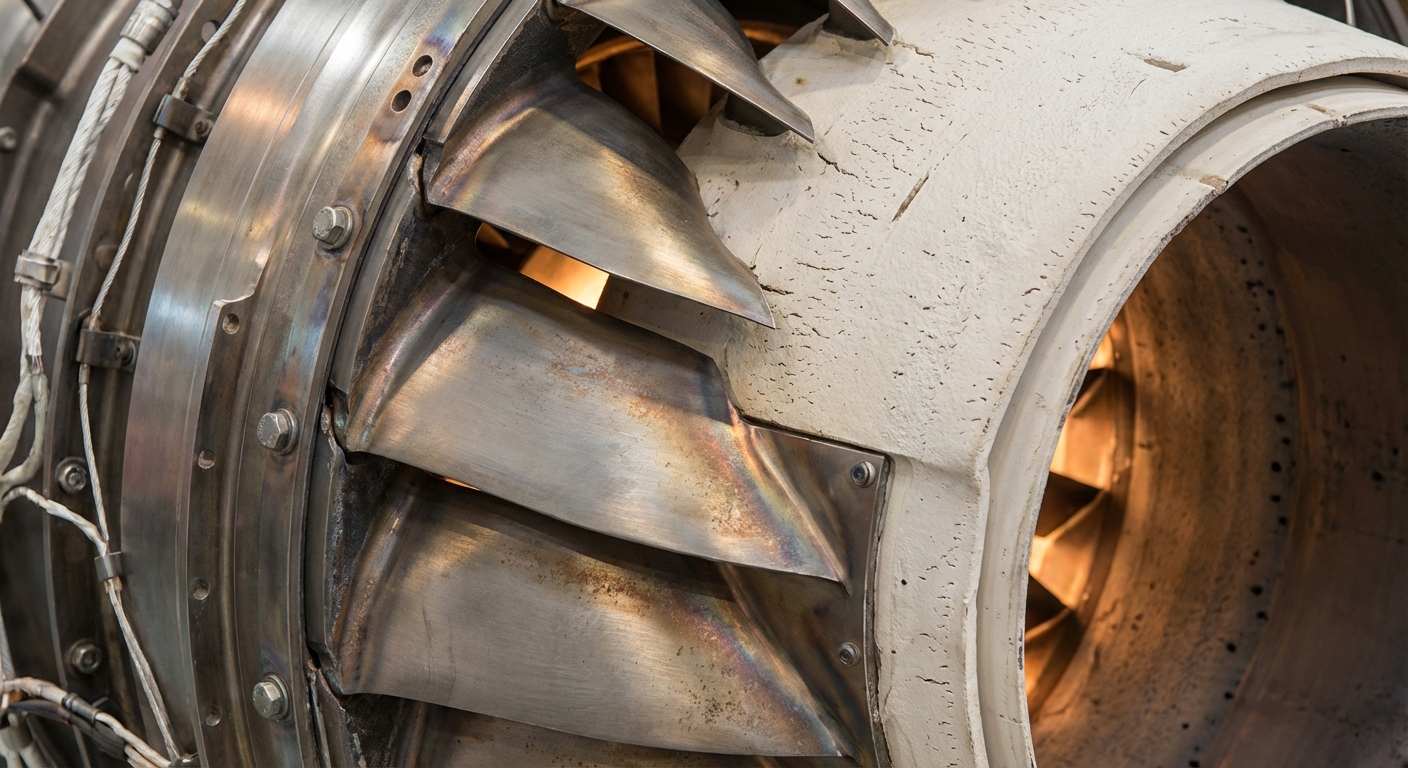
Titanium provides the structural skeleton of the aircraft, whereas zirconium coatings protect critical engine parts from melting. In aerospace engineering, zirconium vs titanium are often used as partners rather than competitors.
Titanium in Airframes and Structures
Because titanium is light and incredibly strong, it is used for the “bones” of the plane—the landing gear, wing spars, and fasteners. Its ability to flex without breaking is vital for safety during turbulence and landings.
- Weight Reduction: Allows for higher fuel efficiency.
- Fatigue Resistance: Withstands millions of stress cycles.
- Fasteners: Titanium bolts are the industry standard.
But wait, there’s more: As engines get hotter to improve efficiency, titanium needs help to survive.
Zirconia as a Thermal Barrier Coating
Modern jet engines operate at temperatures higher than the melting point of their metallic components. Zirconia is sprayed onto turbine blades as a Thermal Barrier Coating (TBC), acting as a “heat shield” that allows the engine to run hotter and faster.
- Heat Shielding: Protects superalloys from melting.
- Efficiency: Enables higher combustion temperatures.
- Application: Applied as a fine ceramic plasma spray.
Think about it: Titanium builds the plane, but zirconium allows the engine to reach peak performance.
Key Takeaway: Titanium is used for primary structural weight-saving, while zirconium is essential for thermal protection in high-performance engines.
| Aerospace Role | Titanium | Zirconium (Zirconia) | |
|---|---|---|---|
| Location | Airframe / Fasteners | Engine Hot Zone | |
| Function | Structural Support | Thermal Barrier | |
| Benefit | Weight Savings | Heat Protection |
Combining titanium’s strength with zirconium’s heat resistance defines the limits of modern aviation technology.
Which material is easier to machine, zirconium vs titanium?
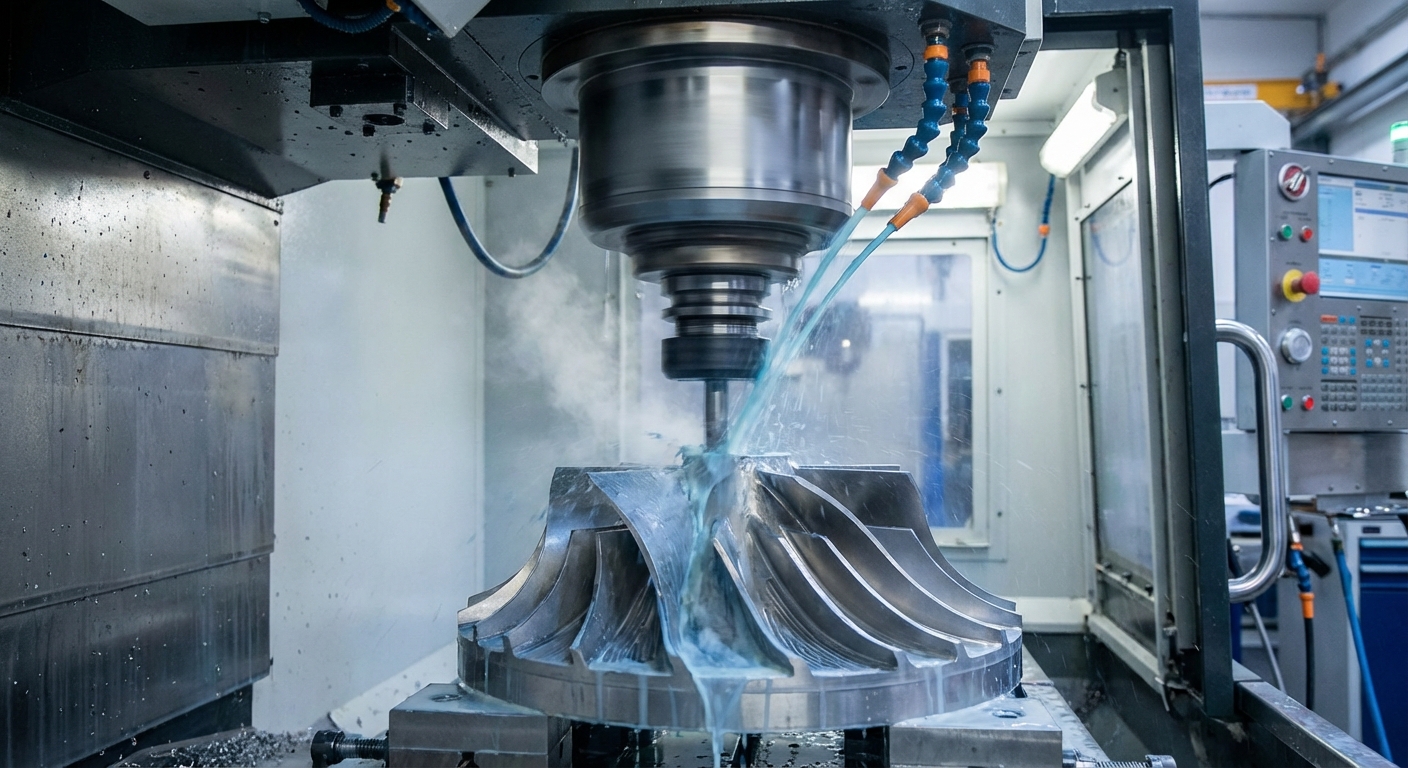
Titanium is easier to mill with standard metalworking tools, while zirconium ceramics require specialized diamond grinding after sintering. The machinability of zirconium vs titanium dictates the lead times and complexity of your final part design.
Challenges in Milling Titanium
Titanium is known for being “tough” on tools because it doesn’t conduct heat well. This means the heat of the cut stays at the tool tip, requiring high-pressure coolant and specialized carbide cutters to prevent tool failure.
- Tooling: Requires high-quality carbide or ceramic inserts.
- Cooling: Flood coolant is mandatory to prevent fire.
- Speed: Slower cutting speeds compared to aluminum or steel.
Here’s the deal: Machining titanium is slow and expensive, but it follows the standard rules of metalworking.
Grinding and Shaping Zirconium Ceramics
Zirconium ceramics are usually shaped in their “green” (soft) state and then fired in a kiln. Once they are hardened, they are almost impossible to cut with traditional bits; you must use diamond-encrusted wheels to grind them to their final tolerance.
- Sintering Shrinkage: Parts shrink about 20% in the kiln, making precision difficult.
- Diamond Grinding: The only way to achieve tight tolerances on hardened zirconia.
- Green Machining: Easier to shape before the final firing.
But wait, there’s more: Zirconium sand and powder are used to create molds for other metals, serving a passive role in manufacturing.
Key Takeaway: Titanium is the preferred choice for complex CNC-machined geometries, while zirconium is best suited for molded or ground ceramic components.
| Machining Metric | Titanium | Zirconia (Hardened) | |
|---|---|---|---|
| Process Type | Traditional Milling | Diamond Grinding | |
| Complexity | High Geometries Possible | Simple / Molded Shapes | |
| Tool Wear | High | Extreme |
Manufacturing constraints often decide the material choice long before the first prototype is ever built.
How to choose between zirconium vs titanium for industry?
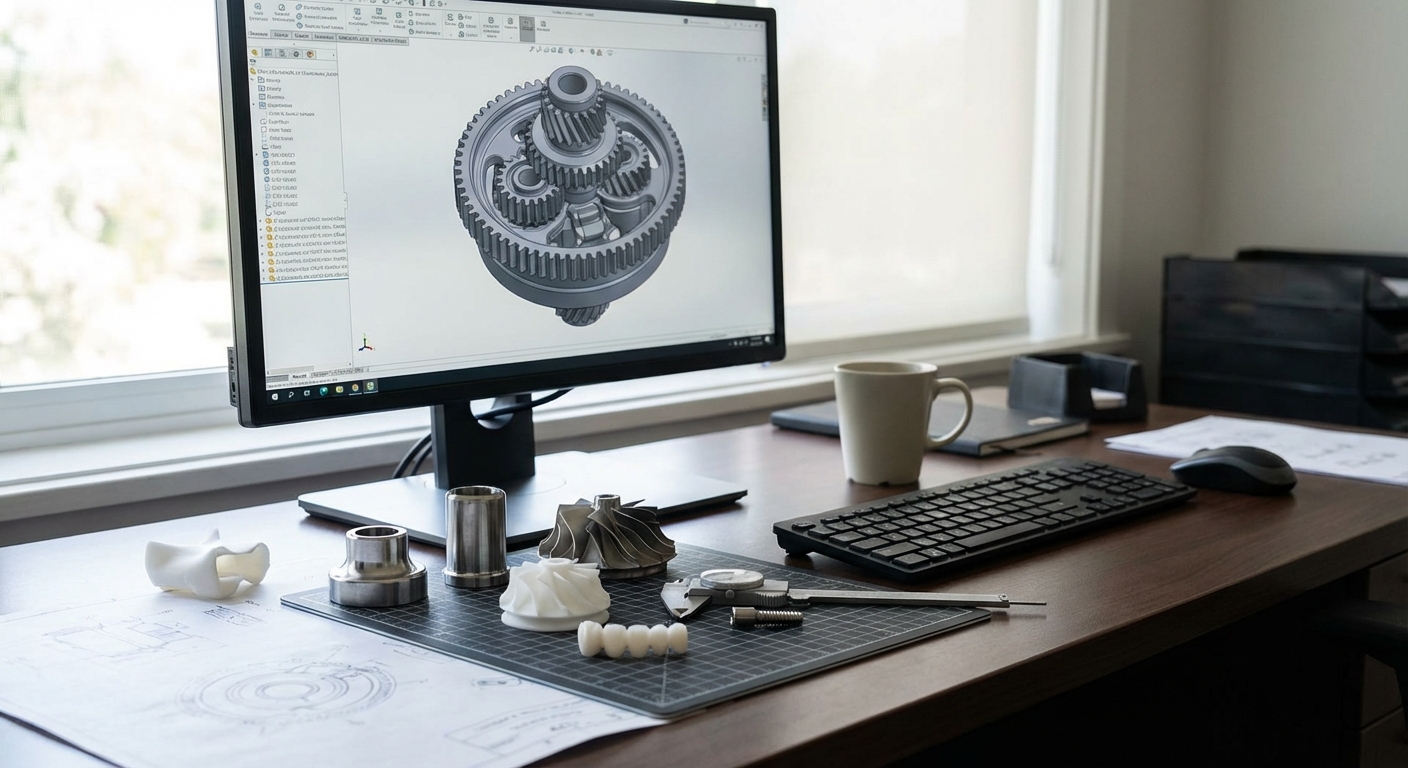
You should select based on whether your application prioritizes ductile flexibility or extreme surface hardness and heat resistance. Finalizing the zirconium vs titanium decision requires an honest assessment of your environment’s mechanical and thermal stressors.
Matching Material to Environment
If your part will be flying, vibrating, or hitting other objects, titanium is almost always the safer choice. If your part will be sitting inside a furnace, grinding abrasive slurry, or handling concentrated acid, zirconium is the winner.
- Aerospace/Marine: Titanium.
- Chemical/Foundry: Zirconium.
- Medical/Dental: Case-dependent (Titanium for strength, Zirconia for looks).
Think about it: You wouldn’t use a ceramic hammer, and you wouldn’t use a metal furnace lining.
Long-term Supply and Engineering Support
Working with a manufacturer that understands both the raw powder stage and the finished component stage is vital. At ZrBrontec, we provide the technical data and batch consistency you need to ensure your material selection translates into real-world performance.
- Data Support: Full PSD and COA reports for every batch.
- Customization: We can define specific purity or particle sizes.
- Stability: Long-term supply agreements to keep your lines running.
Here is the kicker: The best material is the one that arrives on time and meets your specs every single time.
Key Takeaway: Evaluate your stress types (tensile vs compressive) and thermal needs to make the final call between these two powerhouse materials.
| Decision Matrix | Choose Titanium If… | Choose Zirconium If… | |
|---|---|---|---|
| Stress Type | High Tension / Impact | High Compression / Wear | |
| Heat Level | Under 600°C | Over 1,000°C | |
| Environment | Weight-sensitive | Chemically aggressive |
Successful engineering starts with selecting the material that is fundamentally built for the challenges of your specific industry.
Partner with an Industry Leader
Navigating the complexities of high-performance materials shouldn’t be a solo journey. Whether you need the ductile strength of titanium or the extreme refractory and wear properties of our specialized zirconium solutions, ZrBrontec is here to bridge the gap between material science and your production success. We solve your consistency risks by providing verified phase purity and controlled particle distribution across our entire portfolio.
Our vision is to empower global industry with the most stable, engineered zircon materials available. By controlling the process from ore to finished powder, we eliminate the uncertainty of your supply chain. We invite you to contact us today to discuss your specific application and see how our engineering team can optimize your results.
Frequently Asked Questions
Can I use titanium in a nuclear reactor core?No. Titanium has a high neutron absorption cross-section, which would “poison” the nuclear reaction. Zirconium is the industry standard because it is nearly transparent to neutrons.
What is the best material for high-wear grinding media?It depends on the slurry, but zirconia is generally superior. Its extreme hardness and density allow it to grind materials more efficiently and with less contamination than metallic media.
How do I know if I need a thermal barrier coating?If your metallic components are operating within 200°C of their melting point, a zirconia-based TBC is likely required. This protects the structural integrity of the metal from heat-induced failure.
Is zirconia really “metal-free” for dental work?Yes. While zirconium is a metal on the periodic table, zirconia (ZrO2) is a ceramic. It does not conduct electricity or cause the galvanic reactions associated with traditional metal alloys.
Which material survives better in hydrochloric acid?Zirconium. It is one of the few materials that remains almost entirely inert in high concentrations of HCl, far outperforming titanium and most stainless steels.