Zirconium silicate is a critical industrial mineral because it provides the essential opacity and thermal stability required for high-performance ceramics and specialized technical coatings. In precision manufacturing, inconsistent raw materials often lead to costly glaze defects and structural failures that threaten your bottom line. Integrating premium zirconium silicate into your production cycle solves these variances, ensuring superior whiteness and durability across every batch.
What is zirconium silicate and how is it made?
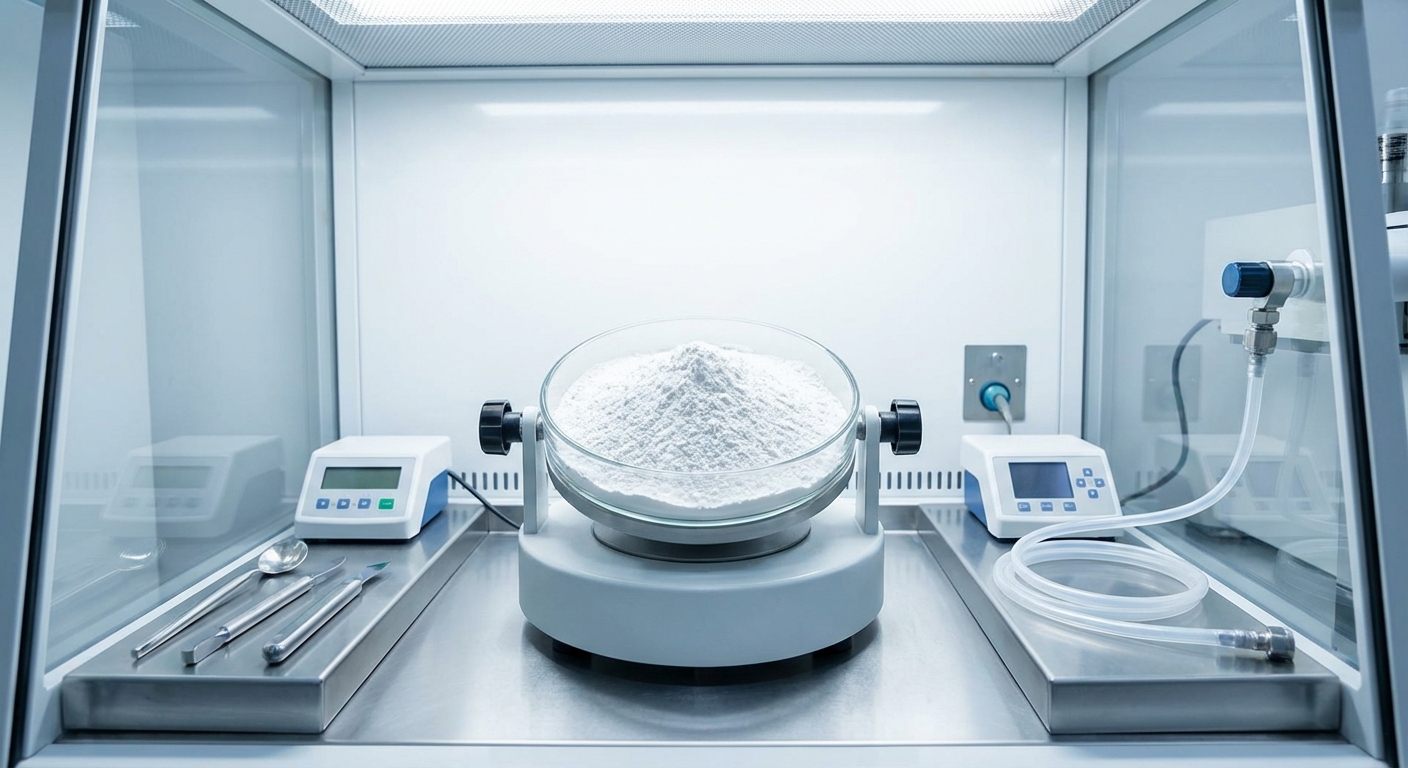
Zirconium silicate is primarily produced through the intensive refinement of natural zircon sand found in heavy mineral deposits. The manufacturing process involves multi-stage grinding and magnetic separation to remove impurities like iron and titanium that could discolor the final product.
To achieve the specific micronized grades required for industrial use, the mineral is processed in high-energy ball mills. This ensures a tight particle size distribution (PSD) which is vital for maintaining consistent chemical performance in your applications.
What is the refinement process?
- Extraction: Mining of heavy mineral sands.
- Separation: Magnetic and gravity techniques to isolate zircon.
- Milling: Fine grinding to reach sub-micron levels.
- Quality Check: Rigorous testing for chemical purity.
Look: The secret to high-performance material lies in the precision of the initial milling phase. You will find that controlled grinding prevents oversized particles from ruining your surface finishes.
Key Takeaway: Understanding the production lifecycle—from raw ore to micronized powder—is essential for selecting the right grade for your specific technical needs.
| Parameter | Specification | |
|---|---|---|
| Chemical Formula | ZrSiO₄ | |
| Hardness | 7.5 Mohs | |
| Melting Point | 2,550°C | |
| Crystal Structure | Tetragonal |
Analytical Guidance: Manufacturers should focus on the milling consistency to ensure that the chemical stability of the mineral translates into predictable production results.
Why is zirconium silicate used in ceramic glazes?
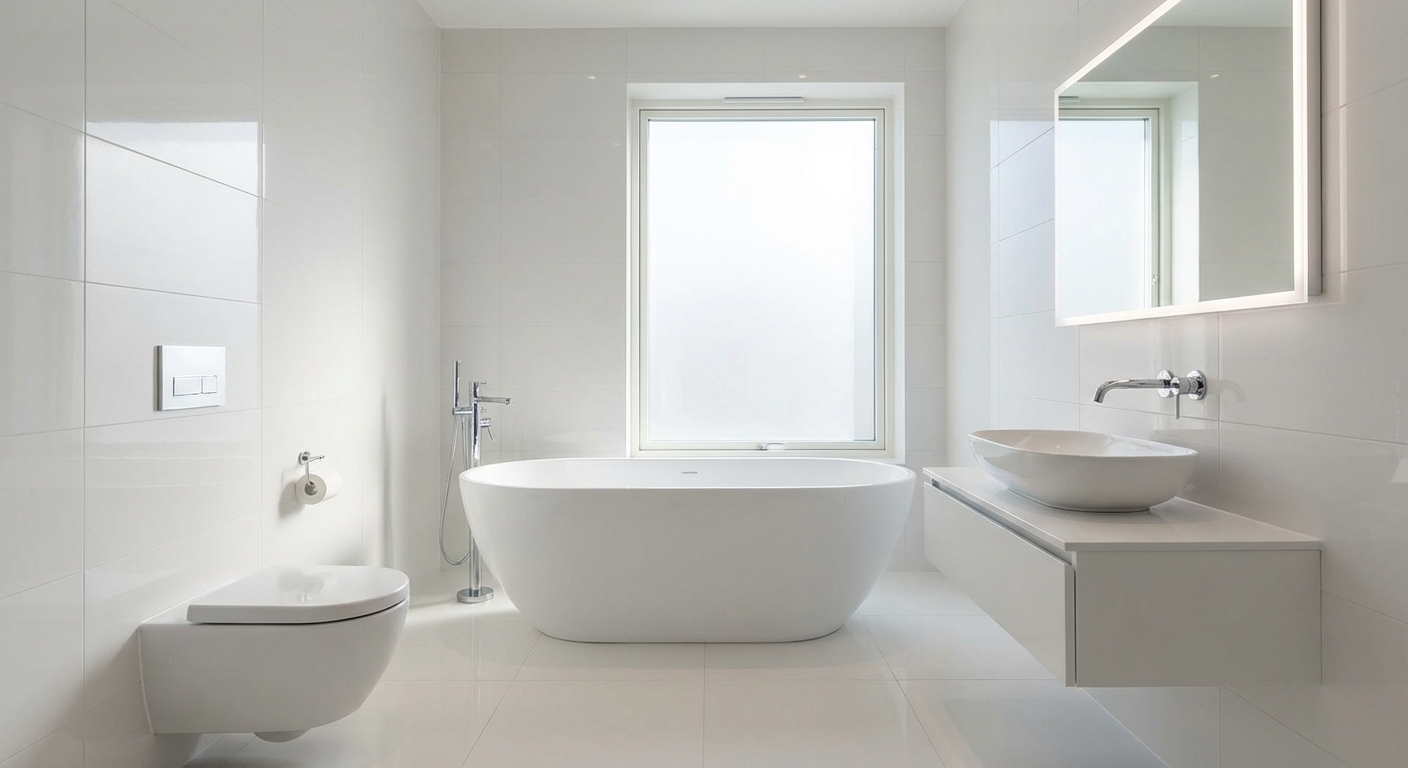
In the ceramics industry, zirconium silicate is used to achieve high levels of whiteness and surface smoothness in sanitary ware and tiles. It functions as a powerful opacifier because its high refractive index allows it to scatter light effectively within the glaze.
You will notice that it remains stable even at the extreme firing temperatures found in modern kilns. This reliability ensures that your ceramic products maintain a “clean” white finish without the risk of yellowing or surface defects.
Why choose it for sanitary ware?
- Superior Opacity: Masks the color of the underlying clay body.
- Gloss Enhancement: Provides a smooth, reflective surface.
- Chemical Resistance: Protects the ceramic from stains and acids.
- Thermal Stability: Prevents crazing during the cooling cycle.
The best part? By using this mineral, you can reduce the amount of expensive pigments needed to achieve a vibrant white look. It acts as both a functional stabilizer and an aesthetic enhancer for your bathroom fixtures.
Key Takeaway: High-purity zirconium silicate is the most cost-effective way to achieve stable opacity and high whiteness in industrial ceramic glazes.
| Application | Primary Benefit | |
|---|---|---|
| Sanitary Ware | High gloss and whiteness | |
| Floor Tiles | Wear and scratch resistance | |
| Tableware | Chemical inertness and safety | |
| Wall Tiles | Uniform color development |
Analytical Guidance: Selecting a grade with a D50 of 1.2-1.5μm is recommended for maximizing opacity while minimizing the risk of glaze pinholes.
What are the key properties of zirconium silicate?
The properties of zirconium silicate include extreme hardness, a high refractive index, and exceptional chemical inertness in harsh environments. These characteristics make it a versatile material that can withstand both mechanical stress and corrosive chemical exposure.
It also possesses a very low coefficient of thermal expansion, which is critical for materials subjected to rapid heating and cooling. This physical stability allows you to use it in high-precision engineering where dimensional accuracy is paramount.
How does hardness help you?
- Abrasion Resistance: Protects surfaces from heavy mechanical wear.
- High Strength: Enhances the structural integrity of composite parts.
- Inertness: Resists degradation from strong acids and alkalis.
- Low Expansion: Reduces internal stress during thermal cycles.
But that’s not all: Its chemical stability means it will not react with other ingredients in your formulation, preserving the intended color and texture. You can rely on its consistency even in the most demanding industrial setups.
Key Takeaway: The combination of mechanical toughness and chemical inertness makes zirconium silicate indispensable for heavy-duty industrial applications.
| Physical Property | Value / Detail | |
|---|---|---|
| Refractive Index | 1.93 – 2.01 | |
| Specific Gravity | 4.5 – 4.7 g/cm³ | |
| Solubility | Insoluble in water and acids | |
| Dielectric Constant | High insulation properties |
Analytical Guidance: Engineers should leverage the low thermal expansion of this mineral to design components that require high dimensional stability under heat.
How does zirconium silicate benefit refractories?
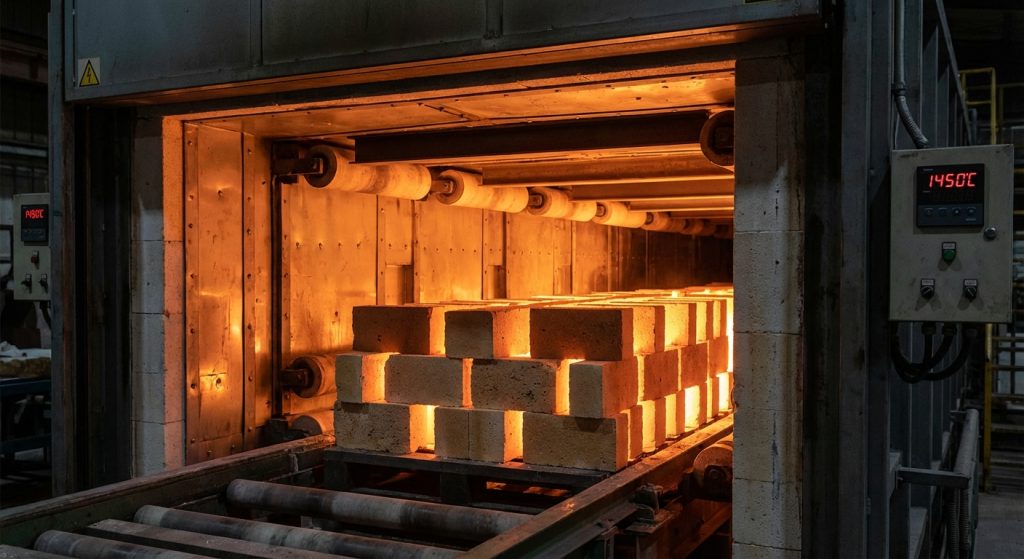
Refractory manufacturers utilize zirconium silicate to enhance the thermal shock resistance of bricks and kiln furniture. Its high melting point ensures that the materials do not soften or deform when exposed to the intense heat of metal smelting or glass manufacturing.
When you incorporate it into your refractory linings, you significantly extend the service life of your equipment. It acts as a structural binder that prevents cracking during the repeated thermal cycling common in industrial kilns.
Can it prevent cracking?
- Thermal Shock Resistance: Absorbs energy from rapid temperature changes.
- Erosion Resistance: Withstands the flow of molten metals.
- Structural Integrity: Maintains shape under heavy mechanical loads.
- Density Control: Allows for dense packing in refractory bricks.
It gets better: The mineral’s resistance to slag and molten glass makes it the ideal choice for glass furnace linings. You will find that it reduces contamination in the melt, leading to higher quality end products.
Key Takeaway: Incorporating zirconium silicate into refractory formulations ensures dimensional stability and resistance to thermal shock in extreme environments.
| Industry | Usage in Refractories | |
|---|---|---|
| Steel Production | Ladle linings and nozzles | |
| Glass Industry | Tank blocks and feeder parts | |
| Incineration | High-temperature wall coatings | |
| Foundry | Kiln furniture and supports |
Analytical Guidance: For maximum refractory life, ensure the zirconium silicate has low iron content to prevent unwanted chemical reactions at high temperatures.
Is zirconium silicate safe for dental materials?
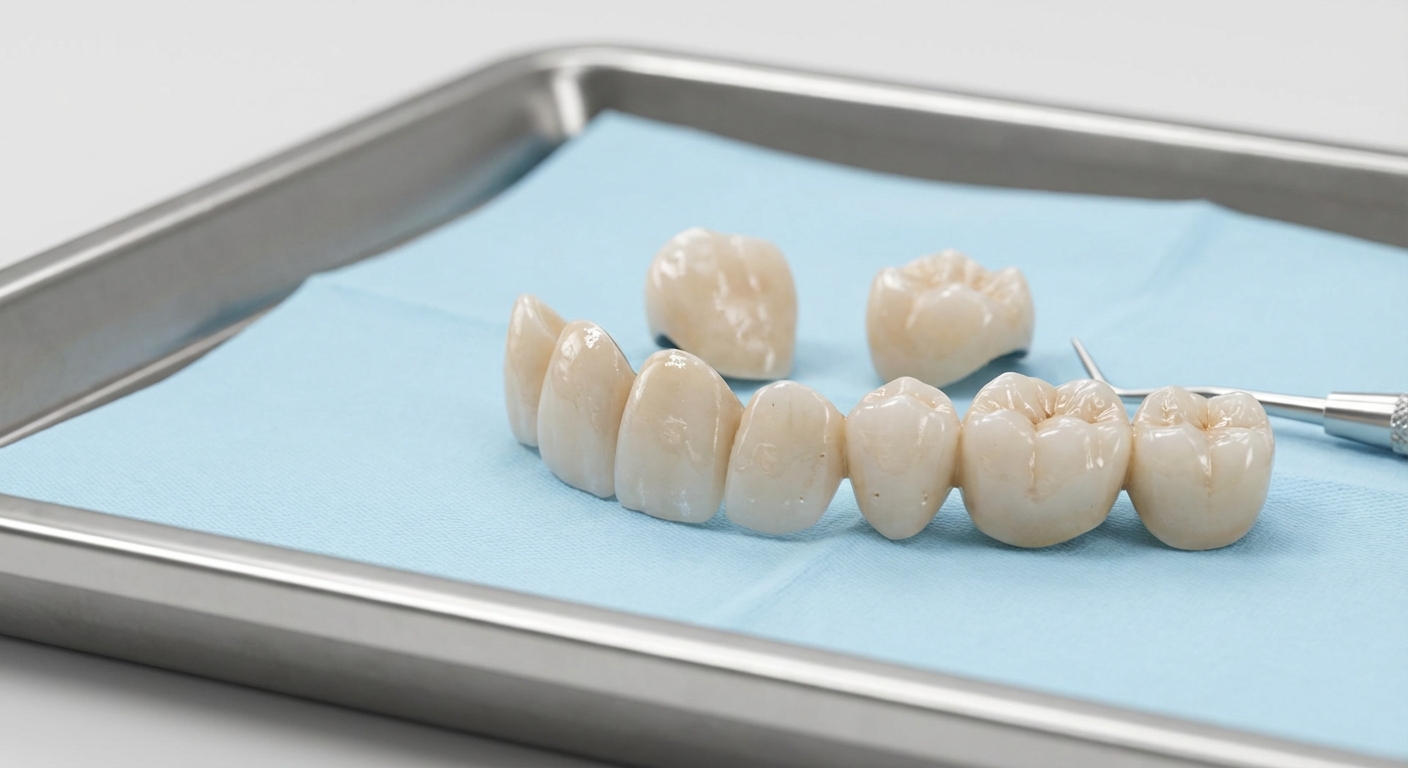
Zirconium silicate is vital for dental materials because it offers the biocompatibility and translucency needed for natural-looking crowns and bridges. Unlike metal restorations, it does not cause allergic reactions or leave a dark line at the gumline over time.
You can achieve a tooth-like appearance because the mineral’s refractive properties closely mimic human enamel. Furthermore, its extreme fracture toughness ensures that dental restorations can withstand the high pressures of mastication.
Is it superior to alternatives?
- Biocompatibility: Safe for long-term placement in the human body.
- Aesthetics: Excellent light translucency for a natural look.
- Durability: High resistance to chipping and cracking.
- Precision: Compatible with CAD/CAM milling processes.
The result? Patients receive long-lasting dental work that is indistinguishable from their natural teeth. You can rely on its consistent milling behavior to produce highly accurate fits for every patient.
Key Takeaway: Zirconium silicate provides the perfect balance of mechanical strength and aesthetic translucency required for high-end dental restorations.
| Dental Application | Key Requirement | |
|---|---|---|
| Full Contour Crowns | Translucency and Strength | |
| Bridges | Fracture toughness | |
| Veneers | Ultra-thin precision | |
| Implant Abutments | Biocompatibility |
Analytical Guidance: Use sub-micron powders for dental blanks to ensure a smooth finish and ease of polishing after the sintering process.
Can zirconium silicate improve investment casting?
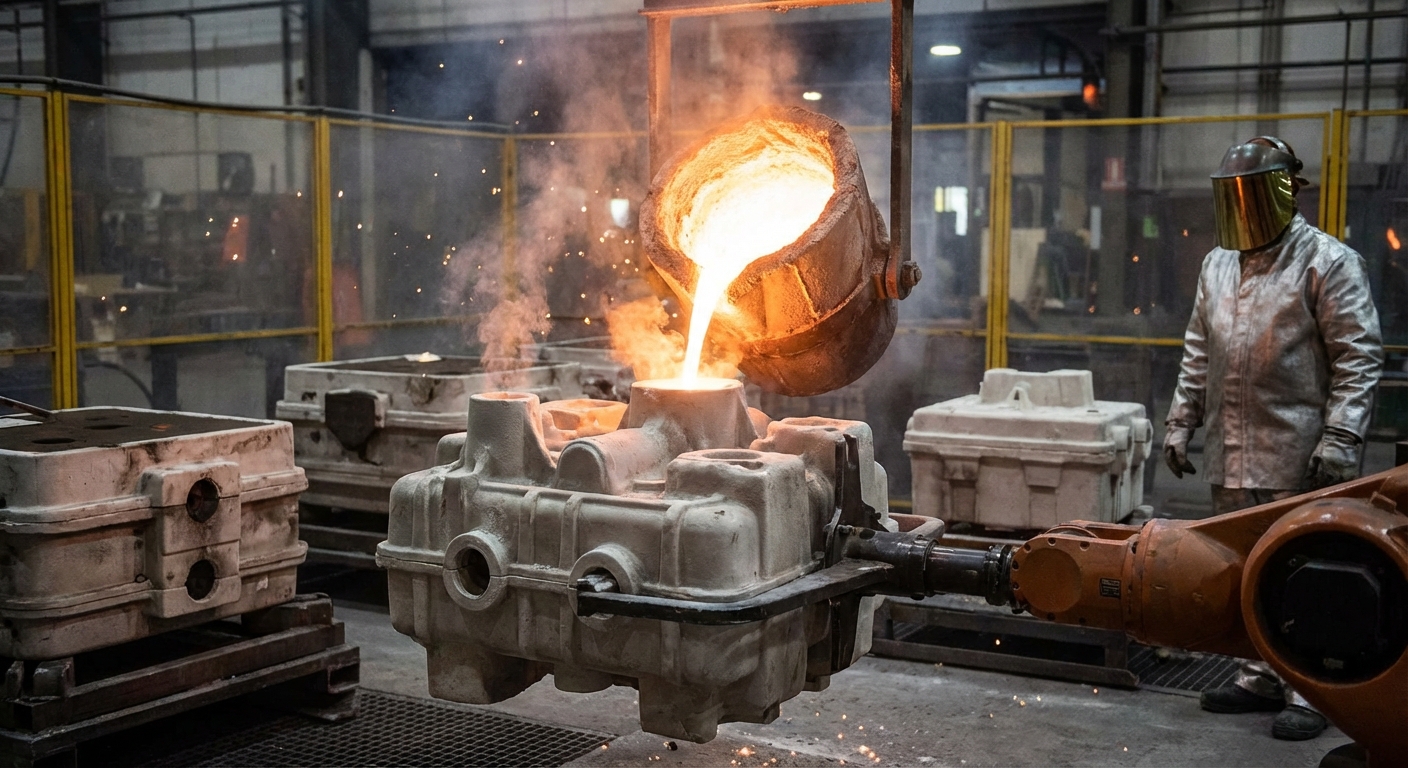
For investment casting, zirconium silicate creates a smooth mold surface that prevents metal-to-mold reactions. It is used as a primary slurry material to ensure that the final cast part has exceptional dimensional accuracy and a flawless surface finish.
You will find that its high-temperature stability prevents the mold from expanding or warping when molten metal is poured. This precision is especially critical in the aerospace and medical industries where tolerances are incredibly tight.
Does it improve precision?
- Surface Finish: Reduces the need for secondary polishing.
- Slurry Rheology: Provides excellent flow for intricate mold details.
- Easy Removal: Simplifies the shell removal process after cooling.
- Thermal Stability: Eliminates mold-related surface defects.
Look: The high density of the mineral allows for a very strong primary coat that resists the pressure of the molten metal. You can effectively cast complex geometries without worrying about shell failure or metal penetration.
Key Takeaway: For aerospace and medical grade investment casting, zirconium silicate is the gold standard for achieving tight tolerances and flawless finishes.
| Casting Goal | How Zirconium Silicate Helps | |
|---|---|---|
| Smooth Surface | Fine particle sizing creates a dense barrier | |
| High Detail | Excellent slurry flow into deep cavities | |
| Reduced Scrap | Prevents chemical reactions with alloys | |
| Fast Production | Improved shell drying and strength |
Analytical Guidance: To optimize your slurry, monitor the viscosity closely to ensure the zirconium silicate particles remain in uniform suspension.
What role does zirconium silicate play in abrasives?
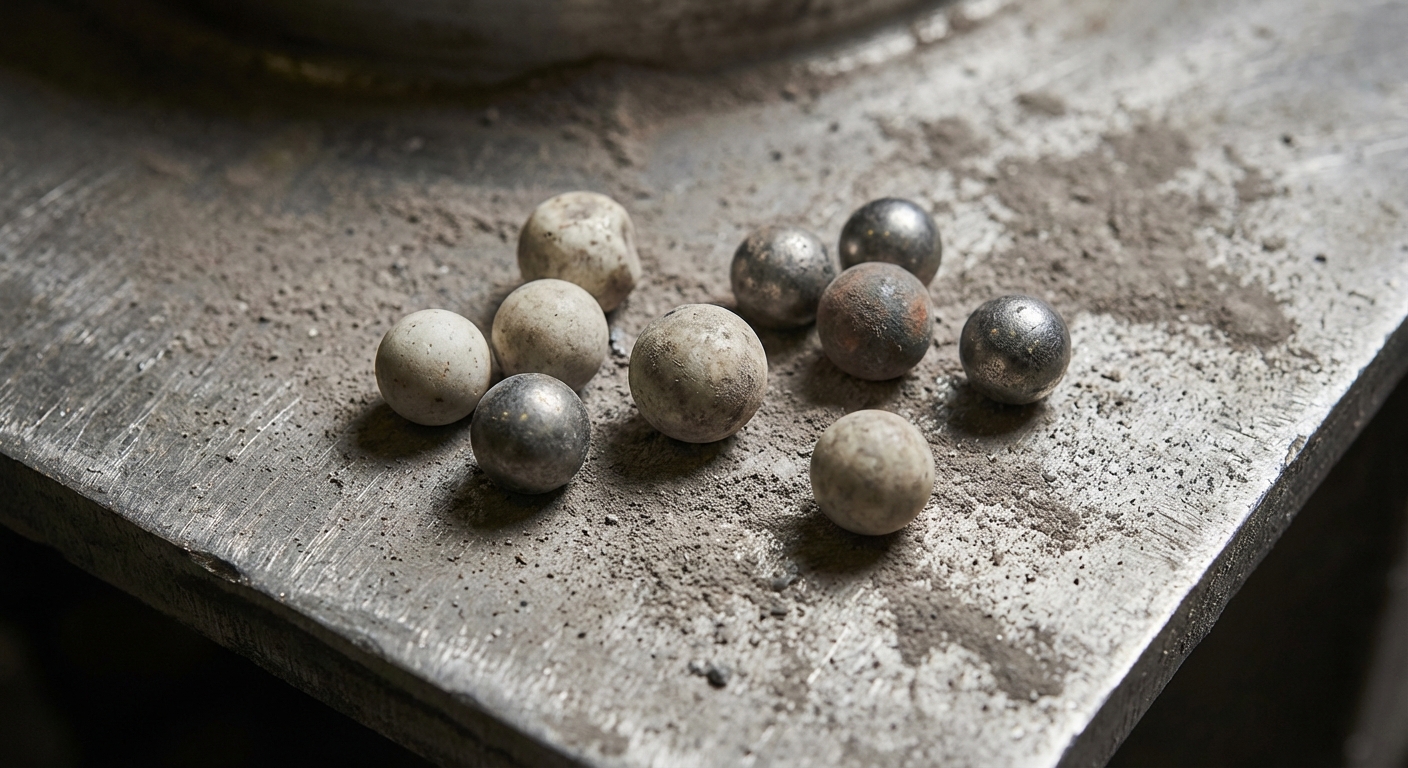
In the world of abrasives, zirconium silicate serves as an ideal grinding medium due to its high density and low wear rate. It is commonly shaped into spherical beads used in sand mills and ball mills for sub-micron milling of paints, inks, and other minerals.
Because it is chemically inert, it does not contaminate the material being processed, which is essential for high-purity applications. You will benefit from longer media life and reduced operational costs compared to cheaper, high-wear alternatives.
Why use it for milling?
- Low Wear Rate: Reduces the frequency of media replacement.
- No Contamination: Keeps your final product chemically pure.
- High Density: Provides efficient energy transfer during grinding.
- Uniform Shape: Ensures consistent milling results every time.
Think about it: The harder the media, the faster you can reach your target particle size. You can achieve significant energy savings by using these high-density beads in your industrial grinding circuits.
Key Takeaway: The high density and hardness of zirconium silicate make it an ideal grinding medium for sub-micron milling applications.
| Milling Medium | Relative Wear Rate | Density (g/cm³) | |
|---|---|---|---|
| Zirconium Silicate | Low | 4.5 | |
| Alumina | Medium | 3.6 | |
| Glass Beads | High | 2.5 | |
| Steel Balls | Medium | 7.8 |
Analytical Guidance: When choosing grinding beads, match the bead size to your starting material to maximize milling efficiency and minimize media breakage.
Does zirconium silicate enhance decorative glass?
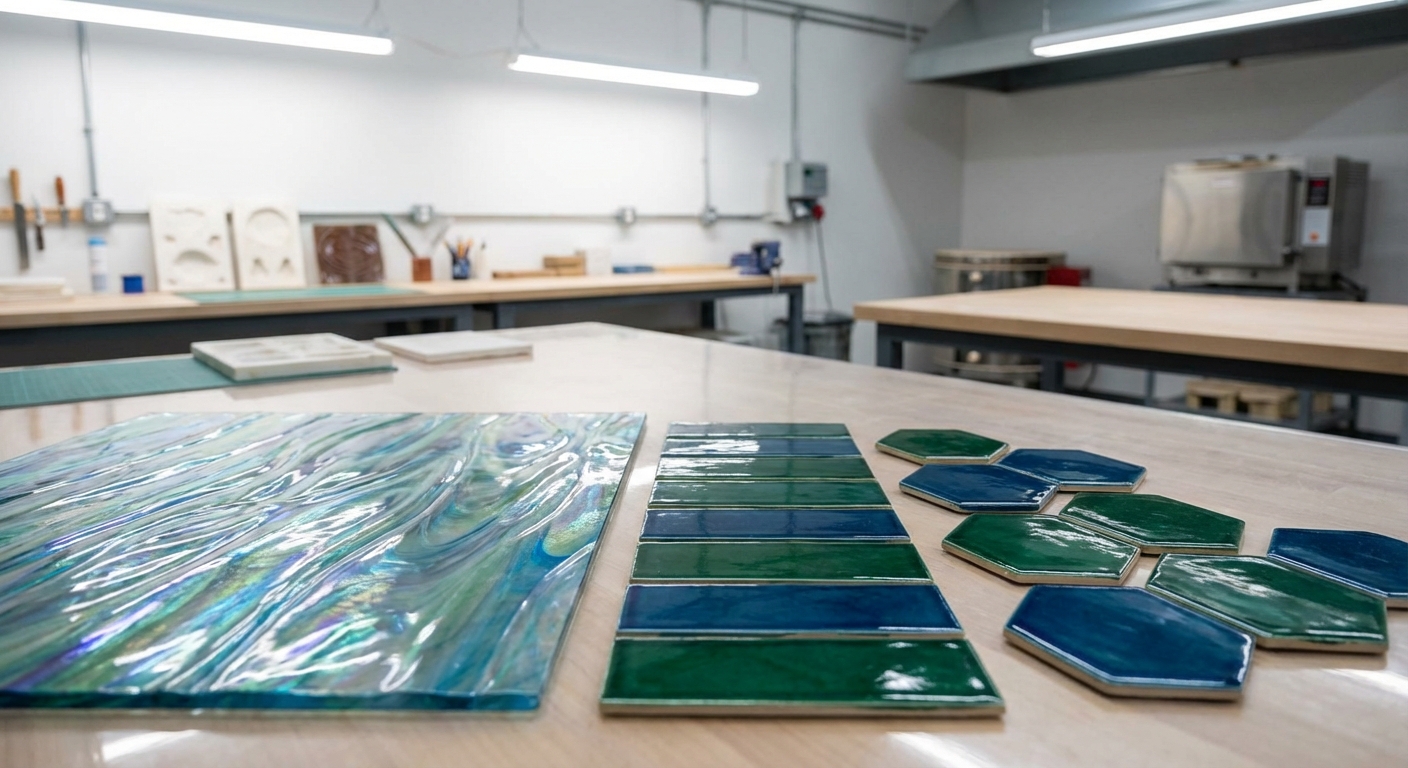
Manufacturers add zirconium silicate to decorative glass to control opacity and create specific visual depths. It is often the secret ingredient in milk glass, opalescent finishes, and high-end glass tiles that require a premium look.
You can use it to achieve a wide variety of optical effects by adjusting the concentration in your glass frit formulations. Its high refractive index allows for a soft diffusion of light that adds a luxury feel to architectural glass and decorative items.
Can you achieve unique colors?
- Opacity Control: Varies from semi-translucent to opaque.
- Color Stability: Ensures pigments remain vibrant after firing.
- Gloss Level: Adjusts the sheen of the glass surface.
- Scratch Resistance: Adds a layer of physical protection.
The best part? It integrates seamlessly with existing glass-making processes without requiring major equipment changes. You can instantly upgrade the aesthetic appeal of your glass products by fine-tuning your silicate additions.
Key Takeaway: Zirconium silicate is the most reliable tool for glass and tile manufacturers to achieve consistent optical effects and aesthetic appeal.
| Glass Product | Optical Effect | |
|---|---|---|
| Architectural Tiles | Deep gloss and opacity | |
| Decorative Vases | Opalescent or “milky” finish | |
| Glass Frit | High-temperature color stability | |
| Mosaic Tiles | Consistent batch-to-batch color |
Analytical Guidance: For decorative glass, always check the PSD to ensure the particles are fine enough to avoid a gritty texture in the finish.
How to ensure zirconium silicate quality and stability?

Maintaining the quality of zirconium silicate requires rigorous particle size distribution analysis and radioactive monitoring. Because it is a natural mineral, batch-to-batch stability is only possible through highly controlled mining and refining processes.
You must verify that your supplier provides a detailed Certificate of Analysis (COA) for every shipment. This ensures that the ZrO2 content is high enough and that impurity levels, particularly iron, are kept within strict limits for your application.
Why is PSD important?
- Consistency: Prevents fluctuations in your production line.
- Performance: Ensures the opacity remains uniform across batches.
- Safety: Guarantees compliance with international radioactivity standards.
- Traceability: Allows for easy troubleshooting of production issues.
Look: Even a minor drift in particle size can lead to a surge in surface defects like pinholes or uneven glazes. You should look for suppliers who use laser diffraction technology to provide precise data on their material distribution.
Key Takeaway: Rigorous quality control, including laser diffraction PSD testing and XRF analysis, is vital for ensuring material performance in sensitive applications.
| Quality Metric | Target Value | Testing Method | |
|---|---|---|---|
| Whiteness | ≥ 95 | Colorimeter | |
| D50 Particle Size | ±5% variance | Laser Diffraction | |
| Iron Oxide (Fe2O3) | < 0.05% | XRF Analysis | |
| Radioactivity | < 1.0 Bq/g | Gamma Spectrometry |
Analytical Guidance: Always request a pre-shipment sample for critical glazes to verify that the whiteness meets your specific aesthetic standards.
Where can you find high-purity zirconium silicate?
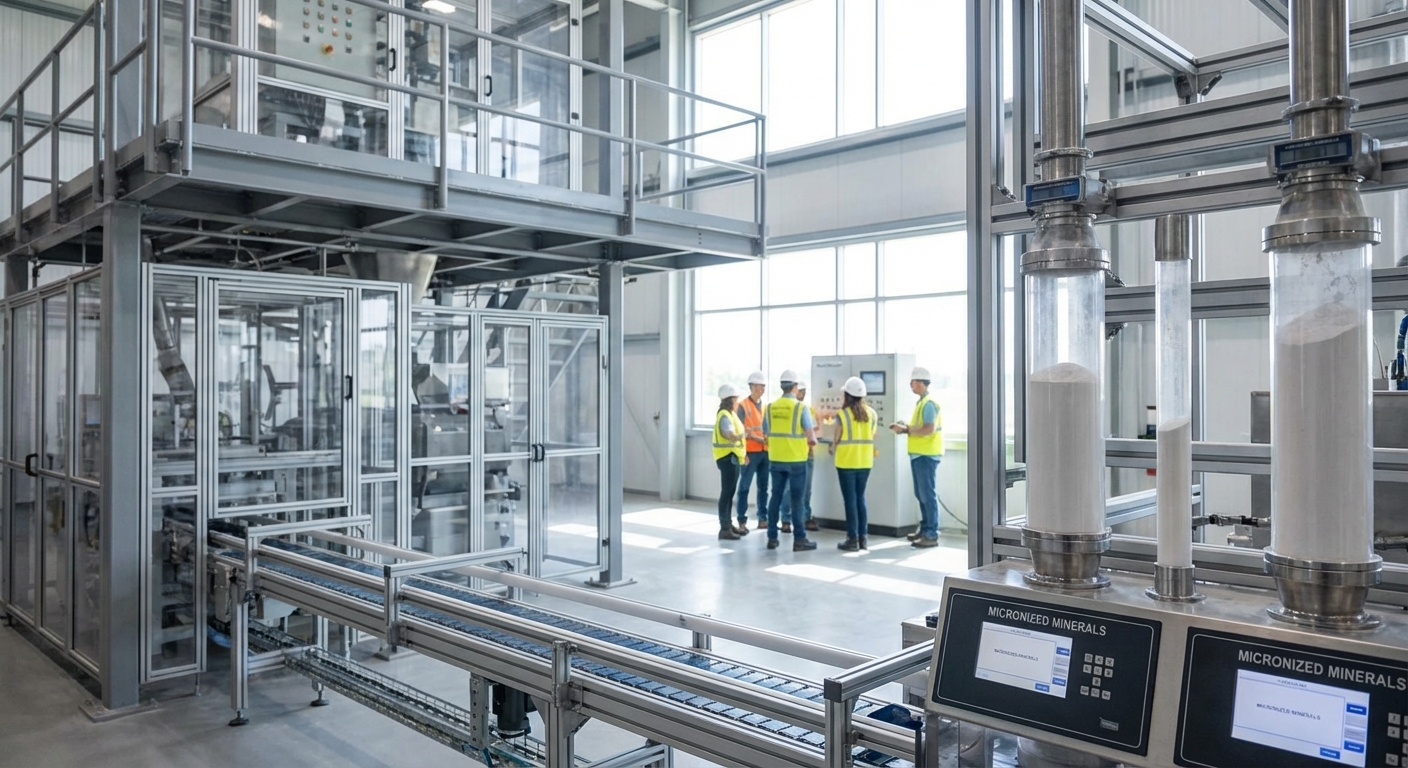
You can find high-purity zirconium silicate by partnering with direct manufacturers who control the entire processing chain. Choosing a vertically integrated supplier ensures that you receive stable materials that haven’t been blended with lower-quality sands.
When you work with an engineering-led company, you gain access to technical support that can help optimize your formulations. This partnership allows you to request custom specifications that match your exact production requirements, from custom PSDs to specific surface treatments.
How do you verify purity?
- Direct Sourcing: Avoid traders who mix batches from different mines.
- Lab Reports: Request full XRF and laser diffraction data.
- Facility Audits: Verify that the processing environment is clean.
- Technical Consultation: Discuss your specific challenges with their engineers.
Ready to upgrade? Finding a reliable long-term partner can solve the recurring quality issues that have plagued your production line for years. You deserve a material that works correctly the first time, every time.
Key Takeaway: Partnering with a manufacturer like ZrBrontec ensures you get more than just a product; you get the technical expertise to optimize your specific process.
| Supplier Benefit | Impact on Your Business | |
|---|---|---|
| Stable Supply | No downtime due to material shortages | |
| Custom Grades | Materials tailored to your specific equipment | |
| Technical Support | Faster troubleshooting and formula optimization | |
| Quality Guarantee | Reduced scrap rates and higher yield |
Analytical Guidance: Prioritize suppliers who offer a dedicated technical engineer to help you integrate new material grades into your existing workflows.
Frequently Asked Questions
Can I use zirconium silicate to replace expensive titanium dioxide?In many ceramic glazes, yes. While TiO2 has a higher refractive index, zirconium silicate is much more cost-effective and provides better thermal stability, making it the preferred choice for industrial sanitary ware.
What’s the best way to prevent glaze pinholes?Use a micronized grade with a very narrow particle size distribution. Avoiding oversized particles and ensuring thorough dispersion in your glaze slurry will eliminate the common causes of surface pitting.
Can I request custom radioactivity certifications?Absolutely. Reputable manufacturers provide batch-specific radioactivity reports to ensure compliance with local building and safety regulations, particularly for consumer products like bathroom tiles.
What’s the best grade for high-temperature refractories?Choose a grade with high ZrO2 content (typically 65%+) and low impurities. Coarser sands are often used for bulk refractory bricks, while fine powders are best for high-strength binders and coatings.
Can I get technical support for my specific glaze formula?Yes, engineering-focused suppliers offer consultation services to help you balance your glaze chemistry, ensuring that the addition of zirconium silicate enhances whiteness without causing crazing or peeling.
Conclusion
Zirconium silicate remains the backbone of the global ceramics, refractory, and dental industries due to its unmatched chemical stability and optical properties. From providing the brilliant white finish on luxury sanitary ware to ensuring the precision of aerospace castings, its versatility is unparalleled. By understanding the critical importance of quality control and particle size distribution, you can optimize your production yield and eliminate costly batch rejections.
At ZrBrontec, our vision is to empower global manufacturers with engineered zircon solutions that eliminate process variation and drive innovation. To discuss your specific technical challenges and request a sample data package, please contact us today .