Zirconia Ceramics are high-performance technical materials prized for their extreme mechanical toughness, thermal stability, and chemical inertness. If you have ever faced unexpected material failure under high-stress conditions, you know the frustration of production downtime and costly batch rejections. Technical variances in material purity and particle distribution can turn a precision operation into a logistical nightmare, ruining your first-pass yield and damaging your brand’s reputation for quality. To solve these critical pain points, industrial leaders utilize premium Zirconium Silicate to achieve the stable whiteness, narrow particle size distribution (PSD), and phase purity required for high-performance applications.
What defines Zirconium Silicate in advanced ceramics?
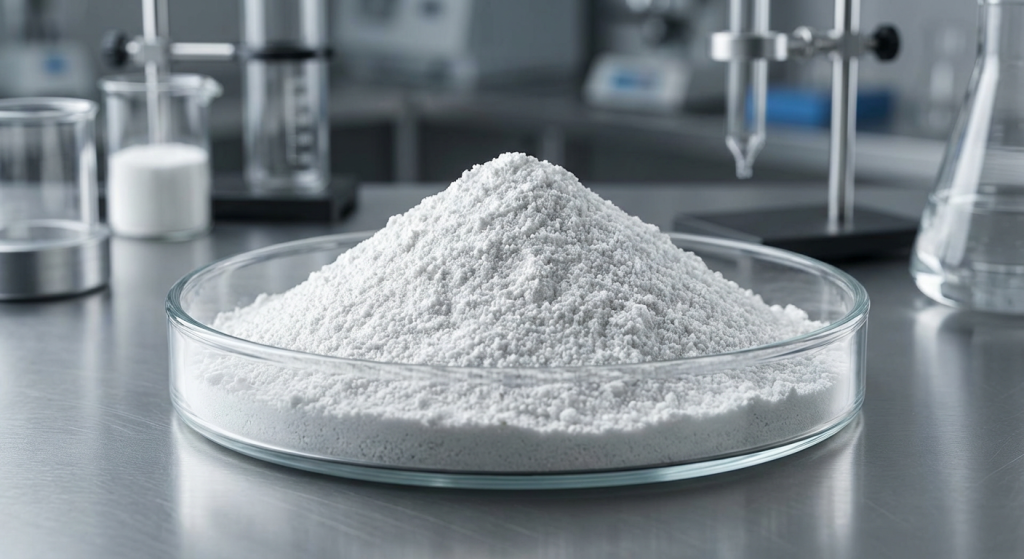
Zirconium Silicate is a foundational mineral compound (ZrSiO₄) used primarily as an opacifier and stabilizing agent in technical ceramic formulations. This material, often sourced as high-purity Zirconium Silicate , provides the necessary thermal stability to prevent warping during high-temperature sintering. You will find that its crystal structure allows for superior light scattering, which is essential for achieving a dense, white aesthetic in finished products.
Does the chemical composition affect performance?
The chemical purity of the material determines how well the ceramic resists corrosion and thermal shock in extreme environments. Think about it. High-grade variants ensure that impurities like iron or titanium do not compromise the final color or mechanical strength.
- High ZrO₂ content for better opacity.
- Low Fe₂O₃ levels to prevent discoloration.
- Precise SiO₂ balance for structural integrity.
What is the role of crystal structure?
The tetragonal crystal structure of the mineral is what gives these ceramics their legendary toughness. This structure allows the material to absorb energy and prevent cracks from propagating through the ceramic body.
| Property | Value/Standard | |
|---|---|---|
| ZrO₂ Content | ≥65% | |
| Crystal Structure | Tetragonal | |
| Primary Function | Opacification & Thermal Stability |
This specific molecular arrangement is the reason why zirconia-based materials are often referred to as “ceramic steel” in industrial engineering.
Key Takeaway: Zirconium Silicate (ZrSiO₄) is the essential mineral component that provides the foundational opacity and thermal durability required for technical ceramic manufacturing.
How is Zirconium Silicate processed for consistency?
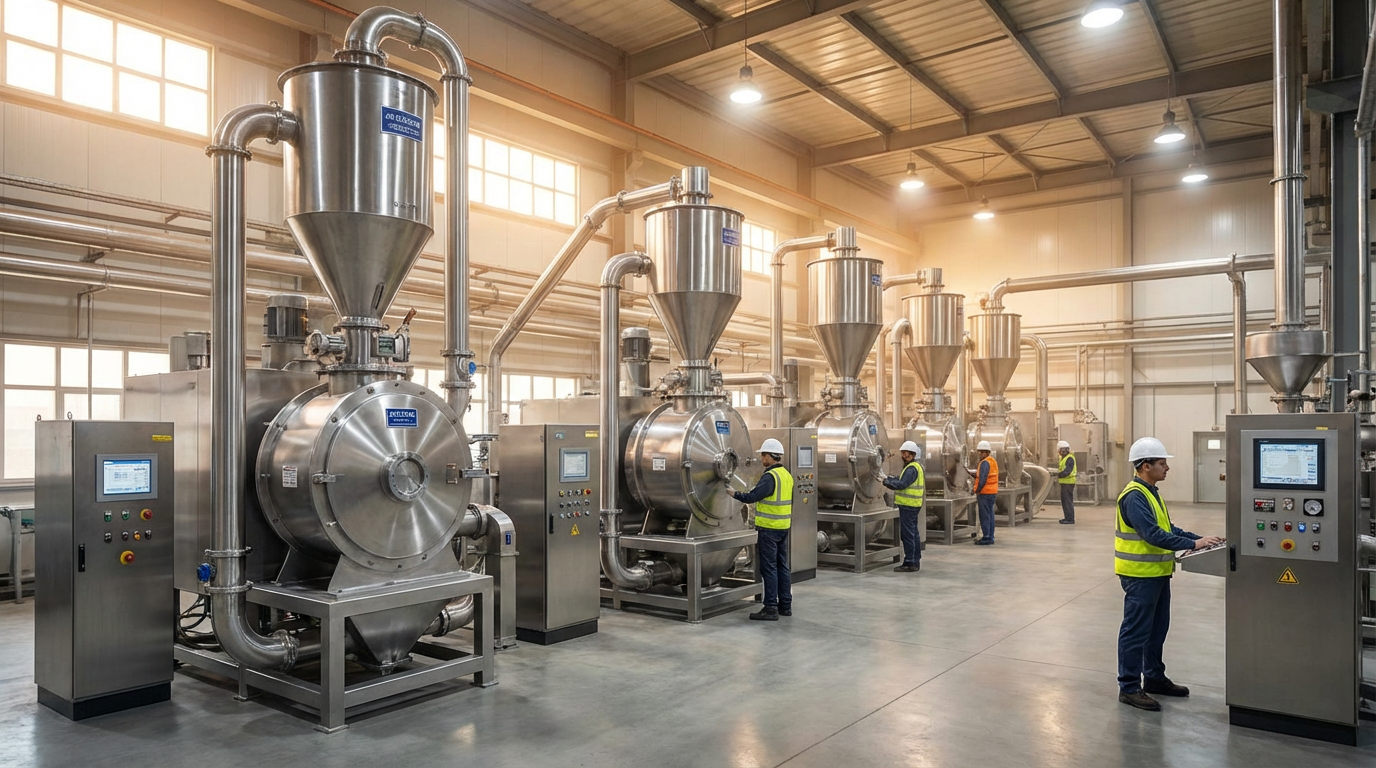
Consistent processing of Zirconium Silicate involves rigorous micronization and calcination stages to ensure the final powder meets strict particle size and purity standards. When you use materials that lack uniform processing, you risk introducing “pinholes” and surface defects that ruin the final finish. Professional manufacturers utilize advanced ball milling to control the D50 variance, ensuring that every batch you receive performs exactly like the last one.
How does micronization impact the final product?
Micronization reduces the raw sand into ultra-fine powders that disperse evenly within a glaze or ceramic body. Here is why. Uniform particle distribution ensures a smooth surface finish and consistent light reflection across the entire part.
- Particle size (D50) controlled to 1.0–3.0μm.
- Narrow PSD to eliminate oversized grains.
- Enhanced dispersion for better glaze rheology.
What happens during the calcination process?
Calcination involves high-temperature heating to remove volatile impurities and stabilize the mineral phases. This step is critical because it ensures the powder remains chemically inert when it reaches your kiln.
| Process Step | Goal | |
|---|---|---|
| Ball Milling | D50 variance within ±5% | |
| Calcination | Phase stabilization and purity |
Strict control over these variables allows for a predictable sintering curve, which is the secret to reducing manufacturing waste.
Key Takeaway: Controlled milling and high-temperature purification are mandatory steps to eliminate technical defects and ensure batch-to-batch reliability in precision production lines.
Why is Zirconium Silicate vital for sanitary glazes?
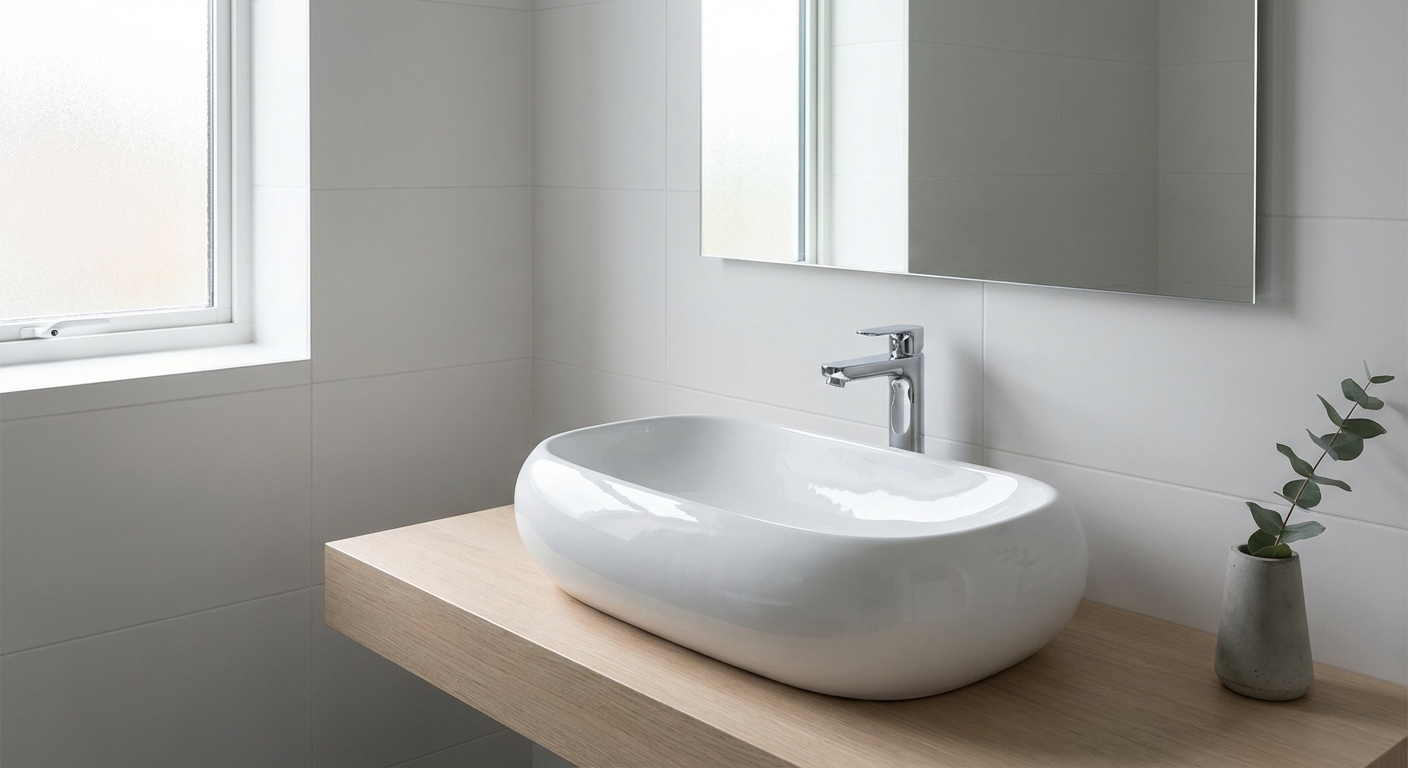
Zirconium Silicate is the primary opacifier used in sanitary glazes to provide the brilliant whiteness and smooth surface finish expected in modern bathroom fixtures. Using high-purity Zirconium Silicate allows you to achieve a high degree of “hiding power,” masking the darker color of the underlying ceramic body. This ensures that every washbasin or toilet you produce meets the aesthetic standards of luxury home design without requiring excessive material thickness.
How do you achieve surface smoothness?
Surface smoothness is achieved by using ultra-fine powders that settle perfectly during the firing process. Believe it or not, even a small amount of oversized particles can lead to visible surface pits or “orange peel” textures.
- Prevents pinhole defects in glazes.
- Enhances gloss levels for a premium look.
- Improves resistance to chemical cleaning agents.
Why is whiteness stability so important?
Whiteness stability ensures that fixtures produced months apart will match perfectly when installed in the same bathroom. This level of consistency is only possible when the material’s Lab* color values are strictly monitored during production.
| Quality Metric | Performance Impact | |
|---|---|---|
| Whiteness (L*) | Stability within ±1 unit | |
| PSD Profile | Reduces surface pinholes |
Maintaining a stable whiteness value reduces the risk of customer rejections and simplifies your color-matching logistics.
Key Takeaway: Utilizing high-purity silicate prevents costly surface defects in sanitary ware, ensuring a premium aesthetic finish that remains consistent across every production run.
How does Zirconium Silicate improve color stability?
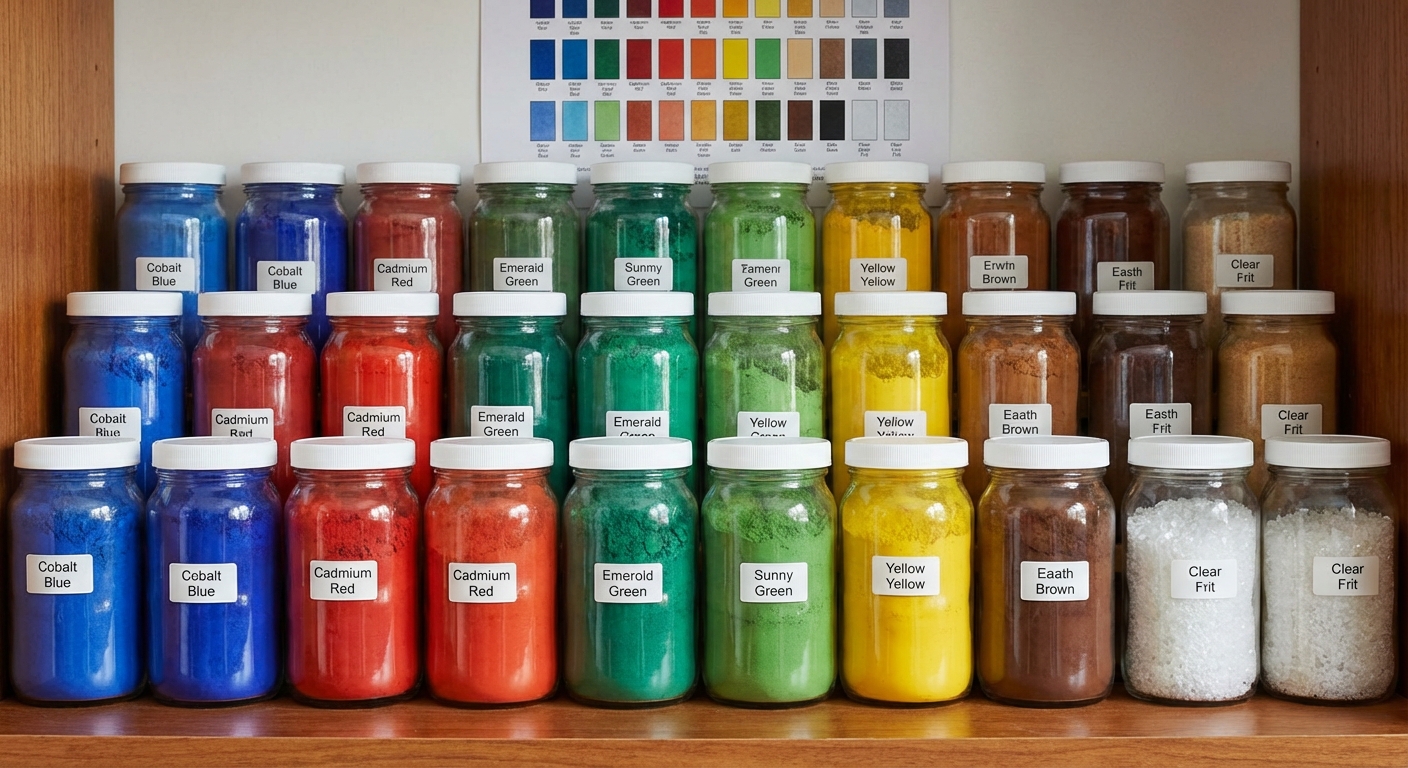
Zirconium Silicate improves color stability by acting as a stable, inert carrier for ceramic pigments, preventing them from reacting with the glass matrix during firing. When you incorporate Zirconium Silicate into your color formulations, you create a buffer that protects the delicate metal oxides used for tinting. This results in vibrant, predictable colors that do not fade or shift even when exposed to high-temperature firing cycles.
Does it interact with ceramic pigments?
The material forms a protective barrier around pigment particles, ensuring that the intended hue remains sharp and clear. The result? You get deeper reds, brighter blues, and consistent yellows without the “bleeding” effect often seen in lesser materials.
- Acts as a refractive index stabilizer.
- Prevents pigment dissolution in the melt.
- Enhances color saturation and depth.
How does it maintain opacity at high heat?
As temperatures rise in the kiln, many materials begin to lose their opacity as they dissolve into the glass. Zirconium Silicate remains solid and crystalline at these heats, maintaining the required opacity to keep colors from becoming transparent.
| Application | Benefit | |
|---|---|---|
| Frit Production | Consistent opacity across heat | |
| Pigment Carrier | Enhanced color development |
This thermal resilience allows you to fire at higher temperatures for faster production cycles without sacrificing the quality of the finish.
Key Takeaway: This material acts as a stable carrier and protective barrier for pigments, preventing color drift and ensuring vibrant results during demanding firing schedules.
Is Zirconium Silicate effective in refractories?
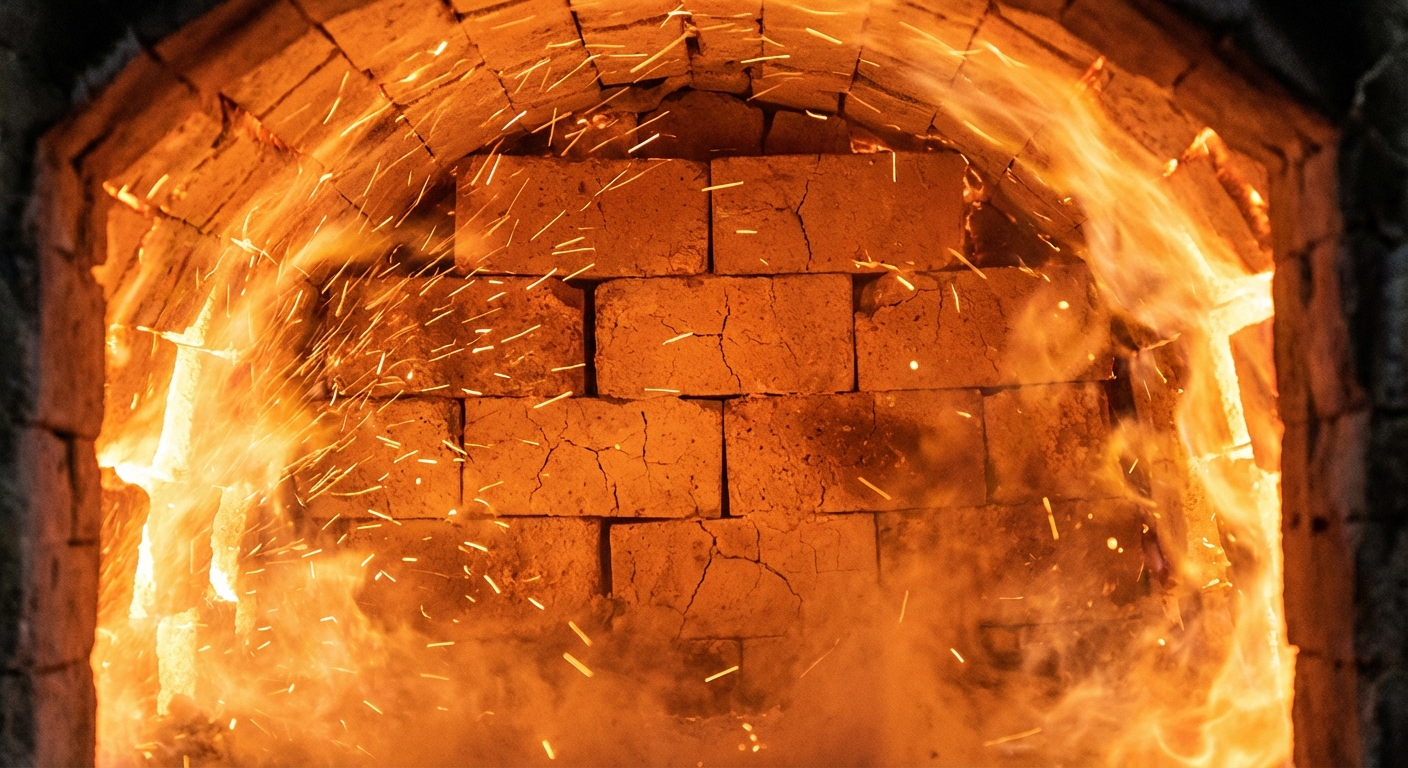
Zirconium Silicate is highly effective in refractories because it possesses an incredibly high melting point and exceptional resistance to chemical corrosion by molten metals or slag. By integrating high-grade Zirconium Silicate into your refractory bricks or linings, you significantly extend the service life of your industrial kilns. You will find that this material remains dimensionally stable under extreme thermal cycling, which is the primary cause of cracking in standard refractory materials.
How does it handle thermal shock?
Thermal shock resistance is the ability of a material to withstand rapid temperature changes without fracturing. Look closer. Zirconium-based materials have a low coefficient of thermal expansion, meaning they don’t expand or contract aggressively when the heat fluctuates.
- Resists cracking during rapid cooling.
- Maintains structural integrity at 2000°C+.
- Increases the number of kiln cycles per lining.
Is it resistant to chemical attack?
In industrial furnaces, molten glass or slag can be highly corrosive to standard brickwork. Zirconium silicate forms a protective layer that resists these aggressive chemicals, keeping your furnace walls intact for longer.
| Indicator | Impact on Refractories | |
|---|---|---|
| Melting Point | ~2550°C | |
| Corrosion Resistance | High against molten glass/slag |
This chemical inertness is vital for industries like glass manufacturing and investment casting, where material purity is non-negotiable.
Key Takeaway: Zircon-based materials provide the extreme thermal and chemical resilience needed to extend the service life of refractory linings in the world’s harshest industrial environments.
What impacts Zirconium Silicate opacity in frit?
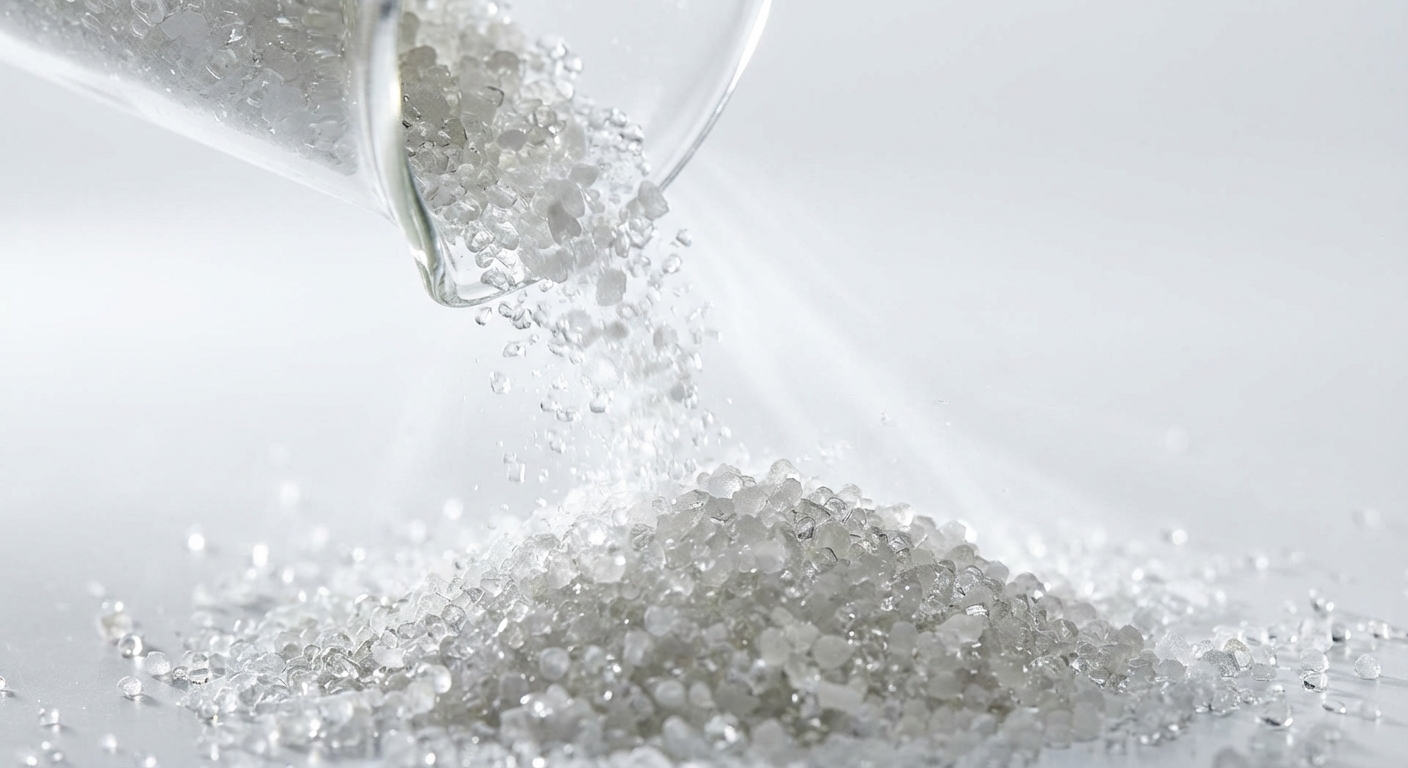
The opacity of Zirconium Silicate in frit is primarily impacted by the refractive index difference between the silicate particles and the surrounding glass matrix. If you are struggling with “thin” or transparent glazes, the problem often lies in the particle size or the concentration of the opacifier. You must ensure a high density of fine particles to maximize light scattering, which creates the opaque, “solid” look required for high-quality ceramic tiles and coatings.
How does light scattering work here?
Opacity is essentially the scattering of light before it can pass through the material. It’s simple. The more “interfaces” there are between the silicate crystals and the glass, the more light is reflected back to your eyes.
- Particle size (D50) determines the surface area.
- Higher refractive index increases reflection.
- Dense packing of particles improves “hiding.”
Can micronized grades be optimized?
Choosing the right grade of micronized powder allows you to balance cost with performance. Fine grades offer the best opacity but may require more careful handling during the frit-making process to avoid clumping.
| Particle Size (D50) | Opacity Level | |
|---|---|---|
| 1.0 – 1.5μm | High Opacity / Fine Detail | |
| 2.0 – 4.0μm | Standard Opacity / Bulk Use |
Optimizing these grades ensures you get the maximum visual impact from every gram of material you purchase.
Key Takeaway: Opacity is a direct function of the light scattering efficiency, which you can control by selecting the appropriate particle size and ensuring high chemical purity.
Can Zirconium Silicate enhance mechanical parts?

Zirconium Silicate can significantly enhance mechanical parts by providing superior wear resistance and hardness for components used in high-friction environments. When you utilize advanced Zirconium Silicate and zirconia-based powders, you create parts that outlast traditional steel or alumina components. These materials are perfect for pump seals, grinding media, and cutting tools where dimensional stability and surface hardness are critical for performance.
Why is wear resistance so high?
The extreme hardness of the crystal lattice makes it nearly impossible for abrasive materials to scratch or wear down the surface. Keep this in mind. Even in high-speed applications, these ceramics maintain their shape and finish longer than almost any other material.
- Hardness levels exceeding HV1200.
- Exceptionally low friction coefficient.
- Resistance to high-temperature abrasion.
How do you achieve density uniformity?
Density uniformity is achieved through vertical integration, where the powder production is tailored to the specific molding and sintering process. This ensures that the finished part has no internal voids or weak spots that could lead to sudden failure.
| Mechanical Property | Value | |
|---|---|---|
| Density | ≥6.0 g/cm³ | |
| Hardness | HV1200+ |
This consistency allows you to engineer parts with tighter tolerances, knowing the material will perform predictably under load.
Key Takeaway: Precision-engineered powders ensure that finished structural components maintain the superior hardness and density required for the most demanding mechanical applications.
How to evaluate Zirconium Silicate purity levels?
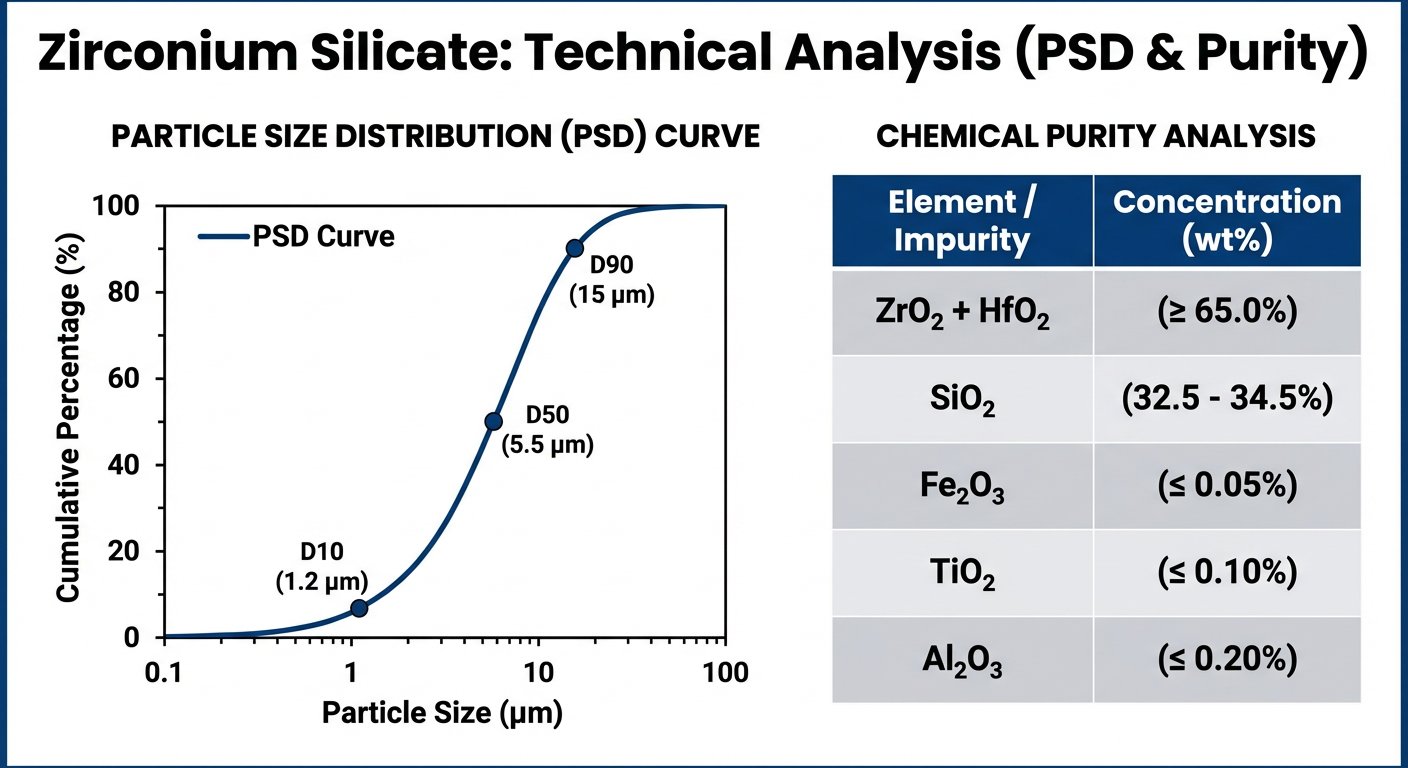
Evaluating Zirconium Silicate purity levels requires advanced laboratory techniques such as X-Ray Fluorescence (XRF) and Laser Diffraction to measure chemical composition and particle distribution. You cannot rely on visual inspection alone; you need documented data to ensure the material meets your technical specifications. Rigorous monitoring of trace impurities like titanium and iron is essential because even minor fluctuations can cause significant defects in your final product.
What do XRF and XRD tell you?
XRF analysis provides the exact chemical breakdown, while XRD identifies the specific mineral phases present in the powder. The best part? This data allows you to predict how the material will behave in the kiln before you ever start a production run.
- Detects trace iron (Fe₂O₃) that ruins whiteness.
- Verifies the ZrO₂ content for opacity.
- Confirms the crystal structure for toughness.
Why monitor radioactivity and impurities?
Natural zircon contains trace amounts of radioactive elements that must be monitored to ensure compliance with international safety standards. Reliable suppliers provide these certificates as part of their standard quality package.
| Test Method | Parameter Measured | |
|---|---|---|
| Laser Diffraction | Particle Size Distribution (PSD) | |
| X-Ray Fluorescence | Detailed Chemical Composition |
Having access to this data reduces your incoming QC workload and ensures you are working with safe, compliant materials.
Key Takeaway: Comprehensive laboratory testing protocols are the only way to guarantee the material performance and safety required for precision manufacturing lines.
Is Zirconium Silicate used for dental restorations?
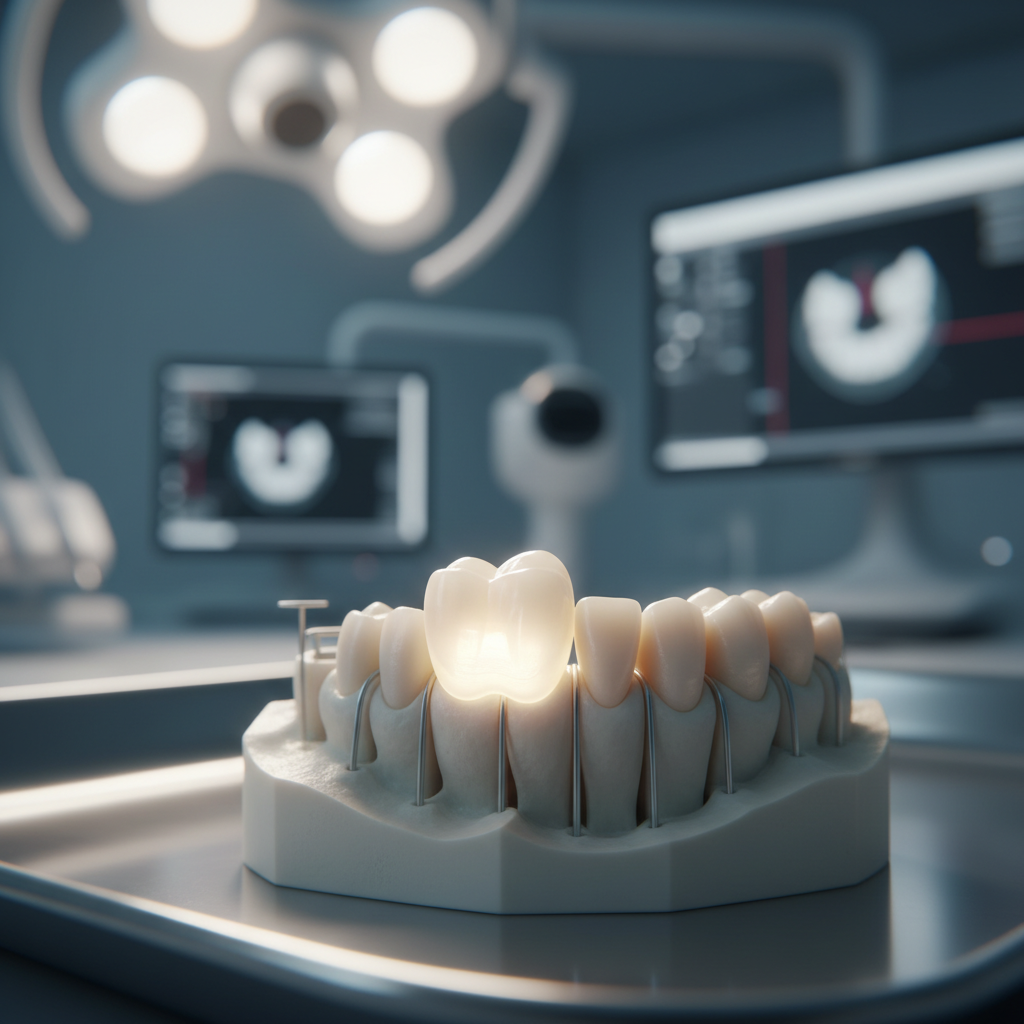
Zirconium Silicate and related zirconia powders are the gold standard for dental restorations, providing the perfect blend of biocompatibility, strength, and natural translucency. By using high-performance Zirconium Silicate and stabilized zirconia, you can produce crowns and bridges that look like natural teeth but possess the strength to withstand a lifetime of chewing forces. The precision of these materials is what makes modern CAD/CAM dental milling possible, allowing for near-perfect fits every time.
How is phase stability maintained?
Phase stability is maintained through the addition of stabilizers like Yttria, which prevent the material from becoming brittle. Why does this matter? It allows the ceramic to stay in its “toughest” state, resisting the micro-cracks that often lead to dental failures.
- 3Y-TZP for high-strength posterior bridges.
- 5Y-PSZ for high-translucency anterior crowns.
- Biocompatible material that won’t irritate gums.
Can you control sintering shrinkage?
Sintering shrinkage must be perfectly predictable so that the milled crown fits the patient’s tooth after it comes out of the furnace. High-purity powders allow for a shrinkage variance of less than ±0.3%.
| Grade | Primary Dental Application | |
|---|---|---|
| 3Y-TZP | High-strength bridges and crowns | |
| 5Y-PSZ | High-translucency anterior teeth |
This level of precision is the difference between a restoration that lasts decades and one that fails in a few years.
Key Takeaway: Precise control of phase purity and particle characteristics allows for the creation of dental ceramics with the incredible strength and aesthetic appeal required for modern restorations.
Where to source high-grade Zirconium Silicate?
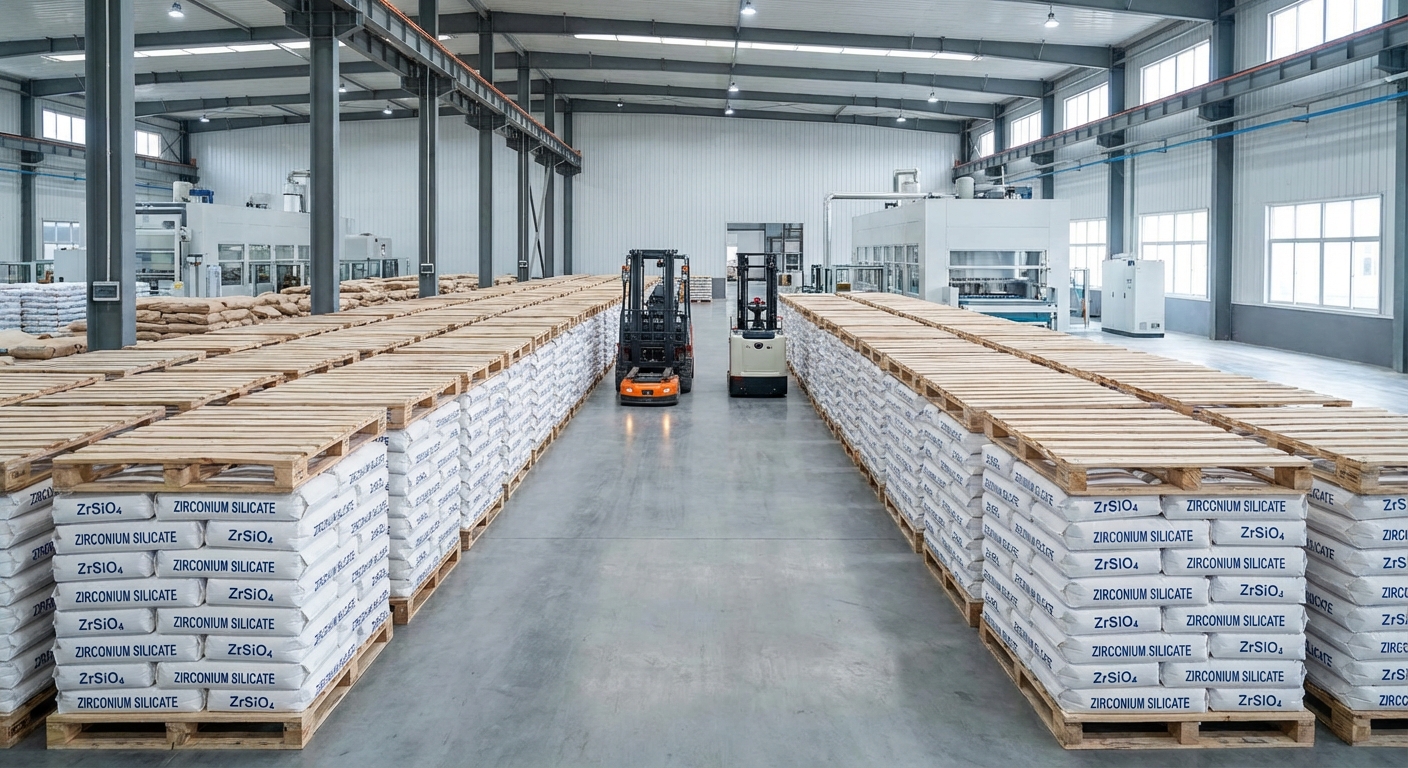
Sourcing high-grade Zirconium Silicate requires finding a direct manufacturer that offers full vertical integration and comprehensive engineering support. You should avoid trading firms that source from multiple suppliers with varying quality standards, as this is the primary cause of batch inconsistency. A true manufacturing partner will provide full batch traceability, customized specifications, and the technical expertise to help you solve production challenges as they arise.
Manufacturer vs. Trading Firm?
A direct manufacturer controls every step, from raw ore processing to the final micronized powder. Now consider this. This control means they can adjust parameters specifically for your application, something a middleman simply cannot do.
- Direct control over PSD and whiteness.
- Access to “on-site” technical engineers.
- Stable long-term pricing and supply.
Is technical support important?
Technical support is the difference between a supplier and a partner. When you face a pinhole defect or a color shift, you need an engineer who understands the chemistry of the material to help you find the root cause.
| Selection Factor | Why It Matters to You | |
|---|---|---|
| Factory Audit | Verification of QC and safety standards | |
| Engineering Support | Direct help with root cause analysis |
Choosing a partner with their own production lines ensures that you are getting the most reliable material at the best possible price.
Key Takeaway: Partnering with a vertically integrated manufacturer ensures you get full traceability and the ability to customize material specifications for your unique process.
Conclusion
Selecting the right grade of materials is crucial for any high-performance ceramic application, from sanitary ware to advanced dental restorations. By focusing on batch stability, precise PSD control, and chemical purity, you can significantly reduce manufacturing waste and improve your final product quality. At ZrBrontec, we are more than just a supplier; we are an engineering partner dedicated to solving your most complex material challenges with precision-crafted solutions. To learn more about our engineering support and custom material solutions, please contact us today .
Frequently Asked Questions
1. How do you actually keep every batch of powder exactly the same? We use a “closed-loop” production system. By monitoring raw ore purity and tracking the PSD at every single stage of the milling process, we ensure the variance never drifts more than ±5% between batches.
2. Can I request a specific particle size that isn’t in your standard catalog?Absolutely. We specialize in custom micronization, so if your specific process requires a very narrow distribution or a unique D90 value, our engineers can adjust our milling parameters to meet your needs.
3. What is the main difference between zircon sand and the powder?It is essentially the raw versus the refined. Zircon sand is the natural grain used for heavy-duty refractories and casting, while the powder is micronized and purified for fine glazes and advanced technical ceramics.
4. How long does it usually take to get a shipment once I order?Standard grades ship quickly. For our standard high-purity grades, we usually ship within 2 to 3 weeks, though custom specifications might take slightly longer to ensure the validation batches are perfect for your line.
5. Do you provide a COA (Certificate of Analysis) with every single delivery?Yes, without exception. Every batch comes with a full data package, including detailed PSD reports and chemical analysis, so your incoming QC team knows exactly what they are receiving before it enters production.