Zirconia is primarily used as a high-performance ceramic in dental restorations, industrial refractories, and precision engineering components due to its exceptional thermal and mechanical stability. You often encounter challenges where standard industrial materials fail under extreme thermal shock or corrosive chemical exposure. This leads to expensive downtime and structural risks, but Zirconium Oxide (zirconia) provides the definitive solution through its unique combination of wear resistance and refractory excellence. By integrating this material into your production, you ensure long-term reliability and superior product integrity.
What are the primary properties of Zirconium Oxide?
Zirconium Oxide is a high-performance technical ceramic distinguished by its incredible fracture toughness and remarkably low thermal conductivity. When you evaluate materials for harsh environments, you will find it remains chemically inert against most acids and alkalis. This stability makes it a primary choice for applications requiring high durability.
How does it resist extreme heat?
The material remains stable at temperatures exceeding 2,700°C, where other oxides would typically lose their structural integrity. You benefit from a low thermal expansion coefficient and high resistance to thermal shock.
- Melting point of approximately 2,715°C.
- High hardness ratings above 1200 HV.
- Exceptional resistance to chemical corrosion.
Think about this: Standard industrial components often crack during rapid temperature shifts, but the phase-transformation toughening of this material prevents catastrophic failure. Key Takeaway: The mechanical durability of your components stems from the material’s unique ability to “self-heal” micro-cracks through internal phase changes.
| Property | Value/Industrial Effect | |
|---|---|---|
| Melting Point | ~2,715 °C | |
| Hardness | >1200 HV | |
| Corrosion Resistance | Excellent (Acid/Base) |
Understanding these mechanical foundations allows you to appreciate its specialized role in medical and dental fields.
How is Zirconium Oxide utilized in modern dentistry?
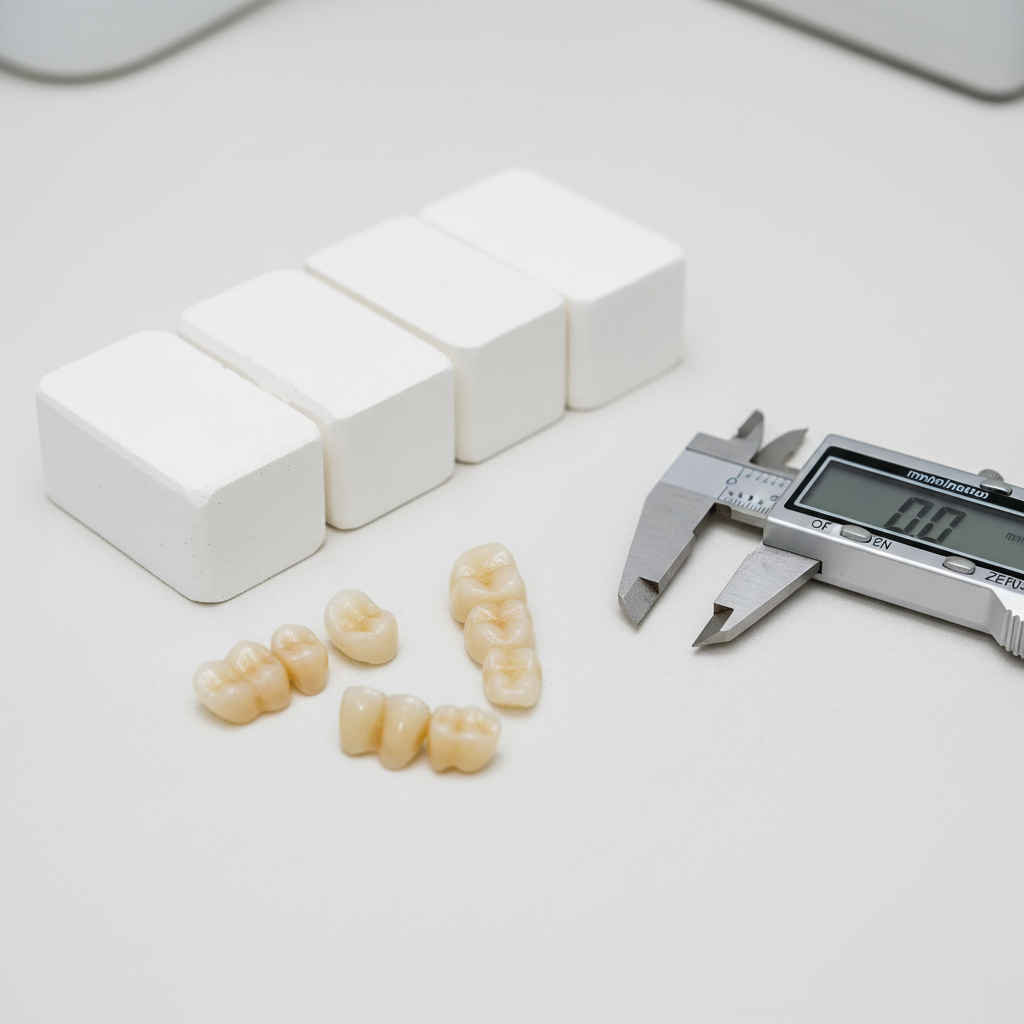
Zirconium Oxide provides the dental industry with a high-strength, metal-free alternative for crowns, bridges, and implant abutments. When you seek restorations that mimic natural teeth, you prioritize materials that offer both biocompatibility and aesthetic translucency. This ceramic allows for precision CAD/CAM milling that fits patient needs perfectly.
Why is 3Y-TZP the standard for dental blanks?
This specific grade offers the ideal balance of flexural strength and optical properties for posterior and anterior restorations. You get a material that resists chipping and long-term wear while maintaining a natural tooth-like shade.
- Flexural strength between 900-1200 MPa.
- Natural translucency for better aesthetics.
- High resistance to hydrothermal degradation.
The best part? Patients experience fewer allergic reactions compared to traditional metal-fused crowns because of the material’s inert nature. Key Takeaway: Modern dental blanks allow you to achieve precision milling with minimal shrinkage variance, ensuring a perfect fit every time.
| Dental Grade | Primary Use | Strength Level | |
|---|---|---|---|
| 3Y-TZP | Posterior Crowns | High | |
| 5Y-TZP | Anterior Restorations | Medium-High |
Beyond dental health, this material’s heat resistance makes it a titan in the world of heavy industrial manufacturing.
Is Zirconium Oxide effective for industrial refractories?
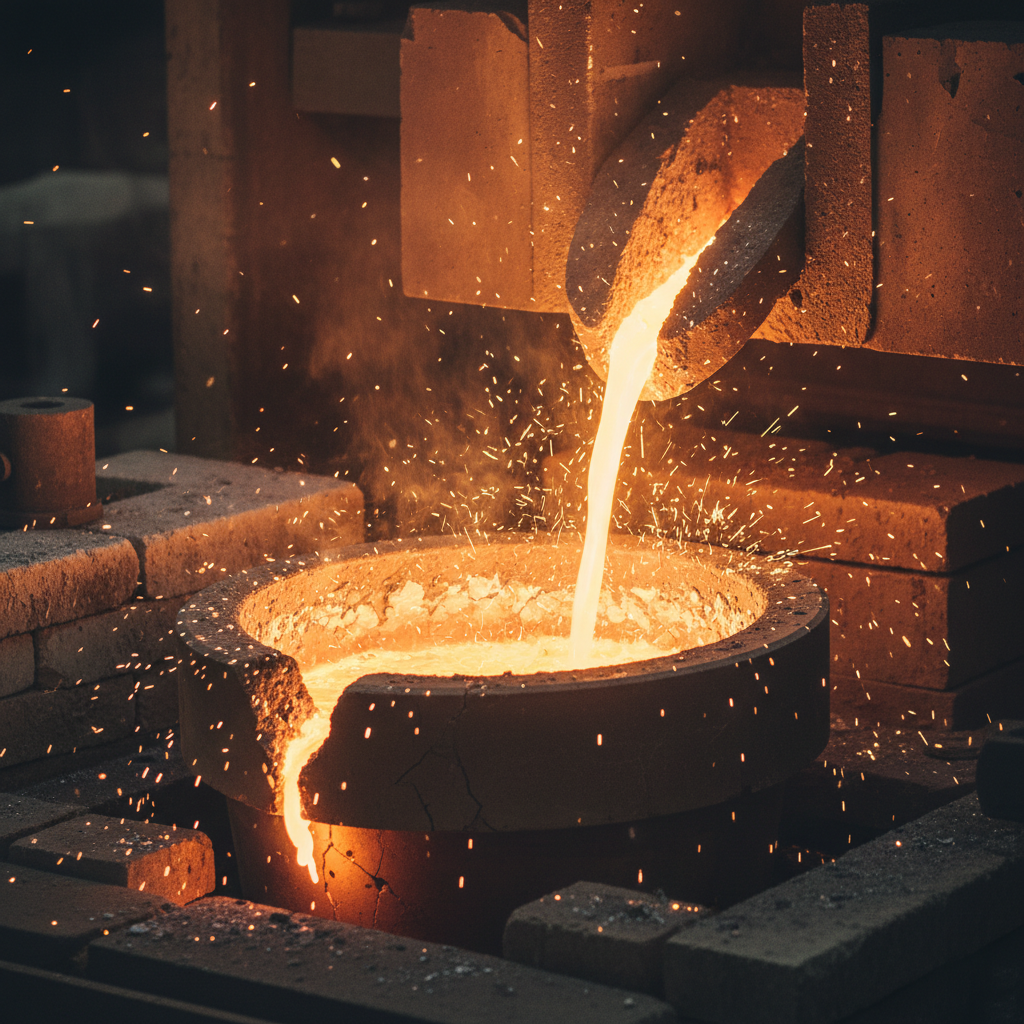
Zirconium Oxide serves as a critical component in the manufacturing of refractory bricks and crucibles designed for handling molten metals and glass. Its high density and resistance to slag erosion make it indispensable for your steel and glass production lines. You can rely on it to maintain purity in the melt even under extreme conditions.
Can it withstand corrosive molten glass?
Zirconia-based refractories are often the only materials capable of surviving the intense chemical activity found in glass furnaces. You will notice a significant reduction in the contamination of your final product.
- Minimal reaction with molten silicates.
- Extended service life for furnace linings.
- High resistance to mechanical erosion.
Consider the impact: Longer service life means fewer shutdowns for maintenance, which directly improves your factory’s bottom line. Key Takeaway: Utilizing these refractories reduces the risk of expensive product contamination in high-purity glass manufacturing.
| Refractory Type | Temp Limit | Resistance Area | |
|---|---|---|---|
| Fused Zirconia | 2,400 °C | Chemical Slag | |
| Zirconia-Alumina | 1,850 °C | Thermal Shock |
While it protects furnace walls, it also serves as the core material for the most advanced technical ceramics.
Why is Zirconium Oxide used in advanced ceramics?
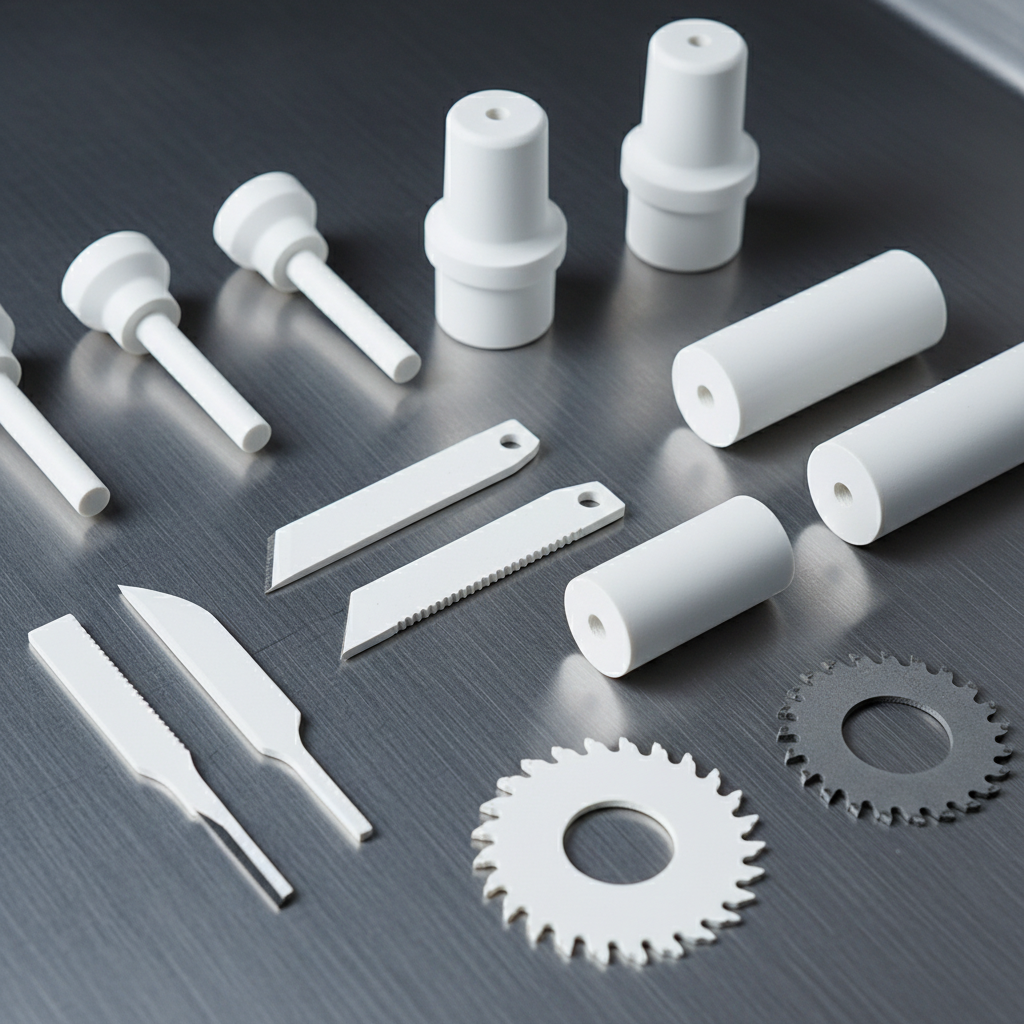
Advanced technical ceramics rely on Zirconium Oxide powders as a primary backbone due to their high phase purity and sintering predictability. If you are developing aerospace or electronic components, you require sub-micron particle sizes to ensure consistent mechanical performance. Controlling these parameters allows for the creation of specialized “tuned” ceramics.
How does phase composition affect performance?
The transition between monoclinic, tetragonal, and cubic phases determines the final toughness of your engineered part. You can select specific stabilizers like Yttria to lock the material into the desired phase.
- Tetragonal Polycrystal (TZP) for maximum strength.
- Partially Stabilized Zirconia (PSZ) for insulation.
- Fully Stabilized Zirconia for oxygen sensors.
Here is the secret: By controlling the stabilizer content, you can “tune” the ceramic to meet very specific industrial needs. Key Takeaway: Precise control over phase composition is what separates high-tech components from standard industrial minerals.
| Parameter | Impact on Ceramic | User Benefit | |
|---|---|---|---|
| D50 Particle Size | Sintering Temp | Lower Energy Costs | |
| Phase Purity | Fracture Toughness | Longer Part Life |
These technical properties even find a home in common household items, particularly in luxury bathroom fixtures.
How does Zirconium Oxide improve sanitary ware quality?
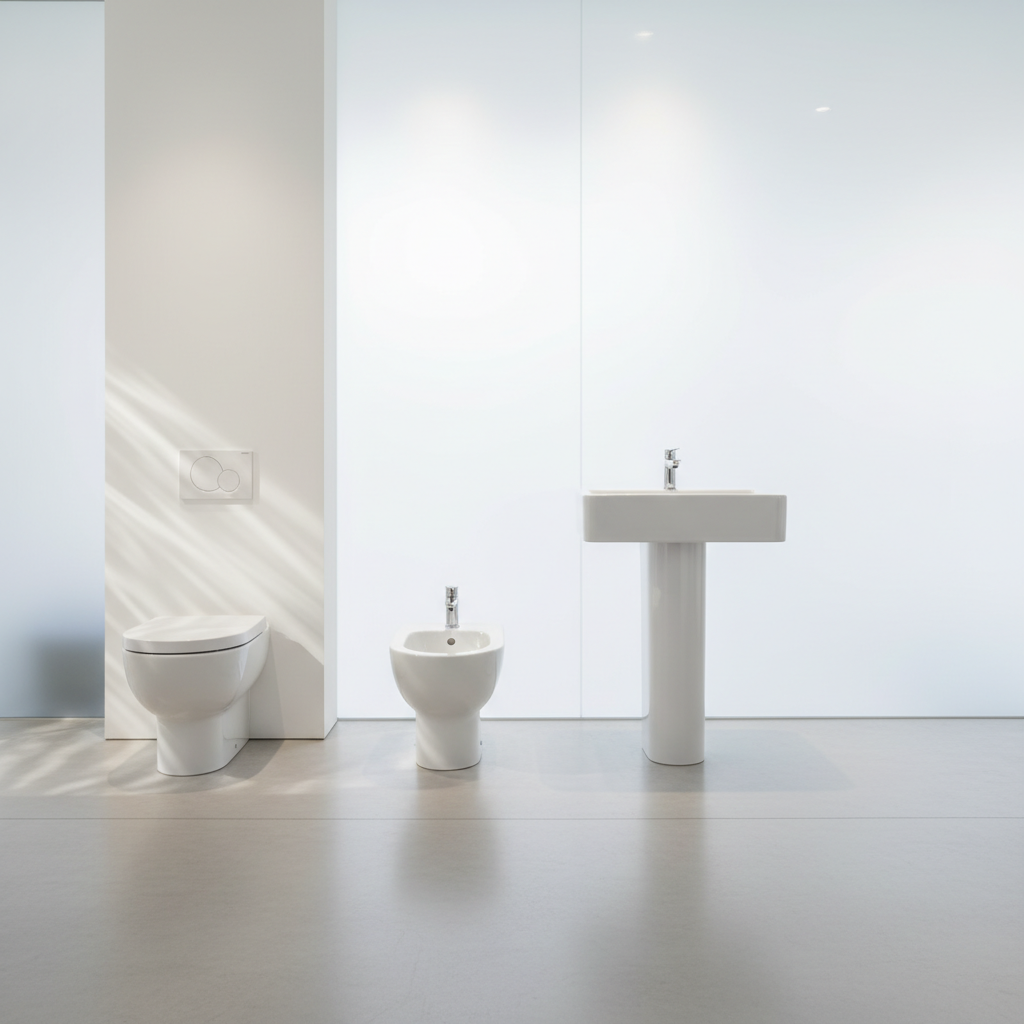
Zirconium Oxide is frequently added to ceramic glazes to act as a powerful opacifier and high-performance whitening agent. It ensures that your sinks, toilets, and tiles achieve a brilliant, consistent white finish that resists scratching. For your production line, it provides the opacity required to hide the color of the underlying clay body.
Does it enhance glaze surface smoothness?
Fine-milled particles fill microscopic voids in the glaze, resulting in a glass-like surface that is easy to clean. You will find that it significantly increases the resistance of your products to harsh chemical cleaners.
- Reduction in surface pinholes.
- Stable whiteness across firing batches.
- Improved scratch and wear resistance.
In fact, Consistency in whiteness is the number one quality metric for high-end sanitary brands worldwide today. Key Takeaway: Adding even a small percentage of this oxide can significantly improve the first-pass yield of your ceramic production lines.
| Glaze Metric | With Zirconia | Without Zirconia | |
|---|---|---|---|
| Whiteness (L*) | 95+ | 88-91 | |
| Surface Finish | Smooth/Mirror | Matte/Pitted |
Quality control is equally vital when the material is used in high-precision metal molding processes.
Can Zirconium Oxide enhance precision investment casting?
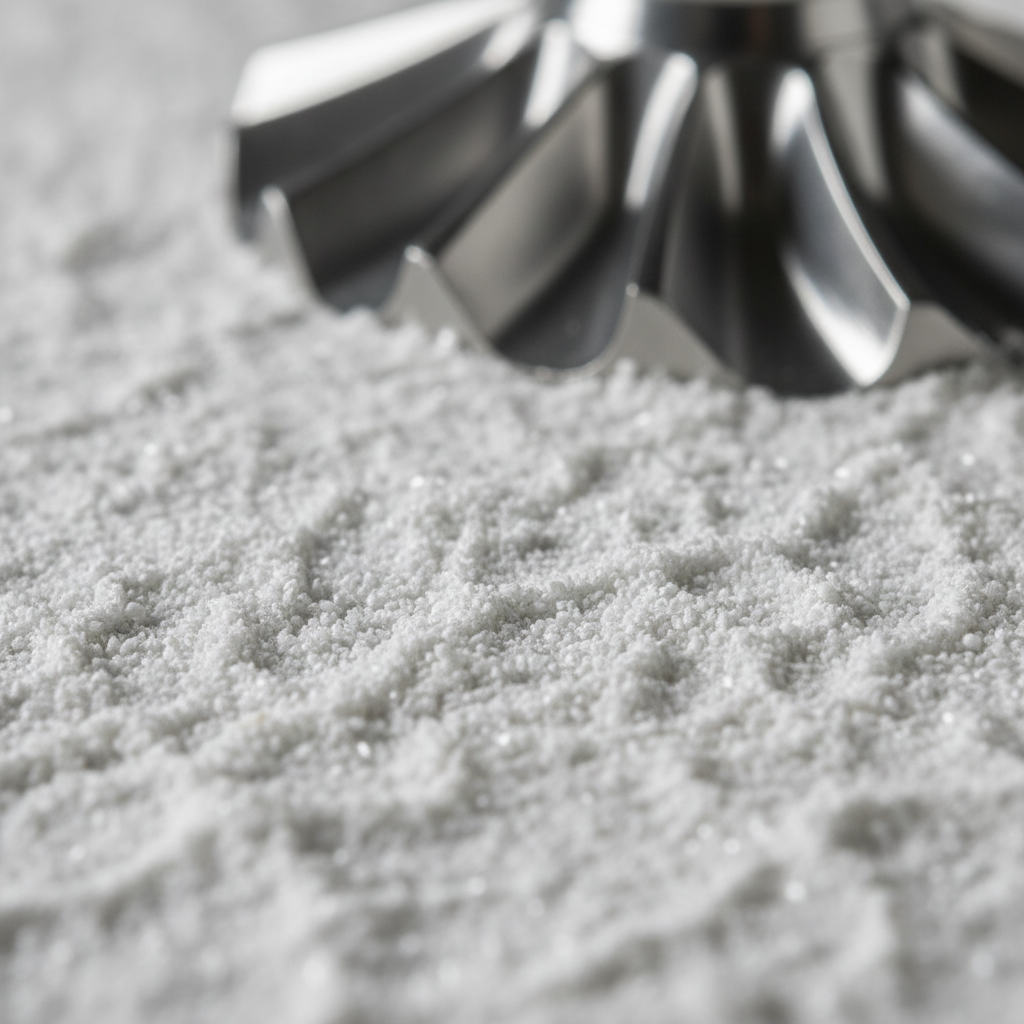
Zirconium Oxide is the preferred material for face coats in investment casting molds, particularly for titanium and superalloy parts. Utilizing these high-purity grains ensures that your mold does not react with the molten metal during the cooling process. This chemical neutrality is essential for maintaining the integrity of aerospace-grade components.
How does it impact shell strength?
The high-purity grains create a dense, stable shell that maintains dimensional accuracy under high pressure and heat. You benefit from a superior surface finish on your cast parts, reducing the need for expensive secondary machining.
- Reduced metal-mold reaction.
- High slurry rheology control.
- Superior dimensional stability.
But wait, there is more: Aerospace components cast with these face coats require significantly less post-processing, saving you time and labor. Key Takeaway: The chemical inertness of this material is vital when you are casting reactive metals like titanium or high-nickel alloys.
| Component | Function | Process Phase | |
|---|---|---|---|
| Zirconia Flour | Face Coat Slurry | Initial Coating | |
| Zirconia Sand | Primary Stucco | Shell Building |
Moving from industrial molds to the human body, the material’s safety profile becomes its most valuable asset.
What role does Zirconium Oxide play in medical prosthetics?
Zirconium Oxide has largely replaced other ceramics in orthopedic implants such as hip joints and femoral ball heads. Its biocompatibility ensures that the human body does not reject the implant even after decades of continuous use. You can trust its high load-bearing capacity to support patient mobility over a lifetime.
Is it durable enough for hip replacements?
The material’s low wear rate ensures that the implant lasts much longer than metal or standard ceramic alternatives. You will find it has an extremely low friction coefficient, which prevents the buildup of wear debris in the joint.
- High load-bearing capacity.
- Resistance to surface degradation.
- Inert surface prevents inflammation.
Think about this: A hip joint must endure millions of cycles; this is one of the few materials that won’t fatigue prematurely. Key Takeaway: The combination of biological safety and extreme mechanical hardness makes this the “gold standard” for joint replacement.
| Implant Feature | Patient Benefit | |
|---|---|---|
| Inert Surface | No immune rejection | |
| High Density | Minimal wear debris |
The same durability that protects joints is used to pulverize other materials in high-energy milling.
Why is Zirconium Oxide essential for grinding media?
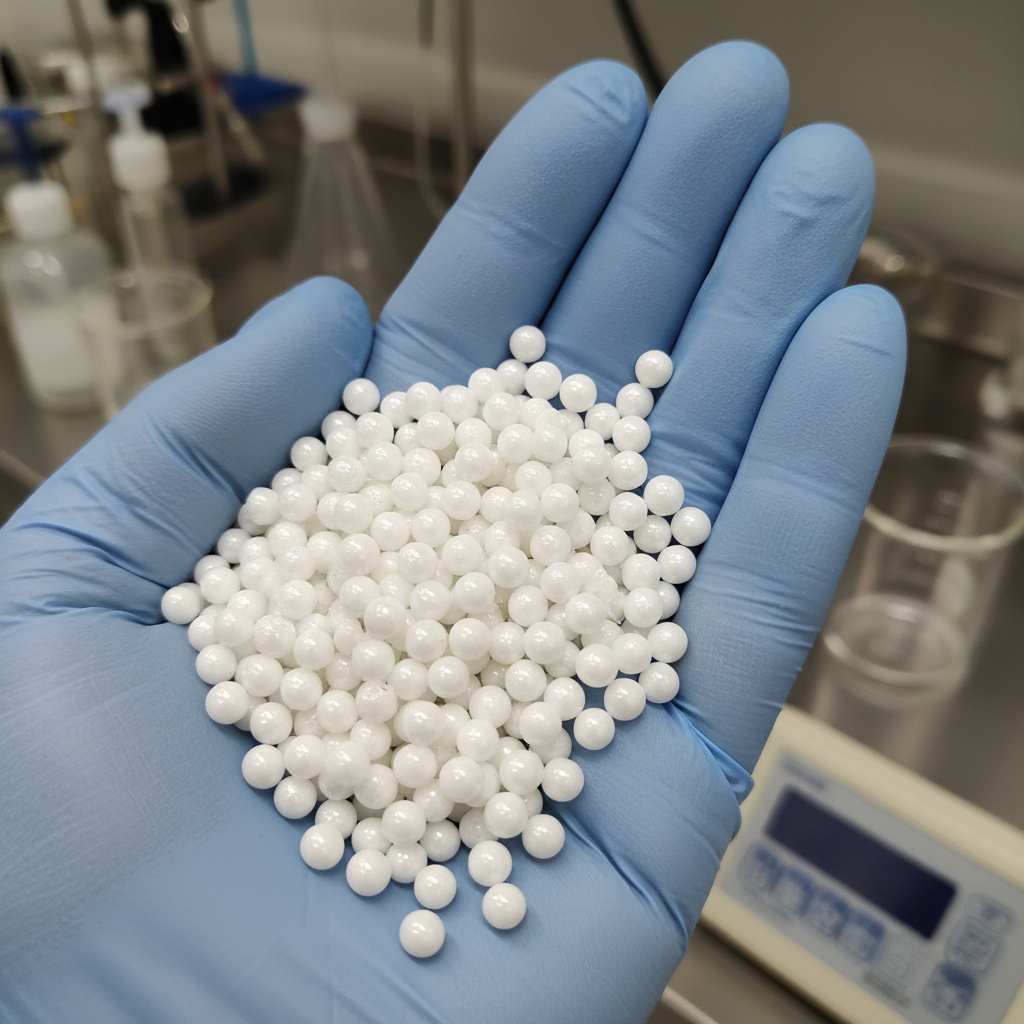
Zirconium Oxide beads are used for high-energy milling of paints, inks, and pharmaceutical ingredients where contamination must be zero. These beads offer the highest density available for ceramic milling media, providing superior energy transfer. You will find that switching to these beads drastically improves your grinding efficiency.
What is its impact on wear resistance?
The high density of these beads allows for faster milling times while ensuring that no ceramic particles contaminate your product. You get minimal bead breakage even during high-speed rotation in planetary or horizontal mills.
- Zero contamination of the slurry.
- High energy transfer due to weight.
- Faster milling cycle times.
Bottom line: Switching from glass or steel beads to this ceramic can reduce your milling cycle time by up to 50%. Key Takeaway: For sub-micron grinding tasks, the durability and density of this media are unmatched by any other ceramic material.
| Media Material | Density (g/cm³) | Wear Rate | |
|---|---|---|---|
| Zirconia (Y-TZP) | 6.0 | Lowest | |
| Alumina | 3.9 | Medium |
To understand why it is so effective, you must look at how it is refined from raw minerals.
How is Zirconium Oxide produced from zircon sand?
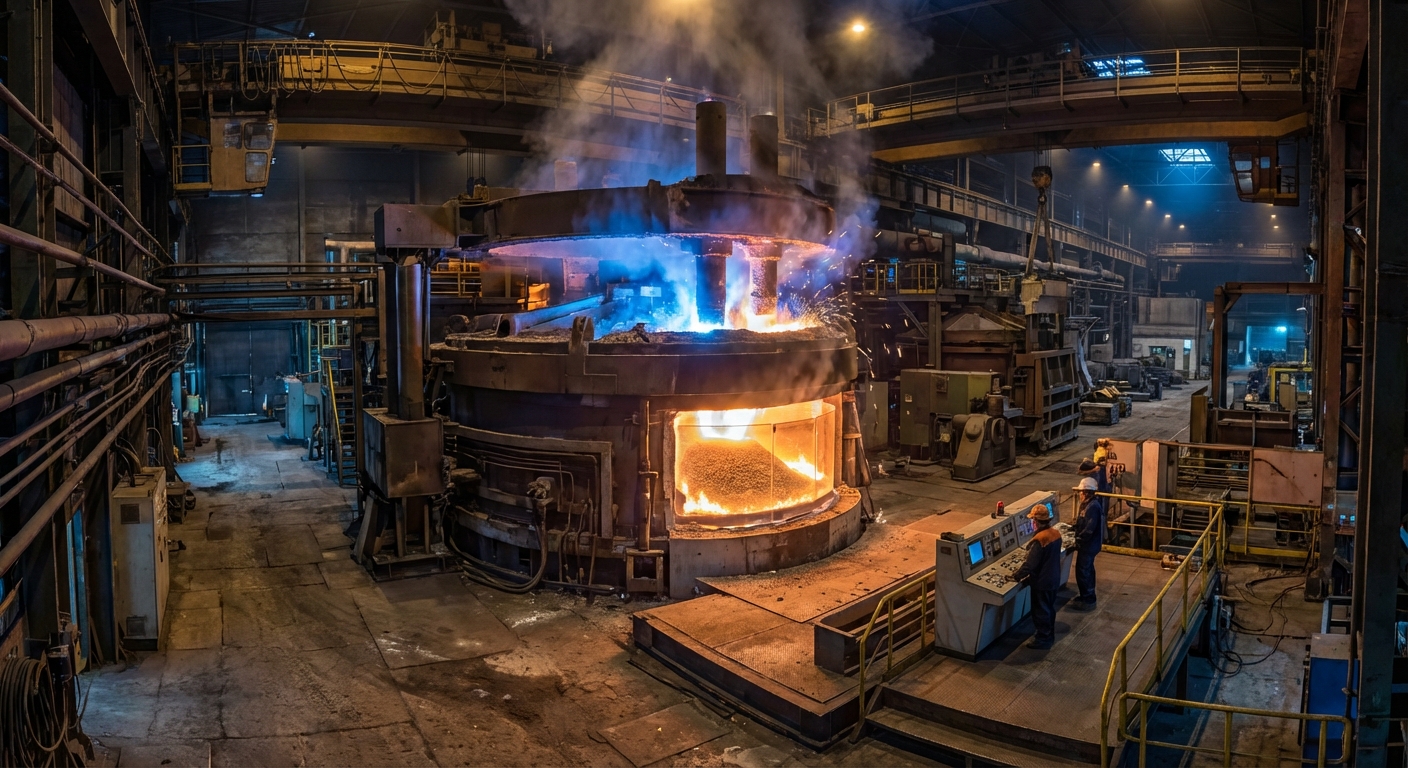
Zirconium Oxide is primarily manufactured through the thermal dissociation or chemical fusion of zircon sand in electric arc furnaces. This industrial process involves heating the mineral to over 2,800°C to separate the silica from the oxide. You receive a high-purity product that can then be stabilized for technical use.
What is the fusion process?
Zircon is mixed with coke and fused, causing it to dissociate into molten oxide and fumed silica. You can then control the final crystal structure by adjusting the cooling rate and adding specific stabilizers.
- Reduction of raw impurities.
- Control of final crystal phase.
- High-purity output for technical grades.
How is this done? The process requires immense energy and precise cooling rates to achieve the desired monoclinic or stabilized phase for your application. Key Takeaway: Most commercial oxide is a “synthetic” product derived from the heavy refinement of natural minerals.
| Process Step | Output Product | Industry Use | |
|---|---|---|---|
| Fusion | Fused Zirconia | Refractories | |
| Chlorination | Chemical Zirconia | Advanced Ceramics |
Finally, this industrial powerhouse transforms into a brilliant gemstone in the consumer market.
Where is Zirconium Oxide found in consumer jewelry?
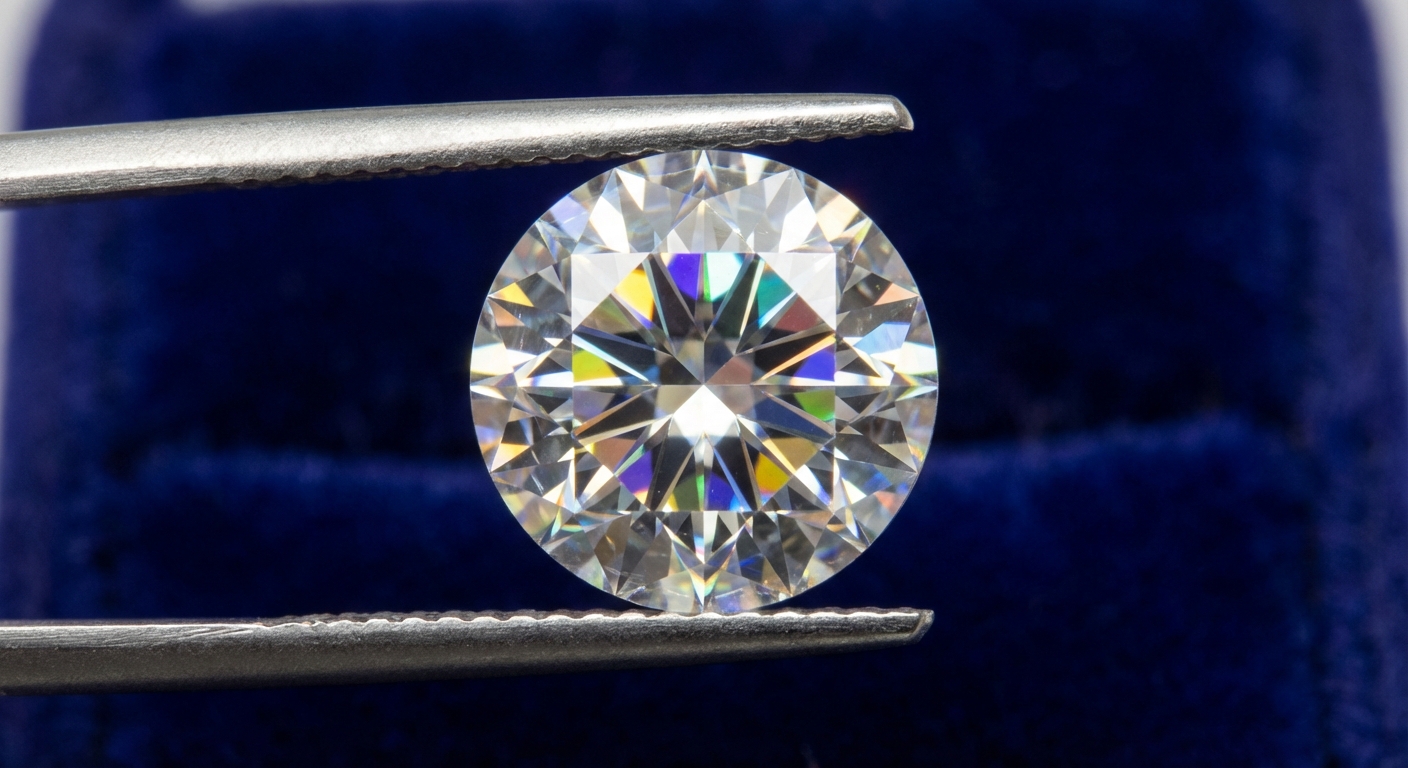
Zirconium Oxide in its “cubic” form is the world’s most popular diamond simulant, widely used in affordable luxury jewelry. These stones are grown as single crystals to achieve flawless optical clarity and intense light dispersion. You will find they offer a “fire” and brilliance that very closely resembles a natural diamond.
How does it mimic natural diamonds?
Cubic Zirconia (CZ) has a high refractive index, allowing it to sparkle brilliantly under various lighting conditions. You benefit from a high Mohs hardness of 8.5, which makes the stone resistant to scratches during daily wear.
- Optically clear crystals.
- Maintains color and brilliance.
- Cost-effective gemstone alternative.
What’s the catch? While CZ looks like a diamond, it is much heavier and lacks the thermal conductivity of natural carbon-based stones. Key Takeaway: Cubic zirconia remains the most visually stunning and cost-effective alternative to precious gemstones on the market today.
| Feature | Cubic Zirconia | Natural Diamond | |
|---|---|---|---|
| Refractive Index | 2.15 | 2.42 | |
| Mohs Hardness | 8.5 | 10.0 |
The journey from a raw mineral to a brilliant gemstone highlights the incredible versatility of this material.
As global industries move toward more demanding environments, the role of high-purity oxides becomes paramount. You have seen how Zirconium Oxide solves critical problems across dentistry, aerospace, and heavy manufacturing by providing unmatched stability and toughness. We provide the engineered solutions you need to reduce process variation and eliminate quality risks in your production line. To optimize your manufacturing with stable, high-performance materials, contact us today to speak with a technical engineer about your specific application requirements.
Frequently Asked Questions
1. Can I use Zirconium Oxide for oxygen sensors?Yes, because fully stabilized zirconia has unique ionic conductivity at high temperatures, making it the industry standard for automotive and industrial oxygen sensing.
2. What’s the best way to clean zirconia dental crowns?It depends on whether they are permanently fixed or removable, but generally, you should use standard non-abrasive toothpaste to avoid micro-scratches on the polished surface.
3. How do I know if my grinding media is high quality?Yes, you can tell by checking the density and wear rate; high-quality Y-TZP beads should have a density of at least 6.0 g/cm³ and show minimal weight loss after use.
4. Is Cubic Zirconia as hard as a real diamond?No, while it is very durable with a Mohs hardness of 8.5, it is significantly softer than a natural diamond which sits at a perfect 10.
5. Can Zirconium Oxide be recycled after industrial use?It depends on the level of contamination, but many industrial refractory and grinding materials can be crushed and reused as raw material for less critical applications.