Foundry managers often struggle with high defect rates and inconsistent surface finishes in complex steel castings. These “burn-in” defects lead to expensive scrap and hours of wasted post-casting cleaning labor. Here is the deal: Zircon Coatings provide the ultimate thermal barrier to stop metal penetration and secure your margins.
Why Are Zircon Coatings Critical for Casting?
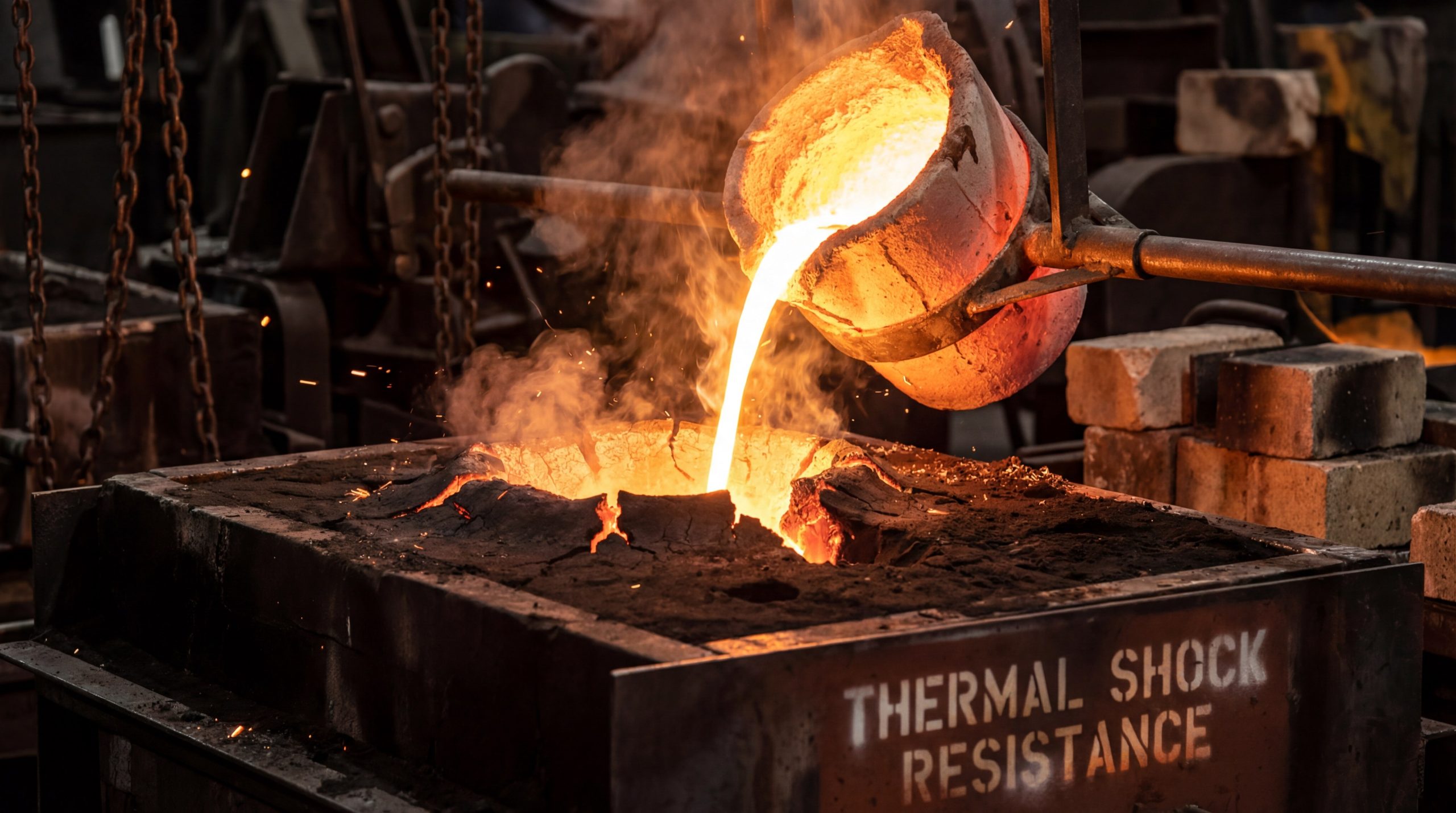
Zircon coatings are essential because they provide the high refractoriness needed to withstand molten steel temperatures exceeding 1500°C. They create a dense physical shield that prevents the metal from fusing with the mold sand.
How can you prevent thermal shock?
The low thermal expansion of zirconium silicate ensures the coating layer does not crack during sudden temperature spikes. Believe it or not, this stability is what keeps thin-walled castings from failing.
- High melting point
- Low expansion rate
- Minimal chemical reactivity
Key Takeaway: Zircon’s thermal properties protect the mold’s structural integrity.
| Feature | Benefit | |
|---|---|---|
| Refractoriness | Resists 1500°C+ | |
| Stability | No cracking |
Choosing zircon ensures your molds survive the harshest pouring conditions.
How Do Zircon Coatings Beat Traditional Options?
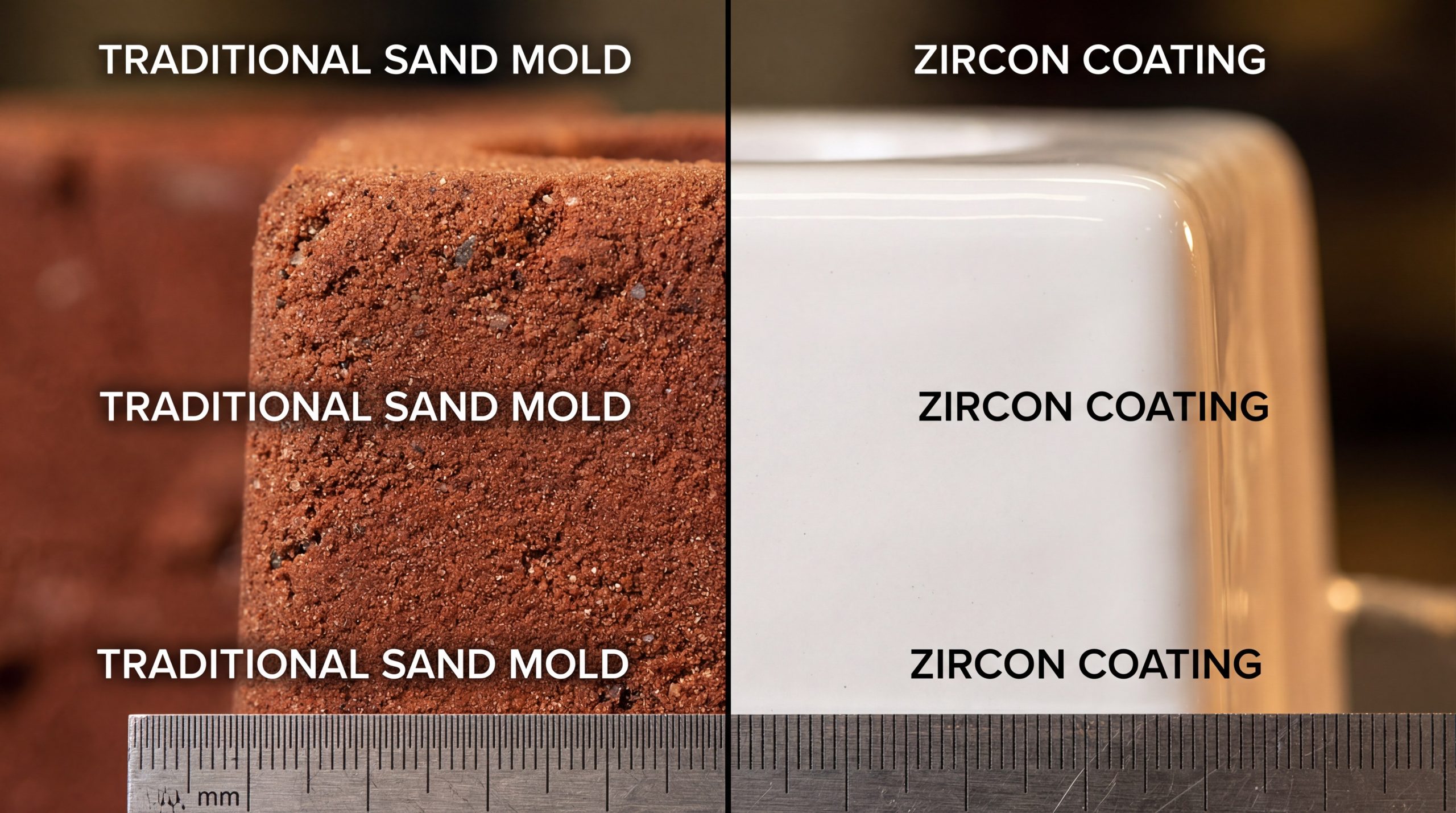
Zircon outperforms silica and chromite due to its superior density and significantly lower chemical reactivity with molten alloys. While traditional washes often flake or erode, zircon maintains a smooth, continuous barrier throughout the pour.
How can you outperform silica washes?
Silica-based coatings often suffer from “metal-mold reaction” which ruins the surface of precision steel. What’s the real story? Zircon’s inert nature eliminates these chemical interactions entirely.
- Higher density than chromite
- Zero reaction with steel
- Smoother application
Key Takeaway: Zircon provides a more reliable barrier than cheaper alternatives.
| Material | Reaction Risk | |
|---|---|---|
| Silica | High | |
| Zircon | Negligible |
Switching from silica to zircon dramatically reduces unpredictable surface flaws.
Where Can You Apply Zircon Coatings Best?
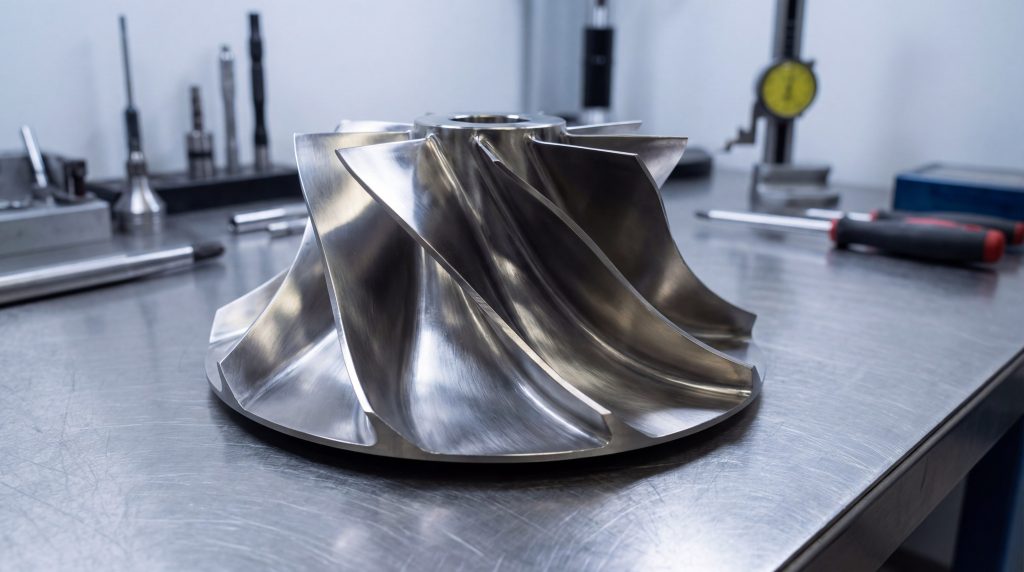
These coatings are ideal for high-precision sectors like aerospace and automotive where dimensional accuracy is non-negotiable. They are specifically used for intricate cores and molds that produce mission-critical engine components.
How can you optimize turbine parts?
Aerospace turbine blades require perfectly smooth internal cooling passages that only zircon-coated cores can deliver. Ready for the good part? Using these coatings ensures internal geometries remain exactly as designed.
- Turbine blades
- Engine blocks
- Oilfield valves
Key Takeaway: High-stakes industries rely on zircon for flawless internal geometries.
| Sector | Application | |
|---|---|---|
| Aerospace | Turbines | |
| Automotive | Cylinders |
Precision industries demand the exactness that only zircon materials provide.
How Do You Apply Zircon Coatings Correctly?
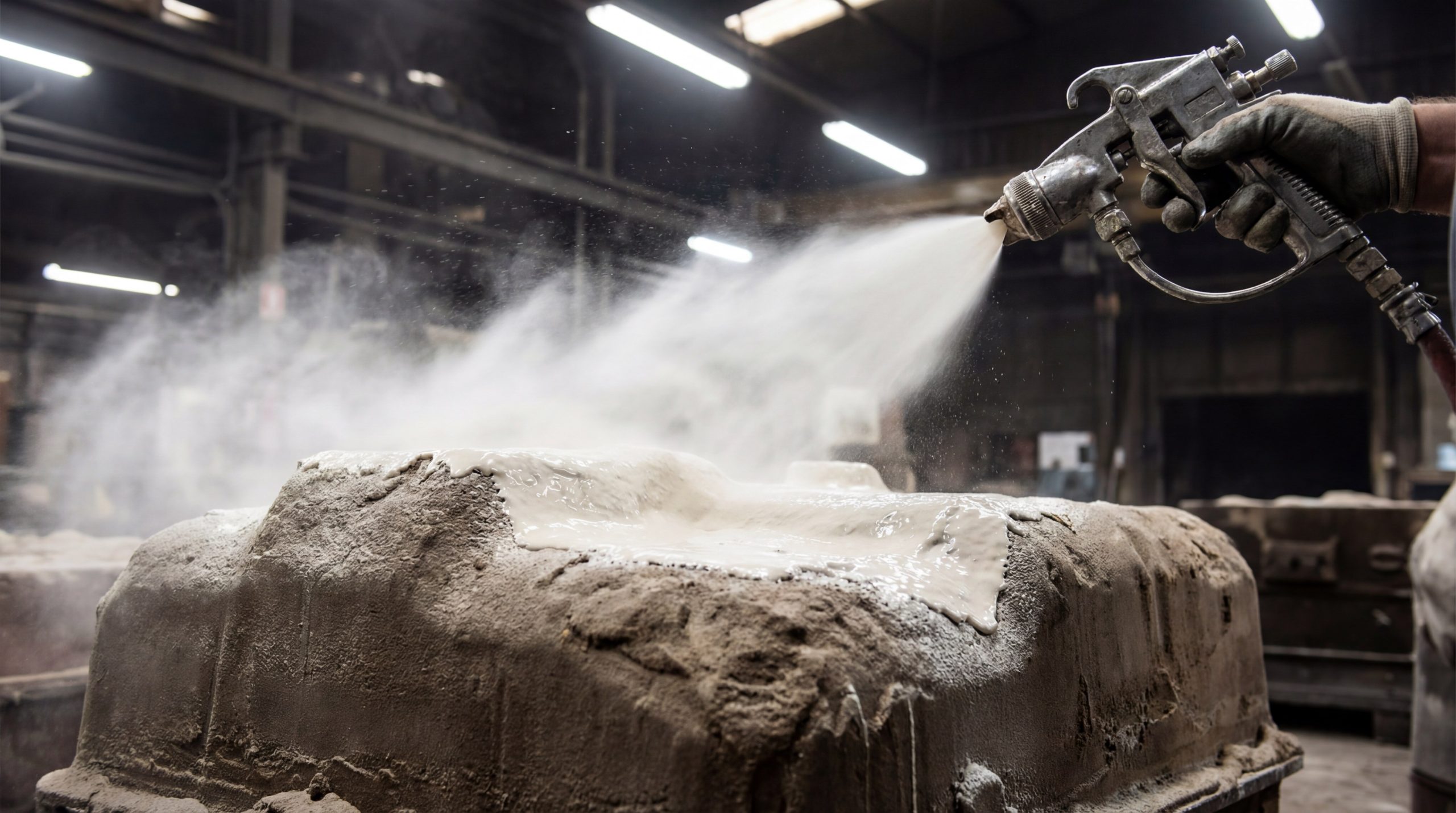
Applying zircon correctly involves maintaining precise specific gravity and ensuring the mold surface is completely free of contaminants. You must achieve a uniform thickness to prevent uneven cooling or pooling of the wash.
How can you ensure even spraying?
Using automated spray systems or controlled dipping allows for a consistent micron-level layer across the entire mold. This is where it gets interesting: managing the Baumé level of the slurry is the secret to perfect adhesion.
- Monitor specific gravity
- Clean mold surfaces
- Controlled drying heat
Key Takeaway: Application consistency is just as vital as the material quality itself.
| Method | Consistency | |
|---|---|---|
| Spraying | High | |
| Dipping | Excellent |
Strict application protocols maximize the performance of your coating investment.
What Issues Do Zircon Coatings Eliminate?
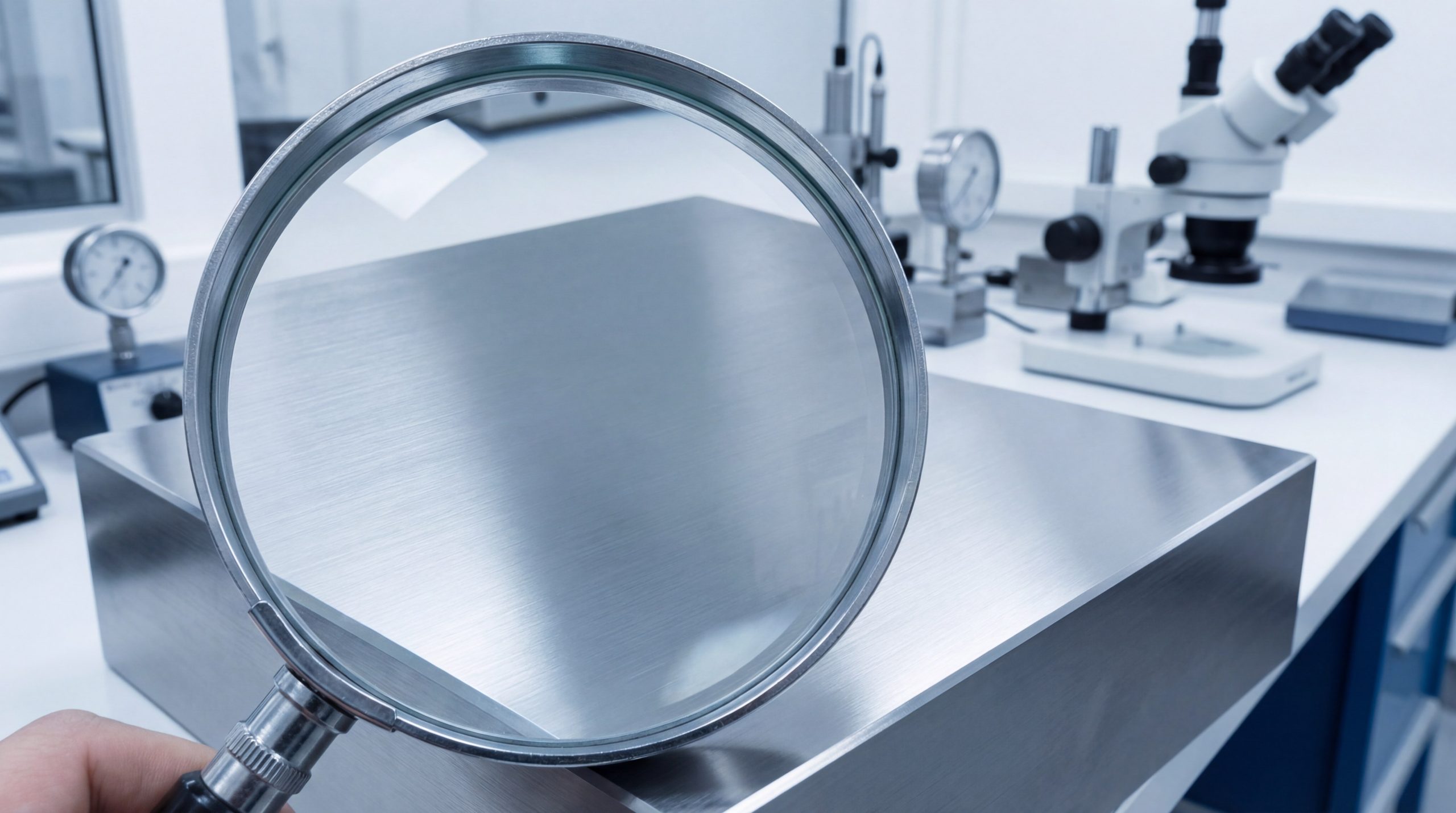
Zircon coatings effectively eliminate sand burn-on, veining, and scabbing by providing a non-wetting surface for the molten metal. This prevents the steel from penetrating the sand grains, which is the primary cause of surface defects.
How can you banish burn-on defects?
The dense grain structure of zircon fills the gaps between sand particles, blocking metal entry. But wait, there’s more: this barrier also reduces gas-related porosity by sealing the mold face.
- No sand fusion
- Reduced veining
- Less gas porosity
Key Takeaway: Zircon stops the physical and chemical causes of common defects.
| Defect | Zircon Effect | |
|---|---|---|
| Burn-on | Eliminated | |
| Veining | Minimized |
Removing these defects saves your team from hours of grinding and repair.
How Do Zircon Coatings Boost Mold Durability?
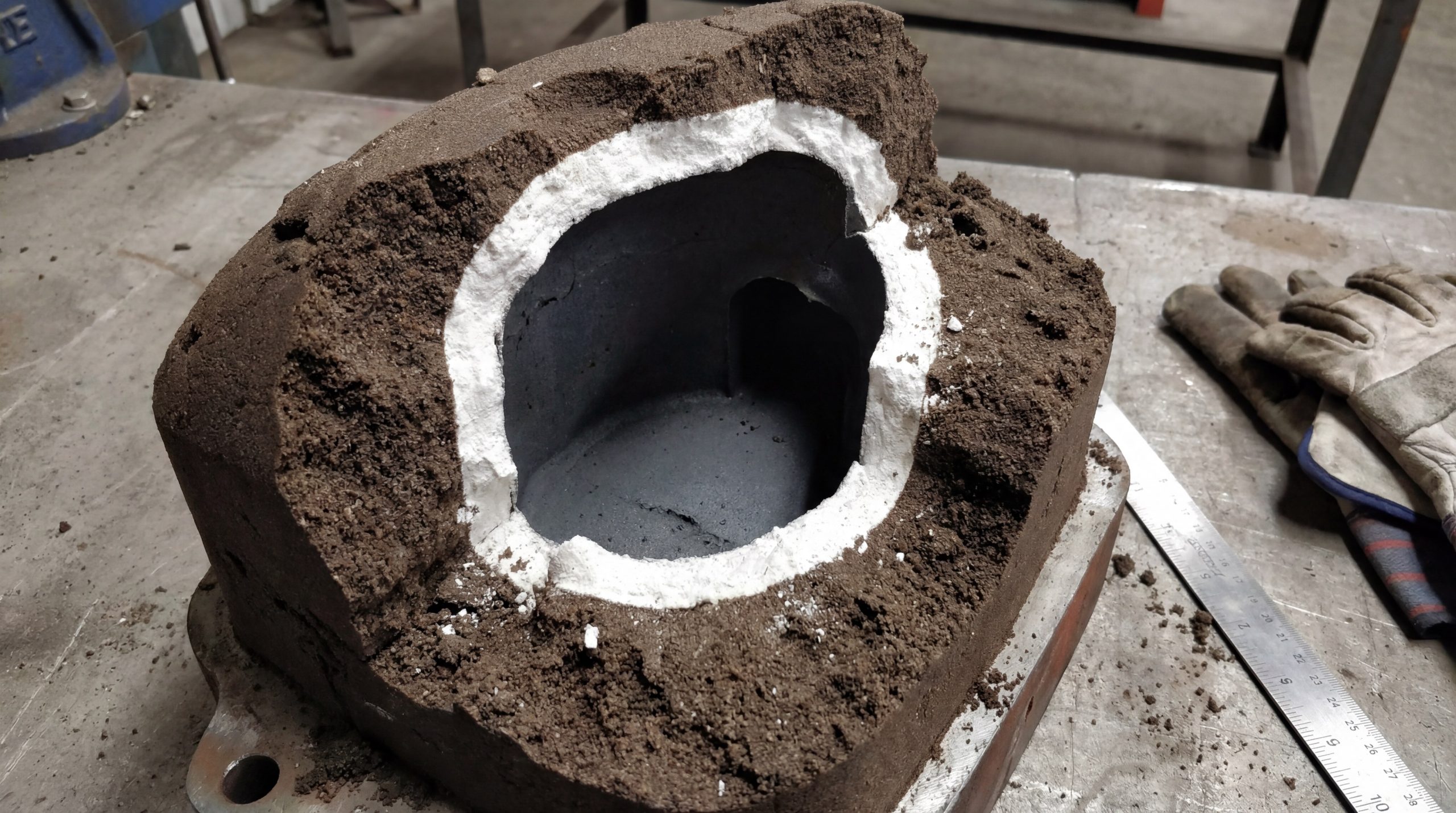
Zircon coatings boost durability by reinforcing the surface of the mold and cores, allowing them to withstand the erosive force of flowing metal. This reinforcement prevents the mold from washing away during high-pressure pours.
How can you resist pouring temperatures?
The thermal stability of zircon keeps the mold shape intact even during long solidification times. You might be wondering: does this help with storage? Yes, it improves the shelf life of treated cores significantly.
- High erosion resistance
- Dimensional stability
- Longer core shelf-life
Key Takeaway: Coated molds remain stable under intense metal flow and heat.
| Stress | Resistance | |
|---|---|---|
| Erosion | High | |
| Heat | Superior |
Enhanced mold strength translates directly into better dimensional repeatability for you.
How Do Zircon Coatings Improve Surface Finish?
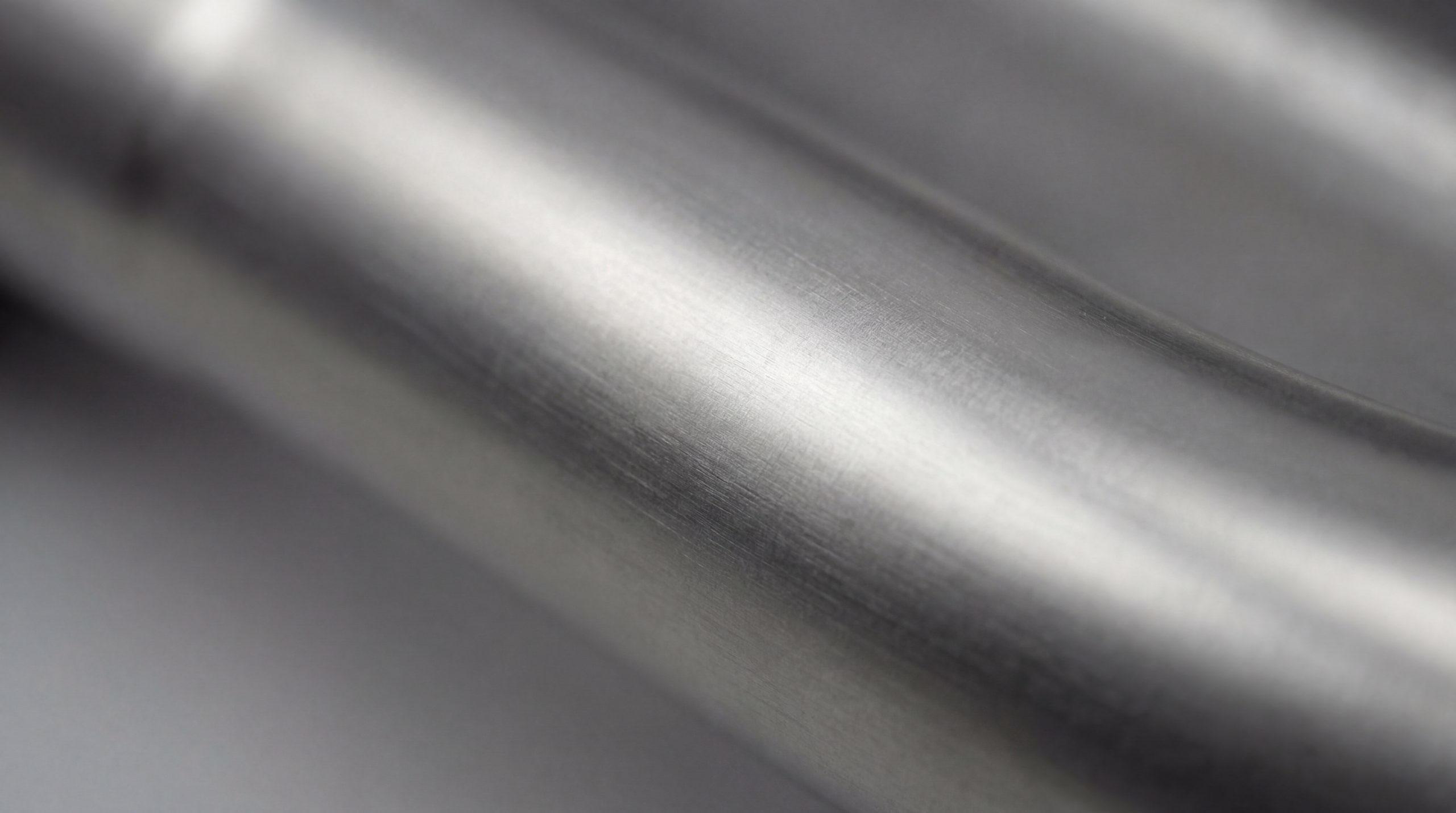
Zircon coatings improve surface finish by creating a “satin-smooth” interface between the metal and the mold. This results in a “cast skin” that requires minimal finishing to meet aesthetic or functional standards.
How can you reduce shot-blasting?
A smoother initial casting surface means your parts spend less time in the shot-blaster or under a grinder. It’s a win-win: you get a better look with less mechanical effort.
- Smoother cast skin
- Consistent aesthetics
- Reduced grinding needs
Key Takeaway: Zircon delivers a near-finished surface right out of the mold.
| Metric | Improvement | |
|---|---|---|
| Roughness | Lower | |
| Finish Time | Reduced |
Superior aesthetics increase the perceived value of your finished steel products.
How Do Zircon Coatings Reduce Production Costs?
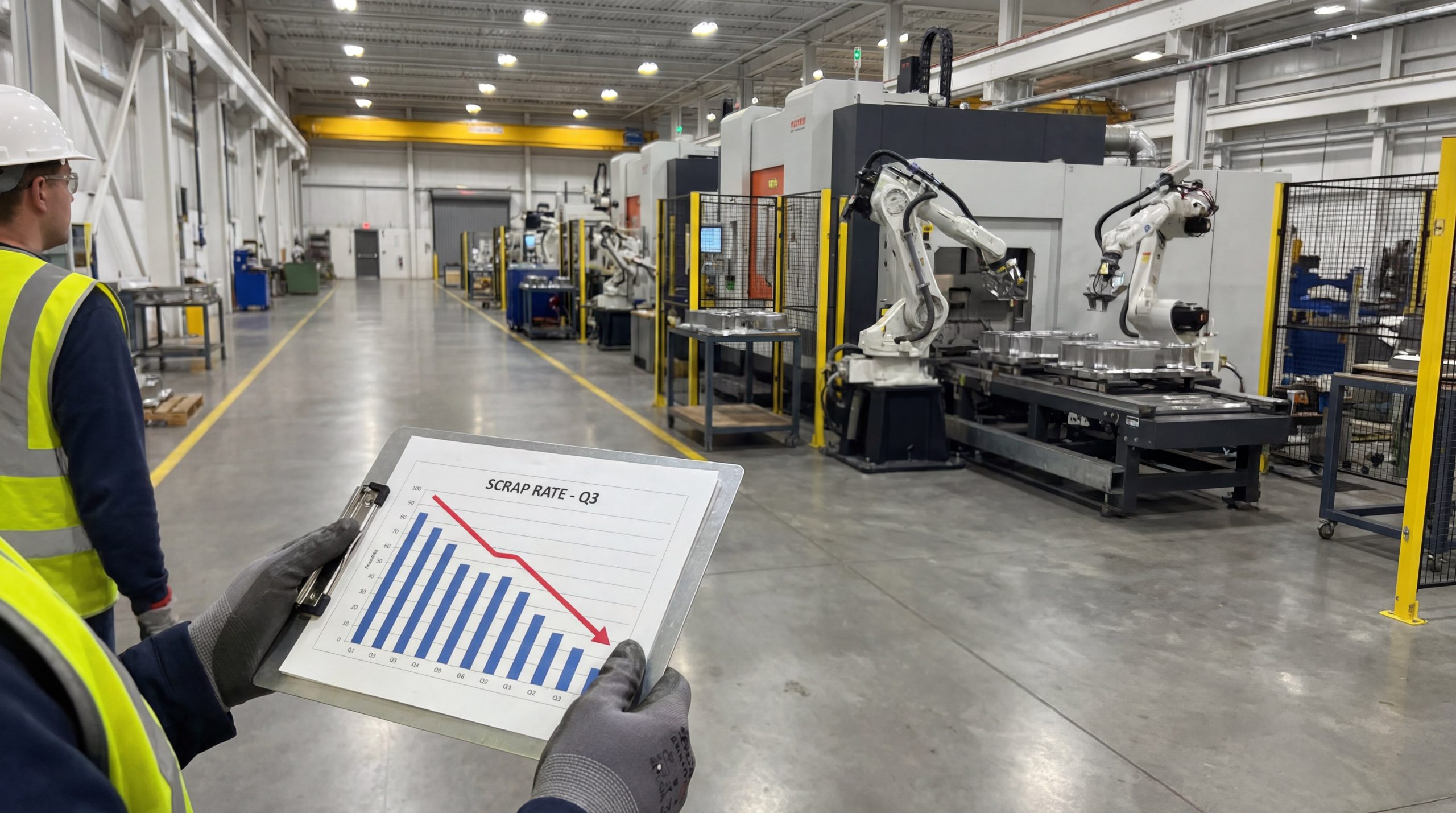
Zircon coatings reduce costs by slashing scrap rates and decreasing the labor hours required for cleaning and machining. While the material cost is higher than silica, the total cost per “good” casting is significantly lower.
How can you lower your scrap rate?
Fewer defects mean more castings pass inspection on the first try, saving energy and raw materials. Think about it: if you save one large casting from the scrap pile, the coating pays for itself.
- Lower rework labor
- Decreased machining time
- Material savings
Key Takeaway: The reduction in waste far outweighs the initial coating price.
| Cost Driver | Zircon Impact | |
|---|---|---|
| Scrap | Down 30%+ | |
| Labor | Reduced |
Investing in quality coatings is the most direct path to increasing foundry profitability.
What Is the Future of Zircon Coatings in Steel?
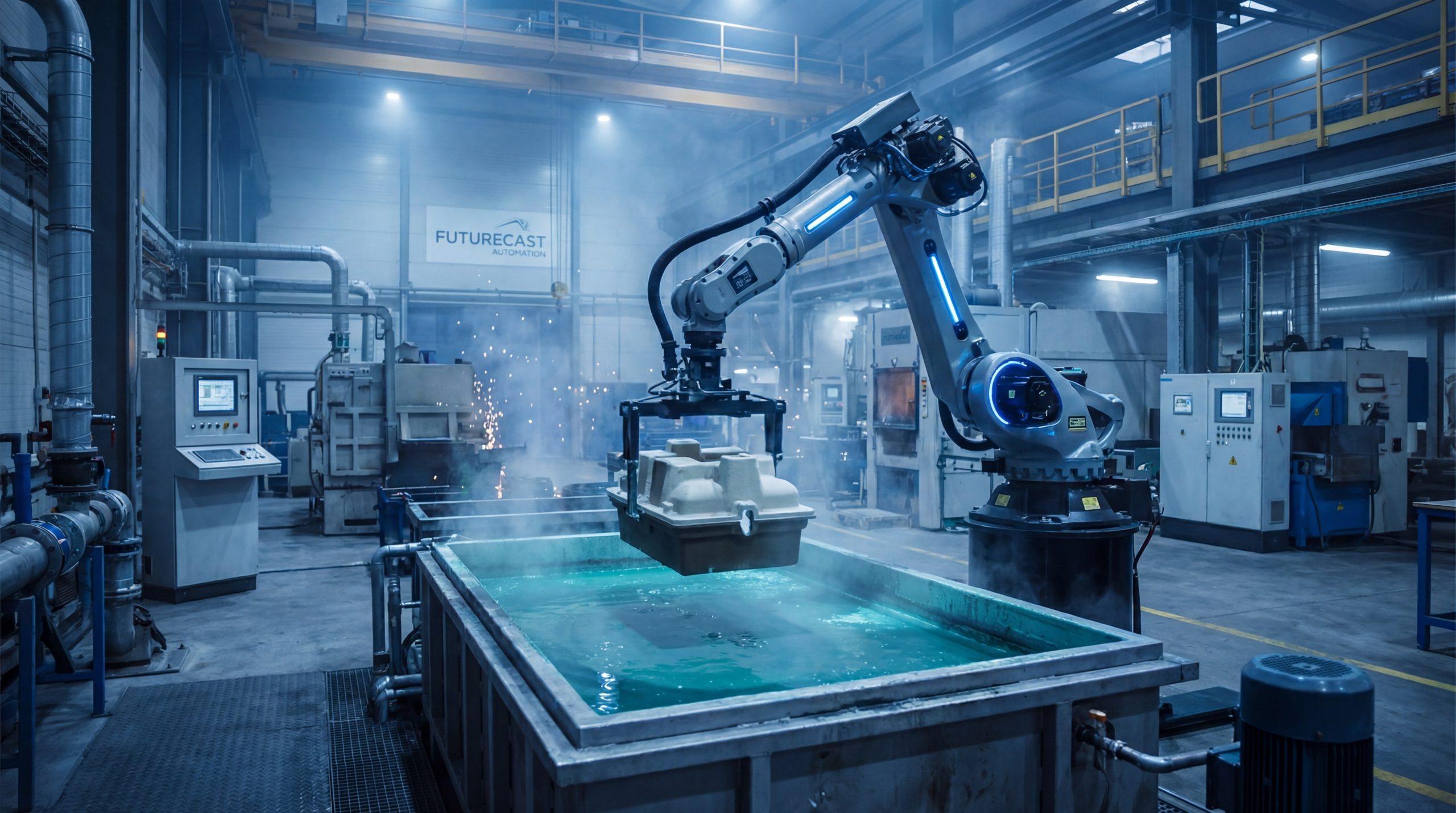
The future of zircon coatings lies in high-tech automation and the development of water-based, environmentally friendly formulations. Advanced foundries are already using robotic arms to ensure perfect coating consistency every time.
How can you adapt to automation?
Modern zircon slurries are engineered for stable viscosity, making them perfect for automated dipping lines. The bottom line is: automation combined with zircon eliminates human error in the coating process.
- Robotic dipping
- Eco-friendly binders
- Stable viscosity
Key Takeaway: Smart foundries use zircon to bridge the gap to full automation.
| Trend | Benefit | |
|---|---|---|
| Robotics | Precision | |
| Water-based | Safety |
Embracing these trends ensures your facility stays competitive and compliant.
Why Should You Invest in Zircon Coatings Now?
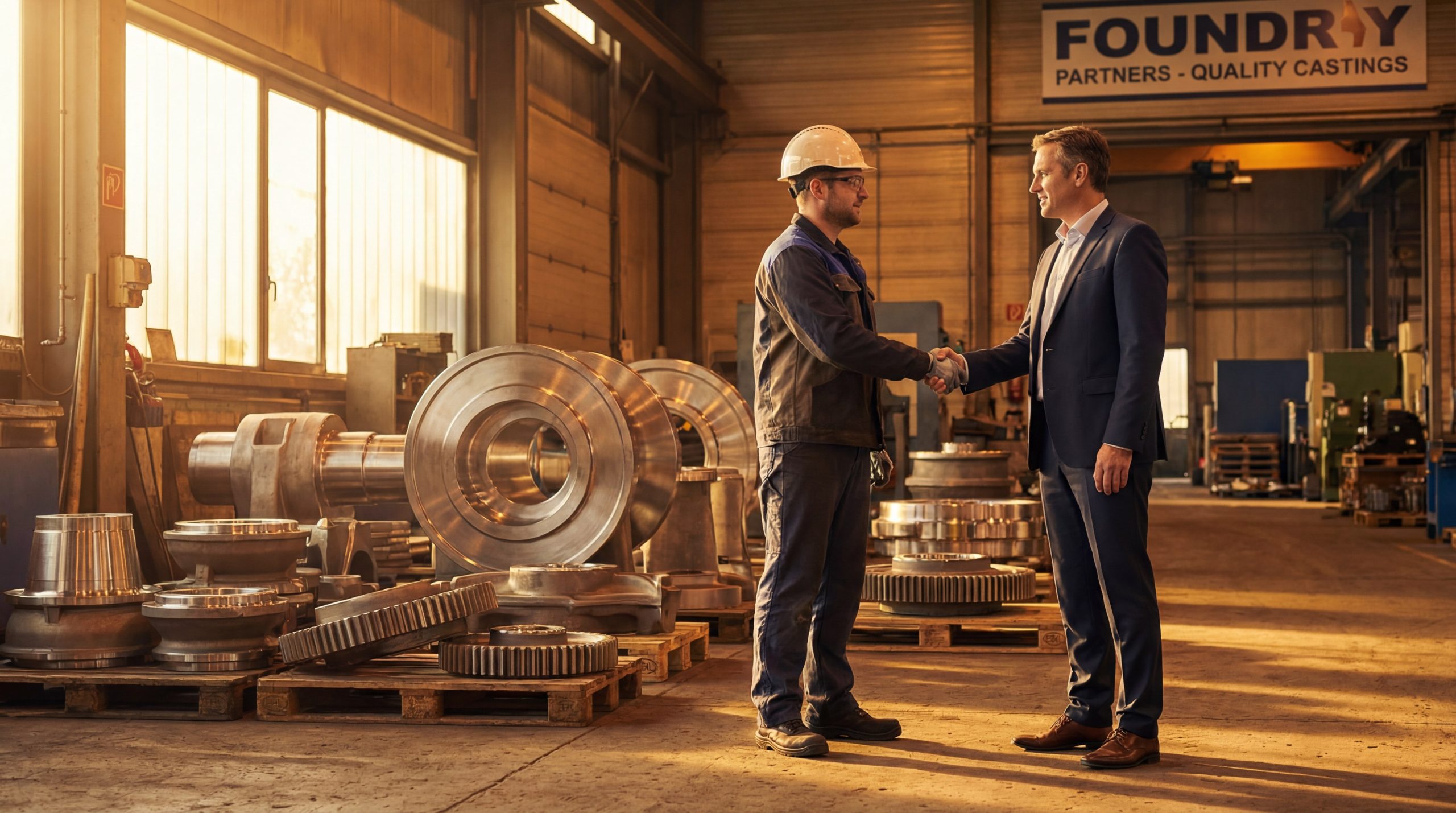
Investing in zircon coatings now secures your competitive advantage by meeting the increasingly strict quality demands of global OEMs. High-quality output builds trust and ensures long-term contracts in a crowded market.
How can you secure an advantage?
By delivering defect-free castings consistently, you become the preferred partner for complex engineering projects. Now is the time: upgrading your coating process is the fastest way to modernize your operation.
- Meet client standards
- Maximize long-term ROI
- Build brand trust
Key Takeaway: Zircon is the benchmark for foundries targeting premium clients.
| Investment | Result | |
|---|---|---|
| Zircon Wash | Market Leadership | |
| Consistency | Client Trust |
Superior materials are the foundation of a future-proof manufacturing business.
Conclusion
Zircon coatings have redefined precision in steel casting by virtually eliminating the defects that plague traditional foundries. By providing unmatched thermal protection and surface quality, these materials ensure your castings are delivered right the first time. While upfront costs might seem higher, the massive reduction in scrap, labor, and machining makes zircon the most cost-effective choice for modern manufacturers. We stand by zircon as the essential standard for any foundry serious about quality. Audit your current coating performance today and make the switch to secure your foundry’s future.
FAQ Section
Q1: What exactly are Zircon Coatings?Judgment: They are premium refractory washes. Reason: Made from zirconium silicate, they create a dense barrier that molten steel cannot penetrate.
Q2: How do Zircon Coatings improve performance?Judgment: By resisting “wetting” and extreme heat. Reason: They prevent sand burn-in and maintain mold shapes under high-temperature pours.
Q3: Are Zircon Coatings cost-effective?Judgment: Yes, absolutely. Reason: The savings in scrap reduction and cleaning labor far exceed the higher cost of the material itself.
Q4: Which industries rely on Zircon Coatings?Judgment: High-precision sectors like aerospace and automotive. Reason: These fields demand the perfect surface finish and dimensional accuracy that only zircon provides.
Q5: How are Zircon Coatings applied?Judgment: Via spraying, dipping, or brushing. Reason: Success depends on maintaining a clean surface and monitoring specific gravity for a uniform thickness.