You are halfway through a critical steel casting run when surface defects suddenly emerge across the batch. These “minor” issues lead to expensive scrap rates and missed deadlines that bleed your foundry budget dry. Transitioning to Zircon Coatings provides the thermal shield necessary to ensure flawless precision and protect your bottom line.
What defines Zircon Coatings?
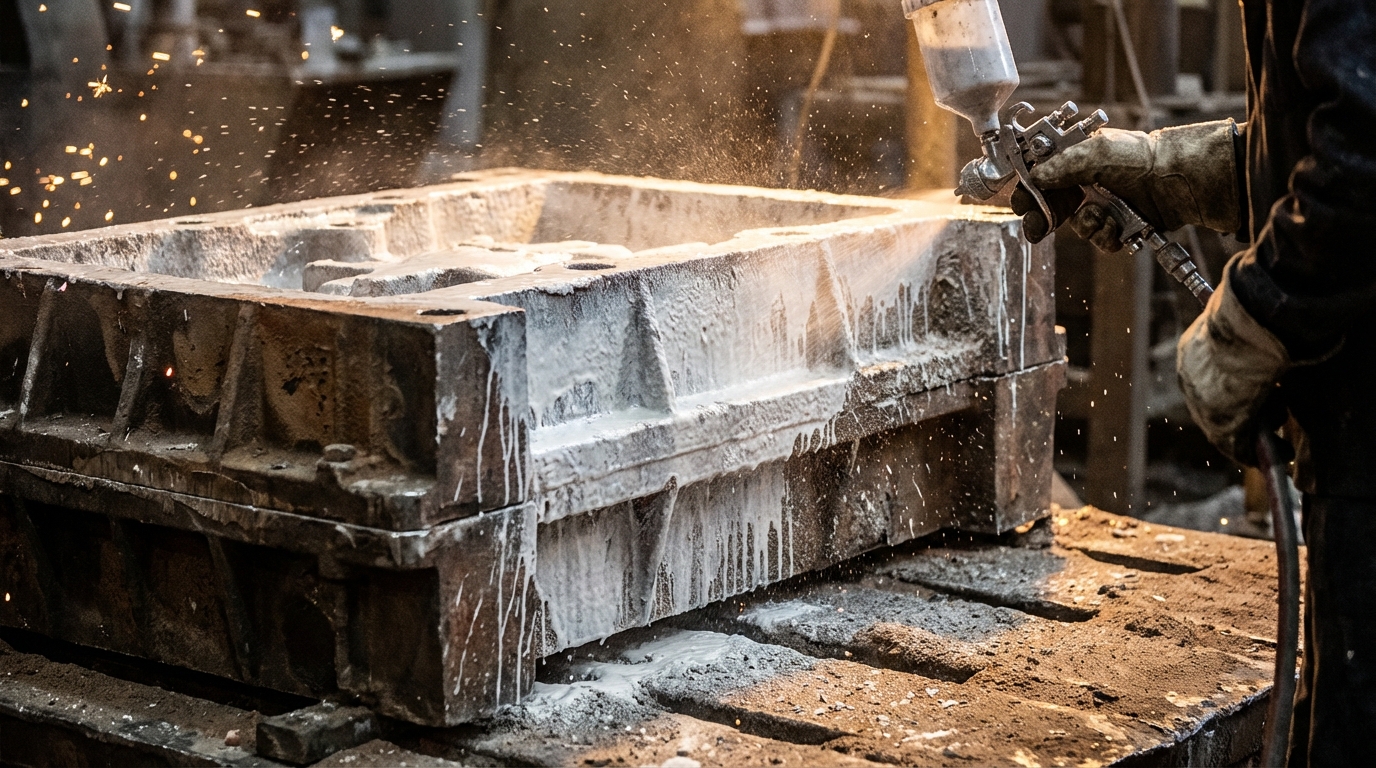
These are high-performance refractory slurries applied to mold surfaces to create a protective heat barrier.
What is in the mix?
The truth is, you need a blend of zirconium silicate and specialized binders. This combination ensures the coating adheres perfectly to your mold under intense heat.
- Zirconium silicate powder.
- Chemical binders.
Key Takeaway: Zircon forms a dense, heat-resistant shield that protects the mold.
| Component | Function | |
|---|---|---|
| Zircon Silicate | Heat Shield |
This material blend defines the coating’s overall durability.
Precision with Zircon Coatings
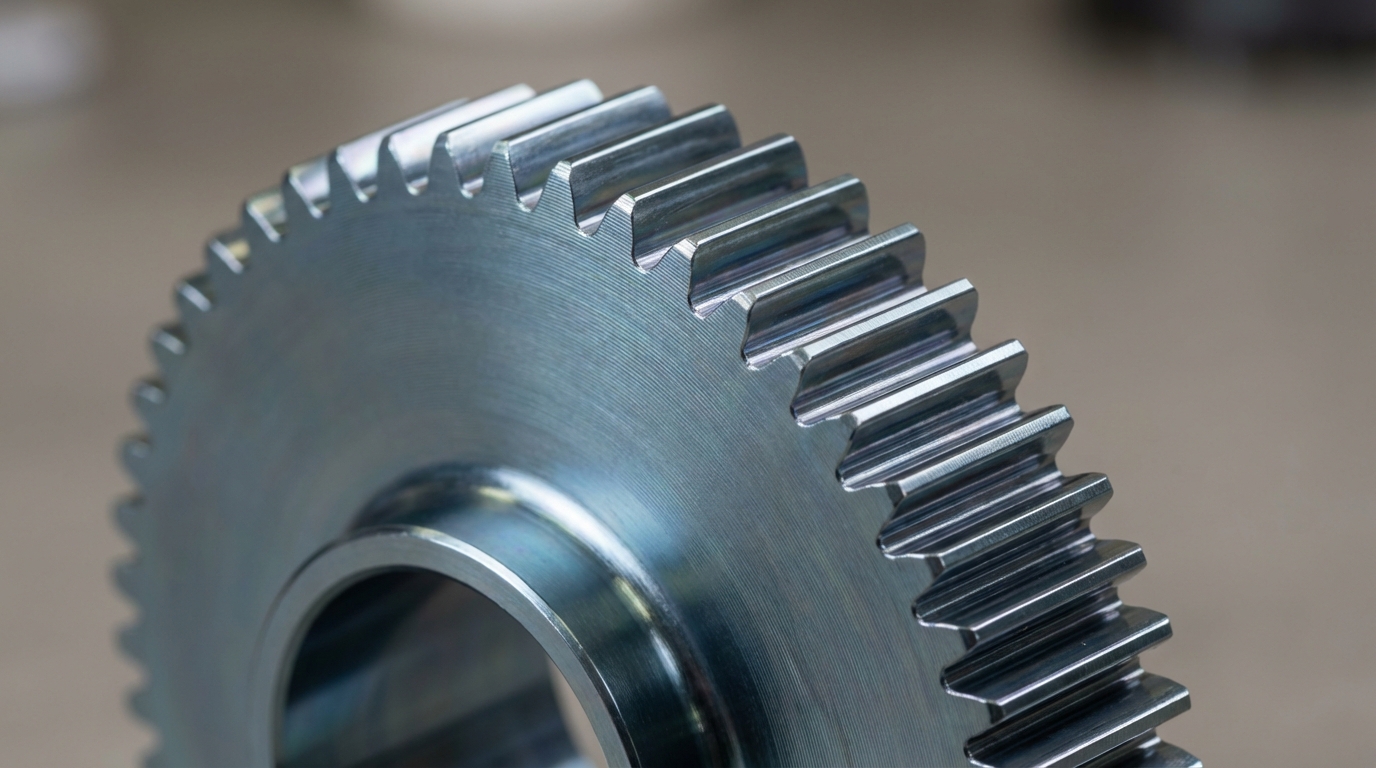
You achieve superior dimensional accuracy because these coatings prevent mold deformation during the pour.
Why use them for gears?
Think about this, even a millimeter of error can ruin a high-precision gear. You gain exceptional surface smoothness that reduces expensive post-processing work.
- Smooth textures.
- Tight tolerances.
Key Takeaway: Precision starts with a stable and smooth mold interface.
| Benefit | Outcome | |
|---|---|---|
| Stability | Accuracy |
High stability translates directly into superior part quality.
Chrome vs Zircon Coatings
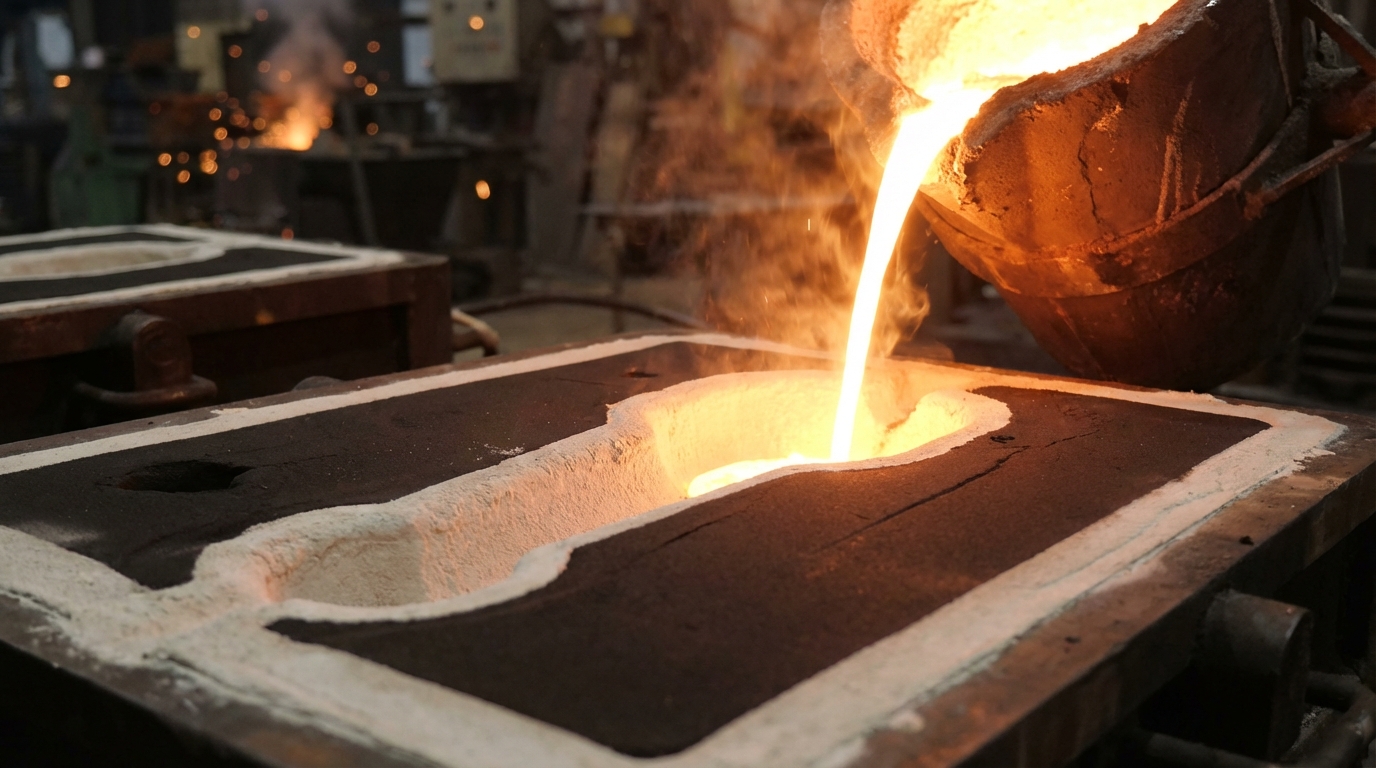
Zircon Coatings outperform chrome by offering higher thermal stability without the associated toxicity.
Is zircon more durable?
The bottom line is, you get a much higher melting point with zircon than traditional alternatives. This choice keeps your foundry safer and your results more consistent.
- High melting point.
- Lower toxicity.
Key Takeaway: Zircon is the safer, stronger choice for modern foundries.
| Material | Heat Rank | |
|---|---|---|
| Zircon | Superior |
Higher thermal limits mean significantly fewer casting failures.
Defects met by Zircon Coatings
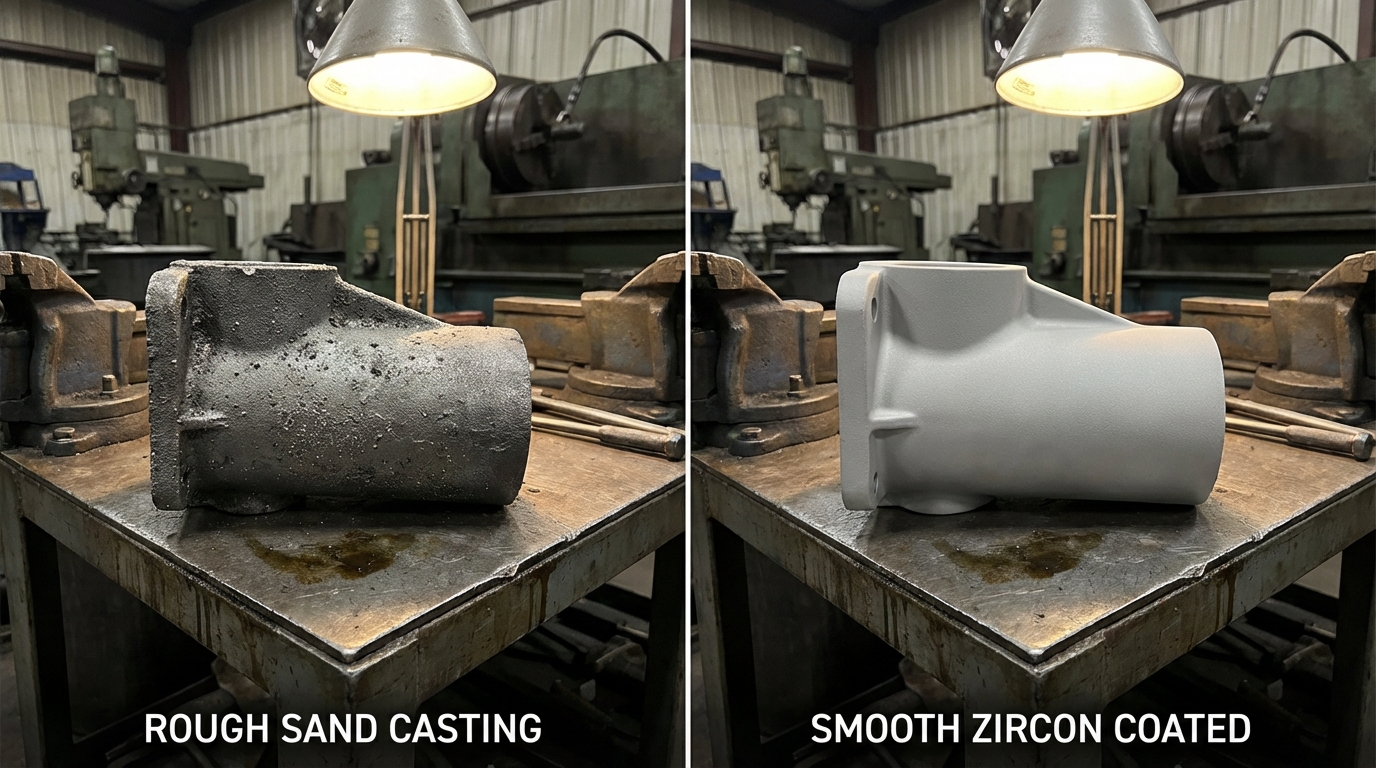
These coatings prevent metal penetration and sand fusion that typically cause surface roughing.
How to stop burn-in?
Here is the deal, you eliminate the chemical reaction between metal and sand by using this barrier. It ensures that the sand peels away cleanly after cooling.
- Prevents veining.
- Stops sand fusion.
Key Takeaway: Shielding the mold eliminates common and costly surface defects.
| Issue | Prevention | |
|---|---|---|
| Burn-in | Excellent |
A clean barrier saves hours of manual cleaning labor.
Applying Zircon Coatings right
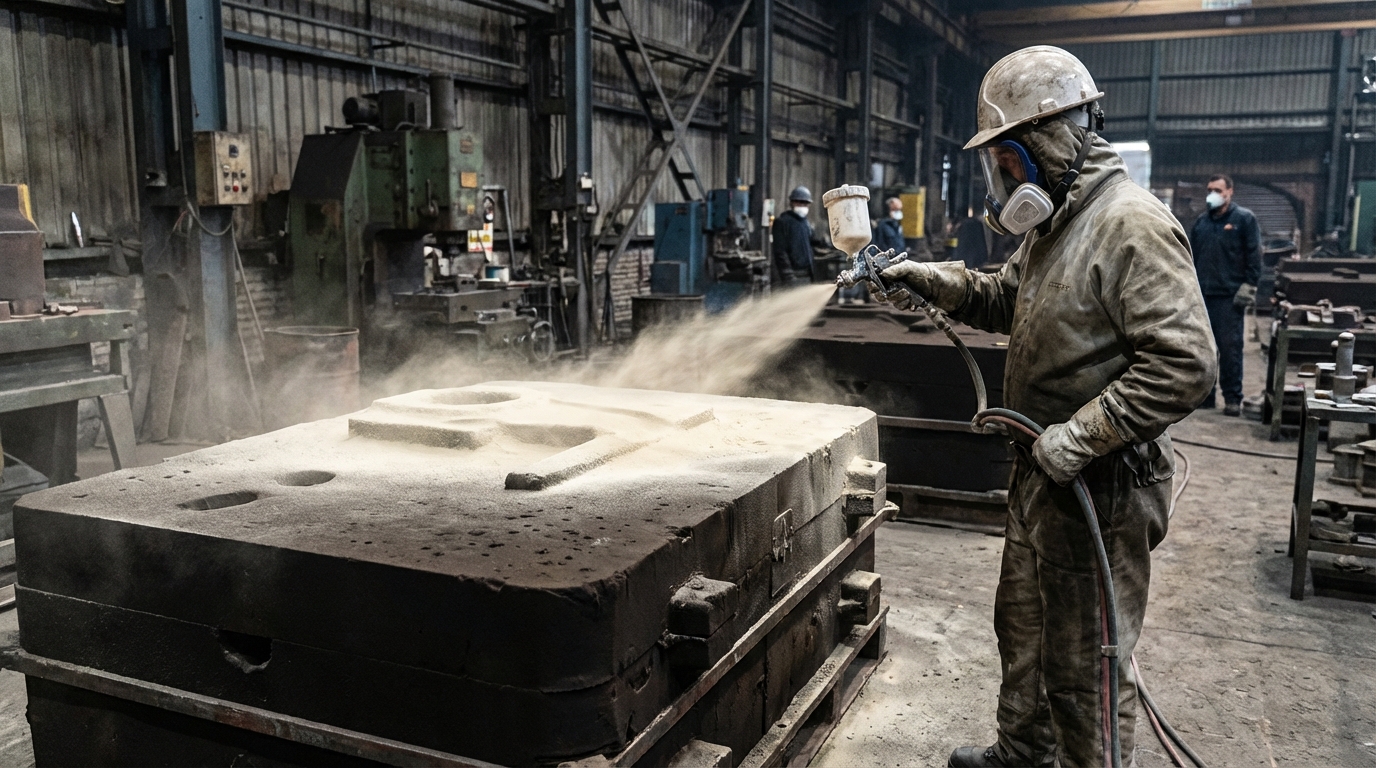
You can apply these coatings using spraying, dipping, or brushing techniques tailored to your mold size.
Should you use a sprayer?
Make no mistake, spraying offers the most uniform thickness for your complex geometries. You must ensure an even coat to avoid localized weak spots.
- Airless spraying.
- Deep dipping.
Key Takeaway: Uniform application is critical for consistent mold protection.
| Method | Benefit | |
|---|---|---|
| Spray | Uniformity |
Application technique determines the final coating integrity.
Uses for Zircon Coatings
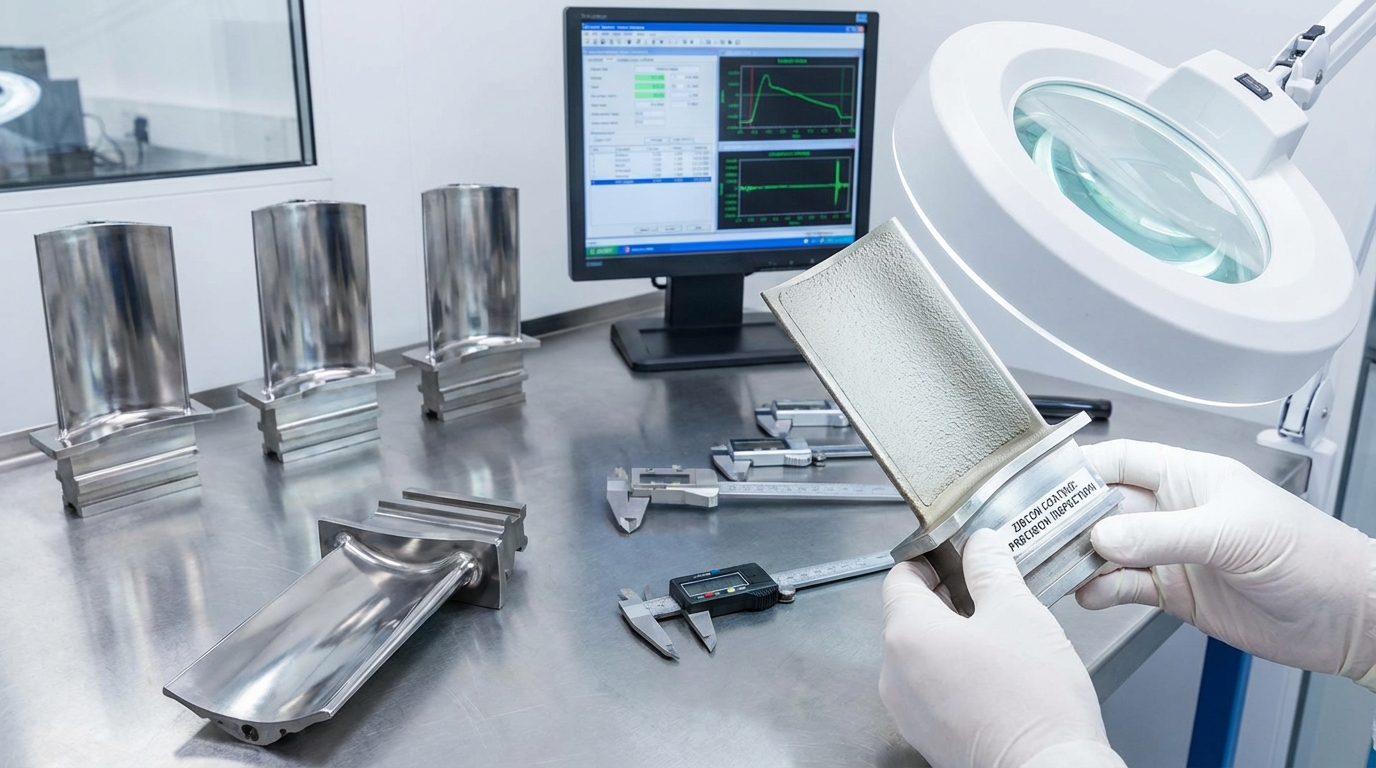
Aerospace, automotive, and heavy machinery sectors rely on these coatings for safety-critical steel components.
Why trust aerospace parts?
As it turns out, the high-stress environment of a turbine requires the perfection you get from zircon. You ensure every component meets rigorous industry standards.
- Turbine blades.
- Engine blocks.
Key Takeaway: High-spec industries demand zircon-level quality for safety.
| Sector | Reliability | |
|---|---|---|
| Aerospace | Essential |
Safety-critical parts require the best possible mold protection.
Savings with Zircon Coatings
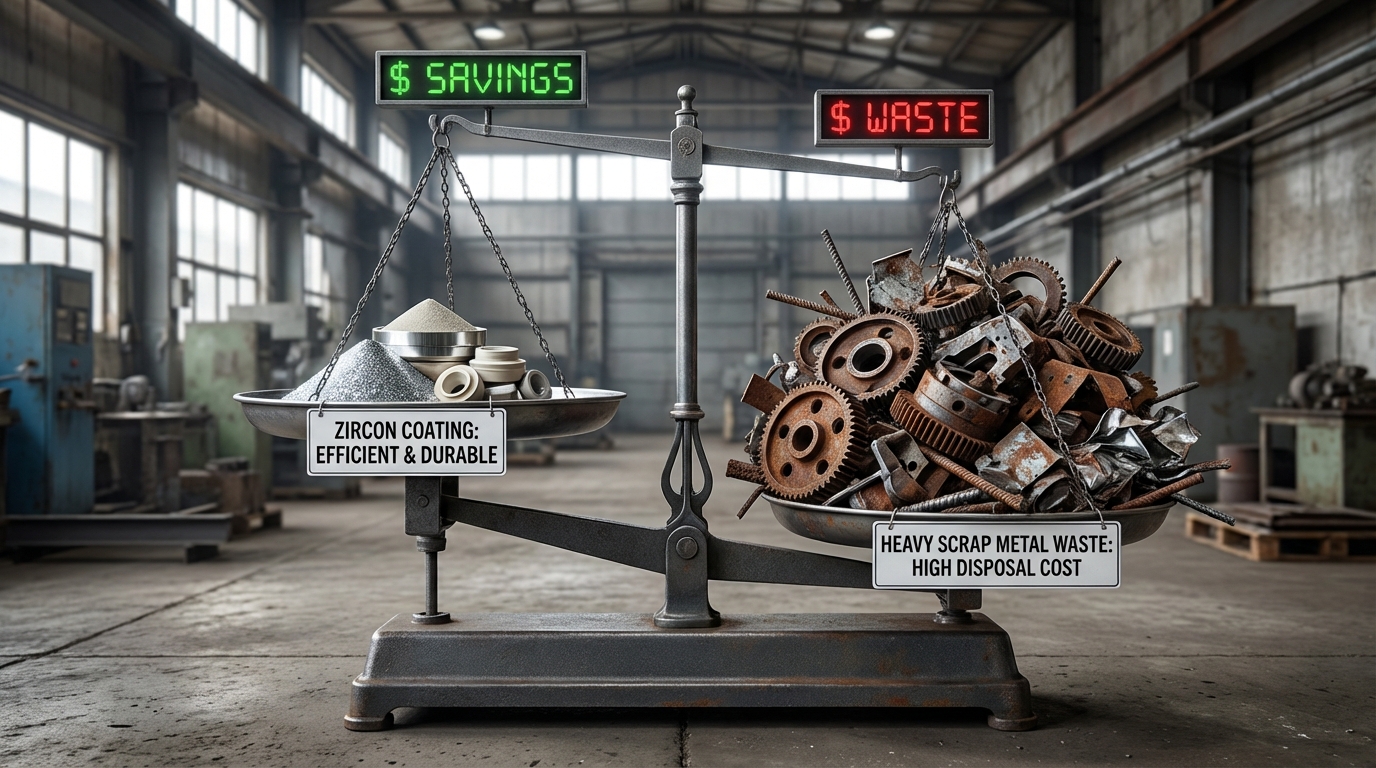
Zircon Coatings are financially viable because they drastically reduce scrap rates and grinding labor.
Will you save money?
You see, the initial investment pays for itself during the finishing stage of production. You spend less on abrasives and more time shipping orders.
- Lower scrap.
- Reduced grinding.
Key Takeaway: Cutting post-pour labor justifies the coating investment.
| Factor | Impact | |
|---|---|---|
| Labor | Decreased |
Efficiency gains drive a rapid long-term ROI.
Limits of Zircon Coatings
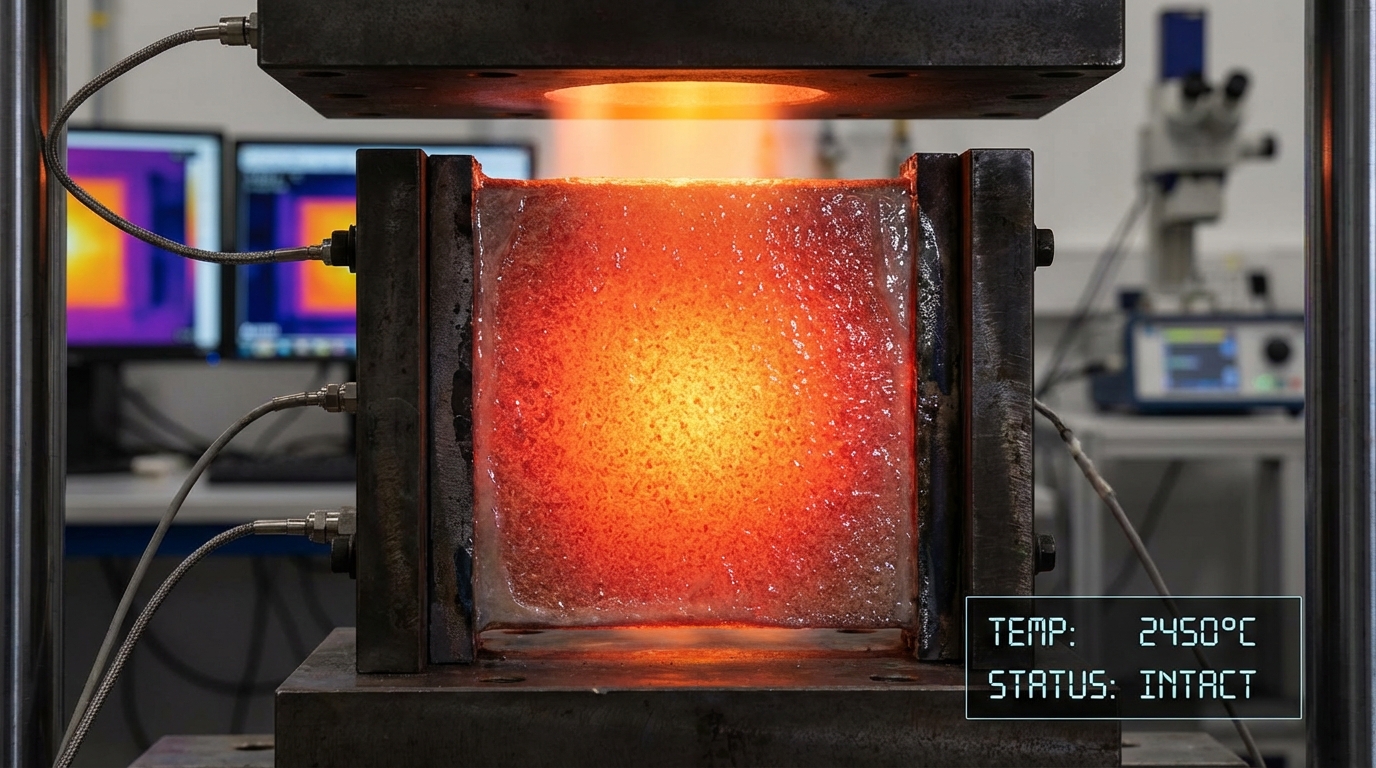
These coatings maintain structural integrity at temperatures exceeding 2,100 degrees Celsius.
Can it handle extreme heat?
Believe it or not, zircon stays solid even when the molten steel is at its peak. You don’t have to worry about mold collapse during large pours.
- High fusion point.
- Shock resistance.
Key Takeaway: Thermal stability prevents catastrophic mold failure during pours.
| Threshold | Value | |
|---|---|---|
| Temp Max | 2100C+ |
High limits allow for casting various complex alloys.
Safety for Zircon Coatings
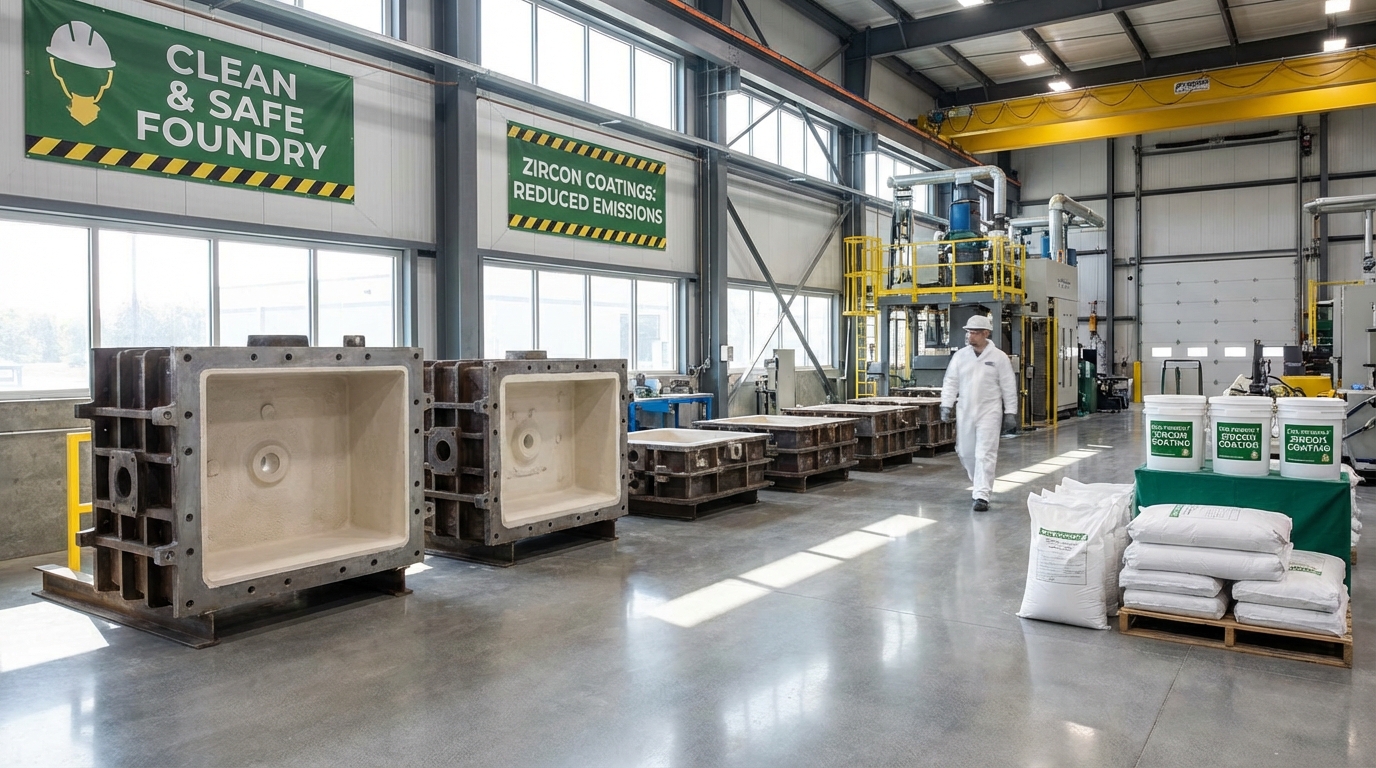
Using these coatings is safe for your team when paired with standard dust ventilation.
Are binders hazardous?
That is not all, as modern formulas use non-toxic binders to protect you. You should still monitor air quality to maintain a healthy workspace.
- Dust control.
- Non-toxic binders.
Key Takeaway: Proper PPE makes zircon a responsible choice for workers.
| Aspect | Status | |
|---|---|---|
| Health Risk | Low |
Workplace safety remains a top priority in foundries.
Future of Zircon Coatings
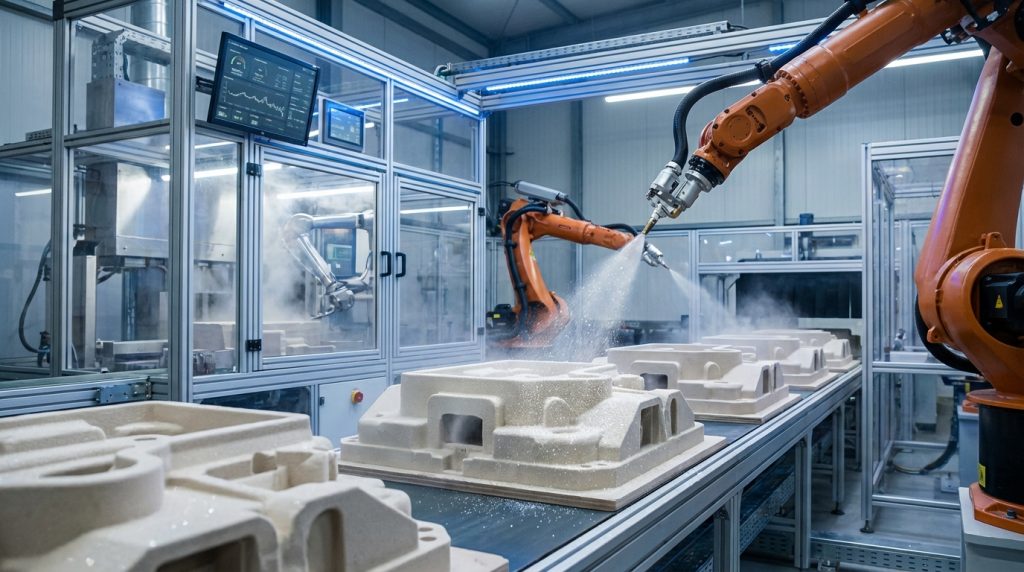
Innovations like nano-particle refinement will make these coatings even thinner and more resilient.
Will automation help?
In simple terms, robotic application will soon make these coatings even more precise for you. You can expect even lighter, stronger castings in the future.
- Nano-particles.
- Robotic spray.
Key Takeaway: Technology is driving zircon toward total casting precision.
| Trend | Outcome | |
|---|---|---|
| Nano-tech | Thinner layers |
Smarter coatings will further reduce industrial waste.
Conclusion
Persistent surface defects and rising scrap costs can cripple foundry productivity. Transitioning to Zircon Coatings offers the essential thermal stability needed to eliminate metal penetration and ensure flawless results. If you are ready to optimize your production and reduce manual finishing labor, contact our team for a consultation. We believe that precision coating technology is the cornerstone of a sustainable, zero-defect manufacturing future.
FAQ
Q1: Can I use Zircon Coatings on green sand?Yes, they prevent sand expansion defects effectively.
Q2: What’s the best way to apply Zircon Coatings?Spraying is best because it provides the most uniform coverage.
Q3: How do I know if Zircon Coatings are working?Check for a smooth surface requiring minimal grinding.
Q4: Can I reuse sand after using Zircon Coatings?Yes, zircon is chemically inert and won’t contaminate systems.
Q5: What’s the best carrier for Zircon Coatings?Alcohol-based carriers are best for rapid drying requirements.