Zirconium is utilized globally as a high-performance material for nuclear fuel cladding, corrosion-resistant chemical equipment, and biocompatible dental restorations. If you are managing industrial processes that involve extreme thermal cycles or aggressive chemical reagents, you likely find that standard alloys frequently succumb to premature failure or degradation. This material instability leads to expensive maintenance shutdowns and significant safety risks that your operations cannot afford to ignore. By integrating advanced zirconium alloys and ceramics, you secure a definitive solution that bridges the gap between conventional metallurgy and high-end technical ceramics. Understanding what is zirconium used for allows you to optimize material lifecycles in the most demanding environments.
Why is what is zirconium used for vital in nuclear energy?
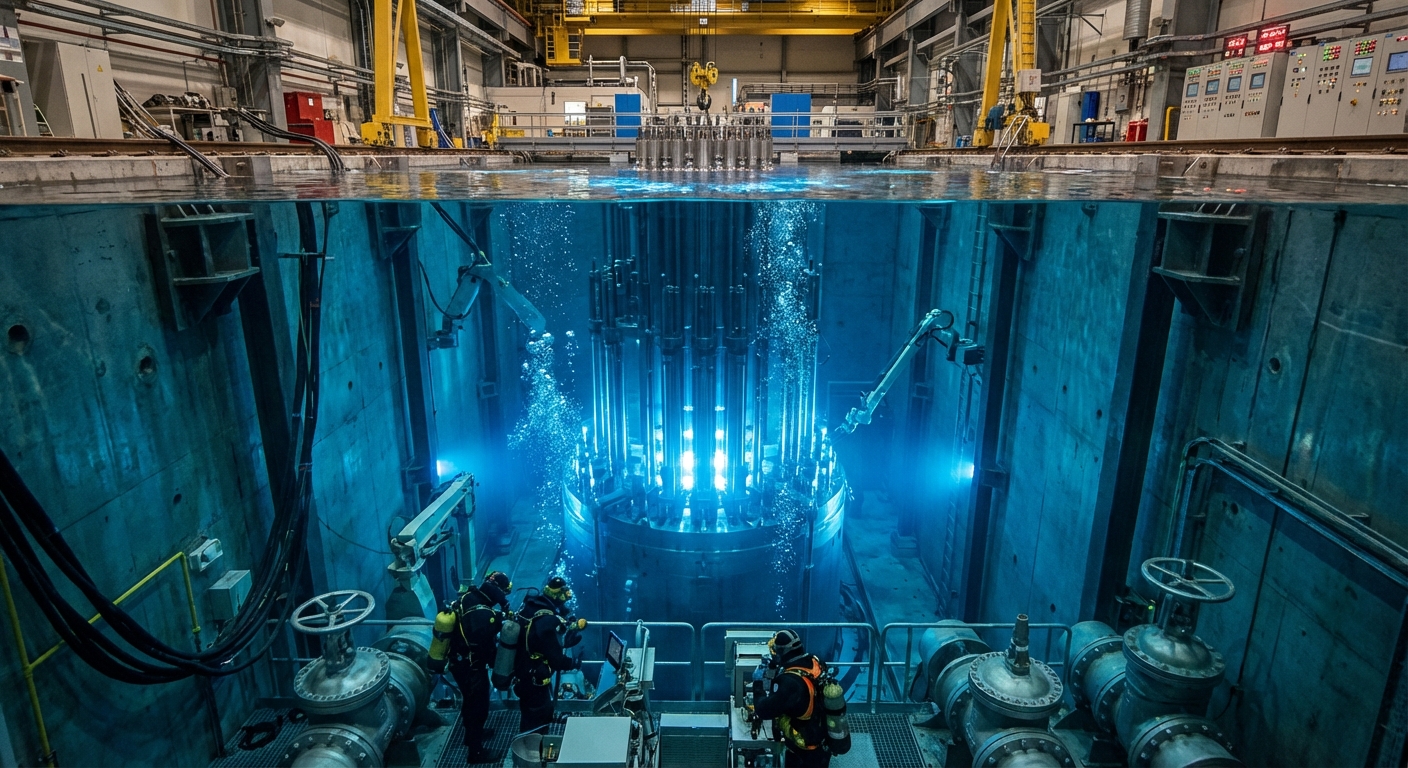
Zirconium is essential in nuclear power because its exceptionally low neutron absorption cross-section allows neutrons to pass through fuel cladding to maintain a steady fission chain reaction. When you evaluate what is zirconium used for in the energy sector, you will find that approximately 90% of all zirconium metal produced is consumed by nuclear reactors. This unique physical property ensures that the cladding does not “poison” the reactor by capturing the very particles needed for power generation.
Mastering Neutron Transparency and Fission
Think about it: in a nuclear core, every millimeter of material must be accounted for to ensure efficiency and safety. Zirconium-based alloys, specifically Zircaloy, provide the structural integrity required to contain uranium pellets while remaining transparent to neutron flux.
- High thermal conductivity for heat transfer.
- Resistance to radiation-induced swelling.
- Mechanical strength at high operating pressures. Here is the kicker: without this specific transparency, the fuel enrichment levels would need to be significantly higher, increasing both costs and safety complexity. Key Takeaway: Utilizing zirconium in nuclear cladding ensures you maximize reactor efficiency while maintaining rigorous safety standards.
| Property | Benefit to Nuclear Industry | |
|---|---|---|
| Low Neutron Cross-Section | Maintains efficient fission cycles | |
| Corrosion Resistance | Prevents cladding failure in hot water | |
| High Melting Point | Ensures stability during thermal spikes |
This metallurgical profile makes zirconium the undisputed leader in nuclear hardware, though its influence extends equally into the world of industrial coatings.
Is what is zirconium used for essential in ceramics?
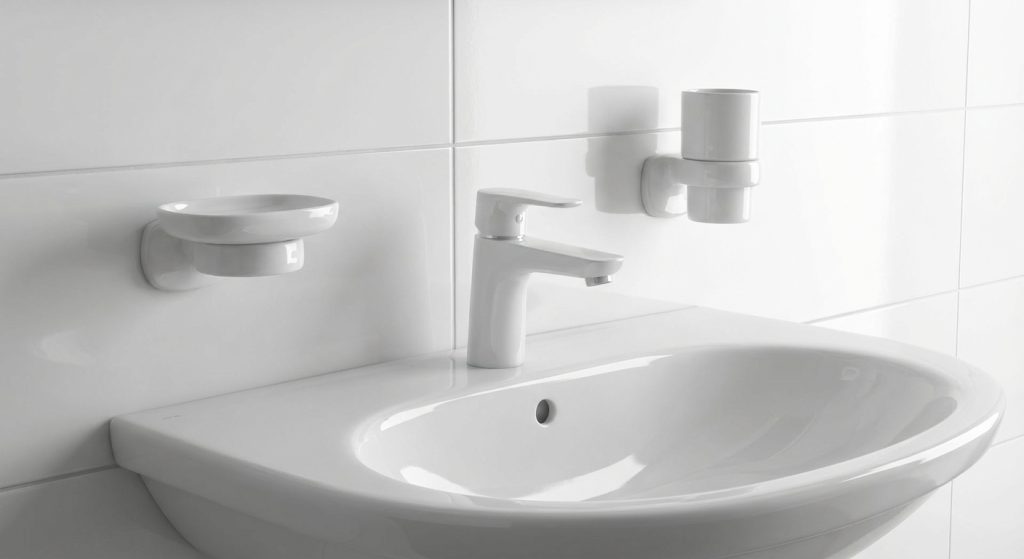
Zirconium is an indispensable component in the ceramics industry because it acts as a powerful opacifier and stabilizer in glazes and structural bodies. To fully grasp what is zirconium used for in this context, you must look at its ability to provide consistent whiteness and thermal shock resistance. Whether you are producing high-end sanitary ware or industrial refractories, zirconium silicate ensures a smooth, durable finish that resists chemical wear.
Optimizing Glaze Whiteness and Stability
Have you ever wondered why some ceramic glazes maintain a brilliant, opaque white while others appear dull or translucent? Zirconium silicate serves as the primary opacifier, reflecting light within the glaze layer to provide that classic clean aesthetic you see in modern bathrooms.
- Consistent Particle Size Distribution (PSD).
- High refractive index for superior opacity.
- Chemical inertness during high-temperature firing. The best part? It integrates seamlessly into existing formulations to reduce process variation and quality risk. Key Takeaway: Incorporating zirconium-based opacifiers allows you to achieve a premium surface finish and reduce batch-to-batch color rejection.
| Ceramic Grade | Primary Function | |
|---|---|---|
| Zirconium Silicate | Opacifier for tiles and sanitary ware | |
| Yttria-Stabilized Zirconia | High-strength structural components | |
| Zircon Flour | Refractory lining and foundry sand |
These ceramic advancements provide the foundation for similar breakthroughs in medical science, where material purity is the highest priority.
How is what is zirconium used for in modern dentistry?
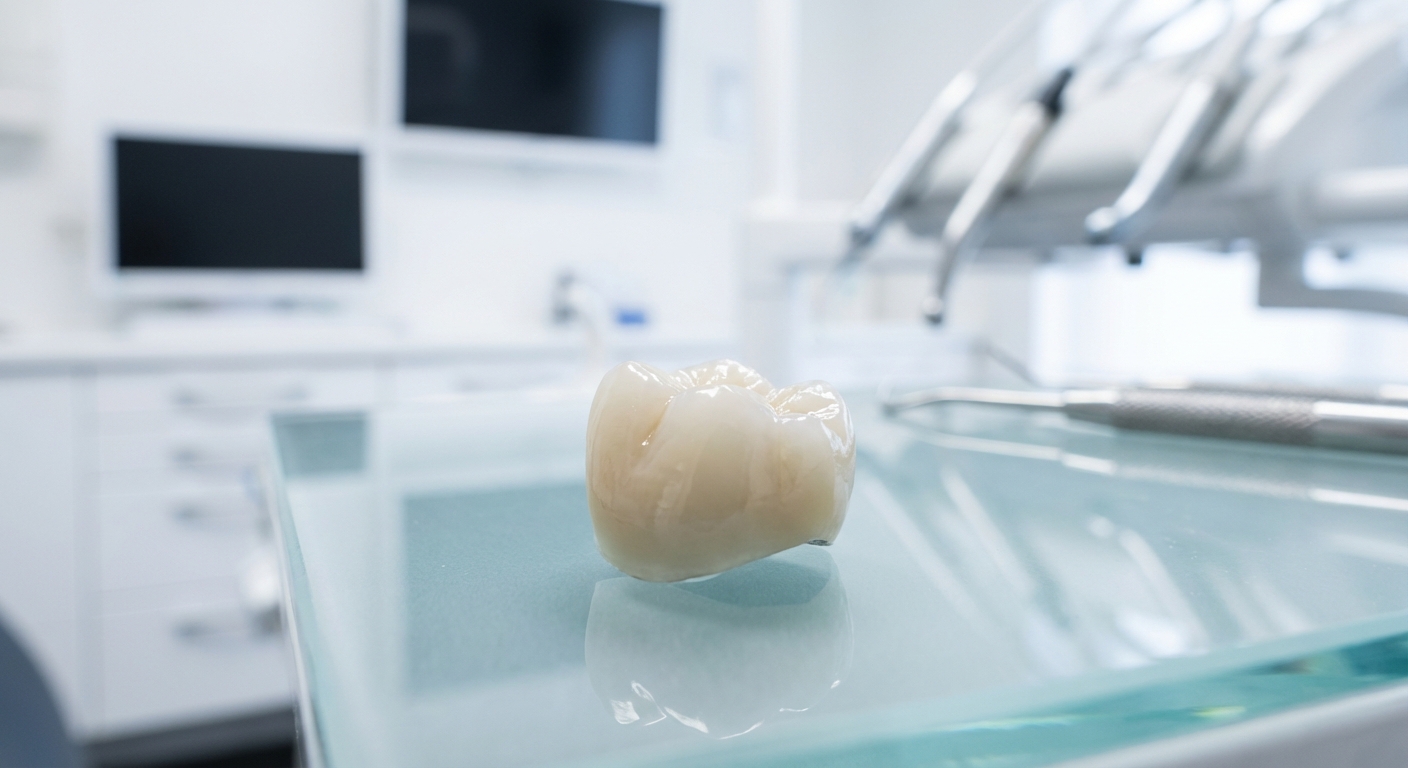
Zirconium is used in dentistry as a metal-free alternative for crowns and implants that offers both superior fracture toughness and natural aesthetics. When you investigate what is zirconium used for in restorative medicine, you find that zirconia (zirconium dioxide) has largely replaced traditional porcelain-fused-to-metal (PFM) options. Its biocompatibility ensures that you can provide patients with solutions that do not cause allergic reactions or gingival darkening.
The Strength of Ceramic Steel
You might be surprised to learn that zirconia is often referred to as “ceramic steel” because of its ability to stop cracks from spreading through a process called transformation toughening. This mechanical property is vital for molars that must withstand significant biting forces over decades.
- High flexural strength (up to 1200 MPa).
- Translucency that mimics natural enamel.
- Resistance to bacterial plaque accumulation. But wait, there’s more: because zirconia can be milled via CAD/CAM technology, you can achieve precision fits that minimize chair time and maximize patient comfort. Key Takeaway: Transitioning to zirconia restorations provides you with the highest level of durability and patient satisfaction available in modern practice.
| Dental Application | Key Material Benefit | |
|---|---|---|
| Full-Contour Crowns | Extreme wear resistance for posterior teeth | |
| Dental Implants | High biocompatibility and osseointegration | |
| Bridge Frameworks | Strong enough to span multiple missing teeth |
While dental applications focus on biocompatibility, the chemical industry leverages zirconium for its unparalleled resistance to aggressive acids.
Why is what is zirconium used for in chemical plants?
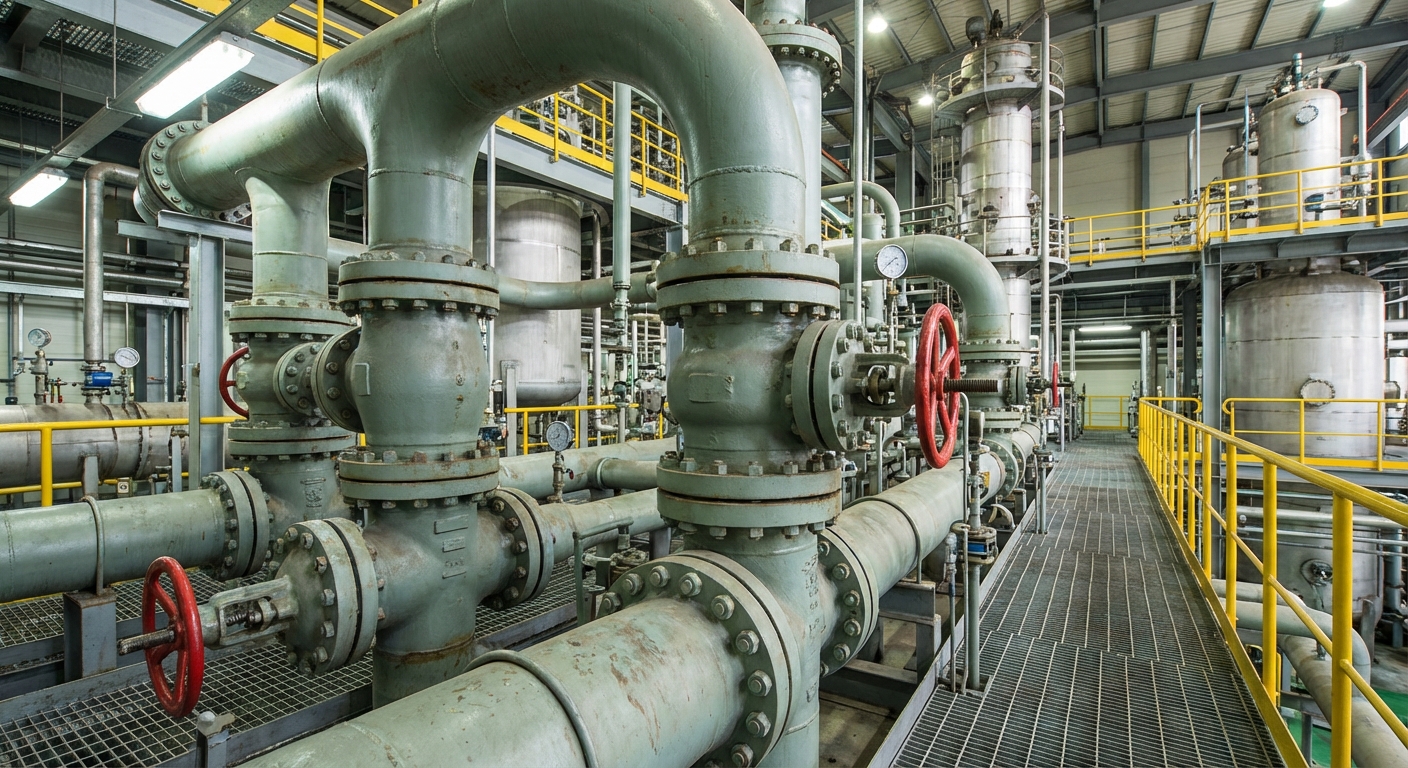
Zirconium is utilized in chemical processing equipment because it forms a protective oxide layer that is virtually impervious to corrosion from hydrochloric, sulfuric, and acetic acids. If you ask what is zirconium used for in reactive environments, the answer lies in its ability to outperform stainless steel and titanium in high-temperature acidic media. This ensures your valves, heat exchangers, and piping systems remain operational long after other metals would have dissolved.
Surviving Aggressive Acidic Media
Imagine the cost of replacing a massive heat exchanger every two years because of pitting corrosion. By selecting zirconium alloys, you extend the lifecycle of your critical infrastructure to twenty years or more, significantly lowering your total cost of ownership.
- Excellent resistance to urea and nitric acid.
- Superior performance in acetic acid production.
- Minimal contamination of process fluids. It gets better: the oxide film that protects zirconium is self-healing, meaning that if the surface is scratched, it regenerates instantly in the presence of oxygen. Key Takeaway: Using zirconium in chemical reactors allows you to handle the most volatile reagents without fear of catastrophic equipment failure.
| Component Type | Industry Application | |
|---|---|---|
| Heat Exchangers | Sulfuric and hydrochloric acid cooling | |
| Pressure Vessels | High-pressure urea synthesis | |
| Valve Linings | Flow control for corrosive organic acids |
Beyond chemical resistance, zirconium’s physical hardness makes it a primary choice for high-intensity industrial manufacturing.
How is what is zirconium used for in industrial abrasives?
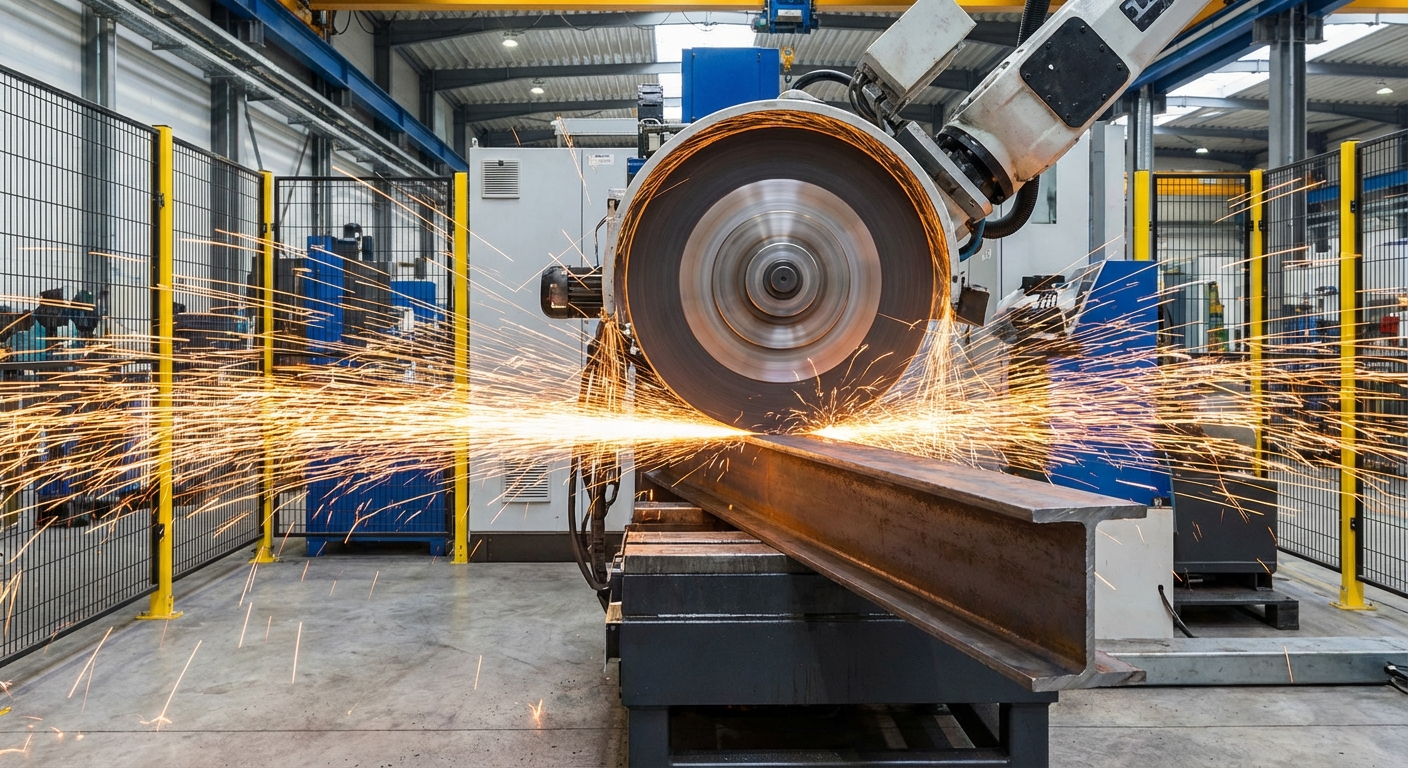
Zirconium is used in abrasives as a toughening agent that allows grinding wheels and sanding belts to maintain their sharpness under high heat and pressure. When considering what is zirconium used for in heavy manufacturing, you will see zirconia-alumina grains frequently used for rapid material removal on stainless steel and alloys. This material’s “self-sharpening” nature means that as the grain wears, it fractures to reveal new, sharp edges.
Maximizing Grinding and Milling Efficiency
Think about it: in a high-speed production line, every second spent changing a worn-out grinding disc is lost revenue. Zirconia abrasives last significantly longer than standard aluminum oxide, allowing you to maintain continuous operations with fewer interruptions.
- High thermal stability during dry grinding.
- Improved grain retention in the resin bond.
- Reduced “blueing” or burning of the workpiece. The kicker here is that the higher initial cost of zirconium abrasives is quickly offset by the increased throughput and reduced abrasive consumption. Key Takeaway: Upgrading to zirconium-based abrasives enables you to grind harder metals faster while extending the life of your tooling.
| Abrasive Format | Typical Workpiece | |
|---|---|---|
| Zirconia Flap Discs | Stainless steel weld blending | |
| Grinding Beads | Ultrafine milling of pigments and inks | |
| Cutting Wheels | Structural steel and heavy pipe |
While industrial utility is the metal’s backbone, its unique optical properties have carved out a significant niche in the luxury market.
Is what is zirconium used for common in jewelry design?
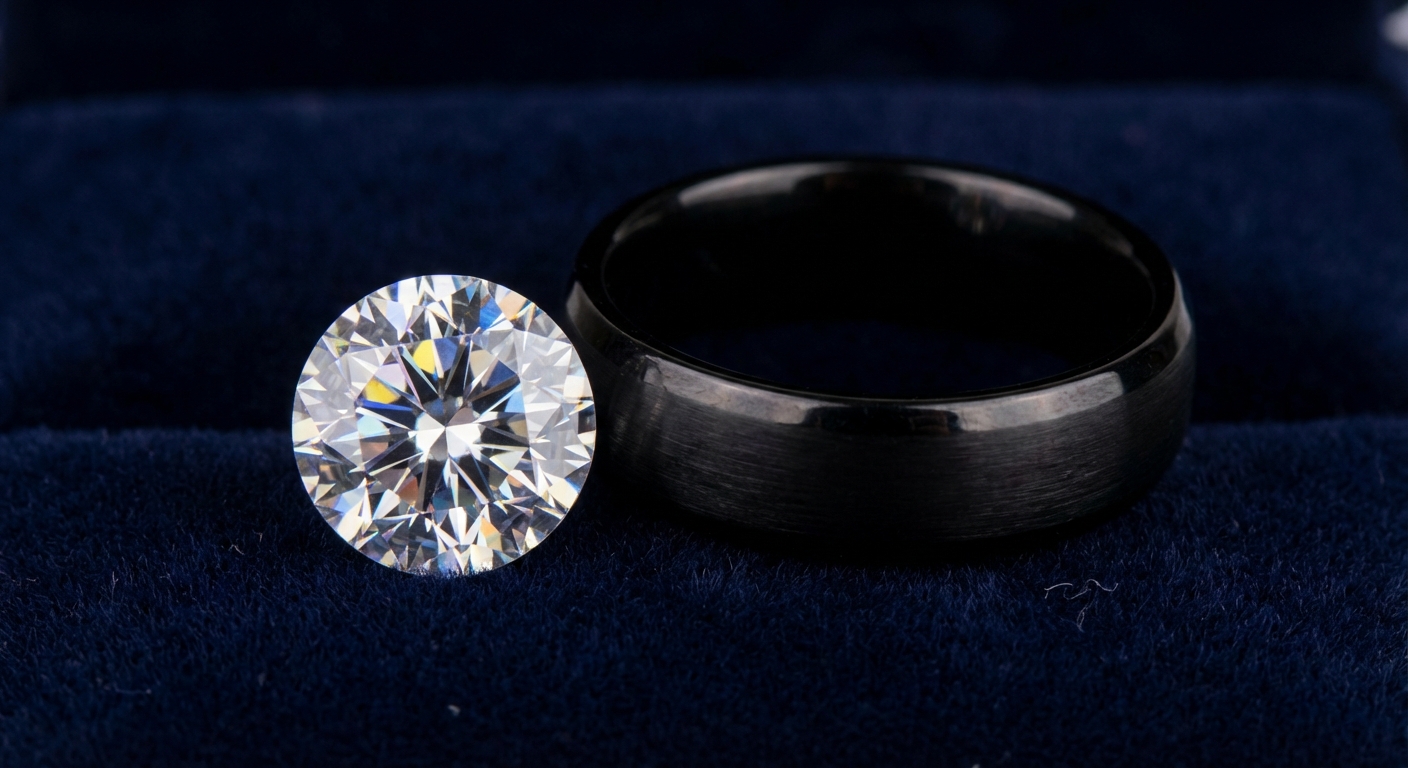
Zirconium is common in jewelry both as cubic zirconia, a high-quality diamond simulant, and as a black oxidized metal for modern, durable wedding bands. If you are exploring what is zirconium used for in the fashion world, you will find that its versatility allows it to mimic the brilliance of precious stones or the sleekness of high-tech ceramics. Unlike silver or gold, zirconium jewelry is highly resistant to scratching and will not tarnish over time.
The Rise of Cubic Zirconia and Black Zirconium
Why settle for materials that lose their luster when you can have a stone with a refractive index nearly as high as a diamond? Cubic zirconia provides you with the fire and brilliance of a luxury gem at a fraction of the cost, making high-end aesthetics accessible for daily wear.
- Mohs hardness of 8.5 for stones.
- Hypoallergenic properties for sensitive skin.
- Deep, permanent black finish through oxidation. Here is the best part: black zirconium rings are created by heating the metal to form a thick, protective layer of zirconium oxide that is part of the metal itself, not a plated coating. Key Takeaway: Choosing zirconium for jewelry gives you a unique combination of extreme durability and high-end visual appeal that lasts a lifetime.
| Jewelry Type | Material Form | |
|---|---|---|
| Engagement Rings | Cubic Zirconia (Diamond alternative) | |
| Wedding Bands | Oxidized Black Zirconium Metal | |
| Fashion Earrings | Colored Zirconia crystals |
The same durability that protects a wedding ring also serves to protect the most advanced engines in the aerospace industry.
How is what is zirconium used for in aerospace tech?

Zirconium is used in aerospace primarily as a thermal barrier coating (TBC) to protect jet engine components from the melting temperatures of combustion. When you analyze what is zirconium used for in flight, you find that yttria-stabilized zirconia (YSZ) is sprayed onto turbine blades. This ceramic layer allows you to run engines at temperatures higher than the melting point of the underlying superalloys, directly increasing fuel efficiency and thrust.
Thermal Barriers and Lightweight Alloys
Imagine a material that can withstand a 1500°C environment while being only a few hundred microns thick. Zirconium-based coatings provide this exact protection, ensuring that your turbine hardware maintains its structural integrity throughout thousands of flight hours.
- Low thermal conductivity for heat insulation.
- Resistance to hot corrosion from jet fuel.
- High oxygen ion conductivity for sensors. But wait, it gets even better: zirconium is also used in specialized aluminum and magnesium alloys to refine grain structure, which improves the fatigue resistance of airframe components. Key Takeaway: Implementing zirconium thermal barriers allows you to operate more powerful, fuel-efficient engines while extending the service life of critical parts.
| Aerospace Use | Component Benefit | |
|---|---|---|
| Thermal Barrier Coating | Protects turbine blades from melting | |
| Alloy Grain Refiner | Increases fatigue life of airframe | |
| Oxygen Sensors | Monitors fuel-to-air ratio in real-time |
From the high-tech skies to the industrial foundry, zirconium’s role in managing molten heat is equally critical.
Why is what is zirconium used for in metal casting?
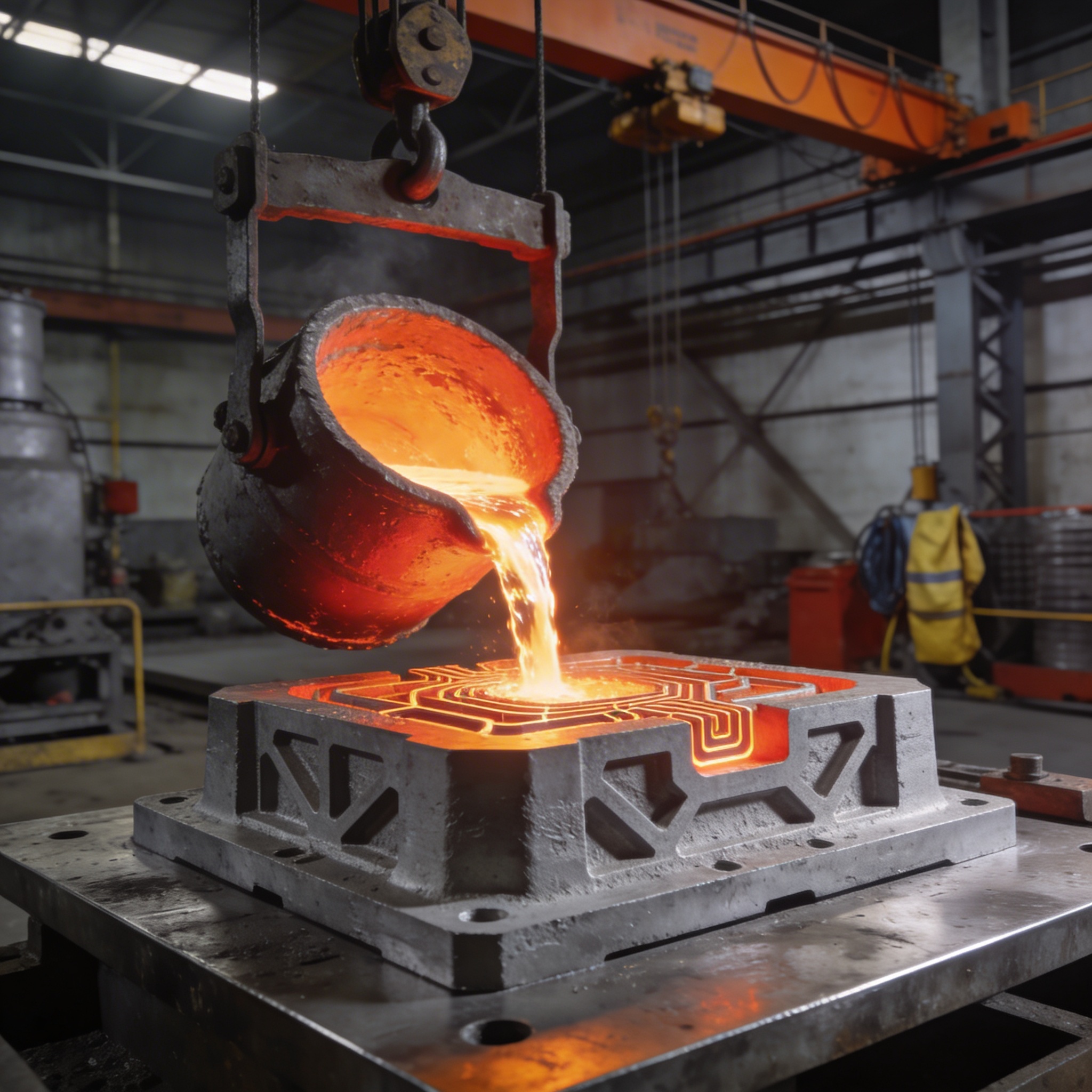
Zirconium is used in metal casting because zircon sand has a very low coefficient of thermal expansion and a high melting point, which prevents mold deformation. If you are struggling with dimensional accuracy in your foundry, you should ask what is zirconium used for in precision casting. Zircon flour and sand provide a superior surface finish and prevent the molten metal from reacting with the mold material.
Precision Molds for Complex Geometries
Think about it: when you are casting a complex aerospace component, even a tiny expansion in the mold can lead to a rejected part. Zircon sand stays dimensionally stable under the heat of molten steel, ensuring your final product meets the exact specifications of your blueprints.
- Excellent chilling properties for controlled cooling.
- High density for better mold packing.
- Resistance to metal penetration and “burn-on.” Here is the kicker: because zircon sand is chemically neutral, it significantly reduces the amount of cleaning and post-processing required after the metal has solidified. Key Takeaway: Using zircon-based sands in your foundry process improves your yield rates and ensures the highest level of dimensional precision.
| Foundry Material | Primary Benefit | |
|---|---|---|
| Zircon Sand | High thermal stability and low expansion | |
| Zircon Flour | Smooth surface finish in investment casting | |
| Zirconium Silicate | Foundry wash for high-temperature alloys |
This precision and clarity also make zirconium a favorite in the specialty glass and optics manufacturing sectors.
Is what is zirconium used for in technical glass?
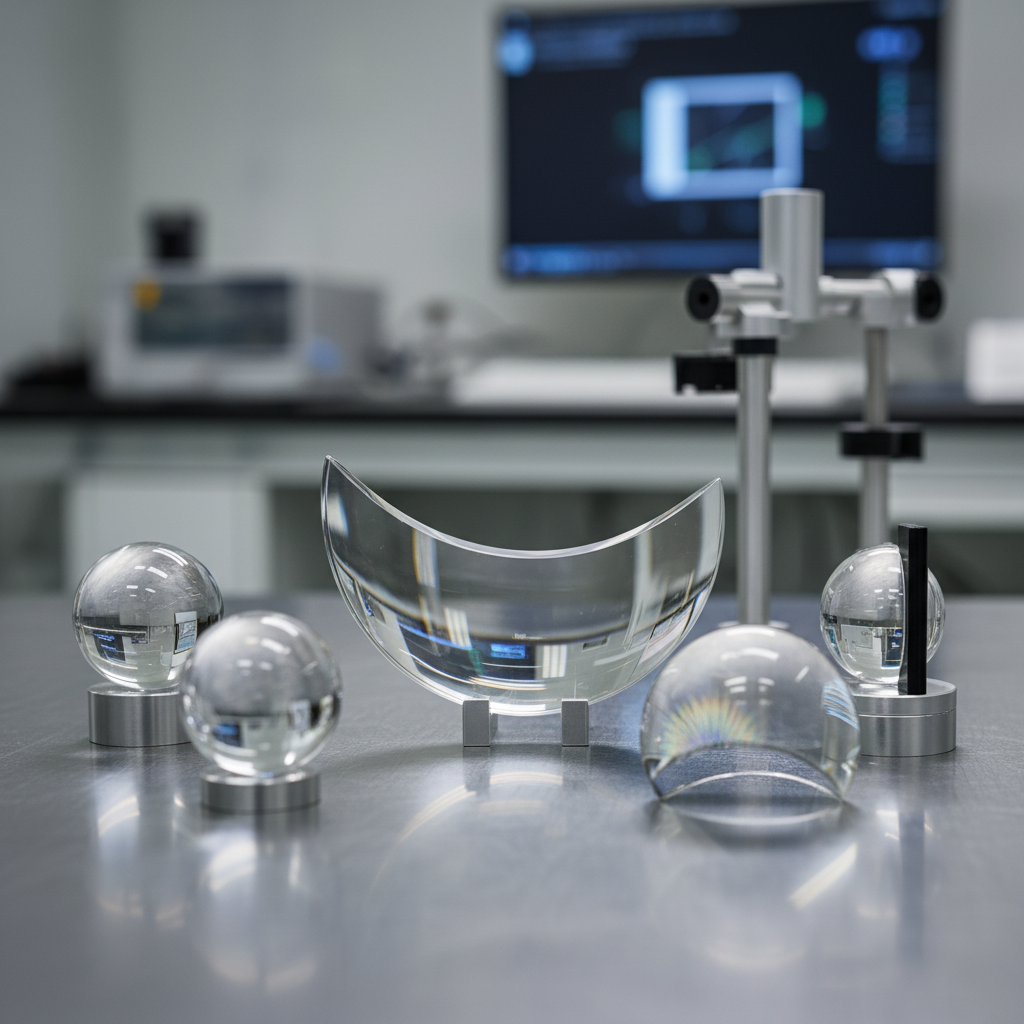
Zirconium is used in technical glass to increase the refractive index and improve chemical and thermal durability. When you look at what is zirconium used for in high-end optics, you find that it is essential for manufacturing lenses for cameras, microscopes, and even smartphone screens. By adding zirconium oxide to the glass melt, you create a product that is harder, clearer, and more resistant to scratching.
Enhancing Optical Clarity and Durability
Have you ever wondered how modern smartphone screens remain so thin yet so resistant to damage? Zirconium is often a key ingredient in the ion-exchange processes that chemically strengthen the glass, providing you with a device that can survive daily impacts.
- Increases the refractive index for thinner lenses.
- Improves glass resistance to alkali attack.
- Enhances UV light transmission in specialized optics. The best part? Zirconium also acts as a stabilizer in fiberglass, making the fibers more resistant to the harsh environment inside reinforced concrete or chemical tanks. Key Takeaway: Incorporating zirconium into glass formulations allows you to produce thinner, stronger, and more optically advanced products.
| Glass Application | Role of Zirconium | |
|---|---|---|
| Camera Lenses | Increases refractive index (lower weight) | |
| Display Glass | Improves scratch and impact resistance | |
| Alkali-Resistant Fiber | Stabilizes glass in concrete reinforcement |
The current applications of zirconium are impressive, but the future potential of this metal in emerging technologies is even more promising.
What is zirconium used for in future metal innovations?
Zirconium is used in future innovations like amorphous metals (metallic glass) and high-temperature superconductors due to its unique atomic structure and cooling properties. If you are monitoring the next generation of materials, what is zirconium used for in R&D is often the development of alloys that lack a crystalline structure. These “liquid metals” offer strength-to-weight ratios that exceed those of titanium and steel, opening new doors for robotics and electronics.
The Era of Amorphous Metals and Superconductors
Think about it: a metal that can be injection-molded like plastic but has the strength of a high-grade alloy. Zirconium-based amorphous metals are already being tested for use in everything from high-performance sports equipment to indestructible electronic casings.
- Extreme elastic limit for energy storage.
- Unrivaled corrosion and wear resistance.
- Zero shrinkage during the molding process. The kicker is that zirconium crystal bars are also vital precursors for superconductors that operate with zero electrical resistance, a key requirement for future quantum computing. Key Takeaway: Investing in zirconium-based research today positions your company at the forefront of the next revolution in material science.
| Innovation Area | Role of Zirconium | |
|---|---|---|
| Amorphous Metals | Enables high-strength, molded metal parts | |
| Superconductors | Vital precursor for zero-resistance circuits | |
| Energy Storage | Improves lithium-ion battery stability |
These advanced technological trajectories confirm that zirconium will remain a cornerstone of industrial progress for decades to come.
Conclusion
Zirconium’s evolution from a niche nuclear material to a global industrial cornerstone proves its unparalleled versatility. Whether you are solving the problem of fuel cladding failure, seeking to eliminate corrosion in a chemical plant, or aiming to provide the highest quality dental restorations, this transition metal offers the properties you need. Our vision at ZrBrontec is to provide you with the engineered zircon and zirconia solutions that reduce process variation and eliminate quality risks in your production line. We are committed to vertical integration and technical support to ensure you get more than just a supplier; you get a manufacturing partner. To explore our high-purity materials and receive an expert recommendation for your specific application, contact us today .
FAQ Section
Can I substitute zirconium with stainless steel in acidic chemical environments?No, because stainless steel will likely fail due to pitting and general corrosion when exposed to concentrated hydrochloric or sulfuric acids at high temperatures. While stainless steel is more cost-effective for mild conditions, zirconium’s ability to form a self-healing oxide layer makes it the only viable choice for long-term survival in aggressive acidic media.
What’s the best way to distinguish between cubic zirconia and a real diamond?Concise judgment: A diamond is significantly harder and has different thermal conductivity, while cubic zirconia is heavier and lacks the natural inclusions found in most diamonds. You can use a thermal probe to check conductivity or look for the “rainbow” flashes in cubic zirconia, which are more pronounced than the “white” fire of a diamond.
How do I know if yttria-stabilized zirconia is right for my structural application?Judgment: You should choose YSZ if your application requires high fracture toughness and resistance to thermal shock at temperatures up to 1500°C. If you are dealing with purely mechanical wear without high heat, other ceramics might suffice, but for the combination of “ceramic steel” strength and thermal stability, YSZ is the industry standard.
Can zirconium be used in medical implants for people with metal allergies?Yes, because zirconia is a bio-inert ceramic that does not release metallic ions into the body, making it an ideal choice for patients with nickel or chromium sensitivities. Unlike traditional titanium implants, zirconia is completely hypoallergenic and does not interfere with MRI imaging or cause gingival discoloration.
How do I know if zircon sand is better than silica sand for my foundry?Judgment: Zircon sand is superior if you require high dimensional accuracy and a smooth surface finish for high-melting-point alloys like stainless steel. While more expensive than silica, its low thermal expansion prevents mold wall movement and metal penetration, significantly reducing your scrap rate and cleaning costs.