Zirconium is used in high-performance applications ranging from nuclear fuel cladding and chemical processing equipment to dental crowns and ceramic glazes. You often struggle with material degradation in extreme heat or corrosive environments. This instability leads to costly downtime and frequent part replacements. Our engineered zircon solutions provide the stability you need, offering a reliable answer to what is zirconium used for across global industrial supply chains.
What is zirconium used for in chemical equipment?
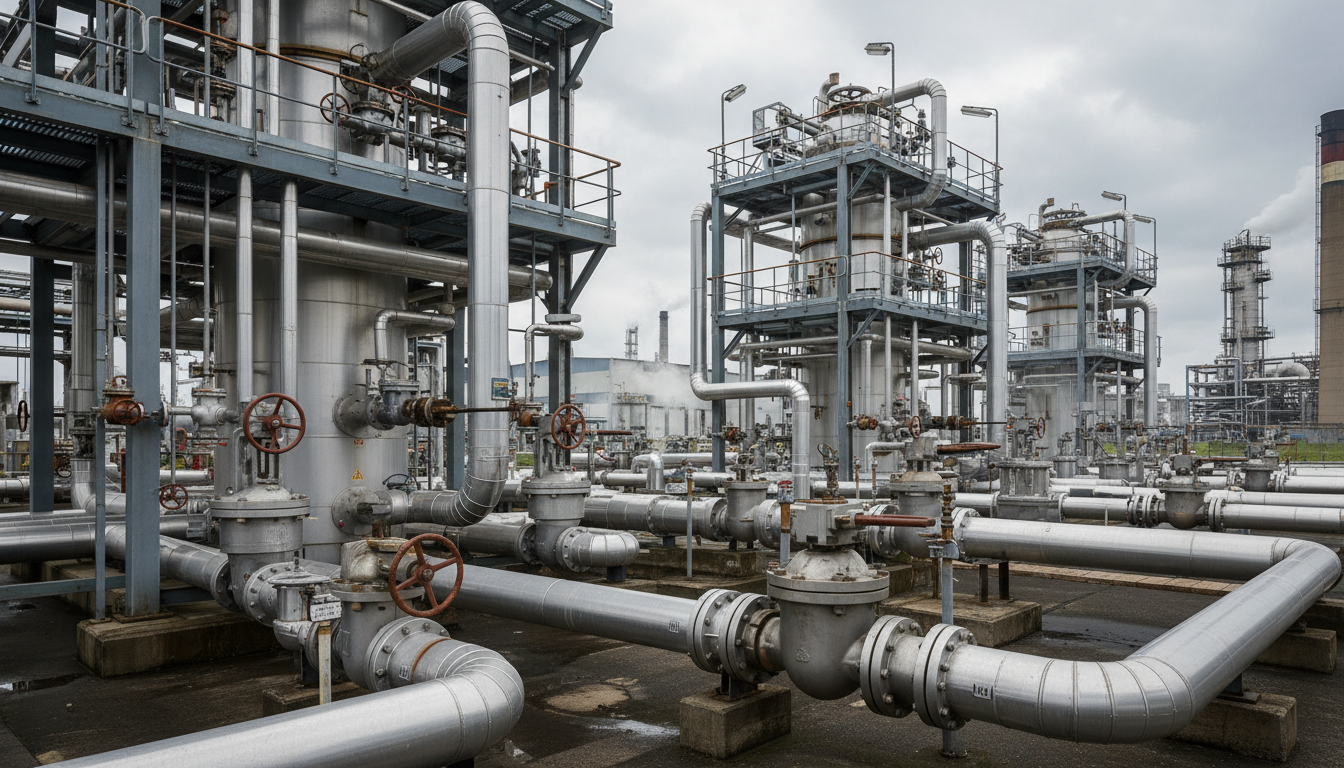
Zirconium is used to manufacture corrosion-resistant pipes, valves, and heat exchangers that handle highly acidic or alkaline solutions. In the petrochemical sector, understanding what is zirconium used for helps you specify materials that survive where stainless steel fails. This metal forms a natural oxide film at room temperature, providing a self-healing barrier against chemical erosion.
Why use zirconium for acid resistance?
This material thrives in environments containing hydrochloric and sulfuric acids. It offers a significant cost advantage over precious metals while maintaining superior mechanical strength.
Key benefits for industrial pipelines
- Excellent heat transfer performance.
- Resistance to pitting and crevice corrosion.
- Long service life in aggressive media.
- Reduced maintenance requirements.
Achieving industrial grade standards
Here is the deal: Industrial grade zirconium is the gold standard for military and electronic hardware. You must ensure your equipment can handle high-pressure processing without structural fatigue.
Key Takeaway: Zirconium provides the ultimate defense for chemical infrastructure facing extreme PH levels and high temperatures.
| Indicator | Value | |
|---|---|---|
| Primary Benefit | Corrosion Resistance | |
| Major Form | Pipeline Valves | |
| Environment | Acid/Alkali |
This metal ensures chemical plants maintain continuous operations with minimal risk of hazardous leaks.
What is zirconium used for in refractory linings?
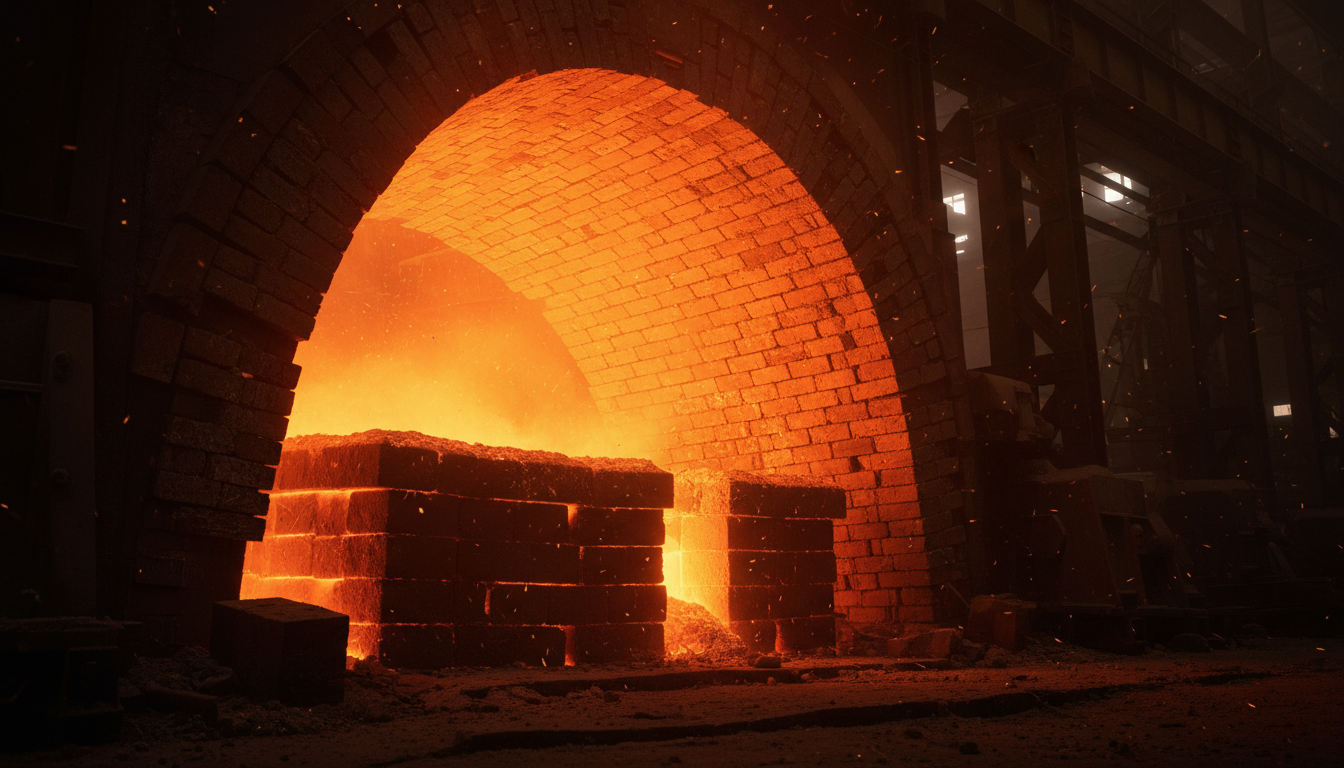
Zirconium is used to create high-temperature bricks and furnace linings that resist thermal shock and molten metal erosion. You need to know what is zirconium used for when designing kilns that operate at temperatures exceeding 2000°C. Zirconium silicate and fused zirconia provide the necessary density and stability for heavy-duty industrial heating.
Managing thermal shock in kilns
Refractory materials must expand and contract without cracking under rapid temperature changes. Zirconia-based bricks provide the necessary thermal stability to protect your furnace shell.
Critical features of refractory zircon
- High melting point for extreme heat.
- Low thermal conductivity for insulation.
- Chemical inertness against molten slag.
- Dense particle packing for strength.
Optimizing kiln furniture longevity
Think about this: Using high-purity zircon sand prevents premature brick failure during thermal cycling. You can extend your equipment’s service life by up to 40% with the right material grade.
Key Takeaway: Zirconium-based refractories are essential for industrial processes that involve extreme heat and corrosive molten materials.
| Feature | Specification | |
|---|---|---|
| Material | Zirconium Silicate | |
| Application | Kiln Linings | |
| Improvement | 40% Service Life |
Selecting the correct particle distribution is vital for achieving the dense packing required in high-stress thermal environments.
What is zirconium used for in aerospace and defense?
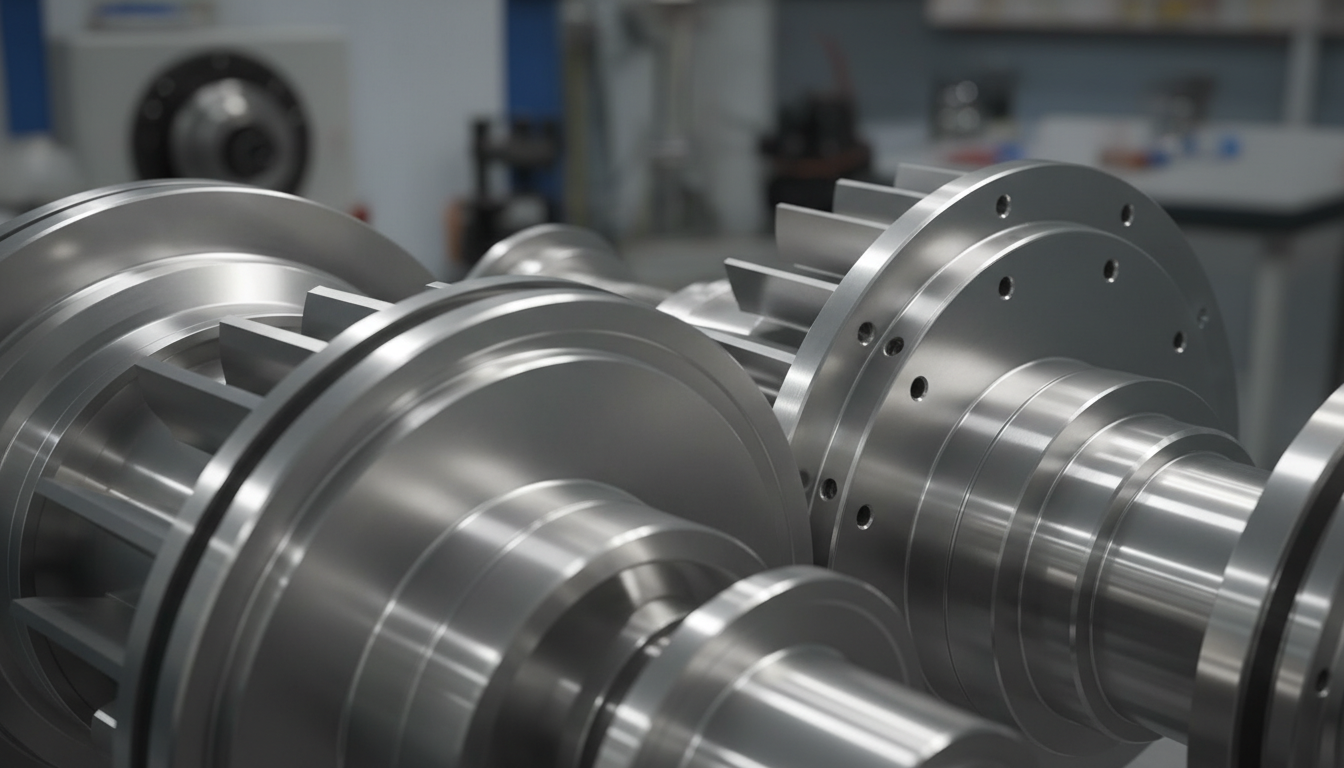
Zirconium is used as a critical alloying element to enhance the high-temperature strength and flash properties of aerospace and military hardware. Investigating what is zirconium used for in defense reveals its vital role as a metallurgical deoxidizer and a component in civil fireworks. It enables the production of specialty alloys that remain stable under the immense stress of jet engines.
Strengthening high-temperature alloys
Zirconium additions improve the grain structure of magnesium and aluminum alloys. This process ensures turbine blades and structural components can withstand intense heat without deforming.
Defense and flash applications
- Firearm combustion components.
- Metallurgical deoxidizer for steel.
- Civil flash and fireworks additives.
- Vacuum getter for specialized electronics.
Military grade performance requirements
Make no mistake: Zirconium sponge is highly reactive and serves as a reliable ignition source in specialized firearm applications. You rely on this property for consistent combustion in demanding tactical environments.
Key Takeaway: In aerospace, zirconium provides the thermal stability and strength necessary for flight-critical propulsion and structural systems.
| Category | Military Use | |
|---|---|---|
| Alloy Type | High-Temperature | |
| Function | Deoxidizer | |
| Specialized Use | Firearm Flash |
The integration of zirconium into aerospace alloys allows for thinner, lighter components that do not sacrifice structural integrity.
What is zirconium used for in precision casting?
Zirconium is used to build high-strength ceramic shells that ensure dimensional accuracy and smooth surface finishes in investment casting. Discovering what is zirconium used for in foundries allows you to produce intricate parts for jet engines and medical implants. Zircon flour and sand provide a stable interface between the mold and the molten metal.
Improving shell stability for molds
Precision casting requires molds that do not react with the alloys being poured. Zircon-based slurries offer the rheological control needed to coat complex wax patterns evenly.
Advantages for investment casting
- Superior dimensional tolerances.
- Resistance to metal penetration.
- Easy shell removal after cooling.
- Excellent surface finish quality.
Slurry rheology and quality control
Here is the deal: Inconsistent particle size distribution in your zircon powder can lead to shell cracking or surface defects. You must use controlled mesh sizes to ensure batch-to-batch repeatability in the foundry.
Key Takeaway: Zirconium materials are the foundation for high-precision casting processes where dimensional accuracy is non-negotiable.
| Parameter | Casting Target | |
|---|---|---|
| Particle Size | 100-325 Mesh | |
| Goal | Dimensional Accuracy | |
| Core Benefit | Non-reactive Surface |
Controlled particle distribution in casting slurries reduces scrap rates and improves the first-pass yield of expensive alloy parts.
What is zirconium used for in ceramic glazes?
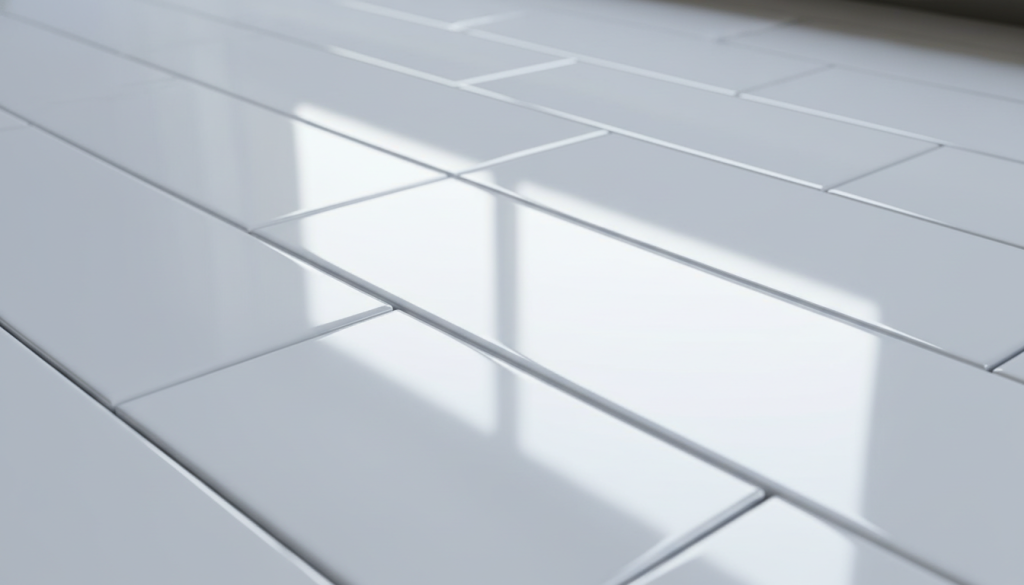
Zirconium is used as the primary opacifier in ceramic glazes to achieve a bright, white finish and hide the color of the underlying clay. You must evaluate what is zirconium used for in the tile industry to eliminate surface defects like pinholes. Zirconium silicate is an inexpensive and highly effective agent for producing high-grade sanitary ware and building ceramics.
Achieving consistent glaze whiteness
Zirconium silicate particles scatter light efficiently, creating the opaque white appearance seen on bathroom fixtures and floor tiles. This allows you to produce vibrant colors by providing a neutral base.
Ceramic application standards
- Opacifying agent for frits.
- Pinhole defect reduction.
- Consistent color development.
- Improved wear and scratch resistance.
Surface smoothness and yield rates
The bottom line is: Ultrafine milling of zirconium silicate ensures a smoother glaze surface. You can improve your first-pass yield from 82% to 94% by optimizing the particle size of your opacifier.
Key Takeaway: Zirconium is the most reliable material for achieving high-opacity, brilliant white finishes in the global ceramics industry.
| Product | Industry Use | |
|---|---|---|
| Zirconium Silicate | Glaze Opacifier | |
| Target Finish | Stable Whiteness | |
| Main Concern | Pinhole Prevention |
Modern automated production lines require extremely stable zirconium materials to maintain color consistency across millions of units.
What is zirconium used for in grinding media?
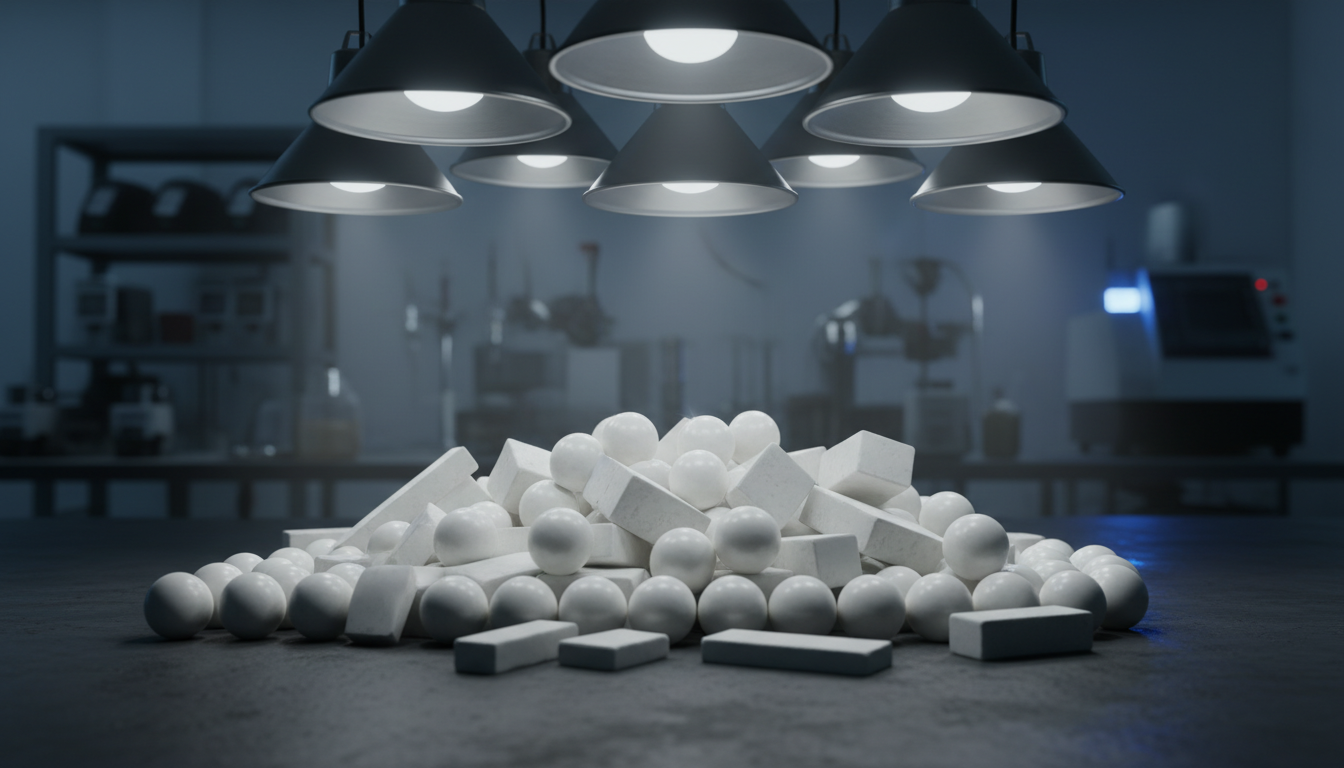
Zirconium is used to manufacture high-density grinding beads and wear-resistant structural parts for heavy industrial milling. You should research what is zirconium used for to reduce contamination and mechanical failure in high-energy milling environments. Yttria-stabilized zirconia (YSZ) beads offer the hardness required to grind materials into sub-micron powders.
Wear resistance for industrial parts
Zirconia structural ceramics, such as valves and pump components, outperform metal in abrasive environments. Their extreme hardness and fracture toughness make them ideal for moving parts in chemical processing.
Performance metrics for media
- High density for efficient grinding.
- Low wear rate to prevent contamination.
- High fracture toughness (YSZ).
- Chemical resistance in wet milling.
Enhancing structural part durability
Consider this: Vertical integration in zirconia production ensures that structural parts maintain consistent mechanical properties. You gain better reliability when your wear parts are engineered from high-purity precursors.
Key Takeaway: Zirconium-based media and parts provide the durability and efficiency needed for advanced material processing and fluid handling.
| Component | Key Property | |
|---|---|---|
| Grinding Beads | High Density | |
| Ceramic Valves | Wear Resistance | |
| Material Grade | Yttria-Stabilized |
The use of high-performance zirconia beads allows for faster processing times and significantly cleaner final products in technical industries.
What is zirconium used for in dental restorations?
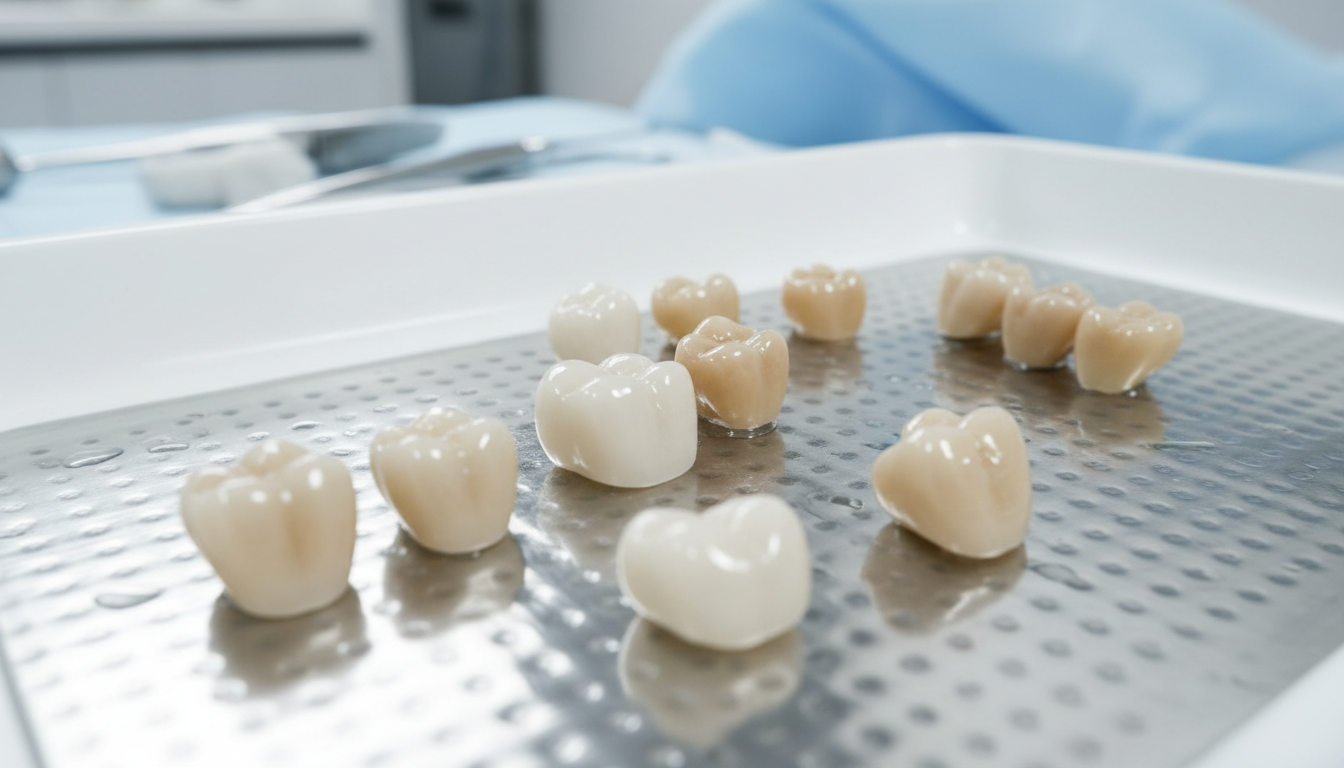
Zirconium is used to create biocompatible dental crowns and bridges that combine natural aesthetics with extreme structural durability. When you ask what is zirconium used for in dentistry, the answer lies in its ability to undergo CAD/CAM milling with precise tolerances. It serves as a metal-free alternative that prevents allergic reactions and provides a more lifelike appearance.
Controlling sintering shrinkage for precision
Dental blanks must have predictable shrinkage during the firing process to ensure a perfect fit for the patient. You rely on high-purity 3Y-TZP powder to keep shrinkage variance within ±0.3%.
Dental ceramic requirements
- High translucency for aesthetics.
- Excellent flexural strength.
- Bio-inertness for gum health.
- Predictable CAD/CAM milling.
Biocompatibility in modern restorations
It comes down to this: Zirconia is the material of choice for permanent tooth replacements because it does not corrode in the mouth. You can provide patients with restorations that last a lifetime without changing color.
Key Takeaway: Zirconia has revolutionized restorative dentistry by offering a material that is both aesthetically pleasing and structurally superior to metal.
| Metric | Dental Value | |
|---|---|---|
| Strength | 900-1200 MPa | |
| Fit Variance | ±0.3% | |
| Appearance | Translucent White |
Precise control over phase purity ensures that dental ceramics maintain their strength even after years of functional stress in the oral cavity.
What is zirconium used for in nuclear energy?
Zirconium is used as the primary cladding material for uranium fuel elements because it does not easily absorb thermal neutrons. Understanding what is zirconium used for in power reactors reveals its status as a strategic metal for aircraft carriers and submarines. This low neutron cross-section allows nuclear reactions to occur efficiently while the metal provides a sturdy structural barrier.
Neutron absorption and safety
Fuel rods must remain stable under intense radiation and high-temperature water cooling. Zirconium alloys provide the corrosion resistance and structural integrity needed to prevent fuel leaks.
Nuclear grade specifications
- Low thermal neutron absorption.
- High-temperature creep resistance.
- Corrosion resistance in hot water.
- Strategic availability for defense.
Strategic metal for reactor cladding
Here is the deal: Nuclear grade zirconium requires extreme purification to separate it from hafnium, which is a strong neutron absorber. You must use hafnium-free zirconium to ensure the reactor operates at peak efficiency.
Key Takeaway: Zirconium is the indispensable material for safe and efficient nuclear power generation in both civilian and military applications.
| Property | Nuclear Impact | |
|---|---|---|
| Neutron Capture | Extremely Low | |
| Application | Fuel Cladding | |
| Reactor Type | Submarine/Civilian |
The development of the nuclear industry is fundamentally linked to the availability and purification of high-grade zirconium metals.
What is zirconium used for in chemical derivatives?
Zirconium is used in various chemical forms as a stabilizer in cosmetics, a waterproof agent in paper, and a catalyst in automotive exhaust systems. You can see what is zirconium used for by examining everyday items like sunscreens, flame retardants, and leather goods. These compounds provide essential functional properties to consumer products through specialized chemical bonding.
Cosmetic and textile applications
Zirconium carbonate acts as a safe additive in sunscreens and deodorants while serving as a moisture-resistant treatment for high-end textiles. It provides a non-toxic alternative to traditional chemical stabilizers.
Key chemical derivative uses
- Zirconium sulfate for leather tanning.
- Carbonates for paper waterproofing.
- Cerium-zirconium exhaust catalysts.
- Flame retardants for polymers.
Optimizing paper surface treatments
The reality is: Zirconium-based paper additives improve surface smoothness and ink adhesion. You can produce higher quality printed materials by utilizing these specialized chemical coatings in your manufacturing process.
Key Takeaway: Beyond metals and ceramics, zirconium chemicals provide critical performance enhancements to a wide range of industrial and consumer goods.
| Compound | Common Use | |
|---|---|---|
| Zr Carbonate | Paper Additive | |
| Zr Sulfate | Leather Tanning | |
| Zr Oxychloride | Catalyst Precursor |
The growth in demand for eco-friendly chemical stabilizers has made zirconium derivatives an increasingly important part of green manufacturing.
What is zirconium used for in advanced electronics?
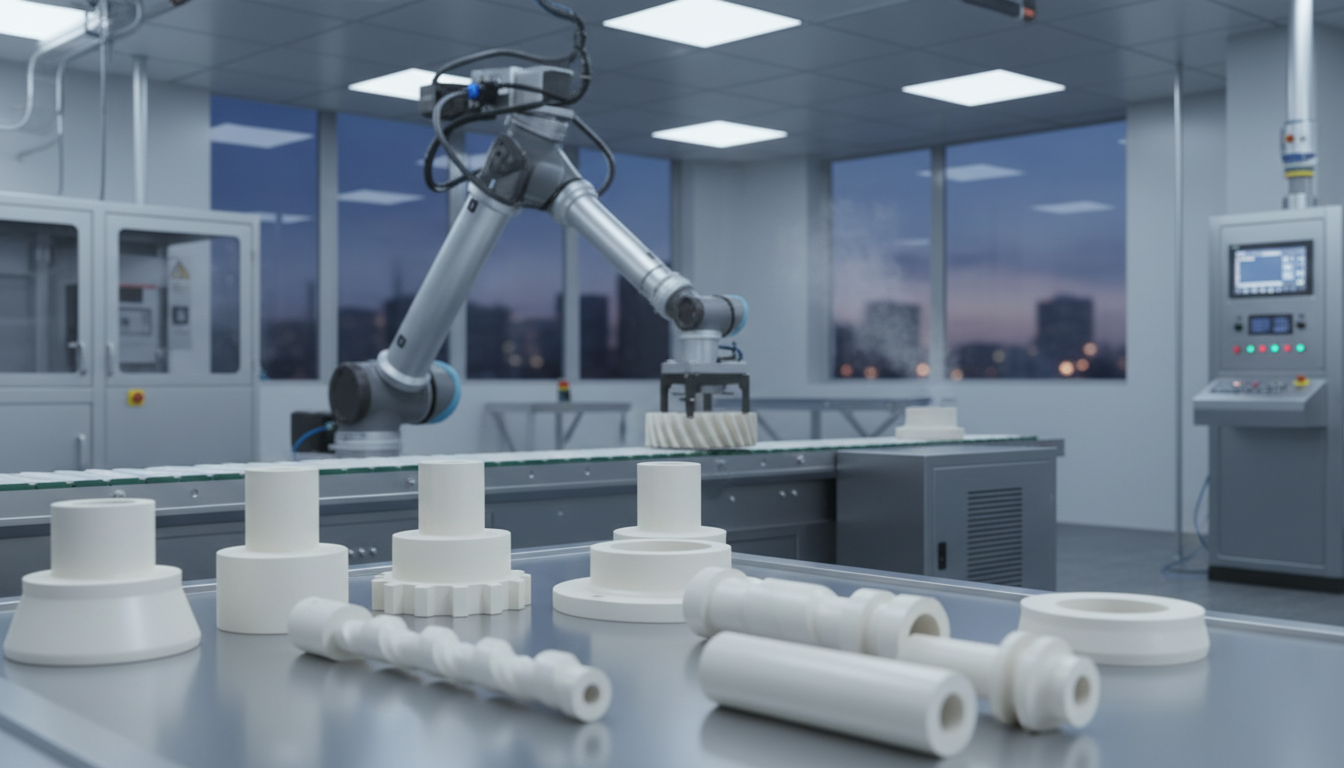
Zirconium is used as a getter in vacuum systems and a substrate for electronic ceramics that power modern circuitry and lighting. Knowing what is zirconium used for in high-tech manufacturing helps you maintain the ultra-clean environments required for semiconductor production. Zirconium’s ability to absorb trace gases ensures the longevity of specialized lamps and vacuum tubes.
Vacuum getter performance in lighting
Zirconium acts as a “getter” by chemically reacting with and removing unwanted gas molecules from sealed environments. This is vital for maintaining the efficiency of high-intensity discharge lamps and vacuum electronics.
Electronic industry applications
- Ceramic substrates for sensors.
- Capacitors and piezo-electrics.
- Getter materials for lighting.
- Fiber optic connectors.
Precision ceramic purity for sensors
Think about this: Composite zirconia is the foundation for oxygen sensors used in automotive and industrial control systems. You rely on the ionic conductivity of these ceramics to monitor combustion efficiency in real-time.
Key Takeaway: Zirconium is a hidden but essential component in the electronics industry, enabling everything from high-efficiency lighting to precision sensors.
| Component | Technical Role | |
|---|---|---|
| Vacuum Getter | Gas Absorption | |
| Oxygen Sensor | Ionic Conductivity | |
| Optic Connectors | Dimensional Stability |
As electronic devices become smaller and more complex, the demand for high-purity zirconium components continues to grow across all tech sectors.
Conclusion
Zirconium is an essential material for industries that demand extreme corrosion resistance, thermal stability, and mechanical strength. From ensuring the safety of nuclear reactors to providing the perfect finish on ceramic tiles, its applications are vast and critical. At ZrBrontec, we provide the engineering expertise and stable supply chain needed to solve your toughest material challenges. We are committed to delivering data-backed zircon solutions that reduce process variation and improve your production yields. To optimize your manufacturing performance with premium materials, contact us today .
FAQ
1. Can I use zirconium silicate as a direct replacement for other opacifiers?Yes, it is highly effective. Zirconium silicate is the industry standard for opacity in ceramic glazes due to its high refractive index and cost-efficiency.
2. What’s the best way to prevent cracking in refractory bricks?Directly control your particle size distribution. Using zircon with a tailored PSD and high thermal shock resistance is the most effective way to ensure brick longevity.
3. Can I get custom particle sizes for my casting slurry?Absolutely. We specialize in customizing D50 and distribution width to match your specific rheology and shell strength requirements.
4. What’s the best material for high-wear pump components?Yttria-stabilized zirconia is superior. Its combination of hardness and fracture toughness makes it the best choice for industrial wear parts facing abrasive media.
5. Can I visit your facility to audit the production process?Yes, we welcome it. Transparency is vital for long-term partnerships, and we encourage customers to inspect our manufacturing and quality control labs.