Zircon’s critical and unique uses stem from its naturally high melting point and chemical stability. You likely face the challenge of sourcing materials that can withstand extreme industrial environments without degrading, which leads to frequent equipment failure and high operational costs. By integrating specialized zircon solutions into your workflow, you can find the high-performance answer to these thermal and chemical stressors. Understanding what is zirconium used for is the first step toward optimizing your industrial output and reducing material-related downtime.
How does the ceramic industry determine what is zirconium used for?
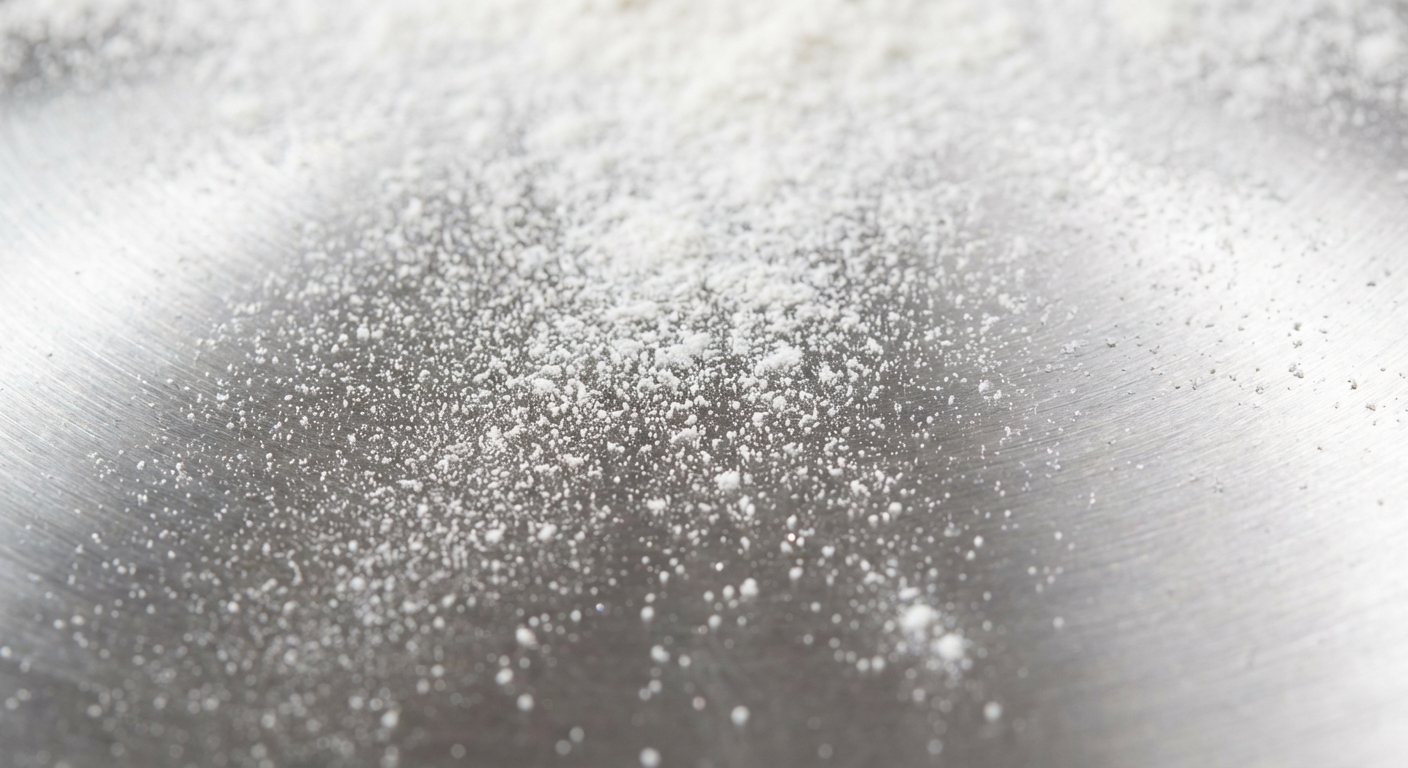
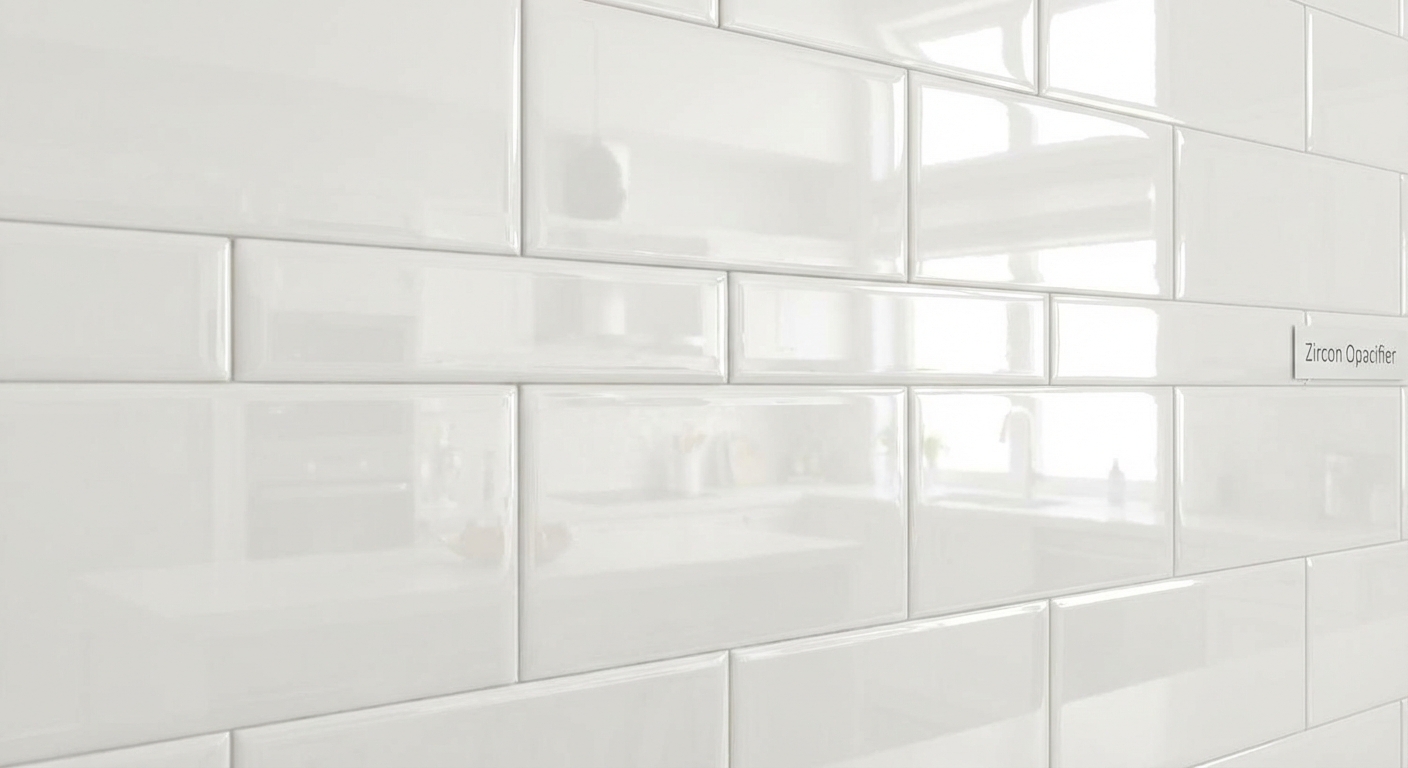
The ceramic industry determines what is zirconium used for by utilizing zirconium silicate as a primary opacifier in glazes for tiles, sanitaryware, and tableware. This mineral is prized for its ability to provide a consistent, high-whiteness finish that remains stable even during high-temperature firing cycles.
What role does opacification play?
In the production of modern ceramics, opacification is essential for achieving a brilliant white aesthetic. It works by scattering light within the glaze layer to hide the color of the underlying ceramic body.
Here is the kicker:
- Zircon particles provide a refractive index that far exceeds standard silica.
- Controlled particle sizes ensure a smooth, pinhole-free surface.
- Chemical inertness prevents unwanted reactions with ceramic pigments.
And that’s not all… engineers often prefer zirconium silicate because it maintains its properties at peak kiln temperatures, ensuring that your final product meets strict quality standards every time.
Key Takeaway: Zircon is the gold standard for achieving high opacity and whiteness in ceramic glazes due to its superior refractive index and thermal stability.
| Feature | Industrial Benefit | |
|---|---|---|
| High Refractive Index | Superior surface whiteness and hiding power | |
| Thermal Stability | Prevents glaze defects during high-temp firing | |
| Chemical Inertness | maintains pigment integrity in formulations |
This table illustrates why zircon remains the preferred choice for premium ceramic manufacturers worldwide.
Why is foundry casting a major area for what is zirconium used for?
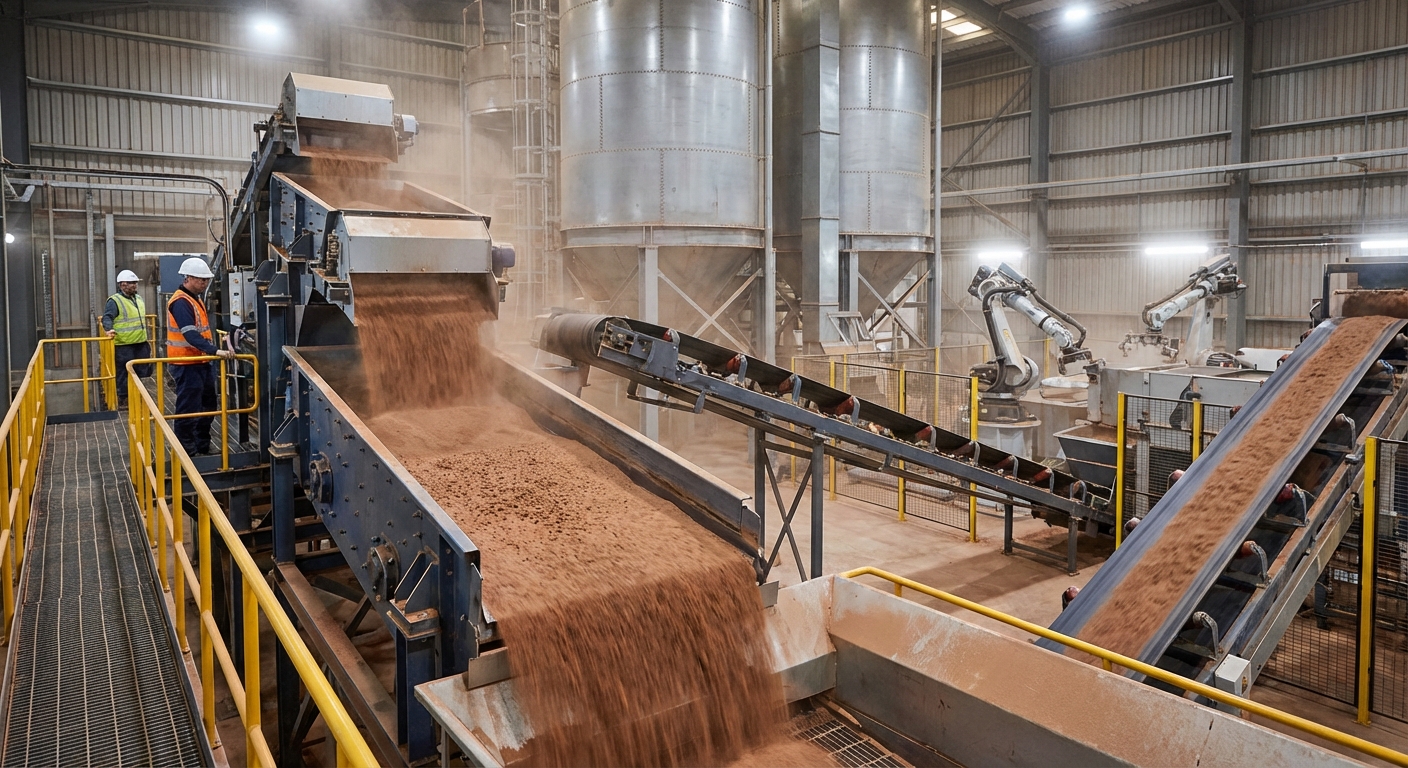
Foundry casting relies on what is zirconium used for because zircon sand offers the specific heat transfer and expansion properties required for precision metal molds. You will find that it prevents common casting defects like veining and metal penetration, which are frequent issues when using standard silica sands.
Why is thermal expansion critical in casting?
Controlling thermal expansion is the difference between a precision part and a piece of scrap metal. Zircon has a very low and linear thermal expansion rate compared to other minerals used in foundries.
The reality is:
- It withstands the extreme thermal shock of molten steel.
- The high density of zircon sand provides excellent chilling properties.
- It facilitates easy cleaning of the finished casting surface.
Believe it or not, using zircon can reduce your scrap rates by up to 20% in high-volume production lines.
Key Takeaway: Zircon’s low thermal expansion and high chilling capacity make it indispensable for high-definition, defect-free metal casting.
| Property | Benefit to Foundry | |
|---|---|---|
| Low Expansion | Improved dimensional accuracy of parts | |
| High Density | Faster cooling and solidification of molten metal | |
| Clean Separation | reduced post-casting finishing and labor costs |
The data proves that zircon’s physical properties provide a massive competitive advantage in precision casting.
What makes refractories a prime example of what is zirconium used for?
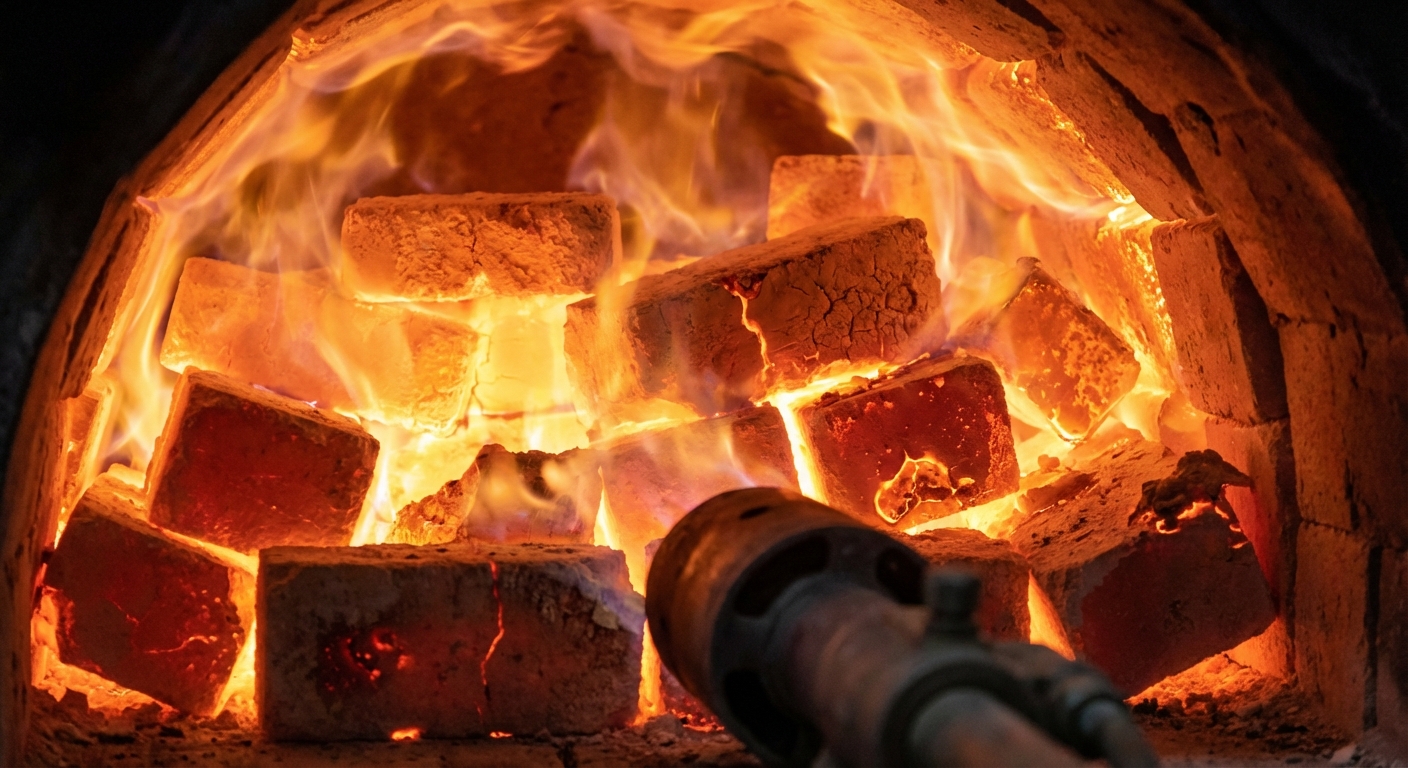
Refractories represent a prime example of what is zirconium used for due to the mineral’s exceptional ability to resist erosion by molten glass and acidic slags. You depend on these linings to keep your furnaces running longer, and zircon-based bricks provide the durability needed for continuous operation at temperatures exceeding 1,600°C.
How does zircon resist chemical erosion?
In the glass and steel industries, the chemical environment inside a furnace is incredibly aggressive. Zircon stands out because it does not react with the molten materials it contains.
Here is the deal:
- It forms a protective barrier against corrosive glass melts.
- High refractoriness prevents melting or softening of the kiln lining.
- Low thermal conductivity helps in maintaining energy efficiency.
And that’s not all… in refractories applications, the use of high-purity zircon can extend the service life of your equipment by as much as three times over standard alumina bricks.
Key Takeaway: Zircon refractories provide the ultimate combination of thermal resistance and chemical inertness for the most demanding furnace environments.
| Environmental Stress | Zircon Response | |
|---|---|---|
| Molten Glass Contact | Near-zero chemical reaction or contamination | |
| 1,600°C+ Temperatures | Maintains mechanical strength and shape | |
| Thermal Cycling | High resistance to cracking and spalling |
Successful facility managers utilize zircon to minimize furnace shutdowns and maximize production runtime.
How does the glass industry define what is zirconium used for?
The glass industry defines what is zirconium used for by applying zircon components to the manufacture of specialty glass, particularly for high-end electronics and displays. This mineral acts as an effective X-ray absorber and improves the refractive index, making it essential for the safety and clarity of screened devices.
Is safety a factor in glass production?
Yes, especially in older cathode ray tubes and specific laboratory glassware where radiation protection is necessary. Zircon’s ability to absorb X-rays is a unique functional property that many other minerals lack.
The point is:
- It increases the toughness of laboratory-grade glassware.
- It helps in the production of faceplate glass for plasma screens.
- Zircon additions enhance the optical luster of decorative glass.
Here is the kicker: even in modern LCD manufacturing, small amounts of zircon are used to stabilize the glass melt and ensure uniform thickness.
Key Takeaway: Zircon is a dual-purpose additive in the glass industry, providing both safety through X-ray absorption and enhanced optical clarity.
| Glass Type | Zircon Function | |
|---|---|---|
| Electronics Display | X-ray absorption and structural stability | |
| Technical Glass | Improved chemical and mechanical toughness | |
| Decorative Crystal | Enhanced refractive index and light sparkle |
These specific applications show how zircon contributes to the technology you use every day.
What is zirconium used for in the field of industrial chemicals?
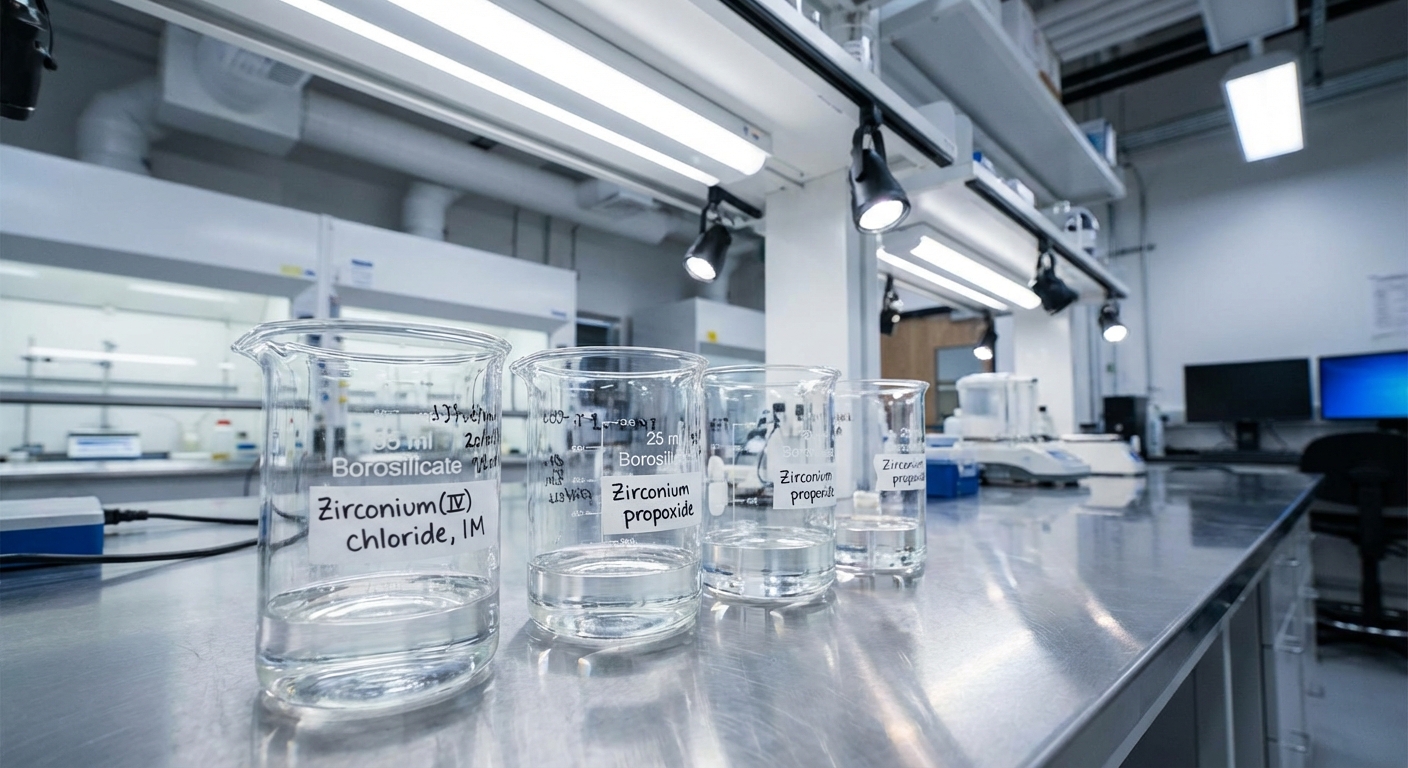
In the field of industrial chemicals, researching what is zirconium used for reveals that zircon is the foundational feedstock for producing zirconium oxychloride and other specialty chemicals. You use these derivatives in everything from paper coatings to antiperspirants, where their unique cross-linking abilities provide moisture resistance and stability.
Why is cross-linking important in chemicals?
Cross-linking is the process of chemically bonding polymer chains together to create a more durable material. Zirconium-based chemicals are highly efficient at this, especially in water-based systems.
The facts are:
- They improve the water resistance of printed paper.
- They act as essential catalysts in organic synthesis.
- They are utilized in the tanning of premium white leathers.
And that’s not all… modern zirconia materials derived from these chemicals are now finding roles in advanced battery technologies and fuel cells.
Key Takeaway: As a chemical feedstock, zircon enables a wide range of functional additives that improve the durability and performance of consumer goods.
| Chemical Derivative | Primary Application | |
|---|---|---|
| Zirconium Carbonate | Water resistance in paper and packaging | |
| Zirconium Sulfate | Chrome-free tanning for high-quality leather | |
| Zirconium Propoxide | High-purity catalysts for plastic production |
This chemical versatility makes zircon a hidden but vital component in many manufacturing sectors.
Can we identify what is zirconium used for in nuclear energy?
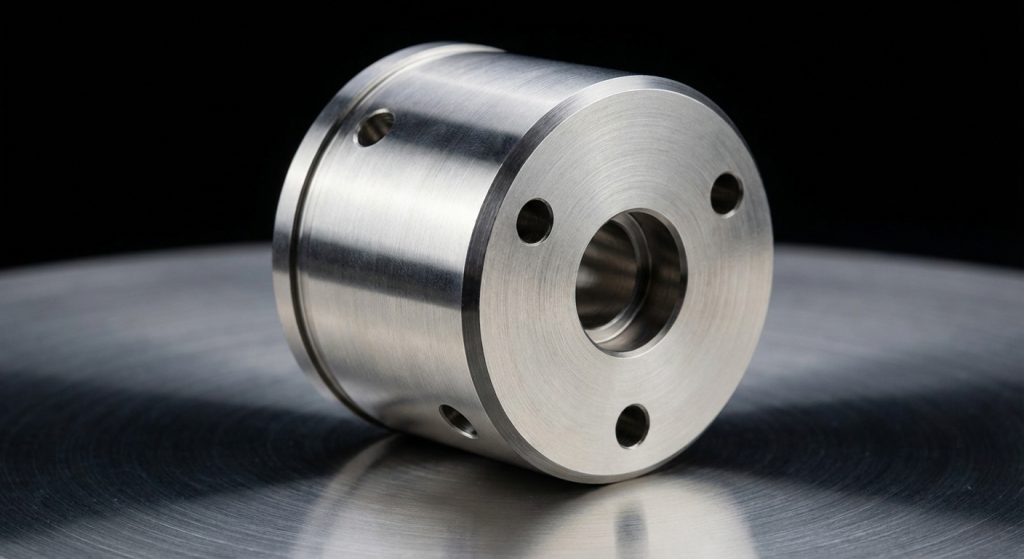
Identifying what is zirconium used for in nuclear energy is simple: it is the primary material for fuel rod cladding due to its extremely low neutron absorption cross-section. You cannot operate a modern water-cooled reactor safely without zirconium alloys, as they allow neutrons to pass through and sustain the fission reaction while resisting high-temperature corrosion.
Why is neutron transparency so vital?
If the cladding material absorbed too many neutrons, the nuclear reaction would effectively be smothered. Zirconium alloys, like Zircaloy, ensure that the reactor remains efficient while keeping the radioactive fuel contained.
Consider this:
- It maintains structural integrity under intense radiation.
- It survives long-term exposure to high-pressure hot water.
- It prevents dangerous leaks of radioactive isotopes.
The real kicker: without this specific application of zirconium, the global nuclear power industry would be far less efficient and significantly more expensive to manage.
Key Takeaway: Zirconium alloys are the “backbone” of the nuclear industry, providing safe containment and high efficiency for power generation.
| Material Requirement | Zirconium Performance | |
|---|---|---|
| Neutron Absorption | Extremely low; maximizes fuel efficiency | |
| Corrosion Resistance | withstands 300°C+ water for years | |
| Radiation Stability | Does not become brittle under heavy bombardment |
The nuclear sector’s reliance on zirconium highlights its status as a critical strategic mineral.
What is zirconium used for in advanced biomedical applications?
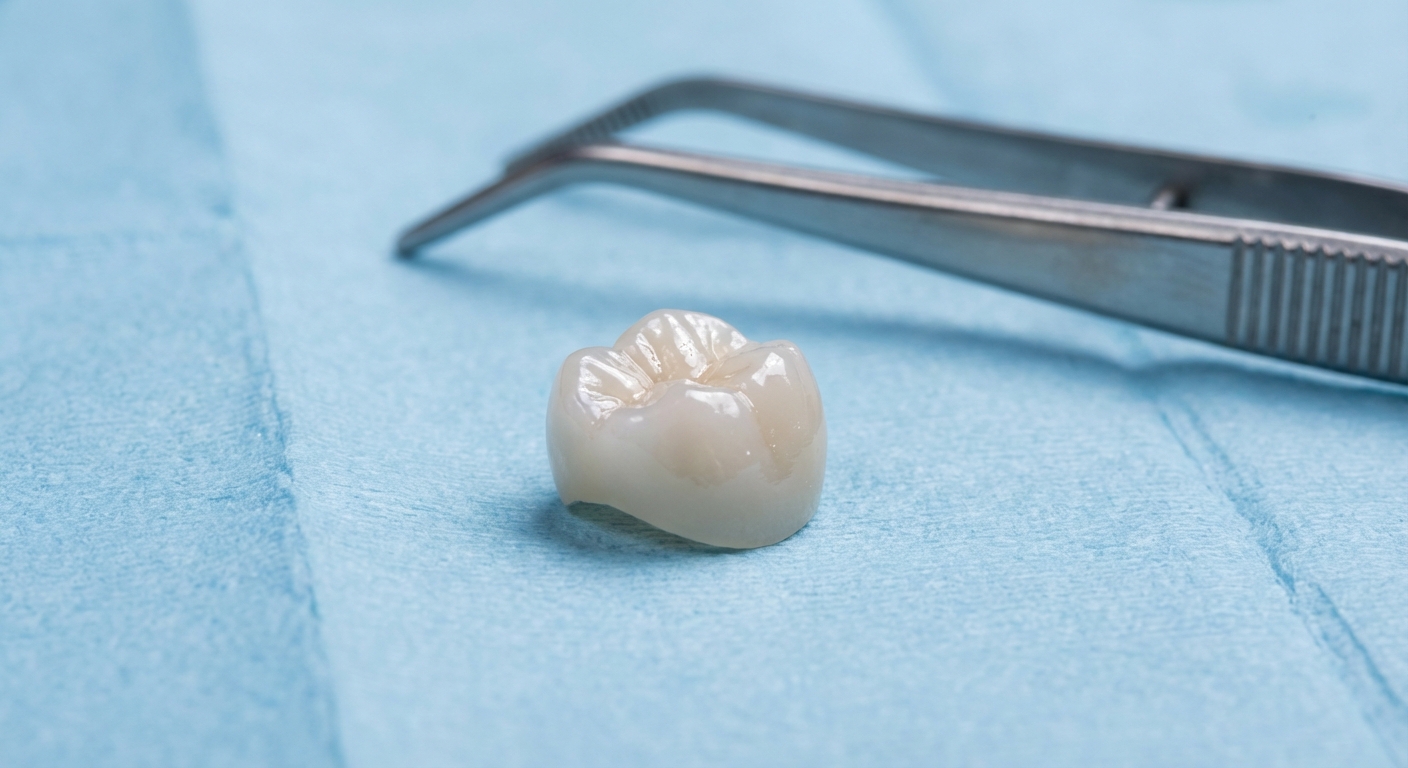
Advanced biomedical applications capitalize on what is zirconium used for by creating biocompatible zirconia for dental implants and hip replacements. You benefit from a material that is not only tougher than most metals but also completely hypoallergenic, reducing the risk of rejection or inflammation in patients.
Why is zirconia preferred over titanium?
While titanium is a great medical metal, zirconia offers superior aesthetics for dental work because it is naturally white. Furthermore, it does not conduct heat or electricity, which makes it more comfortable for the patient.
The evidence shows:
- It has higher wear resistance than metallic counterparts.
- The surface prevents the accumulation of bacteria.
- It integrates perfectly with natural bone tissue.
Here is the kicker: zircon-based components allow for computer-aided design (CAD) and manufacturing of dental crowns that fit with sub-micron precision.
Key Takeaway: Zirconia is the material of choice for medical implants where high strength, aesthetics, and biocompatibility are non-negotiable.
| Medical Priority | Zirconia Advantage | |
|---|---|---|
| Biocompatibility | Zero allergic reactions or tissue inflammation | |
| Mechanical Strength | Capable of withstanding the load of a hip joint | |
| Aesthetic Appeal | Matches the natural color and translucency of teeth |
This medical transition toward ceramics is driven by the unique properties provided by zirconium.
How does the aerospace industry utilize what is zirconium used for?
The aerospace industry utilizes what is zirconium used for by applying yttria-stabilized zirconia (YSZ) as a thermal barrier coating (TBC) on jet engine turbine blades. You see this technology in action when engines operate at temperatures higher than the melting point of the metal blades themselves—the ceramic coating protects the underlying superalloy from catastrophic failure.
How do thermal barrier coatings work?
A TBC acts as a high-tech insulation layer. Even a thin layer of zirconia can drop the metal temperature by hundreds of degrees, allowing the engine to run hotter and more efficiently.
The facts are:
- It survives the intense centrifugal forces of a spinning turbine.
- It resists the abrasive force of intake air and combustion byproducts.
- It significantly increases the overall fuel efficiency of the aircraft.
Believe it or not, these coatings are what make modern long-haul flight commercially viable by reducing fuel consumption across thousands of hours of flight.
Key Takeaway: Zirconia coatings allow aerospace engines to reach peak performance by providing an impenetrable thermal shield for critical engine parts.
| Component | Zircon Application | |
|---|---|---|
| Turbine Blades | Plasma-sprayed thermal barrier coatings | |
| Combustion Chambers | High-temperature insulating linings | |
| Oxygen Sensors | Monitoring fuel-to-air ratios in real-time |
Without zircon’s thermal properties, modern jet engines would be significantly limited in their output.
What is zirconium used for in the manufacturing of abrasives?
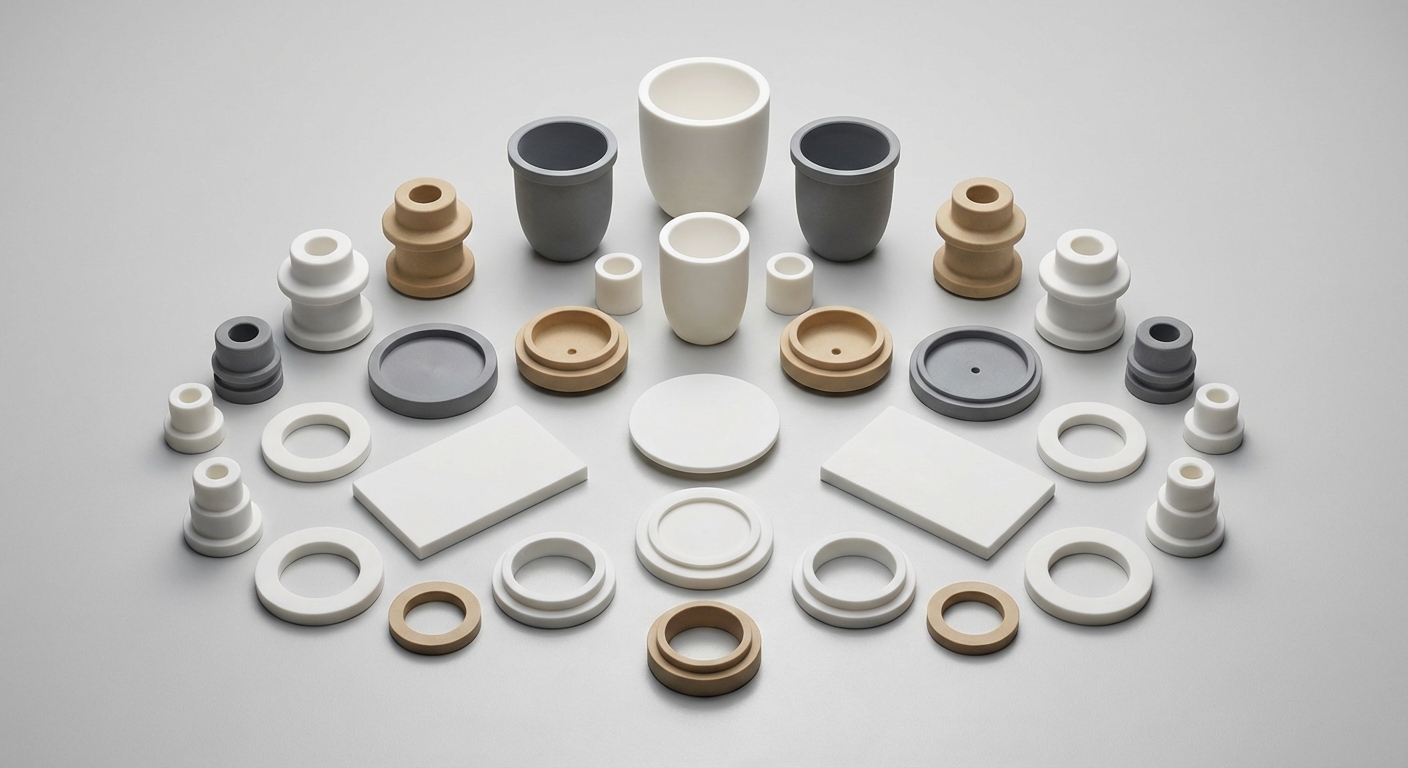
The manufacturing of abrasives is another key sector for what is zirconium used for, where it is combined with alumina to create high-performance grinding wheels. You will find that these zirconia-alumina grains are much tougher and longer-lasting than standard abrasives, making them the ideal choice for heavy-duty metal grinding in the automotive and construction sectors.
What makes an abrasive “self-sharpening”?
Zirconia grains have a micro-crystalline structure that fractures in a controlled way during use. This actually reveals new, sharp edges as the abrasive wears down.
The reality is:
- It cuts through hardened steel much faster than silicon carbide.
- Zirconia abrasives have a much longer working life.
- They generate less heat during grinding, preventing part damage.
And that’s not all… using engineered zircon components in your toolset can lower your total cost per cut by improving the speed and efficiency of your staff.
Key Takeaway: Zirconia abrasives offer a “self-sharpening” mechanism that provides faster cutting and significantly longer tool life in industrial metalworking.
| Metric | Zirconia Abrasive | Standard Abrasive | |
|---|---|---|---|
| Service Life | 3x to 5x Longer | Baseline | |
| Heat Generation | Low – protects workpiece | High – risk of tempering | |
| Removal Rate | High – faster production | Average |
For heavy industrial grinding, zircon-based grains are the most cost-effective solution available.
How does modern technology define what is zirconium used for?
Modern technology defines what is zirconium used for through its application in solid-state batteries and oxygen sensors. You are seeing a shift where zircon-based materials are becoming the key to the next generation of energy storage, providing a safer and more stable alternative to liquid electrolytes.
What is the future of zircon in energy?
The frontier of energy is solid-state. Zircon-based ceramics can conduct ions without being flammable, potentially ending the fire risks associated with current lithium-ion batteries.
The points to consider:
- It allows for faster charging times in electric vehicles.
- It provides a much longer battery lifespan over thousands of cycles.
- It is far more stable at high operating temperatures.
Here is the kicker: as the world moves toward green energy, the demand for advanced industrial materials derived from zircon will likely increase exponentially.
Key Takeaway: Zircon is transitioning from a traditional industrial mineral to a high-tech enabler for the future of green energy and safe electronic storage.
| Innovation | Zircon Role | |
|---|---|---|
| Solid-State Batteries | Ceramic electrolyte for high-speed ion transport | |
| Hydrogen Fuel Cells | Oxygen-ion conducting membranes | |
| Semi-Conductors | High-k gate dielectrics for faster processing |
Zircon’s unique electrical and thermal properties ensure its place in the next technological revolution.
Zircon remains one of the most versatile and indispensable minerals in the modern industrial landscape. From ensuring the whiteness of your bathroom tiles to protecting the engine of a commercial jet, its unique thermal, chemical, and nuclear properties solve challenges that other materials simply cannot address. To find out how premium materials can optimize your specific production line, we invite you to contact us today for a technical consultation.
At ZrBrontec, we don’t just supply minerals; we provide the engineered stability your business needs to excel. Our brand stands for uncompromising quality and technical expertise in every batch.
FAQ
Can I use zircon sand for 3D printing molds?Yes, zircon sand is increasingly used in 3D sand printing for complex metal molds due to its high accuracy and low expansion.
What’s the best way to store zirconium silicate?Store it in a dry, ventilated warehouse to prevent moisture absorption, which can affect its flowability in glaze formulations.
Can I substitute zircon with alumina in all refractories?No, because alumina lacks the chemical resistance to acidic slags and molten glass that makes zircon unique in those specific environments.
What’s the best grade of zircon for investment casting?A premium low-activity zircon sand with a uniform AFS grain fineness number is best to ensure surface smoothness and consistent shell strength.
Can I recycle zircon sand after casting?Yes, zircon sand can be reclaimed and reused multiple times, making it a sustainable choice for high-volume foundries.