Finding the right material for high-stress industrial environments often feels like an impossible balancing act between durability and cost. When your components fail prematurely due to corrosion or extreme heat, your production timelines suffer and your overhead costs skyrocket. You need a reliable, versatile element that bridges the gap between raw strength and specialized chemical resistance. Understanding what is zirconium used for is the first step toward optimizing your manufacturing processes with one of the most resilient metals available in the modern market.
What is zirconium used for in general?
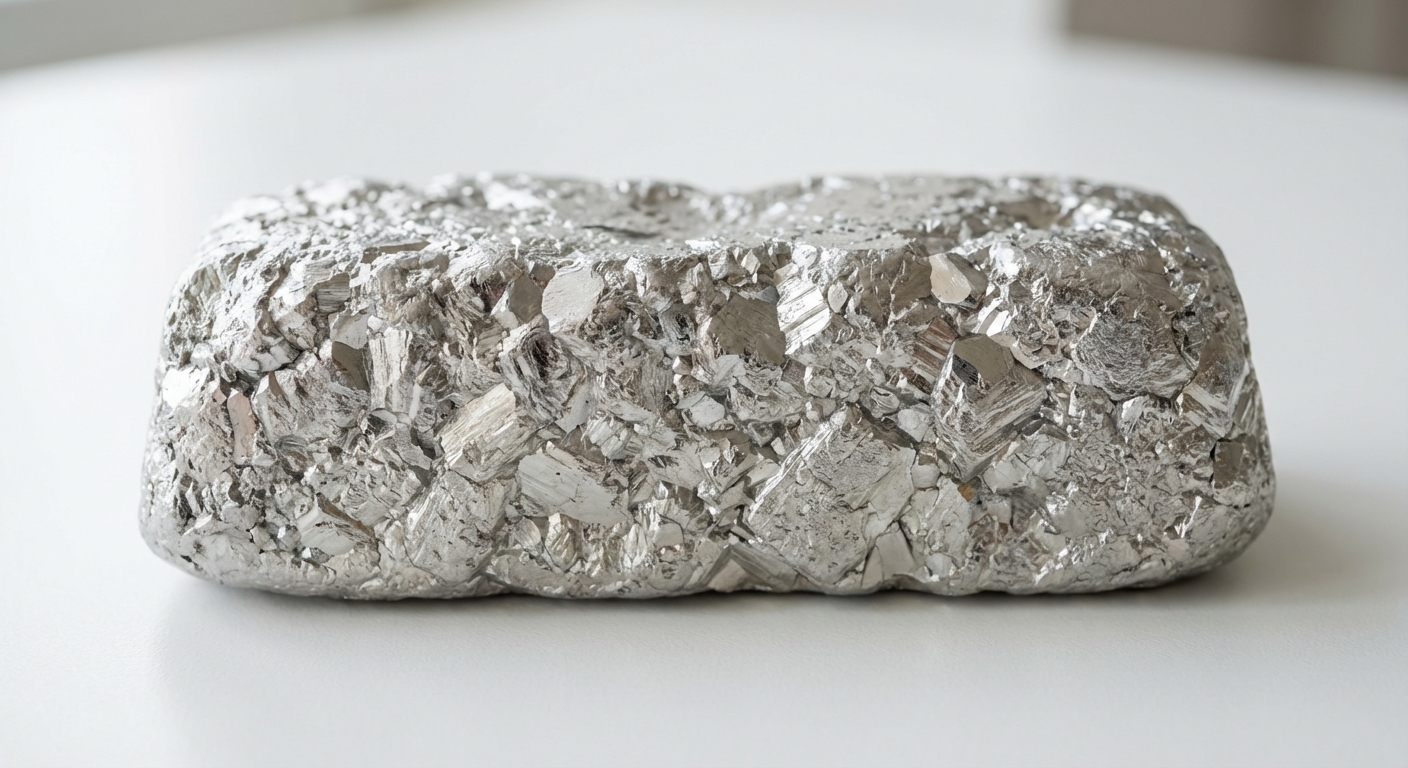
Zirconium is primarily used for its exceptional resistance to corrosion by acids, alkalis, and seawater in demanding industrial settings. When you evaluate what is zirconium used for , you will find it serving as a foundational material in heavy-duty equipment. This silvery-white transition metal is prized for its high melting point and ability to form a protective oxide layer.
Chemical properties and atomic structure
The atomic structure of this element allows it to remain stable under intense pressure. Here is the deal: its chemical makeup makes it nearly immune to common corrosive agents.
- Atomic number 40 provides unique bonding capabilities.
- Low neutron absorption makes it ideal for specific physics applications.
- High thermal stability prevents deformation during heat cycles.
Visual appearance of the raw metal
You will notice that the raw metal has a distinct, lustrous sheen similar to polished steel. It is remarkably malleable and ductile, which means you can easily shape it into various industrial forms.
| Property | Description | |
|---|---|---|
| Color | Lustrous silvery-white | |
| Texture | Crystalline and smooth | |
| Form | Solid ingots or powders |
The physical characteristics of zirconium make it as aesthetically versatile as it is functionally robust in a B2B context.
Key Takeaway: Zirconium is a powerhouse of corrosion resistance that maintains its structural integrity across diverse chemical environments.
What is zirconium used for in nuclear power?
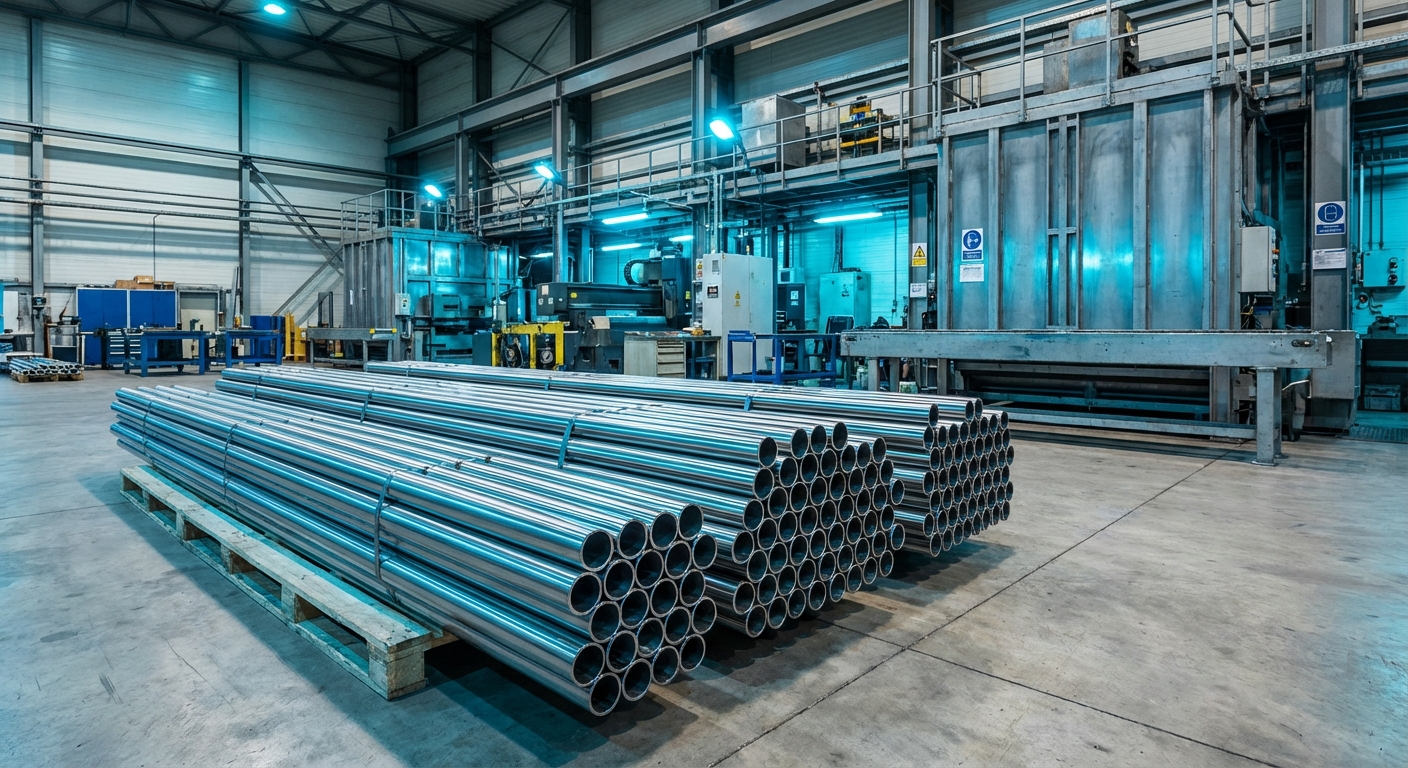
In the nuclear sector, zirconium is used for cladding fuel rods because it allows neutrons to pass through with minimal interference. Understanding what is zirconium used for in energy production requires looking at its unique interaction with radiation. It ensures that the fuel remains contained while allowing the fission process to continue efficiently.
Cladding for nuclear fuel rods
Think about it: the safety of a reactor depends on the integrity of the materials holding the uranium. Zirconium alloys are the gold standard for this specific protective barrier.
- High resistance to water corrosion at high temperatures.
- Maintains strength under constant neutron bombardment.
- Prevents fuel leakage into the cooling system.
Improving structural integrity in reactors
Wait, there is more to its role than just cladding. It is also used in internal support structures where thermal expansion must be kept to a minimum.
| Component | Benefit of Zirconium | |
|---|---|---|
| Fuel Rods | High transparency to neutrons | |
| Support Grids | Excellent thermal stability | |
| Pressure Tubes | Long-term corrosion resistance |
Utilizing zirconium in nuclear facilities significantly reduces the risk of material fatigue and enhances overall plant longevity.
Key Takeaway: Zirconium is an indispensable safety and efficiency component in the global nuclear energy infrastructure.
What is zirconium used for in medical tools?
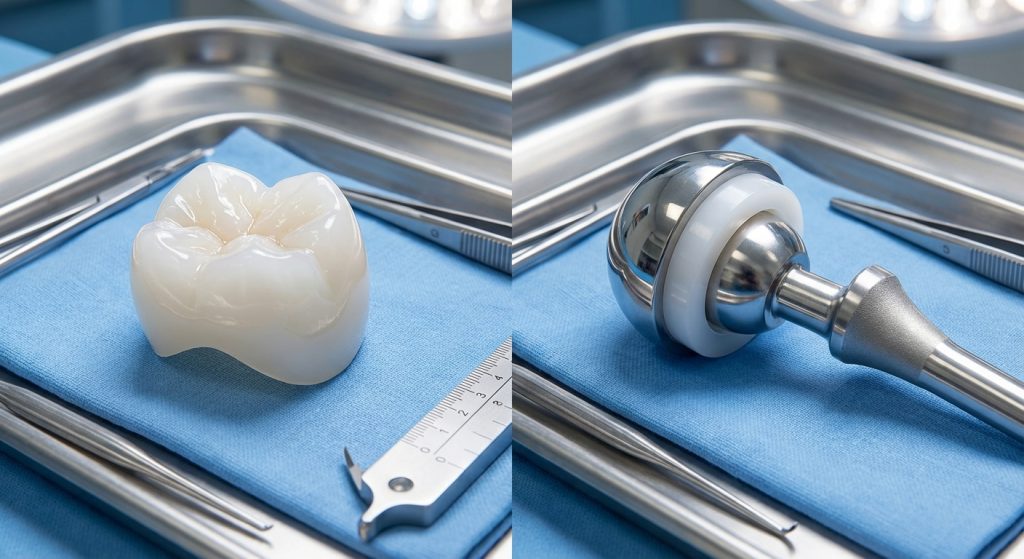
Zirconium is used for creating biocompatible implants and dental prosthetics that do not trigger immune responses in the human body. When considering what is zirconium used for in healthcare, its non-toxic nature is its most valuable asset. It provides a long-lasting alternative to traditional metals that might cause allergic reactions.
Biocompatible joint and bone implants
Medical professionals rely on this metal for hip and knee replacements because it integrates seamlessly with human tissue. The best part? It resists wear and tear far better than many stainless steel counterparts.
- High fracture toughness for load-bearing joints.
- Smooth surface reduces friction in moving parts.
- Chemical inertness prevents metal ion release.
Precision dental crowns and bridges
You can achieve a natural look with dental ceramic blanks made from zirconia. These materials provide the strength of metal with the aesthetic appeal of natural teeth.
| Application | Material Advantage | |
|---|---|---|
| Dental Crowns | High translucency and strength | |
| Hip Implants | Exceptional wear resistance | |
| Surgical Tools | Non-magnetic and durable |
The shift toward zirconium-based medical solutions has vastly improved patient outcomes and implant lifespans.
Key Takeaway: Medical-grade zirconium provides a safe, durable, and highly biocompatible solution for permanent internal prosthetics.
What is zirconium used for in industry?
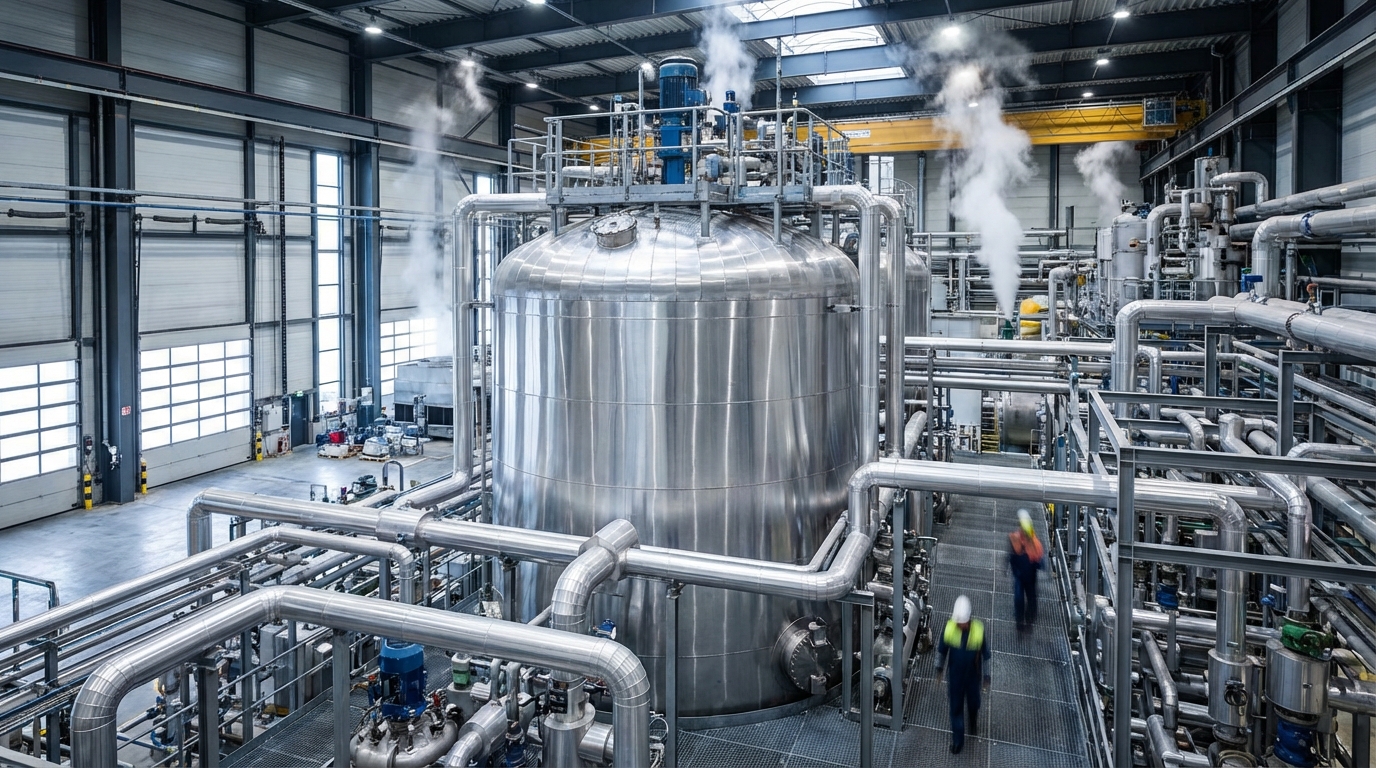
Industrial applications of zirconium involve building high-performance chemical processing equipment that survives highly aggressive chemical environments. If you analyze what is zirconium used for in factory settings, you will see it in pumps, valves, and heat exchangers. It is the preferred choice when other metals would dissolve in minutes.
Chemical processing machinery components
Check this out: many specialized chemical plants would simply stop functioning without zirconium components. It handles hydrochloric and sulfuric acids without breaking a sweat.
- Reduced maintenance downtime due to corrosion.
- Longer service life for expensive equipment.
- High pressure tolerance in reactive vessels.
Linings for high-temperature furnaces
Beyond liquids, the metal is essential for lining industrial furnaces that operate at extreme temperatures. It acts as a thermal barrier that protects the outer shell of the machinery.
| Equipment Type | Key Function | |
|---|---|---|
| Reaction Vessels | Acid corrosion protection | |
| Heat Exchangers | Efficient thermal transfer | |
| Industrial Valves | Leak-proof durability |
Investing in zirconium components for your industrial facility ensures that your most critical processes remain online.
Key Takeaway: Zirconium serves as the ultimate insurance policy against corrosion and thermal failure in chemical manufacturing.
What is zirconium used for in ceramics?
In ceramics, zirconium is used as a whitening agent and opacifier to provide a professional, clean finish to tiles and sanitary ware. When you look into what is zirconium used for in ceramic production, premium zirconium silicate powders are the industry standard. This material ensures that colors remain vibrant and surfaces stay scratch-resistant.
Zirconium silicate as an opacifier
You can use these powders to turn transparent glazes into opaque, milky white finishes. It is a cost-effective way to hide the body of the ceramic while providing a brilliant shine.
- Consistent particle size for smooth application.
- High refractive index for better whiteness.
- Chemical stability during high-fire cycles.
Stabilizing ceramic glaze surfaces
The addition of this element prevents the glaze from cracking or “crazing” over time. This makes your final products much more durable for long-term consumer use.
| Silicate Grade | Primary Benefit | |
|---|---|---|
| Standard Grade | General opacity in tiles | |
| High-Purity Grade | Superior whiteness in porcelain | |
| Fine-Mesh Powder | Ultra-smooth glaze finishes |
Selecting the correct grade of silicate allows ceramic manufacturers to control the visual quality and durability of their inventory.
Key Takeaway: Zirconium silicate is the secret ingredient for achieving high-end, durable whiteness in modern ceramic products.
What is zirconium used for in metal alloys?
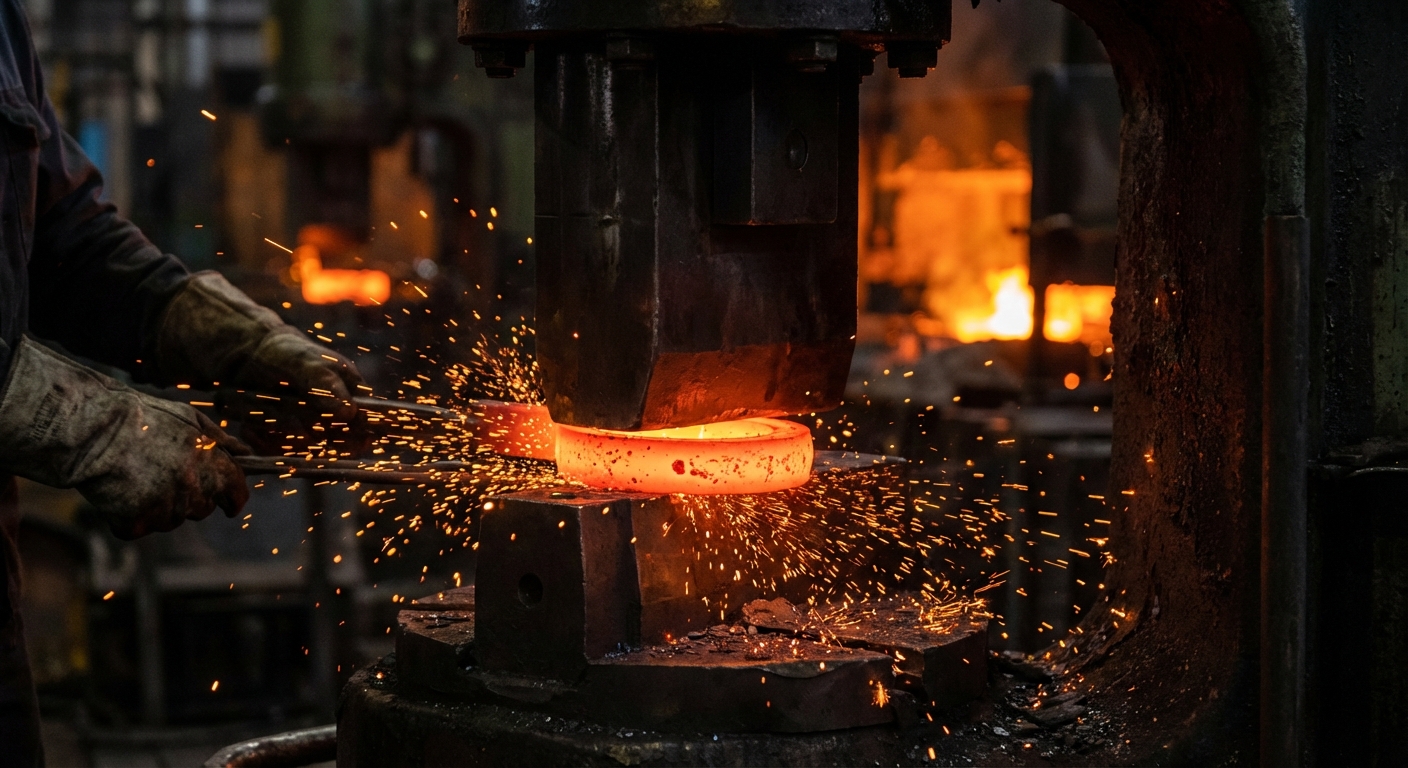
Zirconium is used as an alloying agent to improve the grain structure and strength of specialty steels and magnesium alloys. To understand what is zirconium used for in metallurgy, you must look at how it interacts with other metals at the molecular level. It acts as a powerful deoxidizer and grain refiner during the smelting process.
Strengthening stainless steel products
When you add a small amount of this metal to steel, it significantly increases the material’s impact resistance. This is vital for tools that must survive repeated heavy use without fracturing.
- Refines the grain size of the alloy.
- Increases resistance to stress-corrosion cracking.
- Improves weldability in complex structures.
Specialized aerospace and defense alloys
In the aerospace sector, weight-to-strength ratios are everything. Zirconium-magnesium alloys offer incredible strength while remaining light enough for flight applications.
| Alloy Type | Main Improvement | |
|---|---|---|
| Zr-Steel | Higher impact toughness | |
| Zr-Magnesium | Better creep resistance | |
| Zr-Copper | Enhanced electrical conductivity |
The strategic use of zirconium in alloying creates materials that can withstand the most punishing physical environments known to man.
Key Takeaway: Adding zirconium to metal alloys transforms standard materials into high-performance assets for heavy industry and aerospace.
What is zirconium used for in daily jewelry?
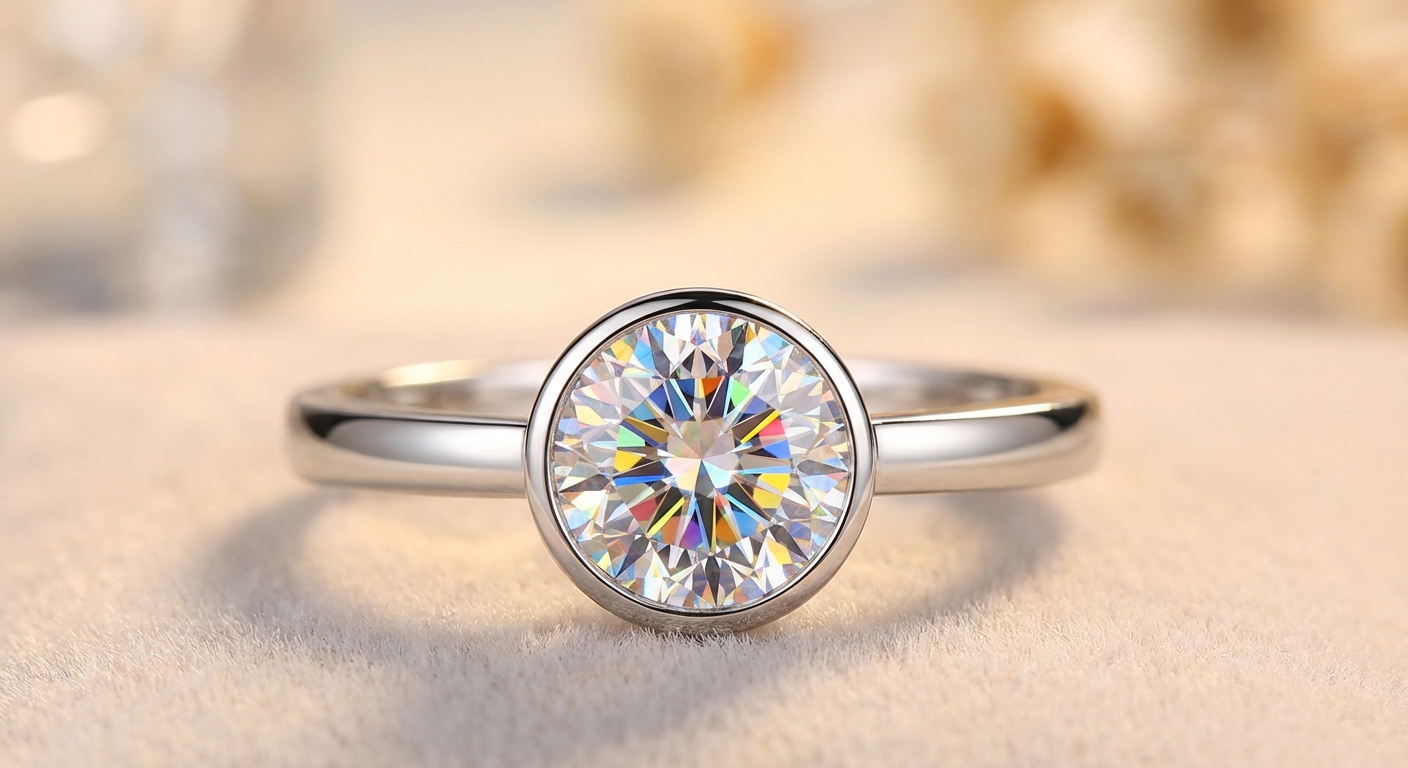
For consumer jewelry, zirconium is used to produce cubic zirconia, which is a high-quality and affordable diamond alternative. When you explore what is zirconium used for in the fashion world, you see its ability to mimic high-end gemstones perfectly. This synthetic crystal offers brilliance and fire that rivals natural diamonds at a fraction of the cost.
Creating synthetic cubic zirconia gems
You can find these stones in everything from engagement rings to high-fashion accessories. The manufacturing process involves heating zirconium oxide to extreme temperatures to form flawless crystals.
- Flawless clarity with no natural inclusions.
- Higher dispersion rate than diamonds for more “sparkle.”
- Available in a wide variety of lab-created colors.
Durable decorative metal accessories
Wait, there is more than just stones; the metal itself is becoming popular for wedding bands. Its hypoallergenic properties make it perfect for people who cannot wear traditional gold or silver.
| Feature | Cubic Zirconia | |
|---|---|---|
| Hardness | 8.5 on Mohs scale | |
| Refractive Index | 2.15 to 2.18 | |
| Price Point | Highly accessible for B2B retail |
The jewelry industry relies on the consistency and beauty of zirconium-based products to meet the demand for luxury-style items.
Key Takeaway: Zirconium provides the jewelry market with both the brilliance of simulated diamonds and the durability of hypoallergenic metal bands.
What is zirconium used for in refractories?
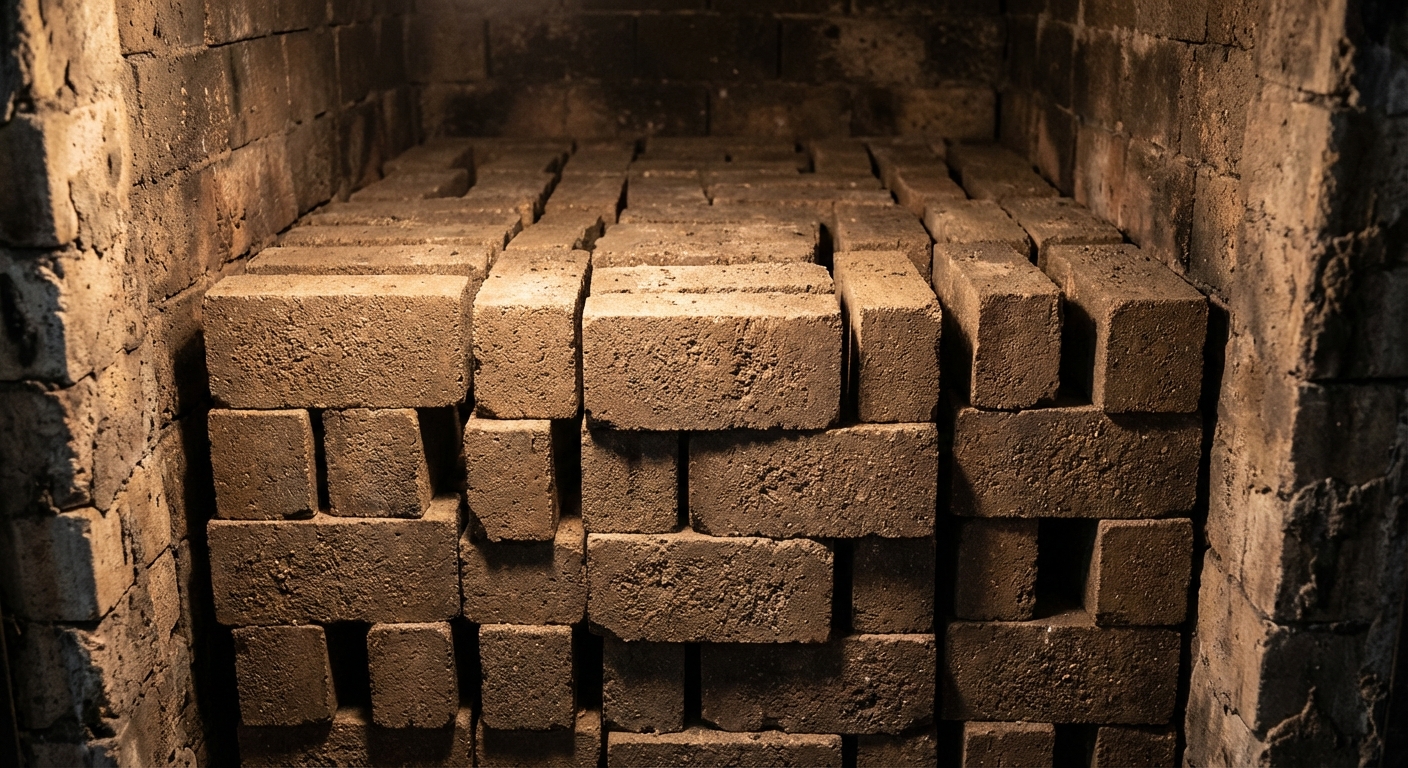
Zirconium is used in refractories to create industrial bricks and linings that resist extreme thermal shocks in high-heat kilns. If you investigate what is zirconium used for in glass and steel production, its high melting point is the primary factor. It keeps the furnace intact while molten materials are being processed inside.
Thermal shock resistant industrial bricks
Think about it: a sudden change in temperature can shatter standard bricks. Zirconium-based refractories can handle rapid heating and cooling cycles without cracking.
- Resistance to chemical erosion by molten glass.
- High mechanical strength at elevated temperatures.
- Low thermal conductivity to save energy.
High-purity sand and flour applications
You will often see zircon flour and sand products used as the base for these refractory materials. These sands are incredibly stable and do not expand much when heated.
| Product | Application | |
|---|---|---|
| Zircon Sand | Core making in foundries | |
| Zircon Flour | Fine-finish refractory washes | |
| Zircon Bricks | Glass furnace floor linings |
Using high-quality zircon materials in your refractory setup ensures a longer cycle time between expensive furnace rebuilds.
Key Takeaway: Zirconium is the backbone of high-temperature containment, protecting your equipment from thermal and chemical degradation.
What is zirconium used for in casting?
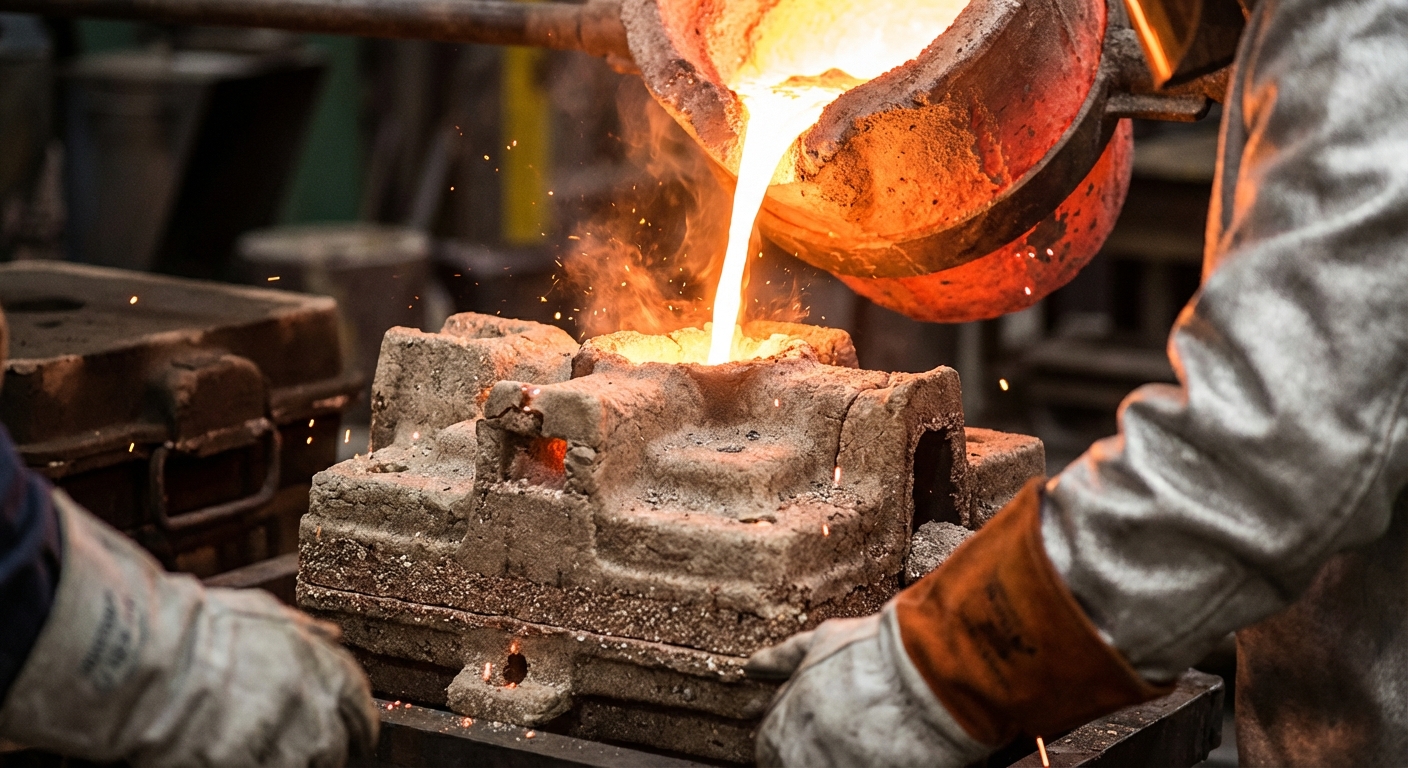
Investment casting processes utilize zirconium to build strong ceramic shells that maintain precision during the cooling of molten metal. When you ask what is zirconium used for in foundries, you will find it prevents the metal from reacting with the mold. This results in a much smoother surface finish on the final cast part.
Investment casting shell strength
Here is the deal: if the mold breaks, the entire production run is lost. Zirconium provides the necessary reinforcement to handle the weight and heat of liquid steel.
- High dimensional stability for complex parts.
- Easy removal of the shell after the metal cools.
- Reduced surface defects on the finished casting.
Precision molds for metal fabrication
You can achieve much tighter tolerances when using zirconium-based sands in your molding process. This reduces the amount of secondary machining required for your parts.
| Casting Factor | Zirconium Benefit | |
|---|---|---|
| Surface Finish | Ultra-smooth and clean | |
| Detail Retention | High precision for complex shapes | |
| Shell Life | Resistant to premature cracking |
Implementing zirconium into your casting workflow directly translates to lower scrap rates and higher quality control.
Key Takeaway: Foundries use zirconium to ensure that precision-engineered parts are produced with flawless surfaces and exact dimensions.
What is zirconium used for in sustainability?
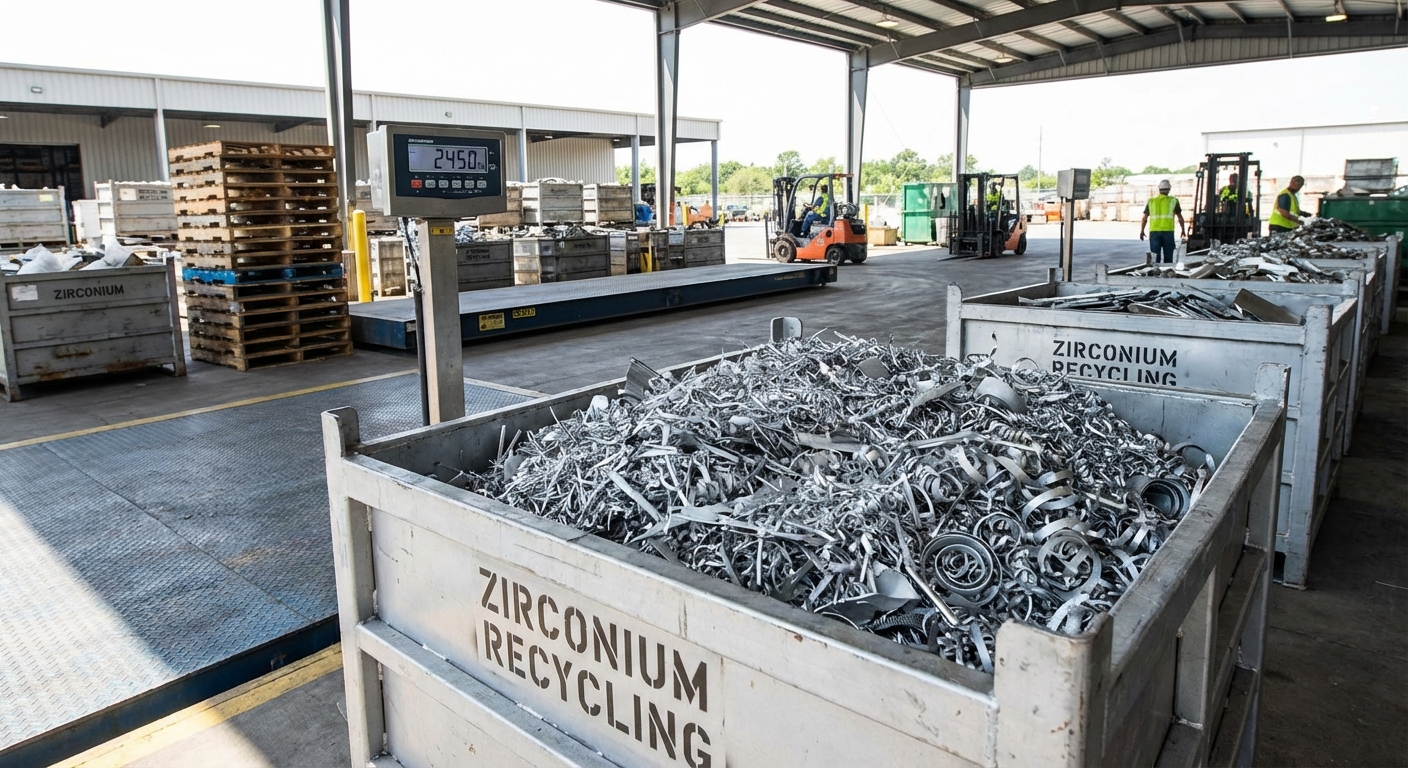
Modern sustainability efforts use zirconium by recycling metal scrap to reduce the environmental footprint of heavy manufacturing. When you look at what is zirconium used for in a green economy, its recyclability is a major advantage. It allows companies to recover valuable materials from end-of-life industrial components.
Recycling industrial metal scrap
Check this out: zirconium scrap is highly valuable because it can be re-melted without losing its core properties. This creates a circular economy for high-performance metals.
- Reduced need for invasive mining operations.
- Lower energy consumption compared to primary production.
- Significant cost savings for manufacturing facilities.
Managing environmental mining impacts
The best part? Because zirconium is often a byproduct of other mining activities, its extraction can be managed efficiently. Proper recycling programs further minimize the disruption to the landscape.
| Sustainability Goal | Zirconium Role | |
|---|---|---|
| Waste Reduction | Reclaiming shop turnings and scrap | |
| Resource Efficiency | Extending equipment life cycles | |
| Carbon Footprint | Lower energy re-melting processes |
Adopting a strategy that includes zirconium recycling helps your business meet ESG goals while maintaining high material standards.
Key Takeaway: Zirconium recycling is a critical component of sustainable industrial practices, offering both economic and environmental benefits.
Conclusion
Zirconium is far more than just a diamond substitute; it is a fundamental building block of modern industry, from nuclear reactors to precision medical implants. We believe that choosing the right material is the most important decision you can make for the longevity and safety of your operations. If you are ready to enhance your production quality with high-purity materials, talk to a material engineer to explore the best options for your specific needs. To start your next project with the highest quality standards, contact us today .
Frequently Asked Questions
1. Can I recycle zirconium scrap from my manufacturing facility? Yes, zirconium scrap, including turnings and solids, is highly recyclable and often carries significant market value for re-melting.
2. What’s the best zirconium alloy for high-heat environments? For extreme heat, Zircaloy-4 is often preferred due to its balanced mechanical strength and resistance to oxidation in high-temperature water.
3. How do I know if zirconium silicate is of high purity? High-purity silicate will have a consistent white color and a specific particle size distribution, usually verified through chemical analysis and whiteness testing.
4. Why is zirconium used specifically for nuclear fuel cladding? It is chosen because it has an extremely low probability of absorbing the neutrons needed to sustain the nuclear chain reaction.
5. Is zirconium a safe material for permanent dental implants? Absolutely, it is one of the most biocompatible materials available, showing excellent integration with bone and zero known allergic reactions in most patients.