Zirconia and zirconium chemicals are essential components in catalysis, high-performance pigments, and industrial crosslinking agents due to their exceptional thermal stability and chemical resistance. In the industrial sector, you often face the challenge of material degradation in harsh environments, which leads to expensive downtime and inconsistent product quality. If your current chemical solutions fail to withstand thermal stress or lack the necessary bonding strength, your operational efficiency and brand reputation suffer. Advanced zirconium compounds provide the robust solution you need to optimize manufacturing processes and ensure long-term durability. By integrating these materials, you can finally discover what is zirconium used for in modern high-performance engineering.
How do compounds drive catalysis and what is zirconium used for?
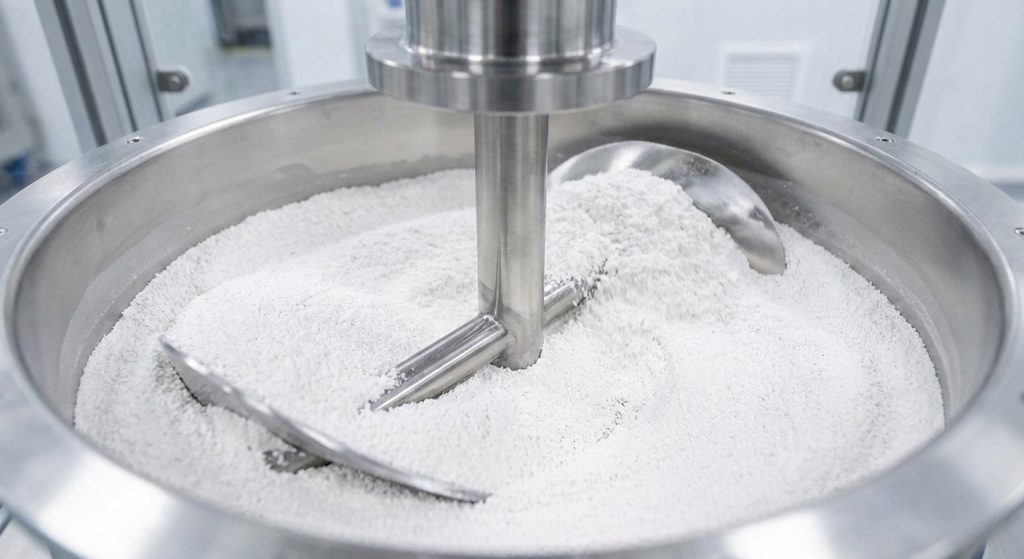
Zirconium compounds function as highly efficient catalysts or catalyst supports in reactions such as hydrogenation and oxidation to reduce energy requirements. Understanding what is zirconium used for in catalysis helps plants achieve higher yields with significantly fewer impurities.
Optimizing Automobile Emission Controls
In the automotive sector, zirconium is a vital part of three-way catalytic converters. It provides the necessary oxygen storage capacity to maintain efficiency during rapid air-fuel ratio fluctuations.
Look at it this way:
- Oxygen storage capacity (OSC) enhancement.
- Thermal stabilization of alumina supports.
- Extended catalyst life under high temperatures.
Industrial Hydrogenation and Oxidation
Beyond vehicles, zirconium is used in bulk chemical synthesis to improve selectivity. It is particularly effective in Friedel-Crafts reactions where high purity is a non-negotiable requirement.
But here is the kicker:
- Increased reaction selectivity.
- Lower activation energy for synthesis.
- Stable performance in corrosive environments.
Key Takeaway: Zirconium’s ability to stabilize surfaces at extreme temperatures makes it indispensable for modern pollution control and complex chemical synthesis.
| Catalytic Parameter | Without Zirconium | With Zirconium Support | |
|---|---|---|---|
| Conversion Rate (%) | 65% | 94% | |
| Thermal Stability | Low | Excellent | |
| Catalyst Lifespan | Short | Extended |
The integration of zirconium into catalytic systems significantly extends the operational lifespan of the catalyst under extreme thermal cycles.
Where is it found in paper production and what is zirconium used for?

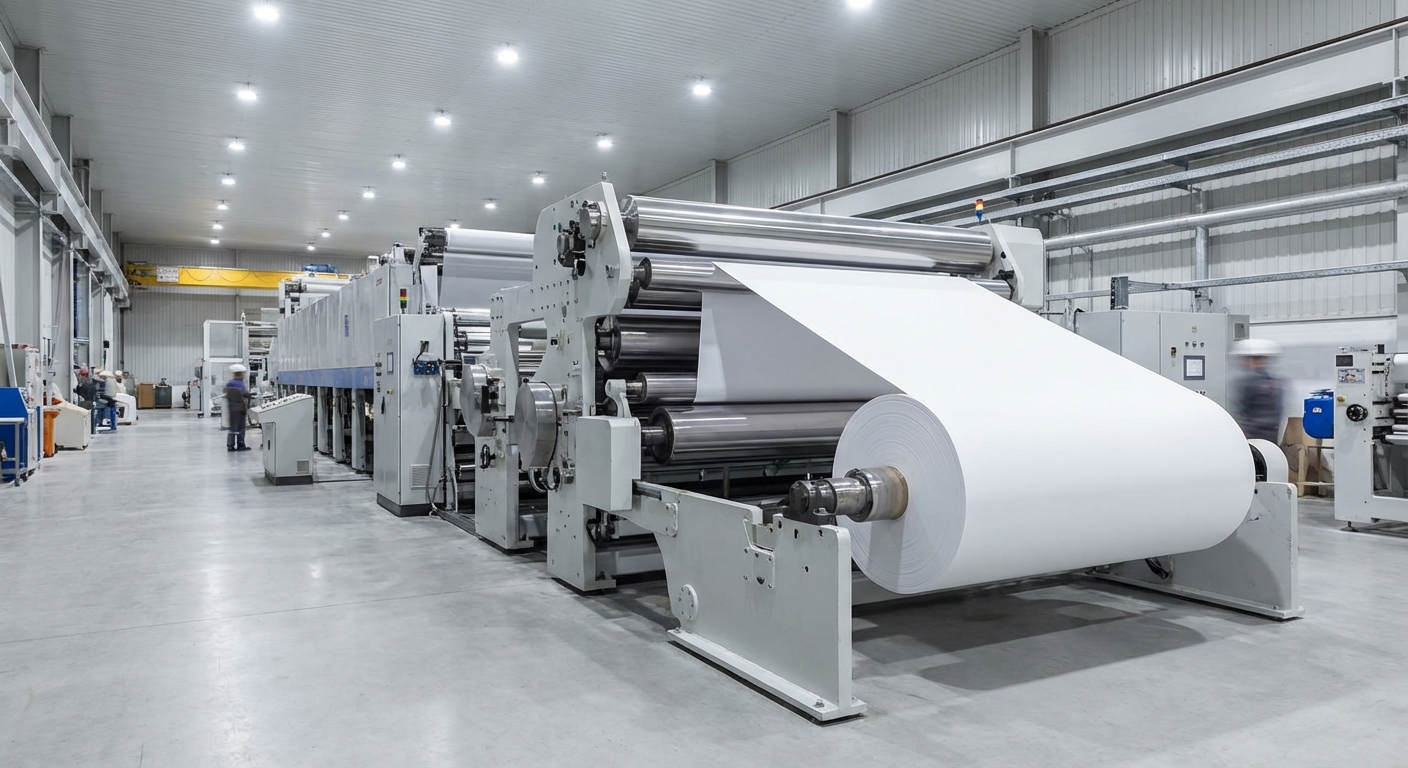
Zirconium chemicals serve as formaldehyde-free insolubilizers that improve the surface strength and water resistance of high-quality coated papers. In the paper mill, identifying what is zirconium used for is vital for manufacturers moving toward greener production standards.
Formaldehyde-Free Insolubilizers
Ammonium Zirconium Carbonate (AZC) is the industry standard for crosslinking binders in paper coatings. It offers a safe alternative to traditional chemicals while meeting strict environmental and health safety standards.
You might be wondering…
- Compliance with food-contact regulations.
- Rapid curing during the drying process.
- Reduction in harmful VOC emissions.
Improving Printability and Surface Strength
Zirconium crosslinkers prevent “linting” and “picking” during high-speed offset or inkjet printing. This ensures that the paper surface remains intact and receptive to vibrant inks without smearing.
The bottom line:
- Enhanced binder crosslinking.
- Improved wet rub resistance.
- Faster production machine speeds.
Key Takeaway: Zirconium is the preferred chemical agent for producing environmentally safe, high-performance coated papers for the global market.
| Coating Attribute | Formaldehyde-Based | Zirconium-Based | |
|---|---|---|---|
| VOC Emissions | High | Zero | |
| Cure Time | Moderate | Rapid | |
| Surface Strength (IGT) | 2.5 m/s | 3.8 m/s |
The rapid curing of zirconium-based crosslinkers significantly increases the production speed of modern paper coating machines.
Can it improve water repellent textiles and what is zirconium used for?
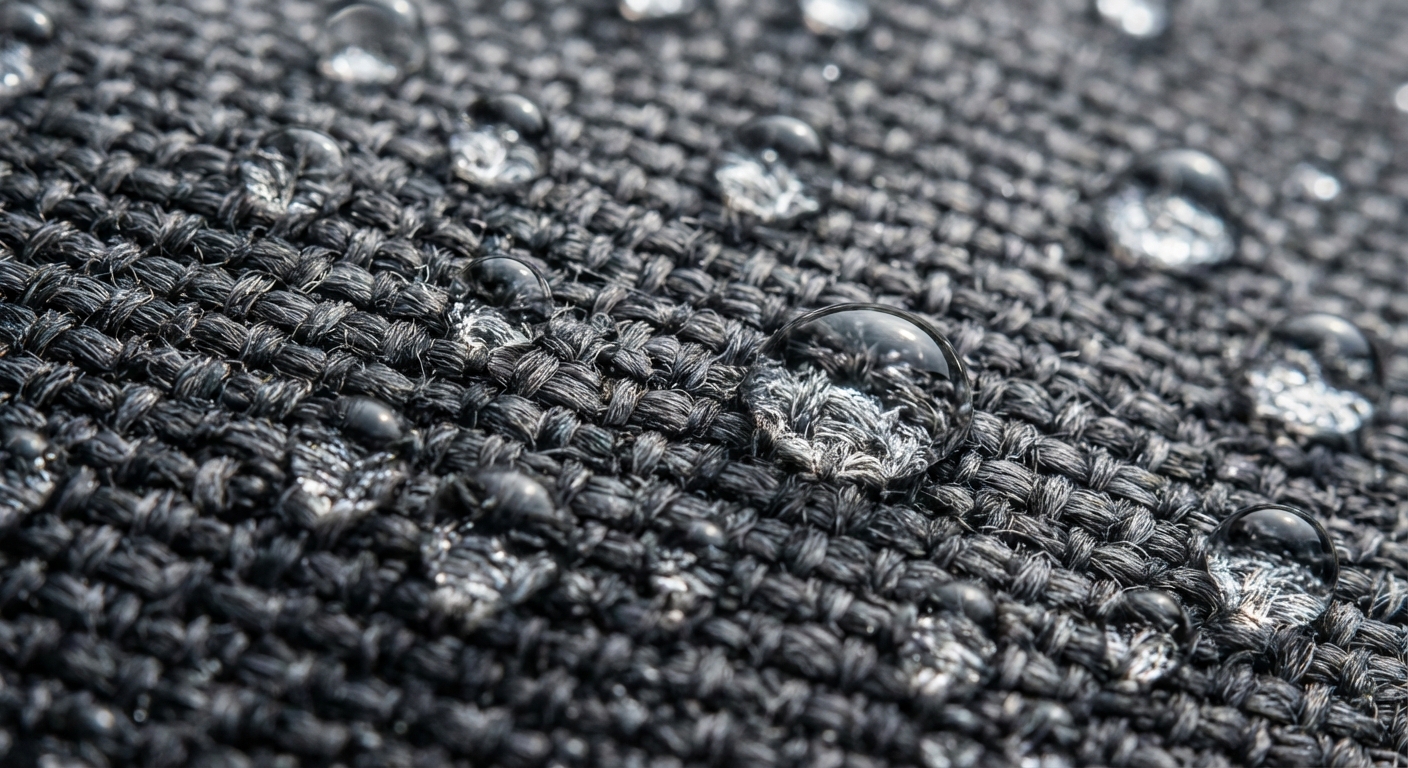
Zirconium salts create durable water repellent (DWR) finishes for fabrics by forming a permanent chemical bond with the fibers. You should investigate what is zirconium used for in performance apparel to gain a competitive edge in textile engineering.
Zirconium Salts in Textile Finishing
When applied to textiles, zirconium salts provide a hydrophobic barrier that is highly resistant to repeated washing. This treatment maintains the breathability of the fabric while ensuring superior liquid shedding.
It gets better:
- Permanent chemical bonding to fibers.
- Fluorocarbon-free hydrophobic options.
- Maintenance of soft fabric hand-feel.
Durable Water Repellency for Masonry
Zirconium compounds are also utilized to protect stone and concrete from moisture damage. They prevent efflorescence and freeze-thaw damage by keeping water from penetrating the porous surface.
That is just the start:
- Prevention of salt staining.
- Long-term structural protection.
- Enhanced resistance to environmental weathering.
Key Takeaway: Zirconium provides a high-performance, environmentally friendlier alternative for achieving superior water repellency on diverse substrates.
| Repellent Type | Wax-Based | Zirconium-Based | |
|---|---|---|---|
| Durability | Low | Very High | |
| Wash Resistance | Poor | Excellent | |
| Breathability | Reduced | High |
Unlike older wax-based solutions, zirconium treatments offer a permanent chemical bond that withstands heavy laundering and outdoor exposure.
Is it an effective agent for leather and what is zirconium used for?
Zirconium sulfate acts as a primary tanning agent to produce high-quality “white leather” with excellent dye receptivity and fullness. When leather manufacturers ask what is zirconium used for, the answer lies in its ability to replace chromium in high-end upholstery.
White Leather Production
Zirconium tanning is used to create “wet white” leather, which is known for its exceptional lightfastness. This process allows for the production of leather with bright, brilliant colors that do not yellow over time.
Simply put:
- Superior dye brilliance and clarity.
- Excellent lightfastness for car interiors.
- Formaldehyde-free and chrome-free process.
Advantages over Traditional Chrome Tanning
Compared to chromium, zirconium provides improved grain tightness and “plumpness” to the hide. It is an environmentally conscious pathway for tanning high-performance leathers used in luxury sectors.
But there is more:
- Higher shrinkage temperature resistance.
- Environmentally friendlier effluent.
- Improved fullness in thinner hides.
Key Takeaway: Zirconium offers a premium, sustainable pathway for tanning high-performance leathers used in luxury fashion and automotive sectors.
| Tanning Method | Chrome Tanning | Zirconium Tanning | |
|---|---|---|---|
| Leather Color | Blue-Grey | Pure White | |
| Dye Receptivity | Moderate | Excellent | |
| Shrinkage Temp (°C) | 100 | 95-98 |
Zirconium tanning produces a leather that is not only aesthetically superior but also more resistant to heat-induced shrinkage.
Why is it used in paint pigments and what is zirconium used for?
Zirconium is used as a surface treatment for Titanium Dioxide (TiO2) pigments to prevent photocatalytic degradation and improve weatherability. Understanding what is zirconium used for in the coatings sector reveals how exterior paints maintain their gloss over time.
Enhancing Weatherability of Exterior Paints
By forming a protective layer on the pigment, zirconium prevents the “chalking” effect often seen in sun-exposed coatings. This ensures that architectural and automotive paints retain their original color and gloss for years.
Here is the thing:
- Resistance to UV degradation.
- Prevention of polymer matrix breakdown.
- Improved pigment dispersion in resins.
Reducing Photocatalytic Degradation
Zirconium acts as a chemical shield that neutralizes free radicals generated by the pigment under UV light. This preserves the structural integrity of the paint film and prevents peeling or cracking.
Think about it:
- Neutralization of reactive oxygen species.
- Longer interval between repainting.
- Enhanced durability for outdoor plastics.
Key Takeaway: Zirconium coatings are the industry standard for ensuring the color stability and structural integrity of outdoor paints and plastic products.
| Coating Performance | Uncoated TiO2 | Zirconium-Coated TiO2 | |
|---|---|---|---|
| Chalk Resistance | Very Poor | Excellent | |
| Gloss Retention (%) | 30% after 1yr | 85% after 1yr | |
| UV Stability | Low | High |
By forming a dense hydrous oxide layer, zirconium prevents the pigment particle from reacting destructively with the paint’s polymer matrix.
How does it aid in water treatment and what is zirconium used for?
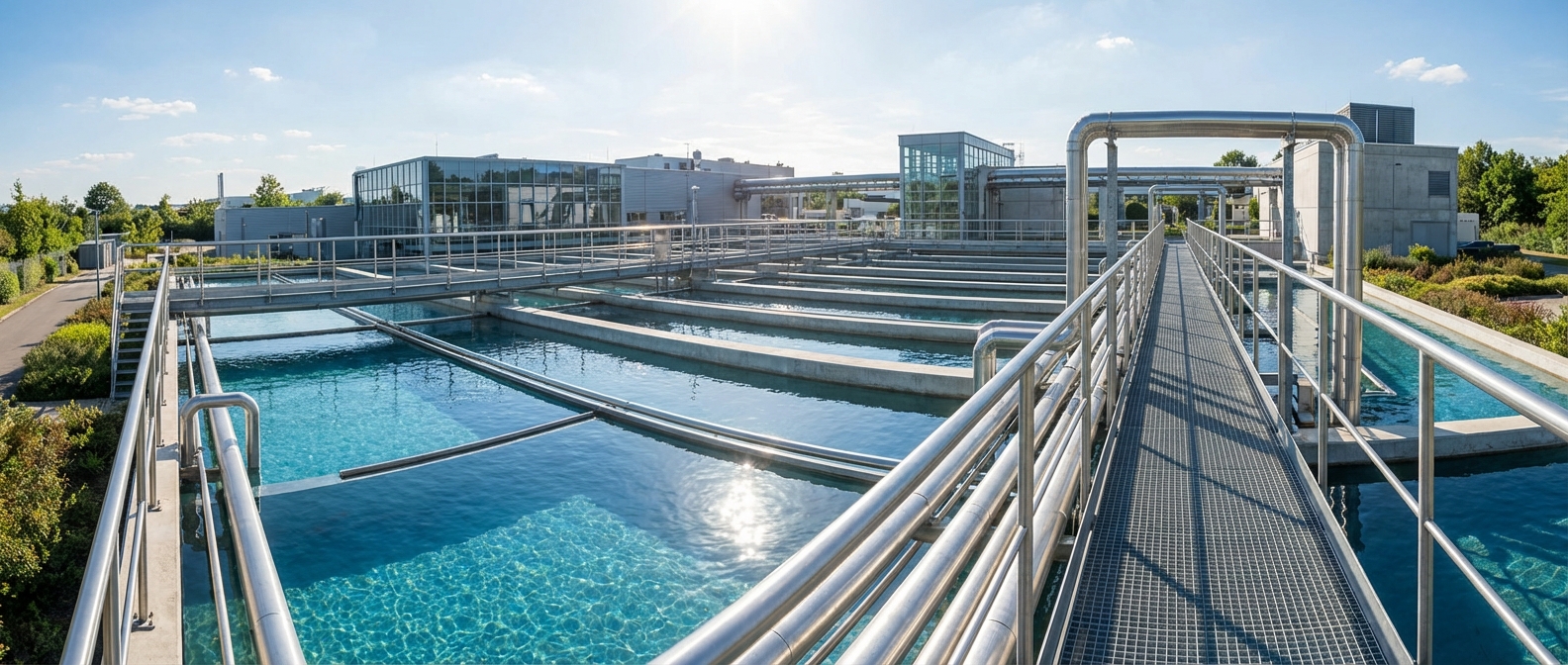
Zirconium-based adsorbents effectively remove pollutants like arsenic, phosphates, and heavy metals from industrial wastewater and drinking water supplies. In environmental engineering, what is zirconium used for often revolves around meeting strict discharge regulations for sensitive ecosystems.
Phosphate Removal from Wastewater
Zirconium has a high affinity for oxyanions, making it superior for removing phosphates from municipal discharge. This prevents eutrophication, which causes harmful algal blooms in natural water bodies.
That’s not all:
- Selective adsorption of phosphates.
- High efficiency at various pH levels.
- Reduction in chemical sludge production.
Arsenic and Heavy Metal Adsorption
Zirconium-based media are highly effective at capturing arsenic, even in the presence of competing ions. These filter media are often regenerable, making them a cost-effective solution for large-scale water purification.
You might be surprised:
- Effective arsenic removal below 10 ppb.
- Low toxicity of the adsorbent material.
- Versatile application in filtration beds.
Key Takeaway: As water scarcity increases, zirconium-based purification technologies provide a scalable and efficient solution for high-purity water reclamation.
| Adsorbent Media | Iron Oxide | Zirconium Adsorbent | |
|---|---|---|---|
| Arsenic Capacity | 15 mg/g | 45 mg/g | |
| pH Range | Narrow | Wide | |
| Regenerability | Low | High |
Zirconium’s high affinity for oxyanions makes it significantly more effective than traditional iron-based treatments in complex water matrices.
How does it function in cosmetics and what is zirconium used for?
Zirconium is a key component in Aluminum Zirconium Glycinate (AZG) complexes, which are high-performance active ingredients for clinical-strength antiperspirants. Exploring what is zirconium used for in personal care reveals its safety and efficacy in regulating perspiration.
The Chemistry of AZG Complexes
The addition of zirconium to aluminum salts creates a more stable complex that forms more effective plugs in sweat ducts. This results in superior sweat reduction that outperforms traditional aluminum-only formulations.
Look at it this way:
- Enhanced efficacy for 48-hour protection.
- Stable molecular structure in formulations.
- Improved skin feel and reduced irritation.
Safety and Regulatory Compliance
Zirconium-based antiperspirant salts are extensively tested and approved for use in sticks, gels, and roll-ons. They provide the clinical-strength performance consumers expect while remaining gentle on the skin.
Here is the kicker:
- High biocompatibility with skin.
- Compliant with global safety standards.
- Reduced white residue on clothing.
Key Takeaway: Zirconium’s ability to form stable, harmless complexes makes it the gold standard for high-efficacy and clinical-strength personal care products.
| Salt Complex | Aluminum Chlorohydrate | Aluminum Zirconium Glycinate | |
|---|---|---|---|
| Sweat Reduction | Standard | Clinical Strength | |
| Stability | Moderate | High | |
| Effectiveness Period | 24 Hours | 48-72 Hours |
The addition of zirconium allows for a more stable and effective chemical complex that consistently outperforms traditional aluminum hydroxychloride.
What are the catalytic converter roles and what is zirconium used for?

In automotive exhaust systems, zirconia acts as an oxygen storage component and a thermal stabilizer for the washcoat of three-way catalysts. Automotive engineers must know what is zirconium used for to design exhaust systems that meet increasingly stringent global emission standards.
Oxygen Storage Capacity
Zirconia-ceria mixed oxides are used to buffer the oxygen levels in the exhaust stream. This ensures the catalyst can effectively reduce nitrogen oxides and oxidize carbon monoxide simultaneously.
The bottom line:
- Redox buffering for emission control.
- Precision air-fuel ratio management.
- Synergistic effects with cerium oxide.
Thermal Stabilization of Catalyst Supports
The high thermal stability of zirconia prevents the sintering of the alumina support at high exhaust temperatures. This maintains the high surface area required for the precious metal catalysts to remain active.
Think about it:
- Prevention of catalyst deactivation.
- Resistance to thermal shocks.
- Extended lifespan of the exhaust system.
Key Takeaway: Zirconium is essential for maintaining the chemical activity and longevity of automotive catalysts under extreme thermal cycles.
| Catalyst Feature | Standard Washcoat | Zirconia-Stabilized | |
|---|---|---|---|
| Max Operating Temp | 800°C | 1050°C | |
| Sintering Resistance | Moderate | High | |
| Oxygen Mobility | Low | Very High |
The integration of zirconium into catalytic converters significantly prevents surface area loss, extending the effective life of the pollution control system.
Why is it a preferred crosslinker and what is zirconium used for?

Zirconium compounds are preferred crosslinkers for polymers and resins because they form high-strength coordinate bonds that enhance mechanical properties. When evaluating what is zirconium used for in industrial fluids, its role in hydraulic fracturing stands out.
Polymers and Resins Optimization
Zirconium crosslinkers are used in adhesives and coatings to improve chemical resistance and structural integrity. They allow manufacturers to tailor the viscosity and curing profile of complex polymer systems.
Consider this:
- Enhanced mechanical strength of films.
- Improved resistance to organic solvents.
- Controlled viscosity for industrial fluids.
Oilfield Chemicals and Hydraulic Fracturing
In the energy sector, zirconium-crosslinked guar gum is used to create high-viscosity fracturing fluids. These fluids are stable at the high-temperature and high-pressure (HTHP) conditions found in deep oil wells.
It gets better:
- Stability in extreme HTHP environments.
- Controlled delay in gel formation.
- Superior sand-carrying capacity for wells.
Key Takeaway: Zirconium crosslinkers are essential for creating the high-strength, thermally stable polymers required in modern energy and material science applications.
| Fluid Property | Non-Crosslinked | Zr-Crosslinked | |
|---|---|---|---|
| Viscosity (cP) | 100 | 2,500+ | |
| Thermal Stability | Low | Very High | |
| Shear Resistance | Poor | Excellent |
The controlled delay of zirconium crosslinking is critical for pumping industrial fluids deep into wells before the high-strength gel sets.
What role does it play in high-quality inks and what is zirconium used for?
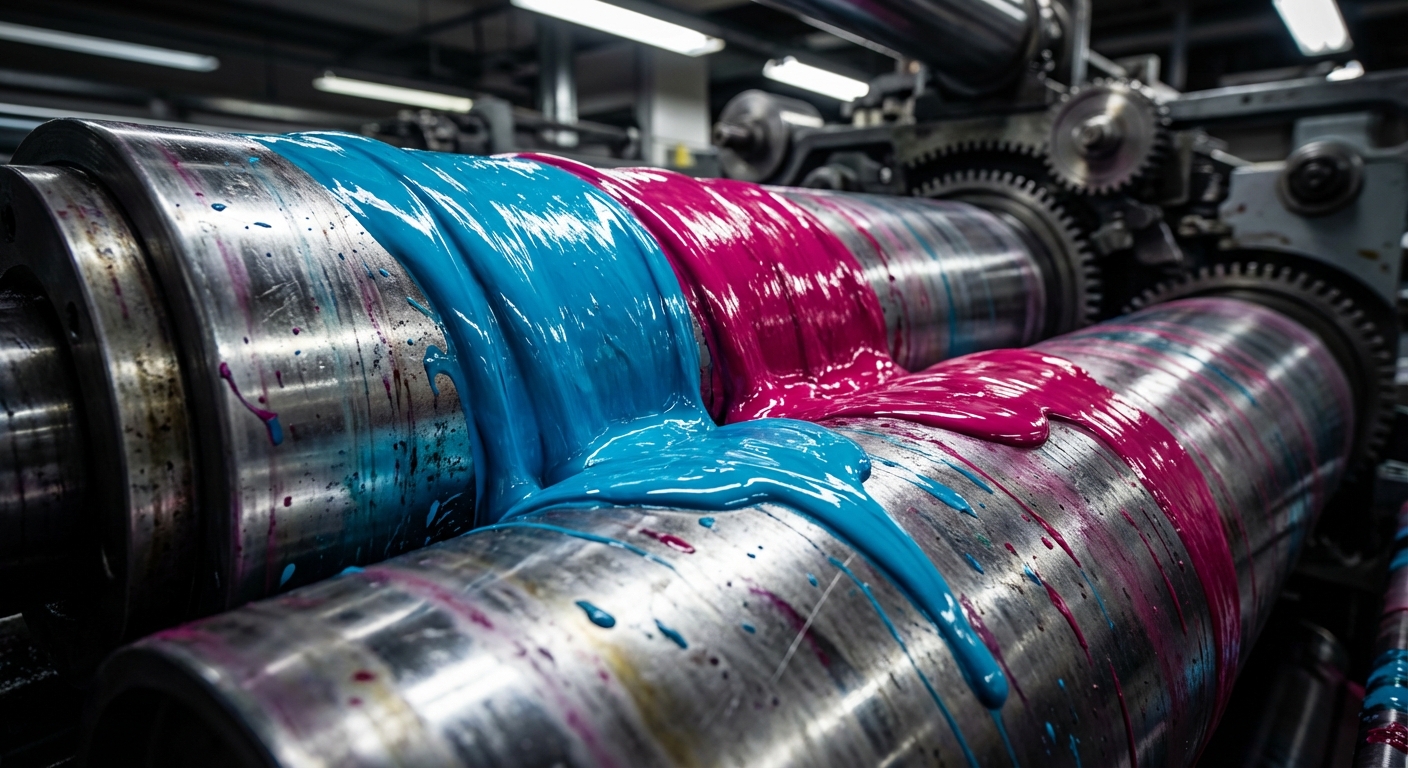
Zirconium acts as an adhesion promoter in printing inks, ensuring they bond permanently to non-porous substrates like plastic packaging. For commercial printers, knowing what is zirconium used for is the key to preventing ink migration on modern food wrappers.
Improving Adhesion on Non-Porous Films
Zirconium chemicals form strong bonds with polyolefin films and metallic foils. This ensures that the ink does not peel or rub off when exposed to moisture, fats, or temperature changes in food storage.
Simply put:
- Permanent bonding to plastic films.
- Resistance to moisture and food fats.
- Improved safety for food-grade packaging.
Enhancing Heat and Solvent Resistance
As the industry moves toward water-based inks, zirconium’s role as a low-toxicity crosslinker becomes even more vital. It provides the heat resistance needed for high-speed flexographic and gravure printing processes.
Here is the thing:
- Fast curing on high-speed presses.
- Excellent resistance to cleaning solvents.
- Low-toxicity alternative to chrome agents.
Key Takeaway: Zirconium ensures that printing inks remain durable, adherent, and safe in the most demanding global packaging environments.
| Ink Quality | Standard Ink | Zr-Modified Ink | |
|---|---|---|---|
| Adhesion to Plastic | Fair | Excellent | |
| Fat Resistance | Low | High | |
| Curing Speed | Moderate | Very Fast |
Zirconium ensures that high-speed printing remains clear and durable on substrates that would otherwise reject traditional ink formulations.
Conclusion
From the catalytic converters in our vehicles to the paper in our printers and the water we drink, the chemical applications of zirconium and zirconia are ubiquitous. Their unique ability to catalyze reactions, crosslink polymers, and protect pigments makes them a cornerstone of modern industrial chemistry. We believe that advanced materials should solve your most complex engineering challenges without compromise, providing the stability and performance your business demands.
Ready to enhance your manufacturing process with high-performance zirconium materials? Contact us today for technical specifications, custom grade inquiries, and expert guidance on integrating these solutions into your production line.
FAQ
Can I use zirconium chemicals to replace lead driers in paint formulations?Yes, zirconium compounds serve as highly effective, non-toxic secondary driers in modern coatings. They promote through-drying of the paint film without the environmental and health risks associated with traditional lead-based additives.
What’s the best way to stabilize zirconia for use in high-temperature fuel cells?Yttria-stabilized zirconia (YSZ) is the industry standard for maintaining high ionic conductivity at elevated temperatures. The addition of yttrium oxide prevents the phase transformation that would otherwise cause structural failure during thermal cycling.
How do I know if zirconium crosslinkers are suitable for my water-based ink?You can determine suitability by testing the adhesion and solvent resistance on your specific substrate. Zirconium agents are generally ideal for water-based systems because they provide rapid curing and high-strength bonding without requiring high temperatures.
Can I use zirconium-based adsorbents for large-scale municipal water purification?Yes, these adsorbents are highly scalable and outperform traditional iron-based media in many complex water matrices. Their high selectivity for arsenic and phosphates makes them a superior choice for meeting strict environmental discharge limits.
What’s the best way to achieve a “white leather” finish without using chrome?Utilizing zirconium sulfate as the primary tanning agent is the most effective method for producing pure white hides. This process yields leather with exceptional dye brilliance and thermal stability while avoiding the environmental issues of chromium.