Zirconium achieves its extreme heat and corrosion resistance through the formation of a dense, stable oxide layer that protects the underlying metal from chemical attack and thermal degradation even at temperatures exceeding 1,800°C. You likely struggle with industrial components that fail prematurely under aggressive acid exposure or intense thermal cycling, leading to expensive downtime. These failures agitate your production schedules and inflate maintenance budgets, making reliability a distant dream. By integrating high-performance alloys into your workflow, you solve these durability issues and ensure long-term operational stability. Understanding what is zirconium used for allows you to select materials that thrive where standard stainless steels and even titanium alloys typically buckle.
What are the primary origins of zirconium metal?
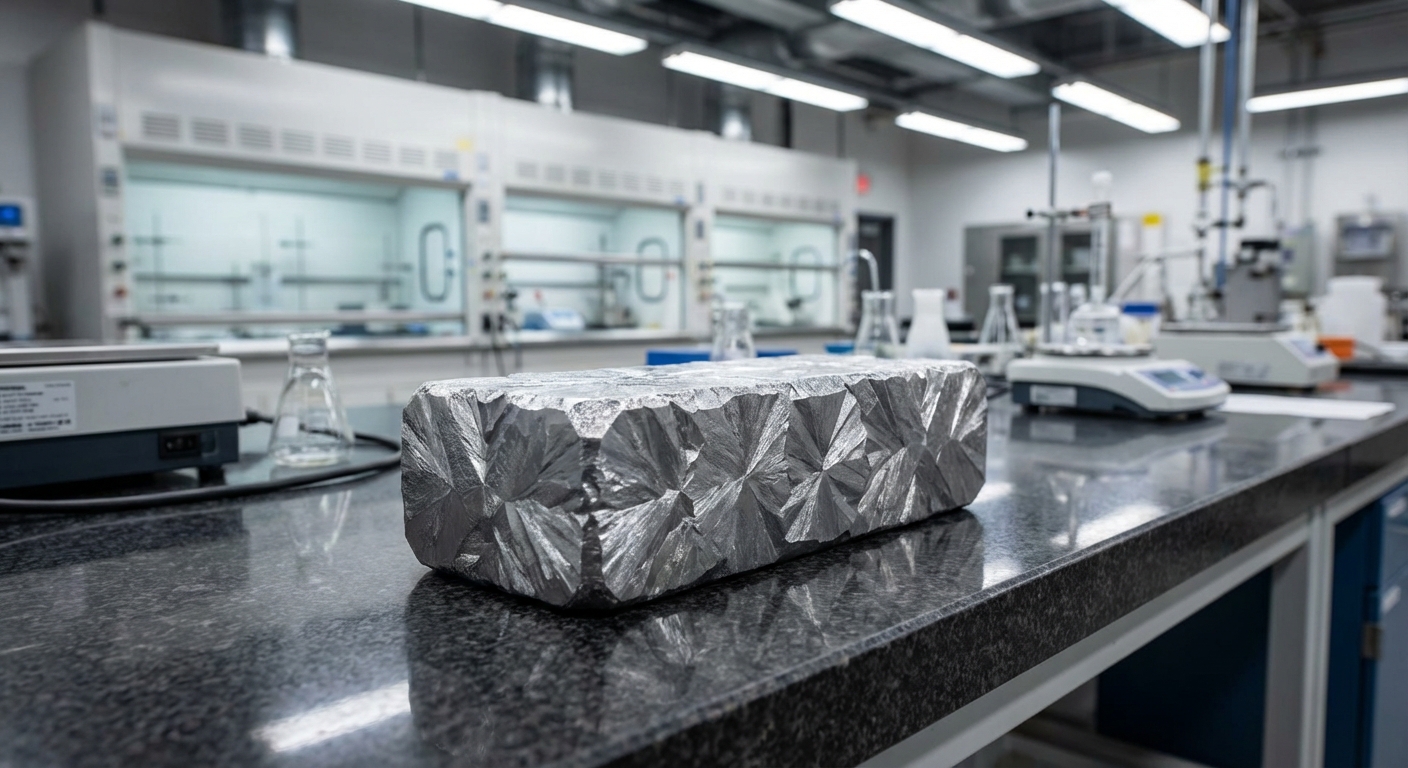
Zirconium is a transition metal primarily derived from the mineral Zircon (ZrSiO4), which is often extracted as a byproduct during the mining of titanium and tin. When researching what is zirconium used for , you will find that it was discovered in 1789 but requires complex chemical processes to be isolated into the silvery-grey metal seen in industrial applications. This material is abundant in the Earth’s crust, with major production hubs located in Australia, South Africa, and Russia.
Extraction and purity challenges
The process of converting raw mineral sand into high-purity metal is intensive because zirconium is always found with its chemical “twin,” hafnium. You must ensure the removal of hafnium for specific applications, particularly when nuclear-grade purity is required.
Here is the deal: The separation process is what makes high-purity zirconium a premium strategic material.
- Mineral source: Zircon sand.
- Byproduct extraction: Linked to Titanium and Tin mining.
- Physical state: Lustrous, silvery-grey transition metal.
Key Takeaway: Understanding the raw origins of this metal helps you appreciate the rigorous processing required to achieve the high-purity standards needed for your critical industrial components.
| Origin Factor | Detail | |
|---|---|---|
| Atomic Number | 40 | |
| Primary Mineral | Zircon (ZrSiO4) | |
| Global Sources | Australia, South Africa, Brazil | |
| Key Byproduct | Hafnium |
Strategic sourcing of raw materials ensures your production remains unaffected by global supply fluctuations.
Why is zirconium so resistant to high heat?
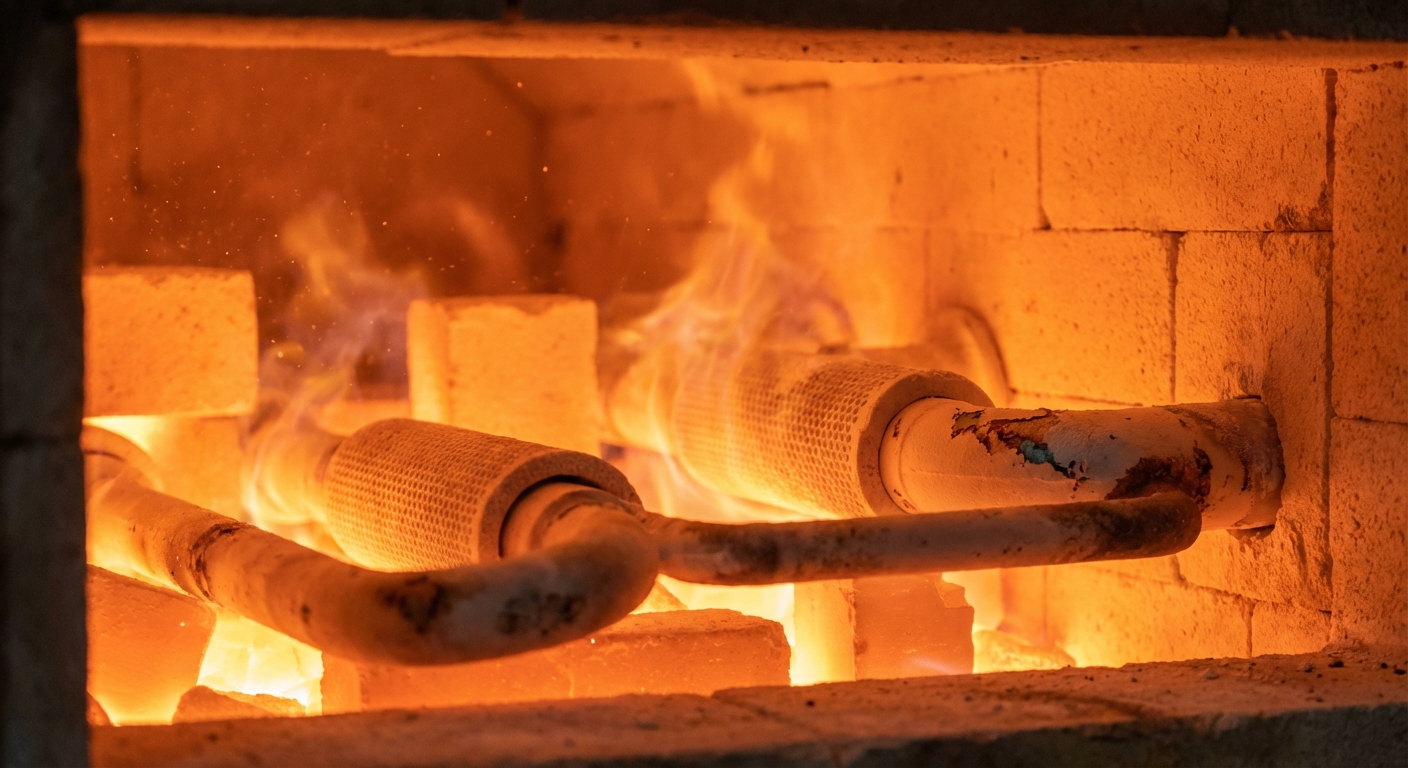
Zirconium maintains exceptional structural integrity at high temperatures because it possesses a remarkably high melting point of 1,855°C (3,371°F). When determining what is zirconium used for, you should consider its ability to remain dimensionally stable in environments where traditional metals would soften or oxidize. This thermal stability makes it an ideal choice for lining high-temperature furnaces and manufacturing specialized crucibles.
Thermal expansion and conductivity
You benefit from the metal’s low coefficient of thermal expansion, which prevents cracking during rapid heating and cooling cycles. This property allows your equipment to survive thermal shock that would shatter less resilient ceramic or metallic linings.
Think about it: If your material can’t handle the heat, your entire process risks a catastrophic shutdown.
- Melting point: 1,855°C.
- Thermal expansion: Exceptionally low.
- High-heat utility: Furnace linings and aerospace components.
Key Takeaway: Utilizing materials with high thermal stability protects your machinery from melting or warping, significantly extending the service life of your high-temperature assets.
| Thermal Property | Industrial Advantage | |
|---|---|---|
| Melting Point | 1,855°C | |
| Thermal Shock | High Resistance | |
| Stability | Maintains shape under stress | |
| Oxidization | Forms protective layer at high heat |
Investing in heat-resistant alloys prevents structural failure in extreme processing environments.
What is zirconium used for in nuclear energy?
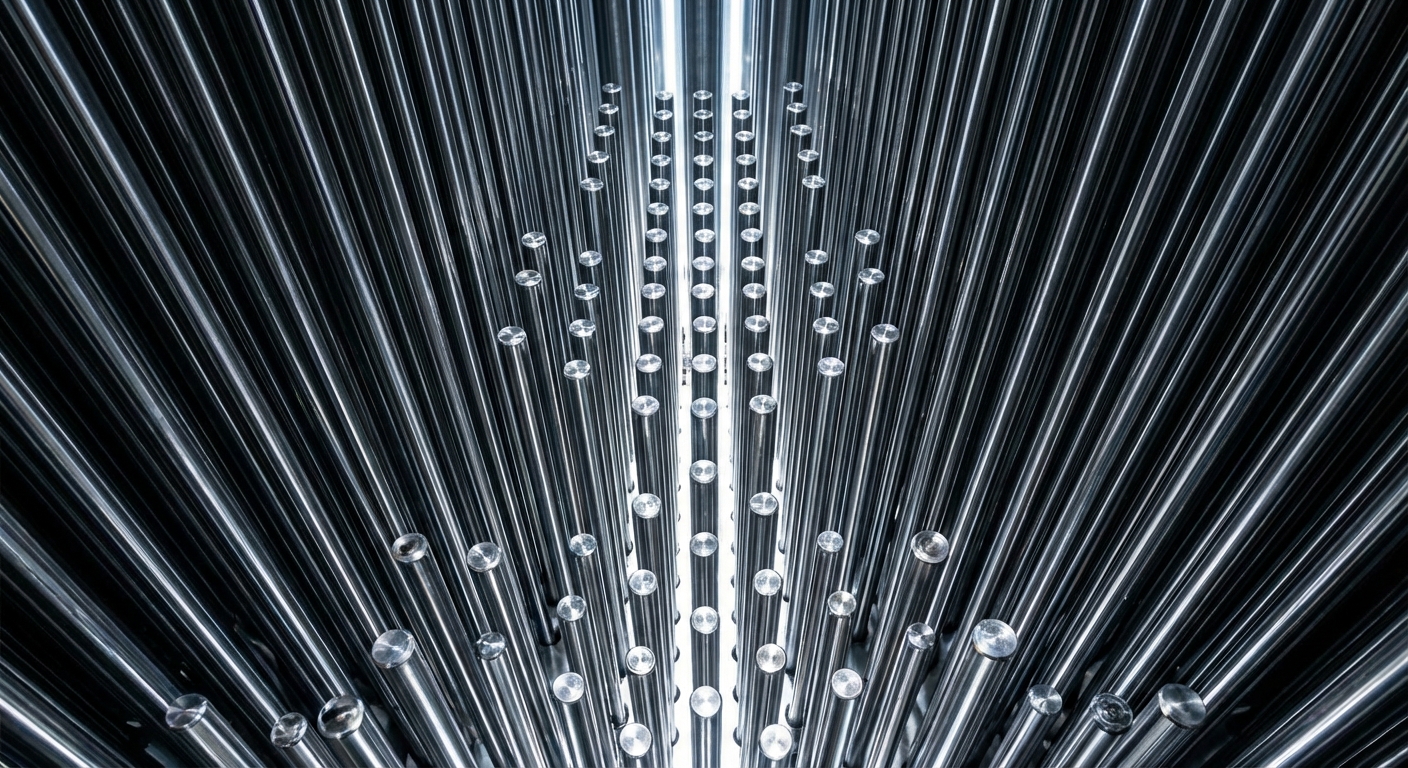
In the nuclear sector, what is zirconium used for is primarily defined by its “neutron transparency,” meaning it has an incredibly low thermal neutron absorption cross-section. This unique physical property allows neutrons to pass through the metal freely, which is essential for maintaining an efficient nuclear fission reaction. Approximately 90% of global zirconium production is dedicated to this industry to ensure reactor efficiency and safety.
Zircaloy and fuel rod cladding
You will find zirconium alloyed into “Zircaloy” to serve as the protective cladding for uranium fuel rods. This cladding acts as a vital barrier that prevents the radioactive fuel from reacting with cooling water even at 750°C.
But wait, there is more: The metal is also essential for safely stopping reactions by acting as a housing for control rods.
- Primary Alloy: Zircaloy (95%+ Zirconium).
- Absorption Rate: Lowest among structural metals.
- Corrosion: Resists hot water and steam erosion.
Key Takeaway: Zirconium’s unique interaction with neutrons makes it a non-negotiable material for safe and efficient carbon-free energy production in modern nuclear facilities.
| Nuclear Role | Specific Benefit | |
|---|---|---|
| Fuel Cladding | Prevents fuel-water reactions | |
| Neutron Economy | Maximizes fission efficiency | |
| Corrosion Defense | Withstands 750°C steam | |
| Safety Barrier | Contains radioactive materials |
The efficiency of a nuclear reactor depends directly on the quality of the zirconium alloys used in its core.
How does it protect chemical manufacturing plants?
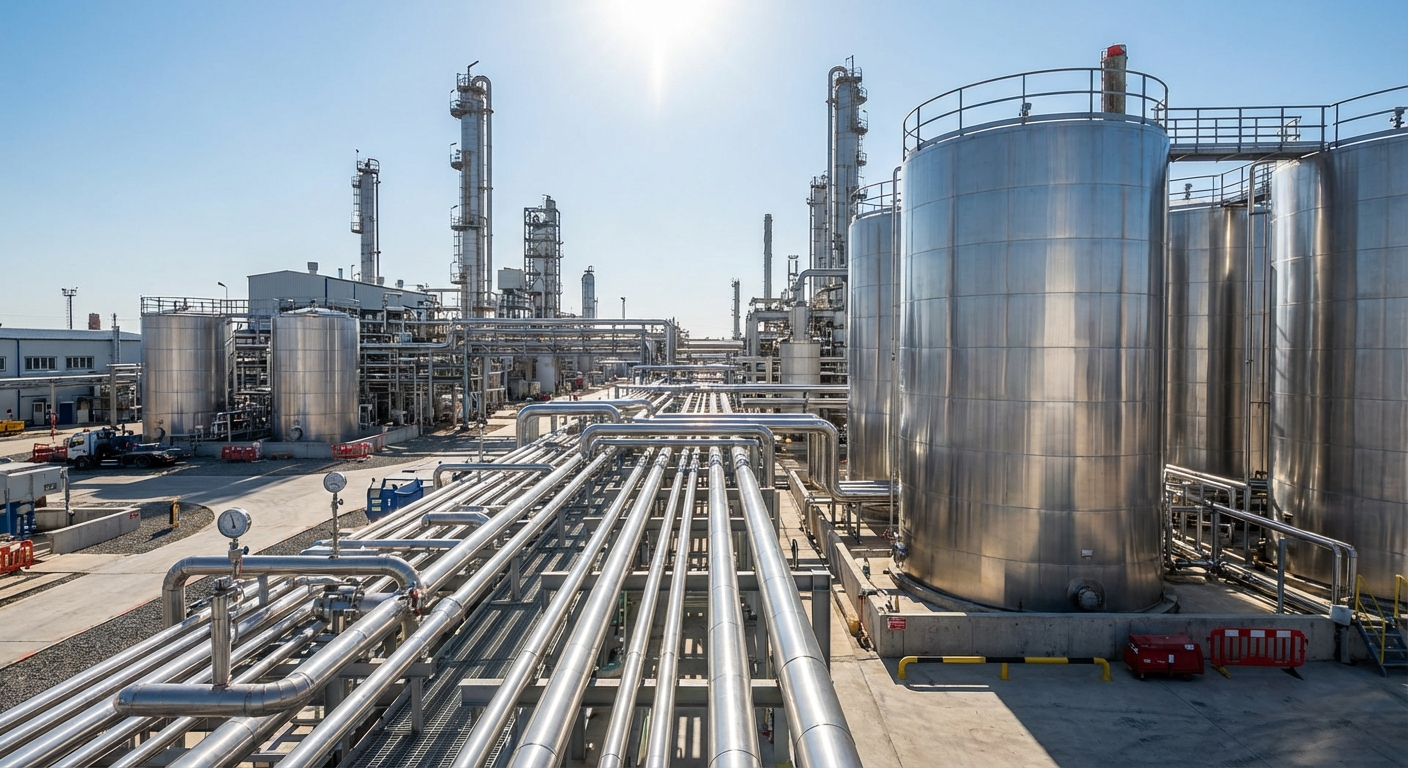
Zirconium protects chemical manufacturing plants by offering near-total immunity to corrosion from highly aggressive substances like hydrochloric and sulfuric acids. When you analyze what is zirconium used for in these environments, you will see it lining the heat exchangers, valves, and pump systems that handle volatile chemical flows. Its ability to form a self-healing oxide layer ensures that even if the surface is scratched, the protection is restored instantly.
Defense against mineral acids
You can significantly reduce maintenance costs by using zirconium in processes involving urea or nitric acid production. While stainless steel might last months, zirconium components often last decades in the same corrosive environment.
Look closer: It is the ultimate insurance policy against leaks and equipment erosion in hazardous chemical zones.
- Acid Resistance: Superior in HCL and H2SO4.
- Alkali Resistance: Excellent in strong bases.
- Lifespan: Up to 10x longer than traditional alloys.
Key Takeaway: Choosing high-corrosion-resistant materials for your chemical pipelines eliminates the risk of toxic leaks and unplanned environmental safety shutdowns.
| Chemical Exposure | Zirconium Performance | |
|---|---|---|
| Hydrochloric Acid | Total resistance at all concentrations | |
| Sulfuric Acid | Excellent up to high temperatures | |
| Nitric Acid | Exceptional durability | |
| Urea Processing | Standard industry choice |
Eliminating corrosion at the source is the most cost-effective way to manage industrial chemical infrastructure.
What is zirconium used for in ceramic production?
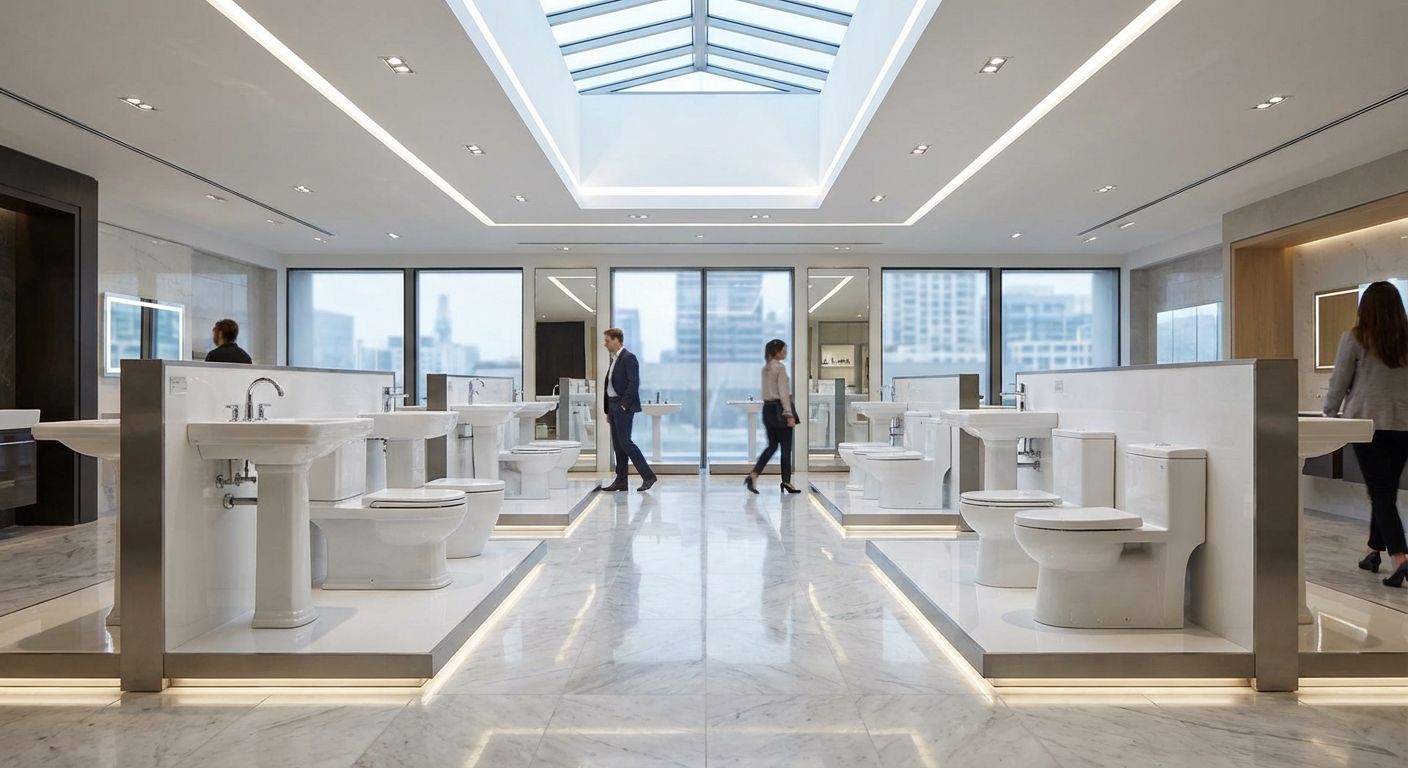
In ceramic production, what is zirconium used for is predominantly the creation of high-opacity glazes and ultra-white surfaces for sanitary ware and floor tiles. Zirconium silicate acts as a powerful opacifier because of its high refractive index, which effectively masks the underlying ceramic body. This ensures that your finished products, from luxury sinks to architectural tiles, maintain a brilliant and consistent white finish across different firing batches.
Enhancing surface durability
You will find that zirconium silicate does more than just provide color; it also increases the hardness and chemical resistance of the glaze. This added durability prevents the ceramic from scratching or staining during years of daily use and cleaning.
Here is the deal: Consistency in whiteness is the hallmark of a high-quality ceramic brand.
- Opacifier: Primary role in glazes.
- Whiteness: Stable batch-to-batch consistency.
- Durability: Resists mechanical wear and chemical stains.
Key Takeaway: Using zirconium-based opacifiers allows you to achieve a premium aesthetic finish that remains durable and stain-resistant for the lifetime of the product.
| Ceramic Grade | Usage Case | |
|---|---|---|
| Ultrafine Powder | High-end sanitary ware glazes | |
| Standard Zircon | Industrial floor and wall tiles | |
| Frits | Decorative glass and tableware | |
| Body Additive | Enhanced thermal shock resistance |
Consistent material inputs lead to higher first-pass yields in the ceramic firing process.
Why is it the best choice for dental implants?
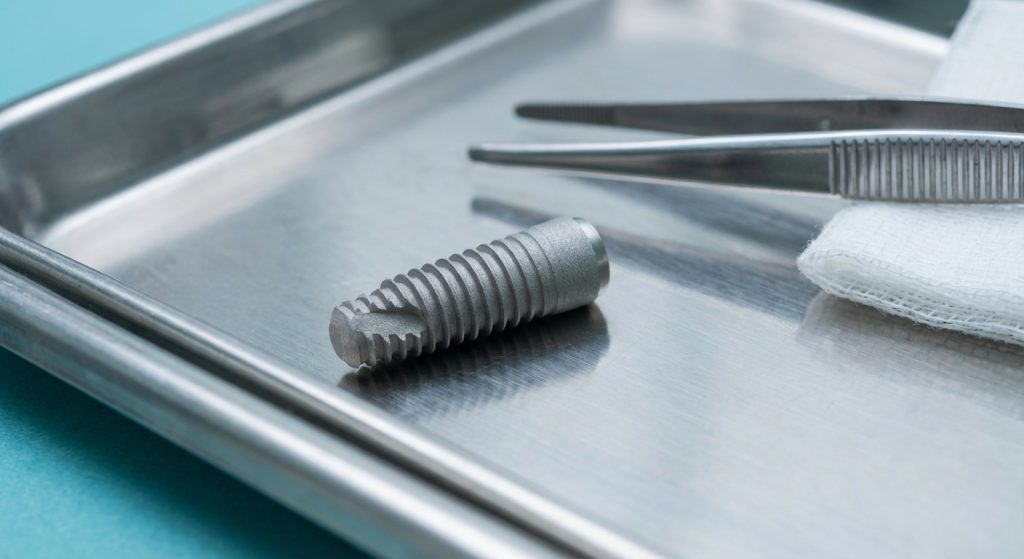
Zirconium, specifically in the form of Zirconia (ZrO2), is the preferred choice for dental implants because it is completely biocompatible and mimics the aesthetics of natural teeth. When evaluating what is zirconium used for in the medical field, you will see it replacing metal alloys that might cause allergic reactions or gingival discoloration. Its metal-free nature makes it ideal for your patients who demand both high strength and a natural, translucent appearance.
Mechanical strength and longevity
You can rely on zirconia’s high fracture toughness to withstand the intense mechanical forces of chewing without the risk of chipping. These dental materials are engineered to integrate perfectly with the bone, ensuring a long-lasting and stable restoration.
The best part? It provides the durability of titanium with the superior aesthetics of porcelain.
- Biocompatibility: No allergic reactions.
- Aesthetics: Translucent and tooth-colored.
- Osseointegration: Bonds excellently with human bone.
Key Takeaway: Choosing zirconia for dental restorations offers your patients a non-toxic, highly durable solution that looks and feels like a natural tooth.
| Medical Property | Patient Benefit | |
|---|---|---|
| Biocompatibility | No tissue irritation or allergies | |
| Hardness | Resists wear and fracture | |
| Translucency | Natural aesthetic appearance | |
| Chemical Inertia | Won’t leach ions into the body |
Medical-grade zirconia has revolutionized the dental industry by providing a metal-free alternative that does not sacrifice performance.
How does it compare to titanium in performance?
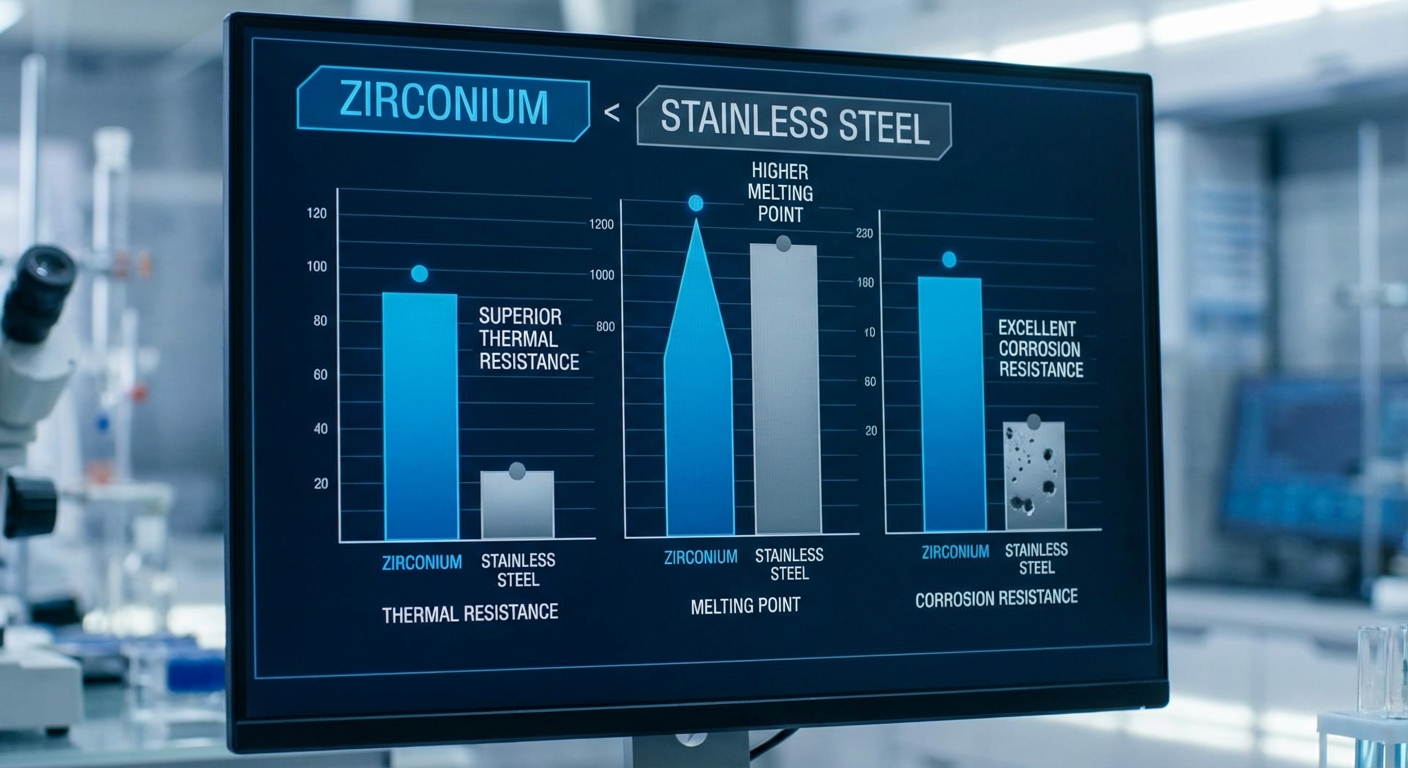
When comparing the two, what is zirconium used for usually involves environments that are too extreme for titanium, specifically regarding acid concentration and heat. Zirconium possesses a higher melting point and superior corrosion resistance in strong mineral acids like hydrochloric acid. While titanium is often favored for its lighter weight in aerospace frames, zirconium is the heavyweight champion for chemical processing reactors where survival is the only priority.
Structural and crystalline differences
You should note that zirconium has a hexagonal structure while titanium is crystalline, requiring different fabrication techniques. For your operations, choosing between them depends on whether your priority is weight reduction (Titanium) or maximum chemical longevity (Zirconium).
Think about it: If the acid is strong and the heat is high, zirconium is your only reliable option.
- Melting Point: Zirconium (1,855°C) > Titanium (1,668°C).
- Density: Zirconium is heavier but stronger at heat.
- Cost: Zirconium is often a higher initial investment with lower lifecycle costs.
Key Takeaway: Matching the specific metal to your environmental severity ensures you don’t overpay for weight savings when what you actually need is chemical durability.
| Property | Zirconium | Titanium | |
|---|---|---|---|
| Acid Resistance | Superior (HCL/H2SO4) | Moderate | |
| Heat Strength | Retains strength at 800°C+ | Weakens at high temps | |
| Weight | Heavier | Lighter | |
| Welding | Requires inert gas shield | Standard specialized welding |
Technical material selection prevents the “under-engineering” of critical industrial systems.
What is zirconium used for in the foundry?
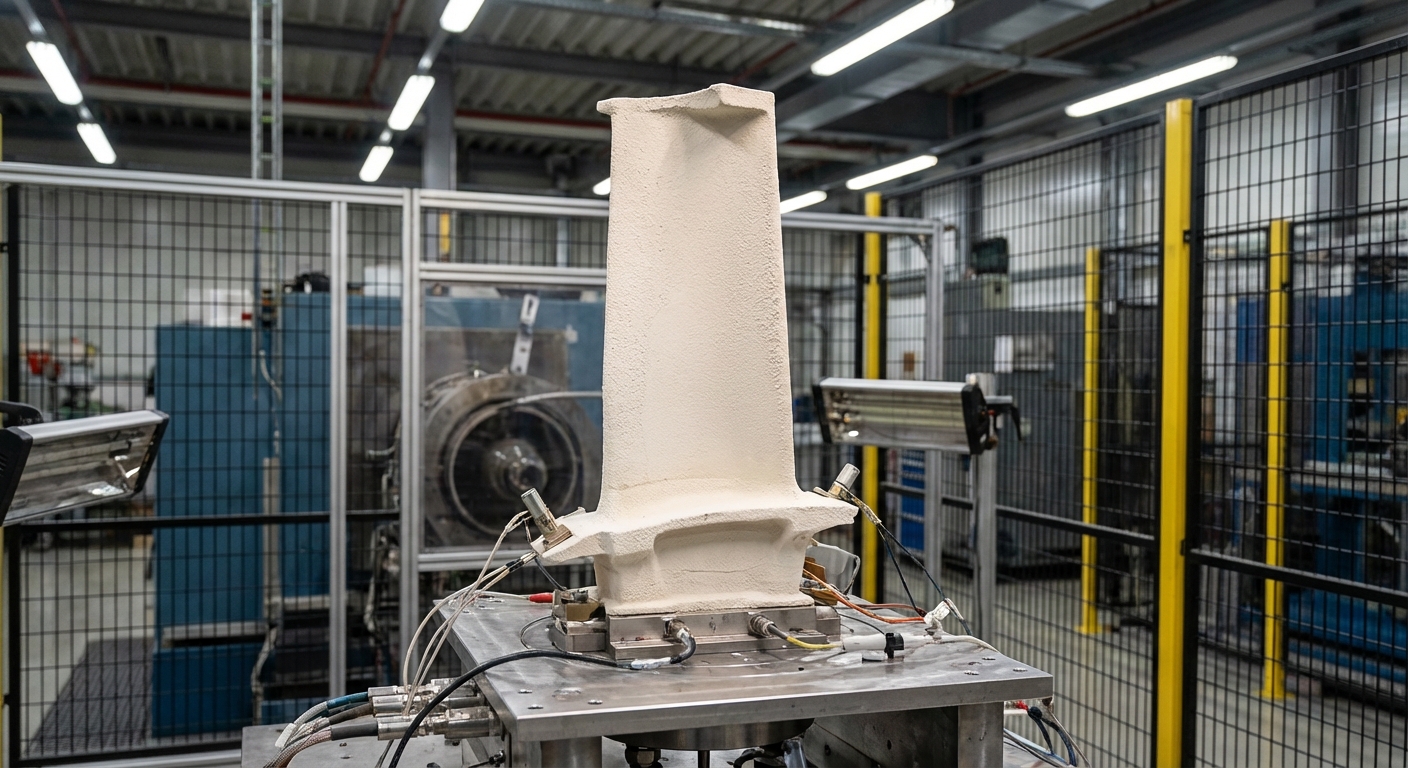
In the foundry, what is zirconium used for is the creation of precision molds and refractory bricks that can withstand the intense heat of molten steel. You use zircon sand and flour because they have a very low coefficient of thermal expansion and high thermal conductivity. This ensures that the molds you create remain dimensionally accurate, preventing the “burn-on” defects that often plague castings made with standard silica sands.
Precision investment casting
If you are involved in investment casting for the aerospace or automotive sectors, you rely on zircon powder and sand to achieve a smooth surface finish. This high-purity material reduces the need for expensive secondary machining, saving you time and labor costs.
But wait, there is more: Zircon sand is also used as a specialty coating to protect expensive furnace linings from chemical erosion.
- Thermal Expansion: Lowest in the sand family.
- Wettability: Not easily wetted by molten metal.
- Purity: High ZrO2 content ensures stability.
Key Takeaway: Utilizing high-quality zircon in your foundry processes ensures the production of precision parts with minimal surface defects and maximum dimensional accuracy.
| Foundry Product | Specific Usage | |
|---|---|---|
| Zircon Flour | Slurry for investment casting | |
| Zircon Sand | Face coat for molds | |
| Refractory Bricks | Glass and steel furnace linings | |
| Foundry Coatings | Protects tools from molten metal |
Foundry yield is significantly improved when high-performance refractory materials are used to stabilize the casting process.
Why use it for high-wear structural parts?
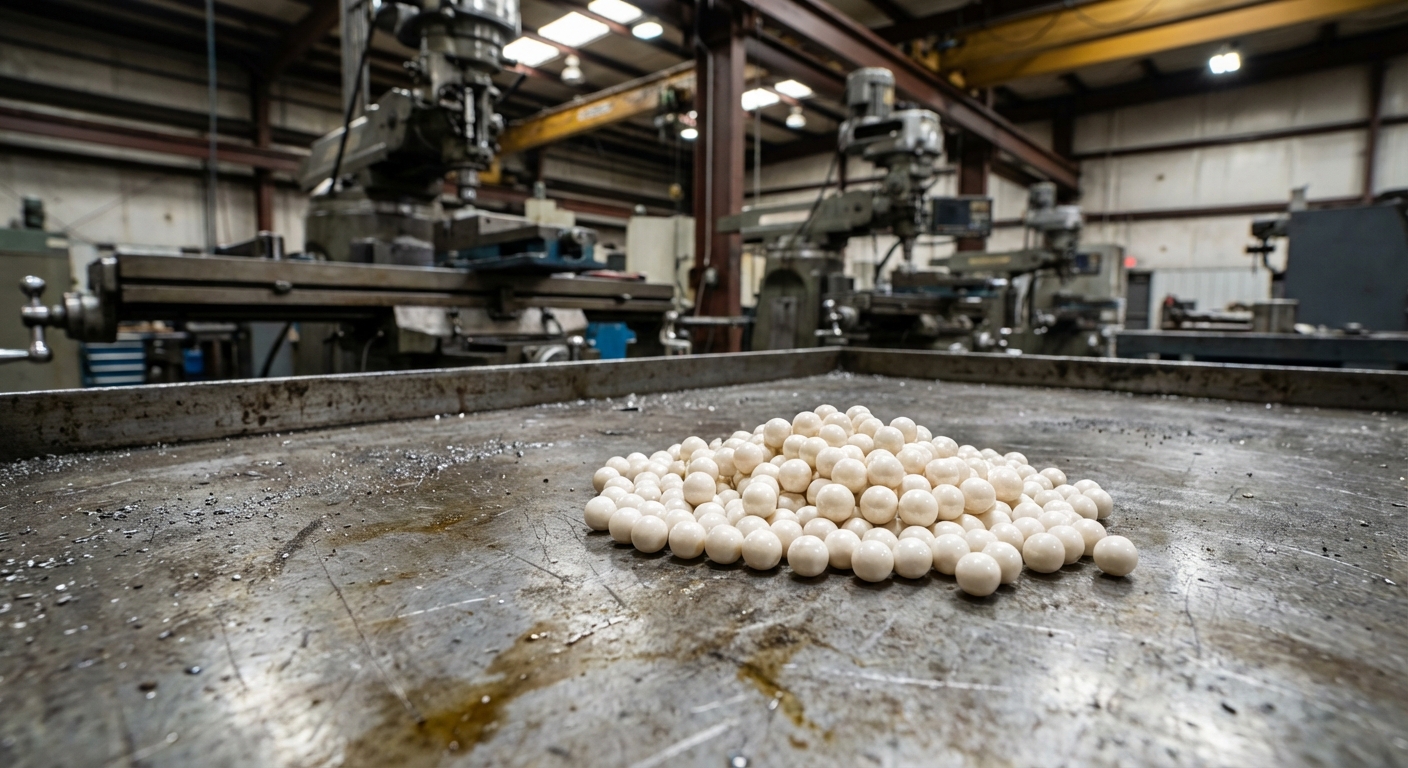
In mechanical engineering, what is zirconium used for is the manufacturing of structural ceramics that offer the toughness of metal and the wear resistance of traditional ceramics. You will find zirconia structural parts in pump impellers, valves, and grinding media where friction and abrasion are constant threats. These components are often referred to as “ceramic steel” because they exhibit high fracture toughness that prevents the brittle cracking common in other technical ceramics.
Grinding media and milling
You can improve your milling efficiency by using zirconia grinding beads, which are incredibly dense and durable. These beads wear down much slower than glass or steel, ensuring that your final product remains free from metallic contamination.
Look closer: The density of the material allows for faster processing times in high-energy mills.
- Density: High (approx. 6.0 g/cm³).
- Hardness: HV1200+.
- Wear Resistance: Superior to almost all industrial alloys.
Key Takeaway: Transitioning to zirconia-based wear parts reduces your replacement frequency, ensuring that your automated production lines run longer without manual intervention.
| Structural Part | Functional Benefit | |
|---|---|---|
| Grinding Beads | Zero contamination, high density | |
| Pump Seals | Leak-proof in abrasive slurries | |
| Cutting Tools | Retains edge longer than steel | |
| Valves | Resists erosion and cavitation |
The high fracture toughness of zirconia makes it a reliable choice for components subject to sudden mechanical impacts.
How do strategic supply chains manage zirconium?
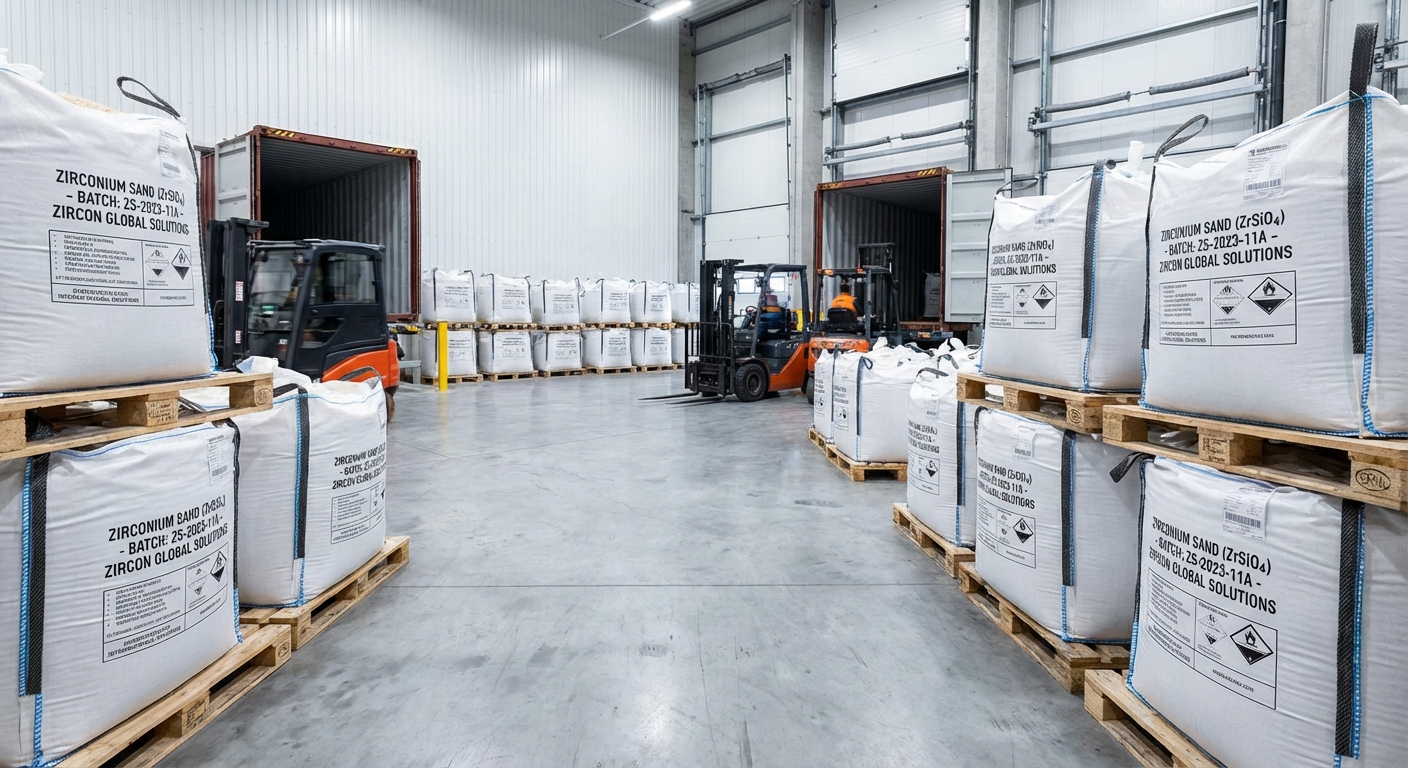
Managing a strategic supply chain for zirconium requires a focus on batch-to-batch consistency and verifiable material data. When evaluating what is zirconium used for at a corporate scale, you must consider the risks of material variation that can lead to glaze defects or structural failures. Professional manufacturers ensure that every batch of powder or sand meets strict particle size distribution (PSD) and whiteness standards to maintain your production yield.
Stability and batch traceability
You need full traceability from the raw ore to the finished product to satisfy your quality audits and compliance requirements. A stable, long-term supply agreement allows you to lock in specifications and maintain safety stocks, preventing the production shutdowns that occur when global supplies tighten.
The best part? Vertical integration from the manufacturer eliminates the quality “drift” often seen with middleman trading companies.
- Consistency: Narrow PSD for predictable sintering.
- Documentation: Full COA and PSD reports for every batch.
- Traceability: Full chain-of-custody records.
Key Takeaway: Partnering with a vertically integrated manufacturer secures your material quality and protects your business from the volatility of unverified secondary markets.
| Supply Metric | Strategic Importance | |
|---|---|---|
| PSD Variance | Controls process predictability | |
| Whiteness Units | Ensures color match in ceramics | |
| Test Reports | Essential for quality compliance | |
| Safety Stock | Prevents line-down situations |
Consistency in the supply chain is the foundation of high-yield, precision industrial manufacturing.
Conclusion
This article has solved the common confusion surrounding material selection for extreme industrial environments by explaining how zirconium’s unique thermal and chemical properties provide a superior alternative to standard alloys. We can provide you with engineered zircon materials, including high-purity powders, sands, and structural components that reduce process variation and improve your overall yield. Our vision is to empower global manufacturers with stable, high-performance materials that eliminate the risks of corrosion and heat-induced failure. Whether you are in the dental, ceramic, or chemical sector, we are committed to being your engineering partner from material selection to final production. Contact us today to discuss your specific application requirements and receive a free technical consultation.
FAQ Section
1. Can I use zirconium in place of stainless steel for chemical tanks?Yes, but you should only do so if the concentration of acid and the operating temperature exceed the limits where stainless steel would suffer from pitting or stress corrosion.
2. What’s the best way to weld zirconium components?The best method is using TIG welding with a 100% argon inert gas shield because zirconium is highly reactive to oxygen and nitrogen at high temperatures, which can make the weld brittle.
3. How do I know if I need zirconia or zirconium silicate for my glaze?Zirconia is typically used for specialized high-strength ceramic parts, whereas zirconium silicate is the standard, cost-effective choice for achieving opacity and whiteness in traditional ceramic glazes.
4. Can I recycle zirconium scrap from my production line?Yes, zirconium scrap is valuable and can be recycled, provided it hasn’t been contaminated with other metals that would degrade the purity required for specific nuclear or chemical grades.
5. How do I choose the right particle size for my refractory application?You should consult with an engineer to match the particle size distribution to your specific molding process, as the packing density of the sand directly affects the thermal shock resistance of the final mold.