Zirconium Silicate is primarily used as a high-performance opacifier in the ceramic industry, a vital refractory material in metallurgy, and a specialized component in dental prosthetics and electronics. You may often face production hurdles like inconsistent glaze whiteness, high rejection rates due to thermal cracking, or mechanical failures in extreme environments. These defects not only drain your budget but also jeopardize your standing in a competitive global market. By integrating premium-grade mineral solutions into your manufacturing workflow, you ensure batch stability and superior product longevity across various industrial sectors.
What are the properties of Zirconium Silicate?
The physical and chemical properties of Zirconium Silicate include a high melting point, exceptional chemical inertness, and a high refractive index that makes it ideal for industrial use. When you select this mineral, you are choosing a compound that remains stable even when exposed to temperatures exceeding 2000°C. This robustness is the reason it serves as a cornerstone in heavy-duty manufacturing.
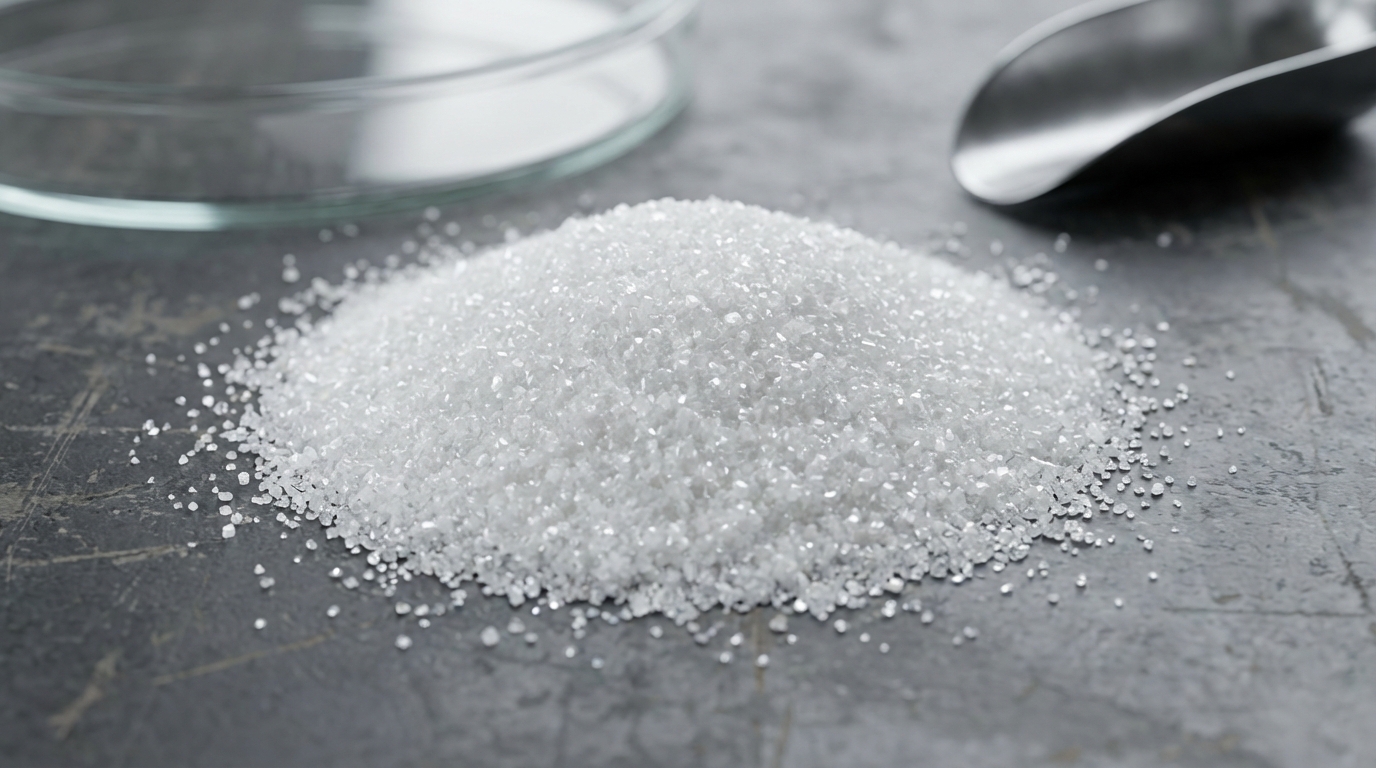
Chemical Stability and Heat Resistance
You need materials that won’t degrade when they encounter harsh acids or alkalis. Zirconium silicate offers a shield against chemical corrosion that few other minerals can match.
But that’s not all.
- Melting point above 2500°C.
- Resistance to acidic and alkaline slag.
- Inertness in oxidizing and reducing atmospheres.
- Low chemical reactivity with most molten metals.
Hardness and Mechanical Strength
The durability of your finished goods depends heavily on the Mohs hardness of your raw materials. With a rating of approximately 7.5, this mineral provides incredible wear resistance for industrial components.
Here is why:
- Reduces surface abrasion in high-traffic tiles.
- Improves the longevity of mechanical seals.
- Enhances impact resistance in ceramic bodies.
- Maintains structural integrity under high pressure.
Opacity and High Refractive Index
If you are looking for maximum whiteness, the refractive index of 1.9 is your most important metric. It scatters light effectively, allowing you to achieve a brilliant white finish with minimal material usage.
Think about it.
- High light-scattering coefficient.
- Excellent masking power for dark ceramic bodies.
- Natural crystalline brightness.
- Particle size control for optimized gloss.
Key Takeaway: The unique combination of thermal stability, mechanical hardness, and high refractive index makes this mineral irreplaceable for high-performance industrial applications.
| Property | Value/Description | |
|---|---|---|
| Chemical Formula | ZrSiO4 | |
| Melting Point | ~2550°C | |
| Mohs Hardness | 7.5 | |
| Refractive Index | 1.92 – 1.97 |
Why is Zirconium Silicate used in ceramics?
Zirconium Silicate is the preferred opacifier in the ceramics industry because it provides a cost-effective way to achieve high whiteness and surface smoothness in glazes. You will find that it is significantly more stable during high-temperature firing compared to alternative whitening agents. This ensures that your tiles and sanitaryware maintain a consistent appearance across every production batch.
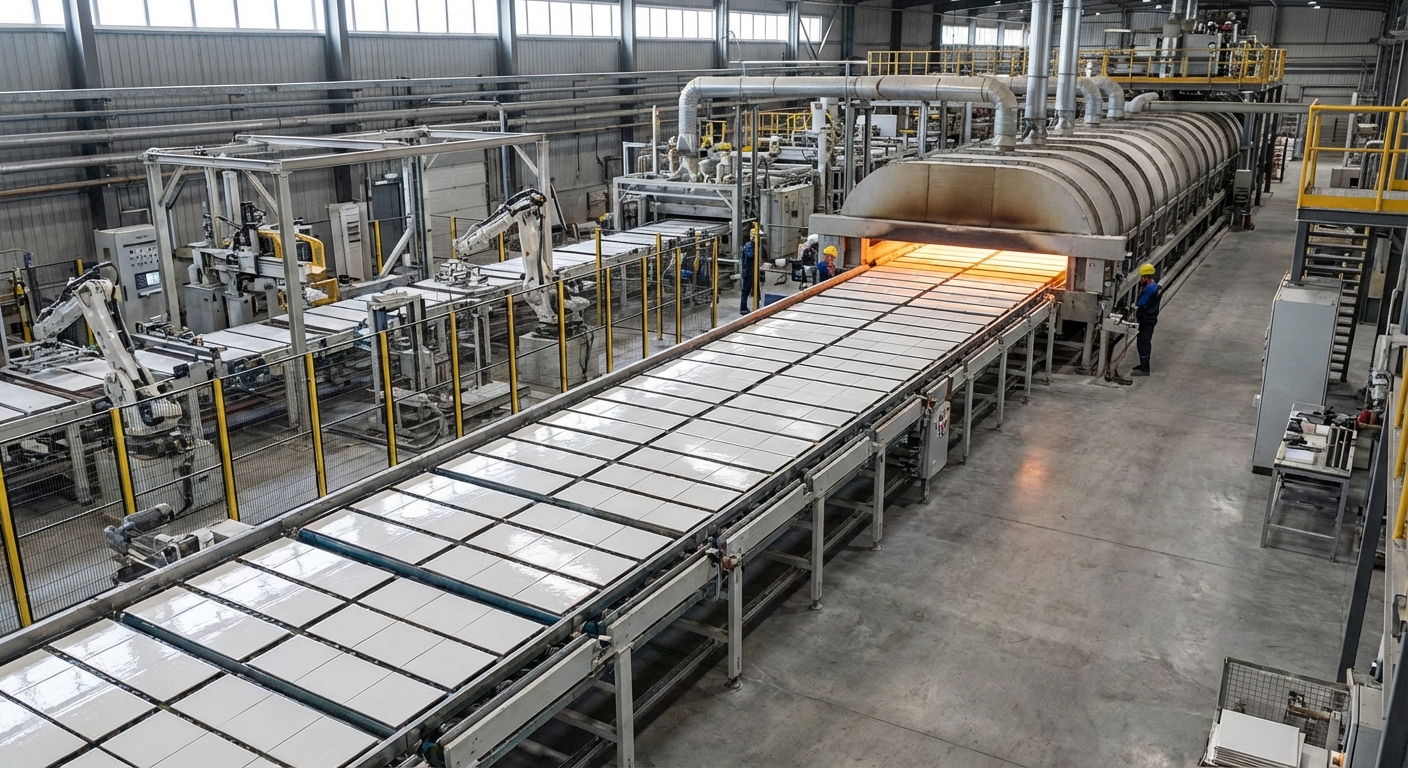
Glaze Opacification and Whiteness
Achieving a “super-white” effect is a major selling point for premium floor and wall tiles. When you add this mineral to your glaze formulation, it reflects light to hide the color of the underlying clay body.
The best part?
- Creates a uniform, opaque surface finish.
- Reduces the need for expensive pigments.
- Prevents pinhole defects in the glaze layer.
- Enhances the brightness of colored glazes.
Enhancing Sanitaryware Durability
For bathroom fixtures like sinks and toilets, hygiene and stain resistance are non-negotiable. Using high-grade ceramics materials ensures a non-porous surface that resists the accumulation of bacteria and grime.
It gets better.
- Provides a smooth, easy-to-clean texture.
- Increases resistance to domestic cleaning chemicals.
- Prevents surface crazing over years of use.
- Maintains a high-gloss aesthetic.
Strengthening Porcelain Tableware
Fine china and porcelain require a balance of elegance and mechanical toughness. You can improve the thermal shock resistance of your tableware by incorporating these silicates into the porcelain body.
You might wonder how.
- Reduces the coefficient of thermal expansion.
- Minimizes breakage during rapid temperature shifts.
- Increases the edge-chip resistance of plates.
- Provides a high-end, translucent appearance.
Key Takeaway: In the world of ceramics, this mineral is the gold standard for achieving high whiteness, surface durability, and chemical resistance in consumer and industrial products.
| Application | Primary Benefit | Effect on Quality | |
|---|---|---|---|
| Wall Tiles | High Opacity | Superior color masking | |
| Sanitaryware | Stain Resistance | Long-term hygiene | |
| Tableware | Mechanical Strength | Reduced chipping |
How does Zirconium Silicate aid refractories?
In the refractories industry, Zirconium Silicate is utilized to manufacture heat-resistant bricks and linings that can withstand the corrosive environment of molten glass and metals. You need materials that won’t shrink or crack when the furnace reaches its peak operating temperature. This mineral provides the volume stability required to keep your industrial kilns running safely for longer periods.
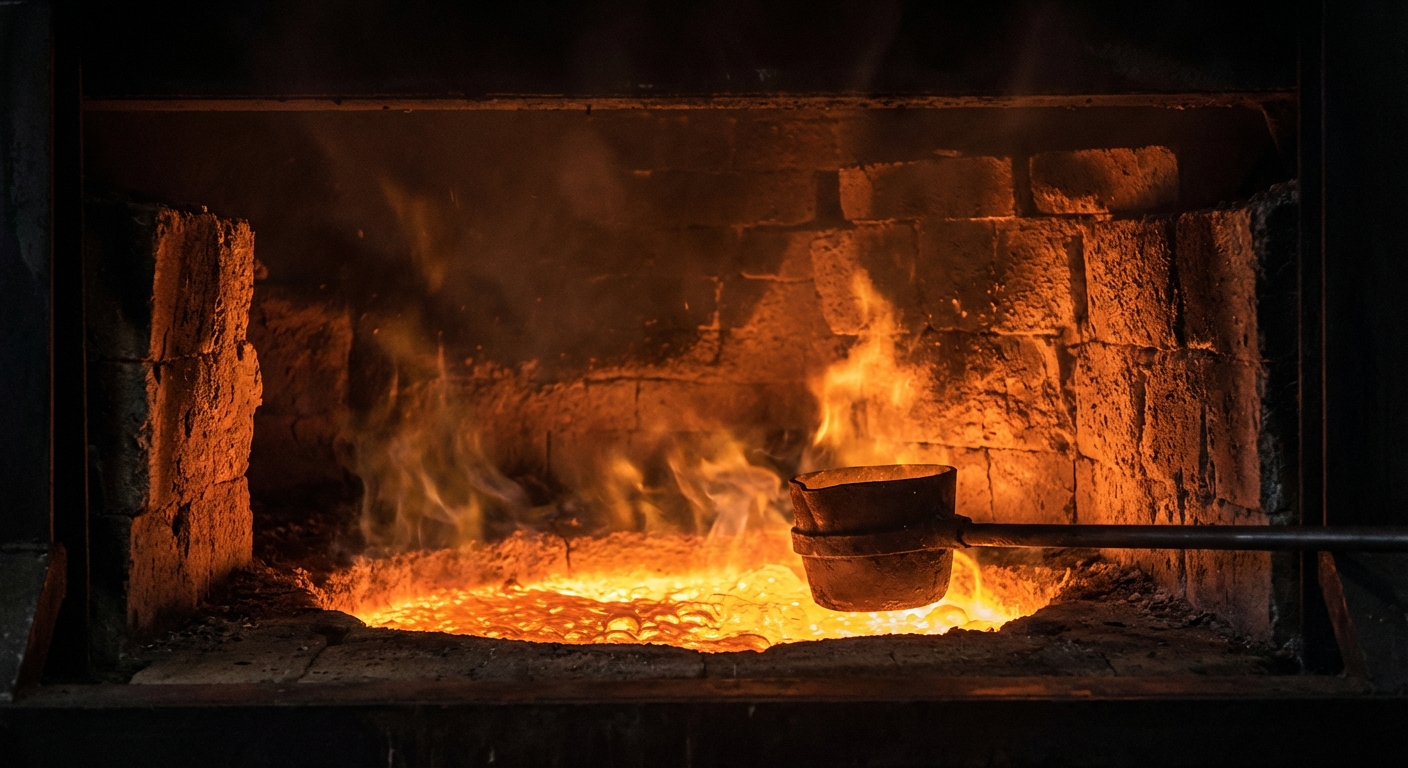
High-Temperature Thermal Stability
Furnace linings are often the most expensive part of your maintenance cycle. By using materials that resist melting at 2000°C, you can significantly extend the time between costly furnace shutdowns.
In fact:
- Maintains shape at extreme temperatures.
- Low vapor pressure in vacuum environments.
- High load-bearing capacity at heat.
- Excellent volume stability during firing.
Corrosion Resistance in Furnaces
Molten glass is surprisingly aggressive toward standard refractory materials. You can protect your glass tank refractories from chemical erosion by using zircon-based compounds that resist slag penetration.
That’s just the beginning.
- Prevents “glassy phase” exudation.
- Resists corrosion from alkaline vapors.
- Shields the furnace structure from chemical attack.
- Reduces the contamination of the melt.
Thermal Shock Protection
Rapid heating and cooling cycles are the primary cause of refractory failure and cracking. You can lower the risk of structural failure in your kilns by choosing materials with a low thermal expansion coefficient.
It all comes down to this.
- Reduces internal stress during temperature fluctuations.
- Prevents the spalling of furnace bricks.
- Increases the number of safe heating cycles.
- Extends the operational life of the lining.
Key Takeaway: The high-temperature resilience and chemical inertness of this mineral make it a critical component for maintaining the integrity of industrial furnaces and metal-handling equipment.
| Refractory Type | Operating Environment | Benefit of Zircon | |
|---|---|---|---|
| Glass Tank | Corrosive Melts | Exceptional lifespan | |
| Steel Furnace | High Temperature | Shape retention | |
| Cement Kiln | Chemical Abrasion | Wear protection |
Why is Zirconium Silicate in dental tech?
Zirconium Silicate is essential in modern dentistry for creating biocompatible, high-strength prosthetics that mimic the look and feel of natural teeth. You can rely on this material to provide the necessary toughness for dental bridges and crowns while avoiding the metallic taste associated with traditional alloys. Furthermore, its ability to be milled using dental CAD/CAM technology allows for a level of precision that was previously impossible.
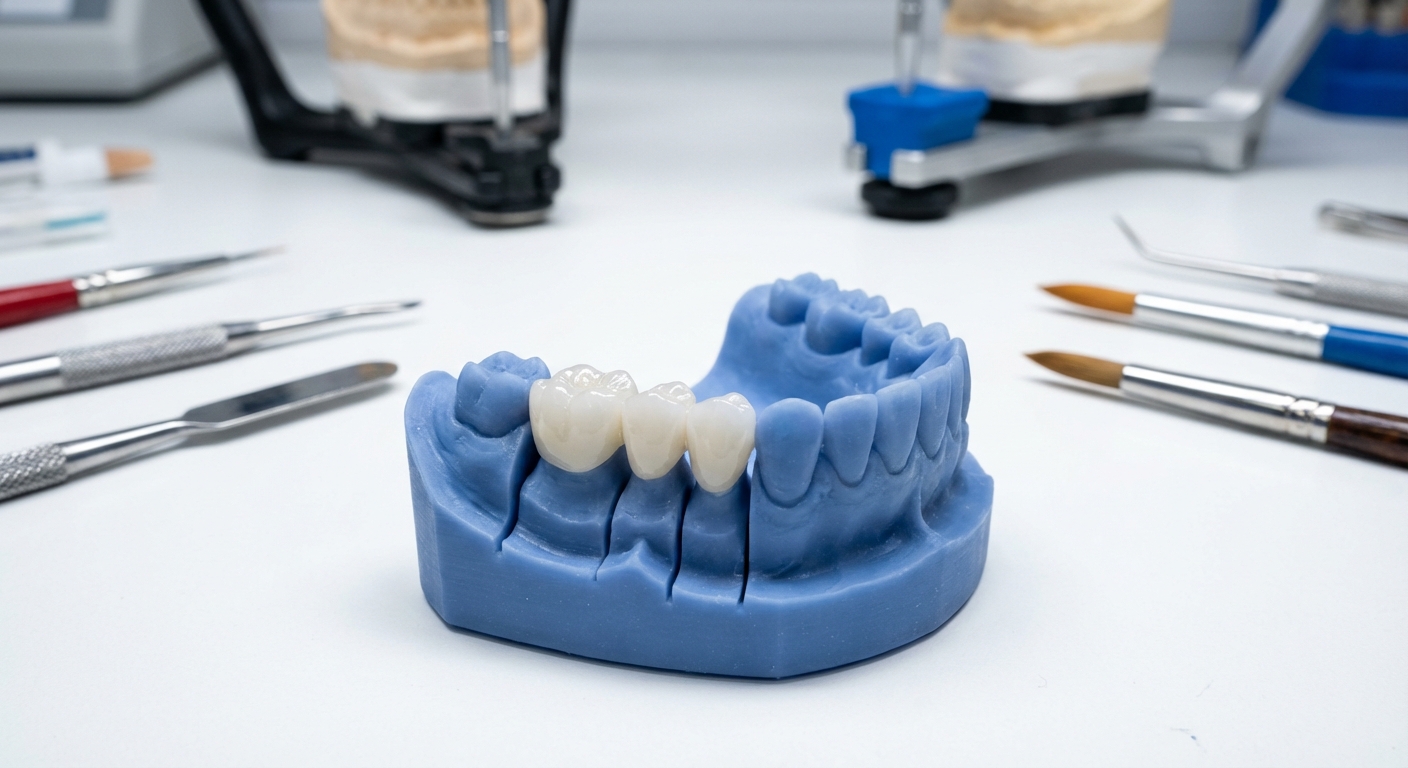
Biocompatibility in Dental Prosthetics
Patient safety is your top priority when selecting materials for long-term oral integration. Because this mineral is chemically inert, it does not trigger allergic reactions or gum irritation in most patients.
But that’s not all.
- Non-toxic and hypoallergenic properties.
- Resists the accumulation of oral plaque.
- Prevents the “dark line” effect at the gumline.
- High compatibility with soft tissue.
Aesthetic Shade Matching
Natural teeth have a specific level of translucency and color that is difficult to replicate with metal-based solutions. You can adjust the opacity of the ceramic to perfectly match the surrounding teeth for a seamless smile.
Here is why:
- Allows for natural light transmission.
- Available in various pre-shaded blocks.
- Can be custom-stained for realism.
- Mimics the refractive index of enamel.
Structural Integrity of Implants
The forces of chewing can exert immense pressure on dental restorations. You need a material with high flexural strength to ensure that crowns and bridges do not fracture during daily use.
Think about it.
- Flexural strength exceeding 1000 MPa.
- Resistant to fractures and cracks.
- Maintains precision milling tolerances.
- Compatible with multi-unit bridge spans.
Key Takeaway: For dental applications, this material offers a perfect synergy of aesthetic beauty, high mechanical strength, and patient-safe biocompatibility.
| Dental Component | Material Requirement | Zircon Performance | |
|---|---|---|---|
| Single Crown | Natural Appearance | High translucency | |
| Multi-unit Bridge | High Strength | Resists chewing forces | |
| Dental Abutment | Biocompatibility | Low tissue irritation |
Is Zirconium Silicate used for glass making?
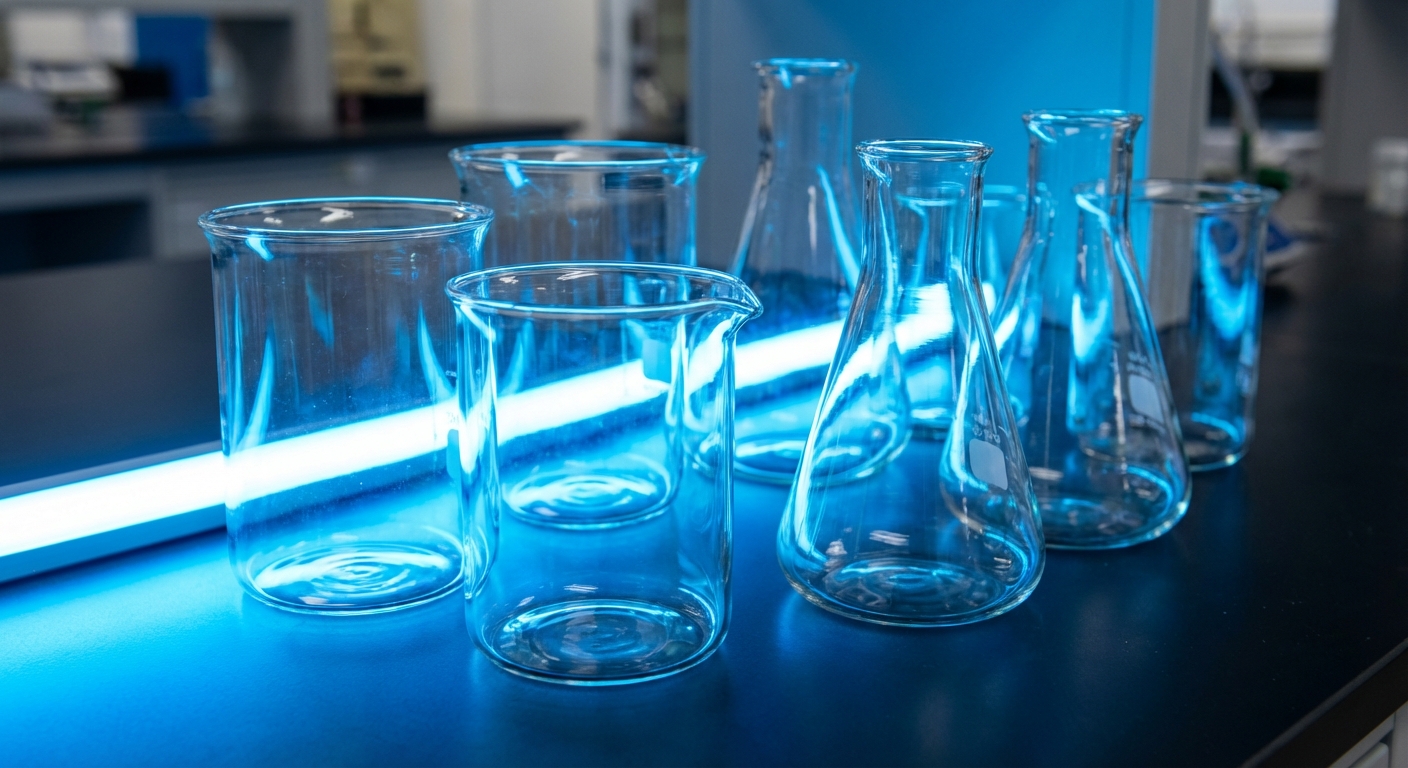
In specialized glass production, Zirconium Silicate is used to increase chemical durability and control the refractive index of the final product. You will find it in laboratory glassware and pharmaceutical vials where resistance to weathering and chemicals is a critical requirement. It also plays a significant role in creating glass-to-metal seals for high-tech industrial sensors.
Increasing Chemical Durability
Glass exposed to harsh environmental conditions or chemicals can become cloudy over time. You can prevent this degradation by incorporating zircon into the glass melt to strengthen the molecular network.
The best part?
- Increases resistance to alkaline solutions.
- Prevents the leaching of glass ions.
- Enhances the clarity of pharmaceutical vials.
- Extends the life of laboratory beakers.
Controlling Thermal Expansion
When glass is heated rapidly, it can shatter due to internal tension. You can engineer glass that is “heat-proof” by using silicates that lower the overall rate of thermal expansion.
It gets better.
- Improves thermal shock resistance.
- Essential for high-temperature glass seals.
- Reduces the risk of breakage in industrial lights.
- Maintains dimensional stability under heat.
Optical Clarity in Specialty Lenses
Precision optics require a high refractive index to bend light accurately without increasing the thickness of the lens. You can produce high-performance camera and scientific lenses by carefully dosing these minerals into the batch.
You might wonder how.
- Increases light refraction without distortion.
- Allows for thinner, lighter lens designs.
- Enhances the brilliance of optical crystals.
- Reduces chromatic aberration in lenses.
Key Takeaway: From pharmaceutical packaging to high-precision optics, this mineral enhances the chemical resilience and optical performance of specialized glass products.
| Glass Type | Primary Use | Role of Zircon | |
|---|---|---|---|
| Lab Glass | Chemistry | Chemical inertness | |
| Optical Glass | Photography | High refractive index | |
| Seal Glass | Electronics | Thermal expansion match |
Is Zirconium Silicate vital for foundries?
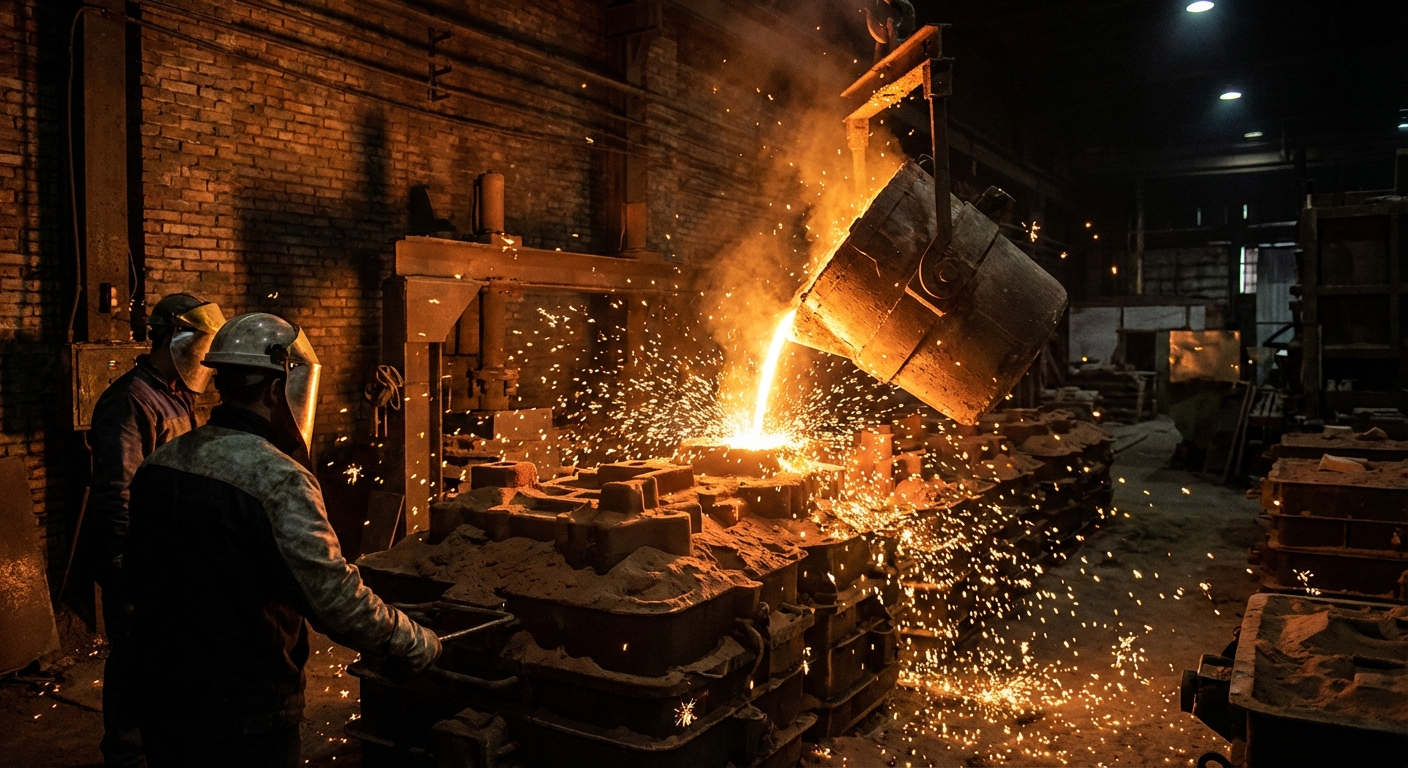
Zirconium Silicate is vital for foundries because it serves as an excellent mold-facing material that prevents metal penetration and “burn-on” defects. You need a high-purity sand or powder that can withstand the intense heat of molten steel without fusing to the casting. This mineral ensures that your finished metal parts have a smooth surface, reducing the need for expensive post-casting machining.
Precision Investment Casting Molds
Aerospace and automotive components require exact dimensions and intricate details. When you use zircon-based slurries, you create a rigid mold that maintains its shape even under the weight of heavy molten metal.
In fact:
- Allows for complex internal geometries.
- Provides incredible dimensional accuracy.
- Resists deformation at high temperatures.
- Essential for turbine blade production.
Preventing Metal Penetration
When molten metal enters the small gaps between sand grains, it creates a rough, inseparable surface defect. You can eliminate this problem by using zircon coatings that act as a dense, impermeable barrier.
That’s just the beginning.
- Reduces the porosity of the mold surface.
- Prevents sand fusion with the metal.
- Eliminates the “burn-on” effect.
- Lowers the rate of casting rejections.
Smoothing Cast Surface Finishes
A smooth surface finish isn’t just about aesthetics; it’s about reducing the time and cost of grinding and polishing. You can achieve “near-net-shape” results by optimizing the particle size of your foundry coatings.
It all comes down to this.
- Reduces post-processing labor costs.
- Improves the fatigue life of the casting.
- Enhances the final paint adhesion.
- Provides a professional industrial look.
Key Takeaway: Foundries rely on this mineral to achieve high-precision castings with superior surface quality while minimizing the risk of thermal defects and metal penetration.
| Casting Method | Key Requirement | Zircon Contribution | |
|---|---|---|---|
| Investment | Detail Accuracy | High mold stability | |
| Sand Casting | Surface Smoothness | Prevents metal penetration | |
| Die Casting | Tool Longevity | Thermal barrier coatings |
Can Zirconium Silicate enhance coatings?
In the paints and coatings industry, Zirconium Silicate acts as a powerful pigment extender and durability enhancer for industrial finishes. You can improve the scratch resistance of automotive clear coats and the UV stability of architectural paints by incorporating this mineral. It ensures that your coatings remain vibrant and protective even when exposed to harsh sunlight or heavy abrasion.

Wear Resistance in Industrial Paint
Machinery and high-traffic floors are subject to constant scraping and friction. You can toughen your coatings by using these hard mineral particles to create an abrasion-resistant surface.
But that’s not all.
- Increases the surface hardness of the film.
- Reduces wear in industrial pipelines.
- Protects heavy machinery from abrasion.
- Extends the life of high-traffic flooring.
UV Protection for Exterior Surfaces
Sunlight can cause paint to fade and peel within a few years of application. When you add zircon to your exterior coatings, it reflects ultraviolet radiation, preventing the chemical breakdown of the paint binder.
Here is why:
- Prevents color fading and chalking.
- Reflects harmful UV-A and UV-B rays.
- Maintains the gloss of architectural paint.
- Increases the weatherability of the finish.
Scratch Resistance in Automotive Finishes
Car owners expect a flawless, mirror-like finish that lasts for years. You can achieve incredible scratch resistance in modern clear coats by using micronized silicates that reinforce the resin matrix.
Think about it.
- Reduces “swirl marks” from car washes.
- Maintains a deep, reflective shine.
- Provides a barrier against bird droppings.
- Enhances the overall value of the vehicle.
Key Takeaway: Adding this mineral to your coating formulations significantly improves surface hardness, UV resistance, and long-term color retention.
| Coating Type | Exposure Risk | Coating Improvement | |
|---|---|---|---|
| Automotive | Car Washes | High scratch resistance | |
| Exterior Paint | Intense Sun | UV radiation reflection | |
| Flooring | Foot Traffic | Superior wear protection |
What makes Zirconium Silicate electrical?
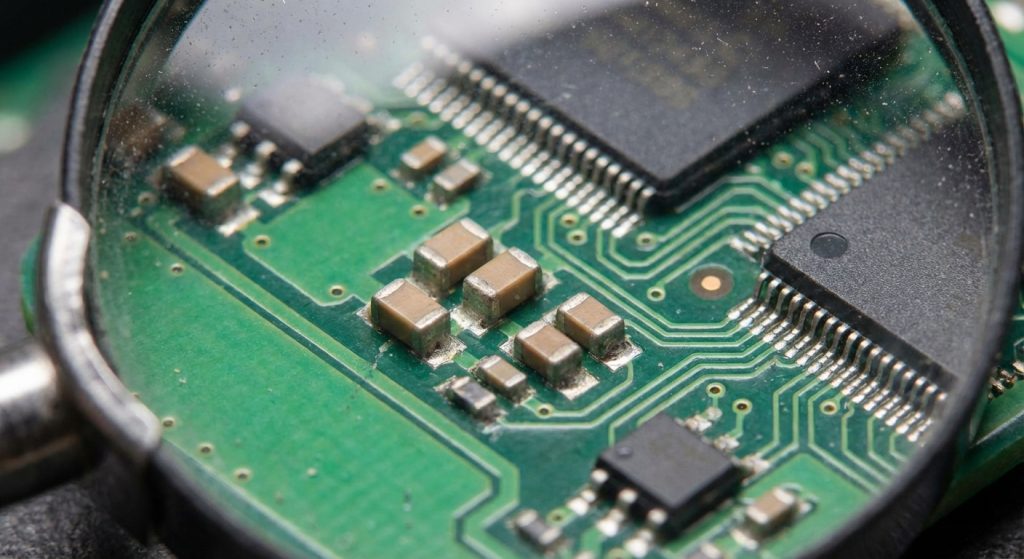
The high dielectric constant and electrical insulation properties of Zirconium Silicate make it a vital material for the electronics and semiconductor sectors. You need stable materials for ceramic capacitors that can maintain their performance across a wide range of operating temperatures. Furthermore, its ability to act as a heat-resistant insulator makes it ideal for high-power electronic components.
Dielectric Properties in Capacitors
Multilayer ceramic capacitors (MLCCs) are the backbone of modern smartphones and computers. You can enhance the stability of your zircon powder and sand based components by utilizing the high capacitance stability of zircon.
The best part?
- Maintains capacitance at high frequencies.
- Reduces electrical leakage in circuits.
- Ensures stability across temperature shifts.
- Supports the miniaturization of electronics.
Insulation in High-Heat Components
High-power industrial heaters and circuits generate intense internal heat that can lead to electrical failure. You can prevent short circuits by using zircon-based substrates that remain insulating even at high temperatures.
It gets better.
- High dielectric strength for safety.
- Low thermal conductivity for insulation.
- Prevents electrical arcing in high-heat zones.
- Essential for industrial power modules.
Piezoelectric Device Stability
Automated sensors and actuators require precise mechanical-to-electrical conversion. You can improve the reliability of your piezoelectric devices by using this mineral to provide structural support and chemical stability.
You might wonder how.
- Ensures consistent sensor accuracy.
- Protects sensitive components from heat.
- Extends the life of industrial actuators.
- Resists degradation in humid environments.
Key Takeaway: The electrical insulation and thermal stability of this mineral are fundamental to the reliability and performance of modern high-tech electronic devices.
| Component | Technical Role | Benefit | |
|---|---|---|---|
| Capacitor | Dielectric material | Stable performance | |
| Insulator | Heat protection | Prevents electrical shorts | |
| Sensor | Structural base | Long-term accuracy |
How to measure Zirconium Silicate quality?
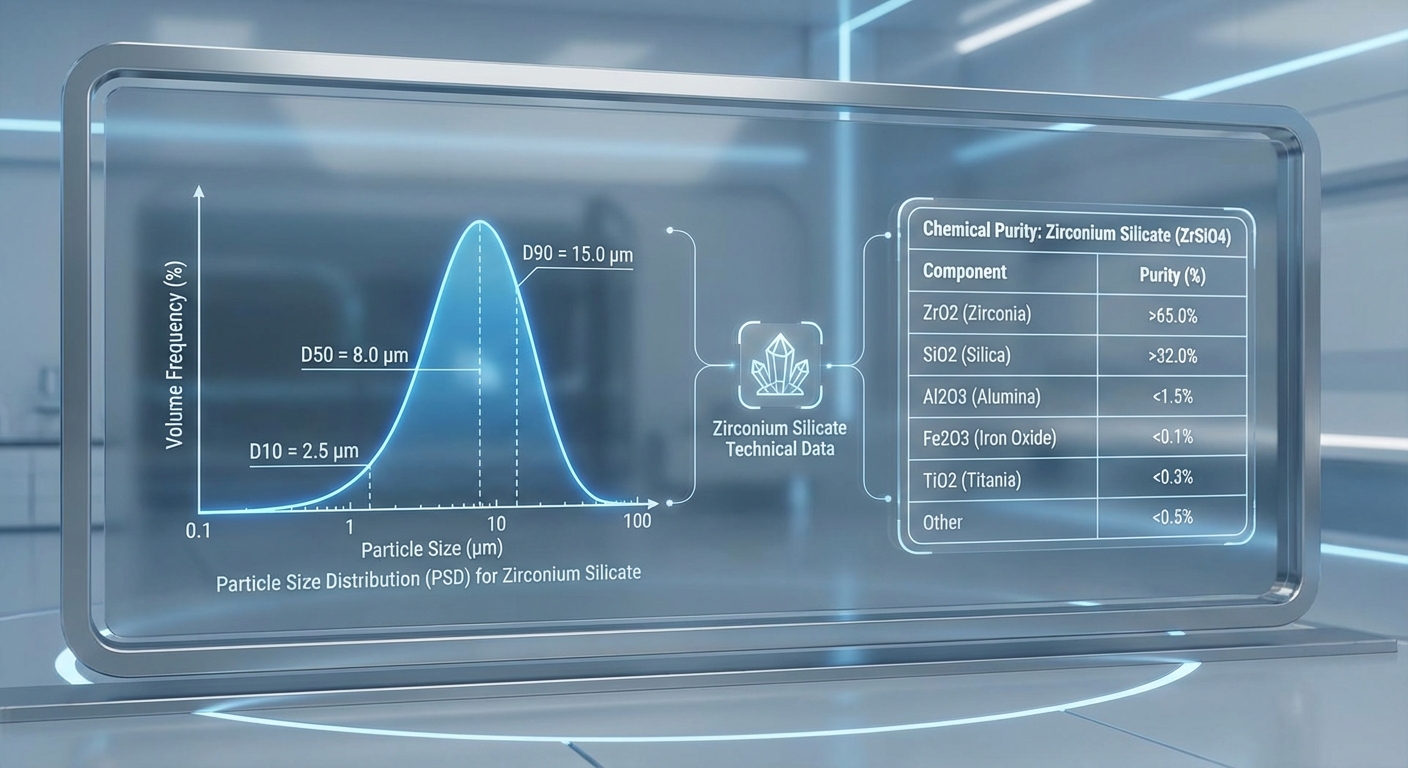
To measure Zirconium Silicate quality, you must evaluate the particle size distribution (PSD), chemical purity, and whiteness values provided in a technical data sheet. You need to ensure that the D50 value matches your specific application requirements, as particles that are too large can cause surface defects in glazes. Additionally, verifying the chemical composition ensures that impurities like iron or titanium won’t discolor your finished products.
Particle Size Distribution (PSD)
The smoothness of your final glaze or coating is determined by the size of the mineral particles. You should look for a narrow distribution curve to ensure that every batch performs identically in your production line.
In fact:
- D50 controls the average particle size.
- Eliminates oversized particles that cause bumps.
- Ensures better dispersion in liquid slurries.
- Optimizes the opacity for thinner coatings.
Whiteness and Purity Standards
For high-end tiles and sanitaryware, the L∗a∗b∗ color values are the primary measure of quality. You need a material with a high “L” value and low “a” and “b” values to achieve a neutral, brilliant white finish.
That’s just the beginning.
- Minimal iron oxide (Fe2O3) content.
- Low titanium dioxide (TiO2) impurities.
- Verified brightness of over 95%.
- Consistent color across multiple shipments.
Chemical Composition Analysis
You must verify the total zirconium and hafnium oxide (
ZrO2+HfO2
) content to ensure you are receiving the grade you paid for. High-purity grades typically contain over 65% of these oxides to provide the best performance.
It all comes down to this.
- XRF analysis for precise composition.
- ICP testing for trace metal detection.
- Ensures compliance with international standards.
- Guarantees the material’s thermal properties.
Key Takeaway: High-quality minerals are defined by consistent particle sizing, extreme chemical purity, and superior whiteness metrics, all of which are documented in a Certificate of Analysis (COA).
| Quality Metric | Target Value | Impact on Production | |
|---|---|---|---|
| ZrO2 Content | >65.0% | Core material performance | |
| D50 (PSD) | 1.0 – 1.5 | Surface smoothness | |
| Whiteness (L*) | >95.0 | Brilliant white color |
How to source Zirconium Silicate safely?
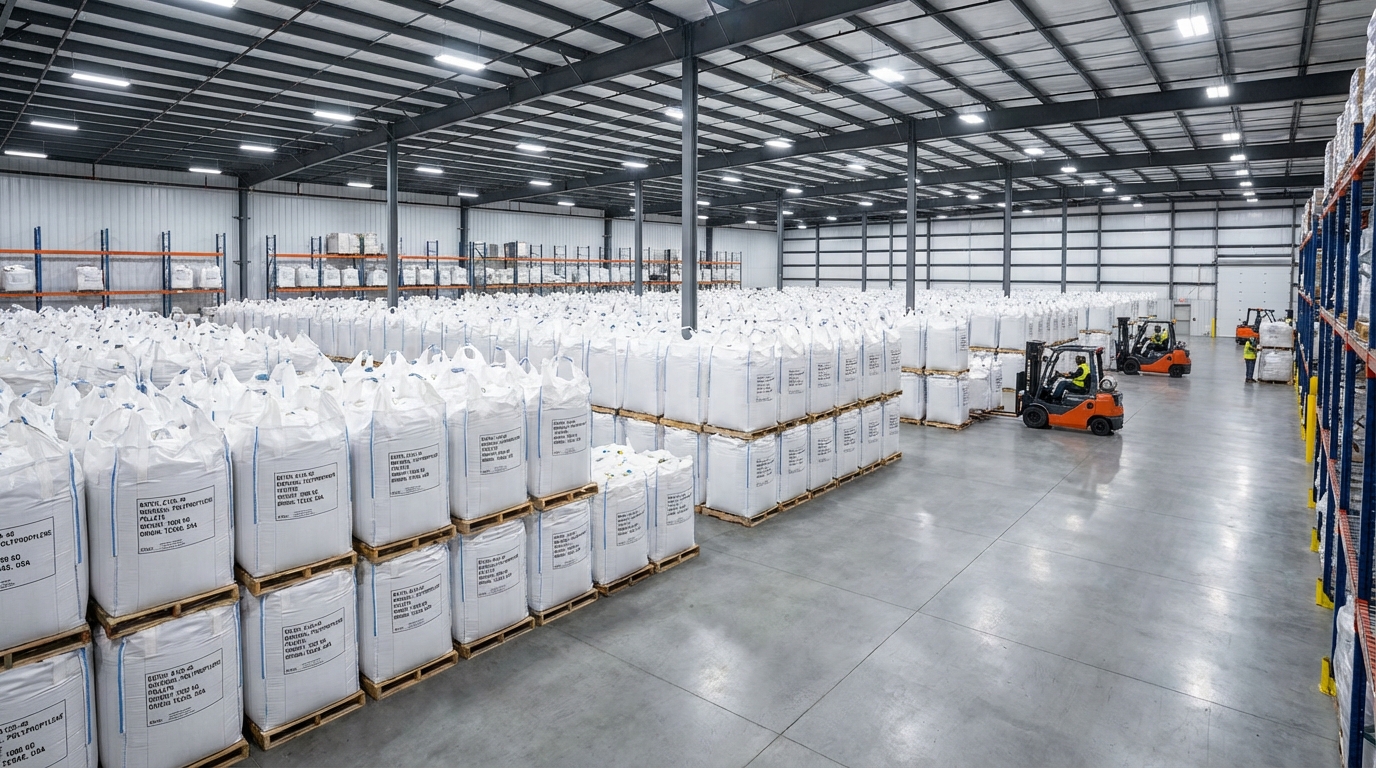
Sourcing Zirconium Silicate safely requires you to partner with a supplier that provides consistent batch quality, full technical documentation, and stable long-term inventory. You should prioritize suppliers who are vertically integrated, as this allows for better control over the raw material processing and purity. By requesting samples and evaluating technical data sheets, you can mitigate the risk of production delays caused by inconsistent material performance.
Verifying Batch Consistency
Inconsistent raw materials are the hidden killer of manufacturing efficiency. You should choose a partner that implements strict in-process monitoring to ensure that the properties of the mineral don’t drift between shipments.
But that’s not all.
- Request a COA for every batch.
- Compare current samples to past data.
- Verify the supplier’s testing laboratory.
- Check for ISO 9001 certification.
Evaluating Technical Data Sheets
A data sheet is more than just numbers; it’s a promise of performance. You need to match the specific grades offered to your unique manufacturing requirements, whether you need ultrafine powder or coarse sand.
Here is why:
- Identify custom PSD specifications.
- Verify chemical impurity limits.
- Check for radioactivity compliance.
- Confirm the material’s moisture levels.
Ensuring Long-Term Supply Stability
Sudden shortages can stop your production lines and result in massive financial losses. You should establish a supply agreement that includes safety stocks and priority production slots to protect your business.
It all comes down to this.
- Evaluate the supplier’s warehouse capacity.
- Discuss annual forecast requirements.
- Ensure reliable shipping and logistics.
- Partner with a manufacturer, not a trader.
Key Takeaway: Secure sourcing depends on choosing a transparent, manufacturing-focused partner that provides data-backed consistency and long-term logistical security.
| Sourcing Factor | Supplier Requirement | Risk Mitigated | |
|---|---|---|---|
| Documentation | Complete COA/PSD reports | Quality variance | |
| Integration | In-house production | Supply chain gaps | |
| Support | Technical engineering team | Process errors |
Conclusion
Zirconium Silicate is a foundational mineral that empowers modern industry through its incredible thermal stability, chemical resistance, and optical opacity. Whether you are manufacturing brilliant white tiles, precision dental crowns, or high-performance refractory bricks, the quality of your mineral source directly dictates the success of your finished product. By focusing on high-purity grades and consistent particle size distribution, you can reduce defects, optimize your costs, and maintain a competitive edge in your market.
At our core, we believe that material stability is the key to manufacturing excellence. If you are ready to enhance your production yield or require expert technical guidance on grade selection, please contact us today for a comprehensive consultation.
FAQ
Can I use Zirconium Silicate in outdoor architectural coatings? Yes, it is highly effective in exterior coatings because it reflects UV radiation and increases surface hardness, which prevents the paint from fading or scratching over time.
What’s the best particle size for a high-gloss ceramic tile glaze? The best results are typically achieved with an ultrafine grade where the D50 is between 1.0 and 1.5 microns, ensuring a smooth surface and maximum light scattering for opacity.
How do I verify the purity of a new shipment? You should always request a batch-specific Certificate of Analysis (COA) and perform your own XRF testing to confirm the ZrO2 content and check for impurities like iron.
Can Zirconium Silicate replace Tin Oxide in ceramic glazes? Yes, it is the most common and cost-effective alternative to Tin Oxide, providing similar opacifying results with much better price stability for large-scale industrial manufacturing.
What’s the main difference between Zircon sand and micronized Zirconium Silicate? Zircon sand is the raw, coarse mineral used in foundries and refractories, while micronized powder has been finely milled to specific particle sizes for use in glazes and coatings.