To select and apply zirconium silicate effectively, you must match chemical purity and particle size distribution to your specific industrial requirements while ensuring batch-to-batch consistency for process stability. In high-stakes B2B manufacturing, the margin for error is razor-thin. You face the constant threat of glaze defects, inconsistent opacity, and rising rework costs that erode your bottom line. These variations aren’t just technical nuisances; they disrupt automated lines and damage your brand’s reputation for quality. By mastering the nuances of Zirconium Silicate , you can transform these production bottlenecks into a streamlined, high-yield operation that outpaces the competition.
How Should You Assess Zirconium Silicate Purity?
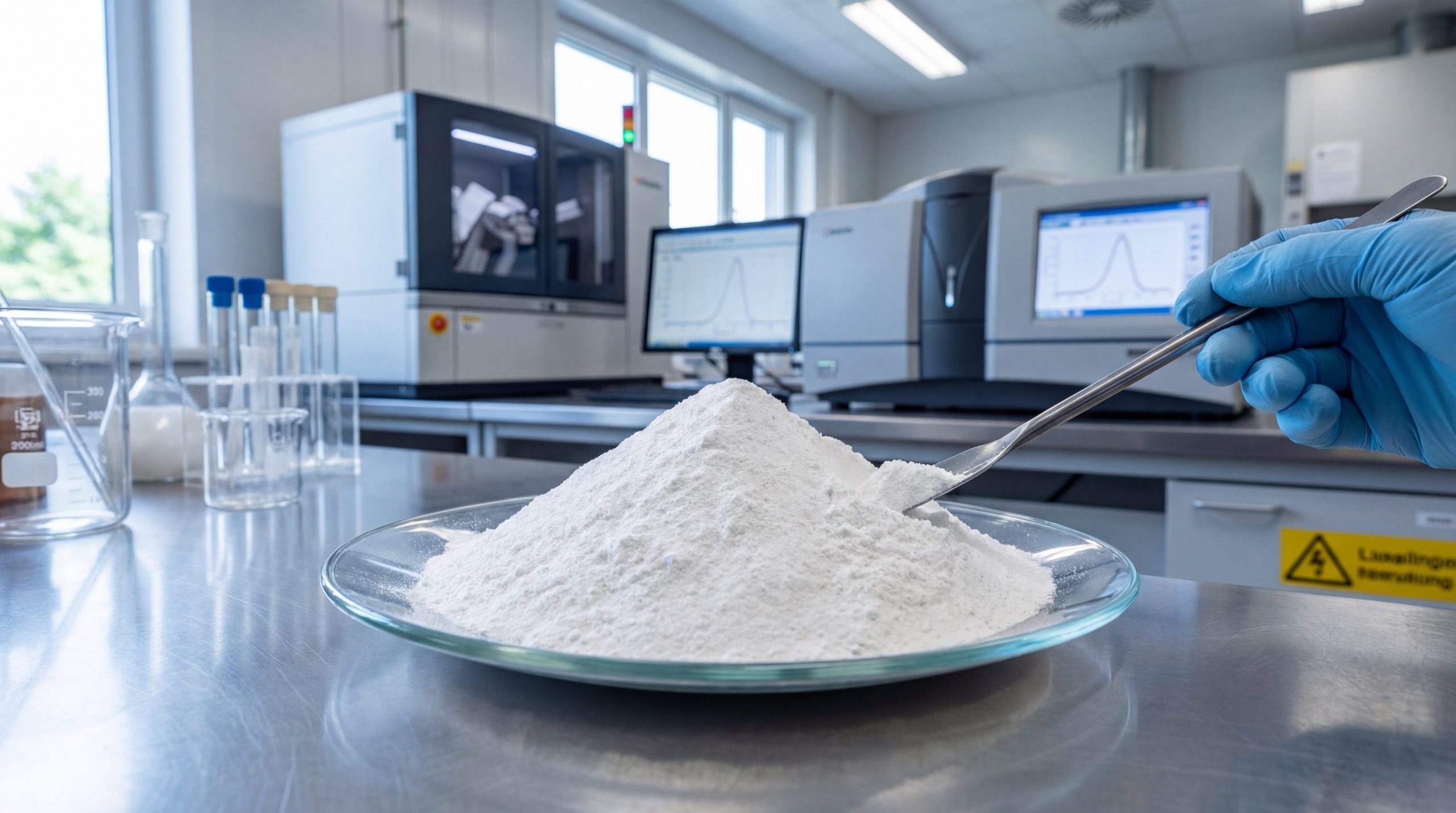
Assessing the chemical purity of Zirconium Silicate requires a deep dive into the
ZrO2
levels and trace metal contaminants. High-performance grades typically maintain a
ZrO2+HfO2
content above 65% to ensure maximum opacifying power.
Why do trace elements matter?
Trace elements like iron and titanium can drastically alter the final color of your ceramics. But here is the catch: even 0.05% of
Fe2O3
can shift a bright white glaze toward a yellow tint.
- ZrO2 Content: Primary driver of refractive index and whiteness.
- Fe2O3 Limits: Must be below 0.02% for premium sanitary ware.
- TiO2 Levels: Influence color stability under different firing temperatures.
How to verify batch consistency?
You should always request a full chemical assay from your supplier to confirm stability. Standardized testing ensures that the chemical signature remains identical across multiple shipments.
Key Takeaway: Chemical purity is the foundation of optical performance; always prioritize low iron and titanium content for high-end applications.
| Parameter | Standard Grade | Premium Grade | Impact | |
|---|---|---|---|---|
| ZrO2+HfO2 | 64.5% | 65.5%+ | Opacity | |
| Fe2O3 | < 0.10% | < 0.02% | Whiteness | |
| TiO2 | < 0.15% | < 0.10% | Color Stability |
The data confirms that premium grades offer significantly lower contamination risks for sensitive glaze formulations.
How Does Zirconium Silicate Impact Sanitary Ware?
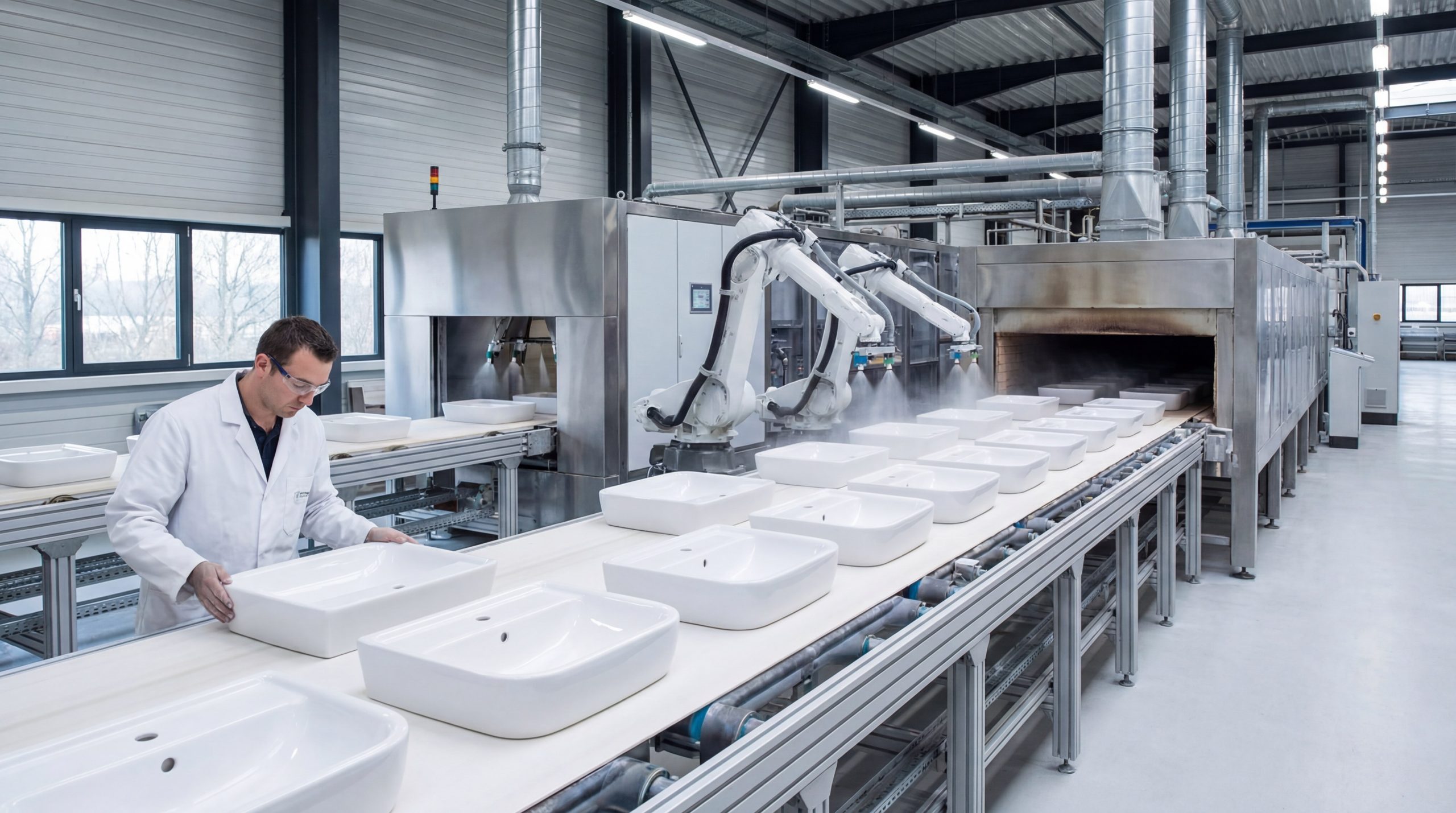
In sanitary ware production, Zirconium Silicate acts as a powerful opacifier that masks the ceramic body and provides a high-gloss finish. Utilizing a consistent Zirconium Silicate grade allows you to maintain the “brilliant white” standard that consumers demand.
Can it prevent glaze defects?
Properly dispersed silicate particles fill microscopic voids in the glaze layer. Think about it: a uniform distribution prevents common issues like crawling or “orange peel” textures during the cooling phase.
- Surface Tension: Optimizes glaze flow for a smoother finish.
- Expansion Matching: Reduces the risk of crazing by aligning with the ceramic body.
- Opacity Masking: Hides dark iron spots in lower-quality clay bodies.
What is the ideal loading rate?
Determining the right percentage of opacifier is a balance between cost and visual performance. Excessive loading can lead to matte surfaces, while too little results in a transparent, dull finish.
Key Takeaway: For sanitary ceramics, the silicate must provide both opacity and rheological stability to maximize first-pass yield.
| Metric | Impact of Silicate | Production Benefit | |
|---|---|---|---|
| Pinhole Rate | Reduced by 60% | Lower rework costs | |
| Gloss Level | Increased by 15% | Premium aesthetic | |
| Batch Yield | 94% First-pass | Faster throughput |
Strategic application in the glaze formula directly correlates with a reduction in surface defects and higher customer satisfaction.
What Particle Size is Best for Zirconium Silicate?

The particle size distribution (PSD) of Zirconium Silicate determines its light scattering efficiency and how it interacts with other glaze components. Selecting the correct D50 value is essential for achieving the specific gloss and opacity levels your project requires.
Does a narrow PSD improve quality?
A narrow particle distribution ensures that almost all particles contribute effectively to light scattering. And it gets better: narrow PSD also leads to more predictable slurry viscosity in automated spray lines.
- D50 Range: 1.0–1.5μm is standard for high-whiteness glazes.
- Oversize Control: Eliminating particles >5μm prevents surface roughness.
- Surface Area: Higher surface area improves the reactivity during the firing cycle.
How do you measure PSD accurately?
Laser diffraction is the industry standard for monitoring the size of silicate powders. You should verify that your supplier uses this method to provide batch-specific data sheets.
Key Takeaway: Smaller, more uniform particles provide superior whiteness and surface smoothness compared to broad, coarse distributions.
| D50 Value (μm) | Best Application | Visual Result | |
|---|---|---|---|
| 0.8 – 1.2 | High-end Tableware | Maximum Gloss | |
| 1.3 – 1.8 | Sanitary Ware | Balanced Opacity | |
| 2.0 – 3.5 | Floor Tiles | Matte/Satin Finish |
Targeting a D50 of roughly 1.5μm provides the most versatile performance for general industrial ceramic glazes.
Is Zirconium Silicate Vital for Refractory Life?
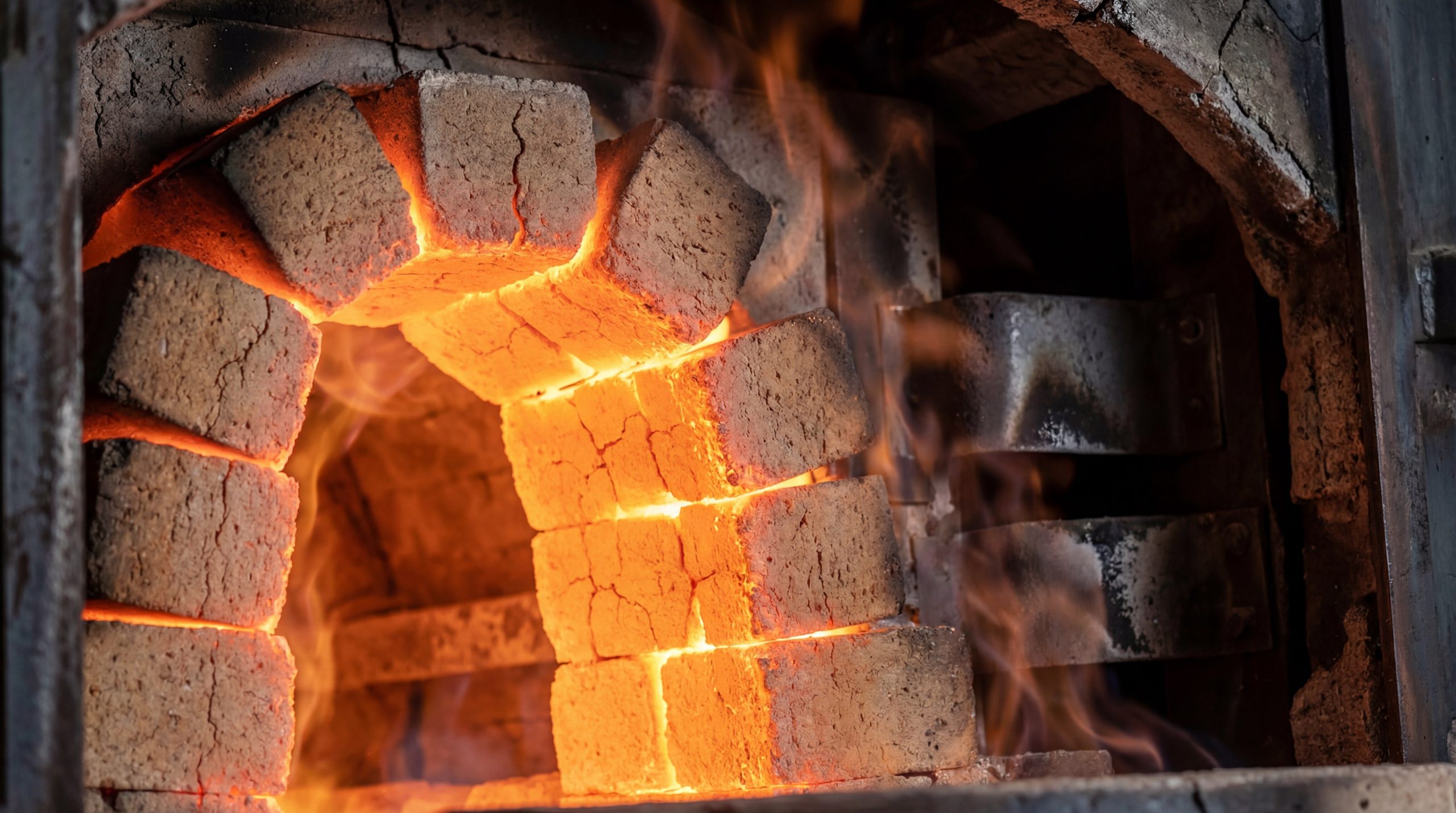
Zirconium Silicate is a cornerstone of high-temperature refractory materials due to its exceptional thermal stability and chemical inertness. Integrating a stable Zirconium Silicate grade into your brick formulations significantly extends the service life of industrial furnaces.
How does it handle thermal shock?
The material has a very low coefficient of thermal expansion, which prevents cracking during rapid temperature cycles. Now, consider this: adding zircon to a refractory mix creates a toughening effect that inhibits crack propagation.
- Melting Point: Remains stable at temperatures exceeding 2000°C.
- Corrosion Resistance: Withstands acidic slag and molten glass erosion.
- Volume Stability: Minimizes shrinkage during long-term high-heat exposure.
Can it improve casting shells?
In investment casting, zircon flour is used to create a primary slurry that can withstand the heat of molten metal. This ensures the mold captures fine details without deforming under pressure.
Key Takeaway: Zircon-based refractories are essential for environments where thermal cycling and chemical aggression are constant threats.
| Property | Zircon-Enriched | Standard Refractory | Benefit | |
|---|---|---|---|---|
| Service Life | 40% Longer | Standard | Reduced downtime | |
| Erosion Rate | Low | Moderate | Better purity | |
| Max Temp | 2100°C | 1700°C | Extreme heat use |
The addition of zirconium silicate transforms standard refractory materials into high-performance structural components for heavy industry.
Can Zirconium Silicate Enhance Advanced Ceramics?
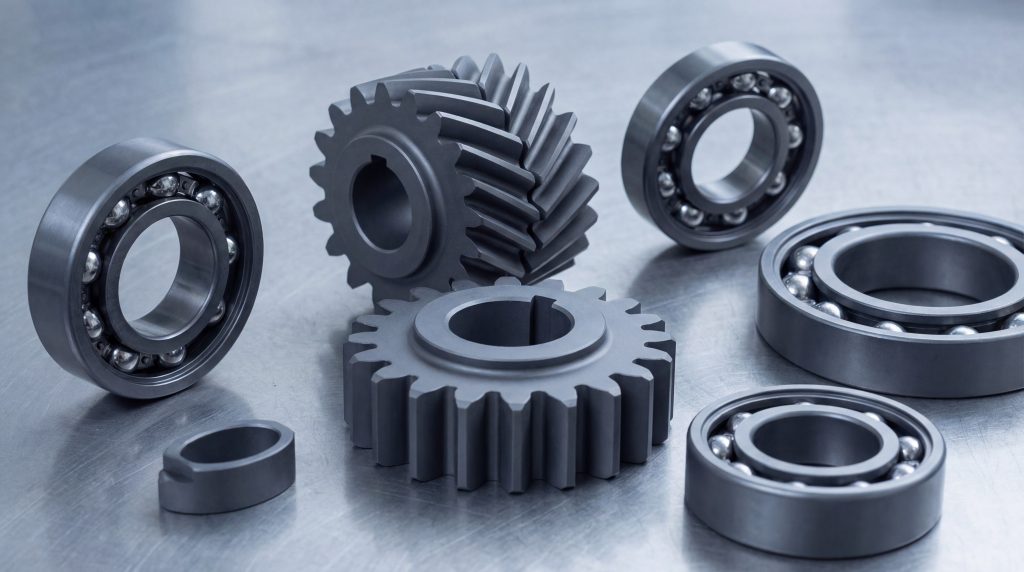
Advanced ceramics leverage the mechanical strength and wear resistance of Zirconium Silicate for precision industrial parts. It serves as an effective additive to increase the fracture toughness and hardness of sintered technical components.
What are the mechanical benefits?
When used as a structural component, it offers high resistance to abrasion and chemical attack. Look closer: the phase stability of the zircon crystal ensures that parts maintain their dimensions even under high mechanical stress.
- Wear Resistance: Ideal for pump components and grinding media.
- Dielectric Strength: Useful for high-voltage electrical insulators.
- Precision Milling: Low shrinkage allows for tight CAD/CAM tolerances.
Is it compatible with zirconia?
Zirconium silicate is often used alongside stabilized zirconia to balance cost and performance. This combination allows engineers to tailor the mechanical properties to the specific needs of the application.
Key Takeaway: Beyond aesthetics, zirconium silicate provides the structural integrity needed for demanding technical and mechanical applications.
| Feature | Performance Level | Industry Application | |
|---|---|---|---|
| Hardness | HV 1000+ | Wear parts | |
| Acid Resistance | Excellent | Chemical processing | |
| Dimensional Stability | High | CAD/CAM components |
The mechanical robustness of this material makes it a preferred choice for parts facing extreme friction or corrosive environments.
How Do You Optimize Zirconium Silicate Slurries?
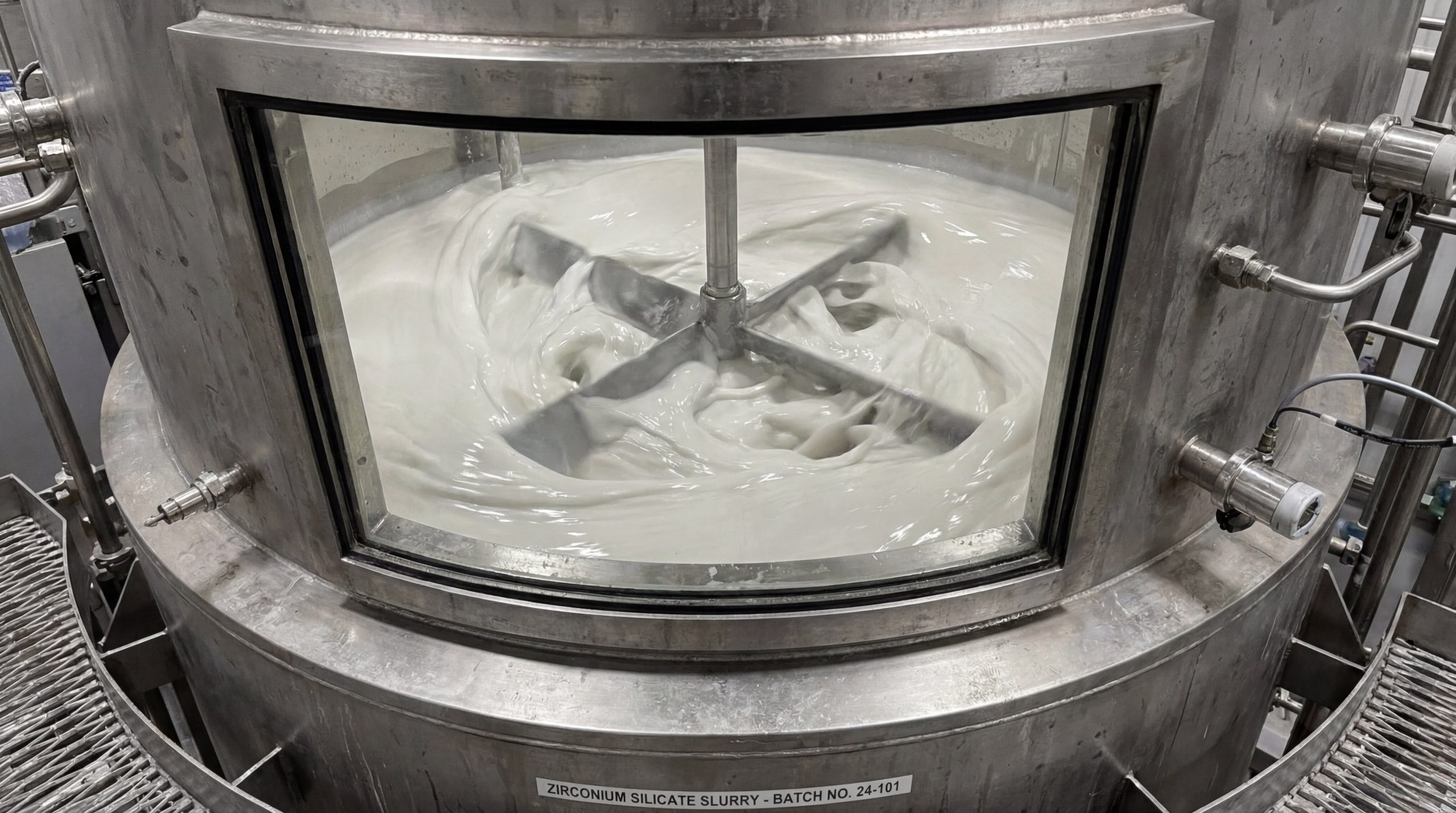
Optimizing your slurry requires precise control over the dispersion and viscosity of the Zirconium Silicate powder. Proper slurry management ensures that the opacifier is evenly distributed throughout the glaze or casting mix.
How to achieve perfect dispersion?
Preventing agglomeration is the biggest challenge when mixing fine silicate powders. The best part? Using the right deflocculants can keep your particles in suspension for extended periods without settling.
- Mixing Speed: High-shear mixing is necessary to break up clusters.
- Solid Loading: Aim for a balance that provides opacity without clogging nozzles.
- pH Stability: Keeping the slurry slightly alkaline prevents premature gelling.
Does water quality affect the mix?
Hard water containing high mineral content can interfere with the charge of the silicate particles. You should use deionized or softened water to ensure the slurry remains stable across production cycles.
Key Takeaway: A well-optimized slurry prevents settling issues and ensures uniform application across every production batch.
| Slurry Variable | Target Range | Result of Deviation | |
|---|---|---|---|
| Viscosity | 300 – 500 cP | Clogging or running | |
| Density | 1.6 – 1.8 g/cm³ | Inconsistent opacity | |
| Mixing Time | 45 – 60 mins | Poor particle dispersion |
Maintaining these tight parameters ensures that your automated spraying or dipping processes run without interruption.
Why Use Zirconium Silicate in Investment Casting?
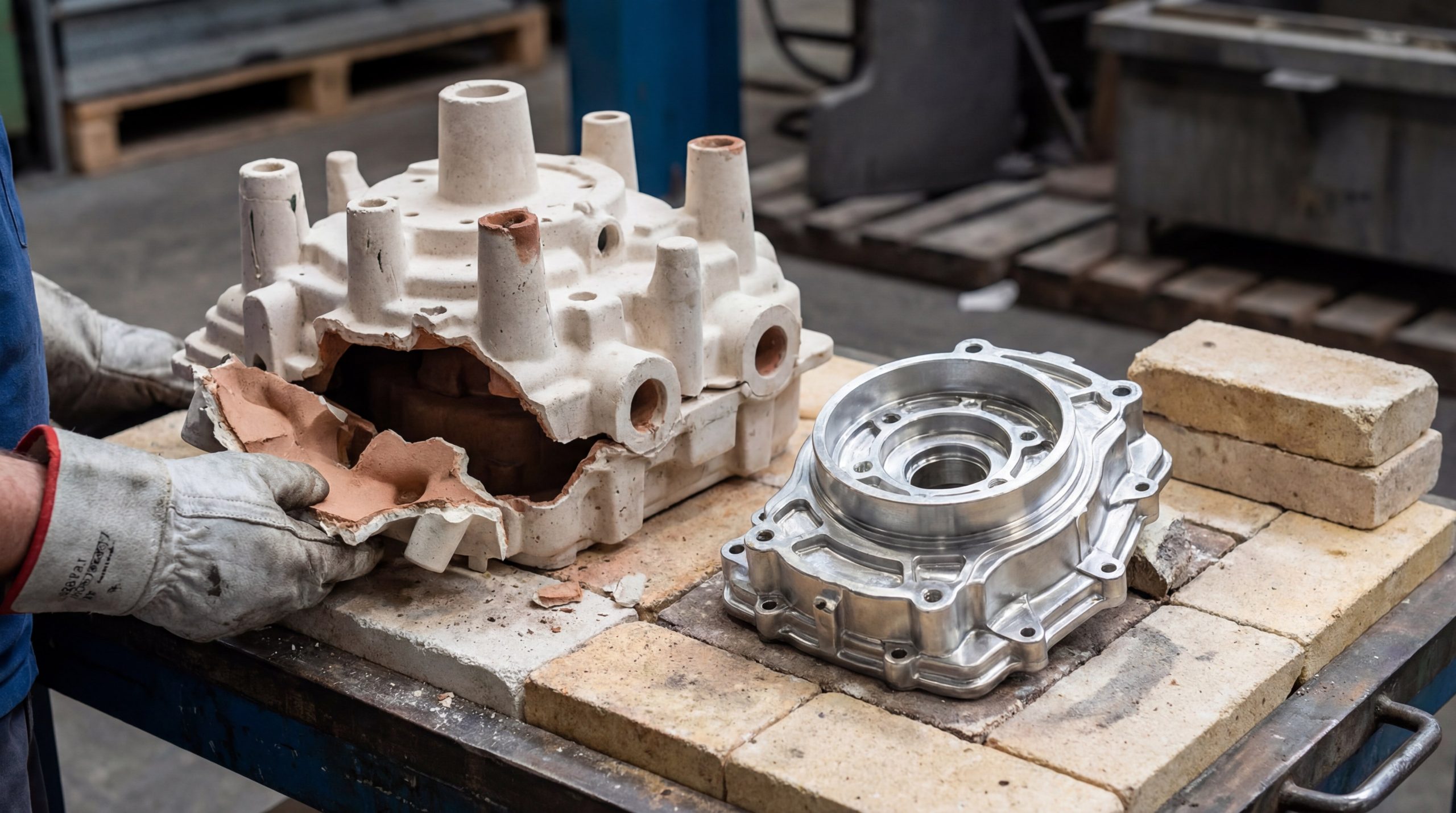
Investment casting relies on the non-wetting properties of Zirconium Silicate to produce smooth metal surfaces. It prevents the molten metal from reacting with the mold, which drastically reduces the need for expensive post-casting cleanup.
Does it improve surface finish?
The fine particle size of zircon flour captures the most intricate details of the wax pattern. But there is a catch: you must use a high-purity grade to prevent metal-mold reactions that cause surface pitting.
- Primary Coat: Provides the interface between the metal and the shell.
- Thermal Barrier: Protects the outer shell layers from thermal shock.
- Precision: Enables “near-net-shape” casting for complex geometries.
How to manage shell strength?
The binder system must be compatible with the silicate powder to ensure a strong, ceramic bond. Think about it: a stronger shell means fewer mold failures and higher safety in the foundry.
Key Takeaway: Zirconium silicate is the gold standard for primary slurry coats in high-precision investment casting foundries.
| Casting Need | Silicate Role | Outcome | |
|---|---|---|---|
| Detail Capture | Fine Flour (325 Mesh) | Precise dimensions | |
| Mold Strength | Binding compatibility | Zero mold breakouts | |
| Surface Finish | Non-wetting behavior | Minimal machining |
Utilizing premium zircon flours ensures that the final cast parts meet the rigorous standards of the aerospace and medical industries.
How to Manage Zirconium Silicate Supply Risks?
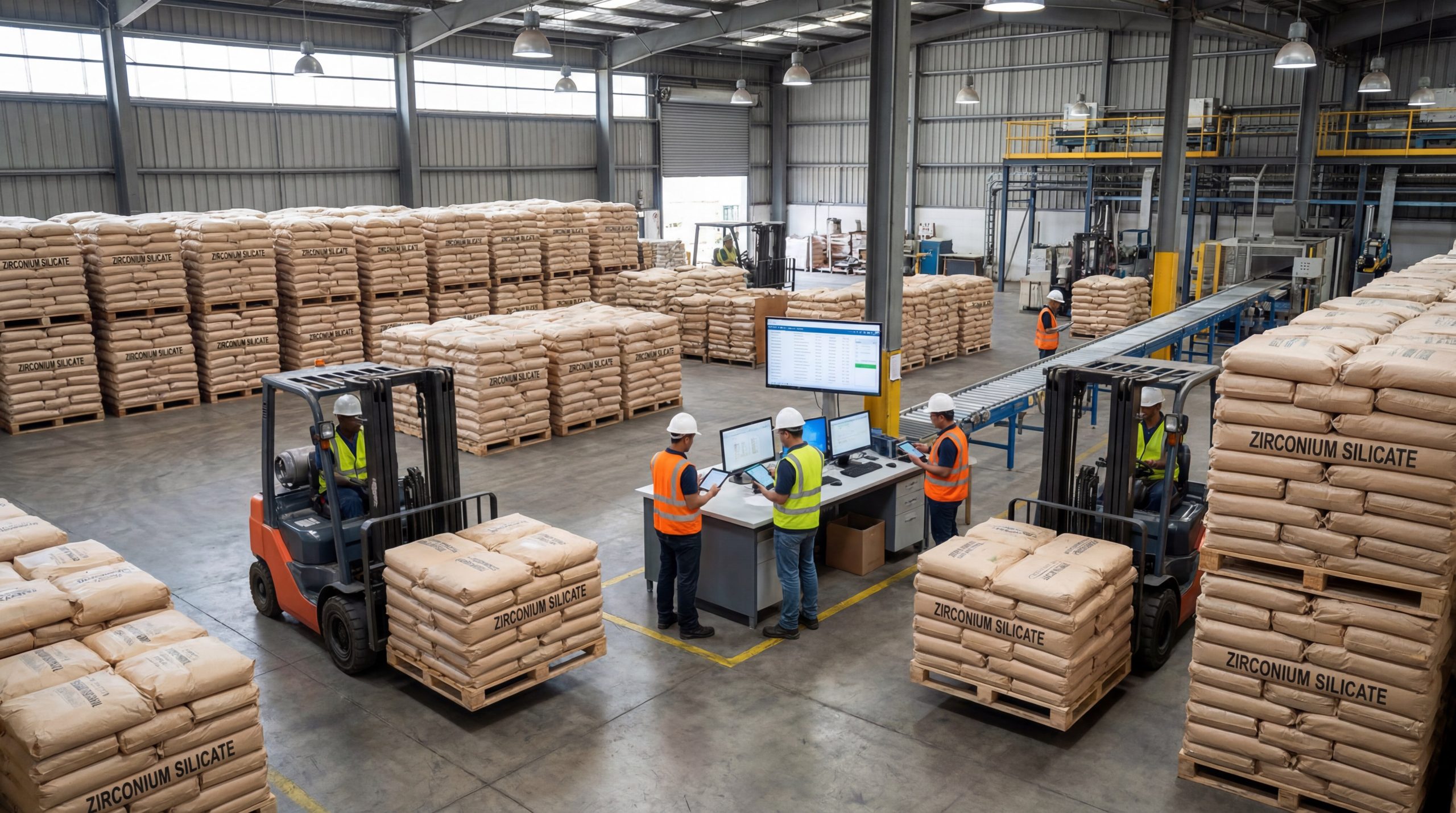
Managing the supply chain for Zirconium Silicate involves more than just checking prices. You need a partner who offers full batch traceability and a stable inventory to prevent production halts during market volatility.
Why is traceability critical?
In a precision manufacturing environment, knowing the exact origin of your material helps you troubleshoot quality spikes. Here is the kicker: full traceability allows you to correlate specific batches with your own production yields.
- Lead Times: Standardized grades should be available for 2-3 week shipping.
- Safety Stock: Maintain a buffer to hedge against shipping delays.
- Quality Lock: Secure long-term specs to prevent “grade creep” over time.
Can custom specs reduce risk?
Working with a manufacturer to lock in a custom PSD or whiteness level ensures that your process never has to adapt to a “new” standard. This consistency is the ultimate insurance policy against quality drift.
Key Takeaway: A reliable supply chain is built on transparent documentation, batch consistency, and proactive communication.
| Supply Factor | Risk if Ignored | Strategy | |
|---|---|---|---|
| Batch Variance | Yield loss | Locked specifications | |
| Logistics Delay | Line shutdown | 4-week safety stock | |
| Documentation | Compliance failure | Full COA for every batch |
Establishing a long-term supply agreement protects your operations from the fluctuations of the global zircon market.
How to Optimize Whiteness in Zirconium Silicate?
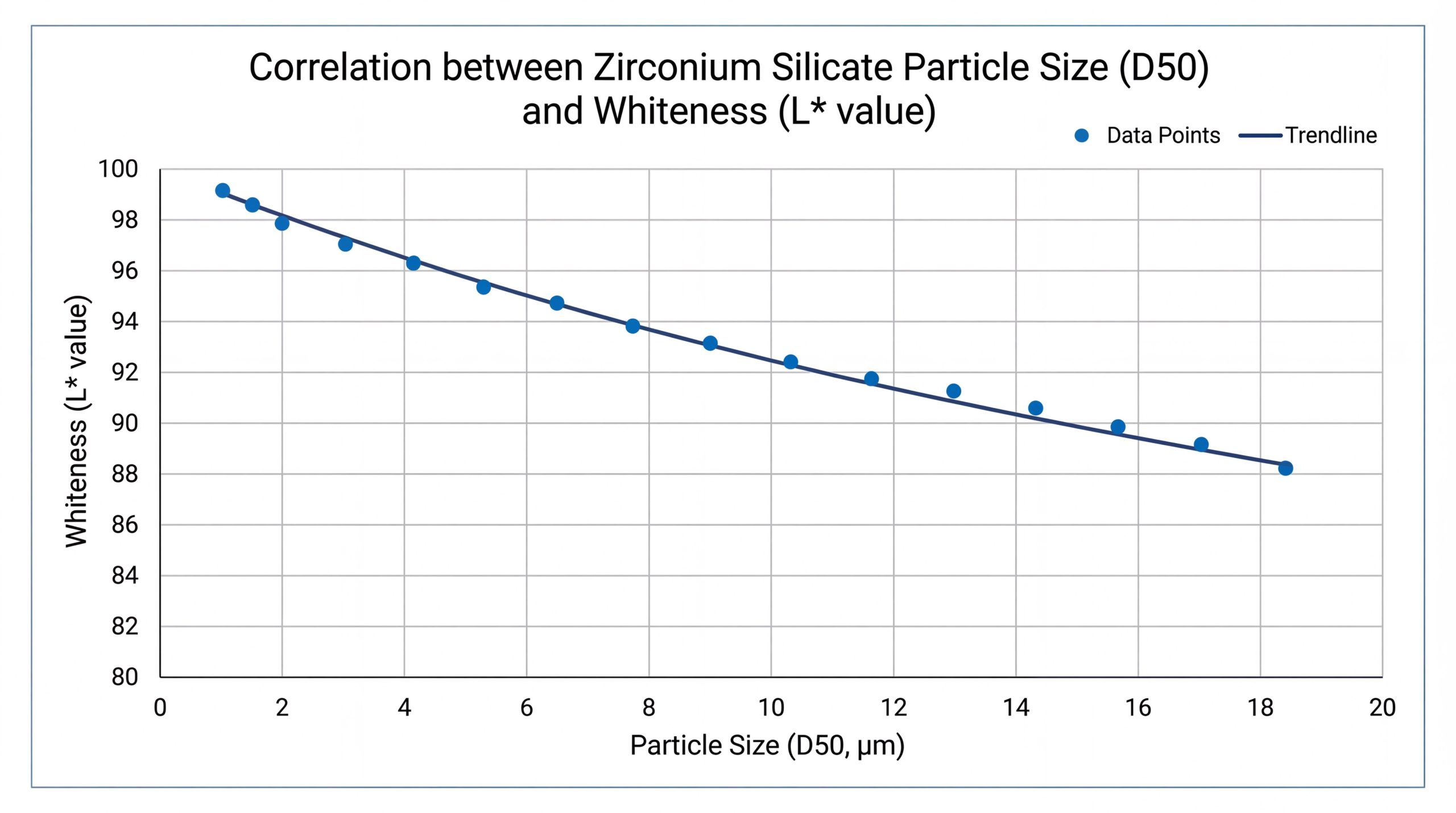
Optimizing whiteness in Zirconium Silicate requires an understanding of how particle size directly influences the refractive index and light scattering. The smaller the D50 value, the more efficient the light scattering, leading to a higher whiteness value (
L∗
).
Why does the chart matter?
The correlation between size and whiteness is the most important technical trend for glaze engineers. Look closely: as you move below 1.5μm, the gain in whiteness becomes non-linear, providing a massive boost to opacity.
- Scattering Power: Maximized when particles are roughly half the wavelength of light.
- Refractive Index: Zirconium silicate’s index of 1.9–2.0 ensures high opacity.
- Slurry Stability: Fine particles stay in suspension better, ensuring even color.
Can grinding media affect color?
Contamination from alumina or iron grinding balls can dull the whiteness of the powder. You should verify that your supplier uses high-purity zirconia grinding media to maintain the integrity of the color.
Key Takeaway: To achieve maximum whiteness, specify an ultrafine D50 range and ensure the product is processed in contamination-free environments.
| D50 Value | Whiteness () | Visual Impact | |
|---|---|---|---|
| 1.0 μm | 98.2 | Brilliant white | |
| 2.5 μm | 95.5 | Standard white | |
| 5.0 μm | 92.1 | Dull/Off-white |
The chart highlights that even small reductions in particle size can yield significant improvements in the aesthetic quality of your ceramics.
Should You Customize Zirconium Silicate Specifications?

Customizing your Zirconium Silicate allows you to solve specific production challenges that standard grades might miss. When you contact us for a technical consultation, you are taking the first step toward a material tailored to your exact kiln and slurry parameters.
Is customization worth the cost?
While custom grades may have a higher MOQ, the reduction in waste and rework often covers the price difference. The best part? You gain a competitive advantage by achieving surface finishes that your competitors cannot replicate.
- Tailored PSD: Optimized for your specific spraying or dipping equipment.
- Custom Whiteness: Adjusted to match specific color-sensitive glazes.
- Surface Treatment: Can be added to improve suspension in difficult slurries.
How to start the process?
Start by providing your current batch data and identifying where your current material falls short. An engineer can then suggest adjustments to the milling or chemical profile to bridge that gap.
Key Takeaway: Customization is a strategic investment that pays dividends through higher production yields and superior product quality.
| Need | Custom Solution | Business Impact | |
|---|---|---|---|
| High Surface Defects | Narrow PSD adjustment | 60% defect reduction | |
| Specific Color Shade | Controlled impurity blend | Brand consistency | |
| Slurry Settling | Specialized surface coat | Continuous production |
Moving away from “off-the-shelf” solutions allows you to fine-tune your manufacturing process for maximum efficiency and profit.
Conclusion: Mastering the Silicate Advantage
Successfully selecting and applying Zirconium Silicate is the key to unlocking world-class production stability. By focusing on chemical purity, particle size precision, and application-specific customization, you eliminate the variables that cause yield loss and product rejection. We have explored how this versatile material stabilizes glazes, strengthens refractories, and ensures the highest whiteness standards in the industry. Our vision is to empower precision manufacturing through engineered zircon solutions that reduce process variation and eliminate procurement risk. To optimize your material performance and solve your toughest production challenges, we invite you to contact us today for a technical consultation with our engineering team.
Frequently Asked Questions
1. Can I use standard grades for precision casting?Judgment: No, standard grades often contain higher impurities that cause metal-mold reactions. You should use high-purity flours specifically classified for investment casting to ensure a smooth, defect-free surface finish.
2. What’s the best way to prevent powder clumping in the slurry?Judgment: High-shear mixing combined with appropriate deflocculants is the most effective method. You should also ensure the powder is stored in a low-humidity environment to prevent moisture-driven agglomeration before mixing.
3. How do I know if my PSD is too broad?Judgment: If you observe inconsistent gloss levels and “orange peel” textures, your particle distribution is likely too wide. A laser diffraction analysis will confirm if you have an excessive amount of coarse particles over 5μm.
3. Can I reduce my Zirconium Silicate loading to save costs?Judgment: Only if you switch to a more efficient, finer-particle grade. Simply reducing the loading of your current grade will lead to a loss of opacity and a duller finish that may not meet quality standards.
4. What’s the quickest way to verify batch whiteness?Judgment: Use a
L∗a∗b∗
colorimeter on a fired sample tile rather than relying on the raw powder color. This provides a quantifiable value that accounts for how the silicate interacts with your specific glaze base during firing.