The fundamental difference between zircon, zirconia, and zirconium is that zircon is a raw mineral silicate, zirconia is a processed ceramic oxide, and zirconium is a transition metal element. In high-stakes B2B procurement, confusing these terms leads to significant production errors, such as using a conductor when you need a refractory insulator. If you are struggling with inconsistent batch quality or material failures, mastering the nuances of Zirconium Oxide will allow you to optimize your application and secure a more resilient supply chain.
What is the origin of Zirconium Oxide?
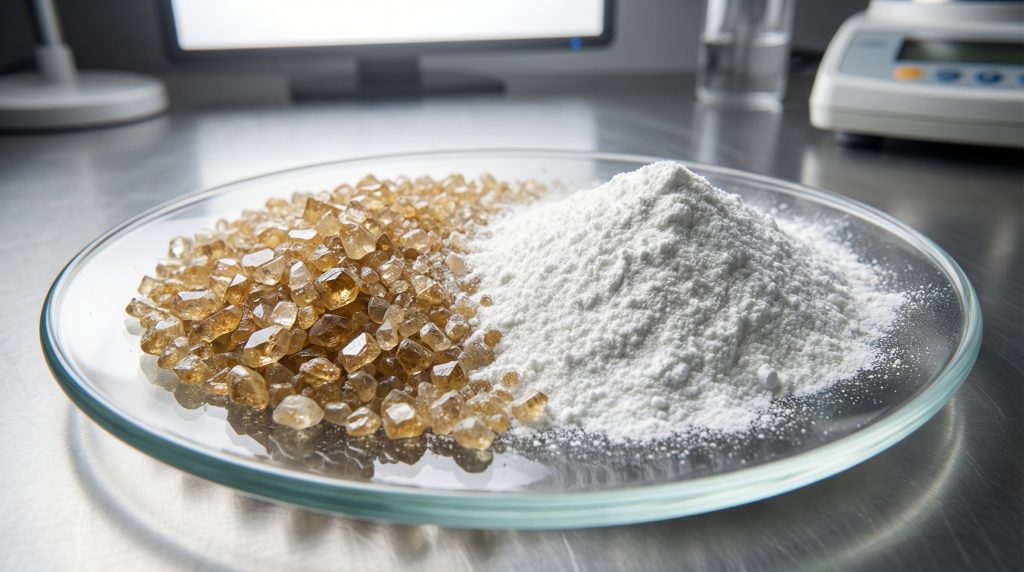
Zirconium Oxide originates from the mineral zircon (ZrSiO₄), which is primarily mined from heavy mineral sand deposits found in ancient coastal areas. This naturally occurring silicate serves as the essential raw precursor for all advanced industrial derivatives.
The mineral source: zircon sand
Zircon sand is a co-product of mineral mining, prized for its inherent hardness and chemical resistance. It is often found alongside titanium minerals and requires sophisticated separation techniques.
But that’s not all…
- Found in heavy mineral sand deposits globally.
- Contains roughly 65-66% ZrO₂ in its raw silicate form.
- Serves as the foundation for the entire zirconium supply chain.
How is the oxide extracted from the mineral?
To move from the silicate to the oxide, the mineral must undergo intensive thermal or chemical processing. This separation stage is where the silica is removed to isolate the metal oxide.
Here is the kicker:
- Thermal dissociation occurs in electric arc furnaces.
- Chemical leaching can also be used for specific purity requirements.
- The final product is a white crystalline powder.
| Material | Chemical Formula | Physical Form | Primary Source | |
|---|---|---|---|---|
| Zircon | ZrSiO₄ | Coarse sand/Fine powder | Heavy mineral deposits | |
| Zirconium Oxide | ZrO₂ | White crystalline powder | Processed Zircon |
This extraction process defines the purity and behavior of the material you use in production.
Key Takeaway: Zircon is the “raw” mineral found in nature, while Zirconium Oxide is its refined, high-performance derivative.
How does zircon silicate form Zirconium Oxide?
Raw zircon silicate forms Zirconium Oxide through a high-energy process known as thermal dissociation in electric arc furnaces. This transition is critical because it dictates the final phase stability and chemical purity of the ceramic.
Thermal dissociation in electric furnaces
The process involves melting zircon sand at temperatures exceeding 2,600°C to force a molecular split. This intense heat causes the silicate to dissociate into molten zirconia and silica.
Think about this for a second:
- Requires precise temperature control to ensure full dissociation.
- The resulting fused zirconia offers a much higher concentration of ZrO₂.
- Silica is removed as a byproduct during the cooling phase.
Refining from silicate to pure oxide
Once the material is cooled and crushed, it becomes fused zirconia, which is significantly more stable than raw sand. This refinement process is what creates the industrial-grade performance you require.
The bottom line is:
- Reduces impurities that cause structural failure.
- Allows for the addition of stabilizers during the molten stage.
- Ensures a uniform crystalline structure for downstream processing.
| Process Stage | Temperature | Resulting Material | Purity (ZrO₂) | |
|---|---|---|---|---|
| Raw Input | Ambient | Zircon Silicate | ~65-66% | |
| Thermal Processing | >2,600°C | Fused Zirconium Oxide | 98.5% – 99.9% |
Understanding this transformation helps you evaluate the energy density and quality of your supply.
Key Takeaway: The transition to Zirconium Oxide involves removing silica at extreme temperatures to enhance thermal and mechanical capabilities.
Is Zirconium Oxide different from metallic zirconium?
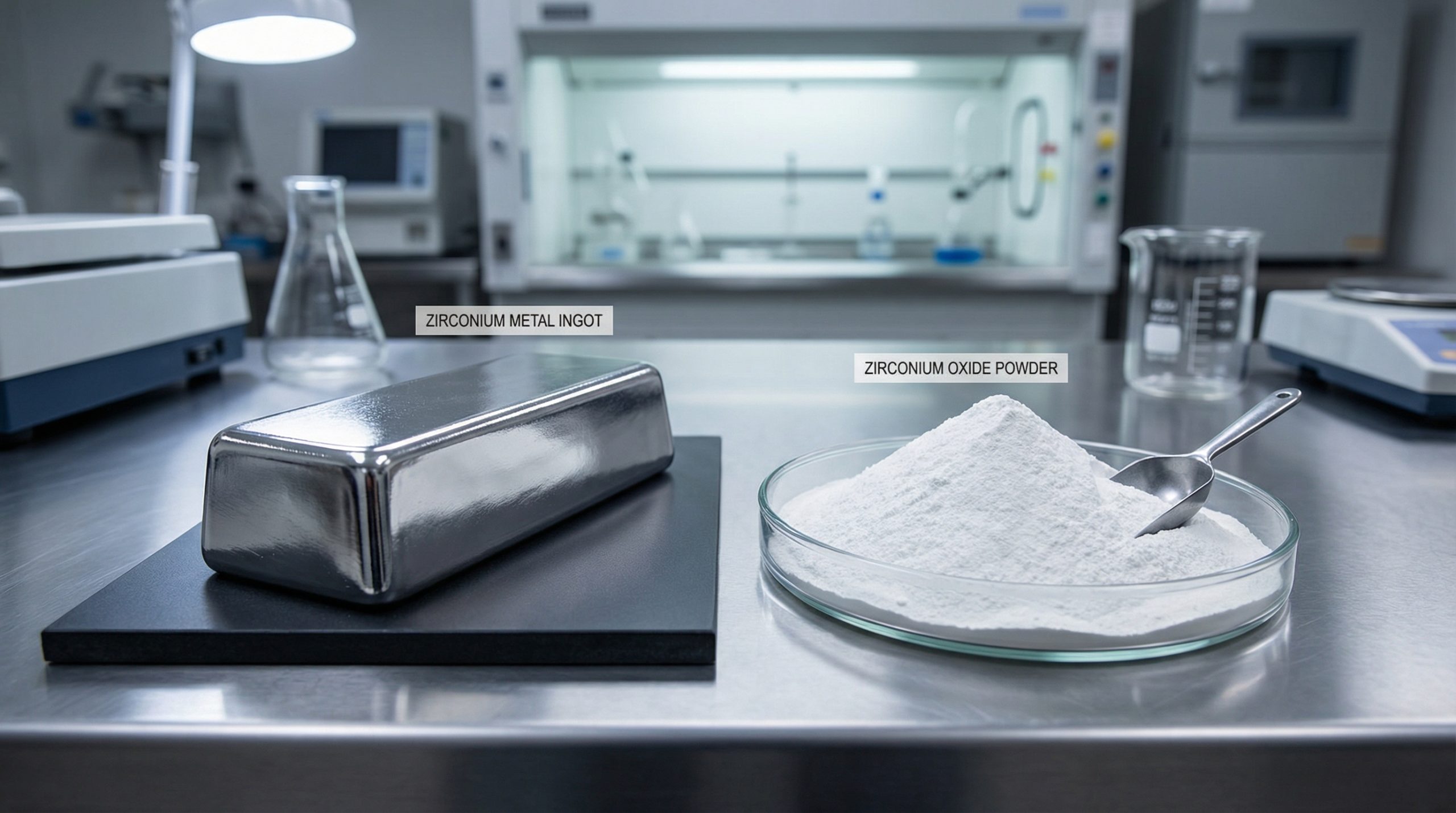
Yes, Zirconium Oxide is a ceramic compound (ZrO₂) formed when the base element reacts with oxygen, whereas metallic zirconium (Zr) is a silvery-grey transition metal. While they share the same base element, their physical properties and industrial applications are fundamentally different.
Chemical symbol Zr vs. compound ZrO₂
Zirconium (Zr) is element 40 on the periodic table, valued for its low neutron absorption. However, Zirconium Oxide is a refractory ceramic that acts as a powerful thermal and electrical insulator.
But wait, there’s more:
- Metallic zirconium is a conductor; the oxide is an insulator.
- The metal is ductile, while the ceramic is extremely hard and brittle.
- Oxides are formed via chemical or thermal oxidation of the metal or silicate.
Diverse industrial applications for metal and ceramic
Metallic zirconium is vital for nuclear cladding and specialized steel alloys due to its corrosion resistance. In contrast, you use the oxide for wear-resistant parts and high-temperature furnace linings.
Here is the interesting part:
- Metal is used in nuclear reactors for fuel rods.
- Ceramic is used in dental implants and grinding media.
- Zirconium chemicals serve as catalysts in paper and textile coatings.
| Property | Zirconium (Metal) | Zirconium Oxide (Ceramic) | |
|---|---|---|---|
| Conductivity | High Electrical/Thermal | Low (Insulator) | |
| Hardness | Moderate | Extremely High | |
| Main Use | Nuclear & Steel Alloys | Ceramics & Refractories |
Selecting the wrong form can result in catastrophic material failure in sensitive environments.
Key Takeaway: Do not confuse metallic zirconium with Zirconium Oxide; the former is a conductor used in alloys, while the latter is a high-strength ceramic.
What are the industrial grades of Zirconium Oxide?
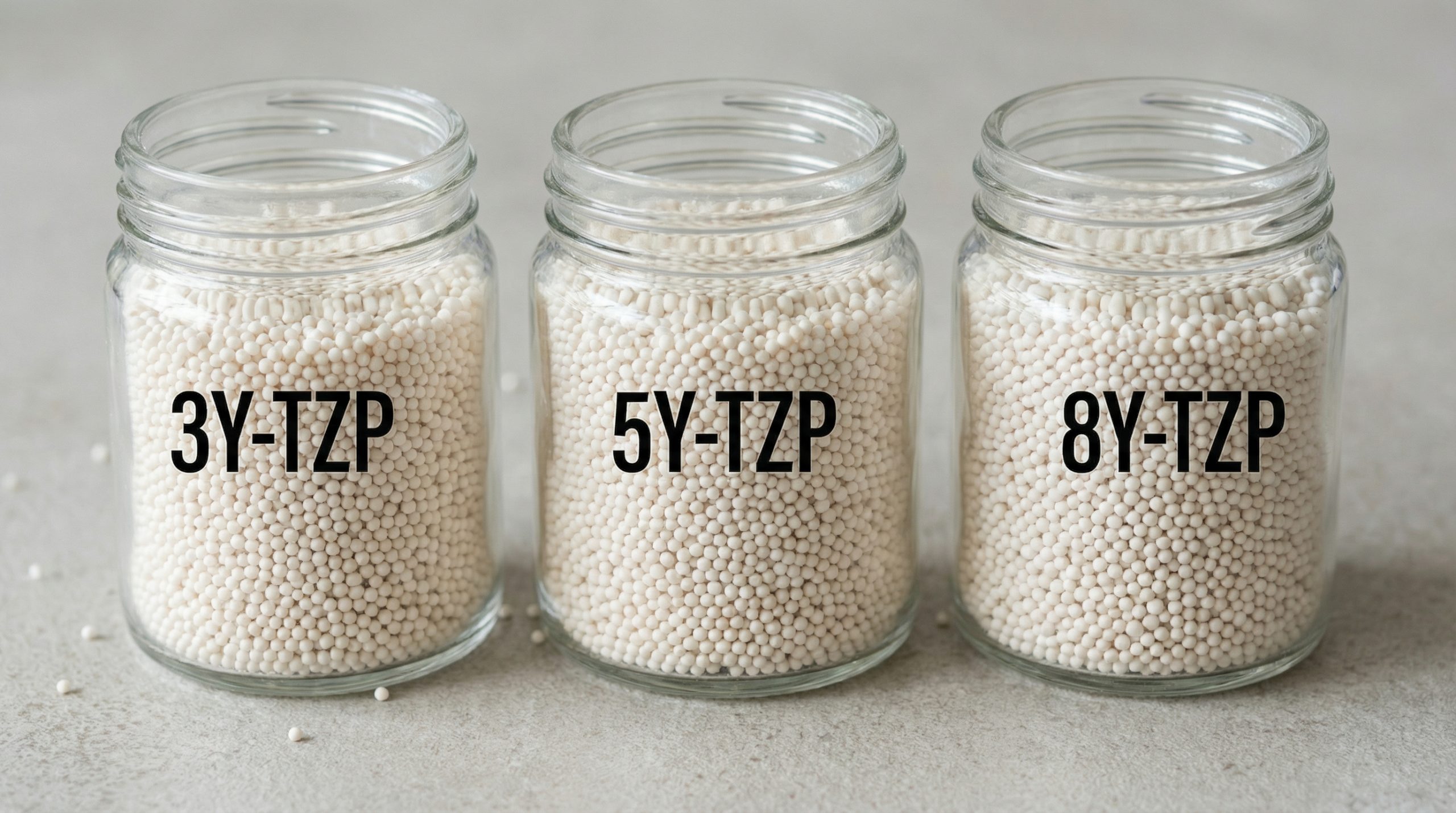
Industrial grades of Zirconium Oxide are defined by the type and amount of stabilizers added to the crystal lattice, such as yttria, magnesia, or ceria. Choosing the correct grade is essential for ensuring your components can withstand mechanical stress and thermal cycling.
Stabilized vs. unstabilized grades
Pure ZrO₂ undergoes significant volume changes during heating, which causes cracking in unengineered parts. To prevent this, stabilizers are added to “lock” the material into a specific crystalline phase.
Here is the kicker:
- Unstabilized zirconia is used mainly in refractories.
- Yttria-stabilized zirconia (YSZ) is the standard for structural parts.
- Stabilizers prevent the monoclinic-to-tetragonal phase transition.
Comparing 3Y, 5Y, and 8Y options
The numerical designations like 3Y or 5Y refer to the mole percentage of yttria used for stabilization. For instance, 3Y-TZP is optimized for extreme strength, while 8Y-FSZ is ideal for ionic conductivity.
But that’s not all:
- 3Y-TZP: High fracture toughness for dental and mechanical parts.
- 5Y-PSZ: High translucency for aesthetic dental crowns.
- 8Y-FSZ: Used in oxygen sensors and solid oxide fuel cells.
| Grade | Primary Characteristic | Common Application | |
|---|---|---|---|
| 3Y-TZP | High fracture toughness | Dental & Structural parts | |
| 5Y-PSZ | High translucency | Aesthetic dental crowns | |
| 8Y-FSZ | Ion conductivity | Fuel cells & Sensors |
The performance of your final product depends entirely on matching the stabilization grade to your mechanical requirements.
Key Takeaway: Your choice of Zirconium Oxide grade should be driven by the balance of mechanical strength and optical properties your project requires.
Why does phase stability matter in Zirconium Oxide?
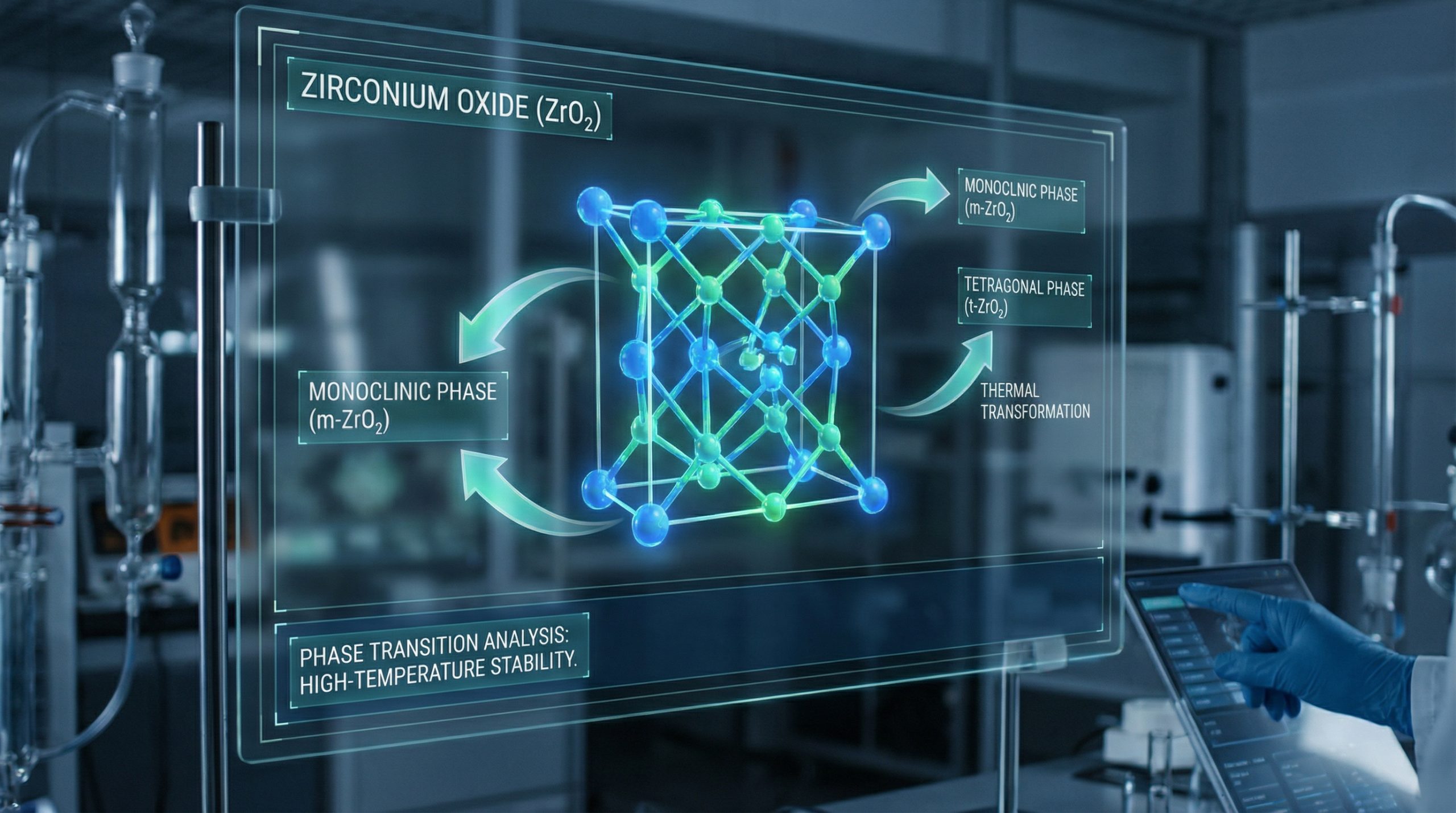
Phase stability is the critical factor in Zirconium Oxide that determines whether a ceramic component will maintain its structural integrity or shatter under thermal stress. Without proper engineering, the material undergoes a volume expansion of about 3–5% during cooling, leading to internal fractures.
Understanding tetragonal and monoclinic phases
At room temperature, pure Zirconium Oxide exists in a monoclinic phase, but it transitions to a tetragonal phase when heated. If this transition is not controlled by stabilizers, the cooling process triggers “stress-induced” cracking.
Here is the kicker:
- Monoclinic phase is stable at low temperatures for pure material.
- Tetragonal phase offers superior mechanical strength.
- Transformation toughening allows the material to stop crack propagation.
Impact on mechanical strength and longevity
Stabilization allows the tetragonal phase to exist at room temperature, which is the “secret sauce” of high-performance ceramics. This state enables the material to absorb energy, preventing catastrophic failure in structural applications.
But wait, there’s more:
- Increases fracture toughness to levels comparable to metals.
- Ensures dimensional stability during rapid thermal cycling.
- Extends the service life of components in high-wear environments.
| Phase | Crystal Structure | Stability Status | |
|---|---|---|---|
| Monoclinic | Prismatic | Stable at room temp (Pure) | |
| Tetragonal | Rectangular | Toughened state (Stabilized) | |
| Cubic | Square | High-temp state (Stabilized) |
Engineering the phase composition is what separates premium technical ceramics from standard refractories.
Key Takeaway: Proper stabilization of Zirconium Oxide prevents the phase-change cracking that ruins unengineered ceramic parts.
How does Zirconium Oxide enhance sanitary ceramics?
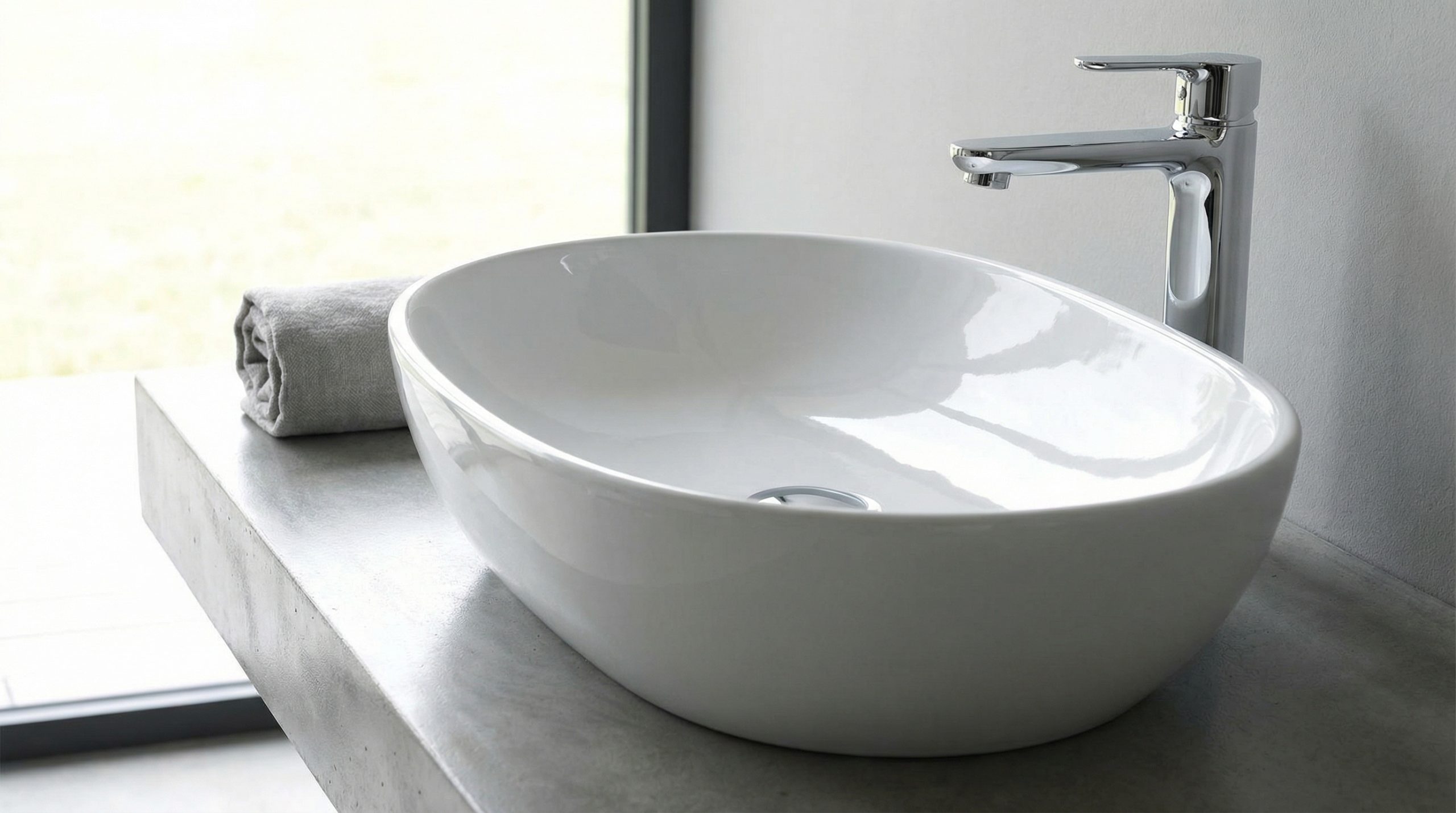
In the sanitary ware industry, Zirconium Oxide derivatives like zirconium silicate are used to provide high opacity and brilliant whiteness to ceramic glazes. It acts as a light-reflecting agent that hides the darker ceramic body underneath the finish.
Opacity and whiteness in glazes
Zircon-based materials are the most effective opacifiers available because they have a high refractive index. This ensures that your bathroom fixtures maintain a clean, premium look even after years of use.
But that’s not all…
- Reflects light effectively to create stable whiteness.
- Maintains color consistency across different production batches.
- Resists chemical erosion from cleaning agents and water minerals.
Reducing surface pinholes and defects
By using ultra-fine Zirconium Oxide with a narrow particle size distribution, manufacturers can significantly reduce glaze defects. This leads to a smoother surface and a much higher first-pass yield in the kiln.
Here is the kicker:
- Reduces pinhole defects by up to 60%.
- Improves the rheology of the glaze during application.
- Enables thinner glaze layers without sacrificing coverage.
| Indicator | Typical Result | With Optimized Zircon | |
|---|---|---|---|
| Whiteness Variance | ±3 units | ±1 unit | |
| First-Pass Yield | 82% | 94% |
Consistent material properties are the only way to achieve “zero-defect” surfaces in automated production lines.
Key Takeaway: Achieving a “zero-defect” glaze surface depends on the consistency and particle size of the Zirconium Oxide materials in your formula.
Is Zirconium Oxide essential for dental ceramics?
Zirconium Oxide has revolutionized the dental industry by providing a biocompatible material that matches the strength and aesthetics of natural teeth. It is the gold standard for bridges and crowns, offering a metal-free alternative that does not compromise on durability.
Sintering shrinkage and CAD/CAM precision
To achieve a perfect fit for a patient, you must use Zirconium Oxide with highly predictable sintering shrinkage. Any variation in the powder’s behavior will lead to ill-fitting prosthetics and costly remakes.
But wait, there’s more:
- Shrinkage variance must be kept within ±0.3%.
- Predictable behavior allows for precise CAD/CAM milling.
- Uniform density prevents warping during the final firing process.
Why is high phase purity critical?
High phase purity, typically exceeding 98%, ensures that the dental blank maintains its mechanical strength over decades of use. This is essential for preventing fractures caused by the high bite forces in the human mouth.
Here is the kicker:
- Ensures long-term clinical success for dental restorations.
- Provides the translucency needed for aesthetic tooth matching.
- Prevents hydrothermal degradation (aging) in a moist environment.
| Parameter | Requirement | Impact | |
|---|---|---|---|
| Phase Purity | >98% | Long-term durability | |
| Shrinkage Variance | ±0.3% | CAD/CAM Precision | |
| Sintering Temp | 1,450°C – 1,550°C | Final density |
For high-end dental applications, the quality of the raw Zirconium Oxide powder is the primary determinant of clinical performance.
Key Takeaway: For dental applications, the phase purity of your Zirconium Oxide directly correlates to the clinical success of the restoration.
Can Zirconium Oxide improve refractory longevity?
In extreme heat environments, Zirconium Oxide serves as a frontline defense against thermal shock and chemical erosion. Its exceptionally high melting point and low thermal conductivity make it ideal for glass furnace linings and investment casting shells.
Thermal shock resistance at 2,600°C
Because Zirconium Oxide resists wetting by molten metals and glass, it extends the life of industrial furnace components significantly. It remains structurally stable even when subjected to rapid temperature changes.
But that’s not all…
- Melting point exceeds the operating temperature of most furnaces.
- Prevents slag and molten glass from penetrating the lining.
- Reduces the frequency of costly furnace shutdowns for repairs.
Strengthening investment casting shells
Adding zircon flour to casting slurries improves the strength and dimensional accuracy of ceramic molds. This is vital for the precision casting of aerospace and automotive engine components.
The bottom line is:
- Improves the surface finish of cast metal parts.
- Reduces shell cracking during the dewaxing process.
- Enhances the detail reproduction of complex geometries.
| Feature | Benefit to You | |
|---|---|---|
| High Density | Prevents slag penetration | |
| Low Reactivity | Extends furnace lining life | |
| Thermal Stability | Reduces cracking during cooling |
Integrating these advanced materials can extend the service life of industrial refractory components by as much as 40%.
Key Takeaway: Integrating Zirconium Oxide into your refractory formulations can extend the service life of industrial components by up to 40%.
How do you ensure quality in Zirconium Oxide?
Ensuring the quality of Zirconium Oxide requires rigorous testing of particle size distribution (PSD), chemical composition, and phase purity. You must verify these technical metrics to guarantee that the material will perform consistently in your manufacturing process.
The role of particle size distribution (PSD)
A narrow PSD is essential for uniform sintering and high density in the final product. If your Zirconium Oxide contains too many oversized particles, you will encounter structural weaknesses and surface flaws.
Here is the interesting part:
- Laser diffraction is used to measure D50 and D90 values.
- Narrow distribution ensures repeatable shrinkage in the kiln.
- Fine particles improve the reactivity and flow of the powder.
Batch traceability and COA reports
Always demand a Certificate of Analysis (COA) for every shipment to confirm it matches your specifications. This documentation should include XRF chemical analysis and XRD phase purity testing.
But that’s not all:
- Full batch traceability eliminates the risk of mixed inventory.
- Detailed reports help troubleshoot production issues quickly.
- Direct manufacturers provide more reliable data than trading firms.
| Metric | Method | Why it matters | |
|---|---|---|---|
| PSD (D50) | Laser Diffraction | Sintering behavior | |
| Composition | XRF Analysis | Purity levels | |
| Specific Surface | BET Method | Reactivity & Flow |
Technical data is the only reliable way to ensure your material performance remains stable across multiple years of production.
Key Takeaway: Technical documentation is the only way to guarantee that your Zirconium Oxide shipment will perform identically to the last one.
Where can you procure reliable Zirconium Oxide?

Procuring reliable Zirconium Oxide requires moving beyond trading companies to partner directly with a vertically integrated manufacturer. A direct manufacturer offers the technical support and customization capabilities needed to optimize your production yield.
Partnering with a direct manufacturer
Direct manufacturers provide full batch traceability and the ability to customize particle sizes or whiteness levels. This level of control is impossible to find when sourcing from multiple unverified traders.
But wait, there’s more:
- Direct access to engineers for technical troubleshooting.
- Customized PSD profiles to match your specific equipment.
- Lower overall costs by eliminating the middleman.
Managing your long-term supply chain
By establishing a long-term supply agreement for Zirconium Oxide, you protect your production from market volatility and supply shortages. This ensures you always have a safety stock of consistent, high-quality material.
Here is the kicker:
- Locks in pricing and delivery schedules for the year.
- Ensures consistent quality across all production batches.
- Provides priority support for R&D and new product trials.
| Capability | Trading Company | Direct Manufacturer | |
|---|---|---|---|
| Technical Support | Limited | High (Engineers) | |
| Customization | Rare | Full PSD/Phase control | |
| Batch Consistency | Variable | Monitored & Stable |
Your procurement strategy should focus on stability and technical partnership rather than just the lowest initial price.
Key Takeaway: To ensure the highest yield, source your Zirconium Oxide from a vertically integrated manufacturer who can provide both raw materials and engineered components.
Final Conclusion
Distinguishing between zircon, zirconia, and zirconium is the first step toward engineering excellence and procurement safety. Whether you are improving the opacity of a ceramic glaze or the durability of a dental implant, the performance of Zirconium Oxide is the common thread. By focusing on phase stability, particle size, and manufacturer reliability, you can transform your production efficiency and eliminate costly material failures.
Contact us today to consult with our engineering team on the best material specifications for your industrial application.
FAQ
- Can I use zircon sand in place of zirconia powder? No, they have different chemical structures; zircon sand contains silica, while zirconia is a concentrated oxide.
- What’s the best grade of zirconia for high-wear parts? 3Y-TZP (Yttria-stabilized) is typically best due to its exceptional fracture toughness and mechanical strength.
- Can I customize the particle size of my order? Yes, direct manufacturers can typically adjust D50 values to match your specific production equipment and sintering curve.
- What’s the best way to verify material purity? Request a full COA including XRF analysis for chemical composition and XRD for phase purity before shipment.
- How do I know if a supplier is a direct manufacturer? Ask to audit the production facility and check for vertical integration from raw ore processing to finished powder.