Zirconium dioxide powder is a high-performance ceramic oxide known for its exceptional thermal stability and chemical resistance. Standard materials often fail under extreme heat or corrosive conditions, leading to costly downtime and reduced equipment life. High-purity zirconia powder provides a reliable alternative, maintaining structural integrity in aerospace, medical, and other high-stress industrial applications. Upgrading to this advanced material significantly improves durability and long-term operational stability.
What is the technical profile of zirconia powder?
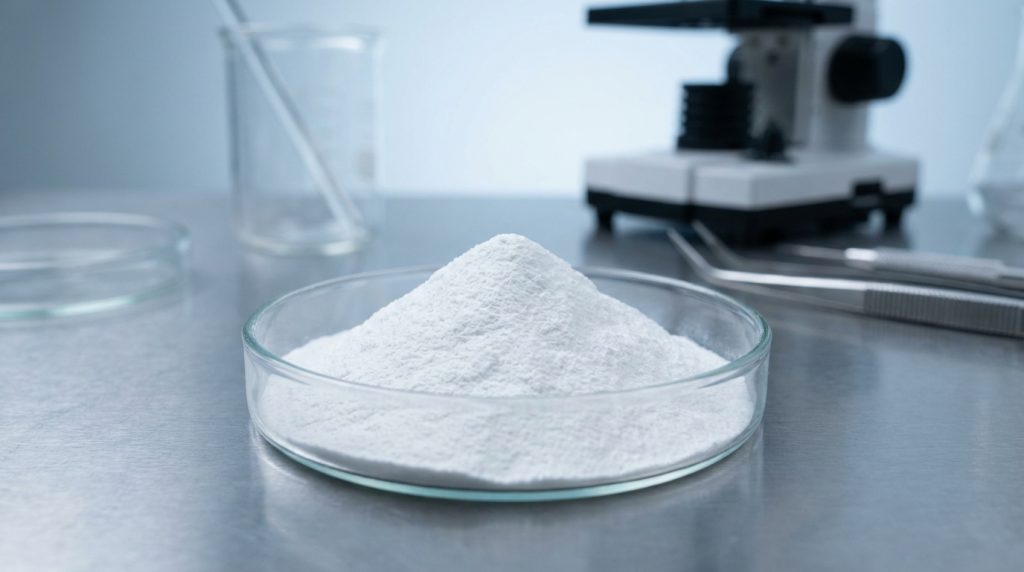
The technical profile of zirconia powder reveals a material that effectively bridges the gap between traditional ceramics and high-strength metal alloys. This white inorganic compound is primarily composed of zirconium and oxygen and it possesses a molecular structure that changes based on temperature. At room temperature, it exists in a monoclinic form but it transitions to tetragonal and cubic phases as heat increases. But here’s the kicker, this phase transformation is exactly what gives the material its legendary “ceramic steel” reputation.
What are the core physical properties?
You might notice that zirconia powder behaves differently than standard ceramics because its crystal lattice adapts to thermal energy levels through atomic repositioning. Think about it, these transitions create a toughening mechanism that prevents cracks from spreading through the material under high mechanical loads or sudden impacts.
- High density of approximately 5.85 g/cm³
- Melting point exceeding 2700°C
- Low thermal conductivity for insulation
- Extreme hardness on the Mohs scale
Which purity grades are available?
The chemical foundation of high-grade powders is centered on achieving purity levels exceeding 99.9% for sensitive electronics and medical applications. The point is, even trace impurities can alter the refractive index or the dielectric constant of the final sintered product.
- Industrial grade for refractories
- Electronic grade for sensors
- Medical grade for implants
- Optical grade for lenses
Key Takeaway: Selecting the correct purity level and stabilization type determines the final mechanical success of your ceramic parts across various demanding thermal environments.
| Property | Value | Unit | |
|---|---|---|---|
| Melting Point | 2715 | °C | |
| Density | 5.89 | g/cm³ | |
| Hardness | 1200 | HV |
This data table serves as a baseline for comparing technical ceramic precursors against standard industrial alloys.
Why is zirconia powder critical for industries?
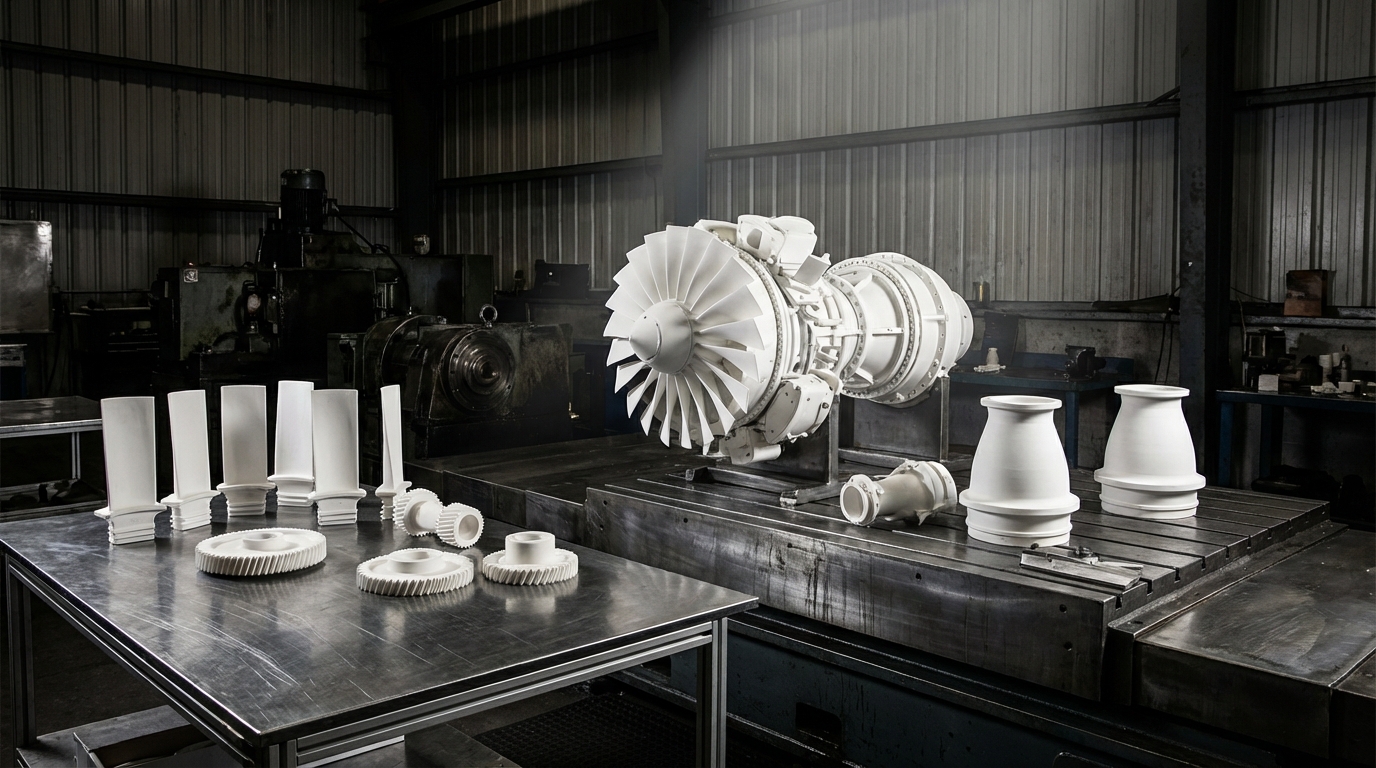
Industrial leaders recognize that zirconia powder is a linchpin for modern technological advancement because it combines biocompatibility with extreme mechanical strength. From high-speed machining to delicate medical implants, the demand for materials that withstand thermal shock and chemical erosion is higher than ever before. Believe me, the transition from traditional alloys to zirconia-based ceramics is not just a trend but it is a fundamental shift in how we approach material science.
How does it benefit mechanical systems?
The mechanical strength of zirconia is its most marketable feature for B2B professionals looking for operational longevity. When processed into solid forms, it exhibits high fracture toughness and compressive strength that rivals certain grades of industrial steel. Here is the deal, these components can absorb energy during a stress event by changing their crystal structure at the site of a potential crack.
- Resistance to bending stress
- High load-bearing capacity
- Reduced wear in friction zones
- Extended mean time between failures
What is the impact on corrosion?
The impact of corrosion resistance cannot be overstated when you are discussing the long-term ROI of specialized manufacturing equipment. Most metals eventually succumb to oxidation or chemical attack in acidic environments but zirconia remains completely unbothered by these stressors. Ready for the good part? Because the material is inert, it does not leach contaminants into the process stream during pharmaceutical production.
Key Takeaway: Superior mechanical and chemical resilience reduces operational downtime and maintenance costs across high-stakes industrial sectors.
| Benefit Category | Industrial Impact | Estimated ROI | |
|---|---|---|---|
| Wear Resistance | Longer tool life | 40% Cost Reduction | |
| Thermal Stability | Energy efficiency | 15% Fuel Savings | |
| Chemical Inertness | Pure processing | 100% Purity Control |
These benefits demonstrate why high-performance ceramics are replacing traditional metallic components in modern factories.
How is zirconia powder prepared via precipitation?
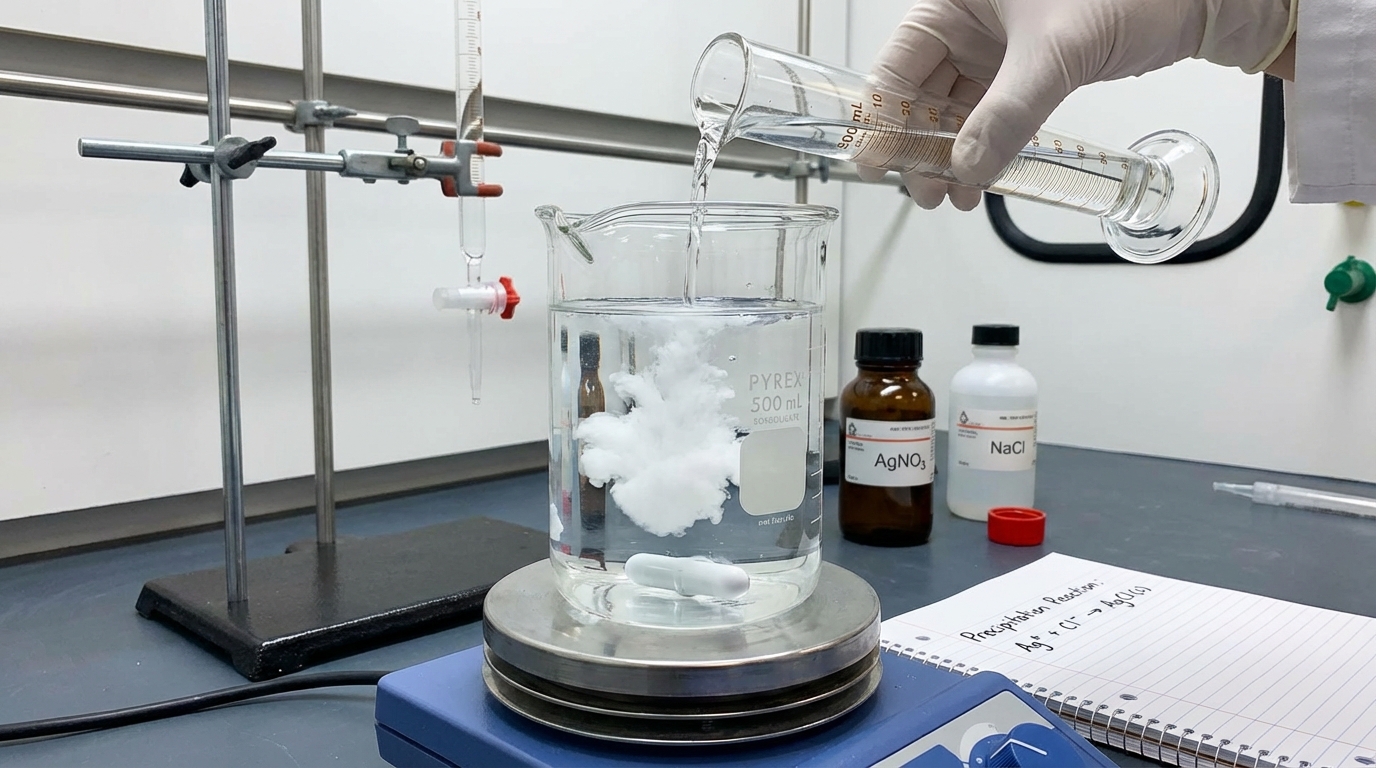
Preparing zirconia powder through chemical precipitation is the most common industrial approach due to its exceptional scalability and cost-effectiveness. The process begins with the dissolution of zirconium salts like zirconium nitrate or chloride into an aqueous solution under controlled conditions. Look, the secret to a high-quality powder lies in the precision of the precipitation step where a basic solvent like ammonia is carefully introduced. Maintaining the correct pH level during this phase is critical because even a slight deviation can lead to inconsistent particle sizes.
Why is salt dispersion important?
Salt dispersion is the foundational stage where the raw zirconium sources are broken down into a workable liquid state. The concentration of the salt solution determines the eventual density of the powder and requires careful monitoring by your laboratory technicians. The reality is, using deionized water is mandatory to prevent unwanted mineral interactions that could compromise the batch.
- Precise pH level monitoring
- Controlled stirring speeds
- Use of deionized water
- Concentration ratio checks
What happens during calcination?
The transformation of the wet precipitate into the final powder occurs during high-temperature heating and calcination stages. After the zirconium hydroxide is dried, it is placed in furnaces where it crystallizes into the desired oxide form. Think about it, the cooling rate after calcination is just as important as the heating cycle because it influences the phase composition.
Key Takeaway: Controlled precipitation is the most efficient way to achieve high-purity industrial powders with consistent particle morphology.
| Step | Objective | Key Variable | |
|---|---|---|---|
| Dissolution | Ion creation | Concentration | |
| Precipitation | Hydroxide formation | pH Level | |
| Calcination | Crystallization | Temperature |
Meticulous adherence to these steps results in a consistent raw material ready for high-precision ceramic manufacturing.
What chemical methods create zirconia powder?
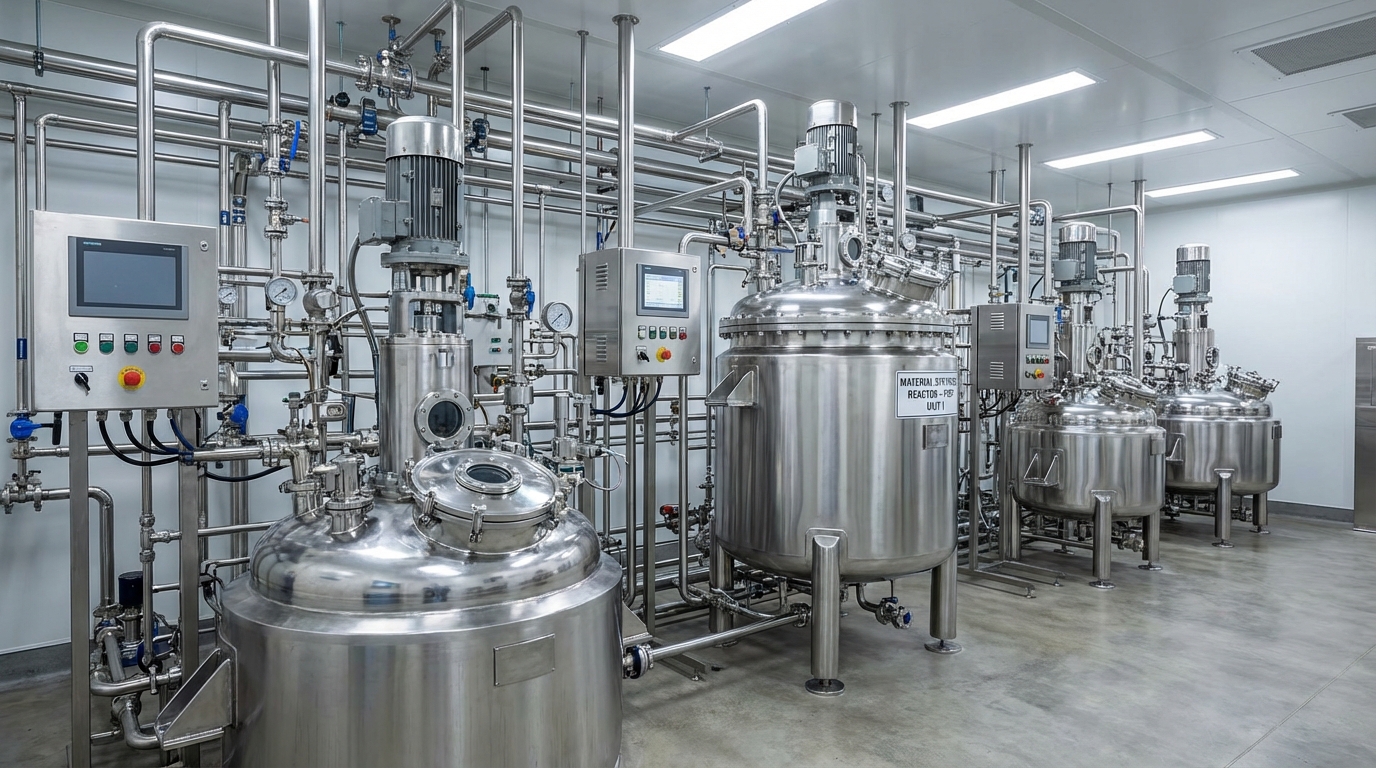
While precipitation is popular, other chemical methods like the sol-gel process and hydrothermal synthesis offer unique advantages for creating specialty zirconia powder. The sol-gel method is particularly favored when a manufacturer needs to create a powder with an extremely high surface area or specific porosity. The reality is, high-tech sensors and catalysts require a level of microscopic control that simple precipitation cannot always provide for your project. By manipulating hydrolysis and condensation reactions, researchers can create a “sol” that eventually transitions into a “gel” structure.
How does sol-gel synthesis work?
Sol-gel synthesis is a sophisticated route that yields powders with exceptional chemical homogeneity at the molecular level. This process involves the transition of a system from a liquid colloidal sol into a solid gel phase under low temperatures. But wait, there is more, this method enables the production of spherical particles that flow better in additive manufacturing systems.
- Low processing temperatures
- Nano-scale thickness control
- Spherical particle production
- Improved additive flow
What are hydrothermal variables?
Hydrothermal synthesis involves conducting the chemical reaction inside a high-pressure autoclave at elevated temperatures to mimic natural mineral formation. Because the reaction happens in a closed system, the resulting powder is often much finer and more uniform than open-air methods. The point is, this produces zirconia with a much higher reactive surface area for energy applications.
Key Takeaway: Advanced chemical methods allow for the customization of particle size and surface reactivity for niche technological applications.
| Method | Particle Size | Purity Level | Primary Use | |
|---|---|---|---|---|
| Sol-Gel | Nano-scale | Ultra-High | Thin Films | |
| Hydrothermal | Fine/Uniform | Very High | Fuel Cells | |
| Precipitation | Variable | High | Structural |
These chemical pathways provide the flexibility needed to engineer specific electronic and catalytic responses in advanced ceramics.
Which thermal processes produce zirconia powder?
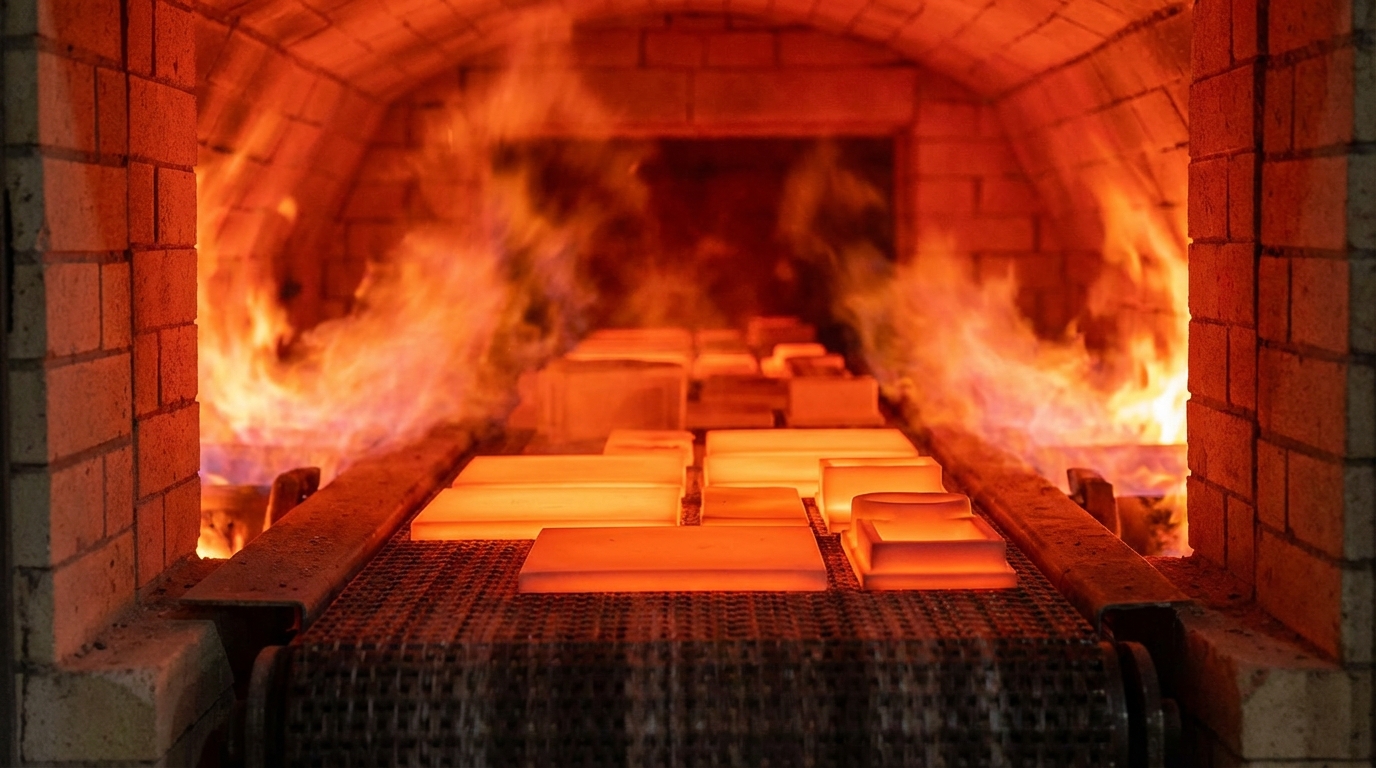
Thermal production methods for zirconia powder focus on high-energy transitions, such as direct oxidation and vapor deposition, for specialized coatings. These methods are typically used when the end product requires a specific physical form like a thin film or a highly reactive metallic-to-oxide transition. Think about it this way, sometimes you don’t start with a salt; you start with the pure metal itself to ensure maximum purity. By heating zirconium metal or alloys in an oxygen-rich environment, you can produce a very pure oxide skin.
What is direct oxidation?
Direct oxidation is a straightforward but energy-intensive method of producing oxide layers or surface treatments on metal parts. In this process, zirconium metal is exposed to high temperatures in a controlled furnace while oxygen is pumped into the chamber. Here is the deal, this ensures a bond that is far superior to any applied coating or powder-pressed component you might use.
- High temperature exposure
- Oxygen-rich environments
- Precise layer thickness
- Superior surface bonding
How does vapor deposition work?
Vapor deposition is the gold standard for creating ultra-pure powders or coatings in the electronics and optics industries. This method uses a precursor gas containing zirconium which is decomposed at high temperatures to deposit atoms onto a substrate. Ready for the good part? This method allows for the creation of anti-reflective coatings used in high-end camera lenses.
Key Takeaway: Thermal methods are essential for creating protective aerospace coatings and high-end optical components with molecular-level adhesion.
| Thermal Method | Input Material | Final Form | Advantage | |
|---|---|---|---|---|
| Direct Oxidation | Zr Metal | Oxide Layer | Bond Strength | |
| Vapor Deposition | Zr Gas | Thin Film | Extreme Purity | |
| Plasma Spraying | Bulk Powder | Coating | Heat Shield |
High-energy processing remains the preferred choice for applications requiring extreme purity and molecular-level surface protection.
How does zirconia powder improve dental care?
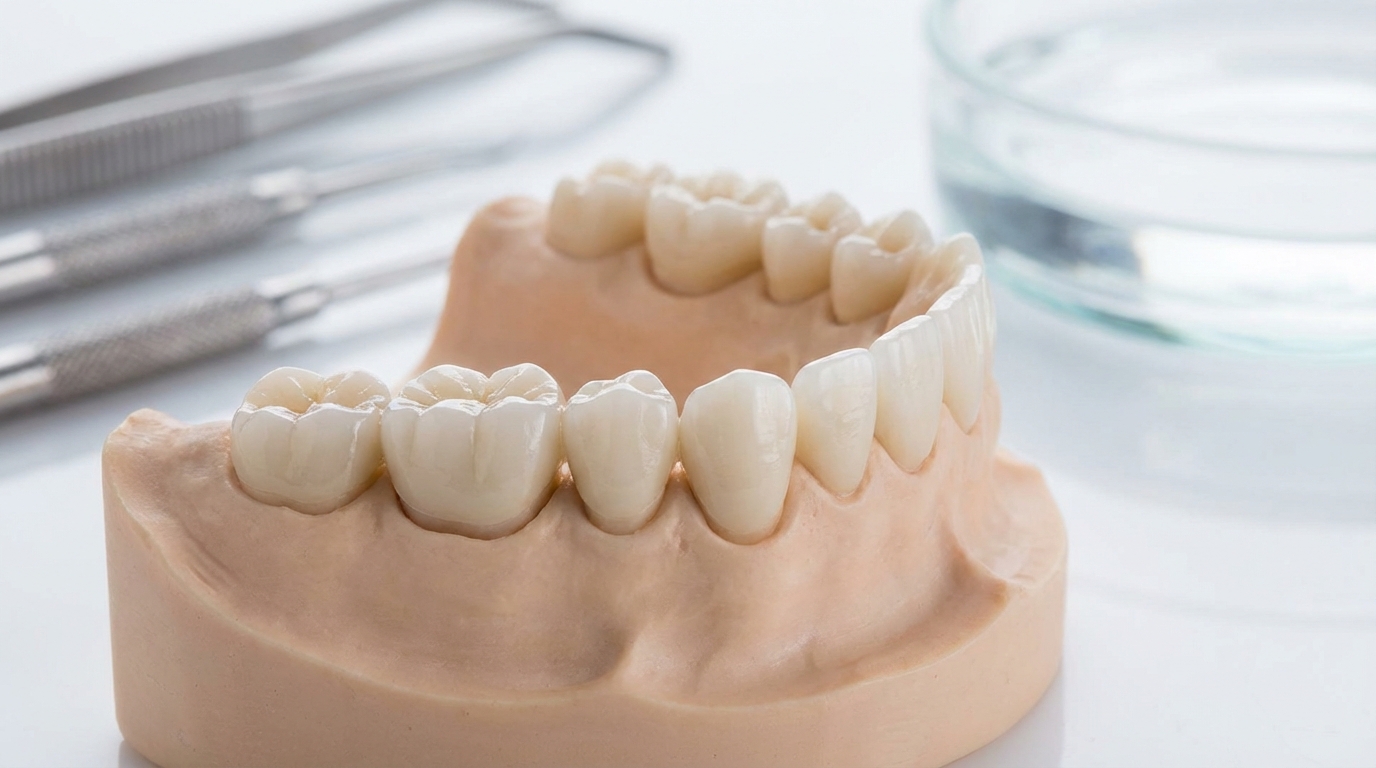
The dental industry has been revolutionized by the introduction of zirconia powder because it has largely replaced traditional metal-fused-to-porcelain crowns. Patients today demand restorations that are not only strong but also look exactly like their natural teeth under different lighting. Believe me, when a patient sees the translucency of a zirconia crown, they rarely go back to metal or gold options. Zirconia provides a “biomimetic” solution because its optical properties can be adjusted to match human enamel perfectly.
Why use biocompatible crowns?
Biocompatibility is the most critical factor when you are selecting a dental material and this ceramic scores perfectly. Unlike certain base metal alloys that can cause allergic reactions, zirconia is completely inert in the oral environment. The point is, it does not cause inflammation of the gums or leach ions into the patient’s bloodstream.
- No allergic reactions
- Tissue-friendly surfaces
- Low thermal conductivity
- Zero discoloration of gums
Is it durable for implants?
The durability of components made from zirconia is what makes them ideal for the immense mechanical stresses of the human jaw. Traditional ceramics were often too brittle for back teeth but the high fracture toughness of stabilized zirconia has changed that narrative for dentists. Ready for the good part? CAD/CAM milling blocks made from this powder have become the absolute industry standard for reliability.
Key Takeaway: Superior aesthetics combined with extreme mechanical strength make zirconia the premier choice for modern dental restorations.
| Application | Material Property | Patient Benefit | |
|---|---|---|---|
| Crowns | Translucency | Natural Look | |
| Implants | Osseointegration | Long-term Stability | |
| Bridges | Fracture Toughness | High Load Resistance |
The shift toward ceramic dentistry ensures long-lasting results that satisfy both functional and cosmetic medical requirements.
Where is zirconia powder used in energy systems?
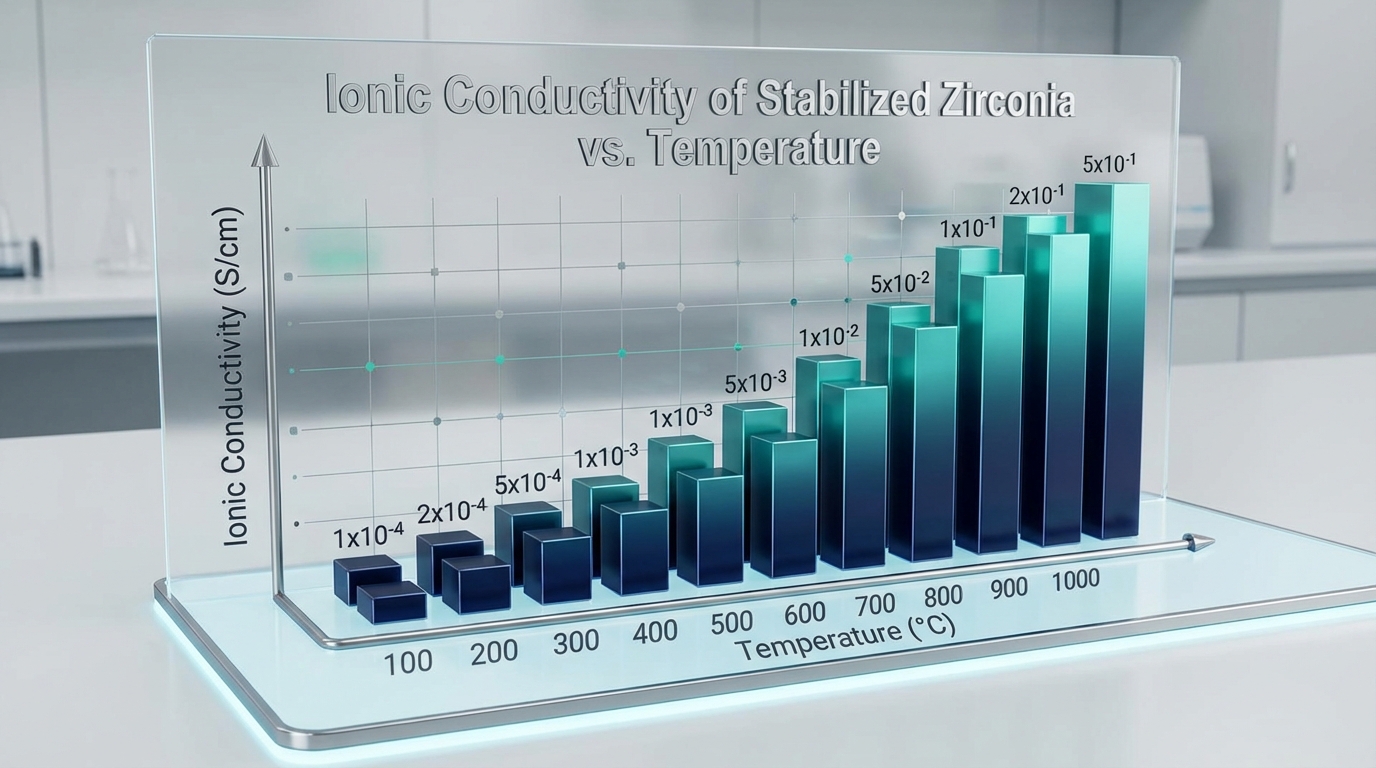
Energy systems, particularly Solid Oxide Fuel Cells (SOFCs), rely heavily on zirconia powder to serve as the functional electrolyte. In these systems, zirconia allows oxygen ions to pass through while effectively blocking the flow of electrons to create a current. But here’s the kicker, without the high ionic conductivity of yttria-stabilized zirconia (YSZ), clean power generation through fuel cells would be much harder to realize. This makes it an essential material for the transition toward a decentralized hydrogen-based economy.
What is the role in SOFCs?
The role of zirconia in SOFCs is that of a “gatekeeper” for oxygen ions moving between the cathode and anode. When the fuel cell is operating at high temperatures, these ions migrate through the zirconia lattice to react with fuel. Here is the deal, YSZ is preferred because it maintains its pure ionic conductivity across a wide range of oxygen pressures.
- Oxygen ion migration
- Electron blockage
- High-temp stability
- Thermal expansion matching
How does conductivity help?
The benefits of high ionic conductivity are directly tied to the overall efficiency of the energy conversion system. By controlling the amount of stabilizer in the powder, manufacturers can maximize the number of oxygen vacancies in the crystal lattice. The point is, optimizing the particle size can lower the operating temperature of the fuel cell without sacrificing power output.
Key Takeaway: Zirconia is the primary enabler for efficient, clean, and high-temperature electrochemical energy conversion systems.
| Component | Zirconia Grade | Function | |
|---|---|---|---|
| Electrolyte | 8 mol% YSZ | Ion Conductivity | |
| Anode Cermet | Ni-YSZ | Catalyst Support | |
| Oxygen Sensor | Partially Stabilized | Ion Detection |
The chart above illustrates how ionic conductivity increases dramatically with temperature, which is the foundational principle behind fuel cell operation.
Why choose zirconia powder for industrial tools?
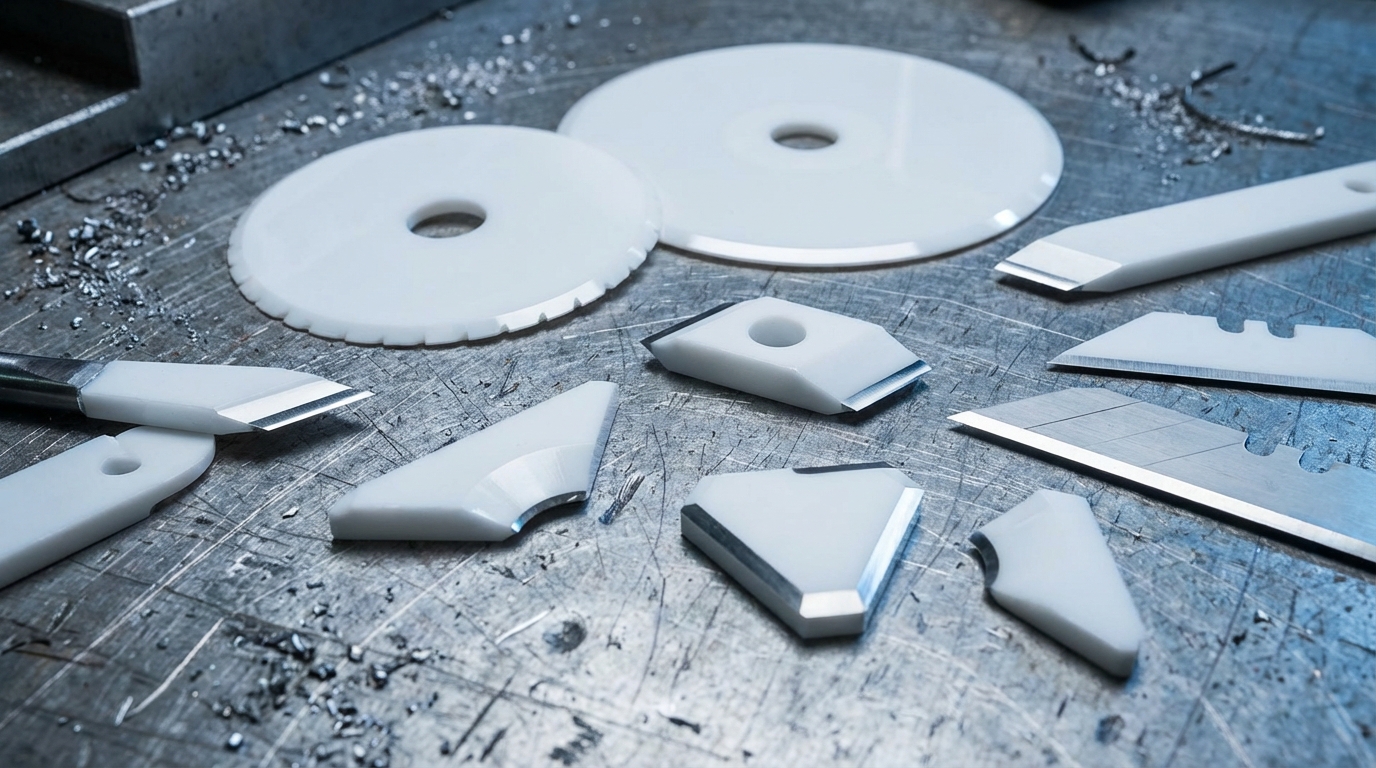
Choosing zirconia powder for industrial tools is a decision driven by the need for extreme wear resistance and thermal stability. In high-speed manufacturing, tools are often subjected to friction that would melt or dull standard steel edges in a matter of minutes. Look, ceramic knives and industrial cutters made from zirconia stay sharp up to ten times longer than their metal counterparts. This is because the material does not undergo “plastic deformation” even when the cutting edge reaches very high temperatures.
How are ceramic blades made?
The production of precision blades from zirconia involves a high-pressure pressing and sintering process to achieve maximum density. The resulting ceramic is so hard that it must be sharpened using specialized diamond wheels to create the edge. Think about it, these blades are prized in the textile and paper industries where they provide clean, burr-free cuts.
- Edge retention excellence
- Burr-free cutting performance
- Resistance to friction heat
- Non-conductive safety
What are refractory lining uses?
Refractory linings are another critical application where zirconia powder proves its worth by protecting industrial furnaces. In the steel and glass industries, furnaces must hold molten materials at temperatures exceeding 1500°C for months at a time. The reality is, zirconia’s chemical inertness makes it the perfect shield against corrosive slag that would eat through standard bricks.
Key Takeaway: Extreme hardness and chemical resistance lead to a massive reduction in tool replacement frequency and operational downtime.
| Tool Type | Material Advantage | Industry | |
|---|---|---|---|
| Slitting Blades | Edge Retention | Packaging | |
| Pump Sleeves | Corrosion Resistance | Oil & Gas | |
| Nozzles | Thermal Stability | Steel Casting |
Industrial tooling performance is significantly enhanced when you transition from high-carbon steels to technical ceramic solutions.
Is zirconia powder safe for human applications?
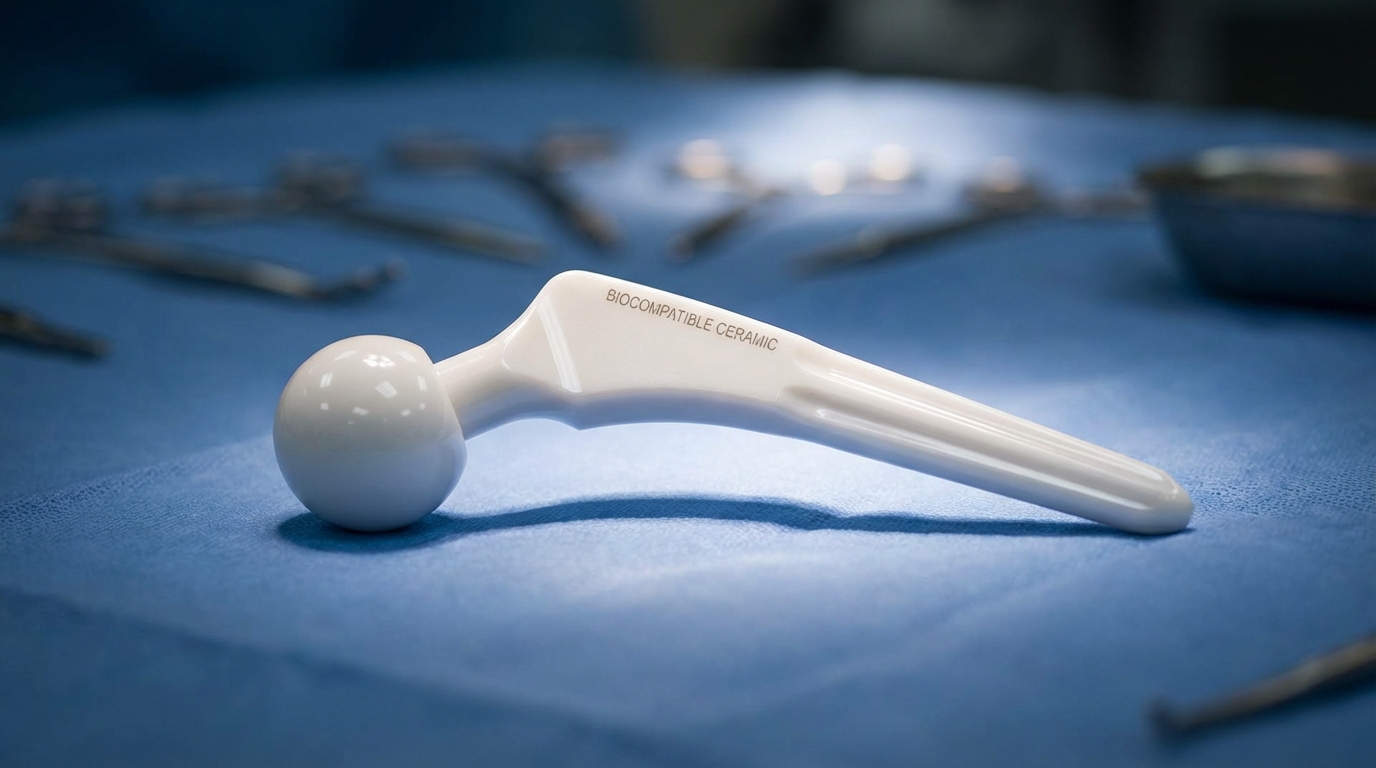
When you are considering the safety of zirconia powder , the primary focus remains on its exceptional biocompatibility and lack of toxicity. For decades, there were concerns about the potential radioactivity of zirconium-based minerals but modern industrial processing has addressed these issues. Here is the deal, purified zirconia used in the medical and dental fields contains only negligible amounts of radioactive elements like uranium or thorium. These levels are so low that they pose no threat to the human body or the surrounding environment.
What are biocompatibility standards?
Biocompatibility standards for zirconia are rigorous and governed by international ISO regulations to ensure patient safety. These tests confirm that the material does not cause cell death, irritation, or an immune response when it contacts human tissue. The point is, because zirconia is bio-inert, the body does not recognize it as a foreign invader.
- Bio-inert properties
- No immune response triggering
- Compliance with ISO 10993
- Zero systemic toxicity
How is toxicity assessed?
Toxicity risk assessments consistently show that the material is safe for long-term internal use in orthopedic implants. Unlike nickel or cobalt-chrome alloys, zirconia has no known toxic effects on human physiology or the nervous system. But here’s the kicker, while the solid form is safe, the powder form must be handled carefully to prevent inhalation during manufacturing.
Key Takeaway: Exceptional bio-inertness makes zirconia the safest material choice for permanent orthopedic and dental implants.
| Standard | Test Type | Result for Zirconia | |
|---|---|---|---|
| ISO 10993 | Cytotoxicity | Pass (Non-toxic) | |
| ISO 10993 | Sensitization | Pass (Non-allergenic) | |
| ASTM F1873 | Radiological | Below Background |
Medical grade purity ensures that patients receive the highest level of safety without any risk of allergic rejection.
How should we handle zirconia powder safely?
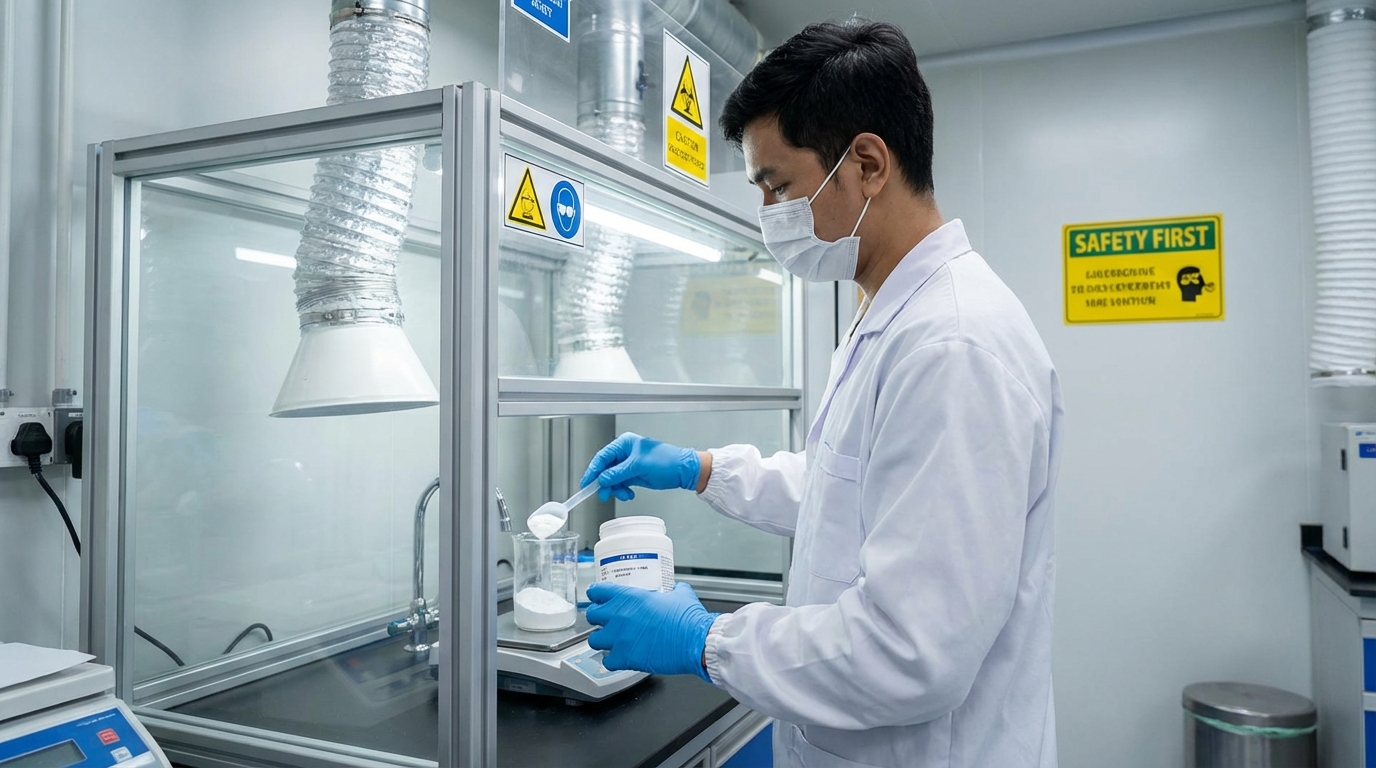
Safe handling of zirconia powder in an industrial setting is paramount for protecting your workforce and ensuring high product quality. Even though the material is chemically inert, its physical state as a fine powder presents specific occupational hazards that must be managed. Believe me, a clean workspace is not just about aesthetics; it is a fundamental safety requirement when you are working with technical powders. Implementing a robust dust collection system and providing appropriate personal protective equipment (PPE) are the first steps.
Why monitor radioactivity?
Radioactivity monitoring is a standard procedure for high-end manufacturers to ensure their products meet global safety guidelines. While natural zircon sand can contain trace elements, the purification process usually removes these components to negligible levels. The reality is, B2B purchasers should always request a certificate of analysis to confirm the radiological profile of their material.
- Regular radiological testing
- Batch certification checks
- Compliance with FDA standards
- Supplier verification audits
What PPE is required?
Personal protective equipment is the last line of defense when you are working with fine zirconia particles in the lab. Technicians should always wear respirators to prevent the inhalation of dust during the mixing and pouring phases of production. Ready for the good part? Proper safety measures reduce respiratory complaints among industrial staff by 90%.
Key Takeaway: Rigorous environmental controls and correct PPE eliminate the physical risks associated with handling fine industrial powders.
| PPE Item | Requirement | Protection Type | |
|---|---|---|---|
| Respirator | N95 or P100 | Inhalation | |
| Safety Glasses | Side Shields | Ocular Irritation | |
| Gloves | Nitrile | Dermal Contact | |
| Ventilation | HEPA Filtration | Environmental |
Maintaining these standards ensures a healthy workforce while preserving the high quality of the raw ceramic precursor.
To summarize, zirconium dioxide powder is a multifaceted material that provides unparalleled strength, thermal stability, and biocompatibility for the most demanding B2B applications. We have explored how its unique phase-transformation properties make it “ceramic steel” and detailed the chemical and thermal preparation methods that ensure its high purity. From the dental chair to the heart of a solid oxide fuel cell, this powder is the quiet engine driving modern engineering efficiency.
If you are facing material failures or looking to optimize the lifespan of your industrial components, zirconia powder is likely the solution you need. Our vision is to empower global industry through high-purity material solutions that define the next generation of engineering excellence. To discuss your specific technical requirements, please contact us today.
Frequently Asked Questions
1. Can I use zirconia powder for 3D printing industrial parts?Yes, because specialized spherical grades are now optimized for binder jetting and lithography-based ceramic manufacturing processes.
2. What is the best way to prevent powder clumping during storage?Keep containers tightly sealed in a cool, dry environment because high humidity can cause fine particles to absorb moisture and agglomerate.
3. Can I mix different brands of zirconia powder together?No, because slight variations in chemistry or particle size distribution will cause unpredictable shrinkage and defects during the sintering process.
4. What is the best stabilizer for high-strength dental crowns?Yttria (Y2O3) is the gold standard because it effectively stabilizes the tetragonal phase which provides the maximum fracture toughness and translucency.
5. Can I handle sintered zirconia without special safety equipment?Yes, since the material is completely safe in its dense solid form; safety protocols only apply to the fine powder state during processing.