Zirconium silicate is a high-performance mineral compound derived from zircon sand that serves as a primary opacifier and stabilizer in zirconium silicate applications. You likely face the constant pressure of maintaining surface quality while managing fluctuating raw material costs. Inconsistent powder grades can lead to catastrophic glaze defects, high reject rates, and significant downtime in your production line. By switching to a high-purity solution, you can stabilize your yields and ensure a flawless finish across every batch of industrial materials .
What is zirconium silicate and why does it matter?
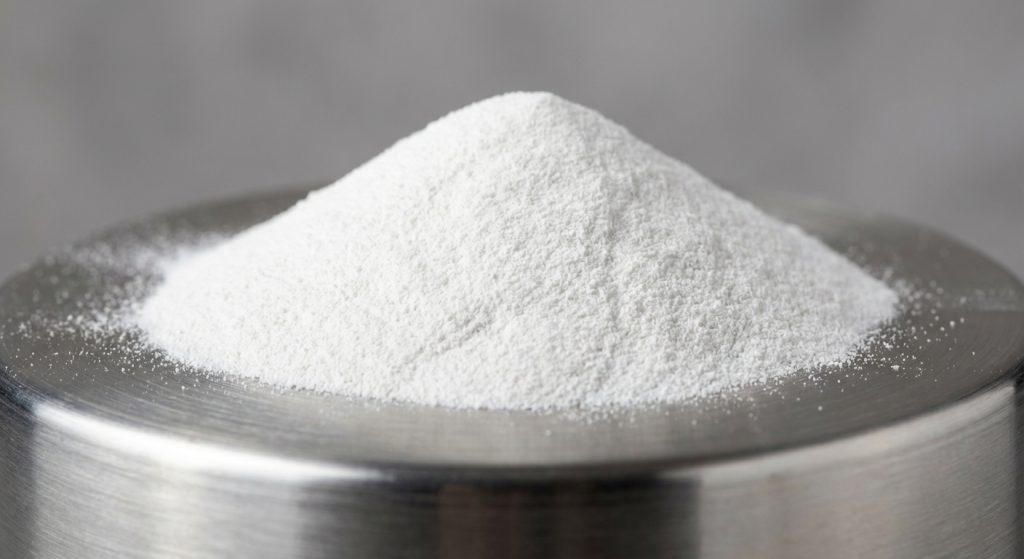
Zirconium silicate is a chemically stable mineral powder known for its high refractive index and resistance to thermal shock. This material is a staple in modern manufacturing because it provides excellent opacity to ceramic glazes and enhances the mechanical strength of various composite materials. Integrating zirconium silicate into your workflow allows for superior color stability even under extreme firing temperatures.
How does its chemical structure benefit you?
The chemical formula ZrSiO4 combines zirconium and silicon in a lattice that is remarkably resistant to corrosion and chemical attack. This structure ensures that your final products maintain their integrity and appearance over decades of use.
- High refractive index of 1.93-2.01.
- Exceptional melting point exceeding 2,500°C.
- Low thermal expansion coefficient.
- Superior chemical inertness in acidic environments.
The best part? This chemical stability means your formulations remain predictable regardless of the complexity of your firing cycle.
Why is stability a key takeaway?
Consistency in your raw material sourcing prevents costly production re-runs and maintains your reputation for high-quality output. High-purity zirconium silicate minimizes trace impurities like iron or titanium that can discolor your final products.
- Reduced batch-to-batch variation.
- Enhanced durability of finished goods.
- Improved cost-efficiency over time.
Think about it: If your material properties drift even slightly, your entire production yield is at risk.
Key TakeawayZirconium silicate provides the fundamental opacity and durability required for premium industrial applications, ensuring your products meet the highest performance standards.
| Property | Value | Benefit | |
|---|---|---|---|
| Refractive Index | 1.93 – 2.01 | Superior Opacity | |
| Melting Point | >2,500°C | Thermal Stability | |
| Hardness | 7.5 Mohs | Wear Resistance |
This data confirms that the material’s physical properties are perfectly suited for demanding industrial environments.
How is zirconium silicate powder produced?
Zirconium silicate powder is produced through a multi-stage process involving the fine grinding of zircon sand and subsequent chemical purification. The raw zircon ore is first cleaned to remove impurities like iron and then subjected to intensive mechanical milling. Throughout this production cycle, zirconium silicate undergoes rigorous quality checks to ensure the particle size distribution meets the tight tolerances required by high-end users.
What are the primary milling techniques?
Production facilities typically utilize ball milling or stirred media mills to reduce the zircon sand into micron-sized particles. This mechanical reduction is critical for achieving the surface area necessary for optimal performance in glazes and bodies.
- Dry milling for coarse industrial powders.
- Wet milling for ultrafine micronized grades.
- Continuous classification to ensure uniformity.
- De-ironing to remove metallic contaminants.
Look at this: The precision of the milling process directly dictates the opacity and gloss of your final ceramic surface.
How is quality maintained during production?
Sophisticated laser diffraction systems monitor the particle size in real-time to prevent any deviation from the target specification. Modern factories also implement strict radioactivity monitoring and chemical analysis to guarantee that every batch is safe and effective.
- Real-time PSD monitoring.
- XRF analysis for chemical purity.
- Multi-stage magnetic separation.
- Automated packaging to prevent contamination.
The best part? Automated controls mean you receive a product that behaves exactly the same way every time you use it.
Key TakeawayThe production of high-quality zirconium silicate relies on advanced milling technology and continuous monitoring to deliver consistent particle characteristics.
| Process Step | Technology Used | Output Goal | |
|---|---|---|---|
| Purification | Magnetic Separation | Low Iron Content | |
| Size Reduction | Ball/Stirred Milling | D50: 1.0-1.5μm | |
| Classification | Air/Wet Centrifuge | Narrow PSD |
This structured manufacturing approach ensures that the powder performs reliably in your specific industrial applications.
Why is zirconium silicate essential for ceramics?
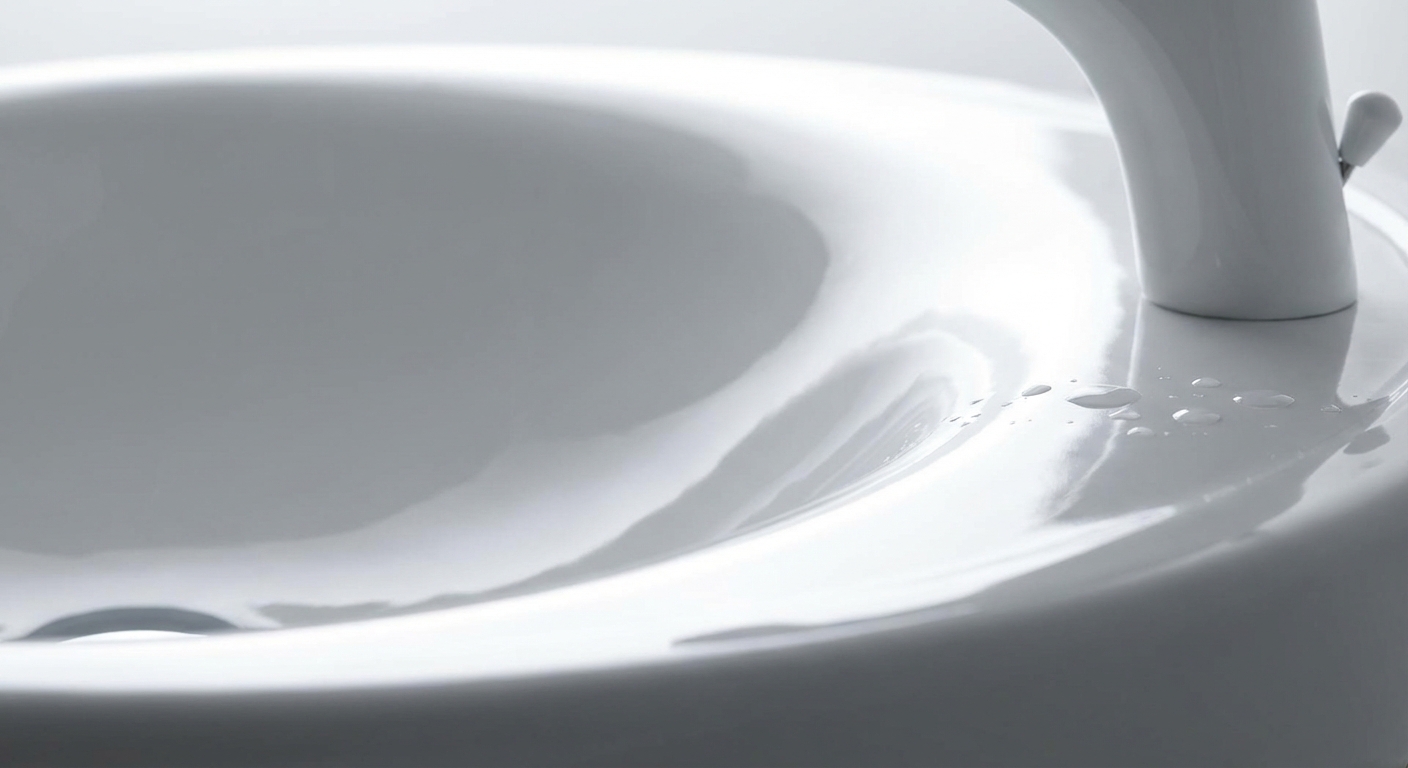
Zirconium silicate is essential for ceramics because it acts as a powerful opacifier that masks the color of the underlying clay body. In the production of ceramic glazes , this material provides the brilliant white finish that consumers expect in high-end zirconium silicate products. Without it, your glazes would appear translucent or inconsistent, failing to meet the aesthetic standards of the modern market.
How does it improve glaze performance?
Beyond just whiteness, the material improves the overall mechanical properties of the glaze layer, making it more resistant to scratches and chemical wear. This ensures that items like sanitary ware remain hygienic and attractive over years of daily use.
- Increases glaze hardness and durability.
- Prevents crazing by matching thermal expansion.
- Enhances chemical resistance to detergents.
- Improves surface gloss and smoothness.
Think about it: A glaze that resists scratching is a glaze that keeps your customers happy for the long term.
Can it solve common glaze defects?
Using a high-quality grade can significantly reduce the occurrence of pinholes and “orange peel” textures on your ceramic surfaces. The uniform particle distribution ensures better dispersion within the glaze melt during the firing process.
- Reduces surface pinholes and bubbles.
- Eliminates color shading issues.
- Minimizes glaze crawling defects.
- Provides consistent opacity across batches.
What does this mean for you? You spend less time troubleshooting kiln issues and more time shipping finished products to your clients.
Key TakeawayZirconium silicate is the secret to achieving durable, brilliant, and defect-free ceramic surfaces that stand up to rigorous industrial standards.
| Application | Role | Key Benefit | |
|---|---|---|---|
| Sanitary Ware | Opacifier | Superior Whiteness | |
| Floor Tiles | Surface Hardener | Wear Resistance | |
| Tableware | Chemical Barrier | Acid/Alkali Resistance |
This versatility makes it an indispensable component in the toolkit of any serious ceramic manufacturer.
Can zirconium silicate enhance glaze whiteness?
Zirconium silicate enhances glaze whiteness by efficiently scattering visible light through its high refractive index. When you incorporate premium zirconium silicate into your mix, the particles remain suspended in the glass matrix, preventing light from reaching the dark ceramic body. This optical effect creates a deep, vibrant white that is impossible to achieve with cheaper, less stable alternatives.
What influences the whiteness level?
The purity of the zircon source and the control over trace elements like iron and titanium are the most critical factors. Even a tiny amount of contamination can shift your brilliant white into a dull grey or yellowish tint.
- Low Fe2O3 content (typically <0.1%).
- Minimized TiO2 levels for better color.
- High ZrO2 content to ensure optical density.
- Optimal particle size for light scattering.
The best part? Controlling these variables allows you to achieve a “cool” white that looks premium and clean.
How do you measure whiteness effectively?
Most industrial labs use the Lab* color space to quantify the performance of their opacifiers. You should look for materials that maximize the “L” value (brightness) while keeping “a” and “b” values near zero to ensure color neutrality.
- L-value: Measure of total brightness.
- a-value: Balance between red and green.
- b-value: Balance between yellow and blue.
- Consistent Lab values across every shipment.
Here is the kicker: A shift of just one unit in the “b” value can be visible to the naked eye, leading to rejected batches.
Key TakeawaySuperior whiteness is achieved through a combination of chemical purity and optimized light-scattering properties inherent in high-grade zirconium silicate.
| Color Parameter | Target Value | Impact | |
|---|---|---|---|
| L* Value | ≥ 95 | Maximum Brightness | |
| b* Value | ≤ 1.5 | Minimal Yellowing | |
| ZrO2 Content | ≥ 65% | Strong Opacity |
This data-driven approach to whiteness ensures that your production line consistently meets the most stringent aesthetic requirements.
What are the particle size benefits of zirconium silicate?
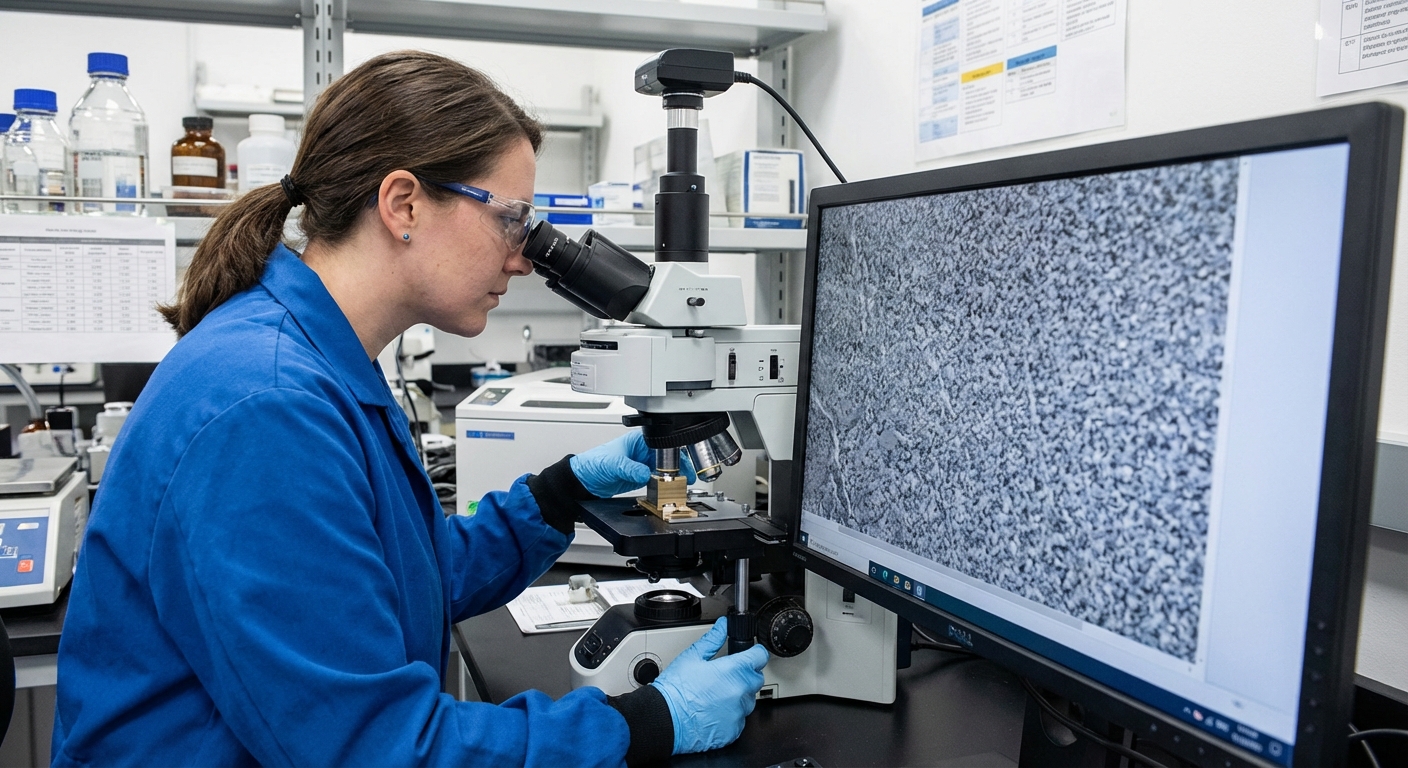
The particle size of zirconium silicate determines its light-scattering efficiency, glaze viscosity, and final surface smoothness. By utilizing a micronized zirconium silicate , you can achieve a much higher level of opacity with a lower overall material loading. This precision in particle size engineering is what separates standard industrial grades from the premium materials used in technical ceramics.
Why is a narrow distribution important?
A narrow particle size distribution ensures that all particles contribute equally to the opacifying effect without causing rheological issues. Large “over-size” particles can cause unsightly spots, while too many “ultra-fines” can make your glaze slurry difficult to handle.
- Improves slurry stability and suspension.
- Ensures a smoother fired surface finish.
- Maximizes light scattering for better opacity.
- Reduces the amount of material required.
What does this mean for you? You can reduce your raw material consumption while actually improving the quality of your finish.
How does size affect technical performance?
In advanced applications, sub-micron particles are often required to ensure high density and mechanical strength. This level of fineness is achieved through specialized milling processes that maintain the purity of the zirconium silicate while reducing its dimensions.
- Increases the surface area for reaction.
- Enhances sintering density in ceramic bodies.
- Improves the fracture toughness of components.
- Allows for thinner, more delicate glaze layers.
Think about it: Smaller particles mean more coverage and better protection for your ceramic products.
Key TakeawayEngineered particle size distributions allow you to optimize both the aesthetic and mechanical properties of your ceramic and industrial products.
| Grade Type | Typical D50 | Primary Use | |
|---|---|---|---|
| Standard | 5.0 – 10.0μm | Ceramic Bodies | |
| Micronized | 1.0 – 2.5μm | High-Gloss Glazes | |
| Ultrafine | < 1.0μm | Technical Ceramics |
Fine-tuning your particle size selection is one of the most effective ways to drive production efficiency and product quality.
How does zirconium silicate improve refractory strength?
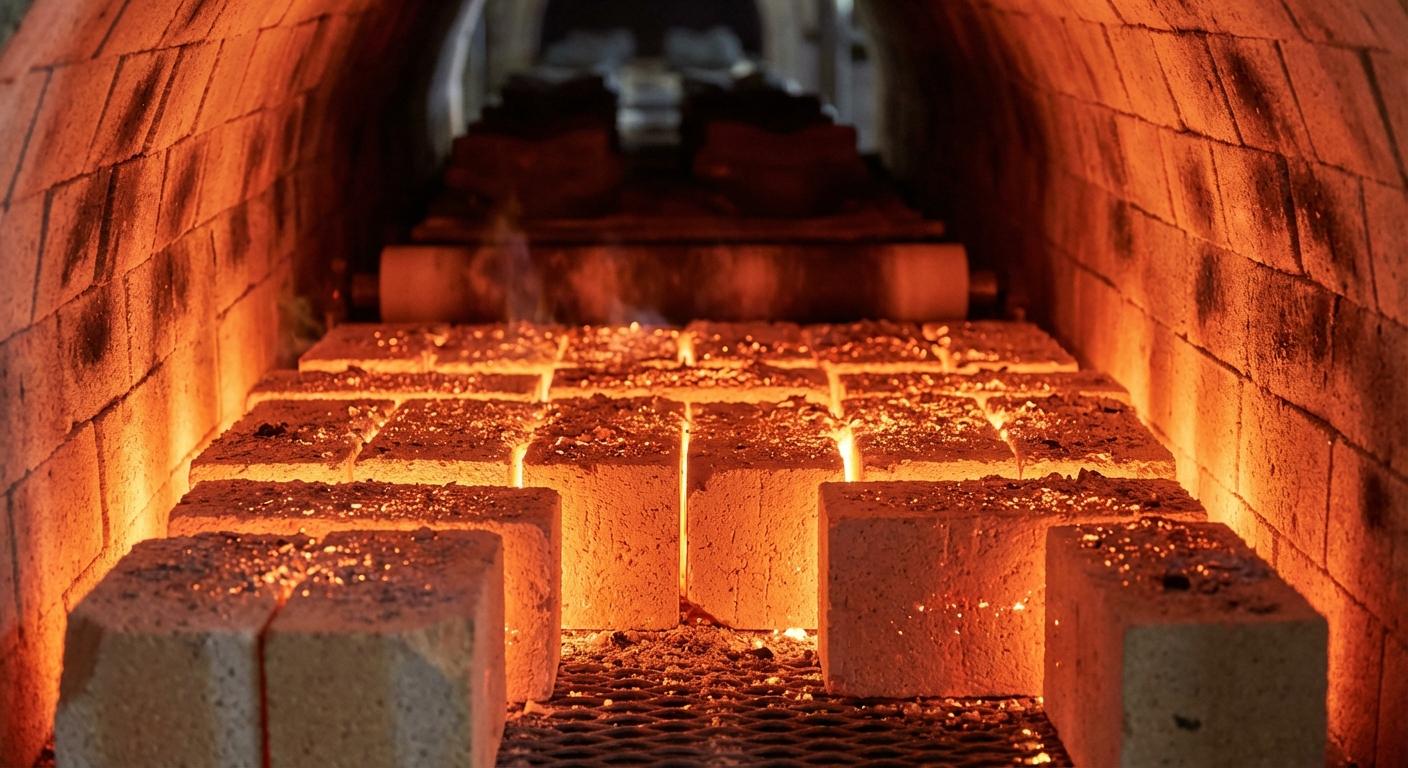
Zirconium silicate improves refractory strength by enhancing the thermal shock resistance and chemical stability of bricks used in high-temperature kilns. When you add this material to refractory materials , it helps the structure withstand the extreme temperature fluctuations common in industrial furnaces. This durability is vital for maintaining the structural integrity of your kilns and reducing the frequency of expensive lining replacements.
What makes it a superior refractory additive?
The low coefficient of thermal expansion found in zirconium silicate prevents the formation of micro-cracks during heating and cooling cycles. This property is especially useful in environments where molten glass or metals are processed, as it resists chemical erosion.
- Excellent resistance to molten slag and glass.
- High hot-load bearing capacity.
- Low thermal conductivity for energy efficiency.
- Superior mechanical strength at peak temperatures.
Look at this: A refractory lining reinforced with zircon can last up to 40% longer than standard silicate linings.
Does it help in extreme chemical environments?
Yes, its inert nature makes it the ideal choice for furnaces that handle corrosive materials. It acts as a shield, preventing reactive gases and liquids from penetrating the porous structure of the refractory bricks.
- Prevents alkali vapor penetration.
- Resists oxidation and reduction cycles.
- Maintains volume stability at 1,500°C+.
- Reduces the risk of “spalling” or surface peeling.
The best part? Longer kiln life means fewer shutdowns and significantly lower maintenance costs for your facility.
Key TakeawayThe thermal and chemical resilience of zirconium silicate makes it a critical component for extending the service life of high-temperature industrial infrastructure.
| Feature | Refractory Benefit | Operational Impact | |
|---|---|---|---|
| Thermal Expansion | Crack Resistance | Reduced Downtime | |
| Chemical Inertness | Corrosion Resistance | Stable Kiln Lining | |
| High Density | Mechanical Strength | Longer Service Life |
By investing in better refractory additives, you are directly investing in the long-term reliability of your manufacturing plant.
Is zirconium silicate used in precision casting?
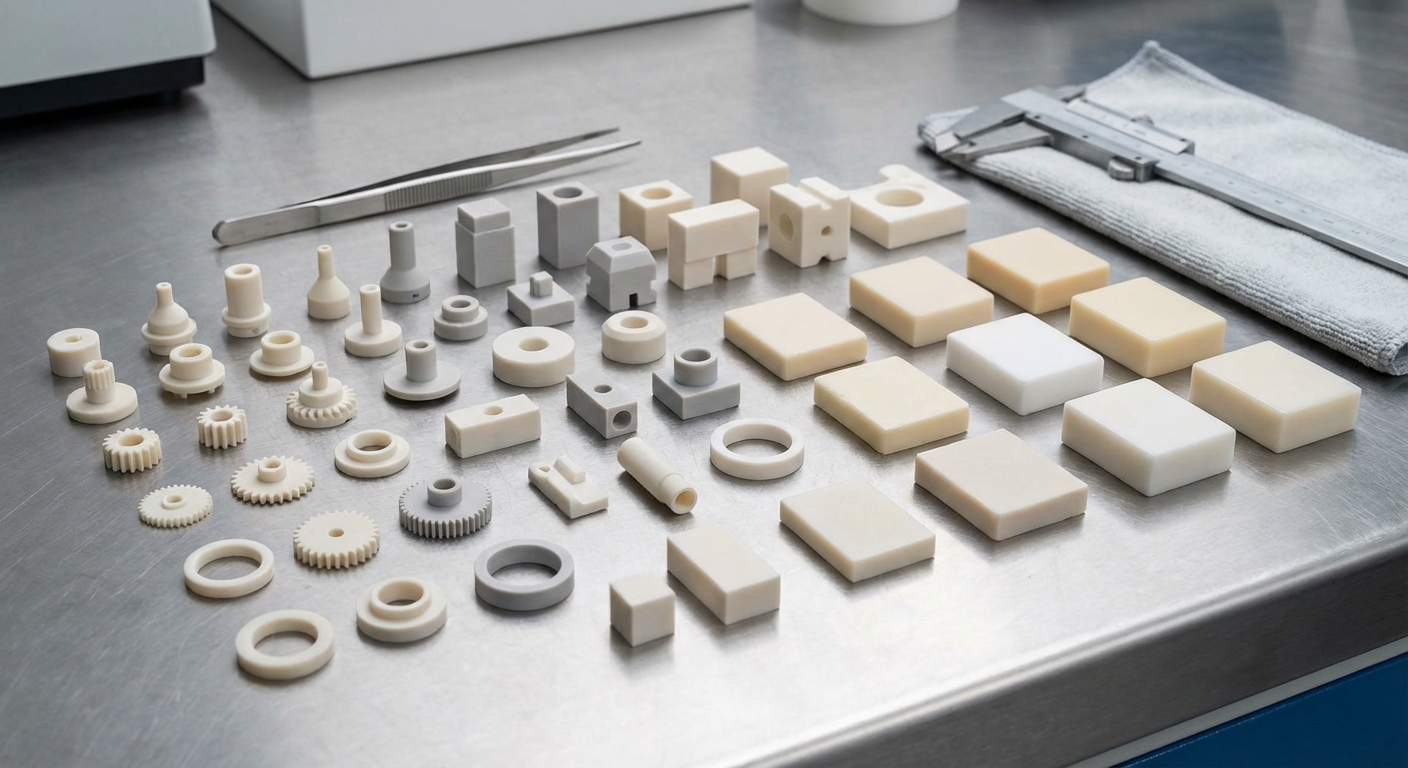
Zirconium silicate is widely used in precision casting, also known as investment casting, to create high-quality ceramic shells for precision parts . Its ability to maintain dimensional accuracy at high temperatures makes it the preferred material for casting complex aerospace and medical components. When you use zirconium silicate in your slurry, you ensure that the final metal part has a smooth surface finish and meets tight tolerances.
How does it benefit the casting shell?
The material provides the necessary refractory properties to the shell while ensuring it doesn’t react with the molten metal being poured. This lack of reactivity is crucial for preventing surface defects on expensive alloy components.
- High dimensional stability during pouring.
- Non-reactive with most molten alloys.
- Excellent slurry rheology for intricate molds.
- Easy removal after the casting has cooled.
Think about it: In precision casting, a single surface defect can result in the loss of a part worth thousands of dollars.
Why is it used in high-tech industries?
Industries like aerospace and medical manufacturing demand absolute perfection in their cast components. Zirconium silicate provides the reliability needed to produce jet engine blades and surgical implants that must perform under extreme stress.
- Critical for high-nickel superalloys.
- Ensures smooth internal passageways in molds.
- Reduces the need for secondary machining.
- Supports thin-wall casting capabilities.
Here is the kicker: Using a consistent zircon flour can improve your casting yield by up to 15% through reduced shell failure.
Key TakeawayThe unique combination of high-temperature stability and chemical inertness makes zirconium silicate a cornerstone of modern precision casting technology.
| Casting Goal | Zircon Property | Advantage | |
|---|---|---|---|
| Surface Finish | Fine Particle Size | Minimal Post-Processing | |
| Accuracy | Low Thermal Expansion | Tight Tolerances | |
| Yield | Shell Strength | Lower Scrap Rate |
Integrating this material into your casting process is a proven strategy for meeting the rigorous quality standards of high-tech industries.
Can zirconium silicate powder optimize glass production?
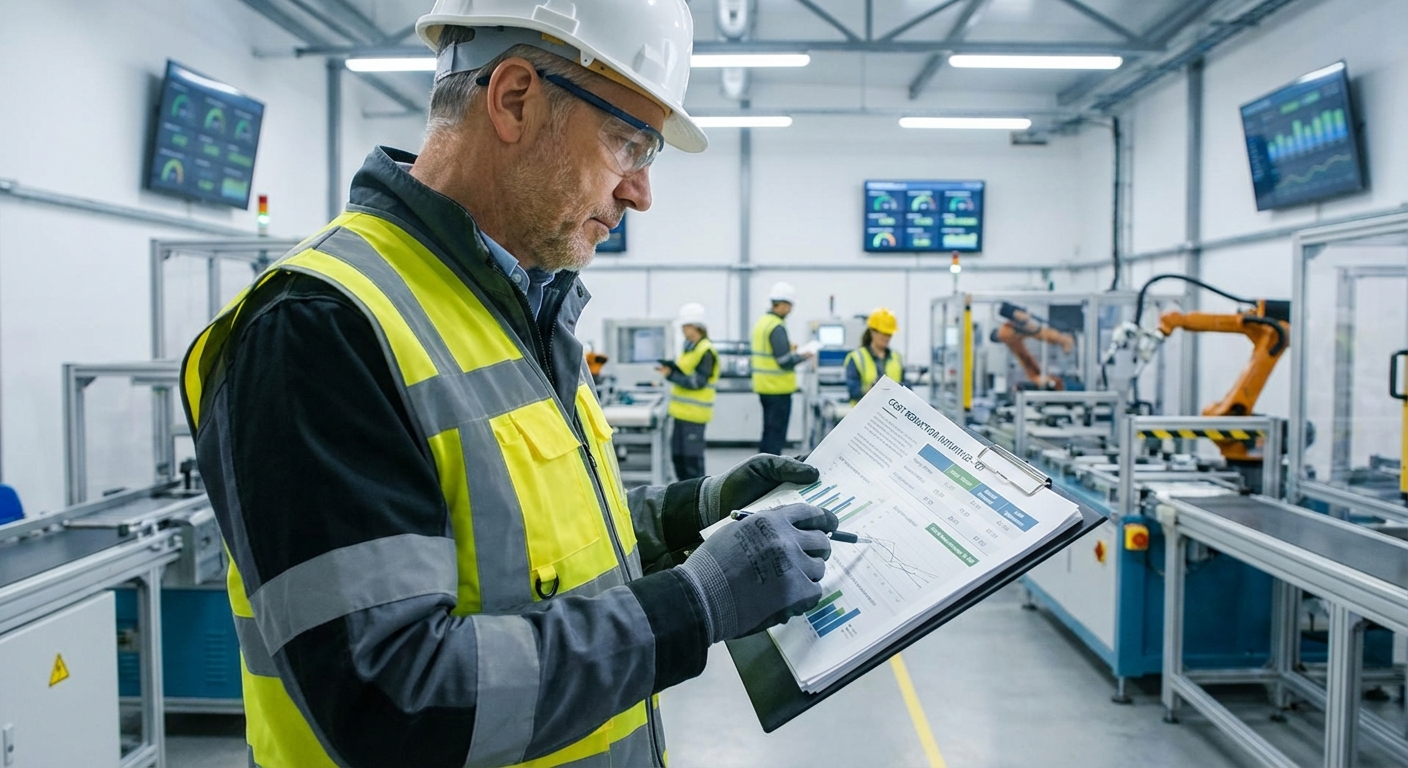
Zirconium silicate powder optimizes glass production by improving the chemical resistance and optical properties of specialized glass products. When you add it to the glass batch, it helps control the crystallization process and increases the glass’s resistance to alkali attack. This is particularly valuable for the production of display glass and pharmaceutical containers where durability is a non-negotiable requirement.
How does it affect glass durability?
The inclusion of zirconium silicate in the glass melt creates a more robust molecular network that resists leaching and environmental degradation. This ensures that the glass remains clear and structurally sound even in harsh conditions.
- Improves resistance to thermal shock.
- Enhances mechanical impact strength.
- Increases the glass’s refractive index.
- Provides superior protection against chemical etching.
The best part? Products like laboratory glassware and smartphone screens depend on these enhancements to survive everyday use.
Can it reduce your production costs?
While it is a premium additive, its ability to improve the quality of the “first-pass” glass can lead to significant cost savings. By reducing the number of defective units, you can optimize your energy consumption and raw material usage.
- Lowers the rate of glass crystallization (devitrification).
- Reduces bubble formation in the melt.
- Decreases the need for expensive surface coatings.
- Extends the lifespan of the glass-melting furnace.
Look at this: Even a small percentage of zircon can dramatically improve the chemical durability of container glass.
Key TakeawayZirconium silicate is an essential additive for high-performance glass, offering both aesthetic improvements and functional durability that traditional silicates cannot match.
| Glass Type | Benefit of Zircon | End-User Value | |
|---|---|---|---|
| Optical Glass | High Refractive Index | Better Lens Clarity | |
| Pharma Glass | Alkali Resistance | Safe Drug Storage | |
| Display Glass | Surface Hardness | Scratch Resistance |
Optimizing your glass formulation with these advanced materials is a strategic move for any manufacturer targeting the premium segment.
What are the environmental standards for zirconium silicate?

Environmental standards for zirconium silicate focus on the management of naturally occurring radioactive materials (NORM) and the sustainability of the mining process. As a responsible manufacturer, you must ensure that your zirconium silicate suppliers adhere to international safety regulations regarding radiation levels. Choosing a partner that prioritizes green manufacturing helps you meet your own corporate social responsibility goals while ensuring a safe working environment.
How is radioactivity managed?
Since zircon is a natural mineral, it contains trace amounts of uranium and thorium. Modern processing facilities use advanced sorting and blending techniques to ensure that the final powder stays within the “Low-Activity” thresholds required for international shipping and use.
- Continuous radiation monitoring of raw ore.
- Strict adherence to IAEA safety standards.
- Certification of radioactivity levels for each batch.
- Secure handling and disposal of waste materials.
The best part? “Low-Activity” grades are exempt from many restrictive shipping regulations, making your logistics much simpler.
What are the hallmarks of green production?
Leading producers are now implementing closed-loop water systems and energy-efficient milling technologies to reduce their environmental footprint. This not only protects the planet but also ensures the long-term viability of the zirconium silicate supply chain.
- Water recycling in wet-milling processes.
- Energy-efficient ball milling systems.
- Dust collection and air filtration in plants.
- Ethical sourcing from certified mines.
What does this mean for you? You can market your products as being made with ethically sourced, environmentally responsible materials.
Key TakeawayStrict environmental and safety compliance is essential for the sustainable production and use of zirconium silicate in a globalized market.
| Compliance Area | Standard | Purpose | |
|---|---|---|---|
| Radiation | IAEA Safety Guides | Worker & Consumer Safety | |
| Emissions | ISO 14001 | Environmental Protection | |
| Sourcing | ESG Certification | Ethical Supply Chain |
By selecting a compliant supplier, you protect your business from regulatory risks and contribute to a more sustainable industrial future.
How to select the best zirconium silicate supplier?
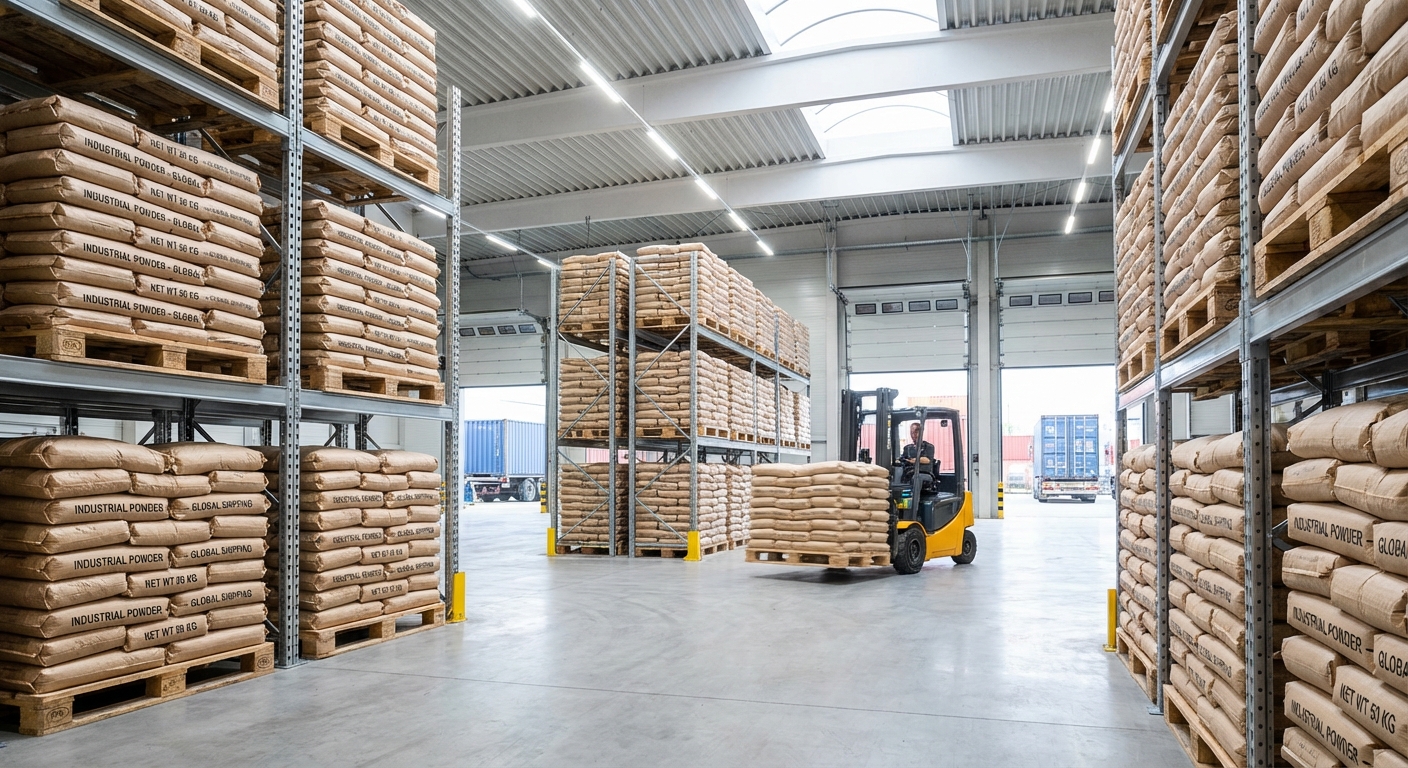
Selecting the best supplier requires evaluating their production consistency, technical support capabilities, and supply chain transparency. You need a partner who understands your specific application and can provide customized particle size distributions when standard grades aren’t enough. A reliable supplier should offer more than just a product; they should act as an extension of your engineering team to help you solve production challenges.
What technical benchmarks should you look for?
The most critical factor is batch-to-batch consistency in both chemical purity and particle size. Ask potential suppliers for historical data on their D50 variance and whiteness levels to ensure they can meet your long-term needs.
- Verified batch traceability from ore to powder.
- In-house laboratory for real-time QC testing.
- Ability to provide custom PSD profiles.
- Transparent reporting on impurities and NORM levels.
Think about it: A supplier who provides a full COA with every batch is a supplier who respects your quality standards.
How important is logistics and support?
In today’s volatile market, a supplier’s ability to maintain safety stock and offer timely delivery is just as important as the quality of the powder. Look for a partner that offers technical consultation to help you optimize your formulations and reduce overall costs.
- Strategically located warehouses for fast shipping.
- Dedicated engineering support for troubleshooting.
- Flexible MOQ (Minimum Order Quantity) options.
- Long-term supply agreements to lock in pricing.
Here is the kicker: The cheapest supplier often ends up being the most expensive when you factor in the cost of production defects and late deliveries.
Key TakeawayThe ideal zirconium silicate supplier is a manufacturing partner that combines technical excellence with reliable logistics and proactive customer support.
| Selection Criteria | Best Practice | Why it Matters | |
|---|---|---|---|
| Quality Control | In-house XRF/PSD | Guaranteed Performance | |
| Customization | Targeted D10/D50/D90 | Process Optimization | |
| Reliability | Safety Stock Policy | Uninterrupted Production |
Choosing the right partner is the final step in ensuring that your use of zirconium silicate leads to a more profitable and high-quality operation.
Summary of Solutions
By integrating premium zirconium silicate into your manufacturing process, you resolve the most common industrial pain points:
- Inconsistent Surface Quality: Achieve stable, high-gloss finishes with controlled particle sizes.
- Production Yield Loss: Reduce defect rates and “orange peel” textures through superior dispersion.
- Supply Chain Risk: Ensure reliable performance and regulatory compliance with verified “Low-Activity” grades.
At ZrBrontec, we provide the engineering expertise and high-purity materials you need to thrive in a competitive market. Our team works directly with you to select the optimal grade, customize specifications, and provide the data support necessary for a seamless transition. Whether you are looking to enhance the whiteness of your sanitary ware or the durability of your refractory linings, we have the vertical integration and technical depth to support your goals.
Contact us today to discuss your application and request a sample for your next production trial. We are committed to being the global benchmark for stability and innovation in the zircon materials industry, empowering our partners to create a world of more durable and beautiful products.
Frequently Asked Questions
Can I get a custom particle size distribution for my specific glaze?Yes. We can adjust the milling parameters to hit precise D10, D50, and D90 targets to ensure your glaze slurry maintains the perfect viscosity and fired opacity.
What’s the best way to verify the radioactivity levels of the powder?Every batch we produce comes with a specific activity certificate. We utilize professional testing equipment to ensure all materials comply with international “Low-Activity” standards for safe handling and shipping.
How do I know if I should use a micronized or standard grade?Generally, if you are looking for high-gloss opacity in a thin glaze layer, a micronized grade (D50 < 1.5μm) is necessary. For bulk ceramic bodies or coarse refractories, a standard grade is more cost-effective.
How do you ensure the whiteness stays consistent between shipments?We implement strict raw material sorting and use automated colorimetry (Lab*) to monitor every batch. This keeps our whiteness variance within ±1 unit, preventing any visible color shift in your final product.
Can I visit your manufacturing facility for a quality audit?Absolutely. We welcome our partners to tour our factory to see our production lines, QC laboratories, and warehouse facilities firsthand, as we believe transparency is the foundation of a strong partnership.