You often struggle with brittle industrial materials that fail under heavy mechanical loads. Sudden component failures stop your production lines and drain your maintenance budget. You can solve these reliability issues by switching to high-performance zirconia ceramics for your critical structural parts.
1. What are Zirconia Ceramics?
Zirconia ceramics are advanced oxide materials known for their incredible fracture toughness and mechanical reliability. Think about it. These materials undergo a phase transformation that actively stops cracks from spreading through the part.
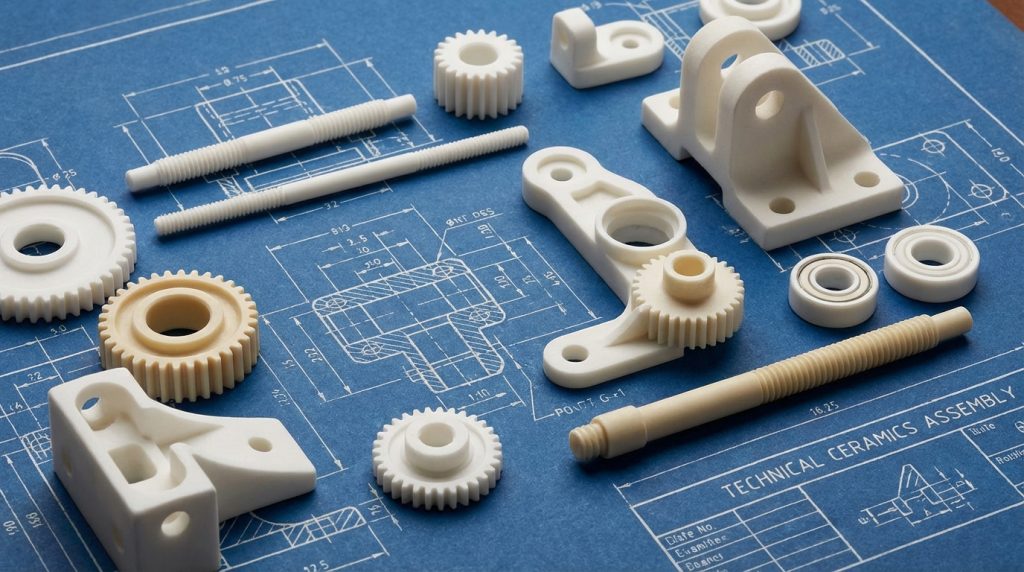
Material Properties
These materials function in environments where standard plastics and metals usually fail.
- High fracture toughness.
- Low thermal conductivity.
- Superior chemical resistance.
| Property | Value | |
|---|---|---|
| Toughness | High | |
| Conductivity | Low |
This unique material offers a blend of metal-like durability and ceramic inertness.
2. Using Magnesia-Stabilized Zirconia
Magnesia-Stabilized Zirconia (MSZ) provides superior stability in high-temperature and high-moisture environments. Believe it or not. This specific grade resists the phase degradation that ruins other ceramics above 220°C.
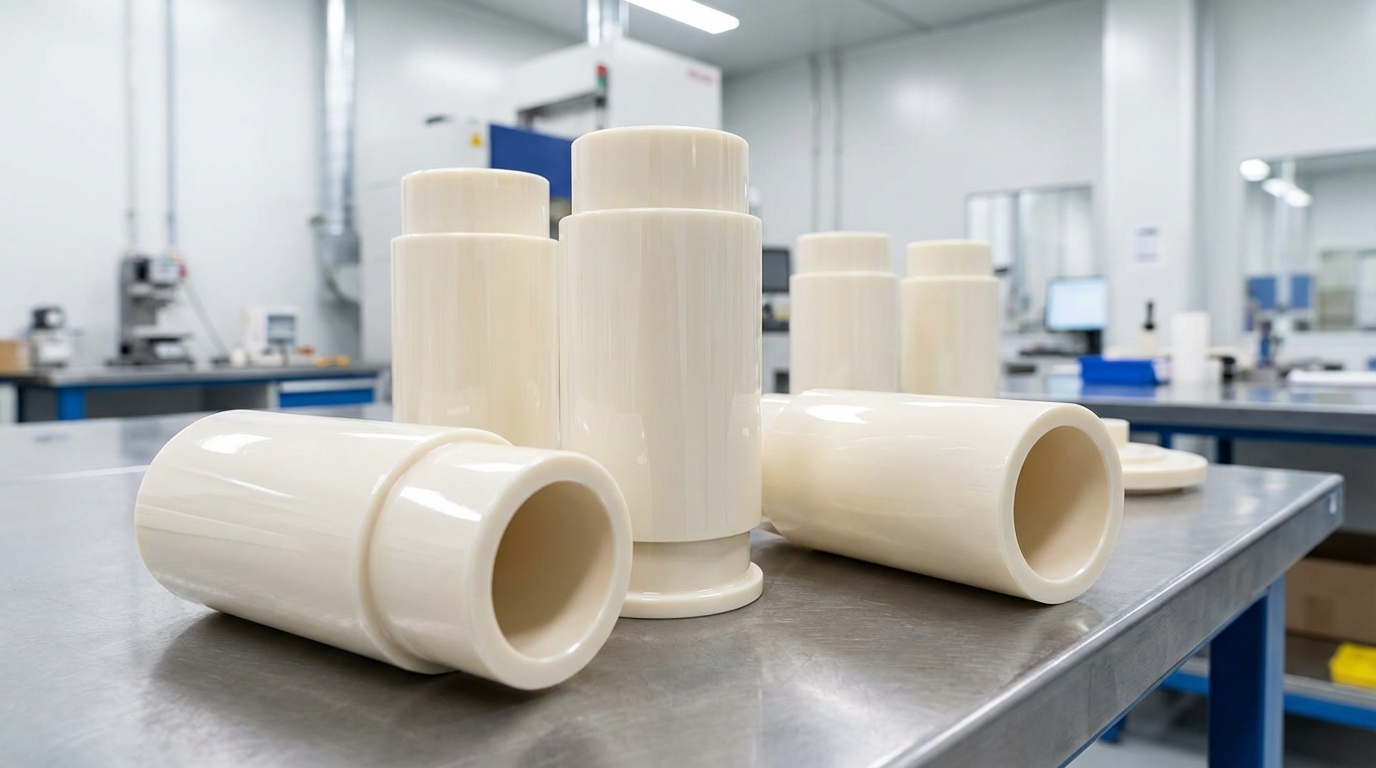
High-Temp Stability
MSZ features a microstructure that prevents grain sliding at elevated heat levels.
- Stable above 220°C.
- Resists moisture degradation.
- High impact resistance.
| Feature | MSZ Benefit | |
|---|---|---|
| Heat Limit | High | |
| Moisture | Resistant |
MSZ maintains structural integrity where other stabilized zirconias lose their strength.
3. Benefits of Yttria-Stabilized Zirconia
Yttria-Stabilized Zirconia (YTZP) offers the highest flexural strength of all zirconia-based materials. Here is the deal. Its fine-grained tetragonal structure creates a massive barrier against crack propagation during use.
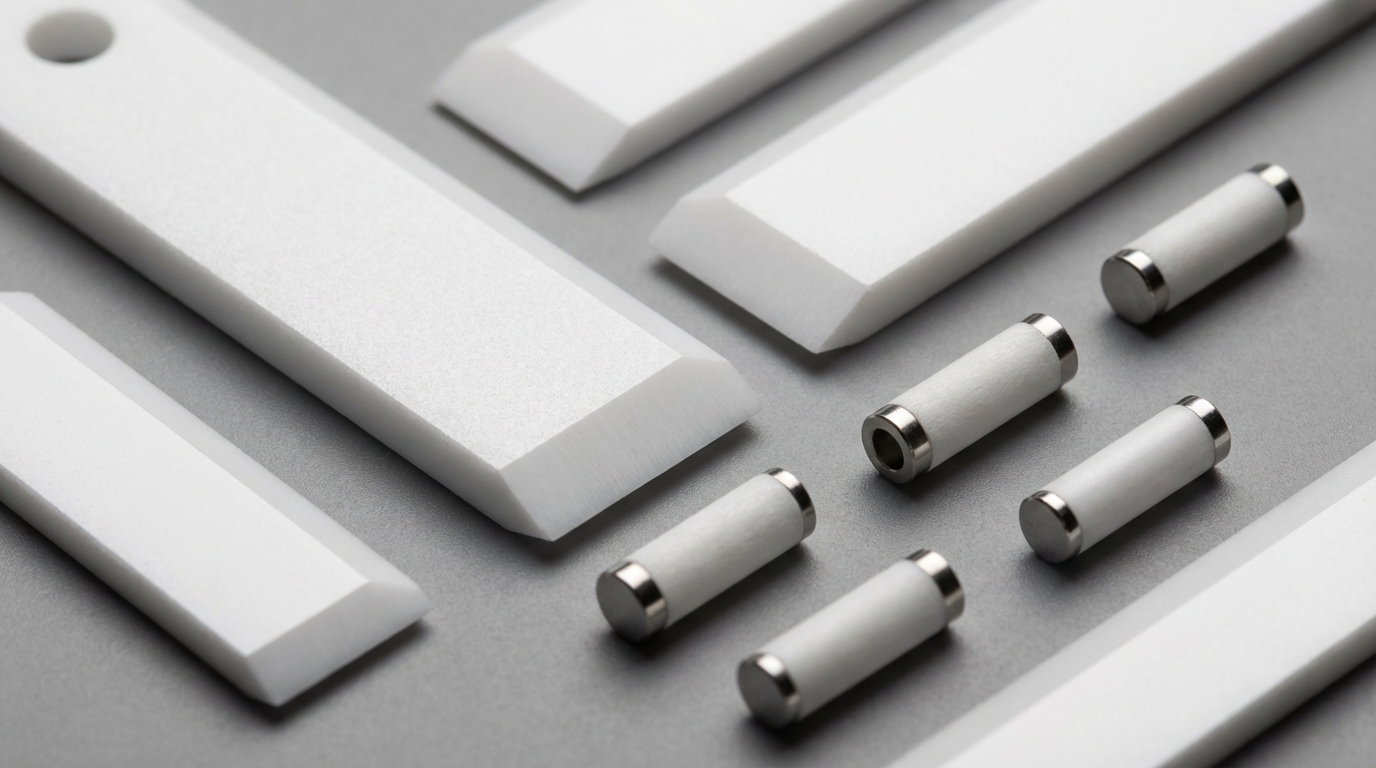
Mechanical Strength
YTZP replaces metals in high-wear applications due to its extreme hardness.
- Highest flexural strength.
- Fine-grained microstructure.
- Sharp edge retention.
| Feature | YTZP Value | |
|---|---|---|
| Strength | Extreme | |
| Grain Size | Fine |
YTZP delivers unmatched reliability for your most precision-engineered industrial components.
4. Comparing Zirconia Toughened Alumina
Zirconia Toughened Alumina (ZTA) provides a cost-effective performance bridge between alumina and pure zirconia. That is not all. You get a significant strength increase over standard alumina without the full cost of stabilized zirconia.
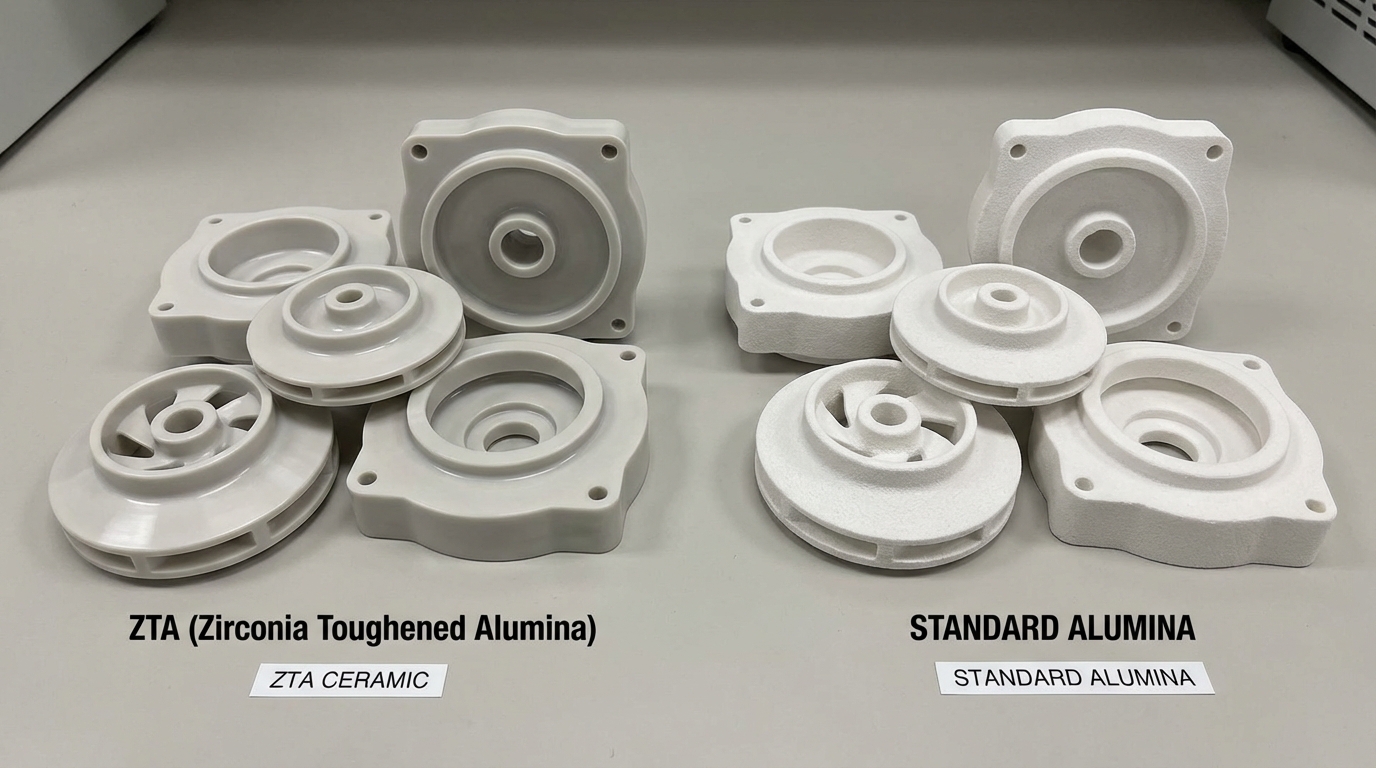
Cost Efficiency
ZTA provides excellent wear resistance for high-volume industrial pump components.
- Lower cost than YTZP.
- Higher toughness than alumina.
- Excellent surface finish.
| Material | Strength | Cost | |
|---|---|---|---|
| Alumina | Base | Low | |
| ZTA | Higher | Mid |
ZTA balances high performance and price for your demanding fluid handling applications.
5. Common Applications for Zirconia
You will find zirconia ceramics in demanding sectors like aerospace, oil, and analytical instrumentation. You might be wondering. These parts survive in deep-well tools where erosion usually destroys high-grade metals.
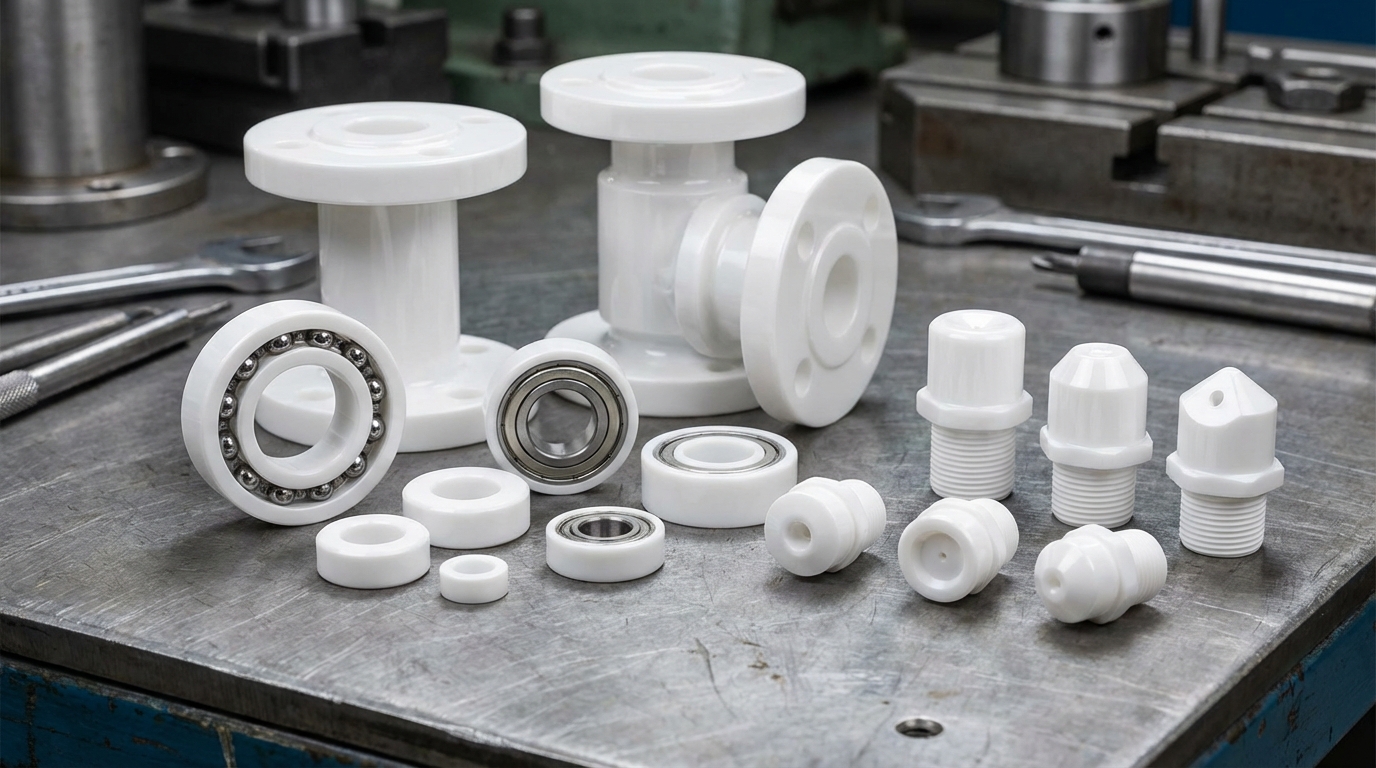
Industry Usage
You can use these ceramics in assemblies requiring high precision and chemical inertness.
- Deep well components.
- Precision valve seats.
- Aerospace insulators.
| Industry | Typical Part | |
|---|---|---|
| Oil & Gas | Pump Pistons | |
| Aerospace | Bushings |
Zirconia solves the problem of rapid wear in your harshest service environments.
6. Corrosion Defense with Zirconia
Zirconia ceramics remain stable when exposed to aggressive acids and basic solutions. Look at this. While metals corrode and contaminate your process, these ceramics stay inert and pure.
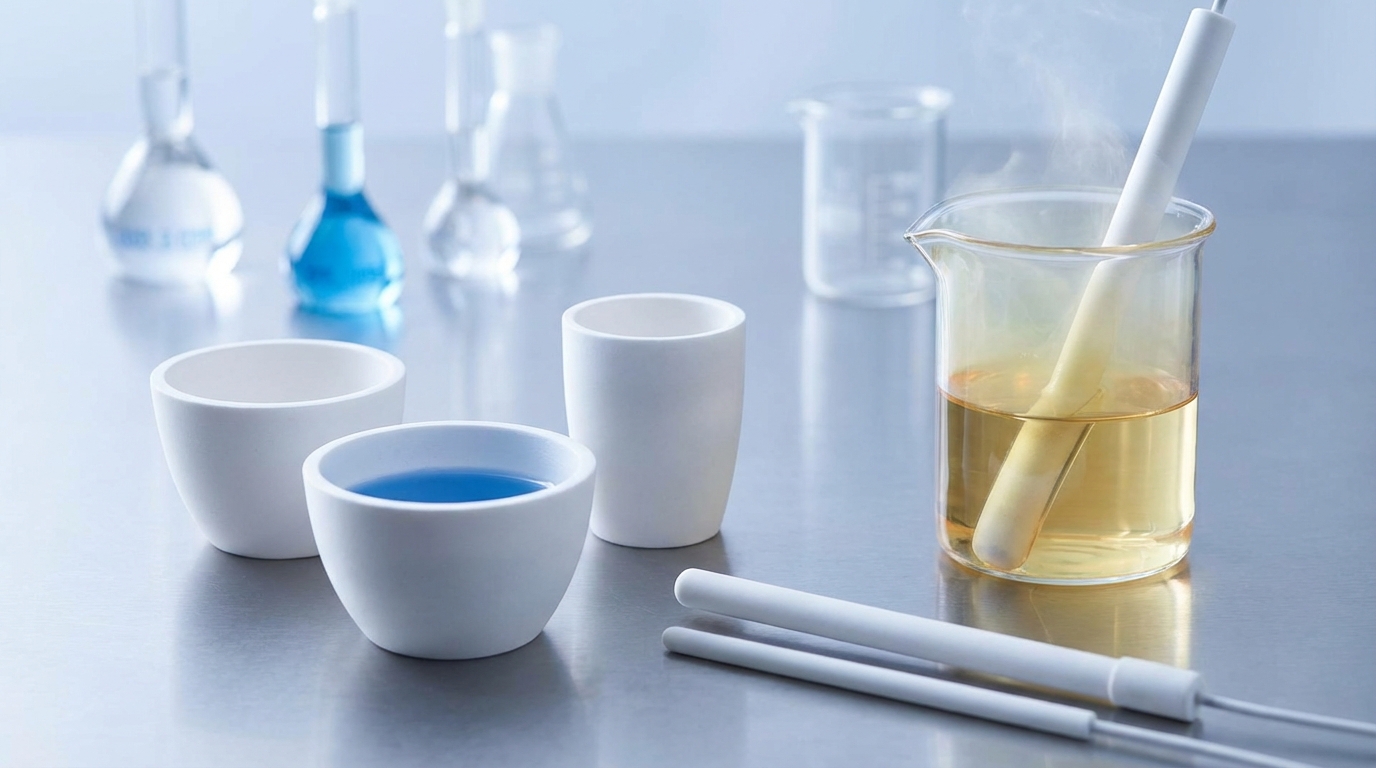
Chemical Inertness
You can use these materials in analytical instruments requiring zero chemical interference.
- Acid resistance.
- Base resistance.
- High purity levels.
| Agent | Resistance | |
|---|---|---|
| Acids | Superior | |
| Bases | Superior |
Chemical stability makes these parts vital for your laboratory sensors and valves.
7. Thermal Roles of Zirconia Ceramics
Zirconia ceramics act as excellent thermal insulators due to their very low thermal conductivity. The best part? Their thermal expansion matches cast iron, making ceramic-to-metal assemblies easier to design.
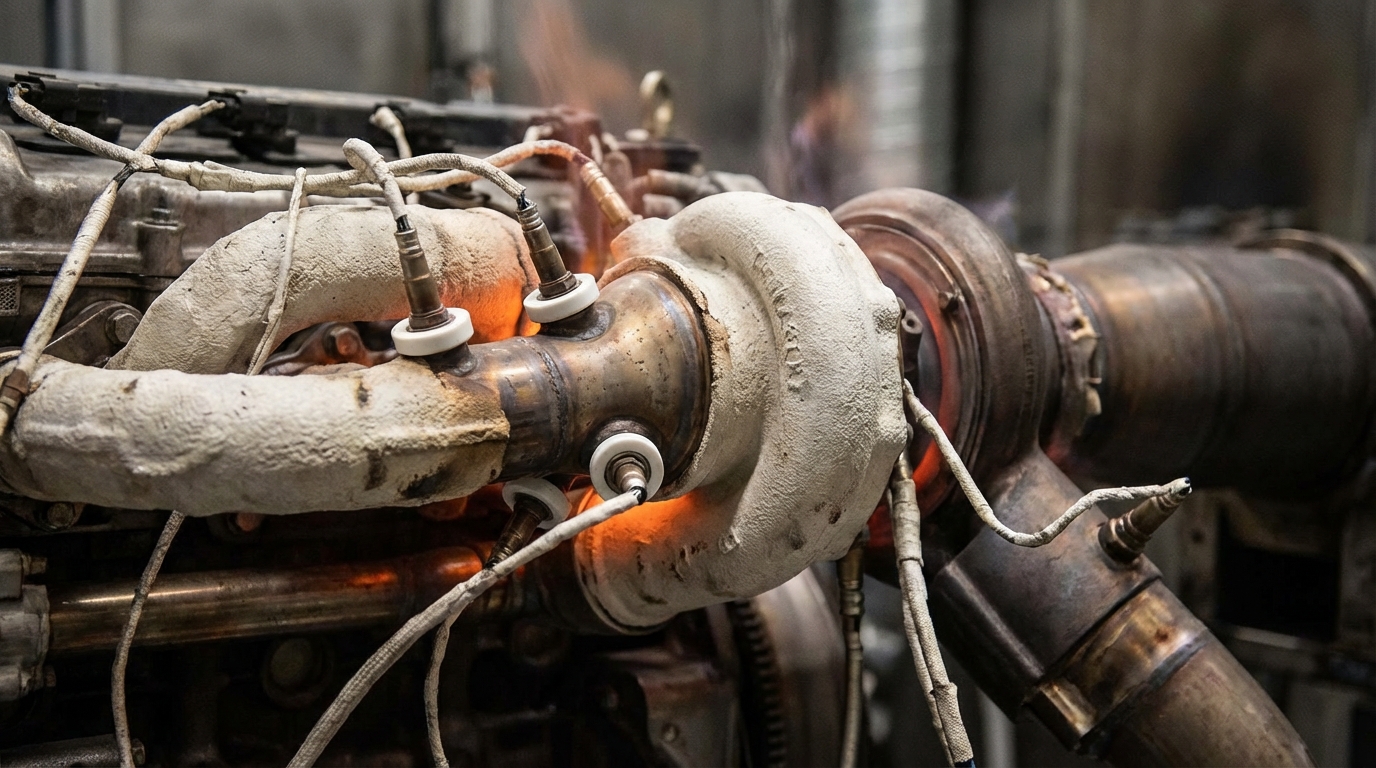
Thermal Management
Low conductivity prevents heat transfer while the expansion rate prevents assembly stress.
- Low heat transfer.
- Thermal expansion match.
- High heat resistance.
| Feature | Thermal Data | |
|---|---|---|
| Conductivity | Very Low | |
| Expansion | Iron-like |
Matching expansion rates reduces the risk of thermal mismatch in your machinery.
8. Wear Resistance in Zirconia
Zirconia ceramics offer high wear and abrasion resistance for moving industrial parts. Keep this in mind. The material maintains a fine surface finish that reduces friction and extends part life.
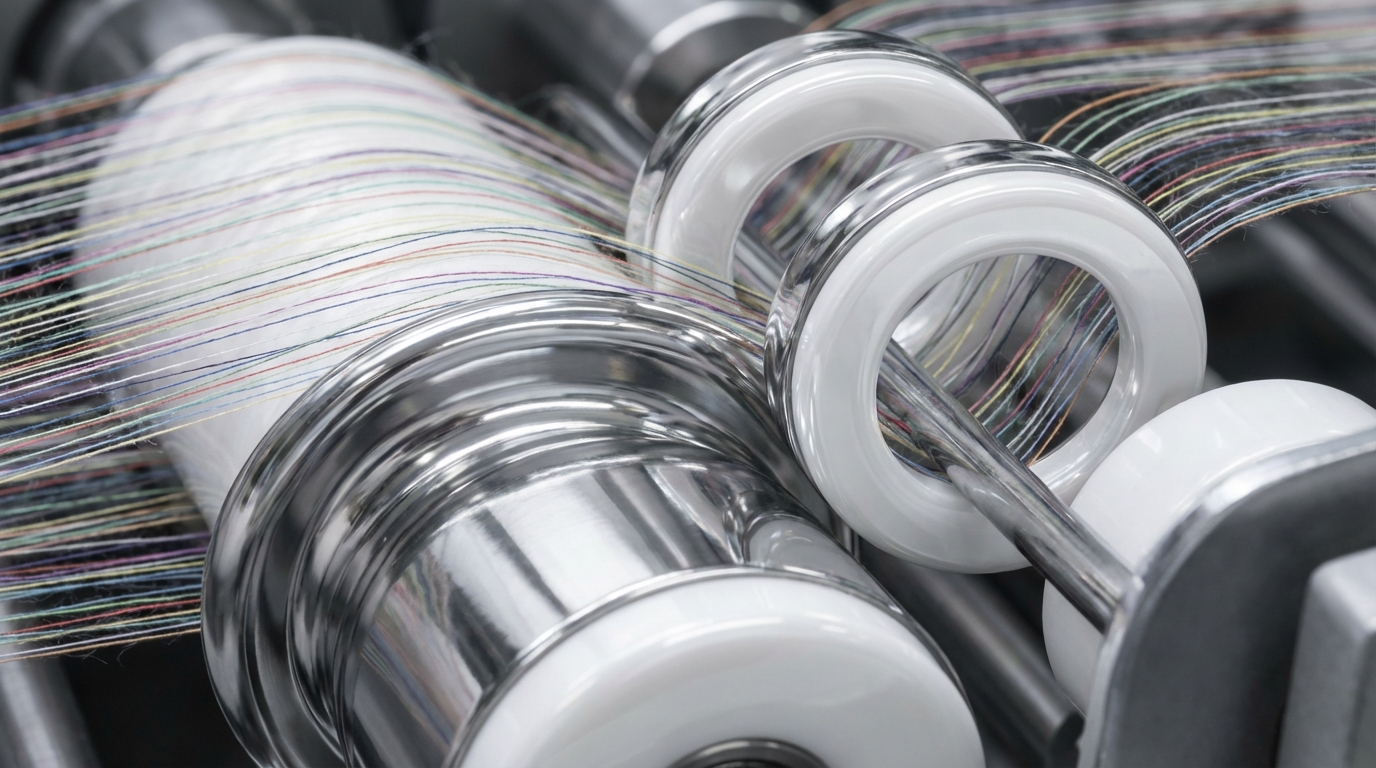
Surface Quality
The fine grain structure allows for polishing to a mirror-like finish for low-friction roles.
- Resists abrasion.
- Low friction coefficient.
- Long service life.
| Feature | Wear Benefit | |
|---|---|---|
| Abrasion | Resistant | |
| Surface | Fine Finish |
Extended part life significantly reduces your total cost of equipment ownership.
9. Medical Standards for Zirconia
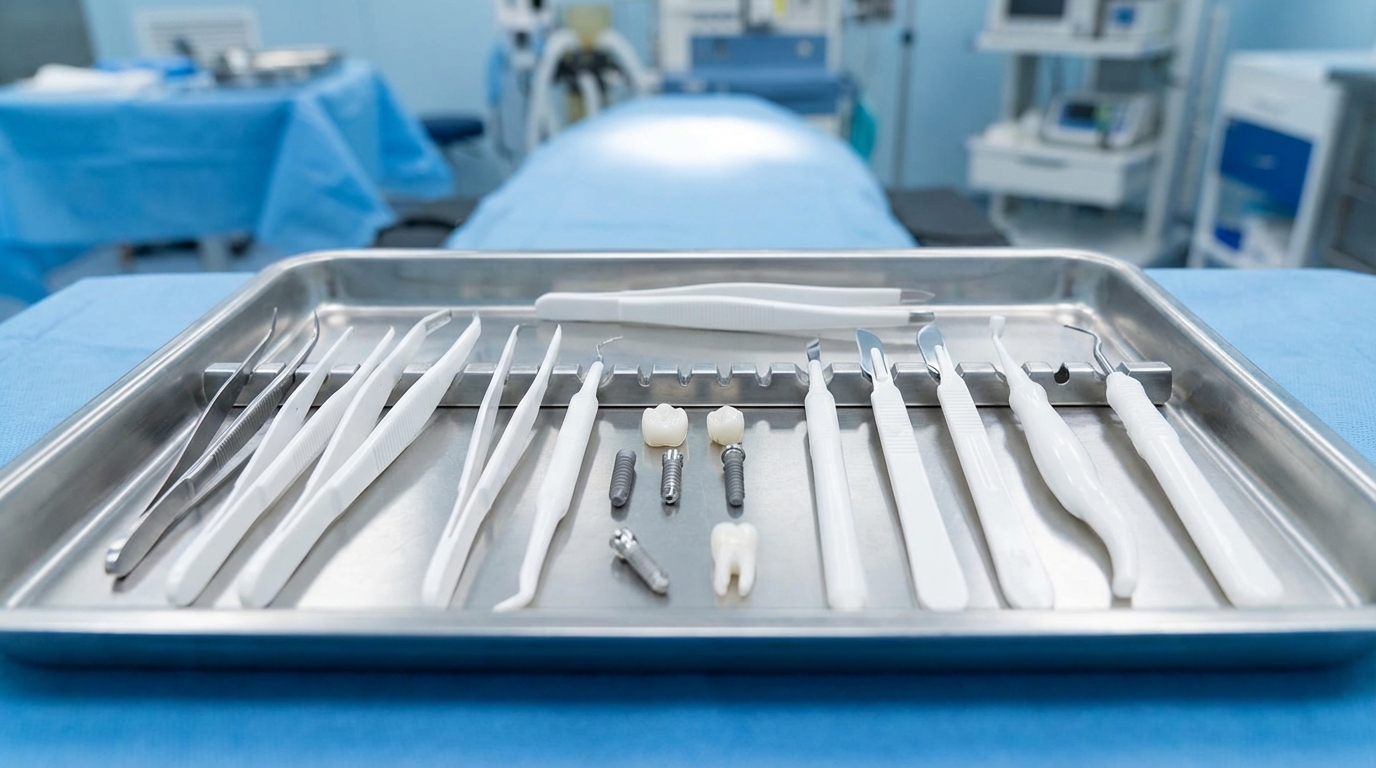
Zirconia ceramics meet strict medical requirements for biocompatibility and extreme durability. Believe it or not. These materials are used for surgical tools because they do not react with human tissue.
Bio-Safety
The material provides the high strength needed for tools without risking patient safety.
- Biocompatible material.
- High impact strength.
- Sterilization stable.
| Standard | Status | |
|---|---|---|
| Purity | High | |
| Bio-safe | Yes |
High purity ensures these parts meet your most rigorous medical certification standards.
10. Industrial Success with Zirconia
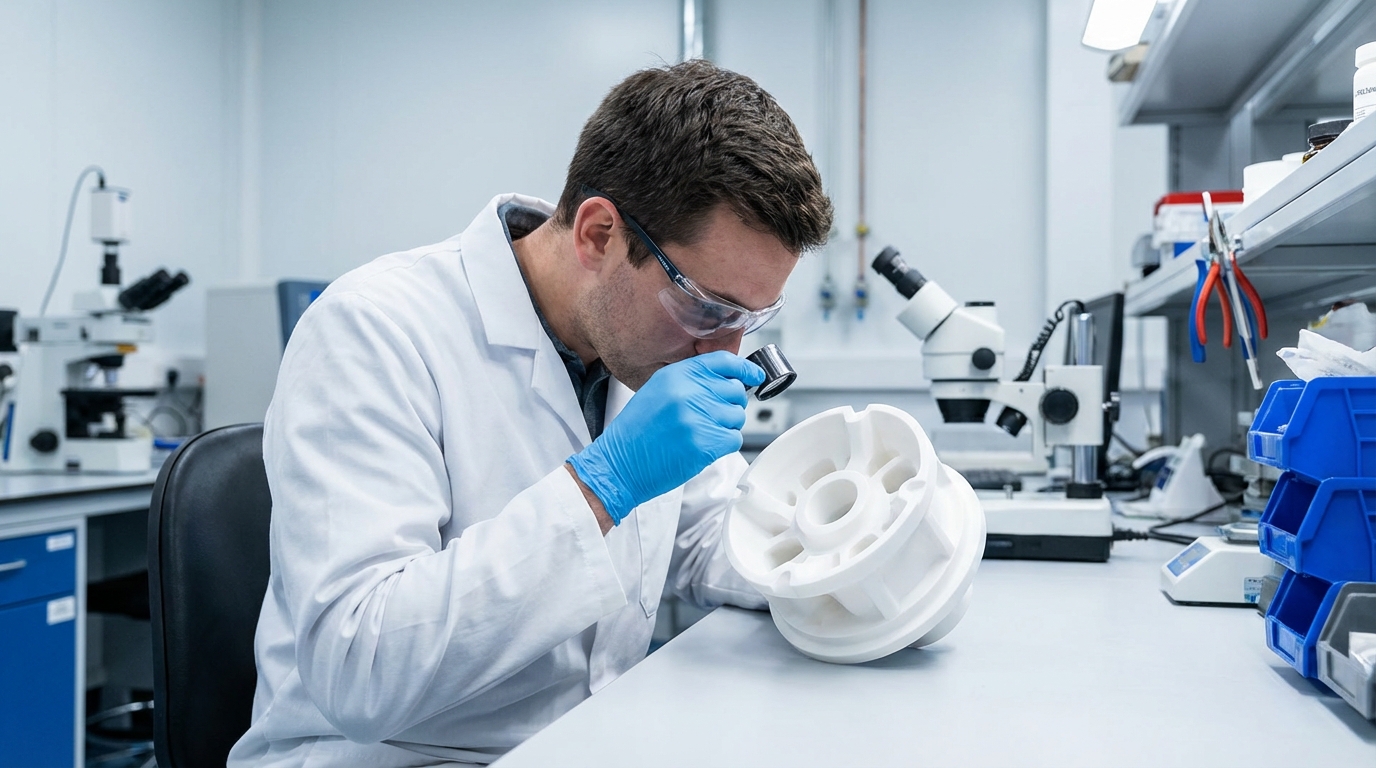
Choosing the right zirconia requires matching the specific stabilizer to your unique environment. Now it gets interesting. Your success depends on selecting between MSZ, YTZP, or ZTA based on heat.
Selection Criteria
You must evaluate the temperature limits and mechanical loads of your application first.
- Evaluate temperature.
- Check moisture levels.
- Assess load requirements.
| Criteria | Choice | |
|---|---|---|
| High Heat/Wet | MSZ | |
| High Strength | YTZP |
Selecting the right grade prevents premature material degradation in your system.
Conclusion
Zirconia ceramics provide the metal-like durability and chemical inertness required for modern industrial success. By selecting the correct stabilization grade, you can eliminate frequent part failures and optimize your production efficiency. Contact us today to design custom ceramic components for your toughest applications. We are committed to delivering high-precision ceramic solutions that redefine industrial reliability.
FAQ
1. Can I use YTZP in steam?No, YTZP degrades rapidly in water vapor at temperatures between 200-300°C.
2. What’s the best way to save costs?Use ZTA to gain a 30% strength boost over alumina at a mid-range price.
3. Can I use zirconia for cutting?Yes, YTZP is an excellent choice for industrial blades and precision shears.
4. What’s the best stabilizer for heat?MSZ is the best choice for high-heat environments where moisture is present.
5. Can I match zirconia to metal?Yes, its thermal expansion rate is very similar to common cast iron.