Choosing between zirconium and tungsten rings requires balancing zirconium’s lightweight, hypoallergenic nature with tungsten’s unmatched scratch resistance and weight. For B2B manufacturers, selecting the wrong material can lead to production bottlenecks and safety oversights. Utilizing the incorrect grade of zirconium powder without understanding its reactive properties often results in avoidable workshop hazards. This analysis provides the technical clarity you need to optimize your product line while maintaining a safe environment.
What makes zirconium powder unique for ring manufacturing?
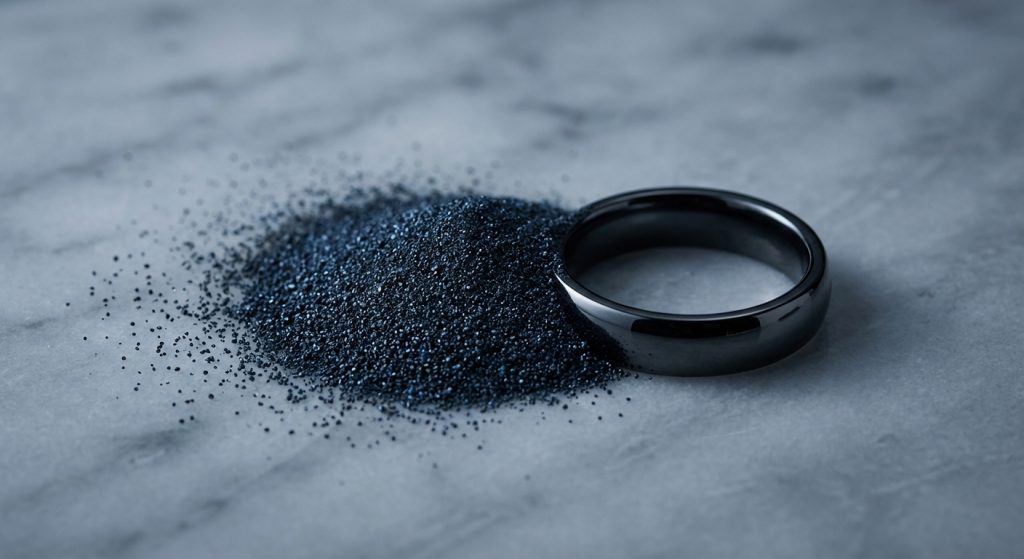
Zirconium powder serves as the foundation for creating black zirconium rings, which achieve their signature look through a thermal oxidation process. When exposed to extreme heat, the surface of the metal transforms into a hard, ceramic-like layer of zirconium dioxide. This layer is naturally deep black and incredibly resistant to corrosion. Many high-end manufacturers rely on high-purity zirconium powder to ensure the final finish is consistent and free of impurities.
From industrial origins to luxury aesthetics
Zirconium was originally prized in nuclear and chemical industries before finding a home in luxury jewelry. The metal is highly malleable compared to tungsten, allowing for complex designs and easier machining. Here is the deal: its transition from a dull gray powder to a lustrous black ring is its biggest selling point.
- Ductility: Allows for resizing and stone setting.
- Oxidation: Creates a permanent black surface.
- Biocompatibility: Safe for long-term skin contact.
Why particle size distribution (PSD) matters
Consistency in your raw material is vital for a smooth manufacturing flow. If the particle size varies too much, the density of your sintered blanks will be unev n. Think about it: a consistent zircon powder and sand profile leads to fewer defects.
| Property | Value/Requirement | |
|---|---|---|
| Particle Size Consistency | ±5% (High Grade) | |
| ZrO2 + HfO2 Purity | ≥65% | |
| Melting Point | 1,855°C |
Precision in particle size ensures that every batch of rings meets the same luxury standard.
Key Takeaway: Selecting consistent, high-purity powder is the first step toward achieving the flawless black finish that premium customers demand.
Is zirconium powder safe during the crafting process?
While the finished ring is perfectly safe for the consumer, zirconium powder presents significant reactive risks during the manufacturing phase. Fine dust created during grinding is pyrophoric, meaning it can ignite spontaneously when exposed to air. Managing this hazard requires strict adherence to ventilation and waste management protocols. You must treat zirconium powder as a reactive substance until it is fully sintered or oxidized.
Identifying the hazard rating for jewelers
Safety agencies classify this material as a moderate health hazard and a severe fire hazard. The fine particulate can cause skin and eye irritation if not handled with proper protective equipment. But wait, there is more: the risk of spontaneous combustion is the primary concern for industrial workshops.
- Fire Rating: 4 (Severe)
- Health Rating: 2 (Moderate)
- Reactivity: 1 (Slight)
Managing spontaneous combustion risks
Grinding and sanding operations generate heat that can easily trigger a metal fire. You must use wet-grinding techniques to keep the material cool and submerged. Here is the kicker: dry dust accumulation in vacuum systems is a recipe for an explosion.
| Risk Factor | Prevention Method | |
|---|---|---|
| Dust Clouds | Local Exhaust Ventilation | |
| Heat Friction | Wet Grinding/Lubricants | |
| Static Build-up | Grounded Equipment |
Maintaining a damp work environment prevents the dust from becoming an airborne explosive hazard.
Key Takeaway: Industrial safety protocols are non-negotiable when processing reactive powders to prevent catastrophic shop fires.
How should jewelers store raw zirconium powder safely?
Safe storage of zirconium powder requires a dedicated, climate-controlled space equipped with grounded metal containers. It is essential to keep the material away from moisture and oxidizing agents that could trigger a reaction. Most professionals store the powder in airtight drums that are clearly labeled with hazard warnings. You must ensure that no ignition sources, including smoking or open flames, are permitted near the storage area.
Using non-sparking tools for material handling
Standard steel tools can generate sparks that ignite the fine powder during transfer. You should exclusively use bronze, brass, or plastic scoops to move the raw zirconium products within your facility. The truth is: one tiny spark can ignite an entire container in seconds.
- Tool Material: Bronze or Aluminum.
- Container Type: Grounded stainless steel.
- Labels: Flammable solid warnings.
Grounding and bonding metal transfer containers
Static electricity is a hidden danger that can ignite powdered metals during pouring. You must use grounding wires to bond containers together before transferring the material. Believe it or not: static charges build up rapidly as the powder flows through the air.
| Handling Rule | Equipment Required | |
|---|---|---|
| Transfer Safety | Grounding Clamps | |
| Spark Prevention | Non-sparking Scoops | |
| Atmosphere | Low Humidity/Controlled |
Grounding every piece of equipment minimizes the risk of a static discharge event during material preparation.
Key Takeaway: Specialized storage and handling equipment are essential investments for any manufacturer working with reactive metal powders.
What are the risks of inhaling zirconium powder dust?
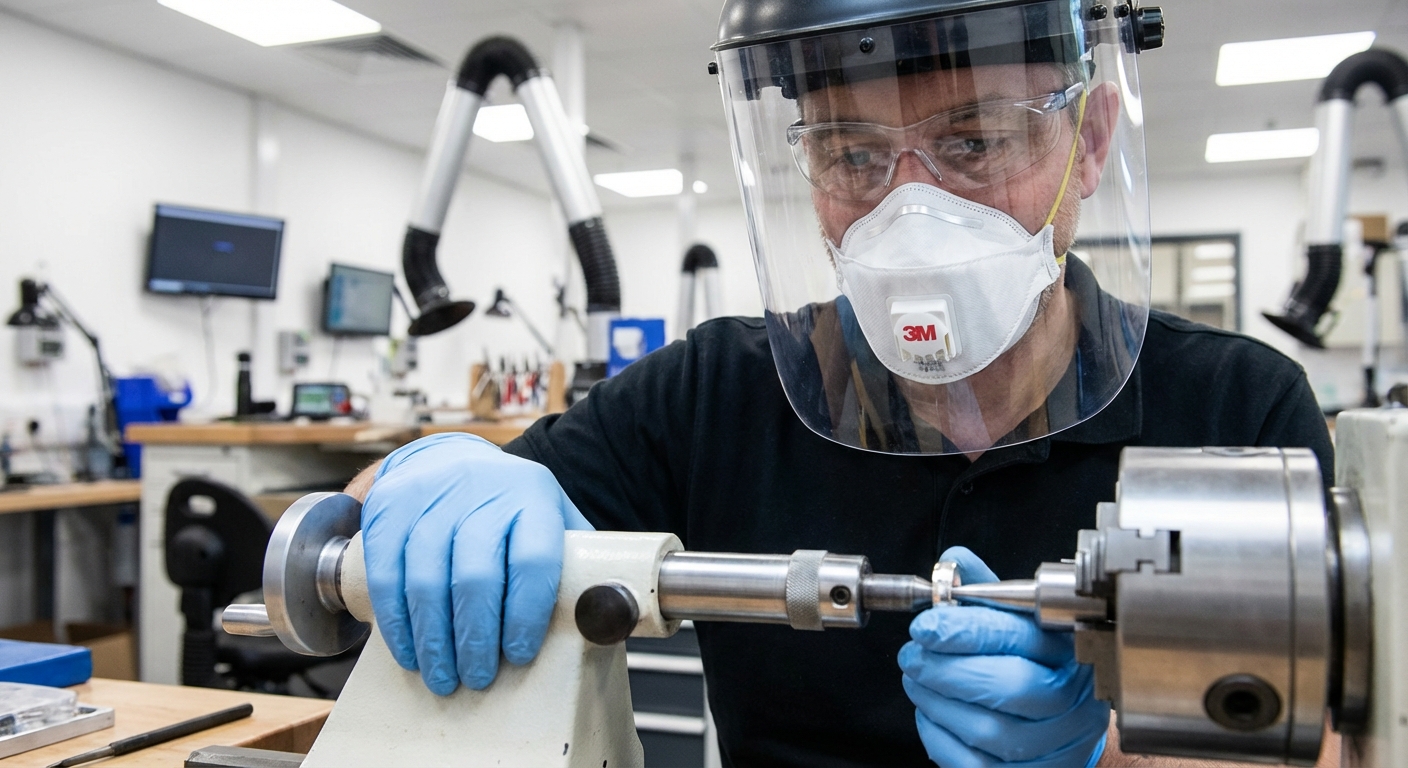
Inhaling zirconium powder dust can lead to serious respiratory issues, including lung irritation and the formation of granulomas. These small nodules form in the lungs as the body attempts to wall off the foreign metallic particles. Long-term exposure without protection can result in chronic coughing and shortness of breath. You must prioritize high-quality respiratory protection to safeguard your team’s long-term health.
Long-term lung irritation and granulomas
Granulomas are the body’s permanent inflammatory response to metallic dust trapped in the lung tissue. Unlike organic dust, metal particles do not break down easily and remain as irritants for years. Make no mistake: chronic exposure can lead to permanent respiratory impairment.
- Symptom: Shortness of breath.
- Diagnosis: Chest X-ray or biopsy.
- Prevention: N95 or P100 respirators.
Recognizing acute symptoms of overexposure
Immediate symptoms of inhaling the dust include a scratchy throat and eye irritation. If a worker begins coughing violently, they must be removed from the area and provided with fresh air immediately. You might be wondering: what is the legal limit for exposure?
| Standard | Exposure Limit | |
|---|---|---|
| OSHA PEL | 5 mg/m³ (8-hour shift) | |
| NIOSH REL | 10 mg/m³ (Short-term) | |
| IDLH Level | 25 mg/m³ (Dangerous) |
Adhering to these exposure limits ensures that your workplace meets federal safety standards and protects your staff.
Key Takeaway: Respiratory protection and proper ventilation are the only effective ways to prevent permanent lung damage from metal dust.
Does zirconium powder offer better durability than tungsten?
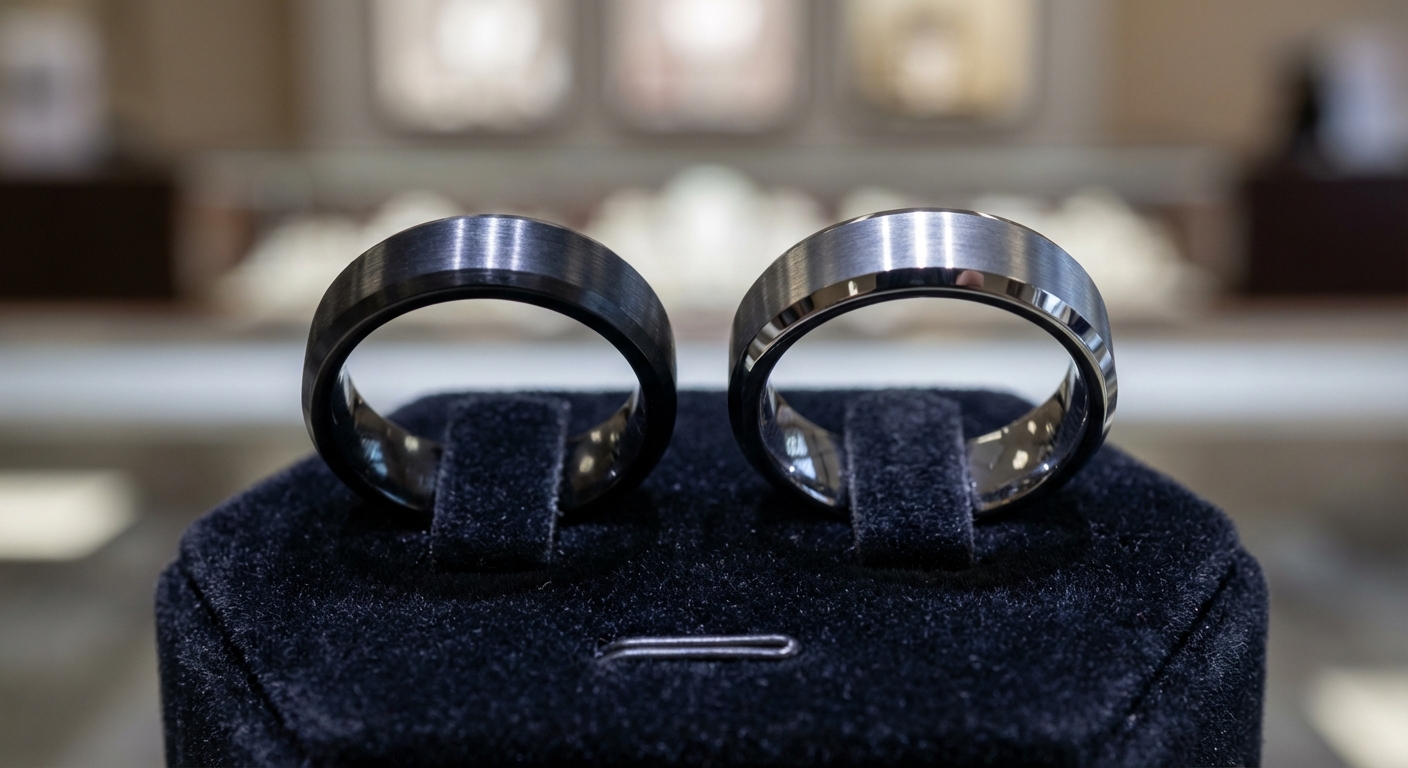
Zirconium offers a different type of durability compared to tungsten, focusing on shatter resistance rather than extreme surface hardness. While tungsten is harder, it is notoriously brittle and can shatter if dropped on a hard surface. Using high-quality zirconium powder results in a ring that is tough enough for daily wear but resilient enough not to crack. You must decide whether your customer values scratch-proofing or impact-resistance more.
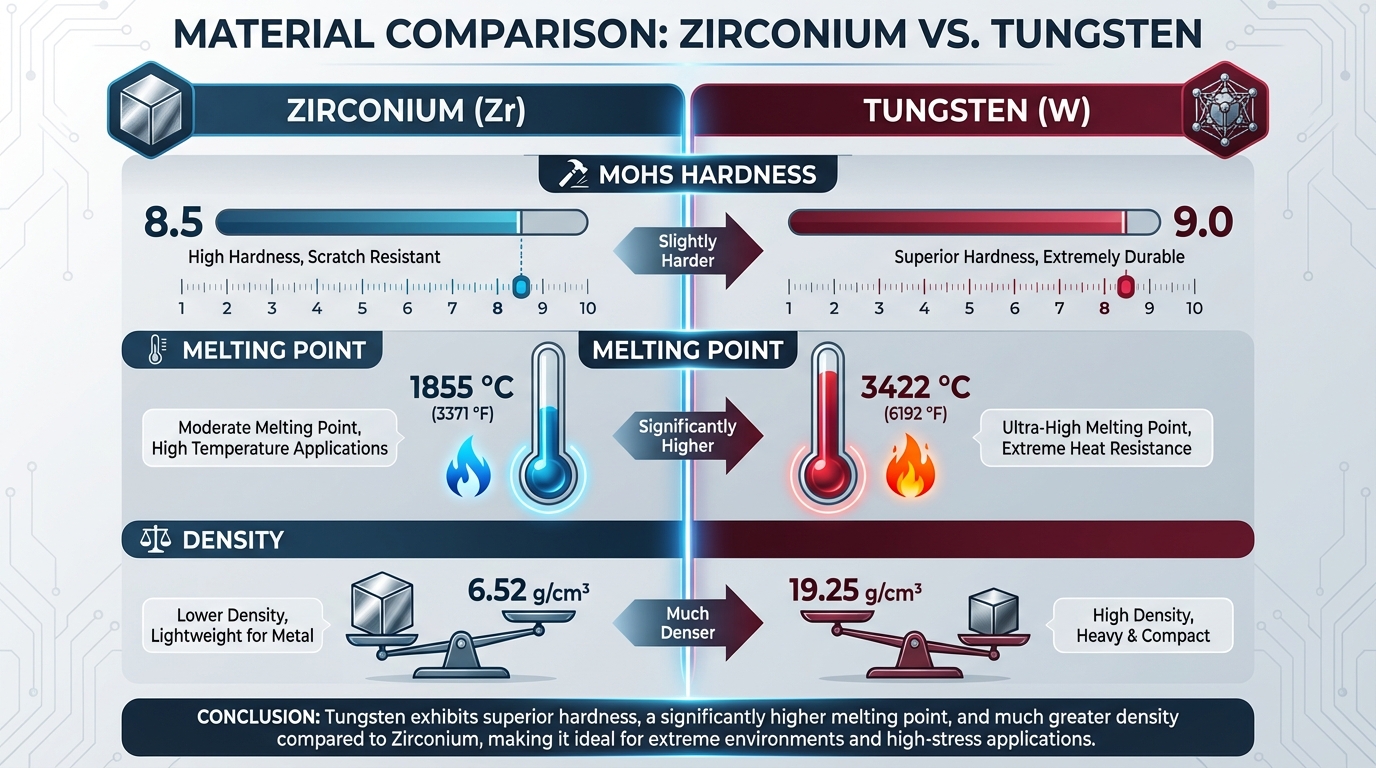
Comparing Mohs hardness: 8.5 vs 9.0
Tungsten leads the industry in hardness, sitting just below diamond on the Mohs scale. However, zirconium’s oxidized layer is also remarkably hard, offering plenty of protection for most users. Here is the deal: zirconium silicate based materials often provide the structural integrity needed for high-performance jewelry.
- Tungsten Hardness: 9.0 Mohs.
- Zirconium Hardness: 8.5 Mohs.
- Comparison: Tungsten is harder; Zirconium is tougher.
Brittleness vs shatter resistance in daily wear
Tungsten rings are famous for their inability to be resized and their tendency to snap under pressure. Zirconium, being a metal rather than a ceramic composite, can withstand significant impacts without failing. Now, for the kicker: zirconium rings can actually be cut off in an emergency, whereas tungsten must be shattered.
| Feature | Zirconium | Tungsten | |
|---|---|---|---|
| Shatter Risk | Very Low | High | |
| Scratch Resistance | High | Extreme | |
| Weight | Lightweight | Very Heavy |
The choice between the two materials depends on the customer’s lifestyle and their preference for ring weight.
Key Takeaway: Zirconium provides a balanced durability profile that avoids the brittleness issues common with tungsten jewelry.
How to treat skin contact with reactive zirconium powder?
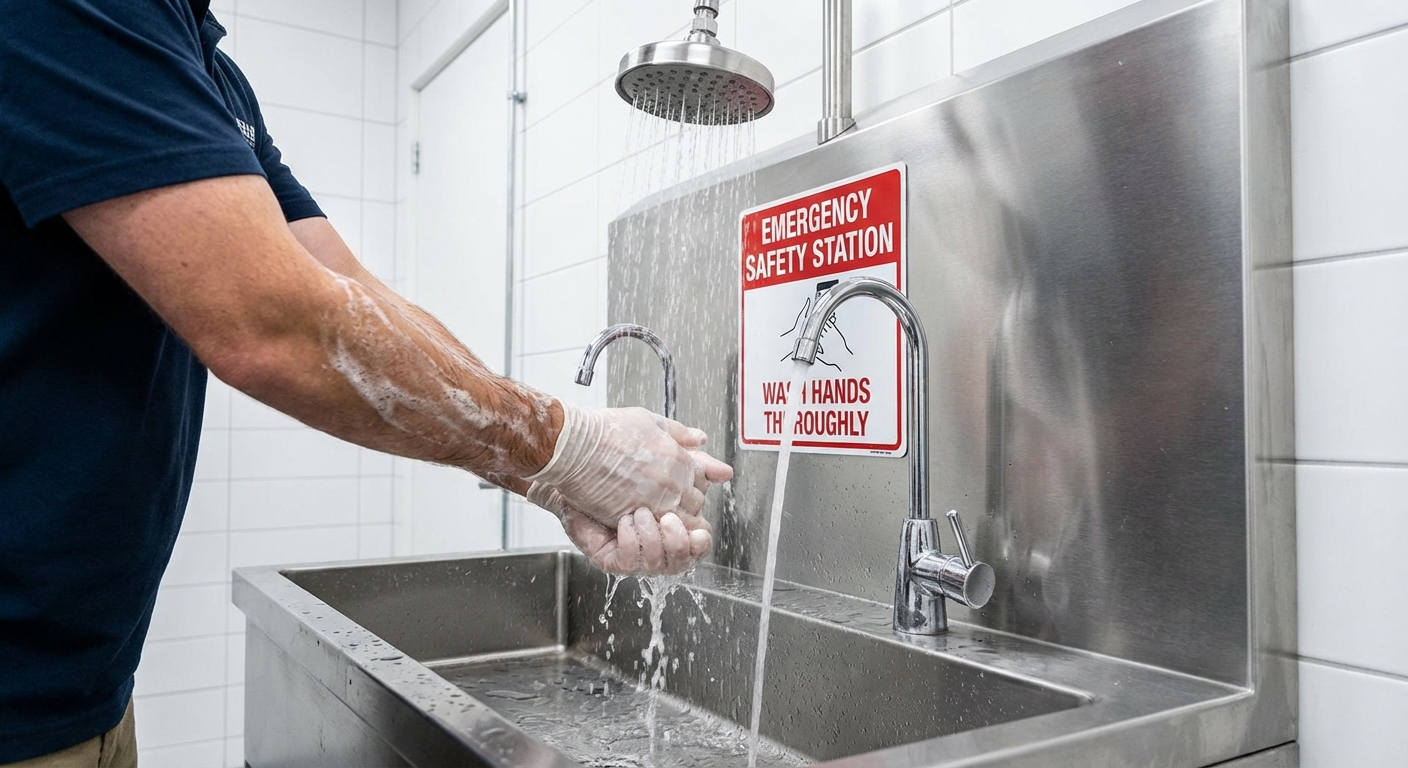
Direct contact with raw zirconium powder can trigger allergic reactions and skin irritation in sensitive individuals. If the powder touches your skin, you must immediately wash the affected area with soap and large amounts of water. It is important not to scrub aggressively, as this can push the fine particles deeper into the pores. You should always wear protective gloves made from materials that do not degrade when handling these metals.
First aid protocols for allergic skin reactions
Some craftsmen develop small, itchy nodules on their hands after repeated exposure to the dust. If redness or itching persists after washing, you should consult an allergist for professional evaluation. The bottom line: prevention through proper PPE is much easier than treating a chronic skin allergy.
- Step 1: Flush with water for 15 minutes.
- Step 2: Use mild soap to lift oils and dust.
- Step 3: Remove all contaminated clothing.
Immediate flushing techniques for eye contact
If the powder enters the eyes, it can cause mechanical scratching of the cornea. You must use an emergency eye-wash station to flush the eyes for at least 15 minutes while keeping the eyelids open. Best of all: having a dedicated safety station ensures that response time is minimized during an accident.
| Injury Type | Immediate Action | |
|---|---|---|
| Skin Contact | Soap and Water Wash | |
| Eye Contact | 15-minute Water Flush | |
| Clothing Spills | Immediate Change |
Quick action after exposure reduces the risk of long-term irritation or permanent tissue damage.
Key Takeaway: Establishing clear first-aid protocols is a critical component of a safe B2B manufacturing environment.
Why is zirconium powder considered a high fire risk?
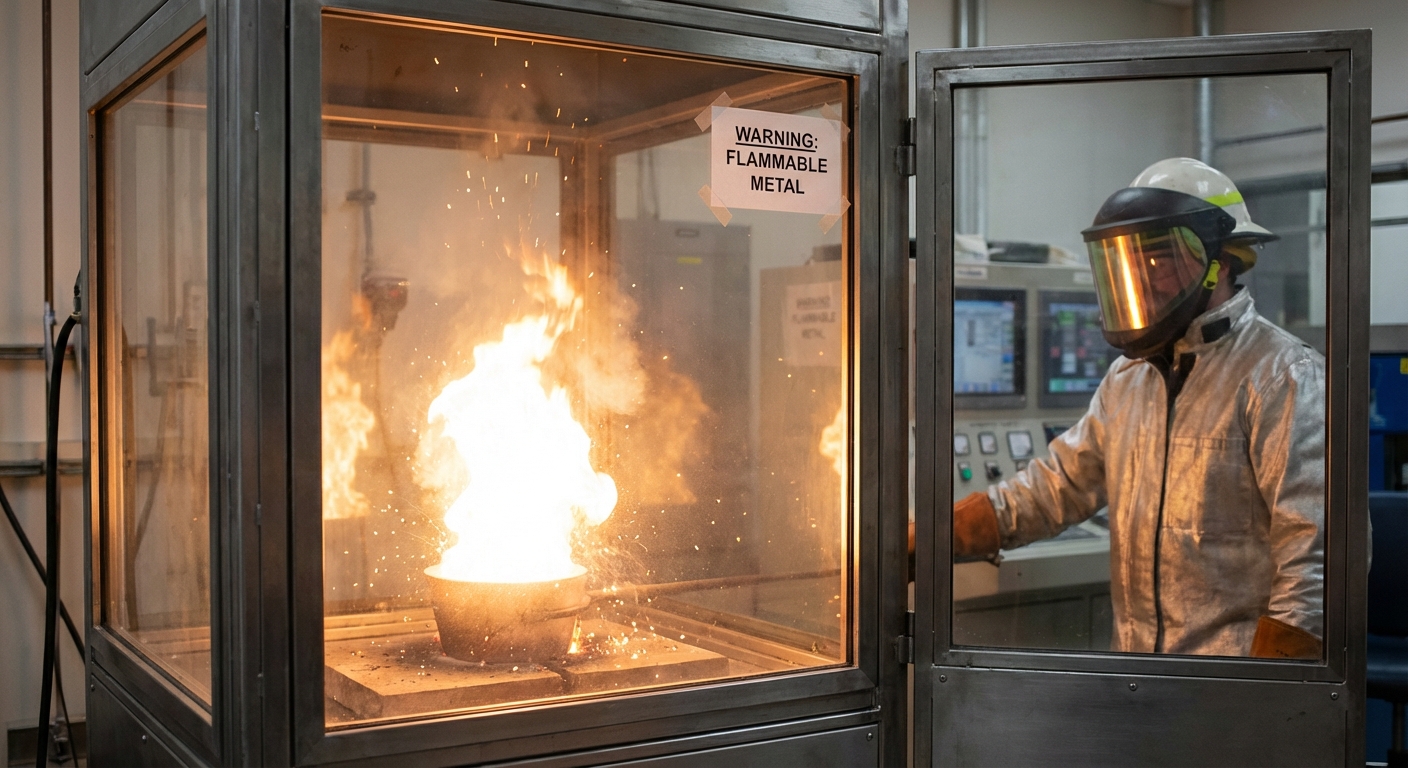
The high fire risk of zirconium powder stems from its pyrophoric nature and its violent reaction to standard extinguishing agents. Unlike wood or paper fires, metal fires burn at extremely high temperatures and cannot be put out with water or CO2. In fact, adding water to a zirconium fire often causes it to burn more intensely or explode. You must equip your facility with specialized Class D fire extinguishers specifically designed for metal fires.
The danger of water-reactivity in metal fires
Water splits into hydrogen and oxygen when it hits burning zirconium, fueling the fire even further. This reaction can lead to massive hydrogen explosions in confined workshop spaces. Think about it: using the wrong extinguisher can turn a small flare-up into a total facility loss.
- Prohibited: Water and CO2.
- Prohibited: Halogen agents.
- Recommended: Graphite or dry lime.
Managing explosive concentrations in confined spaces
Fine dust hanging in the air can reach an explosive concentration that only needs a small spark to ignite. You must ensure that your dust collection systems are designed to prevent “dead spots” where powder can accumulate. Believe it or not: even a layer of dust as thin as a paperclip can cause a secondary explosion.
| Extinguishing Agent | Effectiveness | |
|---|---|---|
| Class D Dry Powder | High (Safe) | |
| Water Spray | Dangerous (Explosive) | |
| Carbon Dioxide | Ineffective |
Only specialized materials like soda ash or dry sand should be used to smother a metal-based fire.
Key Takeaway: Understanding the unique chemistry of metal fires is essential for preventing catastrophic industrial accidents.
What equipment is needed to process zirconium powder?
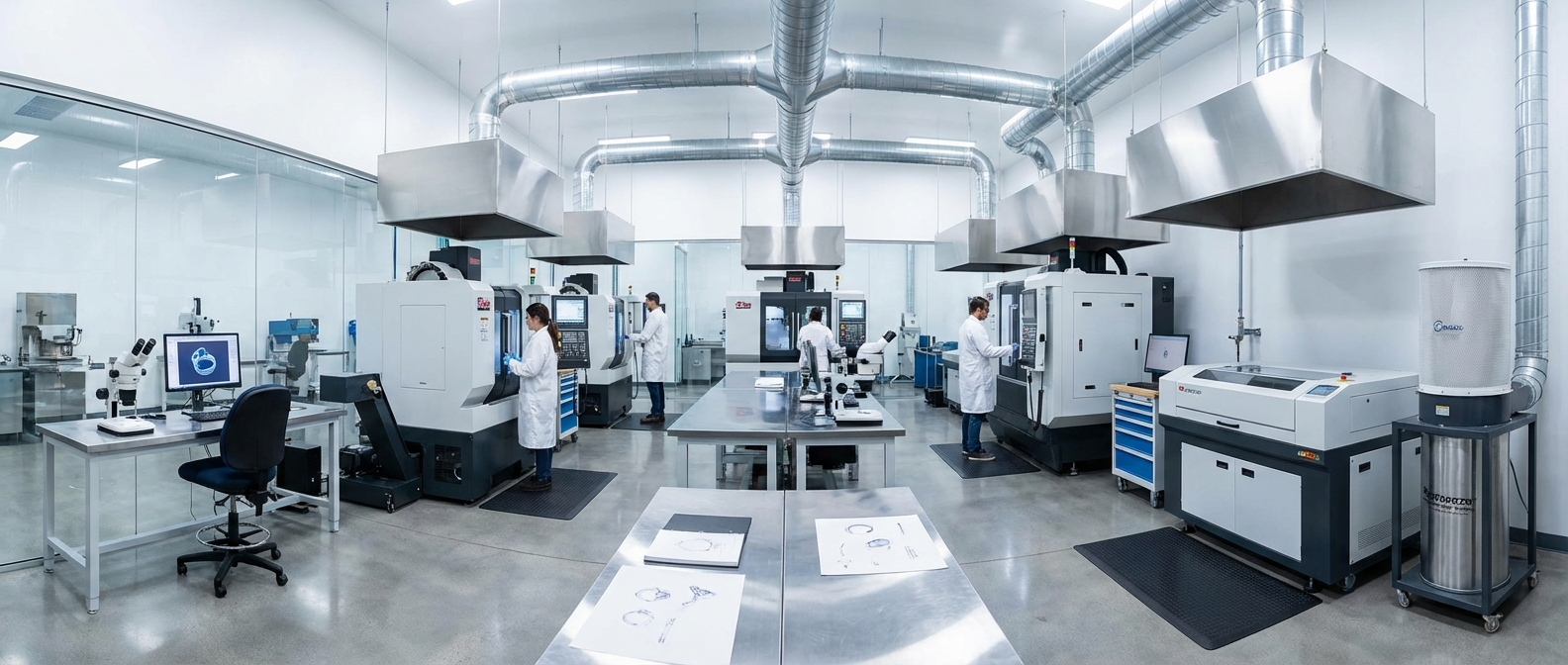
Operating a safe zirconium processing line requires advanced CNC machinery paired with heavy-duty local exhaust ventilation. The primary goal is to capture dust at the point of origin before it becomes airborne or accumulates on surfaces. You must also install explosion-proof electrical fittings to eliminate any potential ignition sources from the shop floor. Investing in high-purity zirconia materials and the right equipment ensures your production is both high-quality and safe.
Essential PPE: From Tyvek suits to N95 filters
Employees should wear protective clothing that does not generate static electricity. Tyvek suits are often recommended because they provide a barrier against fine dust while being easy to dispose of. Here is the deal: keeping the dust off the worker’s skin and out of their lungs is a top priority.
- Respiratory: N95 or P100.
- Body: Static-dissipative Tyvek.
- Hands: Nitrile or latex gloves.
Explosion-proof electrical fittings for safety
Standard light switches and power outlets can emit tiny sparks during operation. In a workshop filled with metal dust, these sparks can trigger a flash fire. The truth is: upgrading to sealed, explosion-proof fittings is a one-time cost that provides permanent peace of mind.
| Equipment Type | Required Feature | |
|---|---|---|
| Dust Collector | Wet Scrubber System | |
| CNC Machine | Enclosed with LEV | |
| Power Outlets | Explosion-Proof Sealed |
The combination of proper PPE and specialized machinery creates a secure environment for high-volume ring manufacturing.
Key Takeaway: A safe workshop requires a multi-layered approach involving ventilation, specialized PPE, and spark-free electrical systems.
How do you manage a spill of fine zirconium powder?
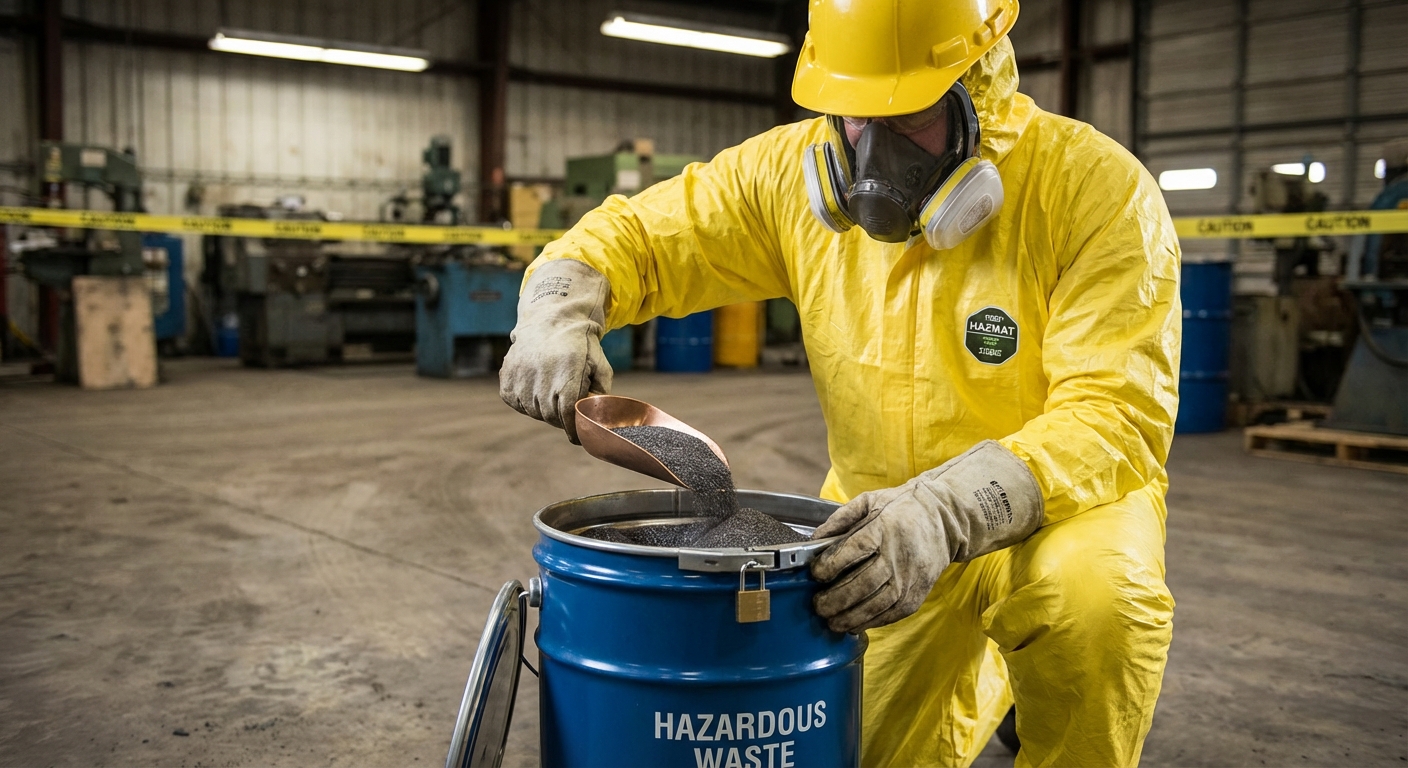
Managing a spill of zirconium powder requires immediate action to control ignition sources and secure the area. You should never use a standard vacuum cleaner, as the internal motor can spark and ignite the dust inside the bag. Instead, use non-sparking shovels and brushes to gently collect the material. The spilled powder must be deposited into a sealed metal drum and potentially stabilized with water depending on local regulations.
Evacuation and ignition source control
As soon as a spill occurs, all machinery must be shut down and non-essential personnel should evacuate. Any open flames or heating elements in the vicinity must be extinguished immediately. But wait, there is more: you must also ensure that no one walks through the spill, as friction from shoes can cause ignition.
- Action: Shut down power.
- Action: Evacuate the zone.
- Action: Control airflow to prevent dust clouds.
Safe collection methods for powdered materials
Spills should be gathered slowly to avoid kicking up dust clouds into the air. If the spill is large, it may be necessary to contain and dispose of it as hazardous waste according to DEP guidelines. Now, for the kicker: even “clean” spilled powder should not be reused in production to avoid contamination.
| Step | Action | |
|---|---|---|
| 1 | Cordon off the area. | |
| 2 | Use non-sparking scoops. | |
| 3 | Seal in a metal hazard drum. |
Proper spill response prevents minor accidents from escalating into major fires or health crises.
Key Takeaway: Slow, methodical cleanup using non-sparking tools is the only safe way to handle a zirconium spill.
Why choose zirconium powder over tungsten for custom rings?
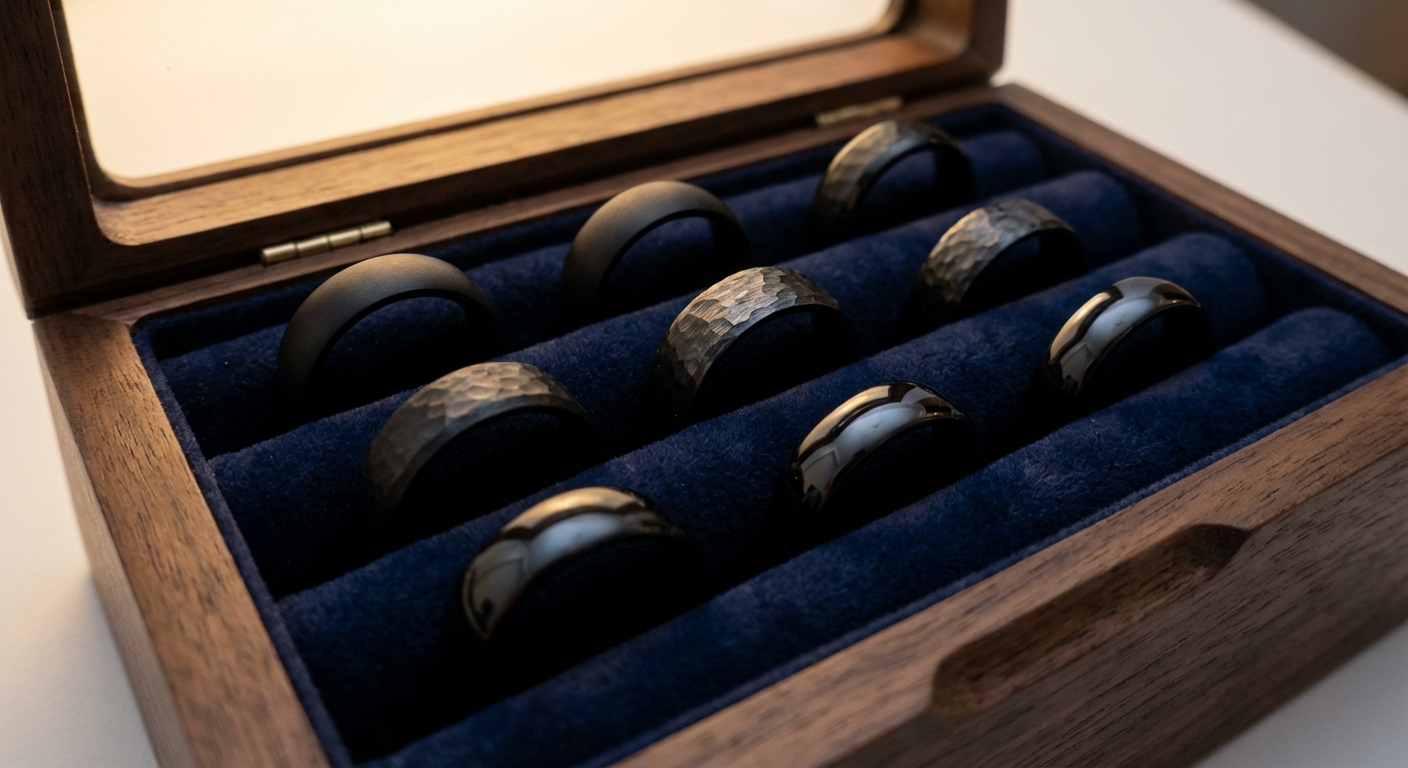
Zirconium powder is the superior choice for custom rings when your clients prioritize comfort, style versatility, and safety. Unlike tungsten, which is heavy and can feel burdensome, zirconium is incredibly lightweight and easy to wear all day. Additionally, the ability to anodize or heat-treat the metal allows for a wider range of artistic finishes. You can explore more about material properties in our technical blog to stay ahead of market trends.
Hypoallergenic properties for sensitive skin
Zirconium is an inert metal that does not react with the body, making it ideal for people with nickel or chrome allergies. Tungsten rings often use cobalt as a binder, which can cause skin rashes in some wearers. The truth is: offering a truly hypoallergenic option like zirconium can expand your customer base significantly.
- Zirconium: Cobalt-free and inert.
- Tungsten: Often contains cobalt binders.
- Benefit: Fewer customer returns due to allergies.
Weight considerations: Lightweight Zr vs Heavy W
Tungsten is roughly twice as dense as steel, giving it a very heavy, industrial feel. Zirconium is much closer to the weight of titanium, providing a “barely there” feel that many modern grooms prefer. Here is the deal: weight is often the deciding factor for customers who aren’t used to wearing jewelry.
| Feature | Black Zirconium | Tungsten Carbide | |
|---|---|---|---|
| Aesthetic | Deep Matte or Polished Black | Gunmetal Gray | |
| Resizability | Possible (Limited) | Impossible | |
| Skin Safety | Hypoallergenic | Possible Irritant |
The versatility of zirconium finishes, combined with its superior comfort, makes it a premium alternative to traditional wedding metals.
Key Takeaway: Choosing zirconium allows manufacturers to offer a more comfortable, customizable, and skin-friendly product than tungsten.
Conclusion
Selecting the right materials for B2B jewelry production involves a deep understanding of both aesthetics and industrial safety. We have explored the unique transformation of zirconium from a reactive powder into a luxury ring, the critical safety protocols required for processing, and the clear advantages it holds over tungsten in terms of comfort and durability. Our team is dedicated to providing high-purity materials and technical guidance to help you scale your production safely and efficiently. If you are ready to upgrade your supply chain or need detailed specifications for your next project, contact us to speak with a material expert. We believe that the future of high-performance jewelry lies in the intersection of advanced chemistry and uncompromising safety standards.
Frequently Asked Questions
Can I resize a ring made from zirconium vs tungsten?Yes, zirconium rings can often be resized slightly by a professional jeweler, whereas tungsten rings are too hard and brittle to be altered. If a tungsten ring no longer fits, it must be replaced entirely.
What’s the best way to clean a black zirconium ring?Directly cleaning with mild soap and warm water is the most effective method for maintaining the finish. Avoid abrasive cleaners or harsh chemicals that could scratch the oxidized surface over time.
How do I know if zirconium powder is high quality?Yes, you can verify quality by checking the particle size distribution and ensuring the purity levels of ZrO2 and HfO2 meet industrial standards. Consistent whiteness and low impurity levels are also key indicators of a superior grade.
How do I know if tungsten or zirconium is more likely to shatter?Tungsten is far more likely to shatter because of its extreme brittleness and ceramic-like crystalline structure. Zirconium is a tough metal that will dent or deform under extreme pressure rather than cracking.