Zirconium dioxide powder is a sophisticated inorganic compound celebrated for its extraordinary melting point, mechanical toughness, and chemical inertness across the industrial spectrum. You often face challenges when searching for materials that can withstand extreme thermal stress without sacrificing structural integrity. This common engineering bottleneck can lead to premature component failure and increased operational costs in high-stakes environments. High-performance Zirconium Oxide provides the definitive solution by offering a versatile ceramic base that excels in everything from aerospace thermal barriers to precision medical implants.
What are the key properties of Zirconium Oxide?
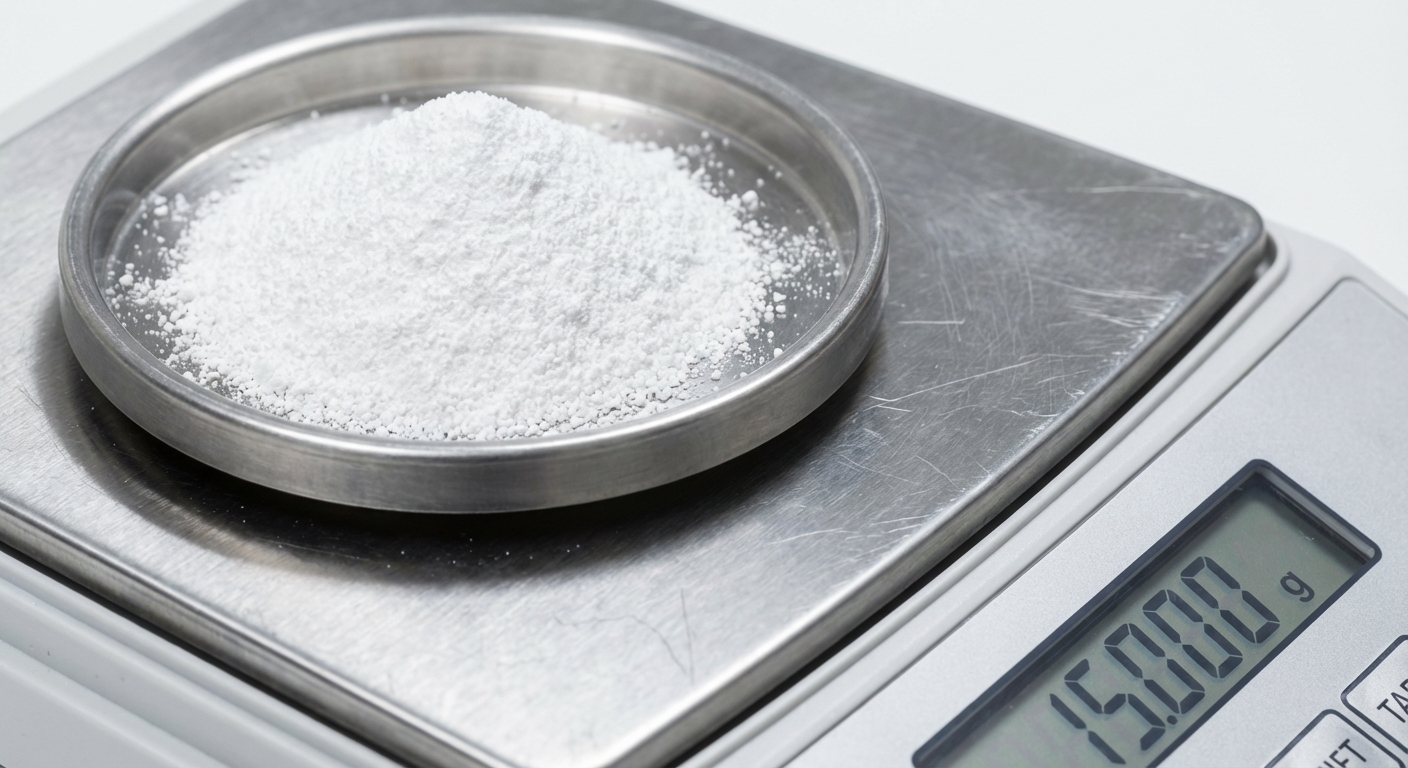
Zirconium Oxide is characterized by its high melting point of 2,700°C and a physical hardness that rivals traditional gemstones. This Zirconium Oxide powder displays remarkable fracture toughness, a rarity among ceramic materials that are usually prone to brittleness. You will find that its chemical resistance makes it nearly impervious to most acids and alkalis.
High Melting Point and Physical Hardness
The thermal profile of this material is truly impressive for industrial applications. Because it maintains its crystalline structure at extreme temperatures, it is a staple in high-heat manufacturing.
But wait:
- Melting point exceeds 2,700°C.
- Hardness is comparable to corundum.
- Exhibits low thermal conductivity.
Key Takeaway: The physical robustness of this material ensures longevity in the harshest mechanical environments.
Chemical Stability and Corrosion Resistance
Here is the deal: Zirconium Oxide is chemically inert, meaning it does not react with aggressive chemicals or biological fluids. This stability makes it an excellent choice for protective coatings and sensitive laboratory equipment.
| Property | Value | Benefit | |
|---|---|---|---|
| Melting Point | 2,700°C | Extreme Heat Resistance | |
| Mohs Hardness | 8.5 | Superior Wear Resistance | |
| Reactivity | Low | Corrosion Protection |
This data confirms why engineers prioritize this oxide for long-term reliability in corrosive atmospheres.
How is Zirconium Oxide prepared via precipitation?
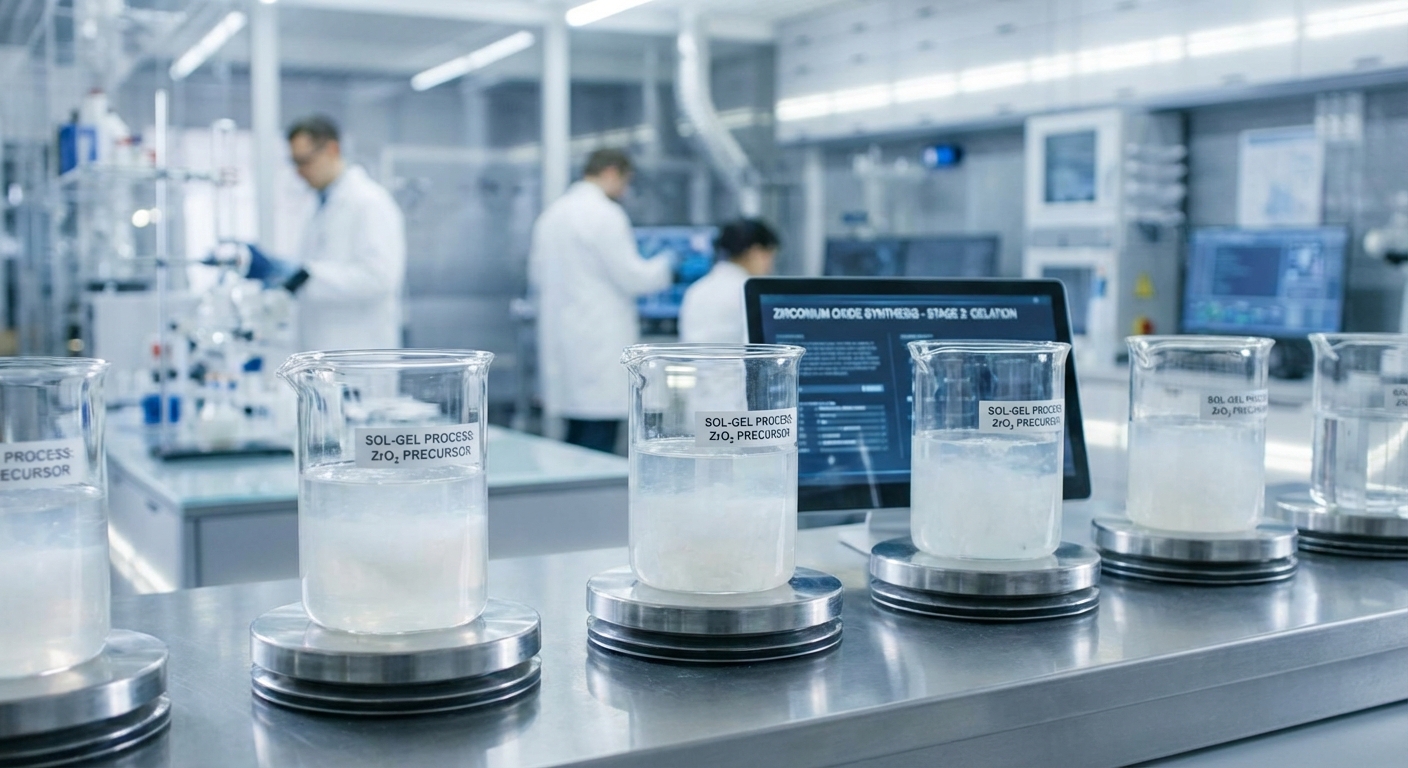
The chemical precipitation method produces Zirconium Oxide by releasing zirconium ions from a salt solution to form a pure solid powder. This technique allows manufacturers to carefully control the purity levels and particle size of the Zirconium Oxide produced. It remains one of the most cost-effective ways to generate high volumes of technical-grade material.
The Chemical Precipitation Process
In this process, a basic solvent like ammonia is added to a zirconium salt solution, such as zirconium nitrate. This triggers the precipitation of zirconium hydroxide, which is then filtered and dried.
The best part?
- Controllable purity levels.
- Scalable for mass production.
- Consistent particle morphology.
Key Takeaway: Precipitation is the gold standard for producing consistent batches of high-purity powder.
Vapor Deposition and Electrolytic Methods
Think about it: advanced electronics often require even thinner layers than standard precipitation can provide. Vapor deposition methods allow Zirconium Oxide to be deposited as a thin film for specialized semiconductor applications.
| Method | Primary Output | Use Case | |
|---|---|---|---|
| Precipitation | Bulk Powder | Ceramics & Refractories | |
| Vapor Deposition | Thin Films | Electronics | |
| Hydrothermal | Nano-crystals | Catalysts |
The choice of preparation method dictates the final performance characteristics in precision engineering tasks.
Why is Zirconium Oxide essential for dental health?
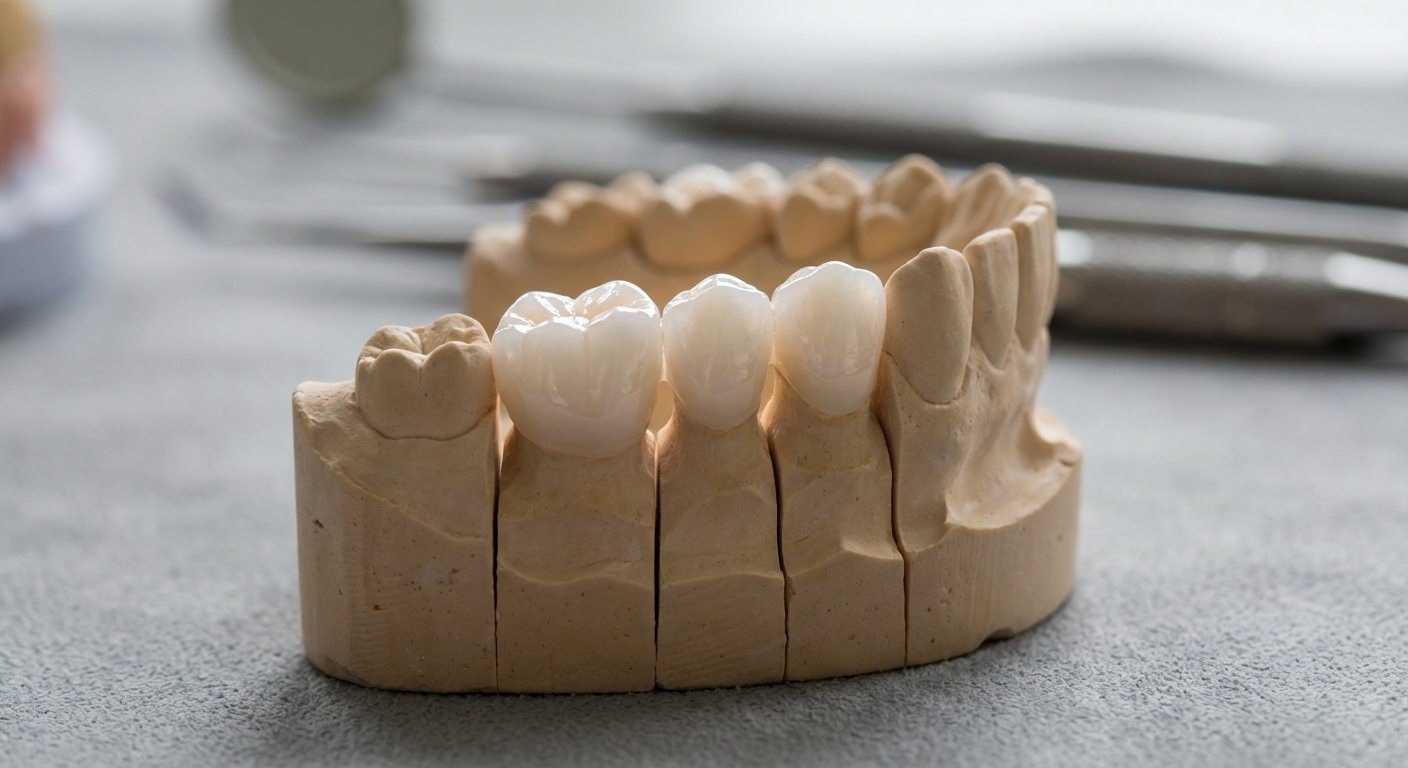
Zirconium Oxide is essential for dental health because it offers a unique combination of natural tooth aesthetics and extreme mechanical durability. Patients and dentists prefer Zirconium Oxide crowns because they resist chipping and staining better than traditional porcelain-fused-to-metal alternatives. Its biocompatibility ensures that the body does not reject the implant or suffer from inflammatory responses.
Aesthetic Benefits of Zirconia Crowns
Modern dental aesthetics demand materials that reflect light just like natural enamel. Zirconia achieves this through controlled translucency and color matching capabilities.
Make no mistake:
- Matches natural tooth color.
- High light translucency.
- Resists surface staining.
Key Takeaway: Dental restorations using this material provide a lifelike appearance without sacrificing the strength needed for chewing.
Biocompatibility in Clinical Settings
Look: Zirconium Oxide does not leach metallic ions into the gums, preventing the “dark line” often seen with older crown types. It is non-toxic and integrates seamlessly with human oral tissue.
| Benefit | Impact | |
|---|---|---|
| Non-Allergic | Safe for all patients | |
| High Strength | No fractures during usage | |
| Low Wear | Protects opposing teeth |
Clinical success rates prove that this ceramic is the most reliable choice for permanent dental prosthetics today.
Can Zirconium Oxide enhance industrial cutting tools?
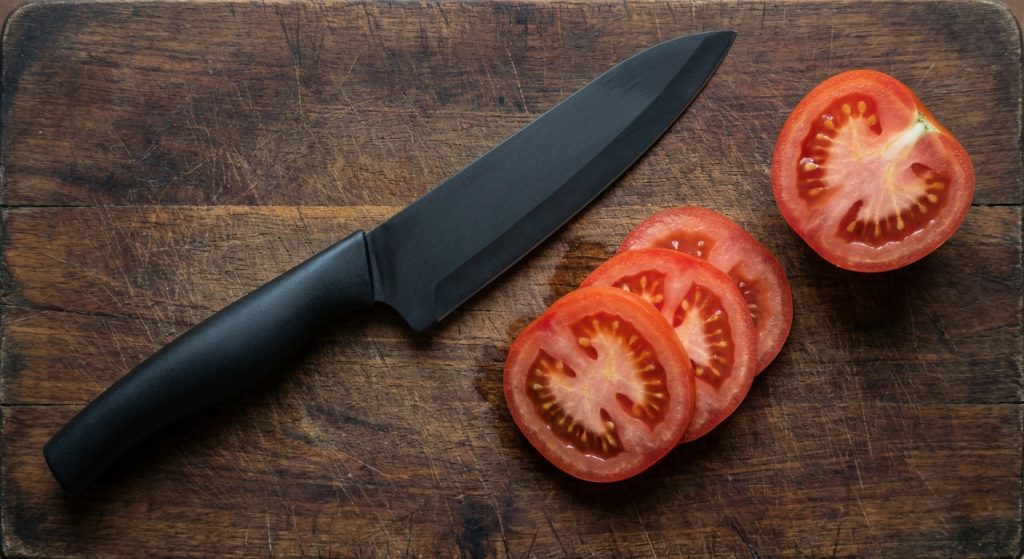
Yes, Zirconium Oxide enhances industrial cutting tools by providing a blade that is significantly harder and more wear-resistant than high-carbon steel. Tools made with Zirconium Oxide can operate at higher speeds because they do not lose their edge due to heat friction. You will notice that these ceramic blades are also immune to rust and chemical corrosion in food processing environments.
Superior Durability of Ceramic Blades
Industrial blades must maintain their sharpness to ensure precision and reduce manufacturing waste. Ceramic blades stay sharp up to ten times longer than their metallic counterparts.
In short:
- Extreme edge retention.
- Zero rust or oxidation.
- Non-magnetic properties.
Key Takeaway: Transitioning to ceramic-based tools reduces the frequency of blade replacements and maintenance downtime.
Resistance to Heat and Mechanical Wear
Here is the deal: traditional metal tools can soften or deform when cutting tough materials at high speeds. Because Zirconium Oxide is a thermal insulator, it keeps the heat at the cutting edge without damaging the tool body.
| Feature | Steel Blade | Zirconia Blade | |
|---|---|---|---|
| Hardness | Moderate | Very High | |
| Rust Risk | High | Zero | |
| Sharpening | Frequent | Rare |
This comparison highlights why ceramic tooling is superior for specialized high-volume production lines.
How does Zirconium Oxide benefit fuel cell systems?
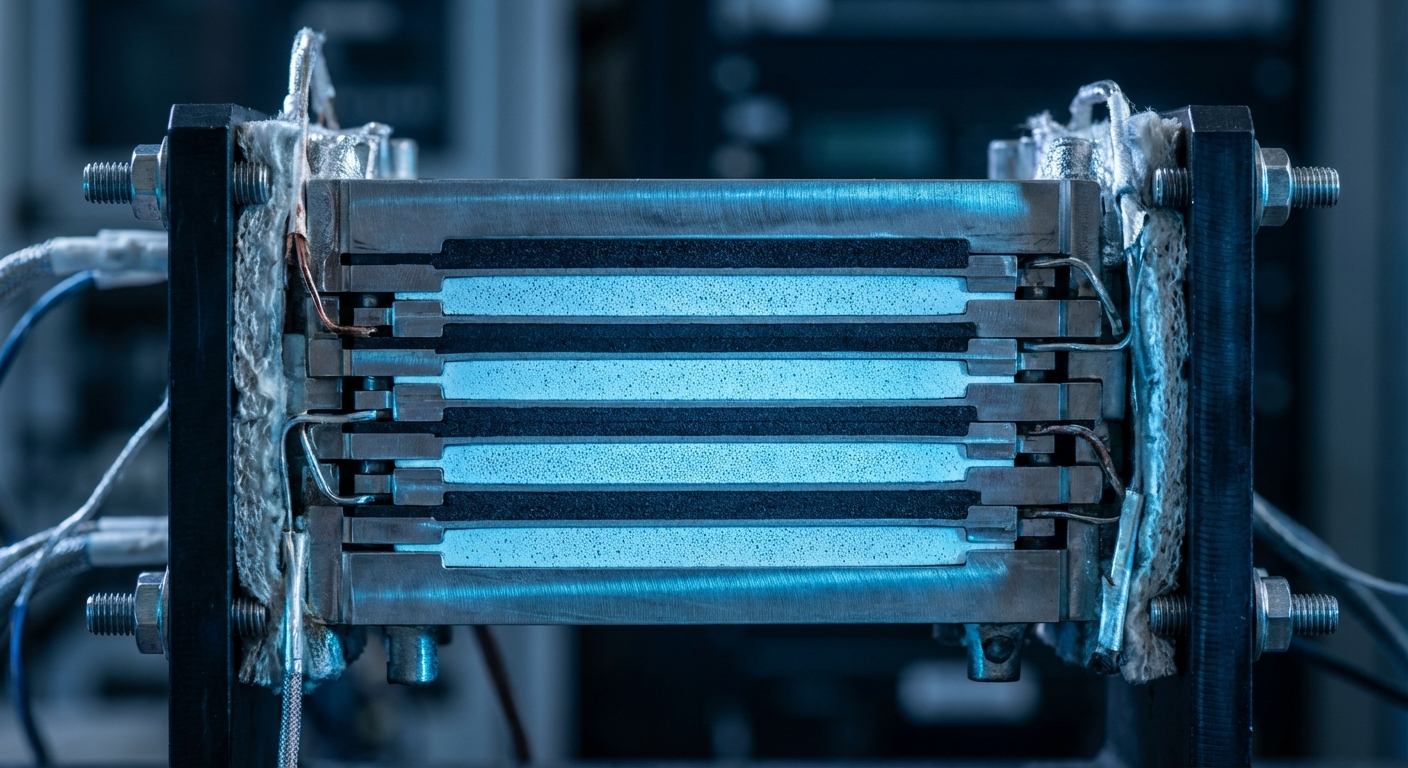
Zirconium Oxide benefits fuel cell systems by serving as the primary electrolyte material in solid oxide fuel cells (SOFC). The unique crystalline structure of stabilized Zirconium Oxide allows oxygen ions to migrate through the material while blocking electrical conductivity. This property is vital for converting chemical energy directly into electricity with high efficiency and low emissions.
High Ionic Conductivity in Electrolytes
At high temperatures, the oxygen vacancies in the zirconia lattice become mobile. This creates a pathway for the current to flow within the fuel cell stack.
Think about it:
- High oxygen ion mobility.
- Excellent thermal stability.
- Purely ionic conductor.
Key Takeaway: The material’s ability to transport ions at high heat is the cornerstone of modern fuel cell efficiency.
Efficiency in Solid Oxide Fuel Cells
Make no mistake: Zirconium Oxide helps SOFCs achieve higher energy conversion rates than combustion engines. They are also much quieter and can run on a variety of fuel sources, including hydrogen and natural gas.
| Metric | SOFC Performance | Role of Zirconia | |
|---|---|---|---|
| Operating Temp | 600°C – 1,000°C | Structural Support | |
| Efficiency | Up to 60% | Ion Transport | |
| Emissions | Very Low | Clean Reaction |
The integration of high-grade powders is essential for the commercial viability of clean energy technologies.
Where is Zirconium Oxide applied in medical implants?
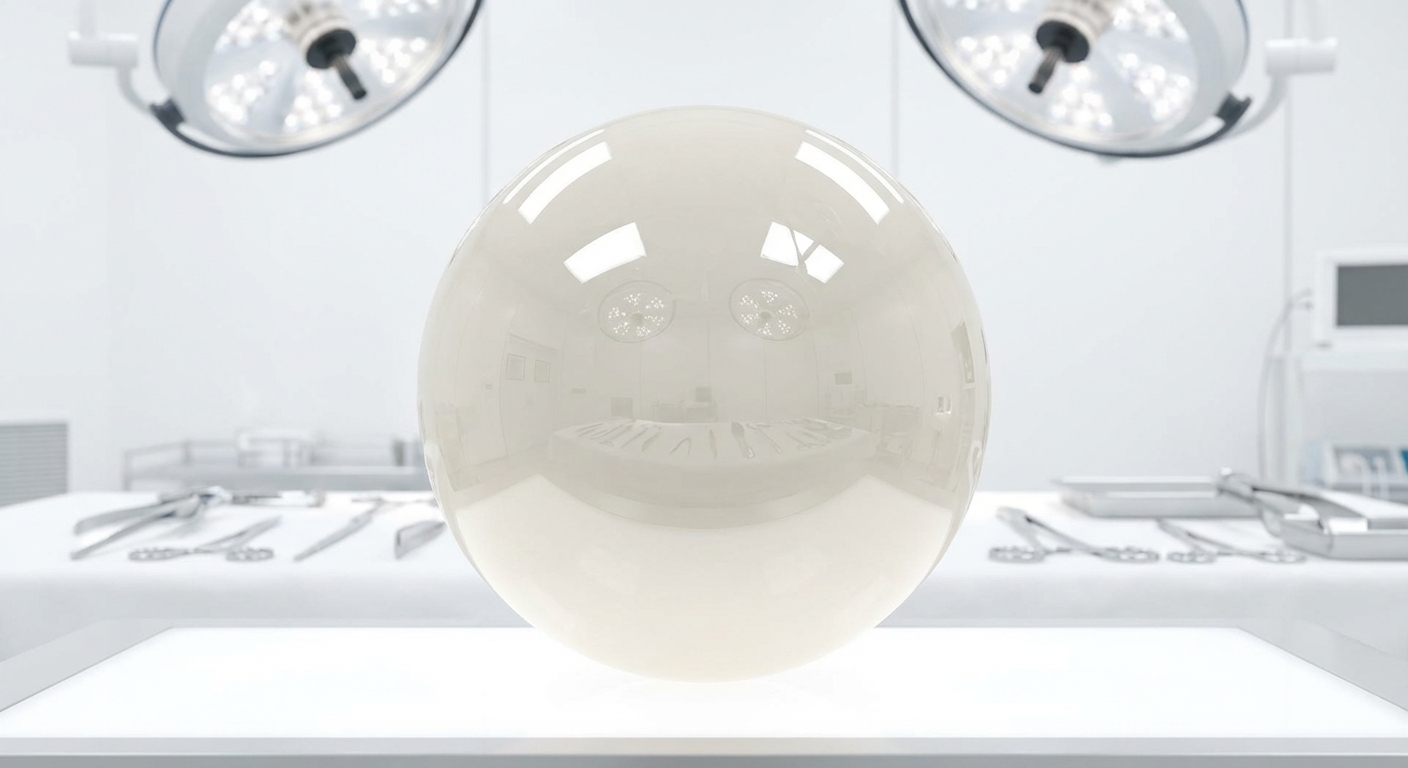
Zirconium Oxide is applied in orthopedic medical implants, particularly as the ball component in hip replacements and the bearing surface in knee implants. Medical professionals choose Zirconium Oxide because its ultra-smooth surface minimizes the wear and tear that leads to implant failure. It offers a level of durability that allows younger, active patients to maintain their lifestyle without fearing multiple revision surgeries.
Orthopedic Solutions for Joint Replacements
Joint implants are subjected to millions of cycles of movement over their lifespan. Ceramic components provide a low-friction interface that mimics the performance of natural cartilage.
But wait:
- Extremely low wear rate.
- Polished to mirror finish.
- Resists scratches and burrs.
Key Takeaway: Ceramic joint components significantly extend the functional lifespan of modern orthopedic implants.
Enhancing Longevity with High Wear Resistance
Look: the main cause of implant failure is the accumulation of wear debris that causes bone loss. Zirconium Oxide is so hard that it produces negligible debris even after decades of continuous use.
| Implant Component | Material Choice | Benefit | |
|---|---|---|---|
| Femoral Head | Zirconia | Reduced Friction | |
| Acetabular Cup | Ceramic Liner | High Stability | |
| Joint Bearing | Zirconia | Long Service Life |
The use of high-performance ceramics in medicine has revolutionized the quality of life for millions of orthopedic patients.
Why use Zirconium Oxide as a refractory material?
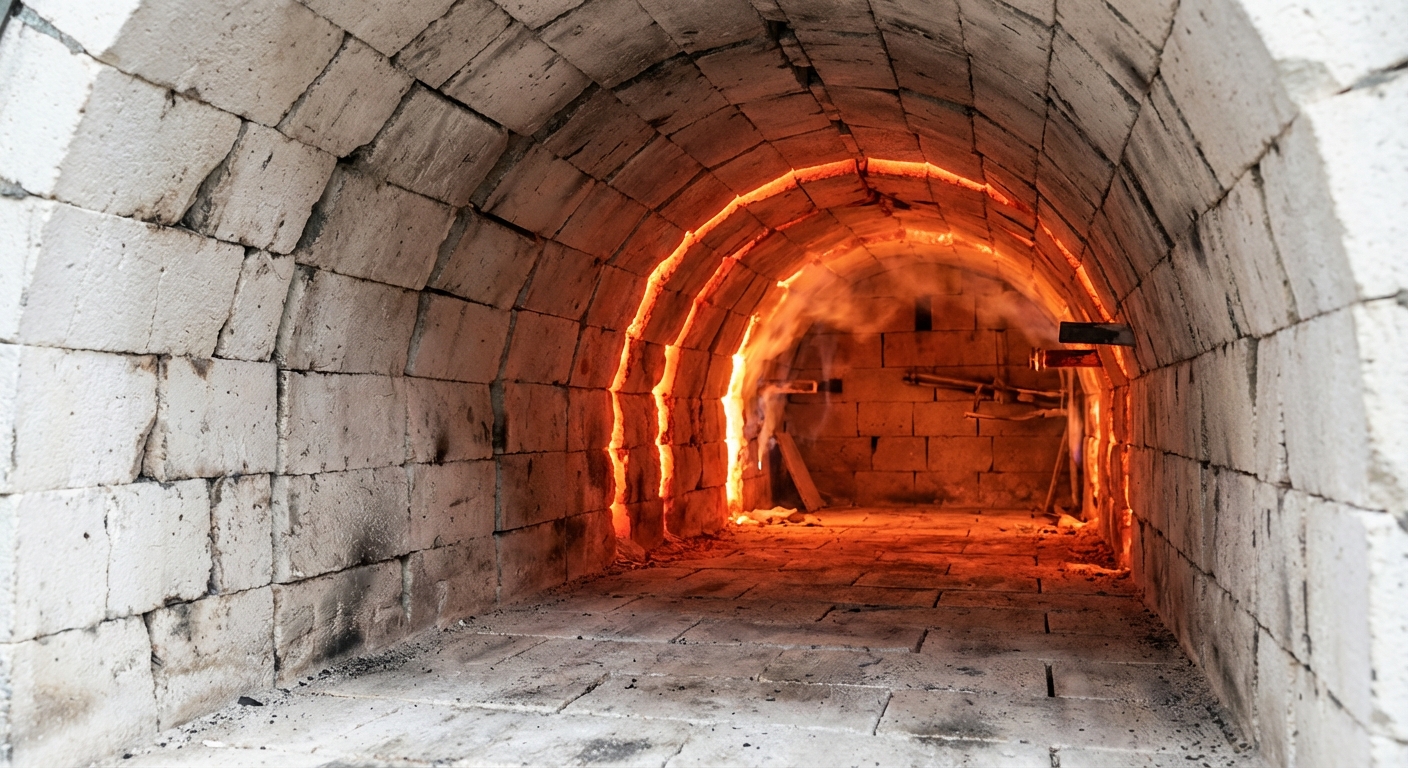
Zirconium Oxide is used as a refractory material because it possesses the highest thermal stability of any commercially available oxide. Using Zirconium Oxide in the lining of your industrial furnaces protects the outer structure from the intense heat required to melt steel or glass. It acts as a permanent shield that prevents costly heat loss and structural damage to your facility’s equipment.
Protecting Industrial Furnaces and Kilns
Refractory bricks made with zirconia are essential in the glass and metallurgical industries. They resist the corrosive nature of molten slag and liquid metals that would destroy traditional clay bricks.
The best part?
- Resistant to slag attack.
- Very low thermal expansion.
- High compressive strength.
Key Takeaway: Investing in zirconia refractories pays for itself through reduced furnace maintenance and higher energy efficiency.
Thermal Shock Resistance at High Temperatures
Here is the deal: many materials crack when the temperature changes rapidly. Zirconium Oxide, when properly stabilized, can handle rapid heating and cooling cycles without suffering from mechanical fracture.
| Material Type | Max Temp (°C) | Slag Resistance | |
|---|---|---|---|
| Fireclay | 1,500 | Low | |
| Alumina | 1,800 | Moderate | |
| Zirconia | 2,700 | Excellent |
Zirconia is the undisputed leader for applications where temperature and chemical aggression are at their peak.
What roles does Zirconium Oxide play in ceramics?
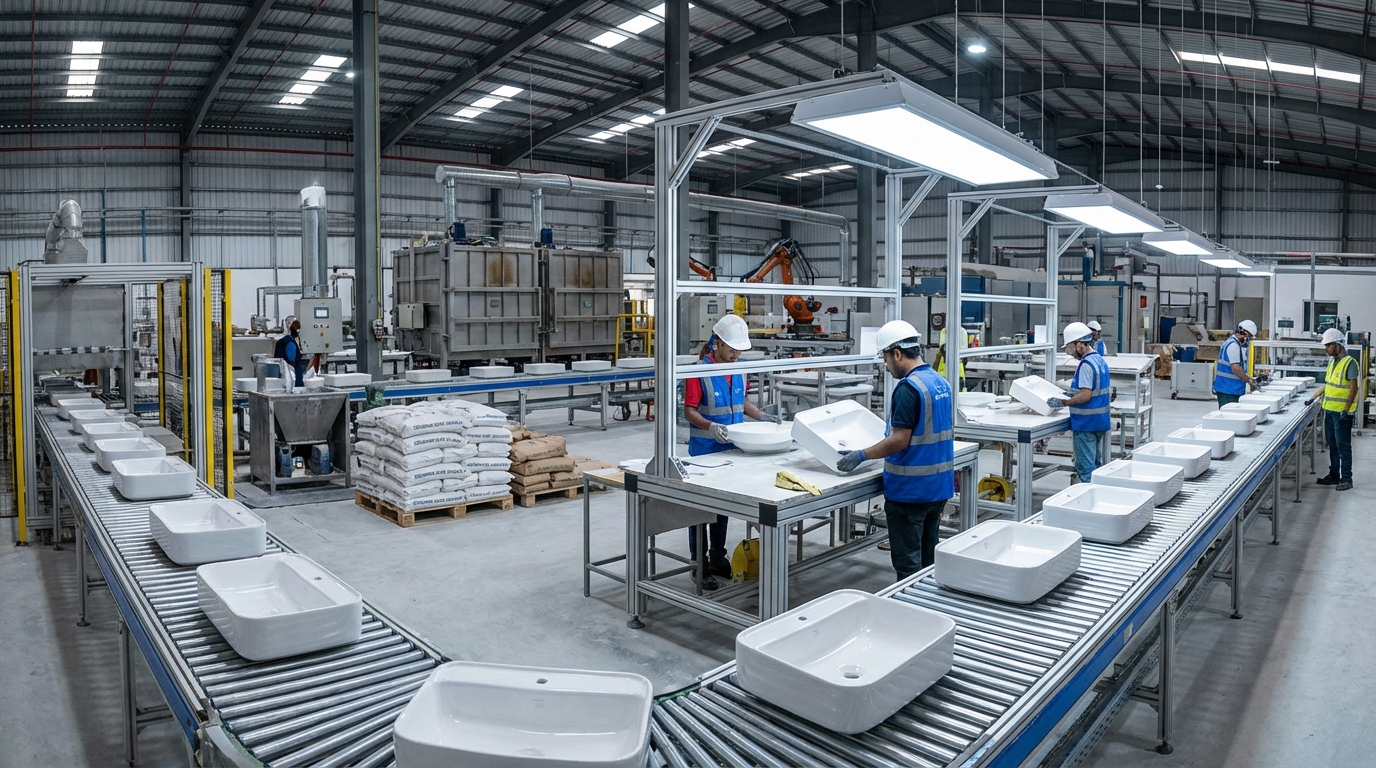
Zirconium Oxide plays a vital role as a high-quality opacifier that provides ceramic glazes with a bright white, glossy finish. In the manufacturing of sanitary ware, Zirconium Oxide is added to the glaze to ensure that the final product looks clean and stays resistant to scratches. You will also find it used in precision molds for investment casting where dimensional accuracy is non-negotiable.
Applications in Sanitary Ware and Glazes
The consistency of the white color in sinks and toilets is almost always due to the addition of zirconia. It disperses light so effectively that it hides the darker ceramic body underneath.
In short:
- Provides high whiteness.
- Improves glaze hardness.
- Resists chemical cleaners.
Key Takeaway: This material is the secret behind the durable and pristine finish of modern ceramic household fixtures.
Precision Molds for Investment Casting
Think about it: when casting high-temperature alloys for jet engines, the mold must not react with the molten metal. Zirconia sand and powder are used to create molds that provide a perfect surface finish and exact dimensions.
| Application | Function | Key Outcome | |
|---|---|---|---|
| Ceramic Glaze | Opacifier | Bright White Finish | |
| Investment Casting | Mold Face | High Precision | |
| Sanitary Ware | Stabilizer | Scratch Resistance |
The versatility of this oxide makes it an indispensable component in both everyday products and advanced aerospace parts.
Is Zirconium Oxide safe and non-toxic for users?
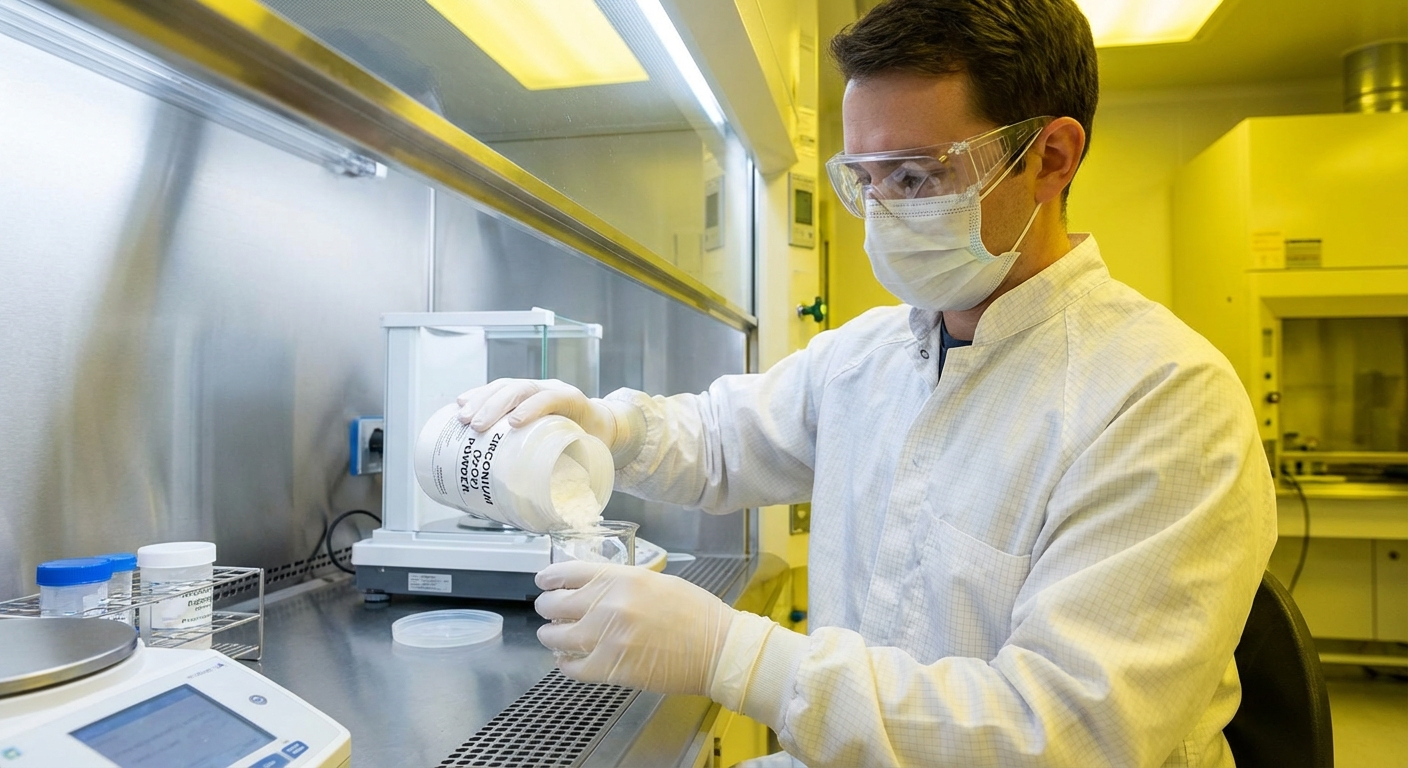
Yes, Zirconium Oxide is safe and non-toxic for users, which is why it has become a staple in the biomedical and dental industries. Manufacturers of high-purity Zirconium Oxide perform rigorous purification to ensure that any trace radioactive elements naturally found in zircon are removed. This ensures that the material you use in your products is bio-inert and poses no long-term health risks.
Human Tissue Compatibility and Low Toxicity
Biological tests have repeatedly shown that zirconia does not cause allergic reactions or toxic side effects. It is often preferred over metals for patients with sensitive immune systems.
Look:
- Verified bio-inertness.
- No metallic taste in dental use.
- Zero immune system rejection.
Key Takeaway: The non-toxic nature of this oxide allows for its safe use inside the human body for decades.
Managing Trace Radioactive Components
But wait: raw zircon sand can contain tiny amounts of uranium and thorium. Professional refiners use advanced chemical separation to ensure that the finished powder meets strict safety standards for radioactivity.
| Safety Factor | Status | Verification | |
|---|---|---|---|
| Toxicity | Non-Toxic | ISO Testing | |
| Radioactivity | Negligible | COA Reports | |
| Bio-stability | High | Clinical Trials |
Rigorous quality control ensures that this material remains one of the safest high-performance options on the market.
How to ensure stability in Zirconium Oxide batches?
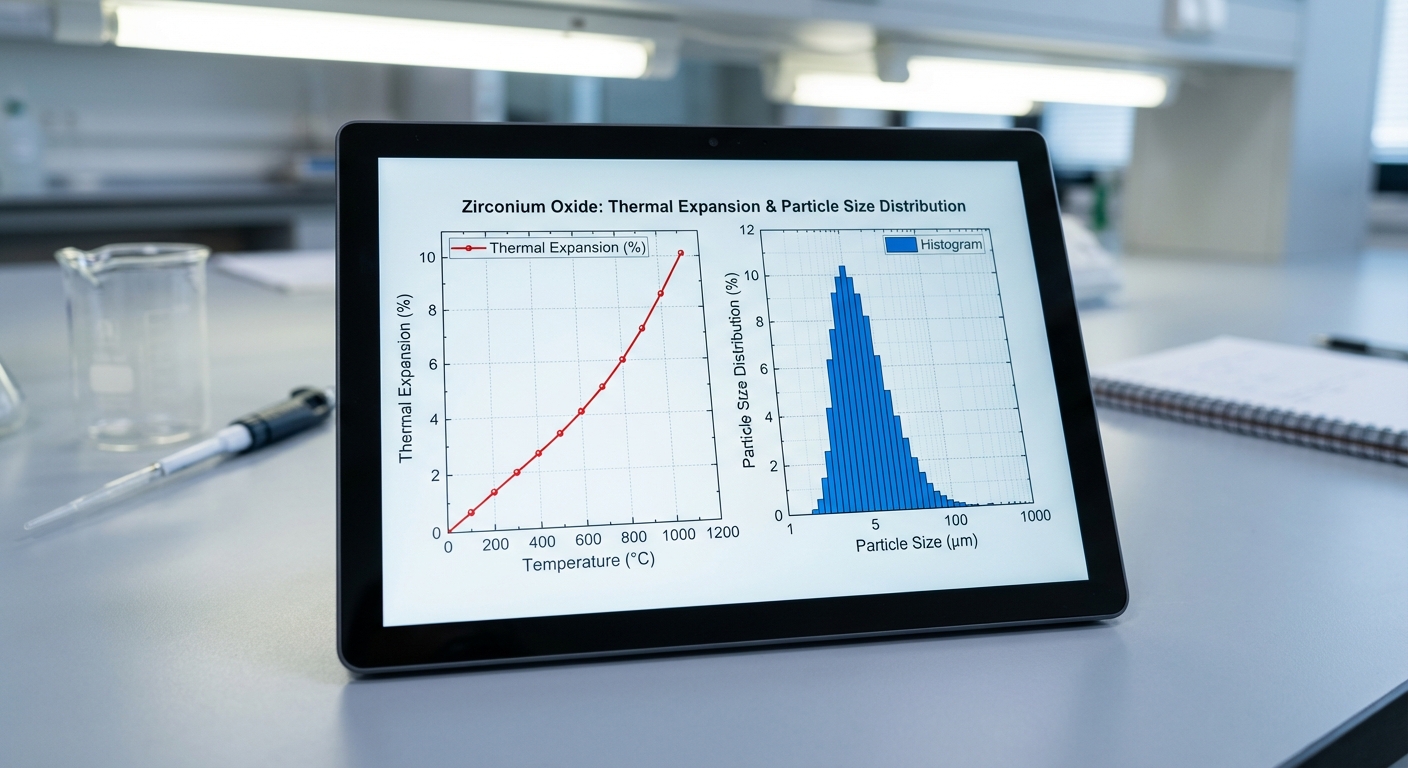
Ensuring stability in Zirconium Oxide batches requires precise control over the particle size distribution and chemical phase composition. You must verify that the Zirconium Oxide you receive has a consistent thermal expansion coefficient to prevent failures during the sintering process. Using advanced laser diffraction and X-ray diffraction (XRD) testing helps manufacturers guarantee that every shipment performs identically in your production line.
Controlling Particle Size Distribution
The way a powder packs together determines the final density and strength of the ceramic part. A narrow particle size distribution leads to more predictable sintering and fewer defects.
Make no mistake:
- Controlled D50 values.
- High surface area consistency.
- Optimal powder flowability.
Key Takeaway: Strict control over particle sizing is the only way to ensure batch-to-batch repeatability in precision manufacturing.
Importance of Phase Purity and Whiteness
Here is the deal: Zirconia can exist in different crystal phases, such as monoclinic or tetragonal. Ensuring the correct phase purity is critical for maintaining the mechanical strength of the final product.
| Metric | Target | Method | |
|---|---|---|---|
| D50 Variance | < ±5% | Laser Diffraction | |
| Whiteness | ≥ 95 | Colorimetry | |
| Phase Purity | > 98% | XRD Analysis |
Monitoring these specific metrics ensures that your manufacturing process remains efficient and your final product remains superior.
Zirconium dioxide powder is a cornerstone of modern industrial and medical progress, solving the critical challenges of thermal failure, wear, and biocompatibility. Whether you are looking to increase the lifespan of your industrial tools, improve the aesthetics of dental prosthetics, or ensure the stability of energy systems, this material provides the technical foundation you need. At ZrBrontec, we are committed to driving the industry forward through unmatched material stability and engineering support. To optimize your production with high-purity zircon solutions, contact us today and let our engineers help you achieve peak performance.
Frequently Asked Questions
Can I use Zirconium Oxide in high-acid environments?Yes. Zirconium Oxide is chemically inert and offers superior resistance to corrosion from both strong acids and alkalis.
What is the best method for sintering Zirconium Oxide?It depends. While standard pressureless sintering is common, using Hot Isostatic Pressing (HIP) is the best way to achieve maximum density for high-stress applications.
How do I know if Zirconium Oxide is medical grade?You should check the Certificate of Analysis (COA). True medical-grade material must meet specific ISO standards for purity, radioactivity levels, and biocompatibility.
Can I recycle Zirconium Oxide refractory bricks?No. Once they have been contaminated by molten metal or slag during use, they generally cannot be processed back into high-purity powder.
What is the best way to handle Zirconium Oxide safely?Yes. You should always use proper PPE, including masks and gloves, as inhaling any fine ceramic powder can cause respiratory irritation over time.