Pure zirconia is a powerhouse of thermal resistance, but it has a fatal flaw. During heating and cooling, it undergoes a violent volume expansion that leads to catastrophic cracking and structural failure in industrial furnaces. Understanding the nuances of Zirconia Stabilized Refractories is the key to operational longevity. By selecting between MgO-PSZ and YSZ based on specific phase stability and corrosion resistance needs, you can optimize your ROI and ensure your high-temperature processes remain uninterrupted.
Why Use Zirconia Stabilized Refractories?
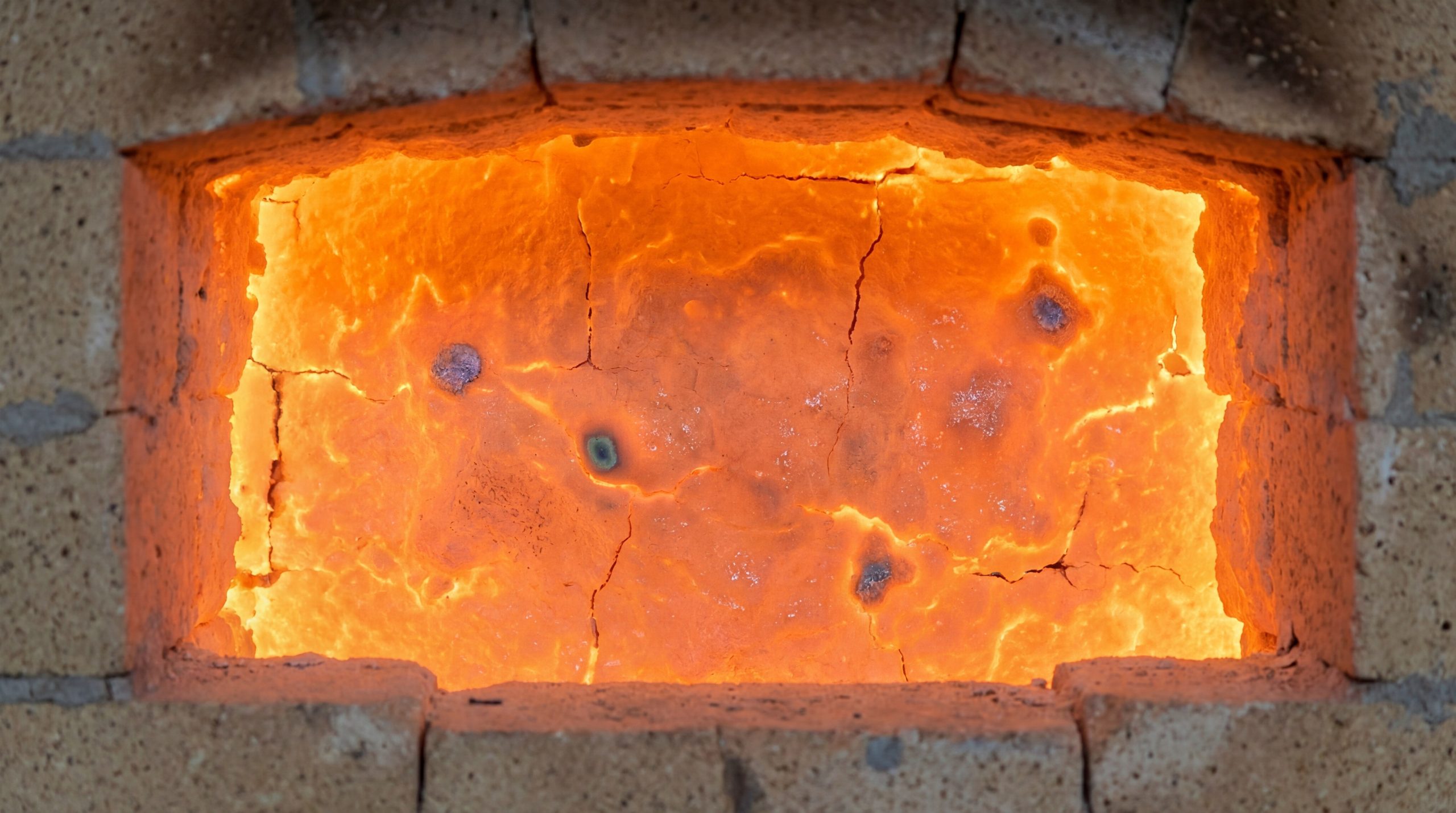
You use these materials because stabilization prevents the destructive volume changes inherent in pure zirconia. This process allows the refractory to maintain structural integrity under extreme thermal stress. It is the only way to harness zirconia’s high melting point for industrial use.
Why is pure zirconia unsuitable for industry?
Pure zirconia undergoes a phase transformation during cooling that causes a 3-5% volume expansion.
- Cracks form instantly.
- The material crumbles. Think about it: Without stabilizers, your furnace lining would literally shatter during its first cool-down cycle.
Key Takeaway: Stabilization “locks” the zirconia crystal structure into a cubic or tetragonal phase, preventing catastrophic structural failure.
Phase Shifts in Zirconia Stabilized Refractories
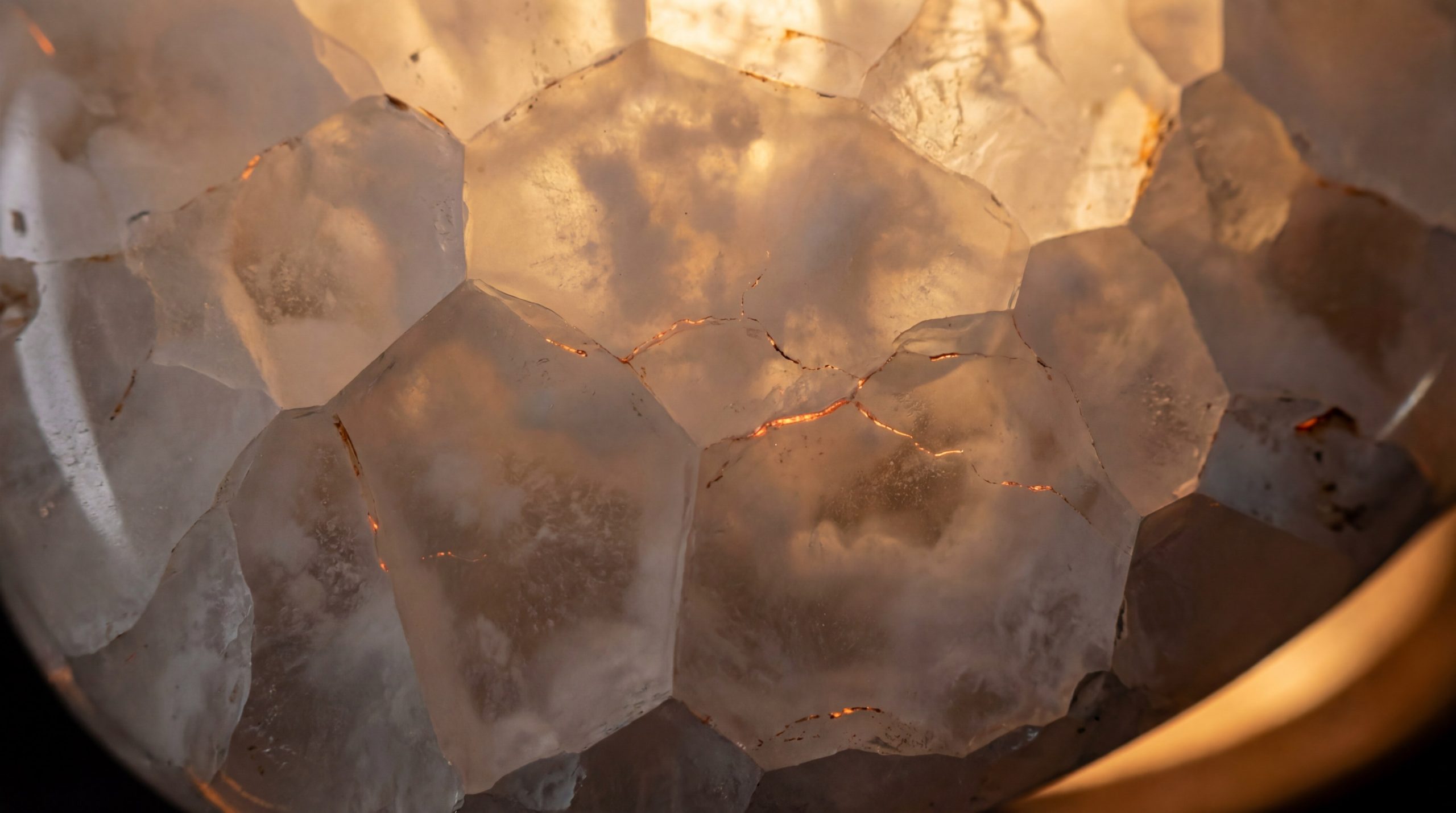
Phase shifts are controlled by adding specific oxides that suppress the monoclinic transformation. You achieve a “partially stabilized” state that allows the material to absorb energy without cracking. This microscopic engineering is what gives these refractories their legendary durability.
What happens during thermal cycling?
Thermal cycling forces the crystal lattice to expand and contract repeatedly.
- Stabilizers hold the lattice.
- Toughness is maintained. Here is the kicker: Properly stabilized zirconia can survive thousands of cycles where other ceramics would fail within hours.
| Phase Type | Stability | Temperature Range | |
|---|---|---|---|
| Monoclinic | Low | Below 1170°C | |
| Tetragonal | Moderate | 1170°C – 2370°C | |
| Cubic | High | Above 2370°C |
Analysis: Controlling these phases is vital for maintaining the mechanical strength of your refractory components.
MgO-PSZ: Zirconia Stabilized Refractories
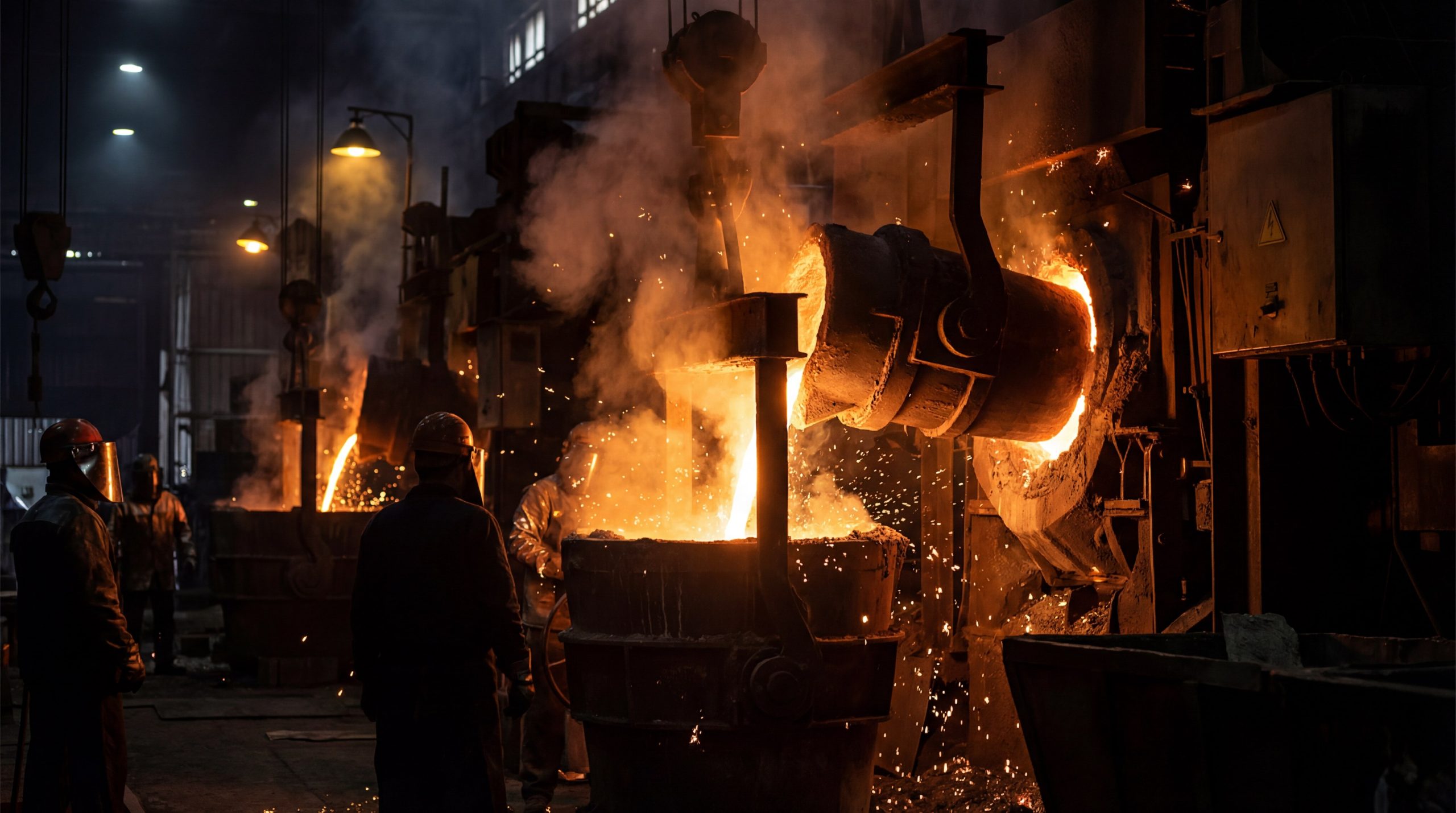
MgO-PSZ is the premier choice for applications requiring extreme fracture toughness and thermal shock resistance. It utilizes magnesia to create a microstructure that effectively stops crack propagation. You will find this material indispensable in the high-pressure environments of metal casting.
Why is it considered a “tough” refractory?
Its toughness comes from “transformation toughening,” where the material actually gets stronger at a crack’s tip.
- Resists mechanical impact.
- Withstands molten metal. Believe it or not: This material behaves more like steel than a brittle ceramic when subjected to physical stress.
| Property | MgO-PSZ Value | Benefit | |
|---|---|---|---|
| Fracture Toughness | High | Resists Cracking | |
| Cost | Economical | Lower OPEX |
Analysis: MgO-PSZ provides the mechanical “muscle” needed for heavy-duty steelmaking operations.
CaO-PSZ: Zirconia Stabilized Refractories
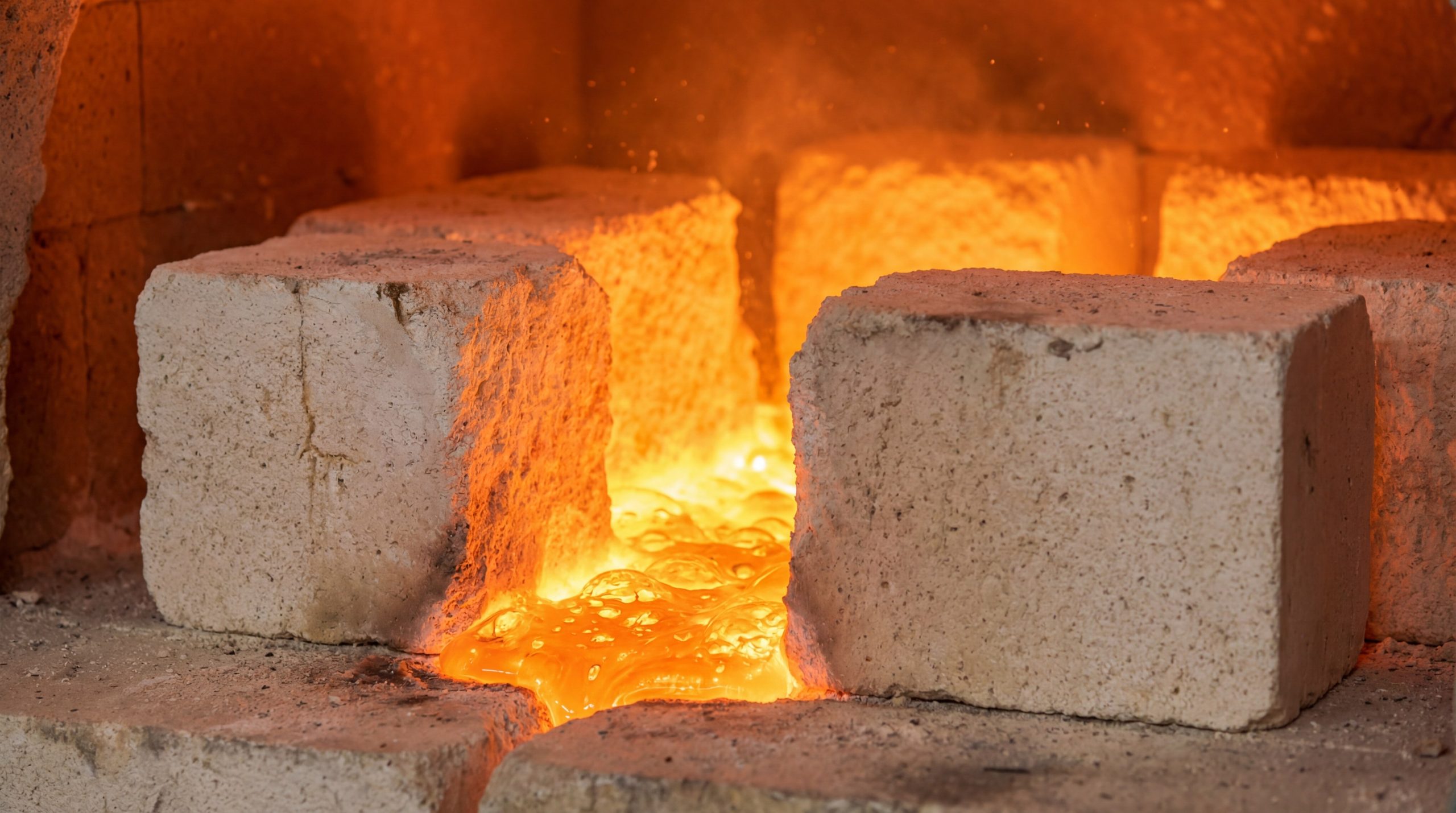
CaO-PSZ performs best in specialized environments like glass melting where chemical compatibility with alkaline melts is required. It offers a cost-effective alternative to YSZ for large-scale furnace linings. You can rely on its stability for consistent performance in continuous production runs.
How does it handle glass melt environments?
Calcia-stabilized zirconia resists the corrosive nature of molten glass better than many alumina-based alternatives.
- Low leaching rates.
- Good erosion resistance. You might be wondering: Why isn’t it used everywhere? It is slightly less stable than YSZ over extremely long periods.
| Application | Suitability | Slag Type | |
|---|---|---|---|
| Glass Kilns | High | Alkaline | |
| Steel Nozzles | Moderate | Basic |
Analysis: CaO-PSZ remains a niche but vital solution for the glass and alkali industries.
Why YSZ Leads Zirconia Stabilized Refractories?
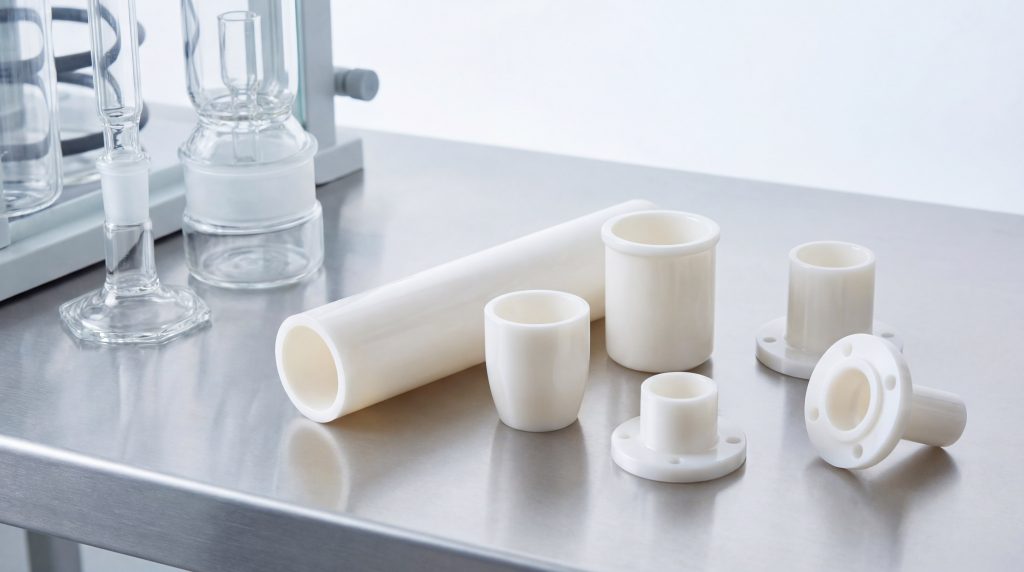
YSZ is the premium industry choice due to its superior chemical inertness and high-temperature phase stability. It uses yttria to create a fully or partially stabilized structure that does not degrade over time. You should choose YSZ when your process demands the absolute highest purity and performance.
It offers the most stable crystal structure across the widest temperature range of any zirconia refractory.
- Zero phase decay.
- Supreme corrosion resistance. The bottom line: While the initial cost is higher, the extended service life drastically reduces your total cost of ownership.
| Stabilizer | Performance | Longevity | |
|---|---|---|---|
| Magnesia (MgO) | Good | Moderate | |
| Yttria (Y2O3) | Superior | Excellent |
Analysis: YSZ is the gold standard for high-precision and chemically aggressive industrial environments.
Thermal Shock: Zirconia Stabilized Refractories
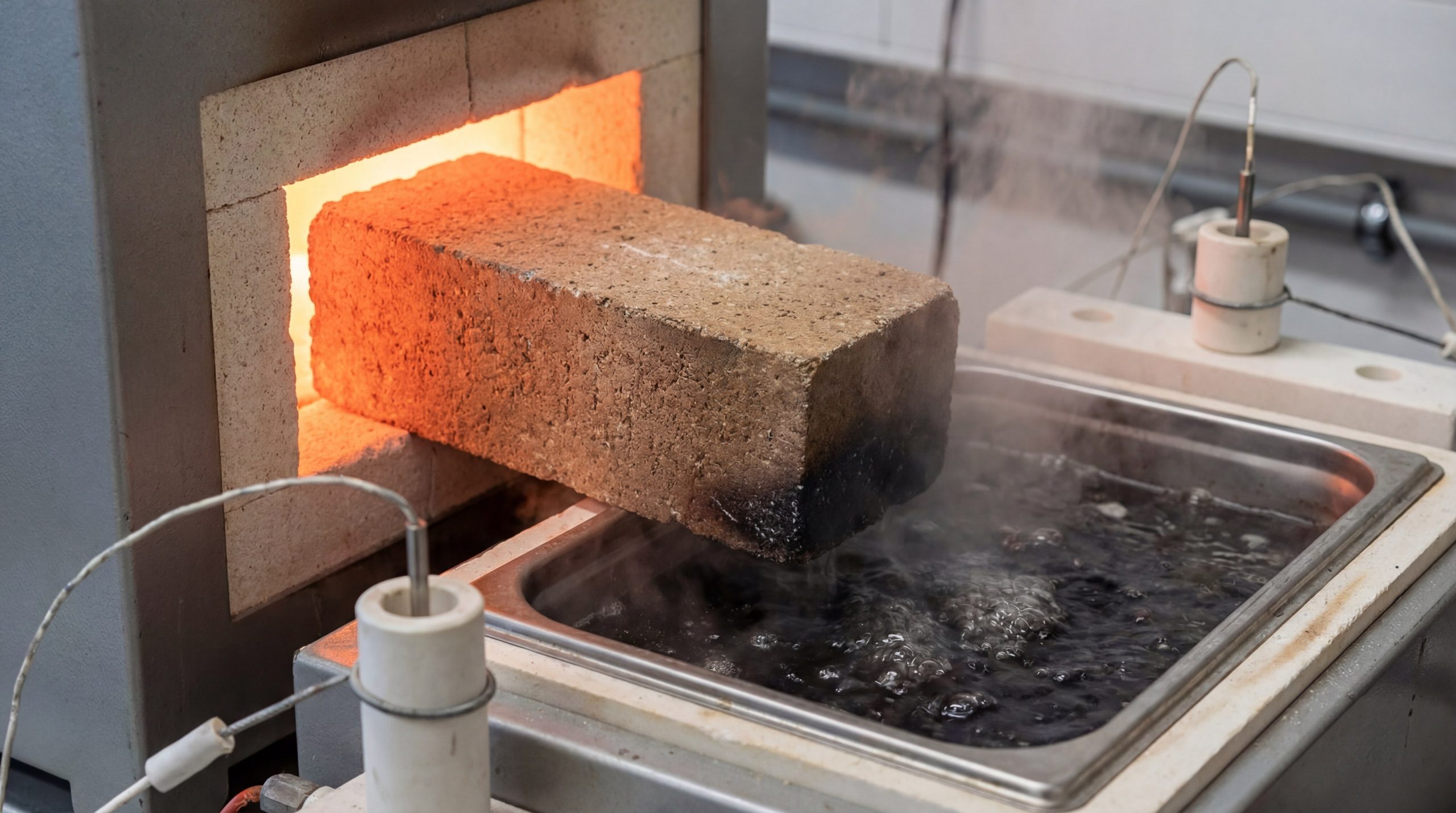
Thermal shock resistance determines how well your material survives rapid temperature jumps during startup or slagging. MgO-PSZ generally leads in this category due to its unique micro-cracking mechanism that absorbs thermal energy. You must prioritize this property if your furnace cycles frequently.
Which stabilizer resists heat cycling best?
MgO-PSZ is widely regarded as the best for rapid cycling because its structure resists spalling.
- Prevents surface peeling.
- Absorbs thermal expansion. It gets even better: Using MgO-PSZ can extend the life of your casting nozzles by up to 40% compared to standard materials.
| Factor | MgO-PSZ | YSZ | |
|---|---|---|---|
| Shock Resistance | 10/10 | 8/10 | |
| Spalling Risk | Low | Moderate |
Analysis: Match your stabilizer choice to your kiln’s cycling frequency to maximize refractory life.
Corrosion of Zirconia Stabilized Refractories
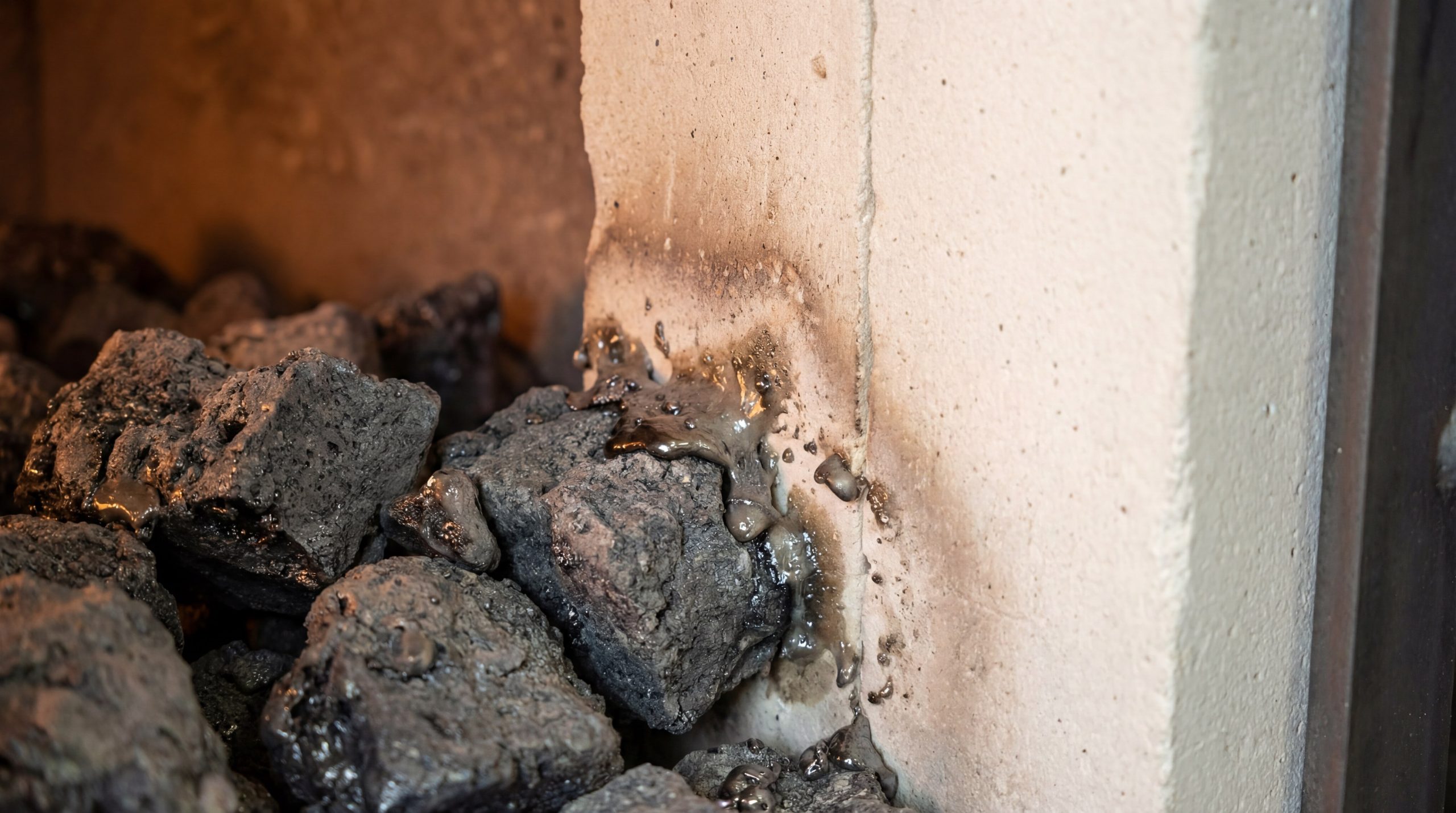
Corrosion resistance is where YSZ shines, particularly against acidic slags and aggressive chemical vapors. The yttria stabilizer is less prone to being “leached out” of the crystal lattice than magnesia or calcia. You gain a significant advantage in chemical processing by utilizing YSZ’s inertness.
How does slag affect refractory life?
Slag chemically attacks the grain boundaries, eventually causing the material to dissolve into the melt.
- YSZ resists infiltration.
- MgO-PSZ resists basic slag. Here is the catch: If your slag is highly acidic, MgO-PSZ will degrade much faster than a Yttria-stabilized alternative.
| Slag Type | Best Material | Resistance | |
|---|---|---|---|
| Acidic | YSZ | High | |
| Basic | MgO-PSZ | High |
Analysis: Chemical compatibility is the most critical factor in preventing premature refractory erosion.
Usage of Zirconia Stabilized Refractories
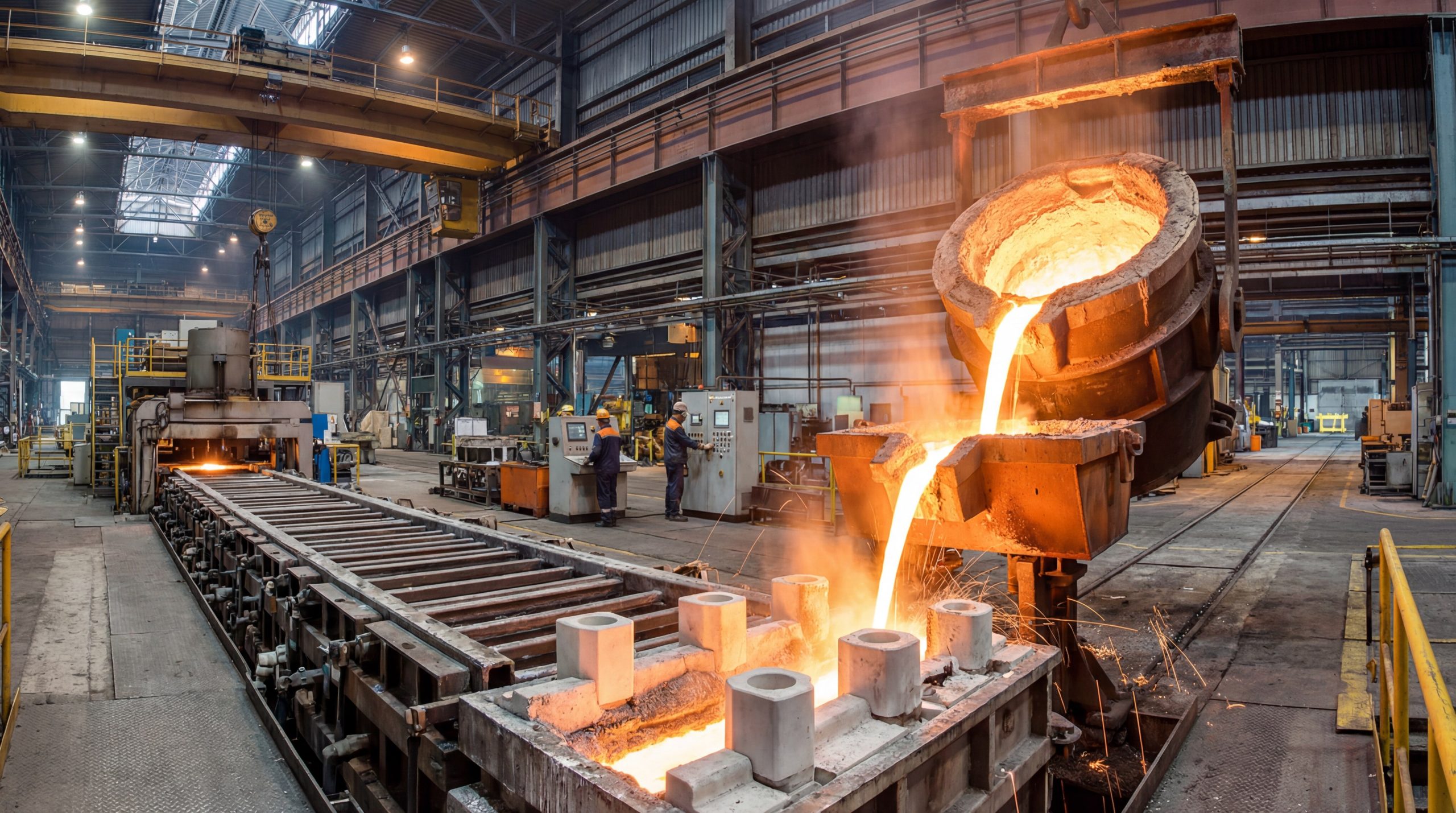
These materials are used in everything from continuous casting nozzles to oxygen sensors and fuel cell components. You find them in the “hot zones” of the most demanding industrial equipment on earth. Their ability to survive where other materials melt makes them indispensable.
Which industry uses MgO-PSZ for nozzles?
The steel industry relies heavily on MgO-PSZ for submerged entry nozzles and metering orifices.
- Constant flow control.
- High erosion resistance. Think about it: Without these high-performance refractories, modern high-speed continuous casting would be impossible.
| Industry | Component | Stabilizer | |
|---|---|---|---|
| Steel | Casting Nozzles | MgO-PSZ | |
| Energy | Fuel Cells | YSZ |
Analysis: The versatility of stabilized zirconia makes it a cornerstone of modern high-temperature engineering.
Selecting Zirconia Stabilized Refractories
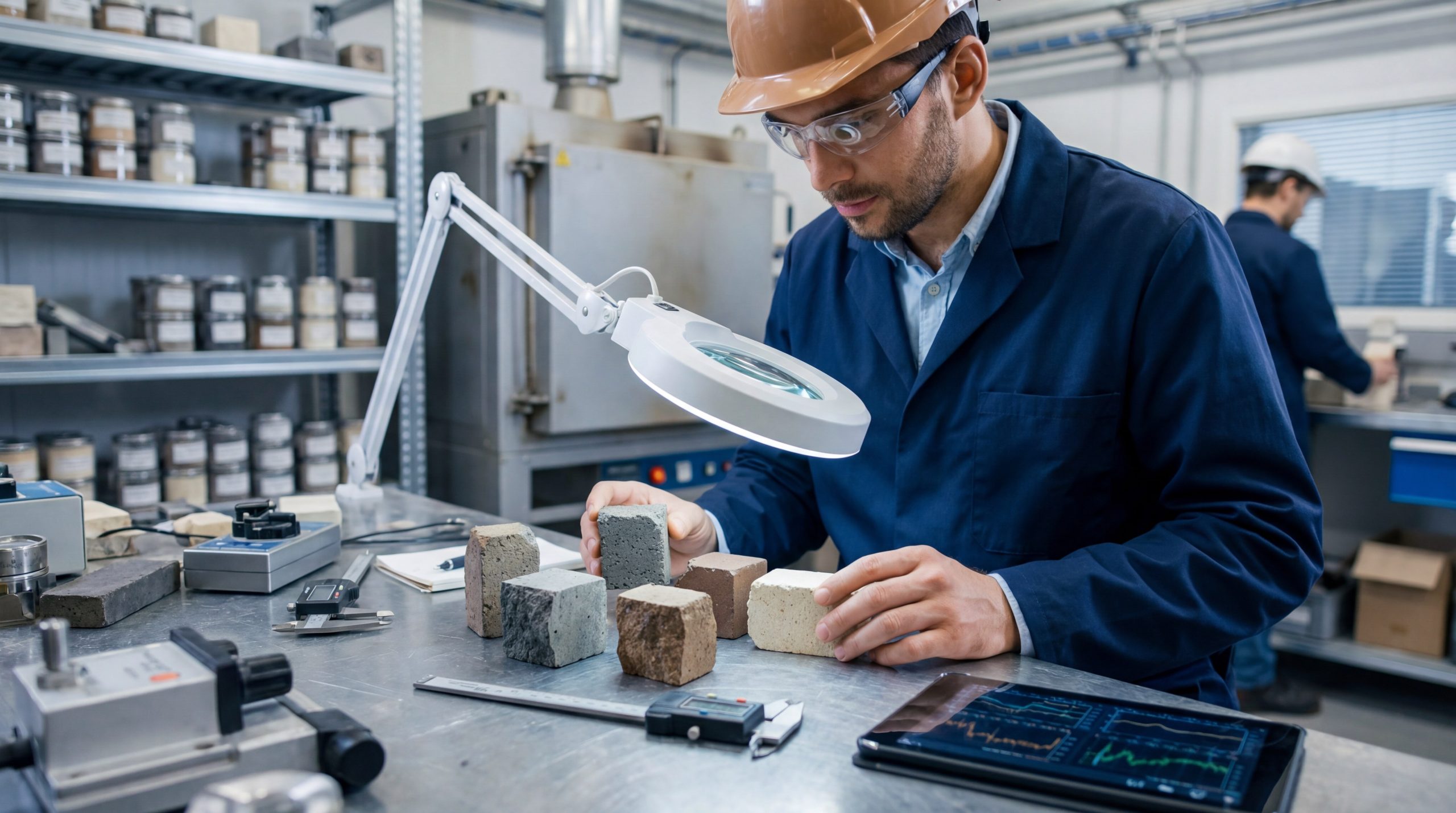
Selection requires a careful balance between fracture toughness, chemical environment, and your total budget. You must look beyond the initial purchase price to evaluate the lifetime value of the material. A well-chosen refractory reduces maintenance labor and improves product quality.
Is cost or longevity more important?
Longevity almost always wins because the cost of furnace downtime far exceeds the price of the refractory.
- Analyze your melt chemistry.
- Check your cycle rates. Here is the kicker: A 20% increase in material cost can often lead to a 200% increase in service life.
| Decision Point | Choose MgO-PSZ | Choose YSZ | |
|---|---|---|---|
| Priority | Toughness | Inertness | |
| Environment | Mechanical Stress | Chemical Attack |
Analysis: Professional selection ensures your refractory choice aligns with your specific operational KPIs.
Future of Zirconia Stabilized Refractories
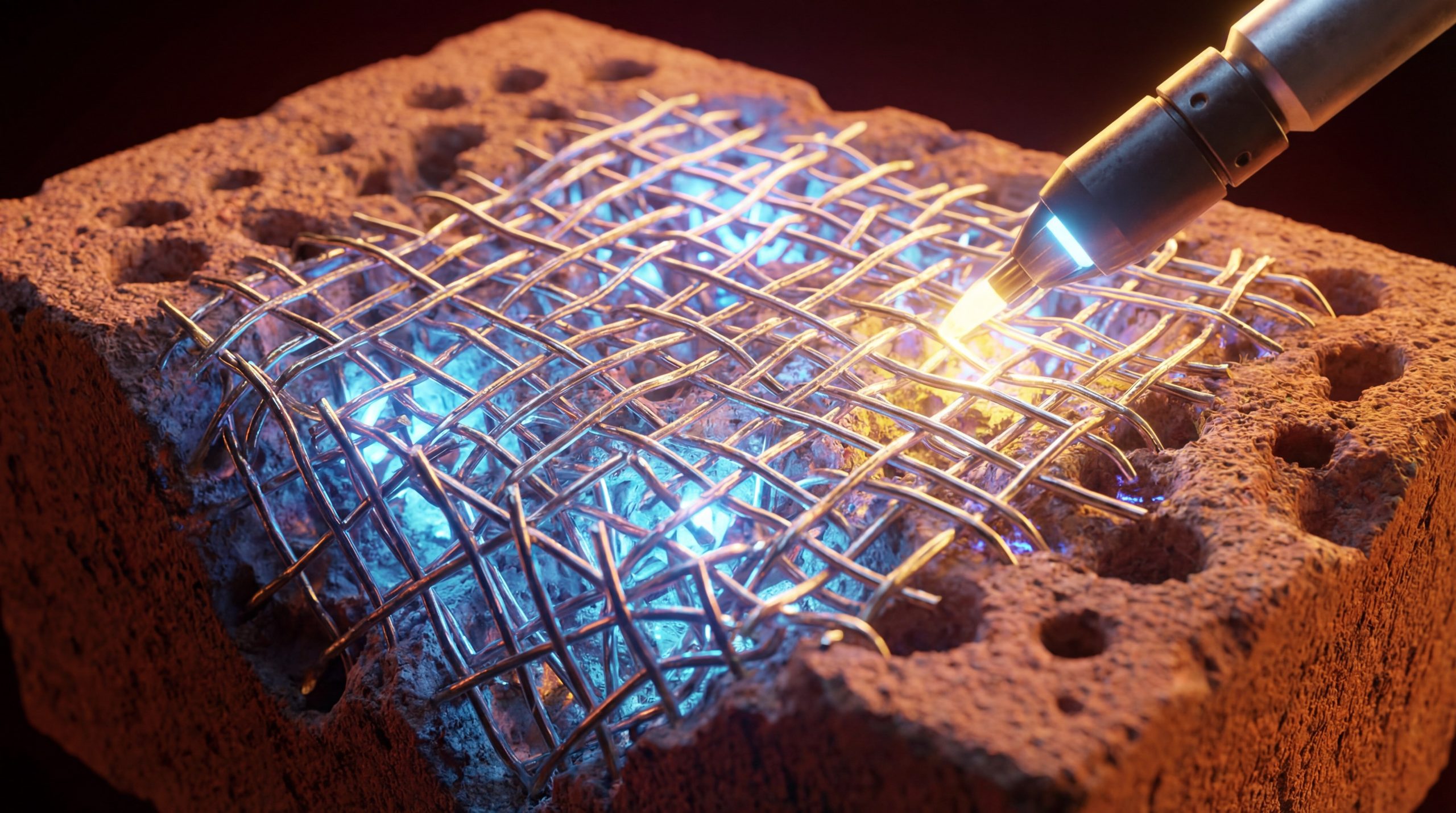
The industry is shifting toward nano-stabilization and hybrid stabilizers to push the limits of thermal performance. You can expect future materials to offer even higher resistance to both chemical corrosion and mechanical shock. Innovation in this field is directly driving the efficiency of green energy and advanced metallurgy.
How is nano-stabilization changing the field?
Nanoscale additives allow for much higher stabilizer uniformity and smaller grain sizes.
- Enhanced strength.
- Better thermal insulation. Look at it this way: We are moving from “bulk” materials to precision-engineered ceramics that operate at the atomic level.
| Trend | Impact | Timeline | |
|---|---|---|---|
| Nano-grains | +30% Strength | Immediate | |
| Hybrid Stabilizers | Dual Resistance | 2-5 Years |
Analysis: Staying ahead of these material trends is vital for maintaining your competitive edge in manufacturing.
Conclusion
Selecting the right Zirconia Stabilized Refractories—whether the rugged MgO-PSZ or the high-performance YSZ—is a strategic decision that impacts the safety and efficiency of your high-temperature operations. By solving the problems of thermal expansion and chemical erosion, these materials ensure your facility stays productive.
We specialize in engineering high-performance refractory solutions that withstand the world’s harshest industrial environments. Our vision is to empower global industry through material science innovation that reduces waste and maximizes uptime.
Ready to optimize your furnace performance? Contact our engineering team today for a technical consultation on the best stabilized zirconia solution for your specific application.
FAQ Section
1. Can I use MgO-PSZ in glass furnaces?While MgO-PSZ is tough, it may suffer in certain alkaline glass environments where CaO-PSZ or YSZ traditionally offer better chemical compatibility and longevity.
2. What’s the best material for thermal cycling?MgO-PSZ is widely regarded as the superior choice for applications involving rapid temperature changes, such as steel casting nozzles, due to its high fracture toughness.
3. How can I reduce refractory replacement costs?The best way is to move toward YSZ for high-wear areas; despite a higher initial price, its extreme stability and corrosion resistance significantly extend the mean time between failures.
4. Why should I choose YSZ over MgO-PSZ?Choose YSZ when your process requires maximum chemical purity, long-term phase stability at extremely high temperatures, or resistance to acidic slag environments.
5. What’s the best stabilizer for fuel cells?YSZ is the undisputed leader for solid oxide fuel cells because it provides the necessary oxygen ion conductivity and long-term structural stability required for energy production.