Zircon is a naturally occurring mineral, zirconia is a synthetic ceramic oxide, and zirconium is a transition metal, each possessing distinct chemical and physical properties.
Imagine you are a ceramic engineer trying to specify materials for a high-temperature kiln. You accidentally order a metal alloy when your project requires the thermal stability of zirconium silicate, leading to immediate system failure and wasted budget. This guide clarifies these complex terms so you can select the right material with absolute confidence every time. You will discover the unique industrial roles and processing methods that distinguish these essential materials in the modern manufacturing landscape.
What is zirconium silicate and where does it come from?
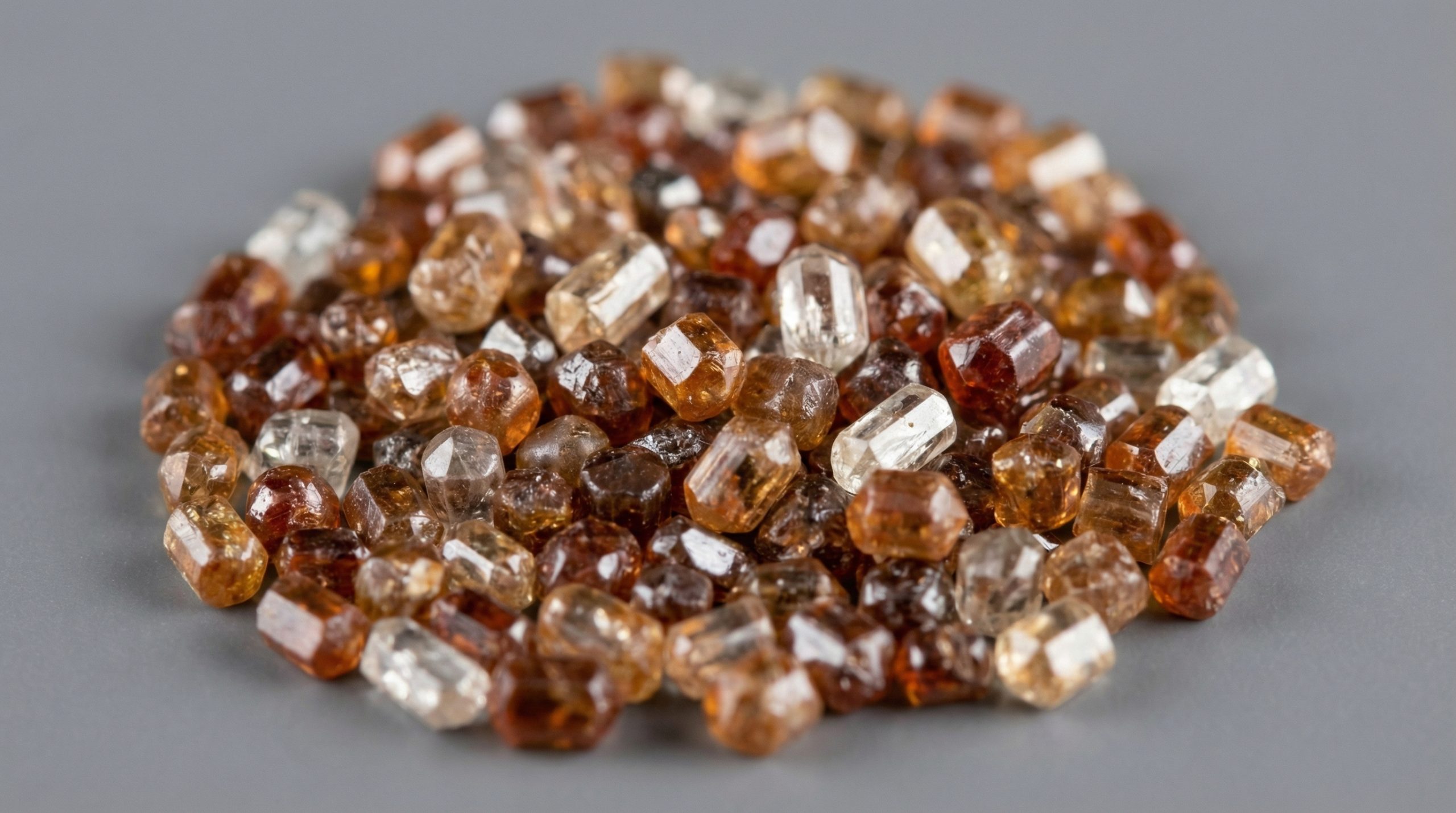
Zirconium silicate is the chemical name for the mineral zircon, which is primarily extracted from heavy mineral sand deposits located in regions like Australia. You will find that this mineral is the oldest known substance on Earth, often surviving billions of years due to its extreme durability.
Is it a naturally occurring mineral?
Zircon is a primary mineral found in igneous, metamorphic, and sedimentary rocks throughout the world. You should note that it serves as the foundational source for almost all industrial zirconium derivatives used today.
Think about it:
- It is mined as a co-product of ilmenite and rutile.
- The mineral remains stable even under extreme geological pressure.
- You can find it in coarse sand or fine flour forms.
What is the chemical formula for zircon?
The chemical composition of zircon is defined as ZrSiO4, representing a stable lattice of zirconium, silicon, and oxygen. This specific arrangement of atoms gives you the high refractive index and hardness required for industrial applications.
Wait, there’s more:
- The silicate structure provides excellent chemical inertness.
- You will benefit from its naturally low thermal expansion.
- It acts as a primary carrier for the element zirconium.
Key Takeaway: Understanding that zircon is a natural mineral helps you identify it as the most cost-effective raw material for large-scale refractory and ceramic projects.
| Material | Category | Composition | Origin | |
|---|---|---|---|---|
| Zircon | Natural Mineral | Zirconium Silicate | Mineral Sands | |
| Zirconia | Synthetic Oxide | Zirconium Dioxide | Refined Zircon | |
| Zirconium | Transition Metal | Pure Element (Zr) | Chemically Extracted |
This table illustrates the fundamental differences in origin and chemical makeup you must consider during procurement.
Why is zirconium silicate often confused with zirconia?
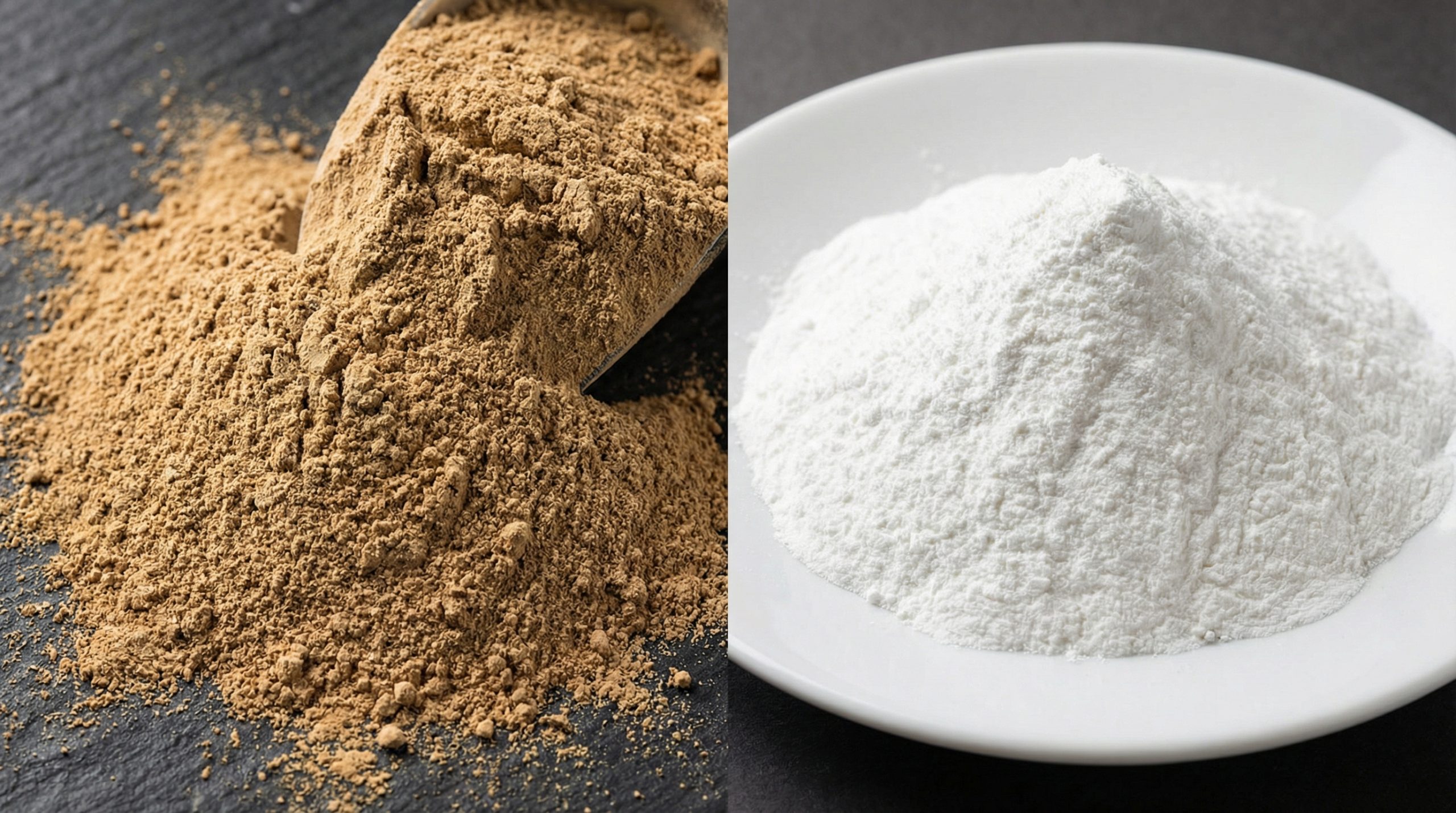
Confusion arises because both materials share a similar name and are derived from the same source, but zirconium silicate contains silica while zirconia is a pure oxide. You must distinguish between the mineral form and the processed oxide (ZrO2) to avoid critical material selection errors in your production line.
How does the chemical structure differ?
Zirconia is created by removing the silica from zircon through high-temperature fusion or chemical leaching. This process transforms the material from a silicate into a pure zirconium dioxide compound with different thermal properties.
It gets better:
- Zirconia has a higher melting point than the silicate.
- You will find zirconia is much whiter in its pure form.
- The oxide lacks the silicon atoms found in the natural mineral.
Key Takeaway: You should specify zirconia when you need extreme phase stability and zirconium silicate when you require an affordable, high-opacity mineral opacifier.
| Property | Zirconium Silicate | Zirconia (Oxide) | |
|---|---|---|---|
| Formula | ZrSiO4 | ZrO2 | |
| Silica Content | Approximately 33% | 0% (Refined) | |
| Appearance | Cream to Tan | Bright White |
The presence of silica in the silicate form dramatically alters the chemical reactivity and cost of the material you buy.
How does zirconium silicate differ from metallic zirconium?
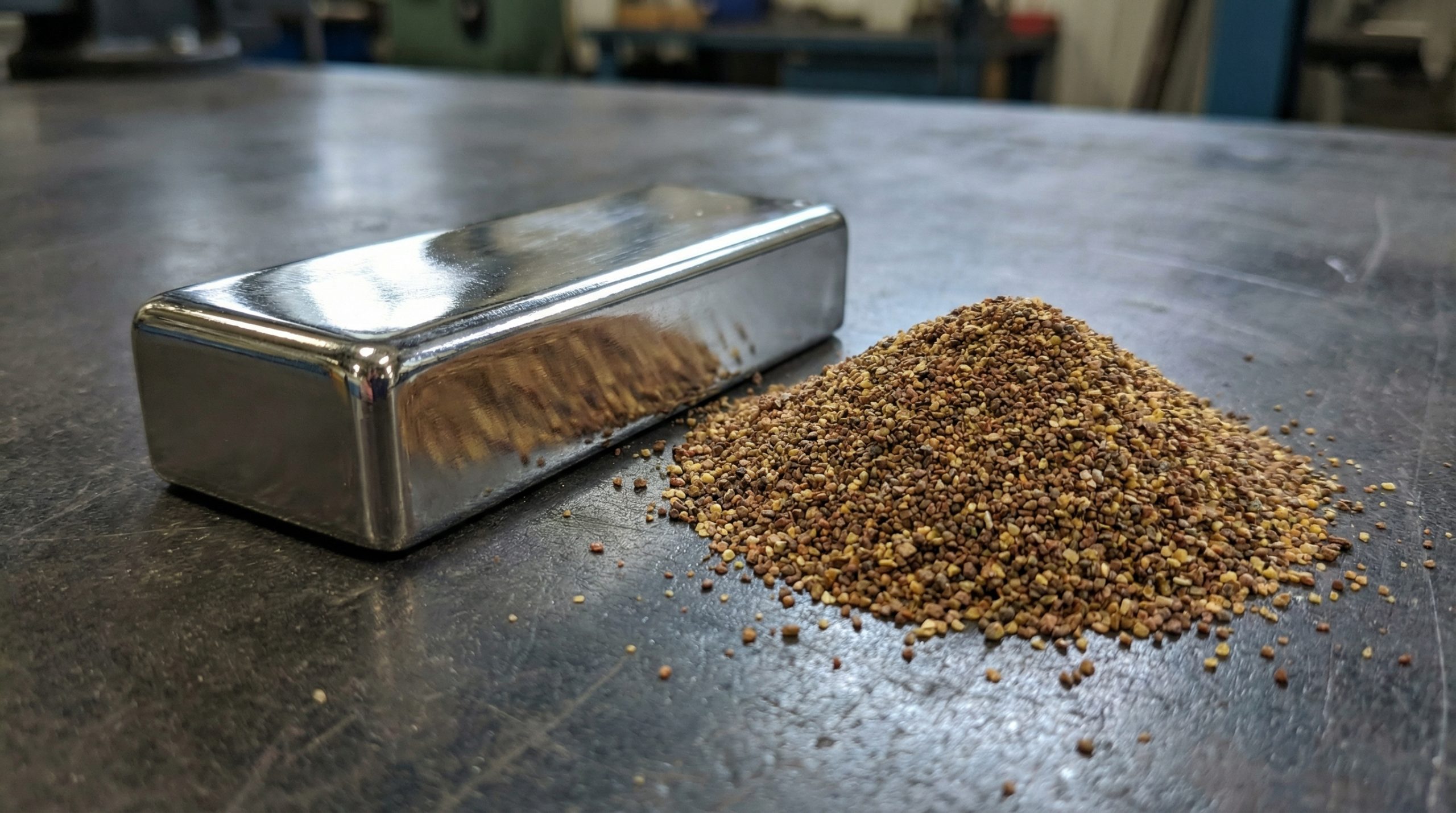
Zirconium silicate is a non-conductive ceramic mineral, whereas metallic zirconium is a silver-gray transition metal used for its corrosion resistance and nuclear properties. You will find that the metal is an element (Zr), while the silicate is a compound that must be heavily processed to yield the pure metal.
What are the primary uses for the metal?
Zirconium metal is prized in the nuclear industry because it has a very low neutron absorption cross-section. You might also see it used in specialized chemical piping where resistance to strong acids is a non-negotiable requirement.
But here is the catch:
- Metallic zirconium is ductile and can be forged.
- You cannot use the mineral form for electrical conductivity.
- The metal requires a complex “Kroll process” for extraction.
Key Takeaway: You should select the metallic form only for structural or nuclear applications, as the mineral powder is purely for ceramic or refractory use.
| Feature | Zirconium Silicate | Zirconium Metal | |
|---|---|---|---|
| State | Ceramic Powder | Solid Metallic Ingot | |
| Conductivity | Insulator | Electrical Conductor | |
| Key Industry | Ceramics / Foundries | Nuclear / Chemical |
This comparison highlights that you are dealing with two entirely different physical states of matter.
What are the mechanical properties of zirconium silicate?
The mechanical properties of zirconium silicate include high hardness, a high refractive index, and excellent resistance to chemical corrosion. You will find that these attributes make it an indispensable component in abrasive environments and high-glaze ceramic finishes.
Why is hardness a critical factor?
With a Mohs hardness of 7.5, this material is harder than many common industrial contaminants. You can use it as a grinding medium or as a functional filler to improve the scratch resistance of your final products.
Think about it:
- It resists wear in high-friction environments.
- You will achieve better durability in floor tile glazes.
- The material maintains its integrity under heavy loads.
Does the refractive index affect opacity?
The high refractive index of 1.93 to 1.98 allows the material to scatter light effectively. You will observe that this property creates the characteristic “whiteness” and opacity in ceramic sanitaryware and wall tiles.
Here is the kicker:
- It is more stable than alternative tin oxide opacifiers.
- You get consistent color results even at high firing temperatures.
- The light scattering reduces the need for expensive pigments.
Key Takeaway: Utilizing these mechanical properties allows you to produce tougher, whiter, and more durable ceramic surfaces without increasing your production costs.
| Property | Value | Industrial Benefit | |
|---|---|---|---|
| Mohs Hardness | 7.5 | Superior Scratch Resistance | |
| Refractive Index | 1.93 – 1.98 | High Opacity / Whiteness | |
| Melting Point | 2,500°C | High Thermal Stability |
These data points confirm why you should trust this mineral for demanding mechanical and aesthetic applications.
Is zirconia produced directly from zirconium silicate?
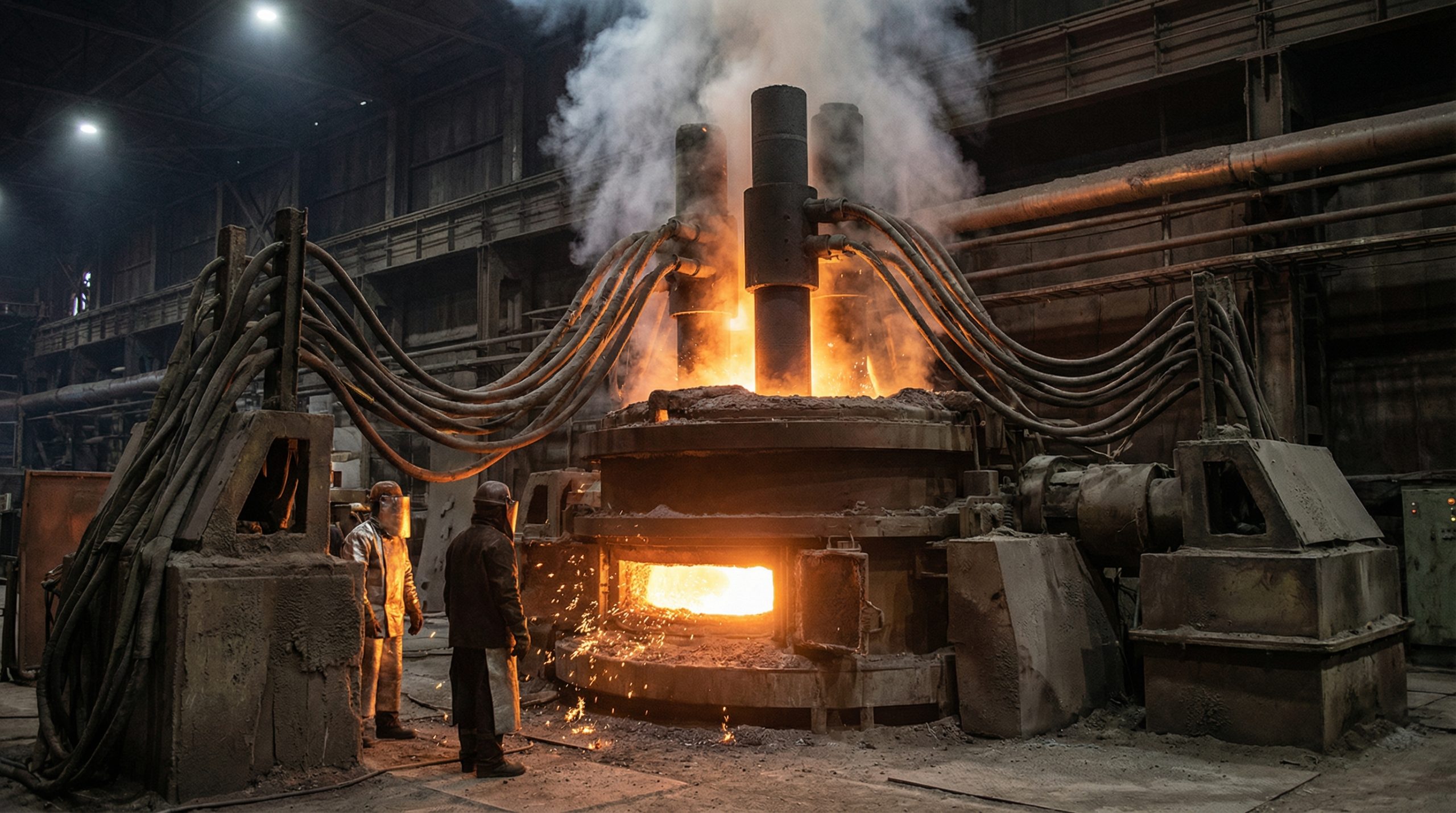
Industrial zirconia is typically produced by the thermal decomposition of zirconium silicate in an electric arc furnace. You will see that this process involves melting the zircon sand at temperatures exceeding 2,600°C to separate the silica from the zirconium oxide.
How does fusion change the material?
During fusion, the silica becomes a vapor and is collected as a byproduct, leaving behind molten zirconia. You then cool and crush this material to create the various grades of fused zirconia used in advanced technical ceramics.
Wait, there’s more:
- Chemical leaching is an alternative for higher purity.
- You can tailor the particle size after the fusion process.
- The resulting oxide is much more refractory than the original sand.
Key Takeaway: You should recognize that your zirconia products likely started as zircon sand, making the supply chain of the silicate vital to your operations.
| Process | Input | Output | |
|---|---|---|---|
| Thermal Fusion | Zirconium Silicate | Fused Zirconia | |
| Chemical Leaching | Zirconium Silicate | High-Purity Zirconia | |
| Milling | Raw Zircon Sand | Zircon Flour |
Understanding these pathways helps you evaluate the purity and performance levels of the materials you procure.
How is zirconium silicate applied in ceramic glazes?
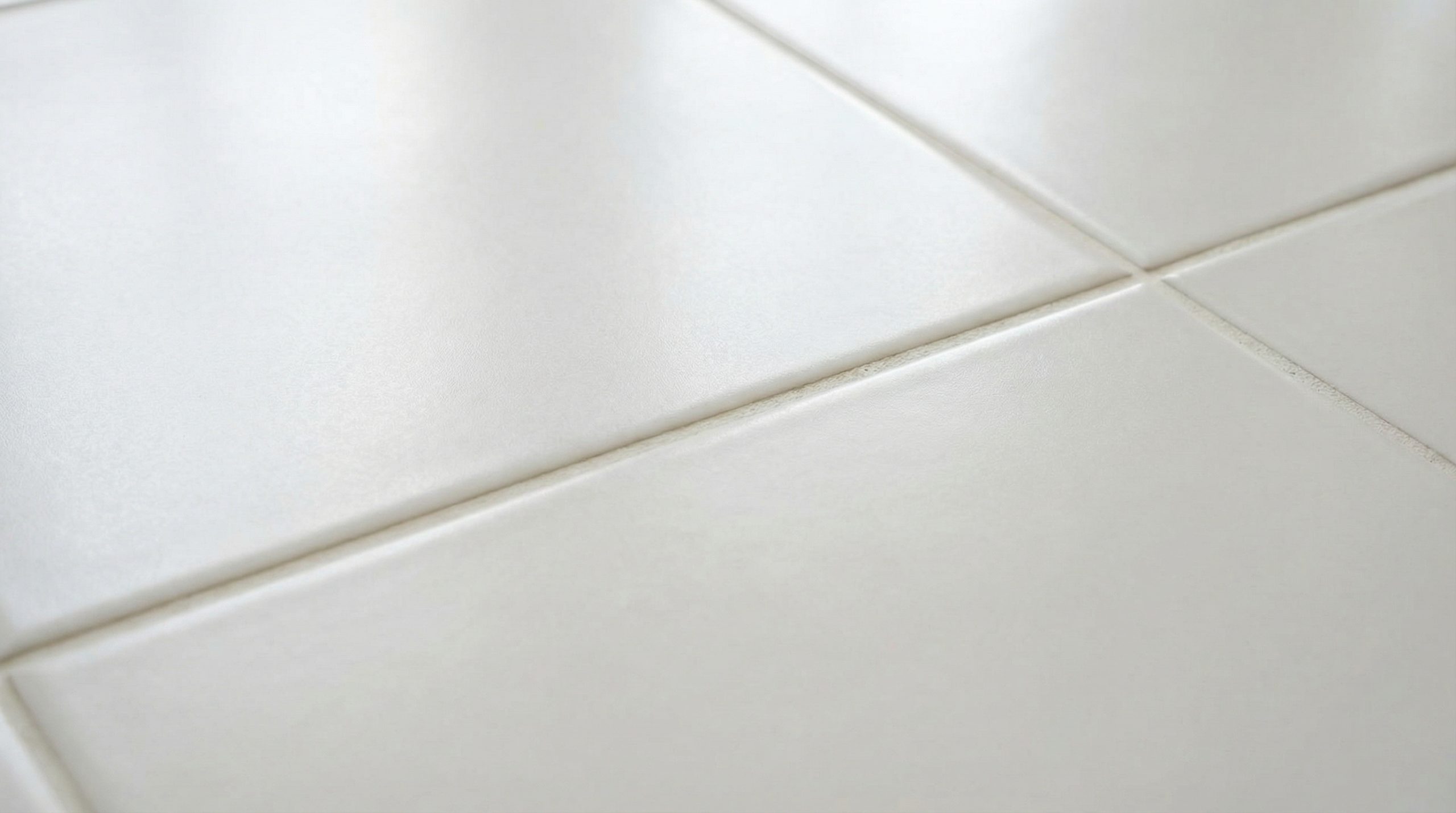
In the ceramics industry, zirconium silicate is used as a powerful opacifier that provides a brilliant white finish to glazes. You will find that adding this powder to your glaze mix ensures that the underlying clay body is completely hidden from view.
Why is it better than other opacifiers?
Zirconium silicate is favored because it remains stable during the firing process and does not react with other glaze components. You will appreciate its cost-effectiveness compared to tin oxide, which is significantly more expensive for similar levels of opacity.
It gets better:
- It enhances the gloss and surface smoothness of tiles.
- You will notice improved resistance to chemical cleaners.
- The material helps prevent the formation of surface pinholes.
Key Takeaway: You can achieve a premium, high-gloss white finish on your ceramic products by selecting the correct micronized grade for your glaze formulation.
| Application | Role | Key Benefit | |
|---|---|---|---|
| Floor Tiles | Surface Opacifier | Wear and Scratch Resistance | |
| Sanitaryware | Base Glaze | Brilliant White Appearance | |
| Porcelain | Body Filler | Increased Mechanical Strength |
Using this material in your glaze ensures your products meet the high aesthetic standards expected in the global market.
What is the role of zirconium silicate in refractories?
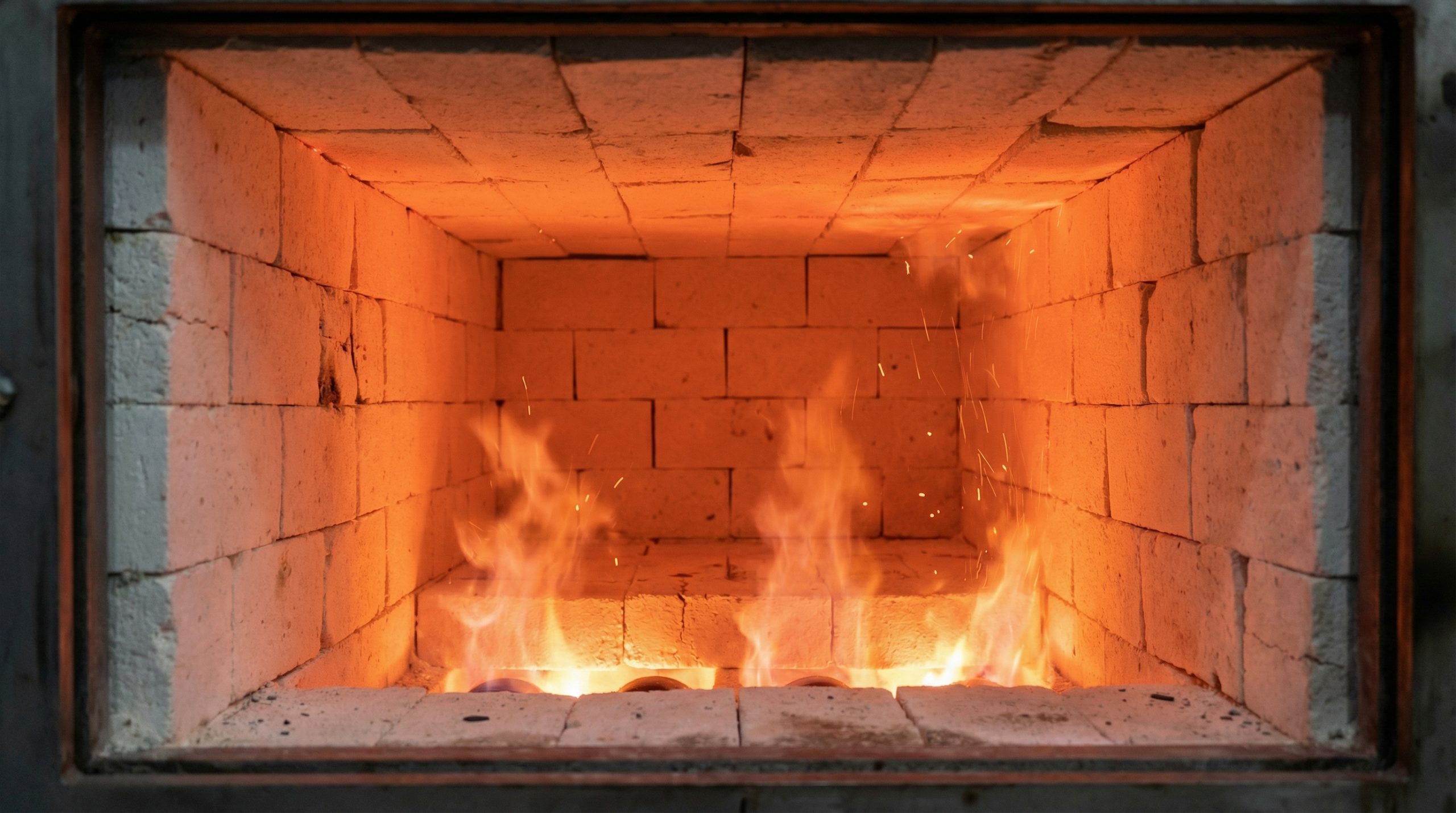
Zirconium silicate plays a critical role in refractories by providing resistance to molten glass and slag corrosion. You will find it used in the lining of glass melting furnaces and other high-temperature industrial kilns where durability is a priority.
How does it resist chemical attack?
The silicate structure is remarkably stable and does not easily dissolve in molten glass. You will benefit from longer furnace lifespans and fewer maintenance shutdowns when you use zircon-based refractory bricks.
Think about it:
- It resists “wetting” by many molten metals.
- You get superior performance in acidic slag environments.
- The material prevents structural spalling during heat cycles.
Key Takeaway: Incorporating this material into your refractory linings will significantly reduce your operational downtime and extend the life of your expensive furnace assets.
| Refractory Type | Typical Composition | Main Advantage | |
|---|---|---|---|
| Zircon Brick | High Zirconium Silicate | Glass Corrosion Resistance | |
| AZS Brick | Alumina-Zirconia-Silica | Thermal Shock Resistance | |
| Zircon Ramming | Zircon Sand/Flour Mix | Seamless Joint Protection |
Selecting the right refractory mix allows you to optimize your furnace performance for specific metallurgical or glass-making tasks.
Can zirconium silicate survive high furnace temperatures?
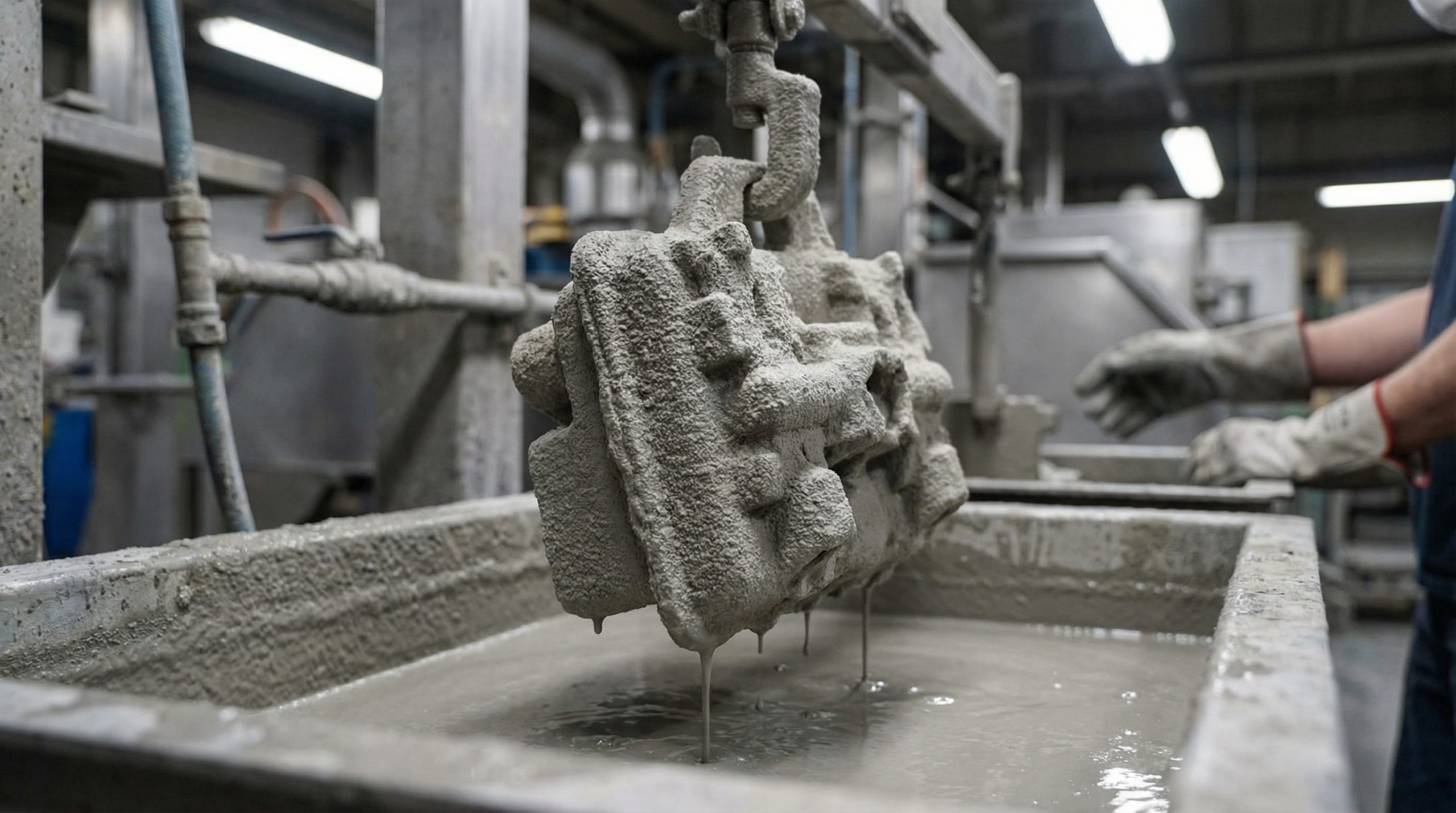
Zirconium silicate is stable up to approximately 1,650°C, making it suitable for most standard industrial heating processes. You should be aware that zirconium silicate will only begin to dissociate into zirconia and silica if you exceed these extreme temperature limits.
Does it handle thermal shock well?
The low coefficient of thermal expansion ensures that the material does not crack when the temperature changes rapidly. You will find this property essential for kiln furniture and other components that undergo repeated heating and cooling cycles.
Wait, there’s more:
- It acts as a thermal barrier in specialized coatings.
- You can use it in ladles and nozzles for molten steel.
- The material maintains its shape and strength at high heat.
Key Takeaway: You can trust this material for most high-heat applications, ensuring your equipment remains structurally sound even during intense production runs.
| Heat Level | Material Behavior | Application | |
|---|---|---|---|
| < 1,600°C | Perfectly Stable | Ceramic Kilns / Foundries | |
| 1,650°C | Dissociation Starts | Specialized Fusion | |
| > 2,000°C | Liquid Phase | Molten Slag Handling |
Knowing these temperature limits allows you to design your thermal processes safely and efficiently.
Does zirconium silicate improve investment casting results?
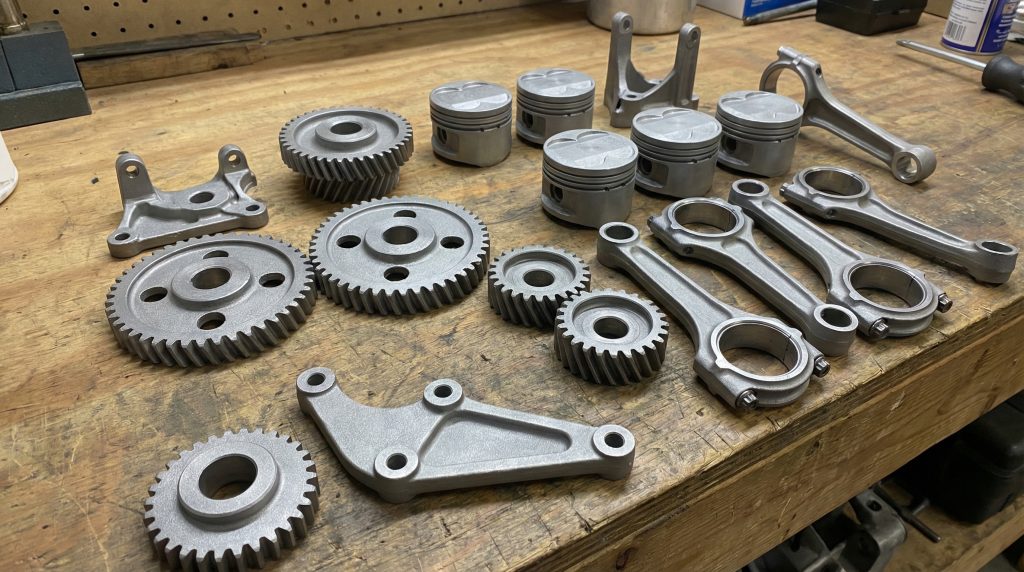
In investment casting, zirconium silicate flour is used in the primary slurry coat to create an exceptionally smooth surface on the final metal parts. You will achieve tighter tolerances and reduced post-processing time by using this high-quality mineral in your mold-making process.
Why is it used for the prime coat?
The fine particle size and chemical inertness of the flour prevent “burn-on” defects where metal reacts with the mold. You will find that the resulting castings have a professional, mirror-like finish that requires minimal grinding.
Here is the kicker:
- It is compatible with titanium and superalloys.
- You will see better dimensional stability in complex parts.
- The slurry has excellent rheological properties for coating.
Key Takeaway: You should use zircon-based slurries to ensure your precision castings meet the rigorous quality standards of the aerospace and automotive industries.
| Casting Benefit | Result for You | |
|---|---|---|
| High Inertness | No Metal-Mold Reaction | |
| Fine Particle Size | Smooth Surface Finish | |
| Thermal Stability | Accurate Part Dimensions |
This material is the secret to producing high-value metal components with fewer defects and higher yields.
How do you choose the right zirconium silicate grade?
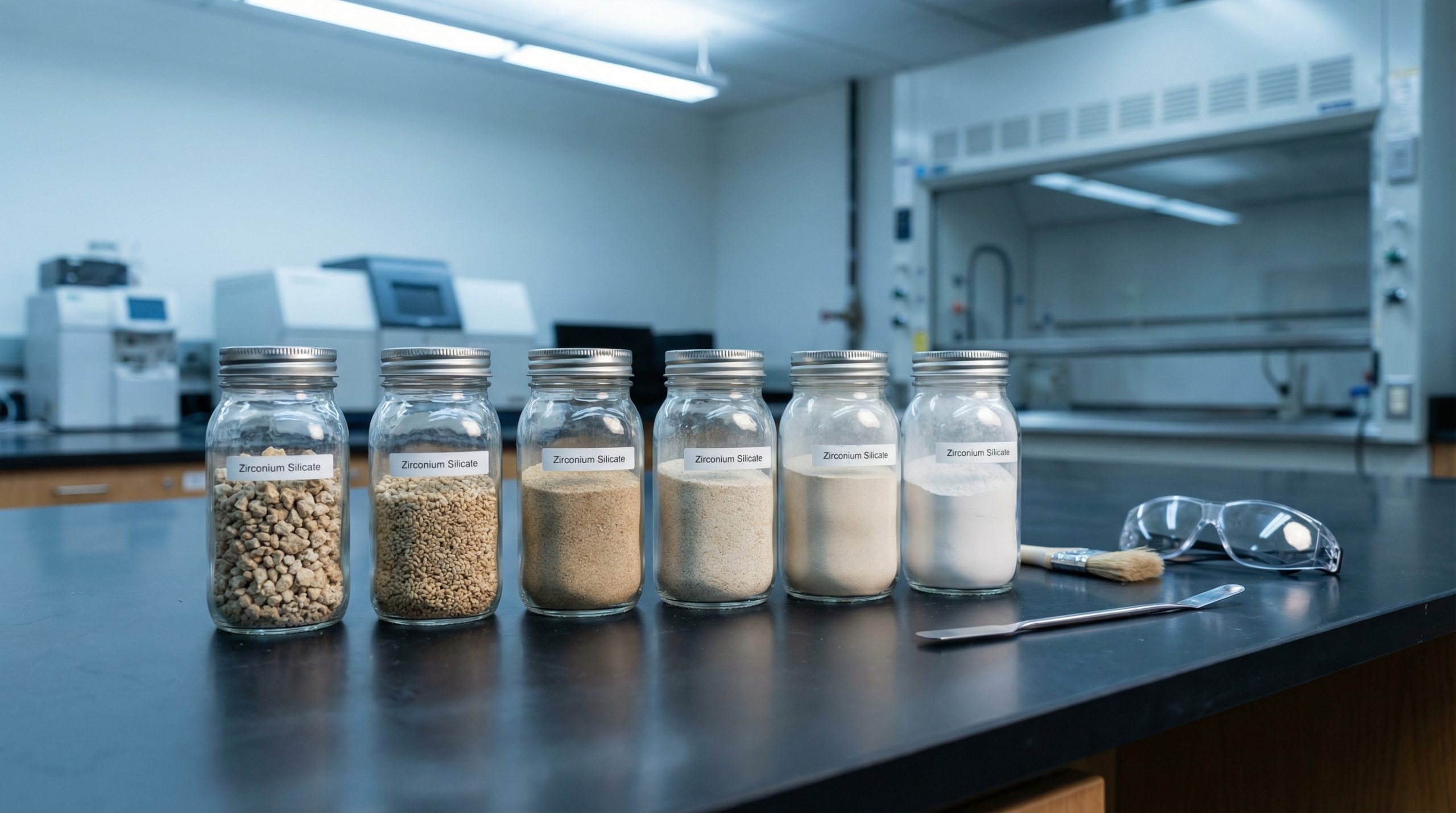
Choosing the right grade of zirconium silicate depends on your specific application, whether you need coarse sand for foundries or micronized powder for glazes. You must evaluate the particle size distribution (PSD) and whiteness levels to ensure the material performs correctly in your production environment.
Should you prioritize PSD or purity?
For ceramic glazes, a narrow PSD and high whiteness are critical for achieving a uniform appearance. You will find that for refractory bricks, the purity of the zirconium content is often more important than the aesthetic color of the powder.
Think about it:
- Micronized grades (1-5 microns) are best for glazes.
- You should use 200-325 mesh flour for refractories.
- Coarse sand is ideal for foundry molds and glass batches.
Key Takeaway: You can optimize your product quality and reduce waste by matching the specific mesh size and purity level of the mineral to your unique industrial requirements.
| Grade Name | Size Range | Best Used For | |
|---|---|---|---|
| Zircon Sand | 60 – 100 Mesh | Foundry Shells / Glass | |
| Zircon Flour | 200 – 325 Mesh | Investment Casting / Refractory | |
| Micronized Zircon | < 5 Microns | High-End Ceramic Glazes |
Selecting the appropriate grade ensures you are not paying for unnecessary processing while maintaining the highest performance standards.
FAQ
- Can I use zirconium silicate for high-end jewelry?No, industrial zirconium silicate is a powder used for manufacturing; for jewelry, you should look for “cubic zirconia” or natural zircon gemstones.
- What’s the best way to prevent material failure in kilns?Specify high-purity zirconium silicate for your refractory linings to ensure maximum chemical resistance and thermal stability during firing cycles.
- How do I know if I need zirconia instead of zircon?You need zirconia if your application requires extreme temperatures above 1,700°C or if you are manufacturing advanced structural ceramic components.
- Can I mix different grades of zircon in one batch?Yes, you can blend coarse and fine grades to achieve specific packing densities in refractory or casting applications.
- How do I know if my material is authentic zirconium silicate?You should always request a Chemical Analysis (XRF) and Particle Size Distribution (PSD) report from your supplier to verify the ZrSiO4 content.
Conclusion
Navigating the differences between zircon, zirconia, and zirconium is essential for ensuring the integrity of your industrial processes. By understanding that zirconium silicate is the foundational mineral, while zirconia and zirconium are high-performance derivatives, you can eliminate costly procurement errors and material failures. Whether you are aiming for the perfect white glaze on a ceramic tile or a robust lining for a glass furnace, the right material selection is your first step toward operational excellence. At ZrBrontec, we are dedicated to providing the technical expertise and high-purity materials you need to thrive in a competitive market. Our vision is to empower global manufacturers with stable, high-performance zircon solutions that drive innovation and efficiency. For more information on our tailored grades or to discuss your specific project needs, please contact us today.