Choosing between these materials depends on your specific clinical needs, aesthetic goals, and history of metal sensitivities. Losing a natural tooth can be a distressing experience that affects both your professional confidence and your physical ability to enjoy a meal. Ignoring the gap can lead to long-term bone loss and shifted teeth, which further complicates your oral health profile. Modern restorative dentistry offers a clear solution through advanced zirconium vs titanium implant systems designed to restore your smile permanently.
What are the primary differences in zirconium vs titanium?
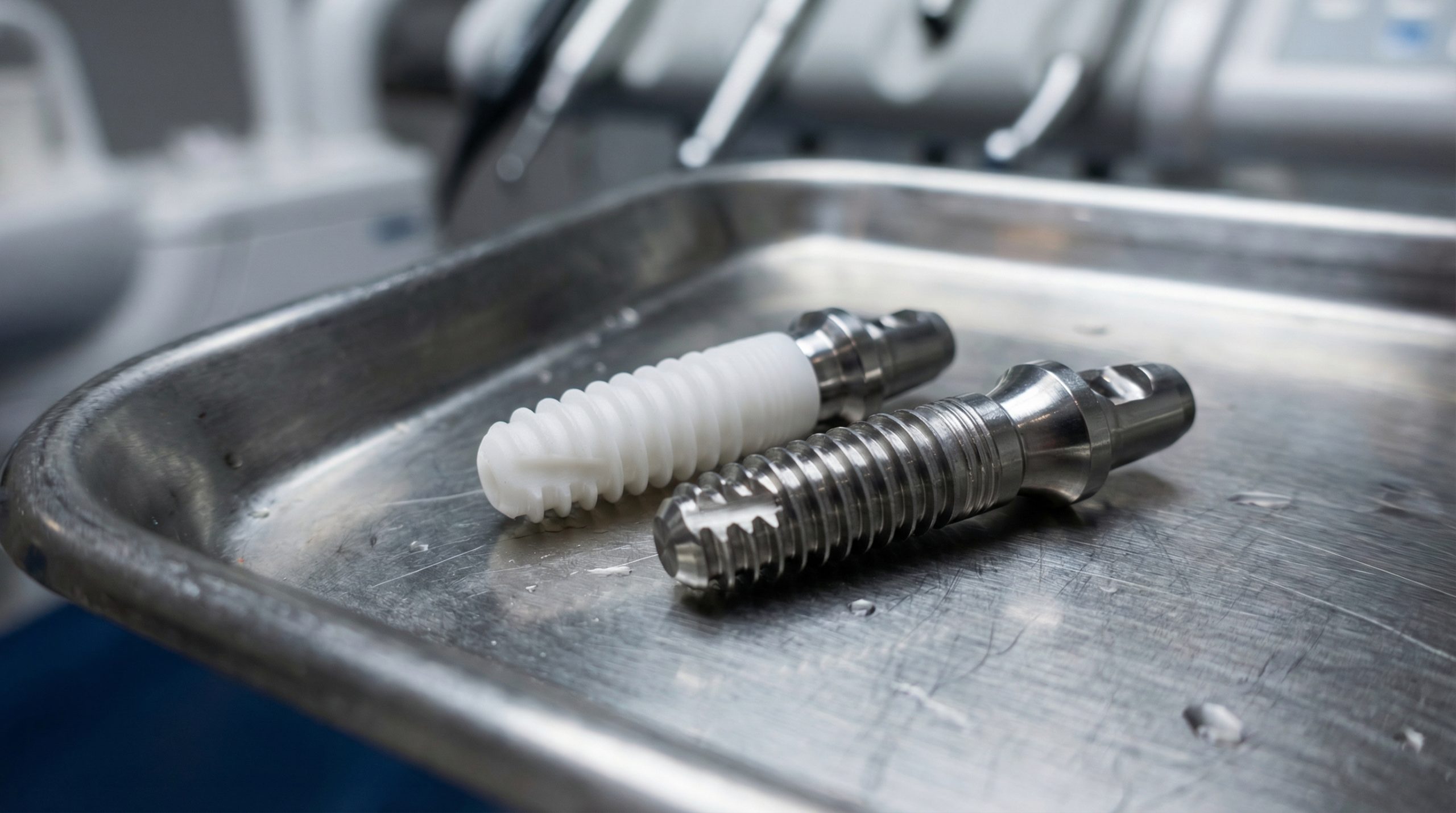
The main difference lies in the material composition, with titanium being a biocompatible metal and zirconia functioning as a high-strength ceramic oxide. When evaluating zirconium vs titanium, you are essentially choosing between a metal alloy and a metal-free alternative.
Does material composition affect safety?
Titanium has been used in medical devices for decades due to its high biocompatibility. It is known for its ability to fuse with bone without causing a toxic response.
- Excellent resistance to corrosion.
- Proven track record in orthopedic surgery.
- High mechanical strength.
- Low thermal conductivity.
How does ceramic compare to metal?
Zirconia is a crystalline material that lacks the metallic properties associated with traditional alloys. This makes it an ideal choice for patients seeking holistic dental solutions.
Here is the kicker: Zirconia is technically a ceramic made from zirconium, which is a metal, but the oxidation process removes its metallic characteristics. This provides a unique set of benefits for tissue health.
Key TakeawayChoosing between a metal-based and a ceramic-based system defines the biological and mechanical path of your restoration.
| Feature | Titanium Implants | Zirconia Implants | |
|---|---|---|---|
| Material Category | Metal Alloy | Ceramic (Metal-free) | |
| Color | Silver/Gray | Tooth-colored White | |
| Biocompatibility | High | Excellent |
The selection of a base material is the foundational step in determining the long-term biological success of your dental restoration.
Why is aesthetics a factor in zirconium vs titanium?

Aesthetics matter because zirconia provides a white, tooth-colored finish that prevents dark shadows from showing through thin gum tissue. When comparing zirconium vs titanium , the visual outcome is often the deciding factor for front-tooth replacements.
Can titanium affect your smile’s look?
In patients with thin gingival biotypes, the dark gray color of a titanium post may be visible through the gums. This can create a “grayish” tint that looks unnatural under certain lighting conditions.
But that’s not all. Over time, gum recession can expose the metal collar of a titanium implant. This creates a visible dark line at the base of the tooth.
Why does zirconia look more natural?
Zirconia is naturally white and opaque, mimicking the appearance of a natural tooth root. This ensures that even if the gums recede slightly, the restoration remains virtually invisible.
- Translucent properties similar to enamel.
- No dark metal shadows at the gum line.
- Easily matched to existing teeth.
Key TakeawayFor restorations in the “smile zone,” zirconia offers a superior aesthetic profile that maintains a natural look over time.
| Aesthetic Factor | Titanium | Zirconia | |
|---|---|---|---|
| Root Color | Metallic Gray | Natural White | |
| Gum Interaction | Possible gray tint | Seamless integration | |
| Recession Risk | Visible metal collar | Remains white/hidden |
Evaluating the aesthetic impact is critical for anterior restorations where the visual margin of error is extremely low.
How does durability compare between zirconium vs titanium?
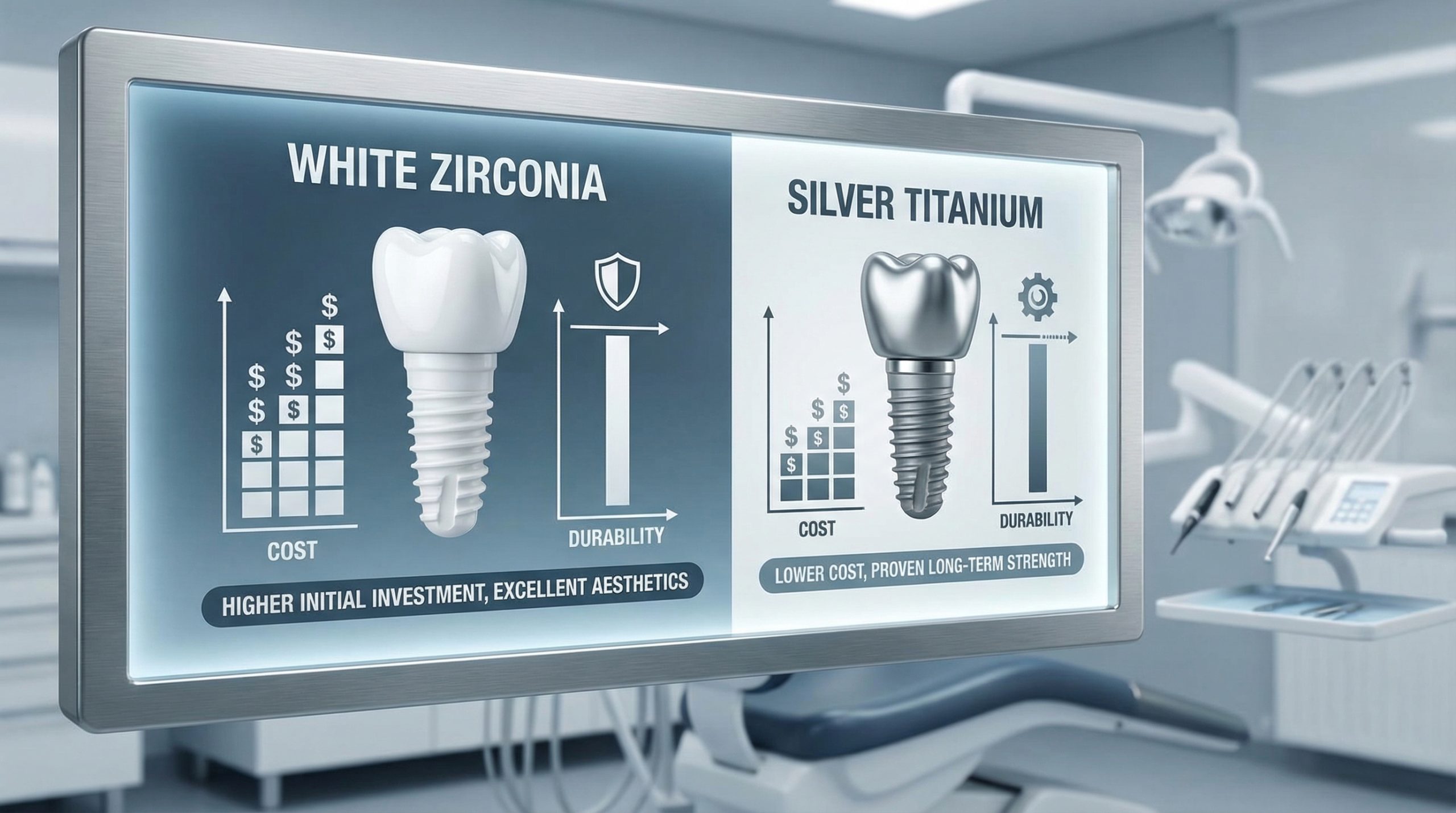
Titanium remains the gold standard for long-term clinical success rates, although zirconia has shown impressive durability in recent years. The debate over zirconium vs titanium often centers on how well the materials withstand the high pressures of chewing.
Is titanium stronger under pressure?
Titanium is incredibly flexible and has a high “fracture toughness,” meaning it can bend slightly under stress without snapping. This makes it ideal for replacing molars that handle heavy grinding loads.
It gets better. The success rate for titanium implants is documented at over 95% over several decades. This provides significant peace of mind for long-term durability.
Can zirconia fracture easily?
While zirconia is extremely hard, it is also more brittle than titanium. If the implant is subject to extreme force or improper adjustment, it may be more prone to micro-cracks.
- High compressive strength.
- Resistance to wear and tear.
- Low bacterial adhesion.
Key TakeawayTitanium offers superior fracture resistance, while zirconia provides high hardness and wear resistance in specific applications.
| Durability Metric | Titanium | Zirconia | |
|---|---|---|---|
| Fracture Toughness | Very High | Moderate/High | |
| Flexural Strength | High | Very High | |
| Long-term Data | 50+ years | 20+ years |
While both materials are durable, the mechanical behavior under heavy occlusal loads favors the flexibility of metal alloys.
When should you choose zirconium vs titanium for allergies?
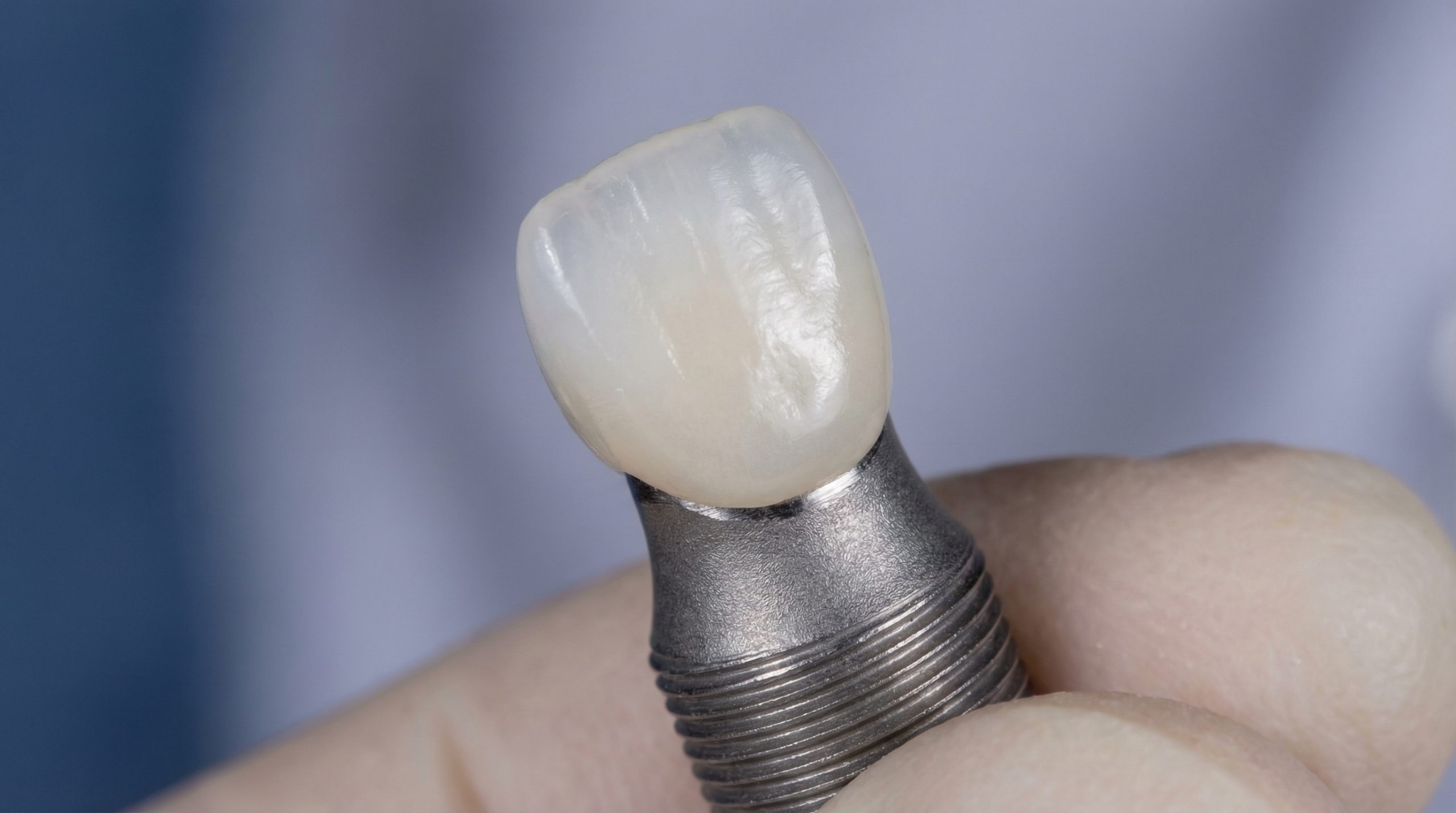
You should prioritize zirconia if you have a documented sensitivity to metals or suffer from specific autoimmune conditions. Selecting zirconium vs titanium requires a careful review of your medical history to avoid inflammatory responses.
Are titanium allergies common?
True titanium allergies are rare, but they do exist and can lead to implant failure or chronic irritation. Symptoms often include localized swelling, rashes, or a general feeling of malaise.
The bottom line is this: If you have a history of reacting to jewelry or other metals, a MELISA test may be necessary before choosing titanium.
Is zirconia a safer hypoallergenic choice?
Zirconia is considered a bio-inert material, meaning it does not react with the immune system or release ions. This makes it the premier choice for patients seeking a holistic or metal-free lifestyle.
- Zero risk of metal corrosion.
- No ion release into the bloodstream.
- Highly compatible with soft tissues.
Key TakeawayZirconia is the definitive choice for patients with metal sensitivities, offering a safe, non-reactive alternative to metal alloys.
| Health Factor | Titanium | Zirconia | |
|---|---|---|---|
| Allergy Risk | Rare but possible | Non-existent | |
| Conductivity | Thermally conductive | Non-conductive | |
| Bio-inertia | High | Absolute |
Choosing a hypoallergenic material minimizes the risk of systemic inflammation and promotes long-term biological harmony.
Where do surgeons typically prefer zirconium vs titanium use?
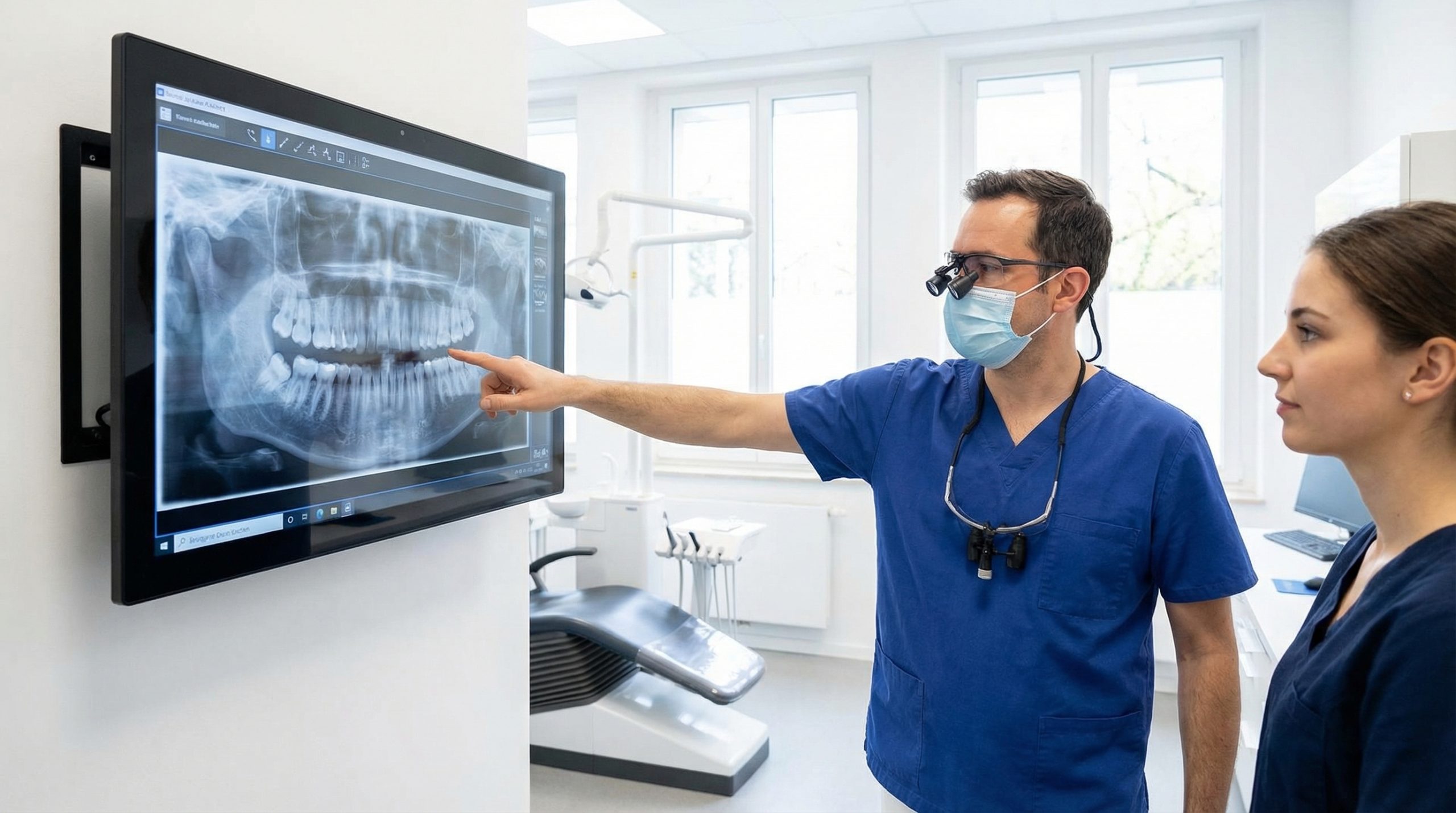
Surgeons often prefer titanium for complex posterior restorations because of its versatile two-piece design and ease of placement. When deciding between zirconium vs titanium, the physical location of the missing tooth in your mouth plays a major role.
Why use titanium for back teeth?
Back teeth endure the highest biting forces in the mouth. Titanium’s ability to withstand these vertical and lateral forces makes it the standard choice for molars.
But here is the catch: The two-piece design of titanium allows the surgeon to adjust the angle of the tooth after the post is set, ensuring a perfect bite.
Is zirconia suitable for all locations?
Zirconia is excellent for single-tooth replacements, particularly in the front of the mouth. However, it is less commonly used for complex full-arch bridges due to its rigid nature.
- Ideal for single-gap closures.
- Best for anterior (front) teeth.
- Suitable for patients with thick gums.
Key TakeawaySurgical preference often dictates titanium for posterior strength and zirconia for anterior aesthetics and tissue health.
| Surgical Location | Titanium Preference | Zirconia Preference | |
|---|---|---|---|
| Anterior (Front) | Moderate | High | |
| Posterior (Back) | High | Moderate | |
| Full-Arch Support | High | Low |
The technical complexity of your surgery will often guide the material selection toward the most adaptable mechanical solution.
How does bone integration work for zirconium vs titanium?
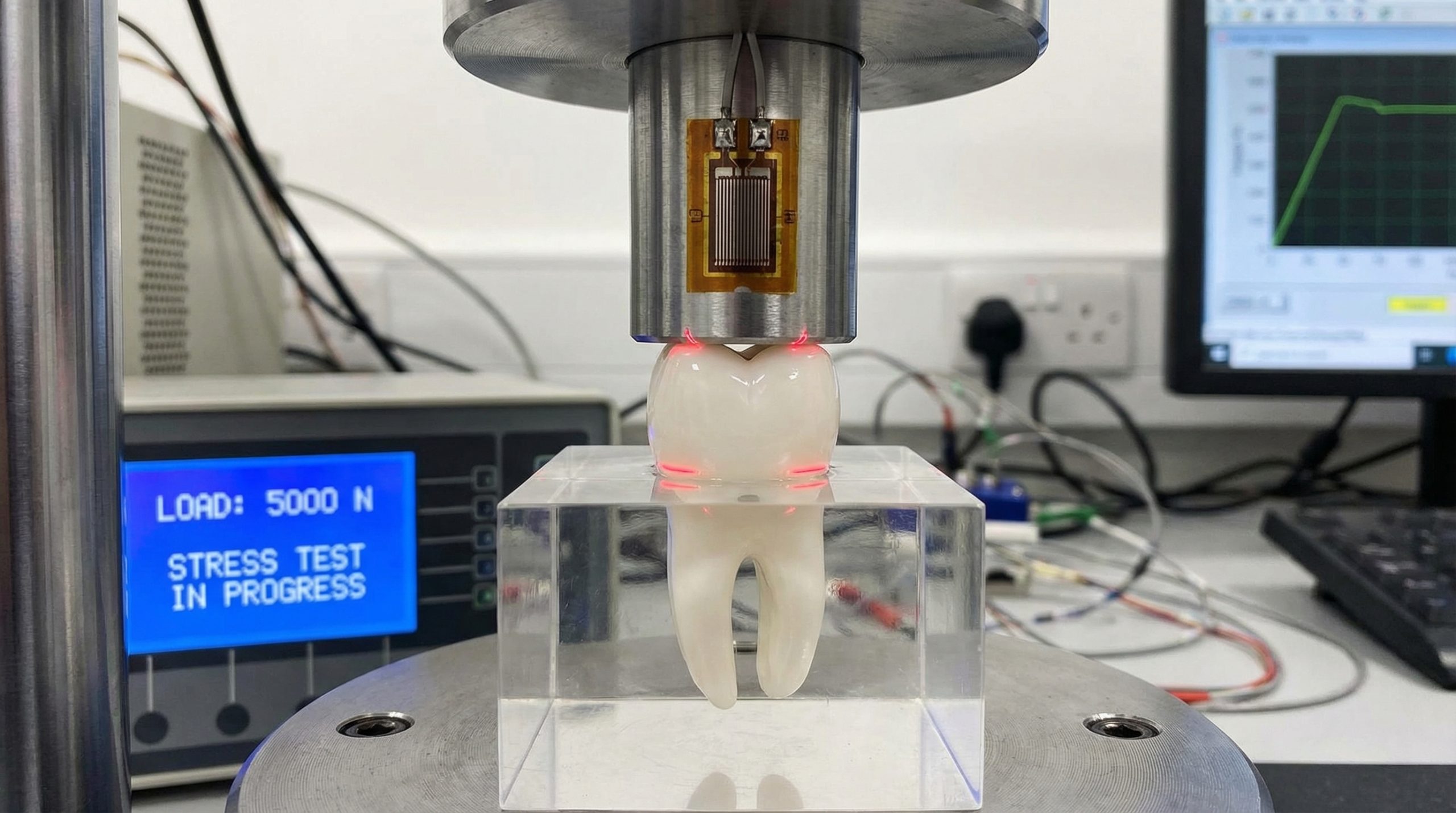
Both materials facilitate osseointegration, though they interact with the jawbone through different biological pathways. Understanding zirconium vs titanium bone healing is essential for predicting the speed of your recovery.
Is bone healing faster with titanium?
Titanium has a long-standing reputation for “knitting” perfectly with human bone. The metal surface is often treated to create a microscopic texture that encourages bone cells to attach.
Make no mistake: This fusion is what makes dental implants feel like natural teeth, providing a rock-solid foundation for your bite.
Does zirconia integrate as well?
Recent studies show that zirconia integrates with bone nearly as effectively as titanium. In fact, some evidence suggests that gum tissue attaches even better to zirconia than to metal.
- Promotes healthy soft tissue growth.
- High level of bone-to-implant contact.
- Resists bacterial plaque buildup.
Key TakeawayWhile titanium has more historical data, zirconia provides exceptional soft tissue integration alongside reliable bone fusion.
| Integration Aspect | Titanium | Zirconia | |
|---|---|---|---|
| Bone Fusion Speed | Fast and proven | Reliable | |
| Soft Tissue Health | Good | Excellent | |
| Plaque Resistance | Standard | Superior |
Biological integration is the most critical factor for implant success, and both materials meet high clinical standards.
What are the cost implications of zirconium vs titanium?
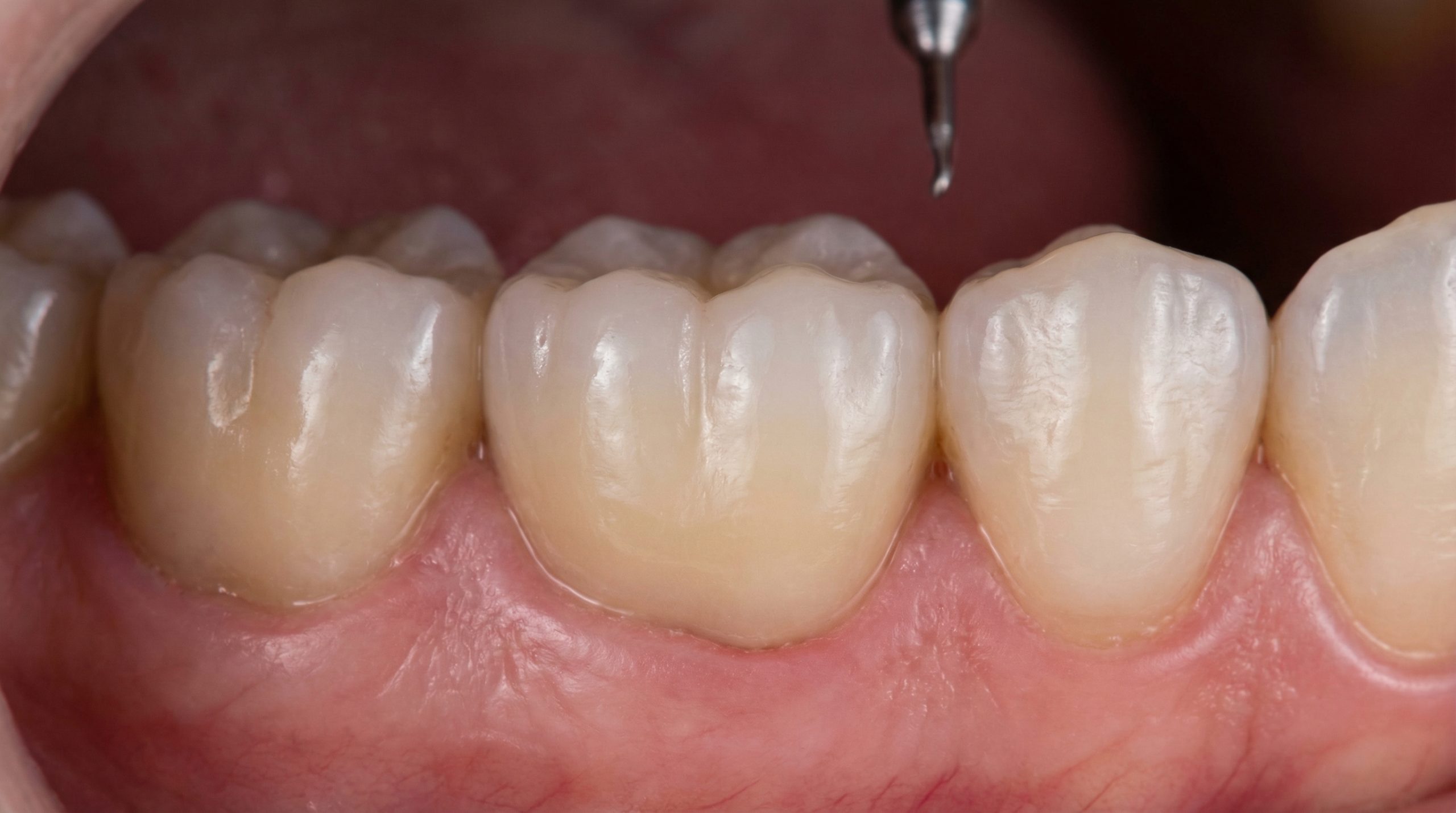
Zirconia typically involves a higher initial investment because of the complex manufacturing processes required for ceramic components. When comparing zirconium vs titanium, you must weigh the upfront cost against long-term benefits.
Why is titanium more affordable?
Titanium implants are cheaper to produce and have been manufactured on a massive scale for decades. Most insurance plans also provide better coverage for traditional titanium systems.
Here is the kicker: Because titanium is the industry standard, parts are widely available, which can lower the cost of future repairs or adjustments.
Why does zirconia cost more?
Zirconia must be precision-milled from solid blocks of ceramic, which is a time-consuming and expensive process. Additionally, the specialized training required for zirconia placement can increase clinical fees.
- Higher material manufacturing costs.
- Specialized lab technician fees.
- Premium branding as a “metal-free” option.
Key TakeawayTitanium is generally the more cost-effective option, while zirconia represents a premium investment in aesthetics and biocompatibility.
| Financial Factor | Titanium | Zirconia | |
|---|---|---|---|
| Manufacturing Cost | Lower | Higher | |
| Insurance Coverage | Broad | Variable | |
| Long-term Value | High | High (Aesthetic) |
Budget considerations are important, but they should be balanced against the clinical requirements of your specific case.
Which maintenance is required for zirconium vs titanium?
Maintenance for both materials involves standard professional cleanings, though zirconia may be more resistant to bacterial plaque. Keeping your zirconium vs titanium system clean is the only way to prevent peri-implantitis.
Is titanium hard to clean?
Titanium implants require diligent home care, including flossing and the use of non-abrasive toothpastes. If plaque builds up around the metal collar, it can lead to gum inflammation and bone loss.
But that’s not all. Standard metal dental tools can sometimes scratch titanium, so your hygienist must use specialized plastic or resin instruments during cleanings.
Does zirconia resist plaque better?
The smooth, ceramic surface of zirconia is naturally resistant to the accumulation of bacteria. This can make it slightly easier to maintain healthy gums around the implant site.
- Lower risk of “peri-implantitis.”
- Compatible with standard hygiene tools.
- Bio-inert surface resists staining.
Key TakeawayZirconia’s ceramic surface offers a slight advantage in plaque resistance, but both require consistent professional monitoring.
| Maintenance Need | Titanium | Zirconia | |
|---|---|---|---|
| Plaque Accumulation | Moderate | Low | |
| Cleaning Complexity | Specific tools needed | Standard care | |
| Stain Resistance | N/A | High |
Success is determined by your daily hygiene habits and the material’s ability to resist bacterial colonization.
Why does the number of components matter for zirconium vs titanium?
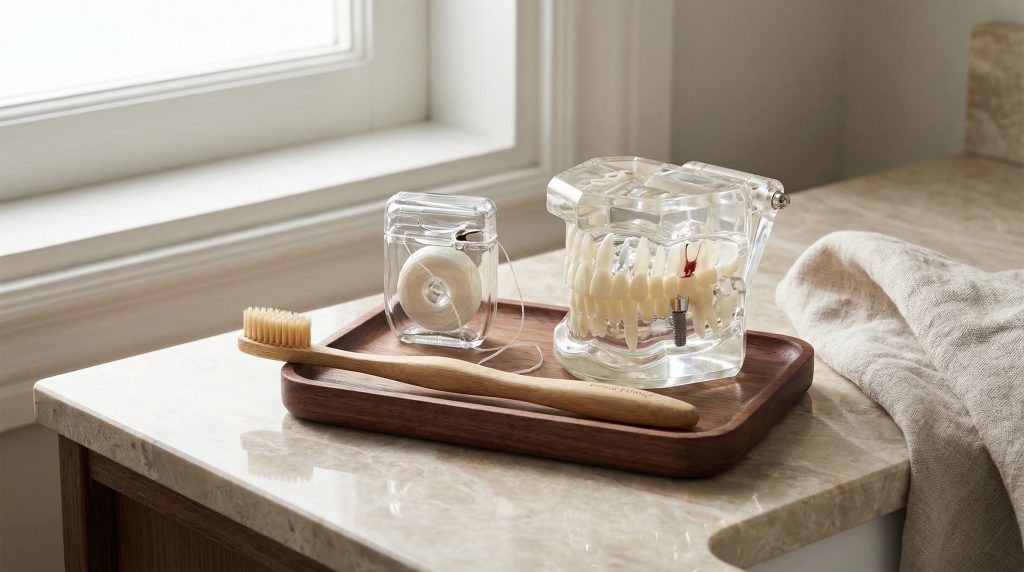
Titanium’s two-piece construction allows for more surgical flexibility compared to the traditional one-piece design of most zirconia implants. The choice between zirconium vs titanium often depends on the alignment of your jawbone.
What is a two-piece design?
Most titanium implants consist of a separate post and an abutment. This allows the dentist to place the post first and then attach the tooth at the perfect angle later.
This is the important part: If your bone is slightly crooked, the two-piece system allows for corrections that are impossible with a solid, one-piece unit.
Are zirconia implants only one piece?
Historically, zirconia implants were only available as a single unit. This means the post and the part that holds the tooth are carved from the same block, requiring perfect surgical placement.
- Fewer gaps for bacteria to hide.
- Higher risk of placement errors.
- Newer two-piece zirconia options emerging.
Key TakeawayTitanium offers greater flexibility for complex angles, while one-piece zirconia minimizes the “micro-gap” where bacteria can grow.
| Design Feature | Titanium (Typical) | Zirconia (Typical) | |
|---|---|---|---|
| Parts | Two-piece | One-piece | |
| Angular Adjustment | High | Low | |
| Bacterial Micro-gap | Present | Absent |
The structural design of the implant impacts both the surgical outcome and the long-term cleanliness of the restoration site.
Who benefits most from choosing zirconium vs titanium?

Patients seeking a balance of holistic health and high-performance durability benefit most from a personalized consultation regarding zirconium vs titanium. Every mouth is different, and the “right” choice depends on your biological priorities.
Should you prioritize strength?
If you are a heavy “bruxer” (someone who grinds their teeth) or need to replace a large back molar, the proven strength of titanium is usually recommended.
Here is the secret: Combining a titanium post with a zirconia crown often provides the best of both worlds—strength below the gum and beauty above it.
Should you prioritize health?
For those concerned about metal ions or who want the most aesthetic result possible, zirconia is the clear winner. It is the gold standard for holistic dentistry.
- Best for patients with autoimmune concerns.
- Ideal for thin gum tissue.
- Perfect for those who want a “natural” material.
Key TakeawayUltimately, the choice is between the long-term surgical predictability of titanium and the biocompatible aesthetics of zirconia.
| Patient Goal | Best Fit | |
|---|---|---|
| Maximum Durability | Titanium | |
| Best Aesthetics | Zirconia | |
| Metal-Free Life | Zirconia |
A thorough examination by a dental professional is the only way to ensure your chosen material aligns with your long-term health goals.
Conclusion
Deciding between materials is a strategic choice for your long-term health. If you are ready to restore your smile with the highest quality materials, contact us today to discuss your options. Problem solved: we provide the engineering precision and material purity required to ensure your dental restoration is a success. Our vision is to empower practitioners and patients with the world’s most stable zircon materials, setting a new industry stance on biocompatibility and mechanical excellence.
Frequently Asked Questions
Can I switch from titanium to zirconia later?No, once an implant is fused to the bone, it cannot be easily swapped. Removing a successful implant causes significant bone loss, so you must choose the material carefully before surgery.
What’s the best material for front teeth?Zirconia is generally considered the best for front teeth. Its white color prevents the dark gray tint that sometimes occurs with titanium, ensuring a more natural appearance in the smile zone.
How do I know if I have a titanium allergy?You should consult an allergist for a MELISA test. If you have ever had a reaction to watches, jewelry, or metal buttons, it is worth investigating before proceeding with a titanium implant.
Can zirconia implants break under pressure?Yes, but it is rare. While zirconia is incredibly hard, it is more brittle than titanium, so it is usually reserved for areas of the mouth that face less extreme grinding forces.
Is zirconia better for gum health?Yes, evidence suggests that zirconia is more “tissue-friendly.” Gums tend to attach more tightly to ceramic than to metal, and the material naturally resists the plaque that causes gum disease.