Tungsten is the hardest and heaviest of the three metals, zirconium provides a unique heat-treated black surface, and titanium is the lightest and most biocompatible material.
Manufacturers often face a dilemma when selecting industrial metals that must also serve aesthetic purposes. Using high-maintenance materials can frustrate your production lines and lead to costly product failures. By focusing on the scientific differences between zirconium vs titanium , you can choose the optimal alloy that balances performance with user comfort.
Which metal offers the best durability: zirconium vs titanium?
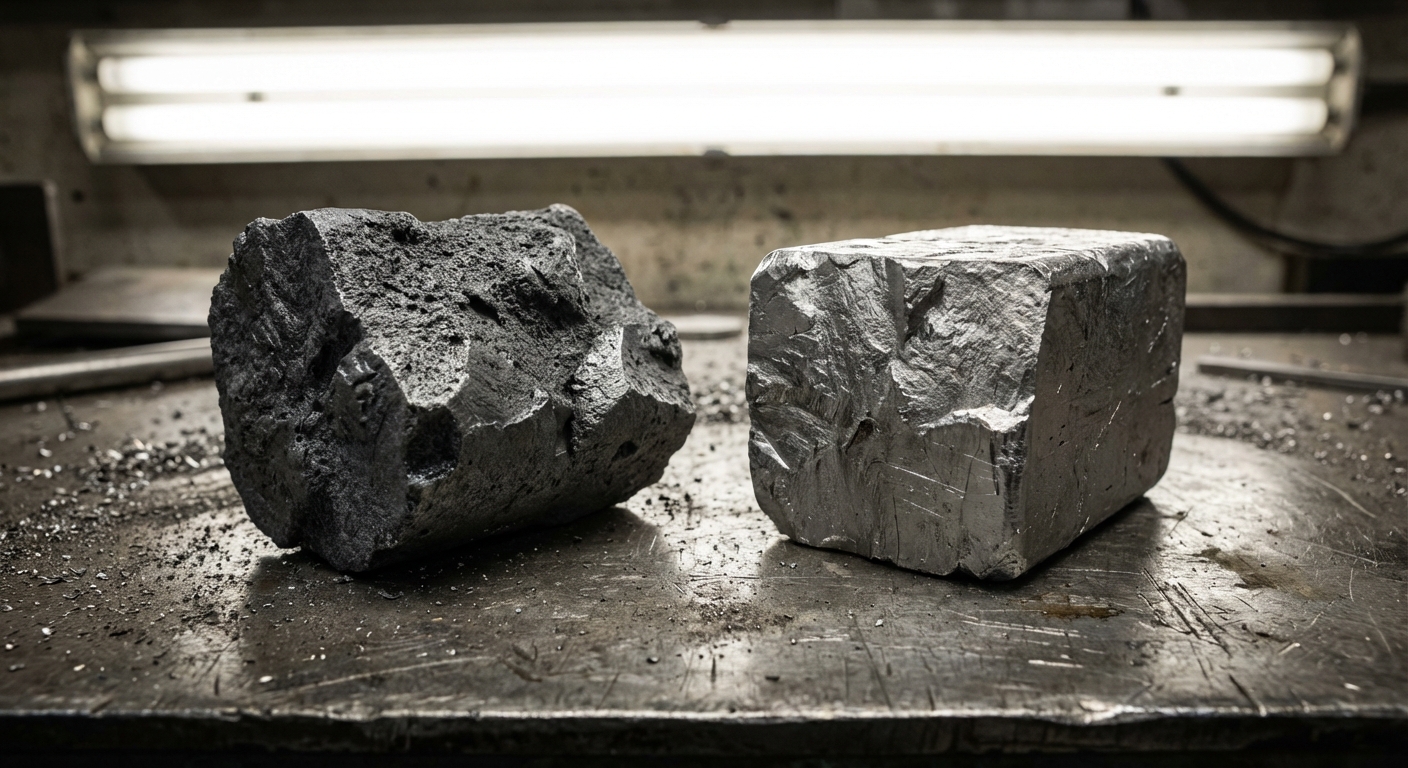
Zirconium and tungsten typically outperform titanium in surface hardness, though all three are rated for extreme conditions. When comparing zirconium vs titanium for structural components, zirconium’s ability to resist deep scratches makes it a premier choice for high-wear environments.
What you should know about surface wear
You will find that tungsten is nearly impossible to scratch, sitting at a 9 on the Mohs scale. However, zirconium follows closely once it has been oxidized, creating a surface that withstands daily abrasions much better than standard titanium.
Look:
- Tungsten: Extreme scratch resistance.
- Zirconium: High resistance after heat treatment.
- Titanium: Moderate resistance; light scratches may occur.
Key Takeaway: If your priority is a surface that remains pristine under heavy friction, tungsten or zirconium is your best bet.
| Metal | Scratch Resistance | Industrial Utility | |
|---|---|---|---|
| Tungsten | Excellent | Cutting Tools, Heavy Jewelry | |
| Zirconium | Very High | Chemical Pumps, Premium Bands | |
| Titanium | High | Aerospace, Medical Devices |
How does density compare in zirconium vs titanium?
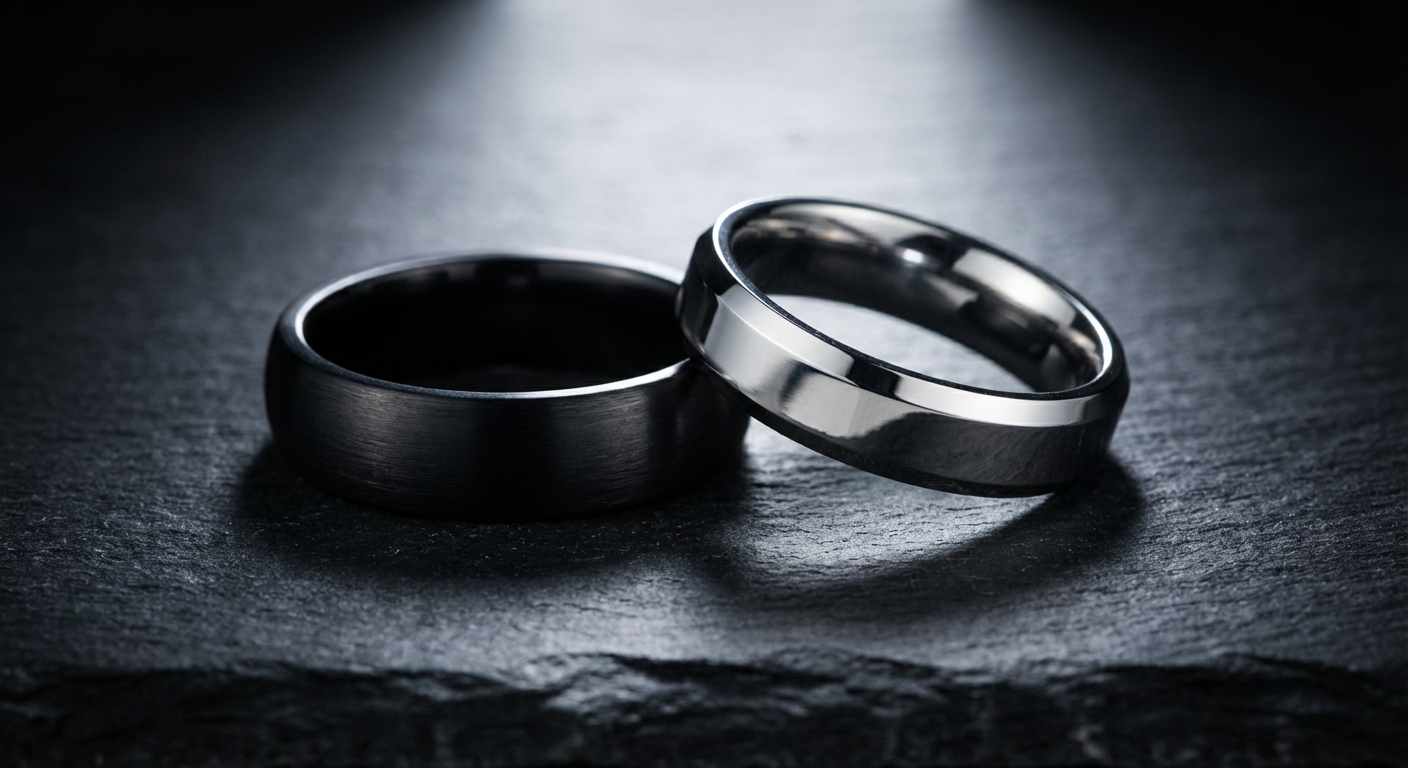
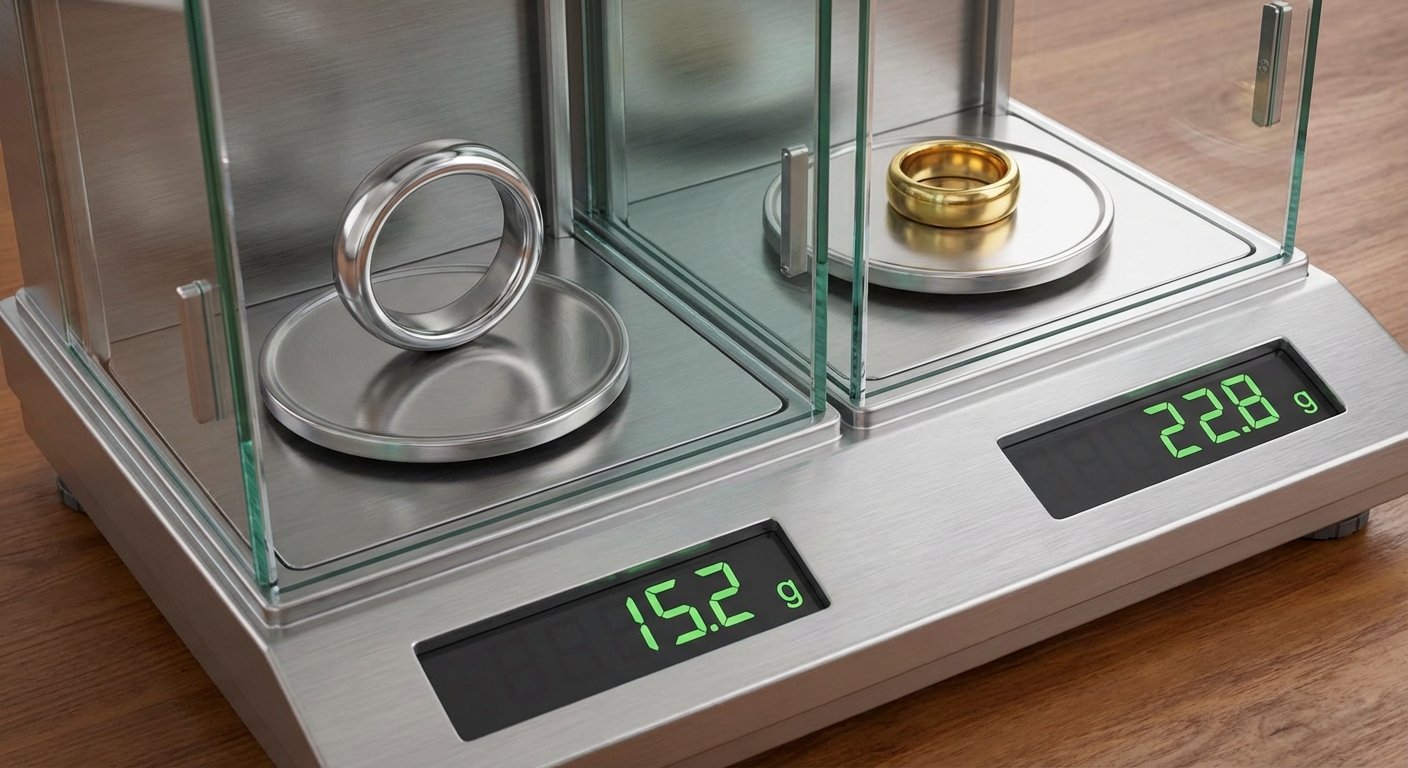
Tungsten is the densest and heaviest of the group, while titanium is the lightest, and zirconium occupies a comfortable middle ground. In the context of zirconium vs titanium, titanium offers a weightless feel that is highly valued in both aerospace and personal accessories.
Choosing the right weight for your application
You can immediately feel the difference when you hold these metals in your hand. Titanium’s low density allows it to be used in large components without adding excessive weight, which is a critical factor for your manufacturing efficiency.
But that’s not all:
- Tungsten: Feels like gold or platinum in weight.
- Zirconium: Similar to steel but with better properties.
- Titanium: The lightest structural metal available.
Key Takeaway: Titanium is unmatched for weight-sensitive projects, whereas tungsten is chosen for its premium, heavy presence.
| Metal | Density Profile | User Perception | |
|---|---|---|---|
| Tungsten | Very High | Substantial/Heavy | |
| Zirconium | Medium | Moderate/Solid | |
| Titanium | Low | Lightweight/Airy |
Can you achieve a black finish with zirconium vs titanium?
Zirconium is the only metal in this trio that can be naturally heat-treated to achieve a permanent, sleek black finish. When comparing zirconium vs titanium for high-end components, titanium usually requires a coating or plating to appear black, which can wear off over time.
Designing with contrasting colors
You have the advantage of using zirconium’s oxidation layer to create stunning two-tone effects that are physically bonded to the metal. This makes your products look more high-end and ensures the color doesn’t chip away under stress.
Think about this:
- Zirconium: Solid black after heat processing.
- Titanium: Light silver-gray natural color.
- Tungsten: Ranges from gunmetal to polished silver.
Key Takeaway: Zirconium is the definitive choice for permanent black aesthetics without the need for superficial coatings.
| Metal | Natural Color | Black Finish Method | |
|---|---|---|---|
| Tungsten | Gunmetal Gray | Plating/PVD | |
| Zirconium | Silver | Thermal Oxidation | |
| Titanium | Silver-Gray | Anodizing/Coating |
What is the Mohs scale rating for zirconium vs titanium?
Tungsten ranks highest at 9 to 10 on the Mohs scale, zirconium ranks at 8 to 9, and titanium sits at approximately 6.5. This data shows that zirconium vs titanium comparisons heavily favor zirconium when it comes to pure material hardness and deformation resistance.
Understanding hardness for your projects
You should consider the Mohs scale when deciding which metal will survive the most grueling conditions. While titanium is strong, its lower hardness means it can be polished or brushed more easily, whereas tungsten often requires diamond tools to shape.
Believe it or not:
- Mohs 9+: Only diamonds are harder than tungsten.
- Mohs 8: Zirconium is harder than most steels.
- Mohs 6.5: Titanium is hard but more workable.
Key Takeaway: Higher Mohs ratings translate to better scratch resistance but make the metal more difficult to resize or modify later.
| Metal | Mohs Rating | Tooling Difficulty | |
|---|---|---|---|
| Tungsten | 9.0 – 10.0 | Very High | |
| Zirconium | 8.0 – 9.0 | High | |
| Titanium | 6.0 – 6.5 | Moderate |
How is emergency removal handled for zirconium vs titanium?
Titanium rings require a diamond-tipped cutter for removal, while zirconium can often be cracked or shattered with vice grips in an emergency. In critical safety scenarios involving zirconium vs titanium , zirconium is sometimes considered safer because it does not require high-heat cutting tools near the skin.
Safety protocols for hard metals
You need to be aware of how your chosen material behaves under extreme pressure or in medical emergencies. Tungsten is the most brittle and will shatter cleanly, whereas titanium’s high tensile strength makes it much harder to cut without specialized equipment.
Check it out:
- Tungsten: Shatters under pressure from pliers.
- Zirconium: Can be cracked or cut with difficulty.
- Titanium: Requires a specialized power saw or cutter.
Key Takeaway: Brittleness in tungsten and zirconium is a safety feature during emergency ring removal, unlike the tough-to-cut titanium.
| Metal | Removal Method | Risk Level | |
|---|---|---|---|
| Tungsten | Shatter/Crack | Low | |
| Zirconium | Crack/Cut | Low | |
| Titanium | Power Saw/Cut | Moderate |
Are two-tone designs possible with zirconium vs titanium?
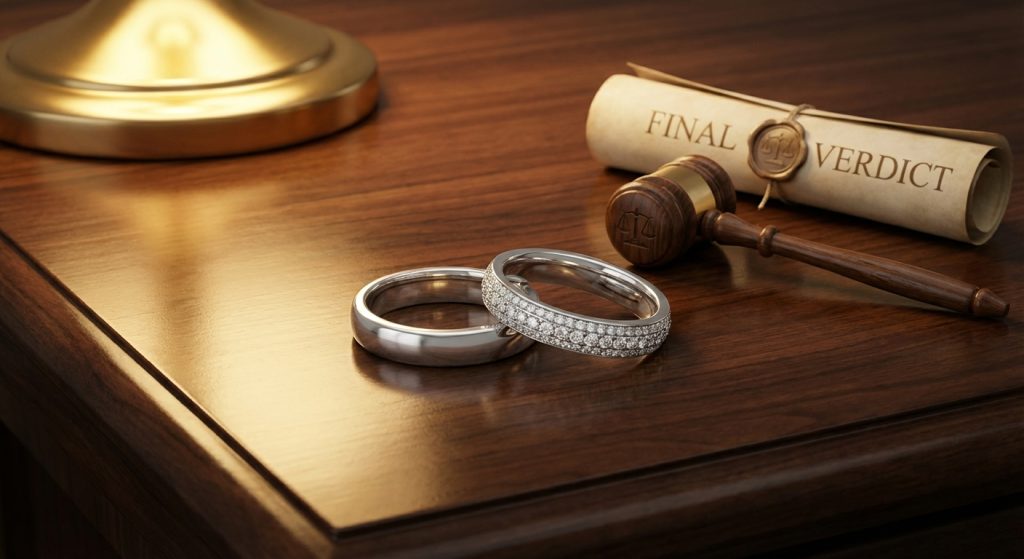
Zirconium is the premier metal for two-tone designs because jewelers can machine away the black oxide layer to reveal the silver metal underneath. While you can anodize titanium to create colors, zirconium vs titanium design versatility is higher for those wanting high-contrast patterns.
Expanding your design palette
You will find that two-tone zirconium allows for intricate engravings that stand out due to the color contrast. Titanium is generally monochromatic unless you apply a chemical treatment that might fade or scratch over the years.
Look at the options:
- Zirconium: Black and silver high-contrast.
- Titanium: Uniform silver-gray or anodized blue/purple.
- Tungsten: Uniform gray with possible wood or carbon inlays.
Key Takeaway: For brands focusing on artistic or modern styles, zirconium provides the most durable color-contrast options.
| Metal | Two-Tone Ease | Durability of Color | |
|---|---|---|---|
| Tungsten | Difficult | High (Inlays) | |
| Zirconium | Easy | Very High | |
| Titanium | Moderate | Moderate (Anodized) |
Can you resize a band made of zirconium vs titanium?
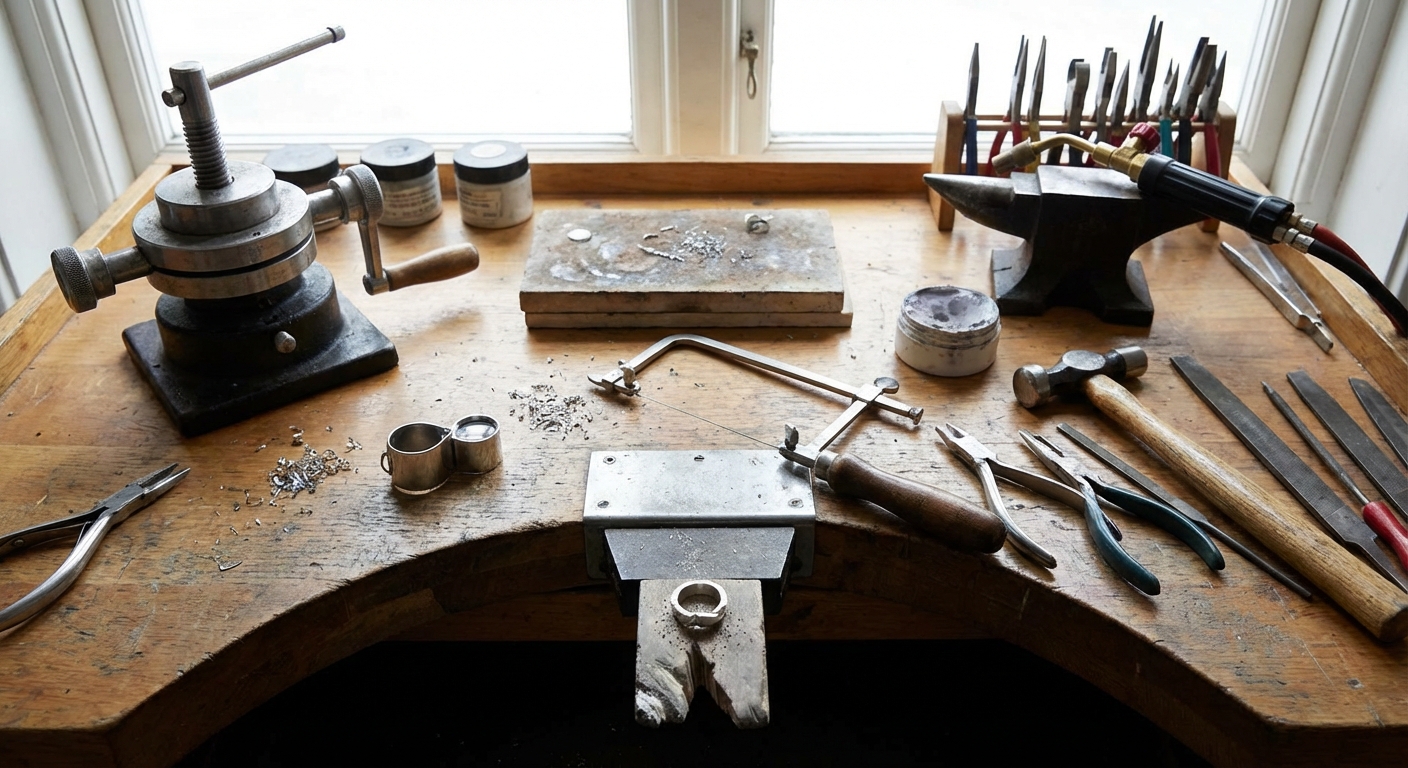
None of these three metals can be resized in the traditional sense like gold or silver due to their high melting points and hardness. When dealing with zirconium vs titanium , you must ensure perfect measurements during the initial production phase because errors cannot be easily corrected.
Managing your production tolerances
You should implement strict quality control to avoid the waste associated with non-resizable materials. While minor internal stretching might be possible for titanium, tungsten and zirconium will simply break if you attempt to force them into a new size.
Consider these facts:
- Gold/Silver: Simple soldering and stretching.
- Alternative Metals: Virtually impossible; usually requires replacement.
- Industrial Parts: Must be machined to exact specs from the start.
Key Takeaway: Precision is paramount when working with these alloys, as post-production modifications are not a viable option.
| Metal | Resizing Capability | Production Risk | |
|---|---|---|---|
| Tungsten | Zero | High | |
| Zirconium | Zero | High | |
| Titanium | Minimal | Moderate |
Which metal is more cost-effective: zirconium vs titanium?
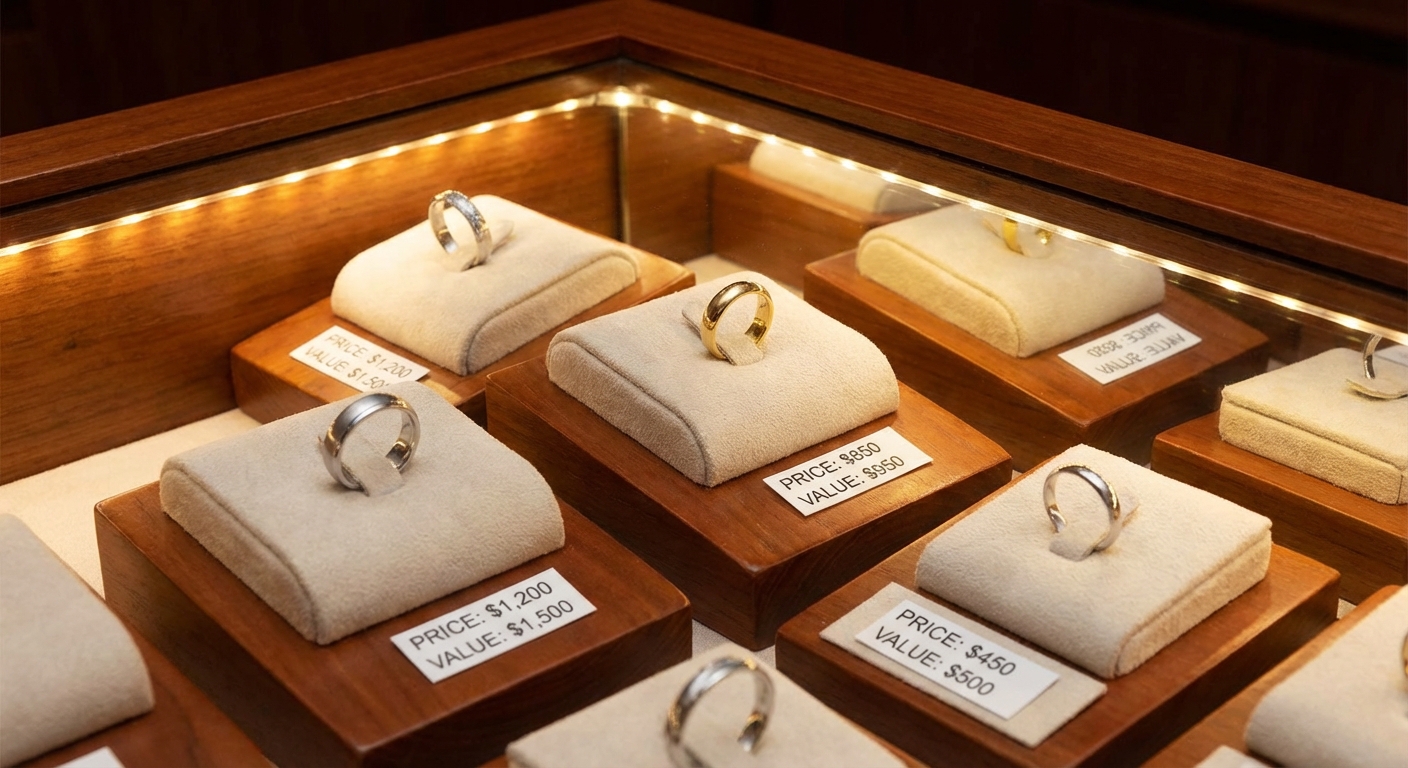
Tungsten is generally the most budget-friendly option, while zirconium is the most expensive due to the specialized heat treatment required for its finish. In a zirconium vs titanium pricing comparison, titanium sits in the middle, offering a high-performance-to-cost ratio for bulk industrial orders.
Optimizing your procurement budget
You can save a significant amount of your manufacturing budget by selecting tungsten for high-volume, standard products. However, if your clients demand a premium black finish, the extra cost of zirconium is often justified by the increased market value of the final piece.
Keep this in mind:
- Tungsten: Best for entry-level premium products.
- Titanium: Best for mid-range industrial use.
- Zirconium: Best for high-end designer applications.
Key Takeaway: Tungsten offers the lowest entry price, but zirconium provides unique aesthetics that command a higher price point.
| Metal | Relative Cost | Market Value | |
|---|---|---|---|
| Tungsten | Lowest | Moderate | |
| Zirconium | Highest | Very High | |
| Titanium | Medium | High |
Is skin sensitivity a factor for zirconium vs titanium?
Titanium is widely regarded as the most biocompatible metal, though zirconium is also highly hypoallergenic and used in dental implants. When comparing zirconium vs titanium for medical or wearable technology, both metals are far superior to alloys containing nickel or cobalt.
Protecting your customers’ health
You will never have to worry about skin rashes or allergic reactions when your products are made from high-purity titanium or zirconium. These materials are inert, meaning they do not react with body chemistry, which is why you see them used in pacemakers and joint replacements.
The benefits are clear:
- No Nickel: Prevents common jewelry allergies.
- Non-Reactive: Does not tarnish or turn skin green.
- Biocompatible: Safe for long-term internal or external contact.
Key Takeaway: Titanium and zirconium are the elite choices for any product that will have prolonged contact with human skin.
| Metal | Biocompatibility | Medical Usage | |
|---|---|---|---|
| Tungsten | Good | Minimal | |
| Zirconium | Excellent | Dental Implants | |
| Titanium | Superior | Surgical Implants |
Conclusion
Selecting the right material for your next project depends on your specific needs for weight, color, and surface hardness. Whether you are looking for the industrial strength of titanium or the unique finishes of zirconium, we are here to help you navigate these technical choices. For more information on how our materials can optimize your production, contact us today .
We are dedicated to providing the highest quality industrial zirconium and titanium solutions to manufacturers worldwide. Our vision is to empower your brand with materials that stand the test of time and provide unparalleled value to your end-users. Start your journey with Zr Brontec today and experience the difference that expert engineering makes.
FAQ: Common questions on zirconium vs titanium?
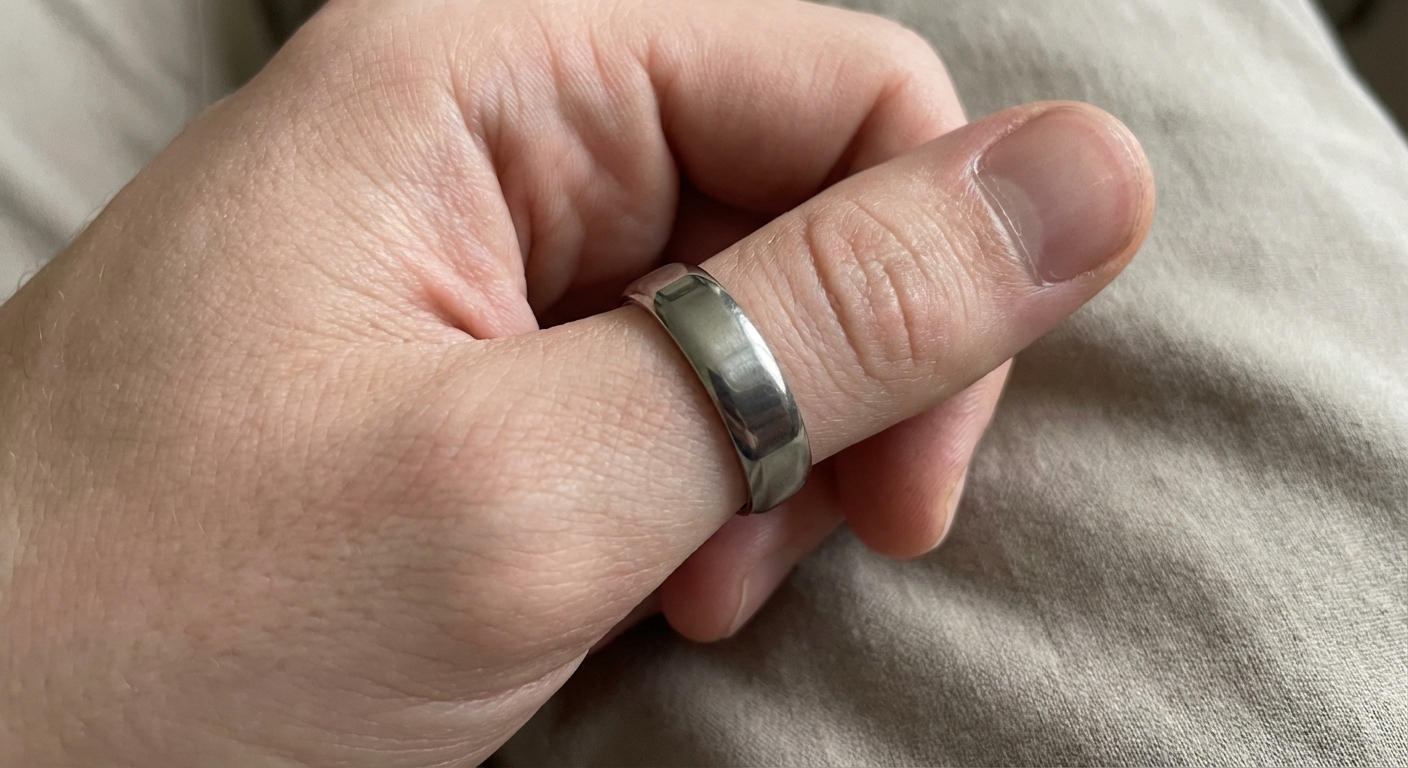
Choosing between these advanced metals requires understanding how they handle real-world stress and environmental exposure. The debate over zirconium vs titanium usually comes down to whether you prioritize the lightweight nature of titanium or the scratch-proof black aesthetic of zirconium.
Helping you find the right material
You should consider your daily activities before committing to a specific alloy for your manufacturing or personal use. Understanding the technical nuances of these materials ensures you provide a product that fits the end-user’s lifestyle.
Look:
- What is the best metal for an active lifestyle? Titanium is the winner because it is lightweight and comfortable for sports while remaining stronger than precious metals.
- Can I get a zirconium ring in silver color? Yes, zirconium is naturally silver and only turns black when subjected to specific industrial heating.
- Is tungsten more durable than titanium? For scratch resistance, yes; however, titanium is tougher and less likely to shatter if dropped.
- Which metal is better for dental implants? Zirconium is increasingly popular for dental use due to its tooth-like color and high biocompatibility.
- Will these metals tarnish over time? No, all three are highly resistant to corrosion and will not tarnish in normal atmospheric conditions.
Key Takeaway: Matching the metal’s unique properties to your specific application requirements is the key to long-term satisfaction and performance.