A zirconium bridge is a premier dental solution because it combines industrial-grade durability with the lifelike translucency of natural enamel. Living with missing teeth often creates a cascade of oral health issues, making it difficult to chew, speak clearly, or smile with confidence. You may find that traditional dentures slip or that older metal-based bridges leave a tell-tale dark line at your gumline. This situation is more than a cosmetic nuisance; it can lead to bone loss and the shifting of your remaining teeth. Fortunately, the modern zirconium bridge offers a biocompatible and virtually indestructible way to restore your smile to its peak function and beauty.
What exactly is a zirconium bridge for teeth?
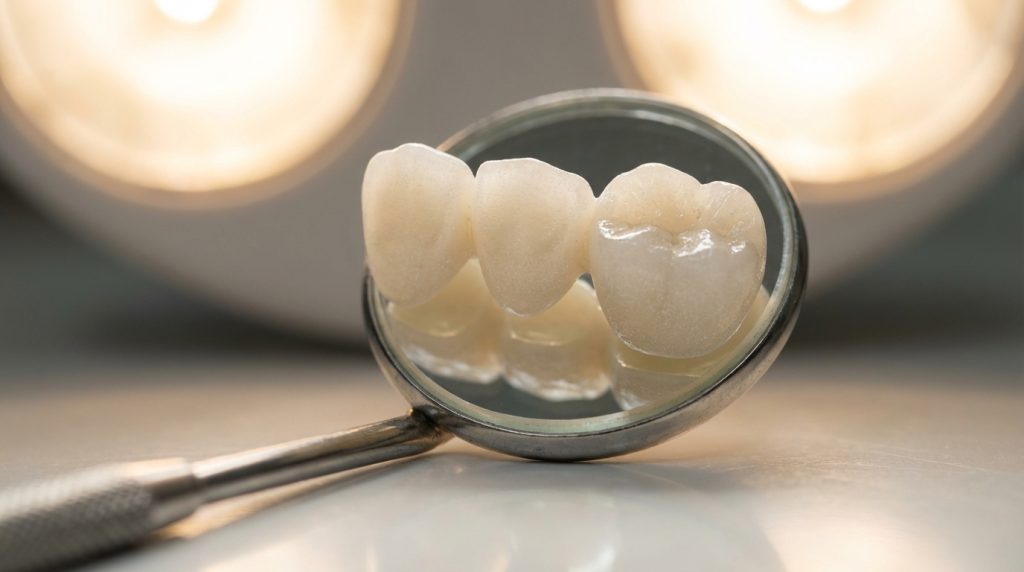
A zirconium bridge is a metal-free dental prosthesis crafted from zirconium oxide, a high-performance ceramic known for its extreme toughness and aesthetic appeal. This advanced material allows a zirconium bridge to replace missing teeth by anchoring to adjacent natural teeth or implants.
Unlike traditional porcelain-fused-to-metal options, these restorations are milled from a single block of material. This process ensures there are no weak layers or unsightly metal foundations.
Understanding the Material Science
Zirconium oxide is often referred to as “ceramic steel” due to its incredible resistance to cracking and fracturing. It is a crystalline material that provides a much higher flexural strength than standard dental glass or porcelain.
- 100% metal-free and hypoallergenic.
- Crystalline structure that mimics natural tooth density.
- High translucency for realistic light absorption.
You might be wondering: “Is it really that much better than older materials?”
The Structural Design Benefits
A bridge consists of “abutments” that cap your existing teeth and “pontics” that fill the gaps. Because zirconia is so strong, these bridges can often be manufactured with thinner walls than older materials.
This means your dentist may need to remove less of your natural tooth structure during the preparation phase. Here is the bottom line: you get more strength with less invasive work.
Key Takeaway: Choosing this material means you benefit from a restoration that is as strong as metal but looks as natural as a real tooth.
| Feature | Zirconium Bridge Specification | |
|---|---|---|
| Material | Zirconium Oxide (Yttria-stabilized) | |
| Allergy Risk | None (Metal-Free) | |
| Fabrication | CAD/CAM Precision Milling |
The use of high-purity materials ensures that the restoration integrates perfectly with your existing dental anatomy without risk of oxidation or discoloration.
How is a zirconium bridge manufactured for patients?
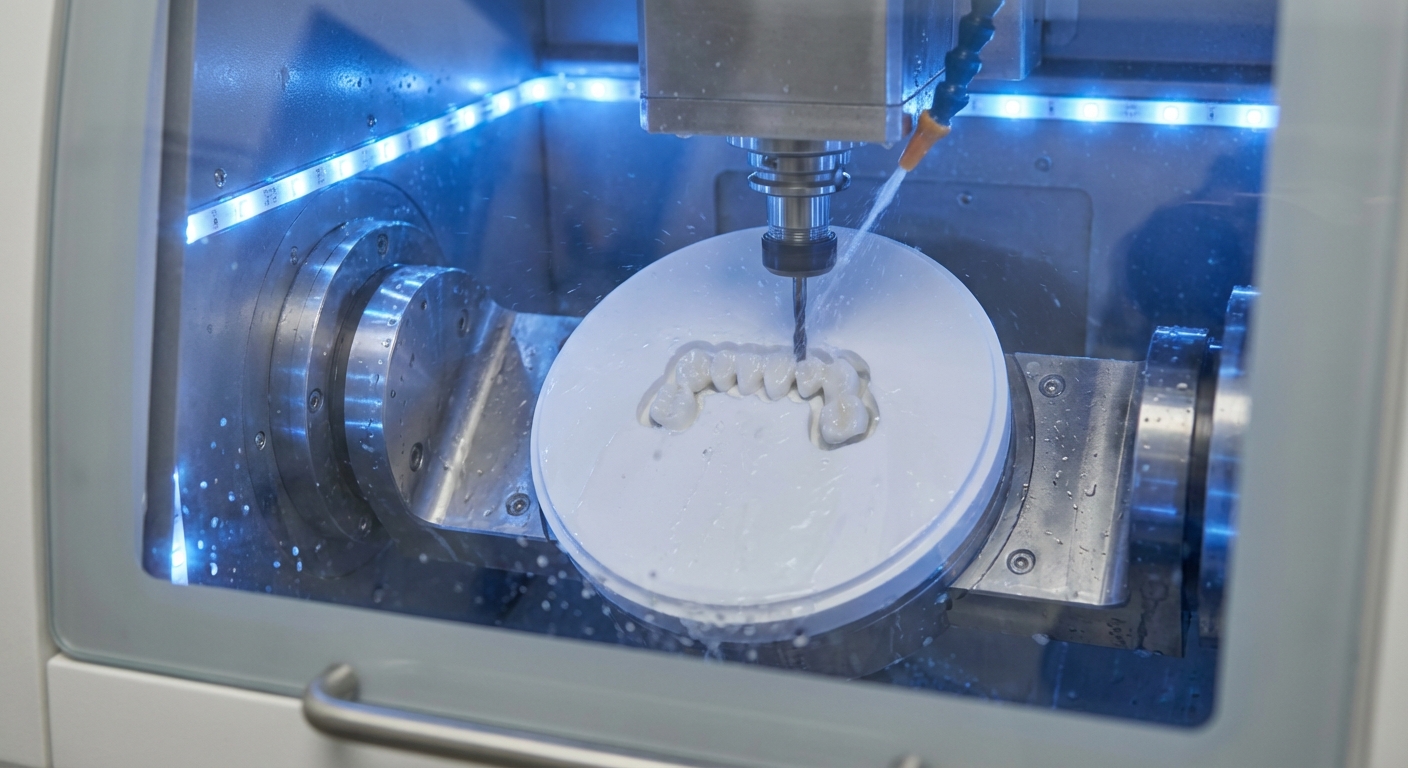
The manufacturing of a zirconium bridge utilizes digital 3D scanning and computer-controlled milling to create a restoration that fits your mouth with microscopic accuracy. Once your dentist takes a digital impression, the data is used to carve the zirconium bridge from a solid, pre-sintered disc.
This technology eliminates the errors often found in manual tooth molding. The result is a perfect fit that feels natural from the moment it is placed in your mouth.
The Role of Digital Impressions
Traditional impressions involving sticky trays and goop are largely a thing of the past for these restorations. A handheld wand captures thousands of images to create a 3D digital map of your teeth.
- Precise measurement of gap dimensions.
- Analysis of your natural bite alignment.
- Design of the bridge to match your facial symmetry.
Believe it or not, this digital approach reduces the total time you spend in the dental chair.
Precision CAD/CAM Milling
Once the design is finalized, it is sent to a robotic milling machine that carves the bridge. This computer-aided manufacturing ensures that every contour of the prosthesis is identical to the digital model.
Think about this: The precision of these machines is measured in microns, ensuring the bridge seats perfectly against your gums. After milling, the piece is “sintered” in a high-temperature furnace to reach its final, rock-hard state.
Key Takeaway: Modern manufacturing ensures your bridge is custom-designed for a fit so precise that it prevents bacteria from entering under the crown.
| Fabrication Step | Benefit to the Patient | |
|---|---|---|
| 3D Scanning | Increased comfort and higher accuracy. | |
| Robotic Milling | Consistent material density and strength. | |
| High-Heat Sintering | Maximum fracture resistance and durability. |
Precision-engineered components are essential for long-term dental health, as they minimize stress on the supporting teeth and jawbone.
Why choose a zirconium bridge for durability?
A zirconium bridge is the preferred choice for durability because it can withstand biting forces that would easily crack or chip standard porcelain restorations. Choosing a zirconium bridge provides peace of mind for those who have a heavy bite or a history of grinding their teeth.
The material does not fatigue over time like metal-supported bridges. It maintains its structural integrity through years of chewing, speaking, and temperature changes in the mouth.
Superior Flexural Strength
Flexural strength refers to a material’s ability to resist snapping when pressure is applied to the center. Zirconia boasts a rating of over 1,000 MPa, which is significantly higher than gold or porcelain.
- High resistance to thermal expansion.
- Ability to bridge long spans without bending.
- Resistance to “cold-flow” deformation over time.
It essentially serves as a permanent backbone for your oral rehabilitation.
Wear Resistance and Longevity
The surface of a zirconia bridge is incredibly smooth, which reduces the wear and tear on the opposing natural teeth. Unlike metal bridges that can corrode, this ceramic is chemically stable.
But wait, there’s more. Because it is so hard, it does not scratch or pit, which prevents plaque from finding a foothold. This durability translates into a restoration that can last 15 years or longer with proper care.
Key Takeaway: You benefit from a “fit and forget” solution that handles the toughest foods without the constant fear of the bridge breaking.
| Material Property | Performance Value | |
|---|---|---|
| Flexural Strength | >1000 – 1200 MPa | |
| Vickers Hardness | ~1200 HV | |
| Stability | Resistant to chemical corrosion |
The high mechanical performance of these bridges makes them the gold standard for restoring functional biting force in the molar regions.
How does a zirconium bridge improve your smile?
A zirconium bridge improves your smile by offering a semi-translucent quality that perfectly mimics the way light passes through natural tooth enamel. Every zirconium bridge is custom-shaded to blend with your surrounding teeth, ensuring that no one can tell you have a restoration.
Because there is no metal substructure, you will never see a dark “tattoo” line at the gumline. Your smile remains bright, even in bright sunlight or flash photography.
Achieving Seamless Aesthetics
Zirconia is naturally white, which provides a clean canvas for master technicians to apply stains and glazes. This allow for the creation of subtle details like mamelons and characterization found in real teeth.
- Custom shading across the tooth gradient.
- Matching of surface texture and gloss.
- Elimination of the “opaque” look of metal bridges.
The result is a smile that looks vibrant and healthy rather than artificial.
Restoring Facial Structure
When you lose teeth, your cheeks can begin to sink, making you look older than you are. A bridge provides the necessary support for your lips and facial muscles.
Here is the best part: It restores the height of your bite, which can actually smooth out fine lines around the mouth. It isn’t just about the teeth; it’s about the entire aesthetic of your lower face.
Key Takeaway: You can smile confidently in any social situation knowing your restoration looks identical to the teeth you were born with.
| Aesthetic Feature | Visual Result | |
|---|---|---|
| Translucency | Light reflects from within the tooth. | |
| Chroma Control | Perfectly matched to existing tooth color. | |
| Gingival Transition | Natural pink gum health is maintained. |
Modern cosmetic dentistry relies on these materials to deliver results that meet the highest standards of beauty and symmetry.
Is a zirconium bridge safe and biocompatible?
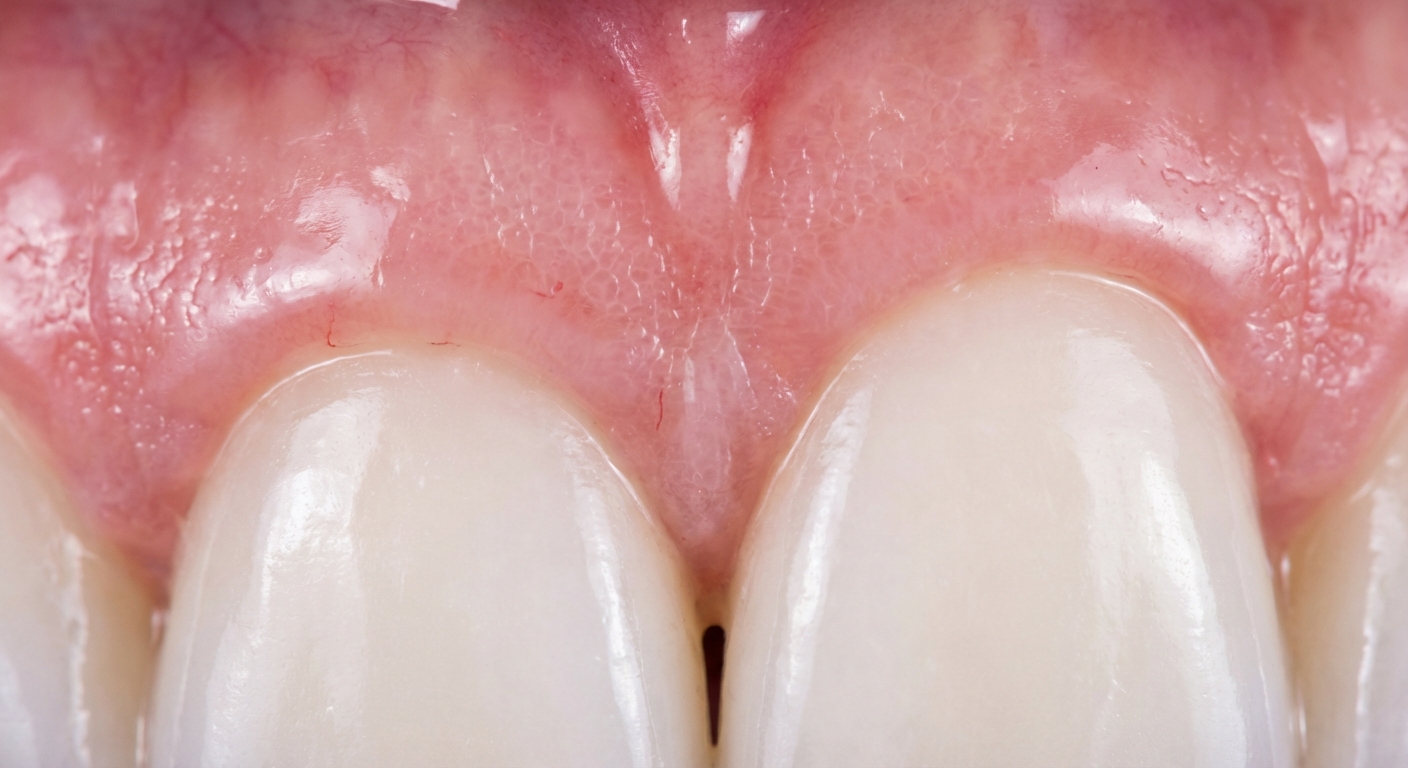
Yes, a zirconium bridge is exceptionally safe because the material is chemically inert and does not cause inflammatory responses in the soft tissues. A zirconium bridge is ideal for patients with sensitivities to nickel, chrome, or other common dental metals.
The body accepts zirconia as it would its own bone structure. This allows your gums to grow tightly against the bridge, creating a healthy seal that protects the underlying jawbone.
Eliminating Metal Sensitivities
Many patients suffer from undiagnosed metal allergies that cause chronic gum redness or a metallic taste in the mouth. Zirconia is a ceramic, meaning it has zero metal content.
- No “galvanic shock” between different dental materials.
- No leaching of ions into the bloodstream.
- Hypoallergenic for virtually 100% of the population.
This safety profile is why it is used in high-risk medical procedures like hip replacements.
Promoting Healthy Gum Tissue
Zirconia has a very low affinity for plaque, meaning the sticky film that causes gum disease doesn’t adhere well to its surface. This makes it much easier for you to keep your gums healthy.
Look: Healthy gums are pink and firm, and zirconia helps maintain that state by preventing bacterial irritation. The smooth finish is non-porous, protecting the delicate tissue from abrasions.
Key Takeaway: You get a restoration that works in harmony with your body’s biology, reducing the risk of inflammation and long-term rejection.
| Safety Category | Zirconia Performance | |
|---|---|---|
| Biocompatibility | Exceptional (Medical Grade) | |
| Toxicity | Non-toxic and Chemically Stable | |
| Bacterial Adhesion | Extremely Low |
Biocompatible materials like zirconium silicate and oxide represent a shift toward holistic dental health that prioritizes the body’s overall wellness.
Will a zirconium bridge stay white over time?
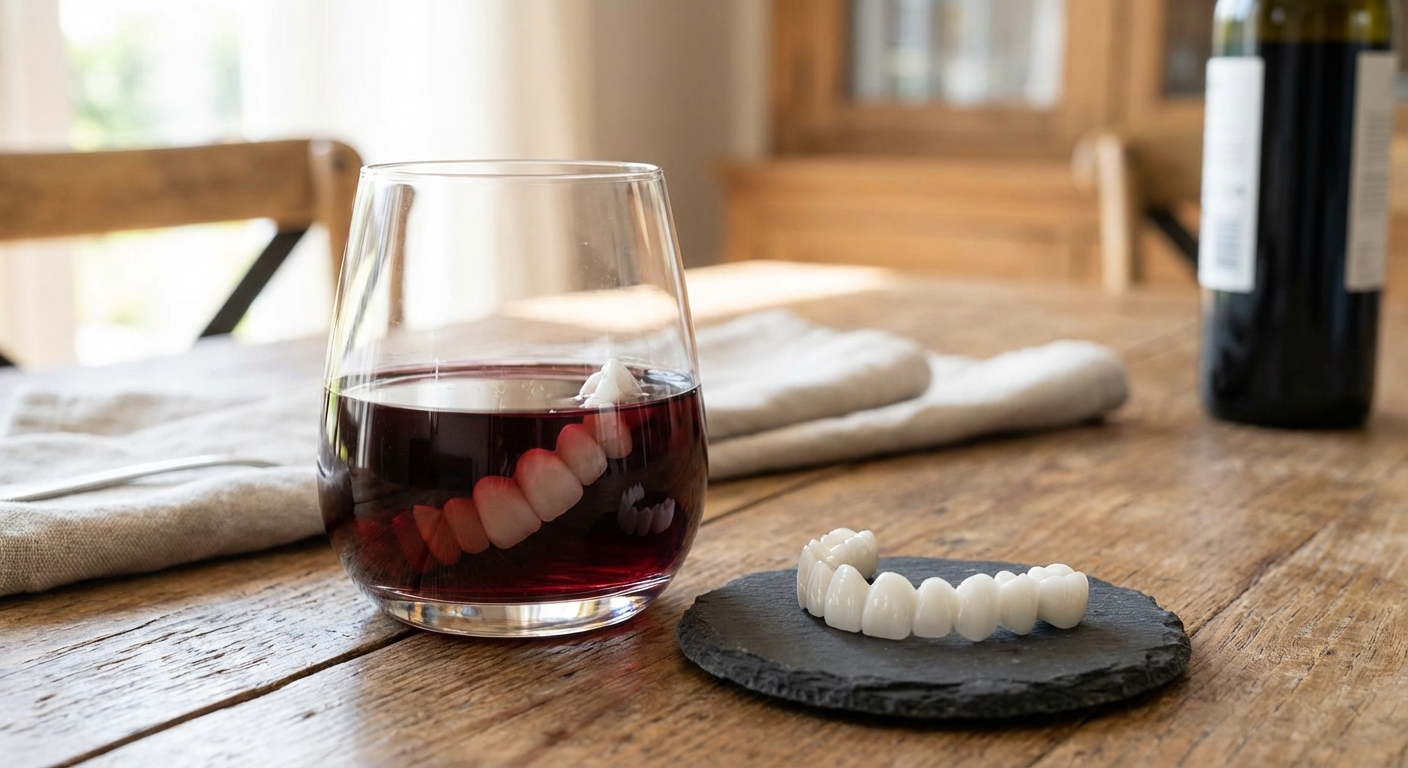
A zirconium bridge will stay white for the duration of its lifespan because its dense, non-porous surface is impervious to external pigments. While a natural zirconium bridge does not change color, it is resistant to the daily stains caused by coffee, tea, and red wine.
Unlike plastic dentures or composite fillings, the color of zirconia is locked in during the manufacturing process. It will not yellow or darken as the years pass.
Resistance to Common Staining Agents
Natural enamel has tiny pores that trap molecules from food and drink, leading to staining. Zirconia is a dense crystalline structure that has no such pores.
- Impermeable to tobacco and nicotine stains.
- Resistant to the acids found in citrus and soda.
- Maintains a polished “wet” look without dulling.
Think about this: You can enjoy your favorite dark beverages without worrying about your front teeth turning a different shade than the rest of your mouth.
Long-Term Color Stability
The color of a zirconia bridge is part of its chemical makeup, not just a surface coating. This ensures that even if you have a habit of grinding, the “inner” color is the same as the “outer” color.
Here is the truth: As long as you maintain your hygiene, your bridge will look as bright in ten years as it did on day one. It provides a permanent whitening effect for those missing teeth.
Key Takeaway: You save time and money on future whitening treatments because your bridge is naturally immune to discoloration.
| Stain Factor | Resistance Level | |
|---|---|---|
| Coffee/Tea | 100% Resistant | |
| Red Wine | 100% Resistant | |
| Food Pigments | 100% Resistant |
The high-density nature of technical ceramics prevents the absorption of organic dyes, ensuring consistent aesthetics for years.
How does a zirconium bridge compare to porcelain?
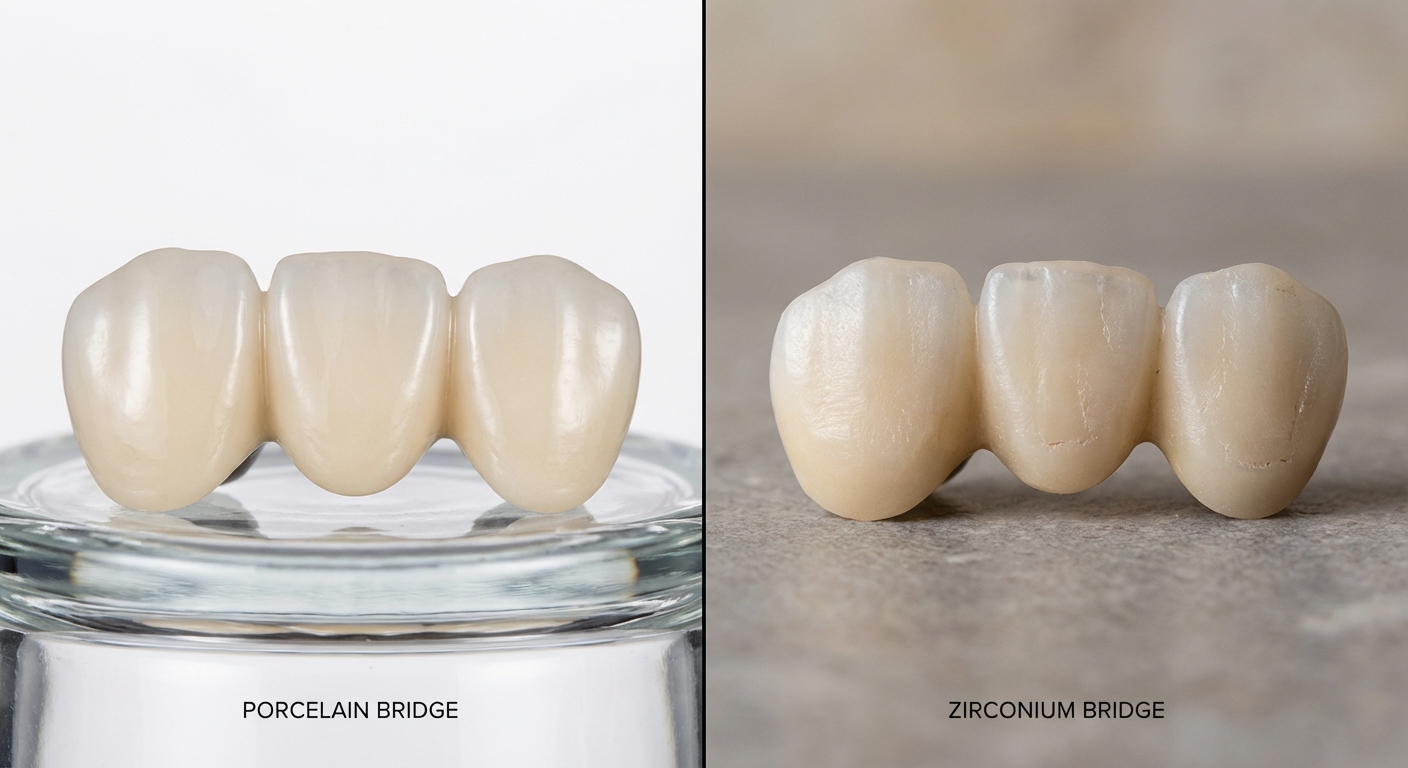
A zirconium bridge is significantly stronger than a traditional porcelain bridge, which is often brittle and prone to shattering under high pressure. When comparing a zirconium bridge to porcelain, the most striking difference is the fracture toughness and the lack of a metal base.
While porcelain can look beautiful, it often requires a dark metal framework to survive the forces of chewing. Zirconia provides that strength within the material itself, allowing for a 100% ceramic restoration.
Strength and Fracture Toughness
Standard porcelain has a low tolerance for “point loading”—if you bite a hard seed, it can chip. Zirconia is designed to absorb and distribute that force without failing.
- Zirconia is up to 5 times stronger than standard porcelain.
- No risk of porcelain “de-bonding” from a metal core.
- Better edge strength prevents small chips at the tooth tip.
It represents a massive leap forward in dental material engineering.
Aesthetics and Metal Lines
Traditional porcelain-fused-to-metal (PFM) bridges often develop a grey line near the gums as the tissue recedes. Because zirconia is white throughout, no such line will ever appear.
Here is the best part: Zirconia allows light to flow through the tooth and into the gums, giving the tissue a healthy, pink glow. Porcelain-over-metal blocks this light, often making the gums look dark or unhealthy.
Key Takeaway: You get the beauty of porcelain with the strength of a heavy-duty industrial material, giving you the best of both worlds.
| Feature | Porcelain (PFM) | Zirconium Bridge | |
|---|---|---|---|
| Internal Support | Metal Frame | Solid Zirconia | |
| Strength | Moderate (Brittle) | Very High (Tough) | |
| Gum Line Appearance | Dark line possible | Always natural |
Analyzing these differences reveals that modern zirconia has rendered older metal-based porcelain bridges nearly obsolete for high-demand patients.
What determines the cost of a zirconium bridge?

The cost of a zirconium bridge is determined by the number of teeth being replaced, the complexity of the digital design, and the quality of the zirconia material used. While a zirconium bridge typically represents a higher initial investment than a metal bridge, its longevity provides superior value over time.
Factors such as the expertise of the dental technician and the specific type of zirconia (such as high-translucency or multilayered) also influence the final price. However, its resistance to breakage means fewer replacement costs in the future.
Material Grades and Customization
Not all zirconia is created equal; premium grades offer better aesthetics and strength. The process of customizing the bridge to match your unique smile requires artistic skill and high-end software.
- Standard Monolithic: High strength, used for back teeth.
- High-Translucency: Superior aesthetics, used for front teeth.
- Multi-layered: Built-in color gradients for the most natural look.
You are paying for a piece of custom medical technology tailored specifically to your DNA.
Long-Term Financial Value
Consider the cost of replacing a cheaper bridge every 5-7 years due to chips or gum recession. A zirconia bridge is designed to be a decades-long solution.
Think about this: By investing in a higher-quality material now, you avoid the pain, time, and expense of repeated dental visits down the road. It is an investment in your health and your professional appearance.
Key Takeaway: While the upfront price is higher, the “cost per year” is often lower than any other dental restoration available today.
| Cost Factor | Impact on Price | |
|---|---|---|
| Number of Units | Primary driver of cost. | |
| Zirconia Grade | Premium aesthetics increase fee. | |
| Laboratory Tech | Higher skill levels ensure better fit. |
Investing in high-grade restorations reduces the risk of secondary dental issues that could lead to even more expensive surgical procedures.
How do you clean a zirconium bridge properly?
Cleaning a zirconium bridge is straightforward and similar to cleaning natural teeth, though you must pay special attention to the area underneath the pontic. Using a zirconium bridge does not exempt you from oral hygiene; you must brush and floss daily to keep the supporting teeth healthy.
Because the bridge is one solid piece, standard floss cannot pass between the teeth. Specialized tools like water flossers or bridge threaders are required to clear debris from the gap where the bridge meets the gums.
Essential Hygiene Tools
To maintain the shine and health of your restoration, you should use non-abrasive tools that won’t scratch the polished surface.
- Soft-bristled electric or manual toothbrush.
- Non-abrasive fluoride toothpaste.
- Water flosser (Power flosser) for irrigation.
These tools ensure that no bacteria remain trapped where they could cause gum inflammation.
Professional Maintenance
Regular dental check-ups are vital so your dentist can inspect the integrity of the bridge and the health of the anchor teeth.
Here is a tip: Even though the zirconia can’t get a cavity, the natural tooth underneath the crown still can. Regular cleanings remove the hardened tartar that you can’t reach at home, ensuring the bridge stays stable.
Key Takeaway: Simple daily maintenance ensures your bridge stays bright and your breath stays fresh, protecting your long-term investment.
| Cleaning Step | Frequency | Recommended Tool | |
|---|---|---|---|
| Brushing | 2x Daily | Soft-bristle brush | |
| Under-Bridge | 1x Daily | Water flosser / Threader | |
| Check-up | 2x Yearly | Professional Exam |
Consistent hygiene is the most significant factor in preventing localized gum disease and ensuring the longevity of your dental prosthetic.
Who is the best candidate for a zirconium bridge?
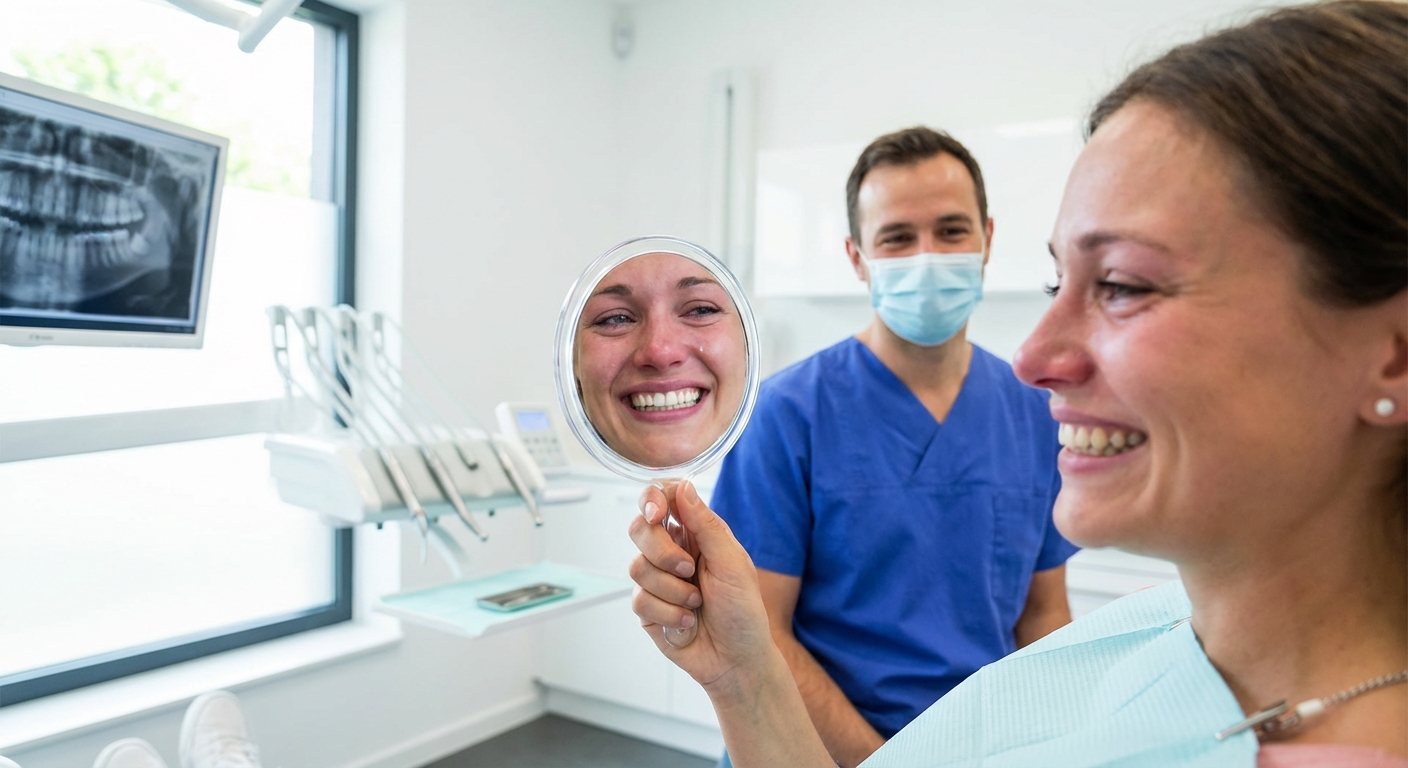
The best candidate for a zirconium bridge is an individual missing one to three consecutive teeth who has strong, healthy teeth on either side of the gap. A zirconium bridge is also a perfect solution for those who have failed metal bridges or are looking to upgrade from a removable partial denture.
Patients who struggle with metal allergies or those who grind their teeth (bruxism) are excellent candidates because of the material’s biocompatibility and strength. Your dentist will evaluate your bone density and gum health during a consultation.
Ideal Dental Conditions
For a bridge to be successful, the “abutment” teeth (the anchors) must be free of significant decay or gum disease.
- Healthy bone structure to support the load.
- Commitment to high-quality oral hygiene.
- Adequate space for the bridge between existing teeth.
If these conditions are met, the bridge can provide a seamless restoration of your chewing function.
Special Considerations
Even if you aren’t the perfect candidate initially, pre-treatments like gum therapy or dental implants can often make a zirconia bridge possible.
Look: If you want a “Hollywood” smile that doesn’t look fake, this is the material for you. It is the preferred choice for high-profile professionals who cannot afford to have a noticeable dental prosthetic.
Key Takeaway: You benefit from a consultation that analyzes your unique needs to ensure the bridge provides both a beautiful look and a functional bite.
| Candidate Profile | Recommendation | |
|---|---|---|
| Missing 1-3 Teeth | Highly recommended. | |
| Metal Sensitivity | The safest option available. | |
| Heavy Bite/Grinder | Best choice for fracture resistance. |
A comprehensive evaluation ensures that the selected restoration path aligns with your long-term health goals and lifestyle requirements.
Restore Your Smile Today
A zirconium bridge is more than just a dental prosthetic; it is a restoration of your quality of life. By solving the problems of missing teeth, metal allergies, and fragile porcelain, this technology allows you to eat, speak, and laugh without a second thought. We are committed to the future of dental materials, where strength never comes at the expense of beauty. To see how these advanced materials can transform your specific situation, contact us today to begin your journey toward a stronger, more natural-looking smile.
FAQ: Common Questions About Zirconium Bridges
- Can I eat sticky or hard foods with a zirconia bridge?Yes, once the bridge is permanently bonded, you can eat normally. However, avoid biting directly into non-food items or extremely hard candy to prevent unnecessary stress on the anchor teeth.
- What is the best way to prevent a bridge from failing?The best way is to maintain impeccable hygiene around the supporting teeth. If the natural teeth under the bridge remain healthy, the zirconia bridge itself is unlikely to ever fail.
- How do I know if I’m allergic to my current metal bridge?If your gums are constantly red, swollen, or bleed around your bridge despite good cleaning, or if you have a persistent metallic taste, you may have a metal sensitivity.
- Can a zirconium bridge be used on dental implants?Absolutely. In fact, zirconia is often the material of choice for full-arch implant restorations (All-on-4 or All-on-6) because of its immense strength.
- What’s the best way to keep my bridge looking new?Avoid using highly abrasive “whitening” toothpastes, as they can microscopically scratch the surface over many years. A standard fluoride toothpaste and regular professional polishing are all you need.