In modern industrial manufacturing, component failure due to extreme wear and thermal stress is a constant threat to your operational uptime. When your critical parts degrade prematurely, it results in expensive downtime, compromised product quality, and mounting replacement costs that erode your bottom line. To solve these engineering challenges, Zirconium Oxide provides an advanced ceramic solution characterized by exceptional fracture toughness, chemical inertness, and high-temperature stability.
What is the chemical composition of Zirconium Oxide?
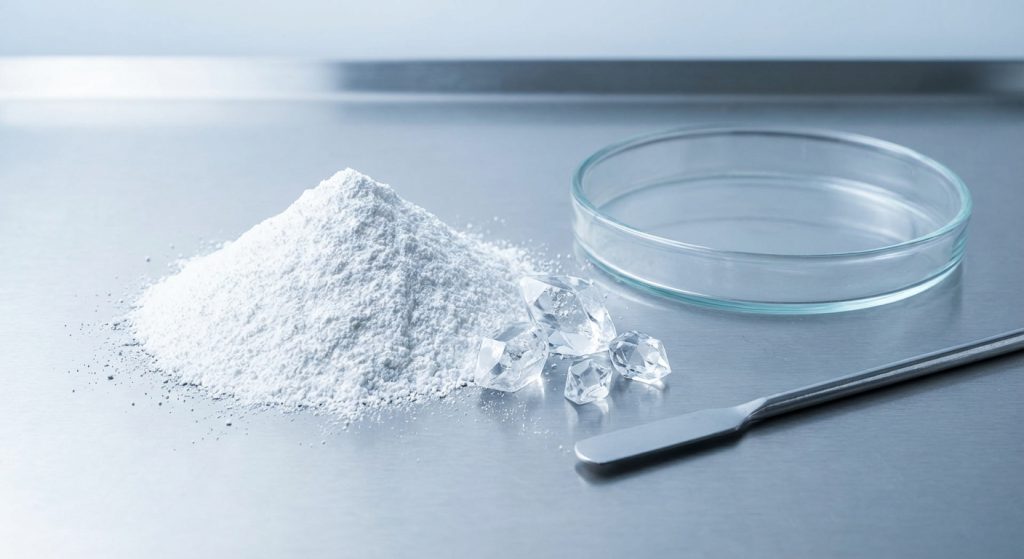
Zirconium Oxide, often referred to as zirconia (ZrO2), is a white crystalline oxide of the transition metal zirconium. It is a non-metallic, inorganic material that transforms through various phases—monoclinic, tetragonal, and cubic—depending on temperature. This specific molecular behavior allows manufacturers to stabilize the material for high-performance applications.
Understanding the crystalline phases
Do you know how phase transformation affects durability? At room temperature, the material exists in a monoclinic state, but it transitions to a tetragonal phase at higher temperatures. By adding stabilizers like yttria or magnesia, you can “lock” the high-strength tetragonal phase into place.
Believe it or not, this is what gives the material its famous toughness.
- Monoclinic: Stable at room temperature.
- Tetragonal: High-strength phase used in engineering.
- Cubic: Highly stable at extremely high temperatures.
Key Takeaway: The chemical versatility of this compound allows for the creation of “ceramic steel,” a material that resists cracking far better than traditional glass or porcelain.
| Property Type | Characteristic | |
|---|---|---|
| Chemical Formula | ZrO2 | |
| Molecular Weight | 123.22 g/mol | |
| Density | ~6.0 g/cm³ |
How hard is Zirconium Oxide compared to other ceramics?
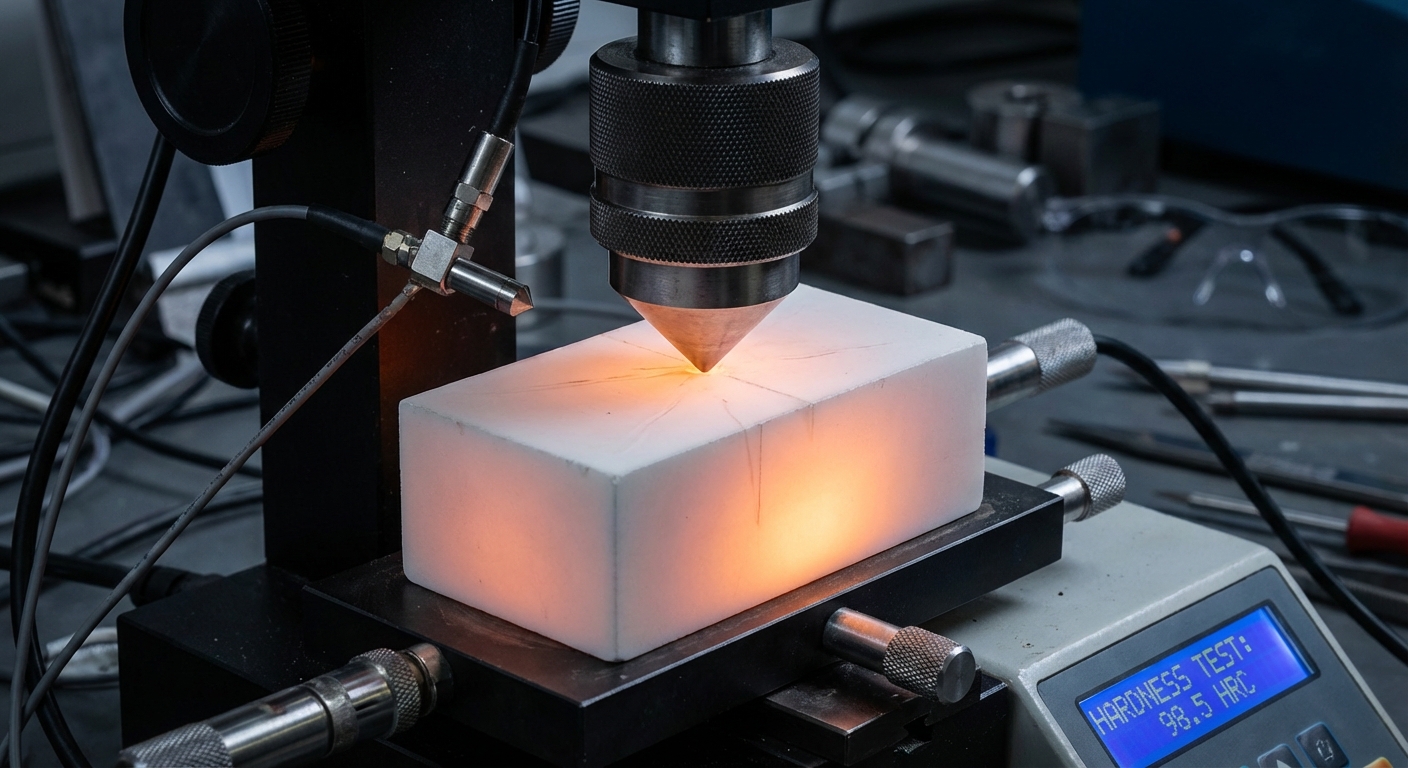
Zirconium Oxide is an exceptionally hard material that ranks significantly higher than traditional porcelain and even many metal alloys on the Mohs scale. Its hardness is often compared to titanium, yet it offers superior wear resistance and a much lower friction coefficient in mechanical systems. This makes it an ideal choice for Zirconium Oxide components that must withstand constant abrasive forces.
Measuring mechanical strength
How does your current material handle surface pressure? Zirconia scores roughly 8.5 on the Mohs scale, which means very few substances can actually scratch or gouge its surface. You will find that this hardness translates directly to a longer service life for industrial components.
Best of all, this hardness doesn’t come with the typical brittleness found in other ceramics.
- Vickers Hardness: Often exceeds 1200 HV.
- Wear Resistance: Minimal material loss over long cycles.
- Surface Finish: Capable of being polished to a mirror-like sheen.
Key Takeaway: The high hardness of this ceramic ensures that your precision parts maintain their dimensional accuracy even under the most punishing industrial conditions.
| Material | Mohs Hardness | Typical Use | |
|---|---|---|---|
| Porcelain | 7.0 | Household tiles | |
| Zirconia | 8.5+ | Industrial wear parts | |
| Diamond | 10.0 | Cutting tools |
Does Zirconium Oxide offer high thermal resistance?
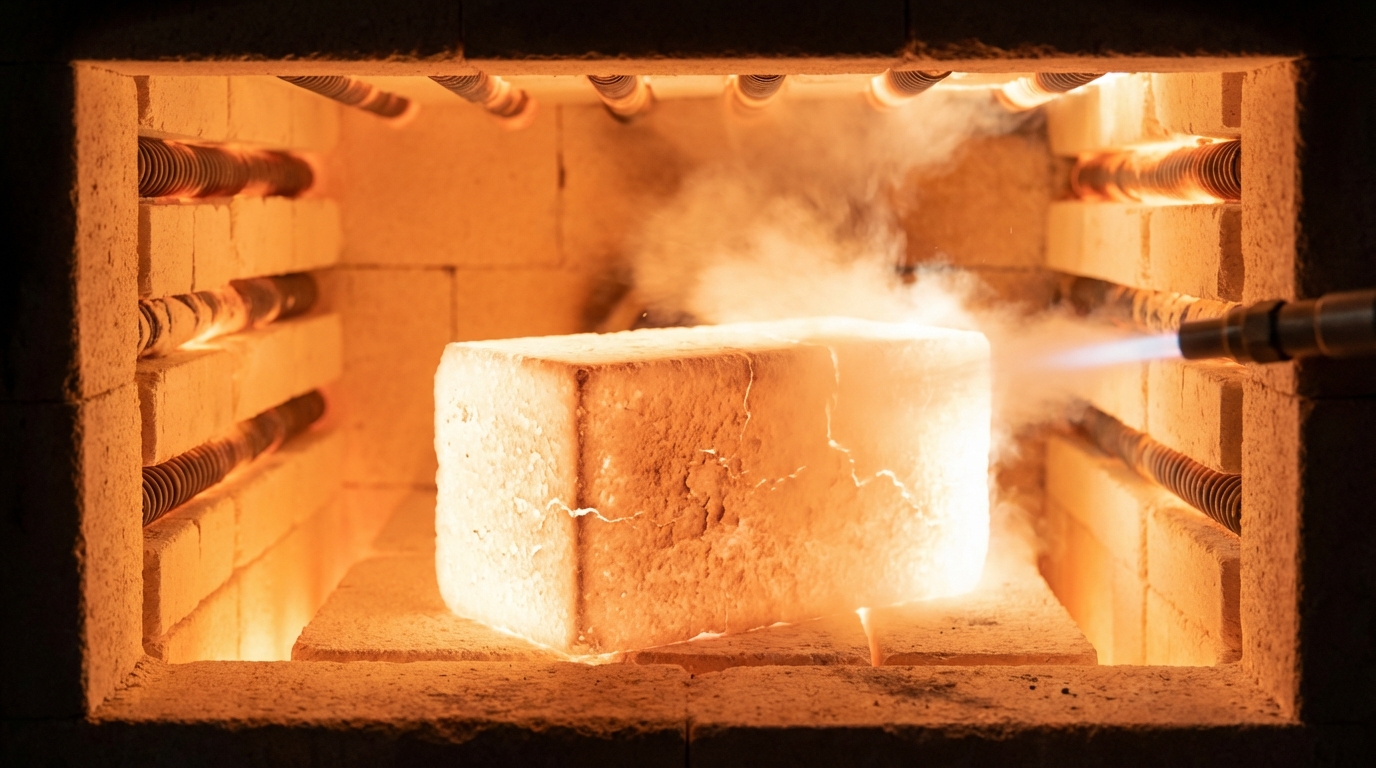
Yes, Zirconium Oxide possesses an incredibly high melting point and exceptionally low thermal conductivity. These properties allow it to act as an effective thermal barrier, protecting underlying structures from heat damage in furnaces and engines. It can withstand temperatures exceeding 2400°C while maintaining its structural integrity.
Performance in high-heat environments
Are you struggling with thermal shock in your production line? Zirconia’s low thermal conductivity ensures that heat does not transfer quickly through the material, which protects sensitive equipment. You can rely on it for kiln linings and heat shields where other materials would simply melt or deform.
Think about this: most metals would have liquified long before zirconia even begins to soften.
- Melting Point: Approximately 2,715°C.
- Thermal Expansion: Low enough to resist cracking.
- Insulation: Keeps heat contained within the process zone.
Key Takeaway: Its ability to survive extreme thermal cycling makes it the gold standard for refractory applications and aerospace heat shields.
| Temperature Range | Performance Level | |
|---|---|---|
| 1000°C – 1500°C | Excellent structural stability | |
| 2000°C+ | Maintains refractory properties | |
| Melting Point | ~2715°C |
Is Zirconium Oxide resistant to chemical corrosion?
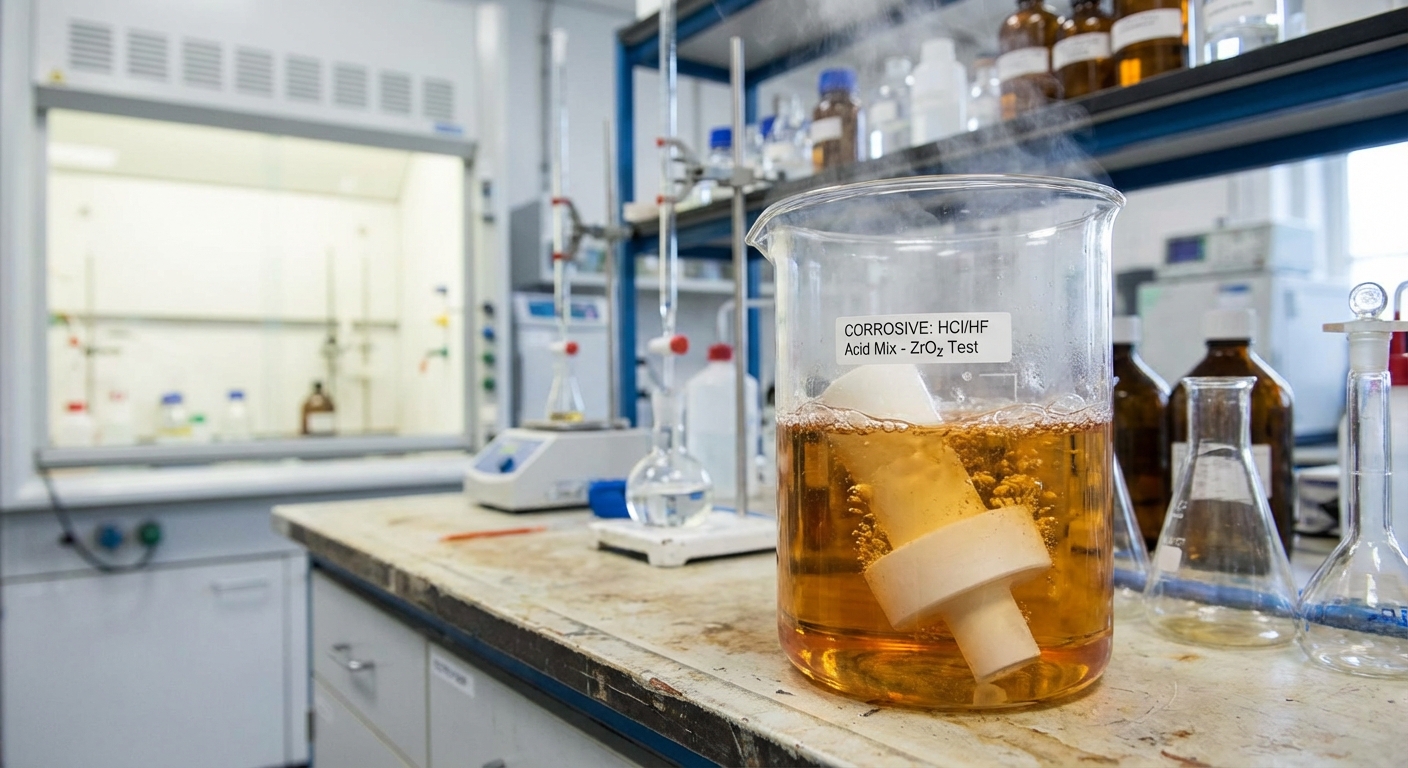
Zirconium Oxide is chemically inert to most organic and inorganic acids, alkalis, and molten metals. This resistance ensures that the material does not leach impurities into sensitive processes or degrade when exposed to harsh industrial chemicals. Choosing Zirconium Oxide prevents the costly downtime associated with corroded components in chemical processing plants.
Integrity in acidic environments
Can your current components survive a bath in concentrated sulfuric acid? Zirconia is one of the few materials that remains completely unaffected by most corrosive agents at both room and elevated temperatures. You will find it particularly useful in laboratory environments where purity is non-negotiable.
The bottom line is that chemical stability equals process reliability.
- Acid Resistance: Unaffected by HCl and H2SO4.
- Alkali Stability: Resists high-pH cleaning agents.
- Molten Metal Inertness: Ideal for casting crucibles.
Key Takeaway: Chemical inertness allows this material to thrive in environments that would destroy stainless steel or less advanced technical ceramics.
| Agent Type | Resistance Level | |
|---|---|---|
| Strong Acids | Highly Resistant | |
| Strong Bases | Highly Resistant | |
| Organic Solvents | Fully Inert |
Why use Zirconium Oxide in sanitary ceramics?
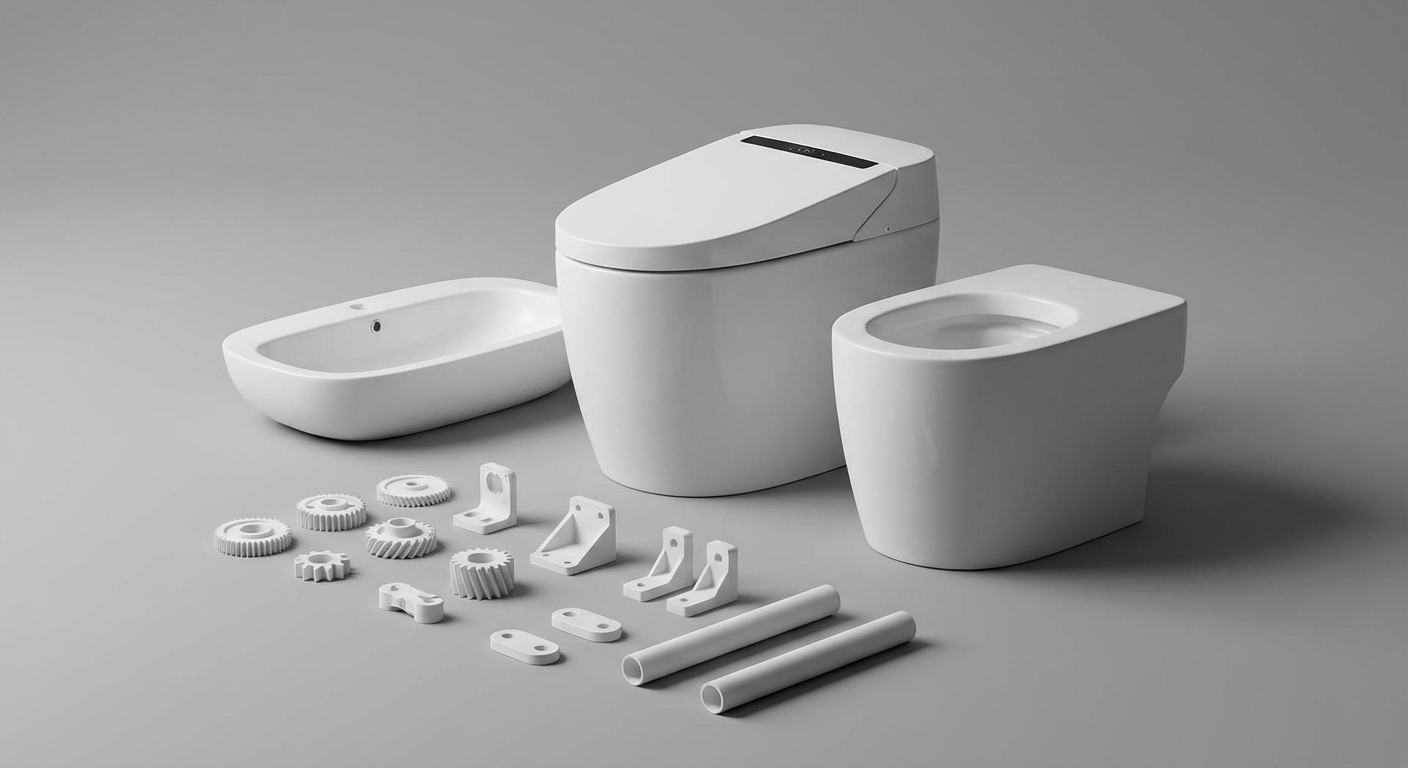
Zirconium Oxide is used as an opacifier and strengthening agent to improve the aesthetic and structural quality of sanitary ware. It provides a brilliant, stable whiteness and a smooth surface finish that is resistant to scratches and bacterial growth. Furthermore, it helps control the glaze’s expansion to prevent surface defects like pinholes or cracking.
Aesthetic and functional benefits
Do you want your products to maintain a premium look for decades? Adding zirconia to your ceramic glazes increases the opacity, ensuring a uniform white color regardless of the body material. You also benefit from a surface that is much harder to scratch than standard porcelain glazes.
Wait, there’s more: the smooth surface significantly reduces the accumulation of grime and biofilm.
- Opacity: High refractive index for better color.
- Hygiene: Non-porous surface resists bacteria.
- Durability: Resists chipping in high-traffic areas.
Key Takeaway: In the sanitary industry, this material bridges the gap between high-end aesthetics and long-term structural durability.
| Feature | Consumer Benefit | |
|---|---|---|
| High Whiteness | Premium aesthetic appeal | |
| Scratch Resistance | Maintains “new” look longer | |
| Non-Porous | Easier to clean and sanitize |
How does Zirconium Oxide improve grinding media?
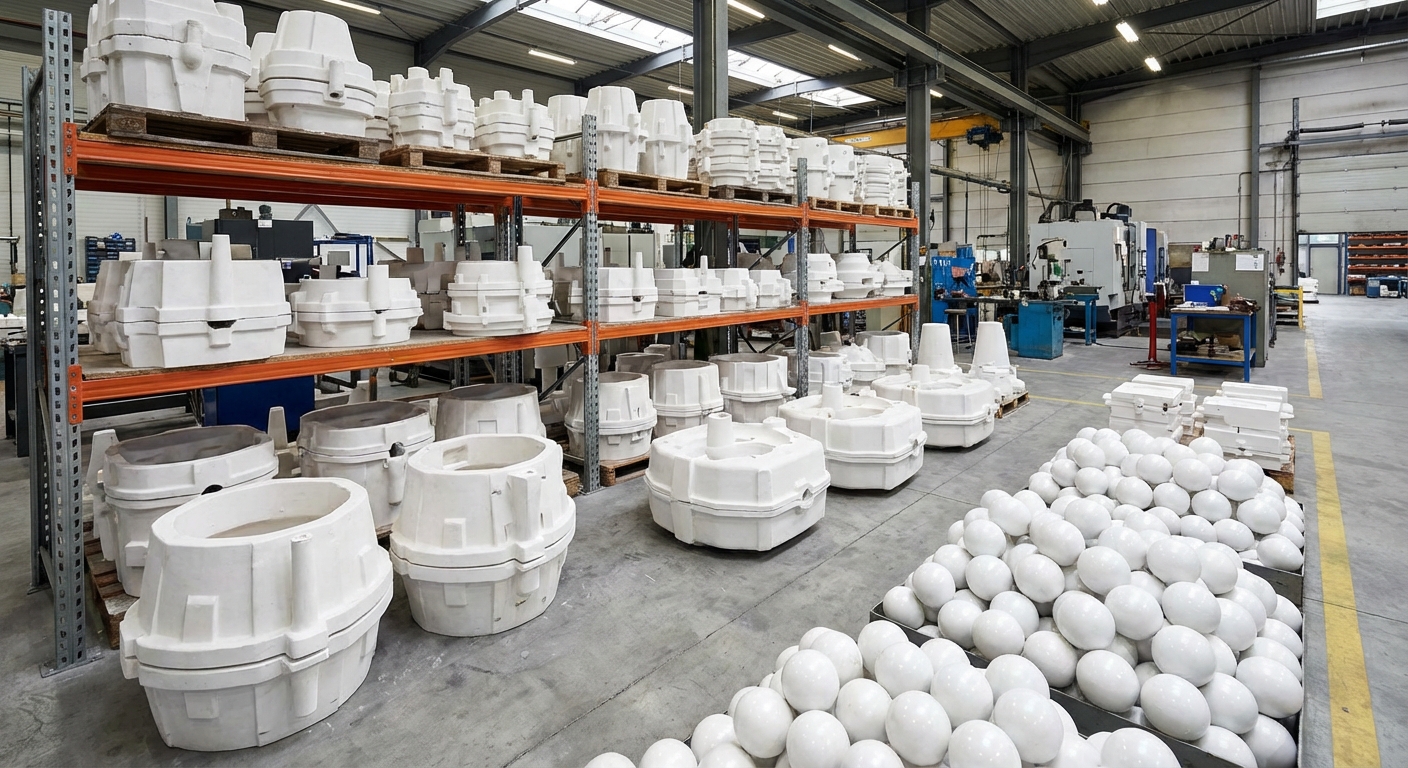
Zirconium Oxide grinding media offers high density and superior fracture toughness, which leads to faster milling and less material contamination. Because the beads are so hard and durable, they wear down much slower than glass or alumina media. Utilizing Zirconium Oxide in your mill reduces the frequency of bead replacement and keeps your product pure.
Optimizing the milling process
Are you tired of frequent bead breakages contaminating your batch? Because zirconia has such high fracture toughness, the beads don’t shatter under the high-energy impact of modern mills. You can achieve sub-micron particle sizes much faster due to the high density of the media.
As you might expect, better media leads to a more consistent final product.
- High Density: Increases kinetic energy for faster milling.
- Low Wear Rate: Reduces product contamination.
- Spherical Uniformity: Ensures consistent grinding action.
Key Takeaway: High-performance grinding media made from this ceramic is essential for manufacturers requiring ultra-pure, fine-particle dispersions.
| Media Type | Density (g/cm³) | Wear Rate | |
|---|---|---|---|
| Alumina | 3.6 – 3.9 | Moderate | |
| Zirconia | 6.0 | Extremely Low | |
| Glass | 2.5 | High |
Can Zirconium Oxide power solid oxide fuel cells?
Zirconium Oxide acts as the solid electrolyte in fuel cells because it becomes ionically conductive at high temperatures. It allows oxygen ions to move from the cathode to the anode while remaining an electrical insulator for electrons. This unique property makes it the backbone of clean energy technologies that convert chemical energy into electricity.
The role in clean energy
Is your company looking toward sustainable energy solutions? In a Solid Oxide Fuel Cell (SOFC), yttria-stabilized zirconia (YSZ) provides the necessary stability to operate at temperatures between 600°C and 1000°C. You will find that its long lifespan significantly improves the feasibility of stationary power plants.
Here’s the deal: without zirconia, efficient high-temperature fuel cell technology wouldn’t be possible.
- Ionic Conductivity: Efficiently transports oxygen ions.
- Thermal Stability: Survives years of high-heat operation.
- Efficiency: Enables high energy conversion rates.
Key Takeaway: Zirconia is a critical enabling material for the hydrogen economy and decentralized clean power generation.
| Component | Material Role | |
|---|---|---|
| Electrolyte | Ion transport (YSZ) | |
| Interconnect | Structural support | |
| Operating Temp | 600°C – 1000°C |
What makes Zirconium Oxide the best choice for dental?
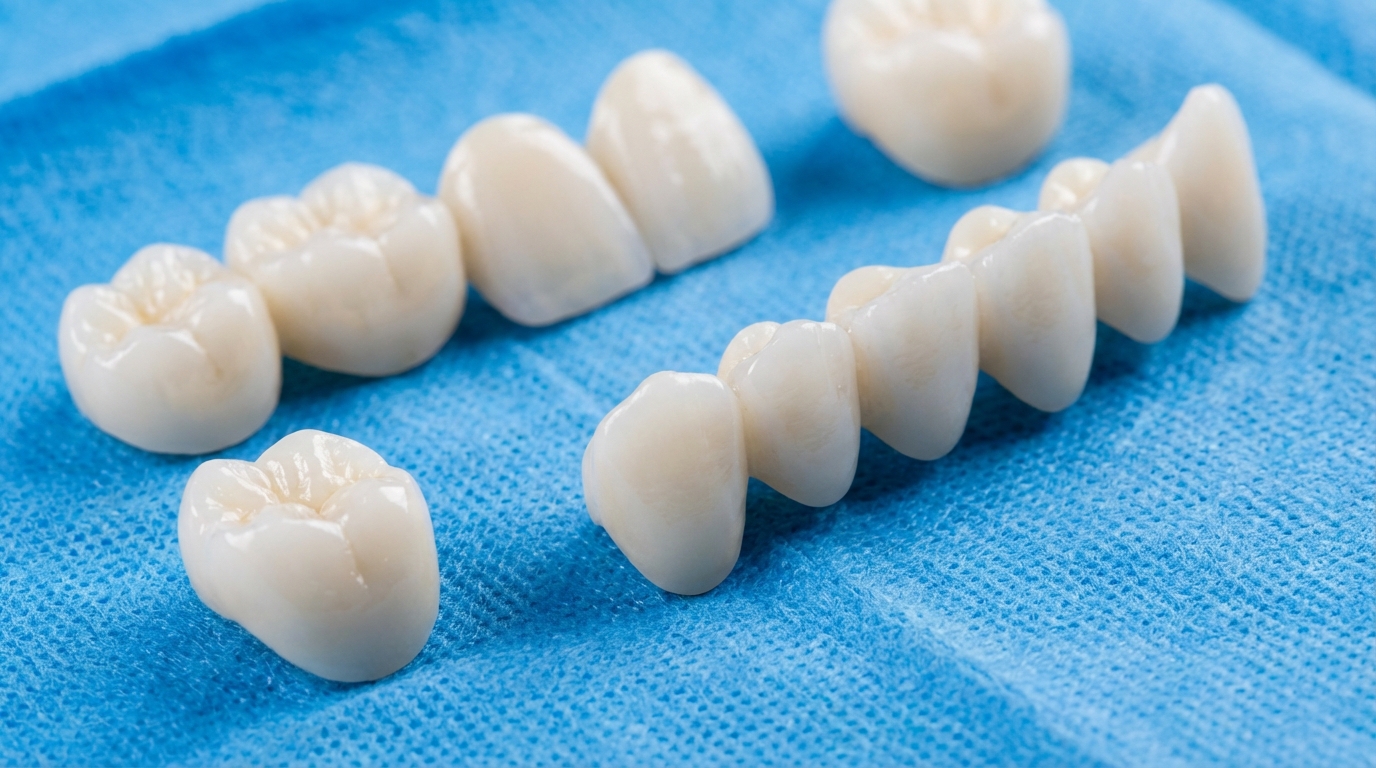
Zirconium Oxide is the preferred material for dental crowns and bridges because of its excellent biocompatibility and natural translucency. Unlike metal-based restorations, it does not cause allergic reactions or leave dark lines at the gumline. By using Zirconium Oxide , dentists can provide patients with restorations that are virtually indistinguishable from natural teeth.
Advancing dental prosthetics
Do you want restorations that can withstand the immense forces of biting and chewing? Zirconia is five times stronger than traditional porcelain, making it nearly indestructible during everyday use. You can offer patients a long-lasting solution that combines beauty with extreme mechanical strength.
In simple terms, it is the most reliable material in modern restorative dentistry.
- Biocompatibility: No adverse reactions in the mouth.
- Aesthetics: Mimics the translucency of tooth enamel.
- Precision: Perfect for CAD/CAM milling workflows.
Key Takeaway: The combination of metal-like strength and glass-like aesthetics has made zirconia the industry standard for high-end dental prosthetics.
| Feature | Dental Benefit | |
|---|---|---|
| Strength | Resists chipping and fractures | |
| Metal-Free | No “grey” margins at gums | |
| Biocompatible | Safe for long-term oral use |
How does Zirconium Oxide rank on performance charts?
Zirconium Oxide consistently ranks at the top of advanced ceramic charts for its superior fracture toughness and flexural strength. While other ceramics like alumina are harder, they are much more brittle and prone to catastrophic failure. Zirconia’s unique “transformation toughening” mechanism allows it to stop cracks from spreading through the material.
Analyzing the data
How do you choose between alumina, silicon carbide, and zirconia? If your application involves impact or bending stresses, zirconia is almost always the winner. Look at the facts: zirconia can bend where other ceramics would shatter instantly.
The chart below highlights why engineers choose zirconia for heavy-duty structural parts.
- Fracture Toughness: Highest among technical ceramics.
- Flexural Strength: Exceeds 900 MPa in stabilized grades.
- Density: Higher than most common oxides.
Key Takeaway: When mechanical reliability and resistance to breakage are your primary concerns, zirconia is the statistically superior material.
| Metric | Zirconia (YSZ) | Alumina (99%) | |
|---|---|---|---|
| Fracture Toughness | 8-12 MPa·m½ | 3-4 MPa·m½ | |
| Flexural Strength | 900-1200 MPa | 300-400 MPa | |
| Thermal Conductivity | 2-3 W/m·K | 30 W/m·K |
Where can you source high-purity Zirconium Oxide?
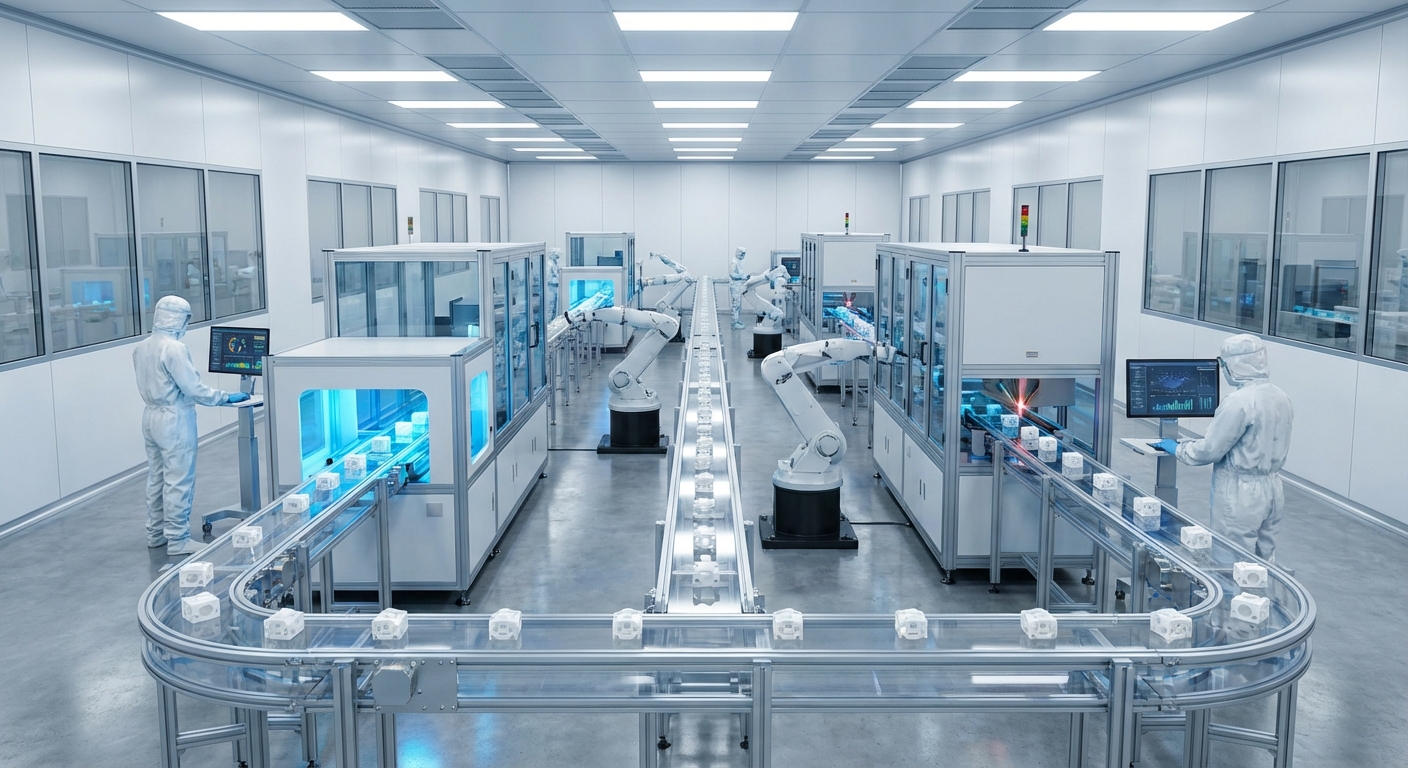
High-purity Zirconium Oxide should be sourced from vertically integrated manufacturers who control the production process from ore to finished powder. This ensures consistent particle size distribution (PSD) and phase purity, which are critical for predictable sintering results. Working with a dedicated provider of Zirconium Oxide ensures you receive full batch traceability and engineering support.
Evaluating supply chain stability
Are you struggling with batch-to-batch inconsistency in your production? You need a partner that provides full characterization data, including whiteness levels and chemical composition, with every shipment. Most importantly, look for a supplier that can customize specifications to your specific application needs.
Our production lines are designed to eliminate the risks associated with material variation.
- Quality Control: Rigorous testing at every stage.
- Customization: Tailored PSD for your sintering curve.
- Reliability: Long-term supply agreements available.
Key Takeaway: Partnering with a specialist manufacturer ensures that your materials meet the strict tolerances required for advanced industrial applications.
| QC Parameter | Standard Practice | Our Benchmark | |
|---|---|---|---|
| PSD Consistency | ±15% | ±5% | |
| Phase Purity | >95% | >99% | |
| Whiteness Variance | ±3 units | ±1 unit |
Conclusion
Zirconium Oxide is more than just a material; it is a fundamental building block for the next generation of high-performance industrial and medical technologies. Whether you are looking to enhance the wear life of your machinery, develop clean energy solutions, or create beautiful dental restorations, the properties of this “ceramic steel” offer unparalleled advantages. At ZrBrontec, we are committed to providing the technical expertise and high-purity materials you need to thrive in a competitive landscape. To discuss your specific application and optimize your material performance, contact us today and speak with one of our expert engineers.
Frequently Asked Questions
1. Can I customize the particle size distribution for my specific process?Yes. We can adjust D10, D50, and D90 values and control the distribution width to ensure the powder matches your specific sintering and processing requirements.
2. What’s the best way to determine if Zirconium Oxide is right for my application?Consult with an engineer. We analyze your thermal, chemical, and mechanical stress environment to provide a data-backed recommendation on the best material grade for your needs.
3. How do I know if my zirconia powder is high purity?Check the COA. A reliable supplier provides a Certificate of Analysis with every batch, showing XRF/ICP analysis of trace impurities like iron, titanium, and silica.
4. Can I use Zirconium Oxide for food-grade applications?Yes, provided it meets specific standards. Because it is chemically inert and non-leaching, stabilized zirconia is often used in food processing components where hygiene is critical.
5. What’s the best stabilizer for high-strength engineering parts?Yttria (3Y-TZP) is generally best. It provides the highest room-temperature strength and fracture toughness, which is essential for structural components and dental parts.