A zirconia crown offers superior durability and aesthetics compared to traditional PFM restorations, making it the modern choice for most clinical situations. Imagine a patient sitting in your chair with a fractured molar, frustrated by the failure of a previous restoration. This scenario is all too common when materials fail to withstand occlusal forces, costing you valuable chair time and damaging your reputation. By switching to a high-quality Zirconia Crown workflow, you ensure longevity for the restoration and peace of mind for your patient.
What Composition Defines a Zirconia Crown?
A Zirconia Crown is composed of zirconium dioxide (ZrO2), a crystalline oxide ceramic stabilized with yttria to maintain its structure at room temperature. Unlike Porcelain Fused to Metal (PFM) crowns, which rely on a cast metal alloy substructure for support, zirconia is a monolithic ceramic material. This composition eliminates the risk of opaque metal show-through while providing a uniform, white substrate that mimics the natural dentin core.
Here is the deal: The purity of the raw powder used in manufacturing determines the final stability and phase transformation toughening of the crown.
- Monoclinic Phase: The stable form at room temperature, but weak.
- Tetragonal Phase: The strong phase stabilized by yttria.
- Cubic Phase: Added for translucency in aesthetic zones.
How Does Strength of Zirconia Crowns Compare?
The flexural strength of a Zirconia Crown ranges from 900 to 1200 MPa, vastly outperforming the 80-120 MPa typical of feldspathic porcelain used on PFMs. While the metal substructure of a PFM is strong, the weak link is always the veneer porcelain, which is prone to chipping under heavy occlusal load. Zirconia offers a homogeneous strength profile that resists fracture even in patients with bruxism.
You might be wondering, does this extreme hardness damage opposing teeth?
- Polished zirconia is less abrasive to enamel than feldspathic porcelain.
- Glazed zirconia can be abrasive if the glaze wears off.
- Proper finishing protocols are essential for protecting the antagonist dentition.
Why Are Aesthetics of Zirconia Crowns Superior?
Modern zirconia formulations have overcome the “synthetic white” look of early generations by increasing the cubic phase content for better light transmission. A Zirconia Crown now offers translucency that rivals lithium disilicate, allowing it to blend seamlessly with adjacent natural teeth. PFM crowns, conversely, require an opaque layer to mask the grey metal coping, which often results in a restoration that looks lifeless or “flat” in bright light.
But here’s the kicker: The dreaded “black line” at the gum margin is completely eliminated with zirconia.
- PFM: Metal margins often become visible if gum recession occurs.
- Zirconia: The material is tooth-colored throughout, ensuring margins remain invisible.
- Layering: Cut-back designs allow for porcelain layering on the facial surface for hyper-realistic results.
How Is a Zirconia Crown Manufactured?
The manufacturing of a Zirconia Crown relies on precise Computer-Aided Design and Computer-Aided Manufacturing (CAD/CAM) workflows. Instead of the labor-intensive lost-wax casting technique used for PFM metal copings, zirconia is milled from pre-sintered blocks (green state) and then fired in a furnace to achieve full density. This digital process eliminates casting distortion and ensures a marginal fit often within microns of the preparation.
Ready for the good part? This efficiency translates directly to your lab turnaround times.
- Scan: Digital impressions replace messy alginate.
- Design: Software allows for control over occlusion and contact points.
- Mill: 5-axis milling units carve the anatomy in minutes.
- Sinter: The furnace shrinks the crown by ~20% to reach its final hardness.
Is a Zirconia Crown Biocompatible for Patients?
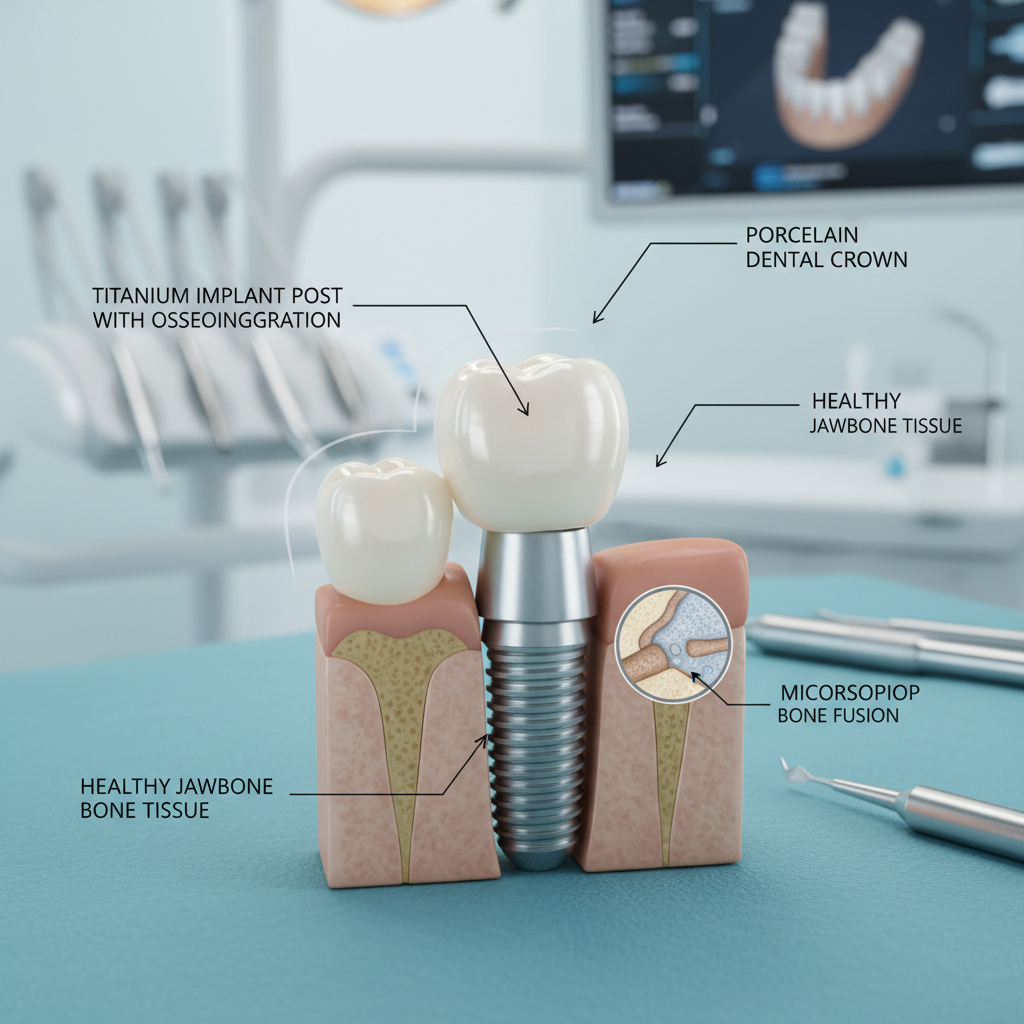
A Zirconia Crown is chemically inert and metal-free, making it the gold standard for biocompatibility in modern restorative dentistry. Many patients exhibit sensitivities or allergies to the nickel, beryllium, or chromium often found in base-metal PFM alloys. Zirconia eliminates these risks entirely, promoting a healthy gingival response with no inflammation or discoloration of the surrounding soft tissue.
What’s the real story? Gum tissue loves highly polished zirconia.
- Plaque Accumulation: Significantly lower on zirconia than on titanium or gold.
- Soft Tissue Attachment: Fibroblasts attach readily to the surface.
- Corrosion: Zero risk of galvanic currents or metallic taste.
What Prep Is Needed for a Zirconia Crown?
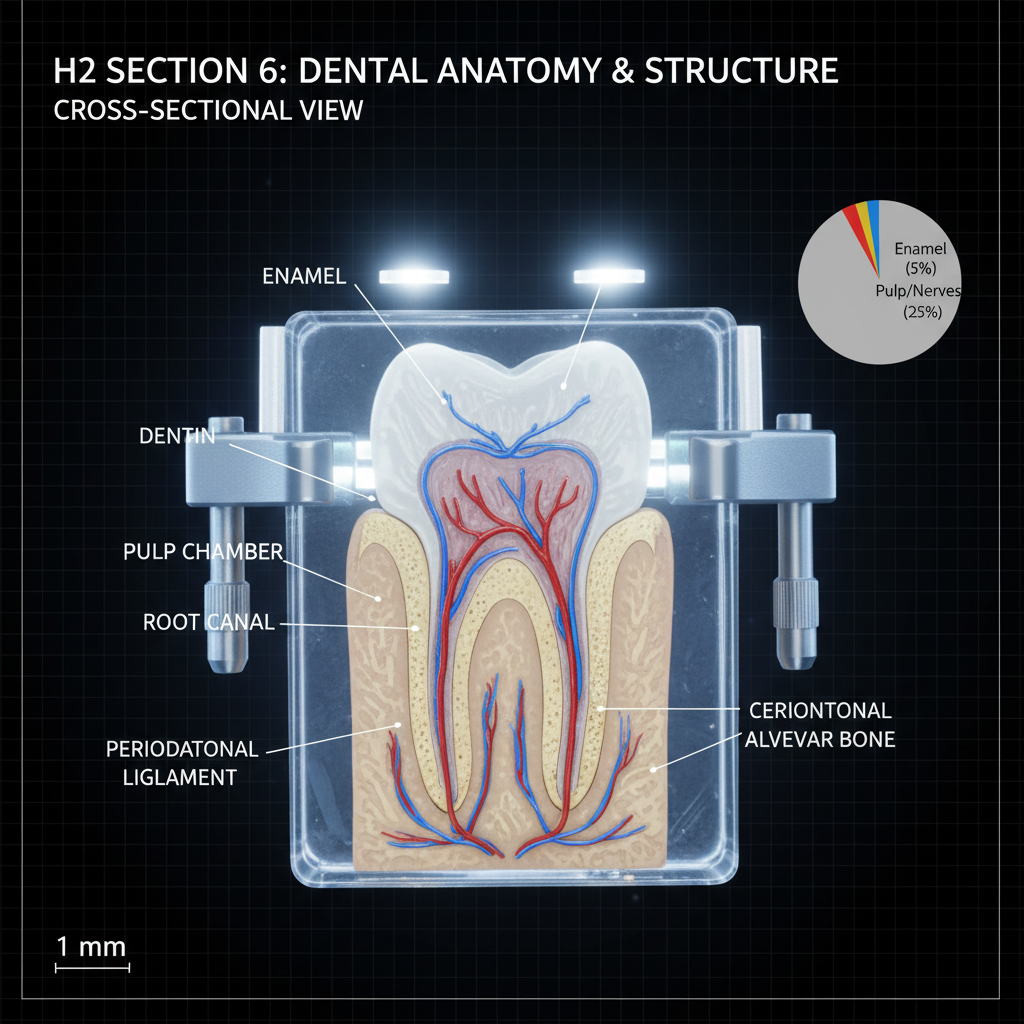
Preparation for a Zirconia Crown is more conservative than for PFM, preserving vital tooth structure. Because monolithic zirconia possesses immense strength even in thin sections, an occlusal reduction of 1.0mm is typically sufficient. In contrast, a PFM requires at least 1.5mm to 2.0mm of reduction to accommodate both the metal coping and the necessary thickness of opaque and body porcelain.
This is where it gets interesting… design dictates longevity.
- Margins: A deep chamfer or rounded shoulder is preferred.
- Line Angles: Must be rounded to prevent stress risers in the ceramic.
- Undercuts: Digital scanners require smooth, visible margins for accurate capture.
How Long Will a Zirconia Crown Last?
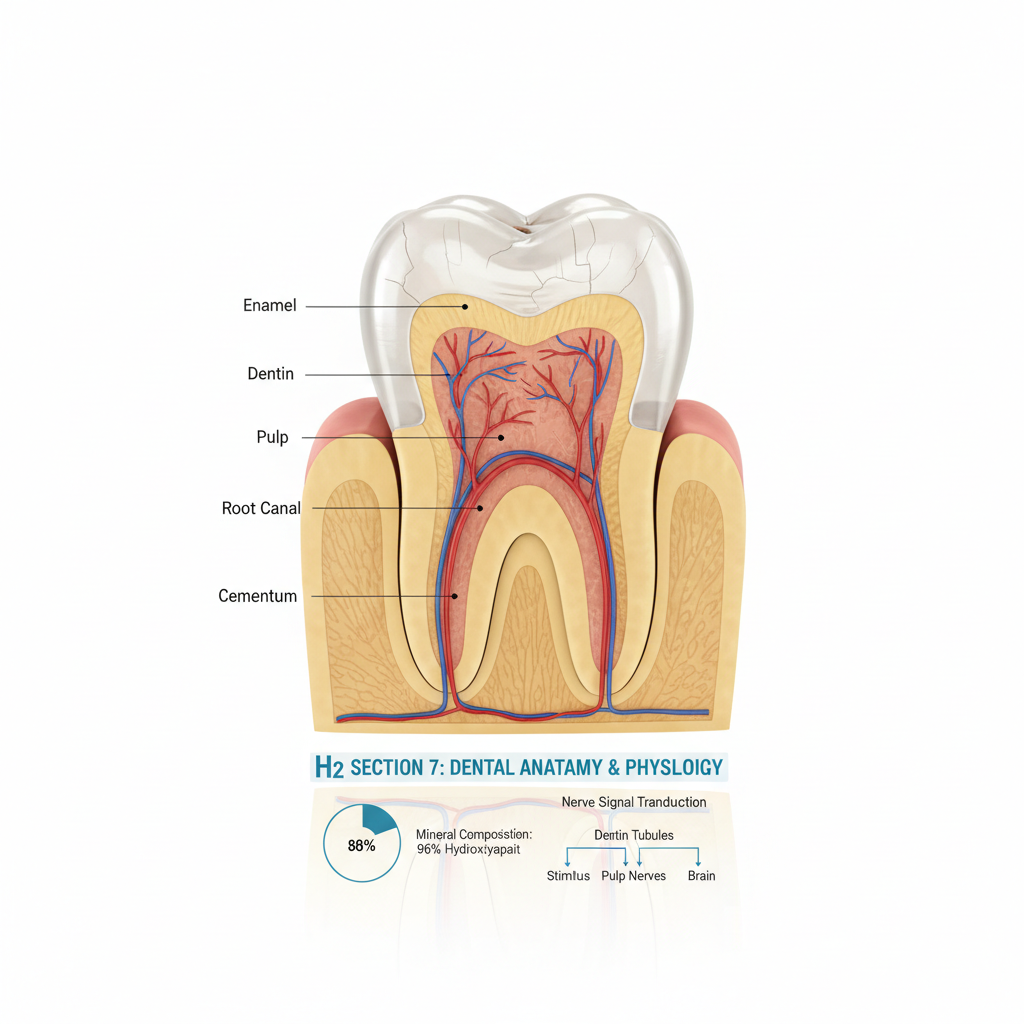
Clinical studies consistently demonstrate that a Zirconia Crown can function successfully for 10 to 15 years or longer. The primary failure mode for PFMs is the chipping of the weak veneering porcelain, which occurs in a significant percentage of cases over 5 years. Monolithic zirconia virtually eliminates chipping as a failure mode, with the main risks being loss of retention (debonding) rather than material fracture.
Let’s look at the facts:
- Survival Rate: >98% over 5 years for monolithic units.
- Failure Cause: Often related to prep design or cementation errors, not the material.
- Wear: Maintains surface integrity better than composite or gold over decades.
Is the Cost of a Zirconia Crown Justified?
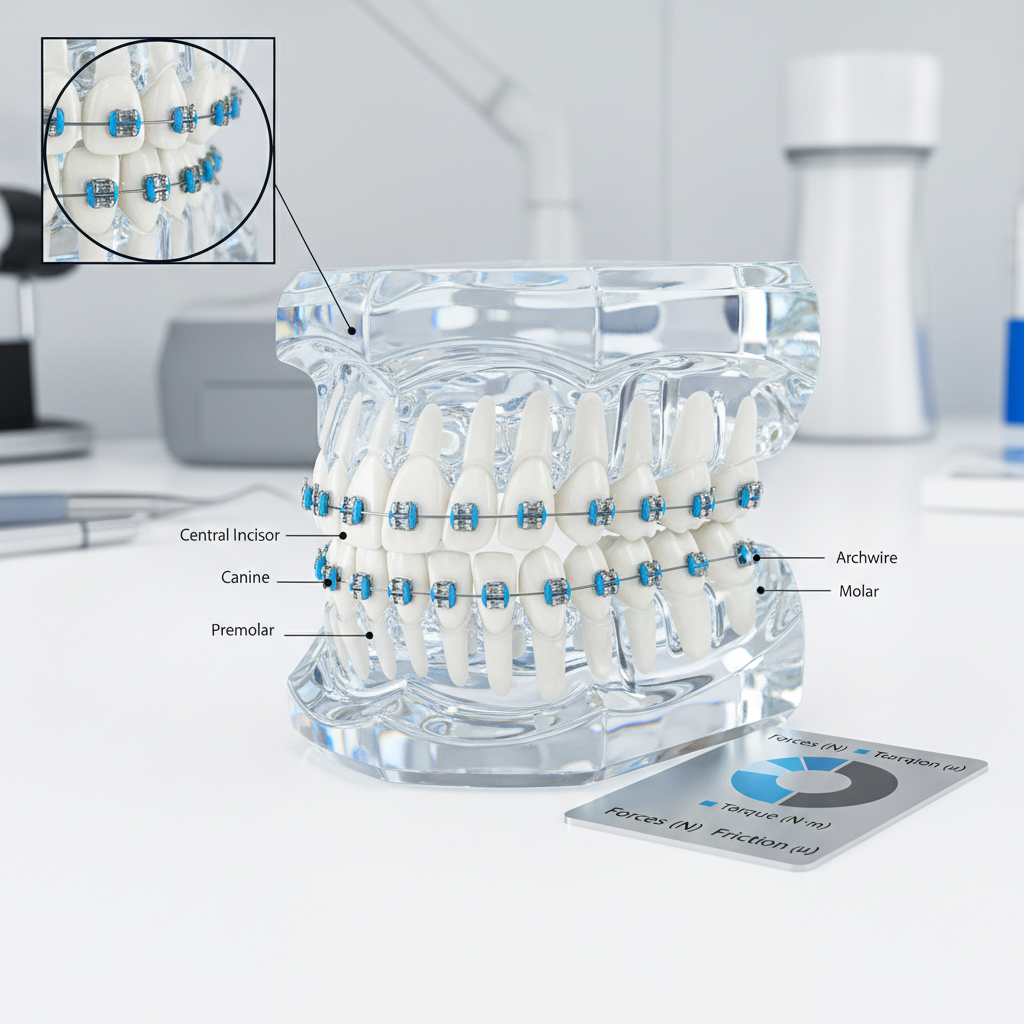
Although the raw material cost for a Zirconia Crown can be higher than base metal, the total cost of production is often lower due to reduced labor. PFM fabrication requires skilled technicians to wax, invest, cast, depest, opaque, and stack porcelain by hand. The automated nature of zirconia milling reduces active labor time, stabilizing costs for dental labs and providing predictable pricing for clinicians.
Here is the bottom line: You save on the hidden costs of failure.
- Remakes: Drastically reduced due to digital precision.
- Chair Time: Less adjustment needed at seating.
- Patient Trust: Fewer post-op complications build loyalty.
When to Choose Layered vs Monolithic Zirconia Crown?
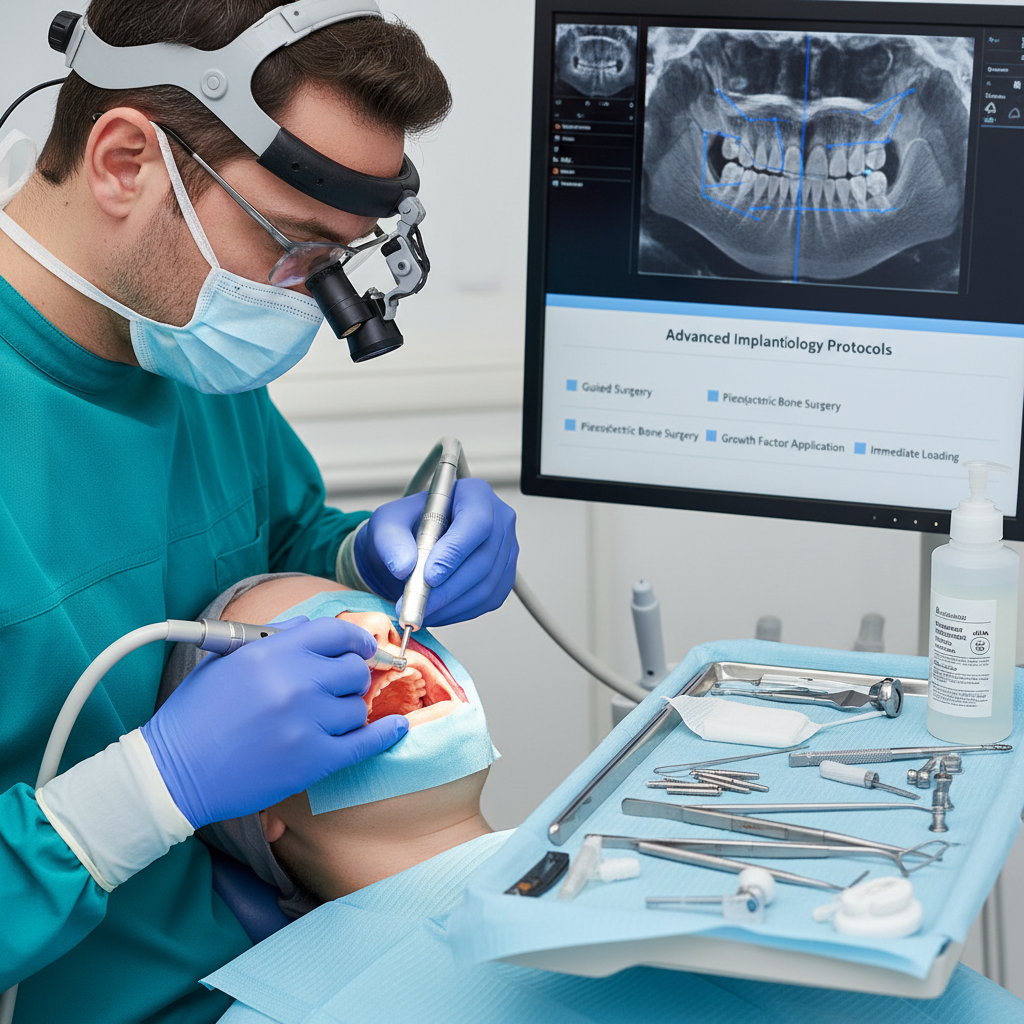
Choosing the correct type of Zirconia Crown depends on the balance between aesthetic demands and functional load. Monolithic zirconia is the strongest option and is indicated for molars, bruxers, and limited clearance situations. Layered zirconia (porcelain fused to a zirconia core) offers the highest aesthetics for anterior teeth but reintroduces the risk of porcelain chipping.
Wait, there’s more: New “esthetic monolithic” options are bridging the gap.
- Monolithic: Posterior teeth, heavy biters (Strength > Aesthetics).
- Layered: Single central incisors, high cosmetic demand (Aesthetics > Strength).
- Multi-layer Discs: Gradient shading in monolithic blocks offers a middle ground.
Where to Source Quality Zirconia Crown Materials?
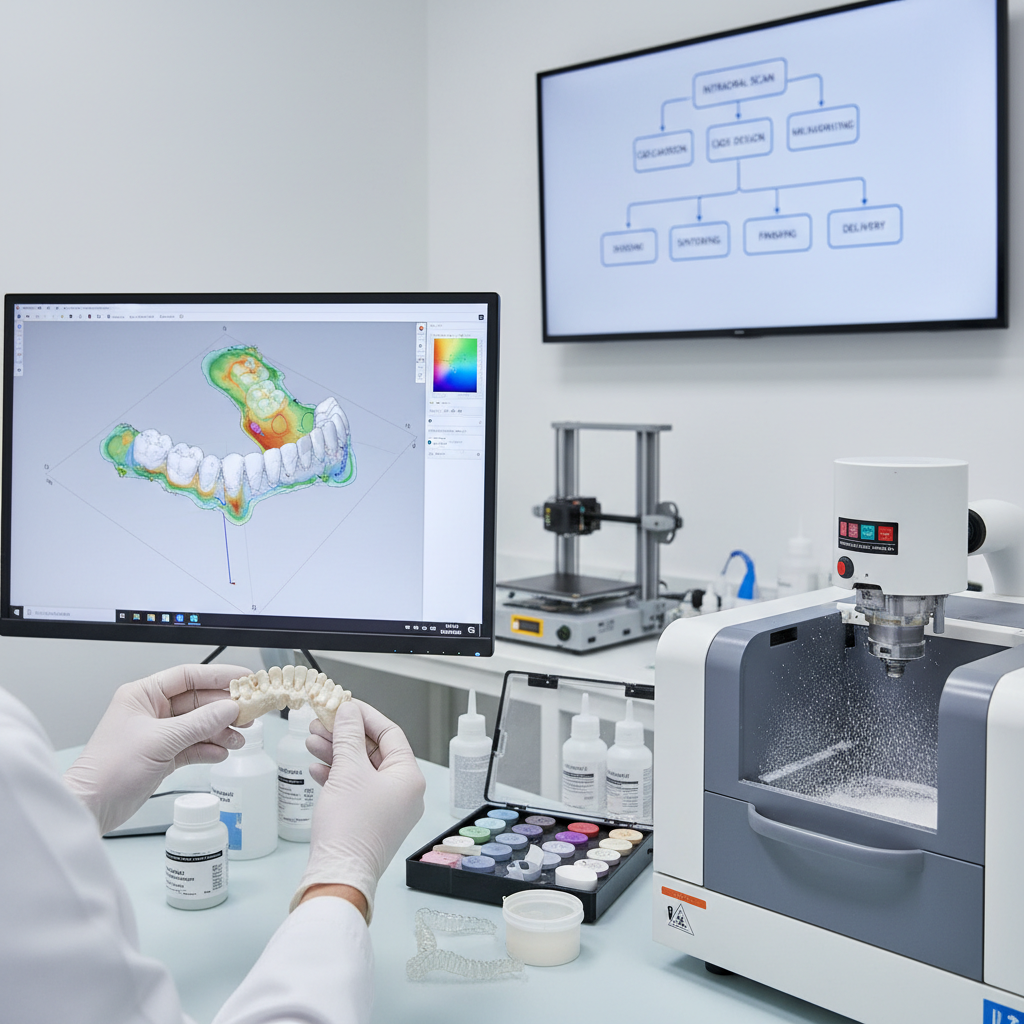
The clinical success of a Zirconia Crown is directly tied to the quality of the zirconium dioxide powder used in the manufacturing block. Impurities or inconsistent particle sizes in cheaper powders can lead to hydrothermal degradation (aging) in the mouth, causing sudden failure. Labs must partner with suppliers like Q Global Industry who provide premium-grade powders and discs that ensure consistent sintering shrinkage and phase stability.
Don’t ignore this: Your material source is your reputation.
- Consistency: Predictable shrinkage factors for exact fit.
- Purity: Resistance to low-temperature degradation.
- Support: Technical guidance on sintering parameters.
Key Takeaway
Zirconia crowns represent a significant leap forward in dental restoration technology, offering a blend of high strength, biocompatibility, and digital precision that PFM crowns struggle to match. While PFM remains a viable option for specific cases requiring stress-breaker attachments or long-span precision, zirconia is the superior choice for single units and bridges in the modern practice.
| Feature | Zirconia Crown | PFM Crown | |
|---|---|---|---|
| Esthetics | Excellent (Translucent, no dark margins) | Good (Opaque, risk of grey margin) | |
| Strength | 900 – 1200 MPa (Monolithic) | Metal: High / Porcelain: Low (80 MPa) | |
| Prep Reduction | Conservative (1.0 mm) | Aggressive (1.5 – 2.0 mm) | |
| Biocompatibility | Excellent (Metal-free) | Good (Risk of metal allergy) | |
| Failure Mode | Rare (Debonding) | Common (Porcelain Chipping) |
Analysis: The shift towards monolithic zirconia is driven by the elimination of the weak porcelain-metal interface, solving the most common cause of crown failure.
Conclusion
Switching to a Zirconia Crown workflow protects your patients from future failures and modernizes your restorative practice. By understanding the distinct advantages in strength, aesthetics, and biocompatibility, you can confidently recommend zirconia for the vast majority of your cases. Don’t let outdated materials compromise your clinical results. To secure high-quality materials for your lab or practice, contact us today and discover how our premium zirconium solutions can elevate your standard of care.
FAQ
Q1: Can I adjust a Zirconia Crown chairside?Yes, but you must use fine-grit diamond burs with copious water irrigation to prevent micro-fractures caused by heat generation and vibration.
Q2: What is the best way to cement a Zirconia Crown?For retention, a resin-modified glass ionomer is sufficient; for bonding (short preps), use a resin cement with a specialized zirconia primer (MDP monomer) for maximum adhesion.
Q3: Will a Zirconia Crown wear down the opposing natural teeth?No, provided the zirconia is highly polished; polished zirconia is actually less abrasive to enamel than the feldspathic porcelain used on PFM crowns.
Q4: Can Zirconia Crowns be used for bridges?Absolutely; the high flexural strength of zirconia makes it an ideal material for posterior bridges, capable of withstanding the connector stress that often fractures other ceramics.