Tungsten provides the highest level of scratch resistance and weight, while zirconium offers a unique heat-treated black finish, and titanium remains the ultimate choice for lightweight durability and biocompatibility. You are likely searching for a material that can withstand the rigors of heavy manual labor or harsh industrial environments without losing its structural integrity or polished appearance. It is incredibly frustrating to invest in high-end components or jewelry only to see them succumb to deep gouges and unsightly wear within months of use. Selecting the wrong metal for your specific application doesn’t just waste money; it compromises the professional standard you aim to maintain. The solution lies in a side-by-side comparison of zirconium vs titanium and tungsten to identify which elemental properties align with your performance requirements.
What are the density differences in zirconium vs titanium?
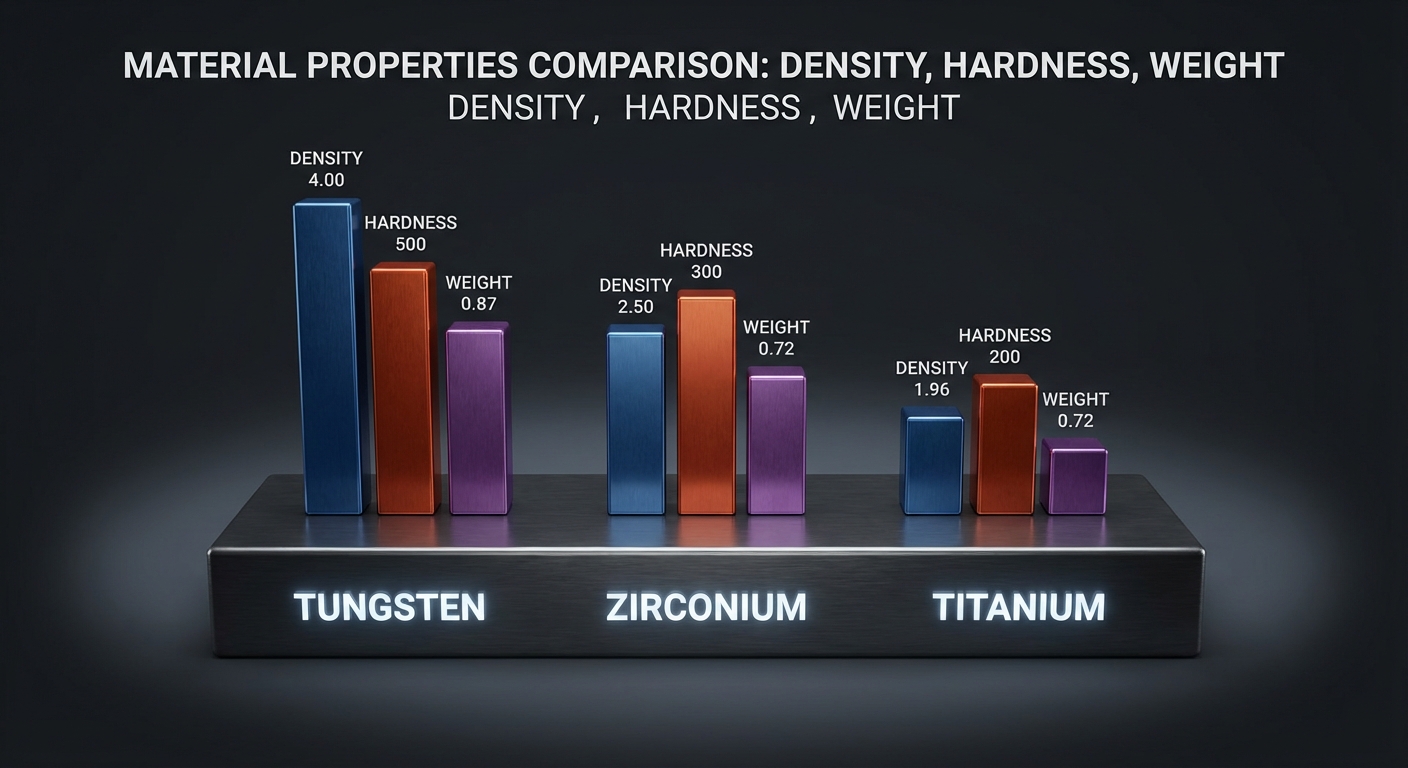
Tungsten is by far the densest of the three, providing a substantial, heavy feel that many users equate with high-value premium quality. When evaluating zirconium vs titanium for industrial or personal use, you will find that zirconium sits in the middle of the weight spectrum. Titanium is the least dense, offering a feather-light experience that is nearly unnoticeable during daily wear or high-speed mechanical operation.
Understanding the Heft of Tungsten
Tungsten has a density similar to that of gold, which gives it a remarkably “expensive” weight in the hand. This mass makes it ideal for applications where inertia or a sense of permanence is required for the user. Make no mistake:
- Tungsten density: ~19.3 g/cm³
- Feels significantly heavier than steel
- High inertia for industrial balancing
- Preferred for those who enjoy a “weighted” feel
Why Weight Matters in Daily Applications
You might be wondering: does the weight actually affect performance? In high-stress mechanical environments, the lower density of titanium reduces the load on rotating parts, while zirconium provides a balanced alternative. Here is the deal:
- Titanium is roughly 45% lighter than steel.
- Zirconium provides a “middle ground” weight.
- Tungsten can be fatiguing for some users.
Key Takeaway: Choosing a high-density metal like tungsten provides a sense of luxury and mass, whereas low-density titanium optimizes comfort and mechanical efficiency.
| Metal | Relative Density | Weight Feel | Primary Benefit | |
|---|---|---|---|---|
| Tungsten | Very High | Heavy | Presence and Value | |
| Zirconium | Moderate | Medium | Balanced Stability | |
| Titanium | Low | Ultra-Light | Comfort and Speed |
The weight of your material dictates the physical experience and the energy required to move the component in an active system.
How do hardness levels vary between zirconium vs titanium?
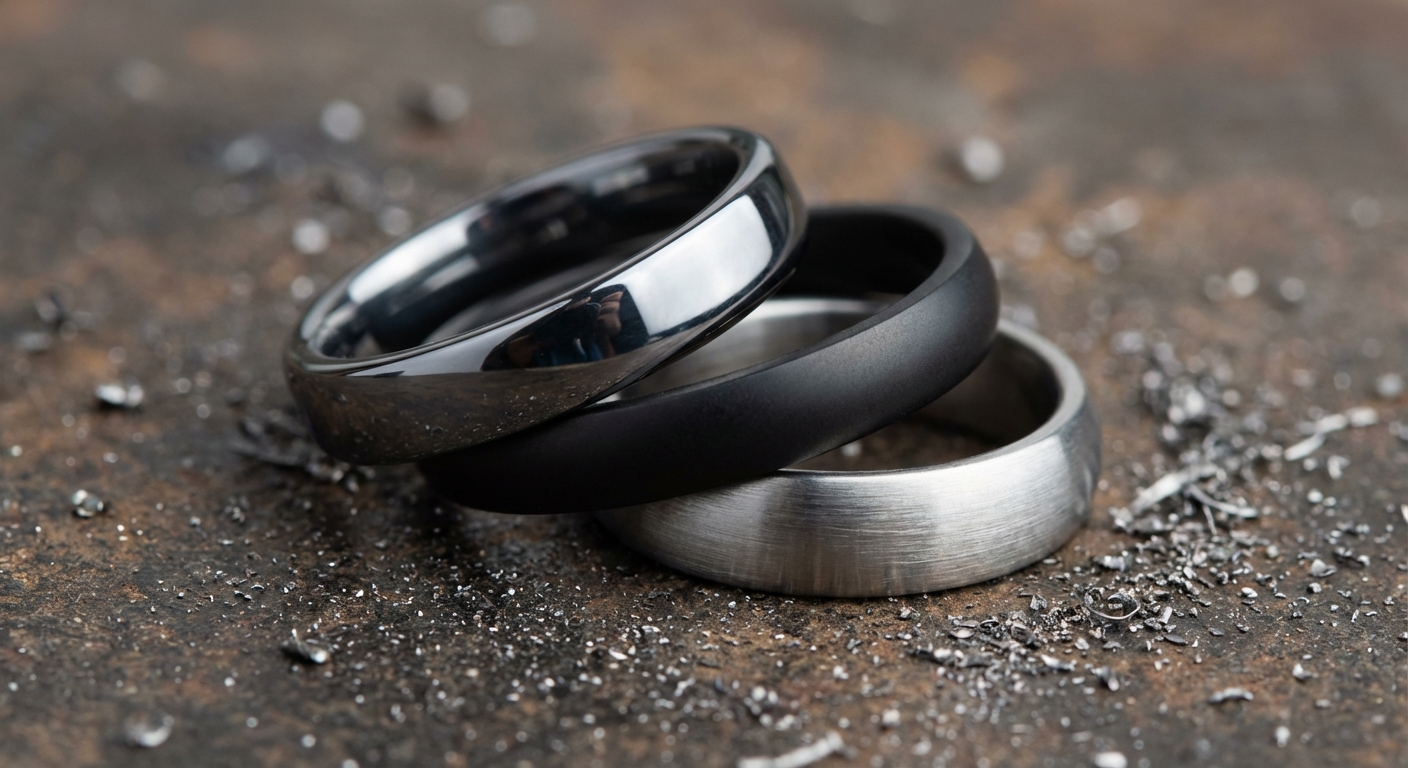
Tungsten carbide sits at the top of the hardness scale, reaching a 9 on the Mohs scale, which makes it virtually impossible to scratch under normal conditions. In the debate of zirconium vs titanium, zirconium actually holds a slight edge in scratch resistance once it has undergone its specialized oxidation process. Titanium is incredibly tough and difficult to break, but it is the most prone to surface scuffs and “office rash” over long periods of time.
The Superior Scratch Resistance of Tungsten
If you prioritize a surface that remains pristine forever, tungsten is the undisputed champion. Its crystalline structure is so rigid that only diamonds can reliably leave a mark on its surface. Look:
- Mohs Hardness: 9.0
- Resists all common abrasive materials
- Maintains a mirror-like polish for decades
- Brittle nature means it can shatter under extreme impact
Surface Hardness and the Zirconium Layer
But wait, there is more to the story of surface durability. Zirconium starts as a silver metal but develops a ceramic-like black layer that significantly boosts its surface hardness during heat treatment.
- Ceramic layer is highly scratch-resistant
- Rated between 8 and 9 on the Mohs scale
- Color is permanent and won’t chip off
- Offers a unique aesthetic compared to gray metals
Key Takeaway: Hardness determines how long your material looks new, with tungsten providing the ultimate barrier against surface degradation and scuffs.
| Metal | Mohs Hardness | Scratch Resistance | Impact Durability | |
|---|---|---|---|---|
| Tungsten | 9.0 | Ultimate | Low (Brittle) | |
| Zirconium | 8.5 (Oxidized) | High | High | |
| Titanium | 6.0 | Moderate | Excellent |
High hardness levels protect the aesthetic finish but often come at the expense of the metal’s ability to flex without breaking.
Is thermal stability better in zirconium vs titanium?
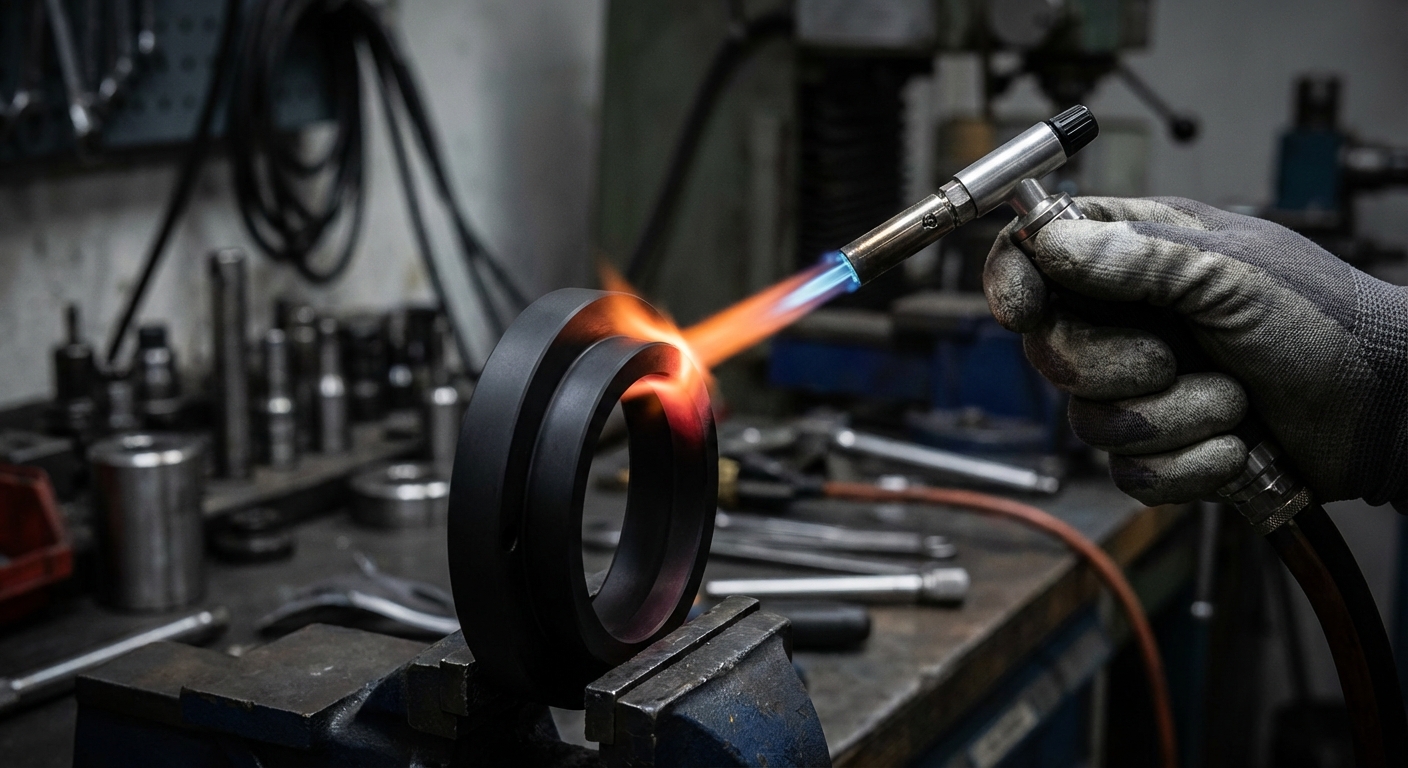
Zirconium possesses an incredibly high melting point and exceptional thermal stability, making it a preferred material for high-heat industrial processes and aerospace components. When comparing zirconium vs titanium in extreme environments, you will notice that zirconium maintains its structural integrity at temperatures that would cause other metals to soften or oxidize rapidly. Titanium is also heat-resistant, but it is more susceptible to “creep” or deformation when subjected to prolonged thermal stress near its limits.
Thermal Expansion and Component Precision
In precision engineering, you cannot afford for your materials to expand or contract significantly with temperature swings. Zirconium has a lower coefficient of thermal expansion than many standard alloys, ensuring tight tolerances are maintained. Believe it or not:
- Melting Point: ~1,855°C
- Excellent resistance to thermal shock
- Maintains strength at high temperatures
- Crucial for nuclear reactor cladding
Heat Resistance for Industrial Reliability
The bottom line? If your application involves furnace linings or chemical processing at high heat, the thermal properties of zirconium are difficult to beat. It gets better:
- Titanium is used in jet engines for a reason.
- Both metals form protective oxide layers when heated.
- Zirconium’s layer is thicker and more protective.
- Ideal for foundry applications and crucibles.
Key Takeaway: Superior thermal stability allows components to function reliably in extreme heat, reducing the risk of catastrophic failure in industrial systems.
| Property | Zirconium | Titanium | Tungsten | |
|---|---|---|---|---|
| Melting Point | 1,855°C | 1,668°C | 3,422°C | |
| Thermal Stability | Excellent | High | Moderate (Oxidizes) | |
| Expansion Rate | Low | Moderate | Very Low |
The ability to withstand heat determines the longevity of materials used in energy production, aerospace, and high-temperature manufacturing.
Which material offers more durability: zirconium vs titanium?
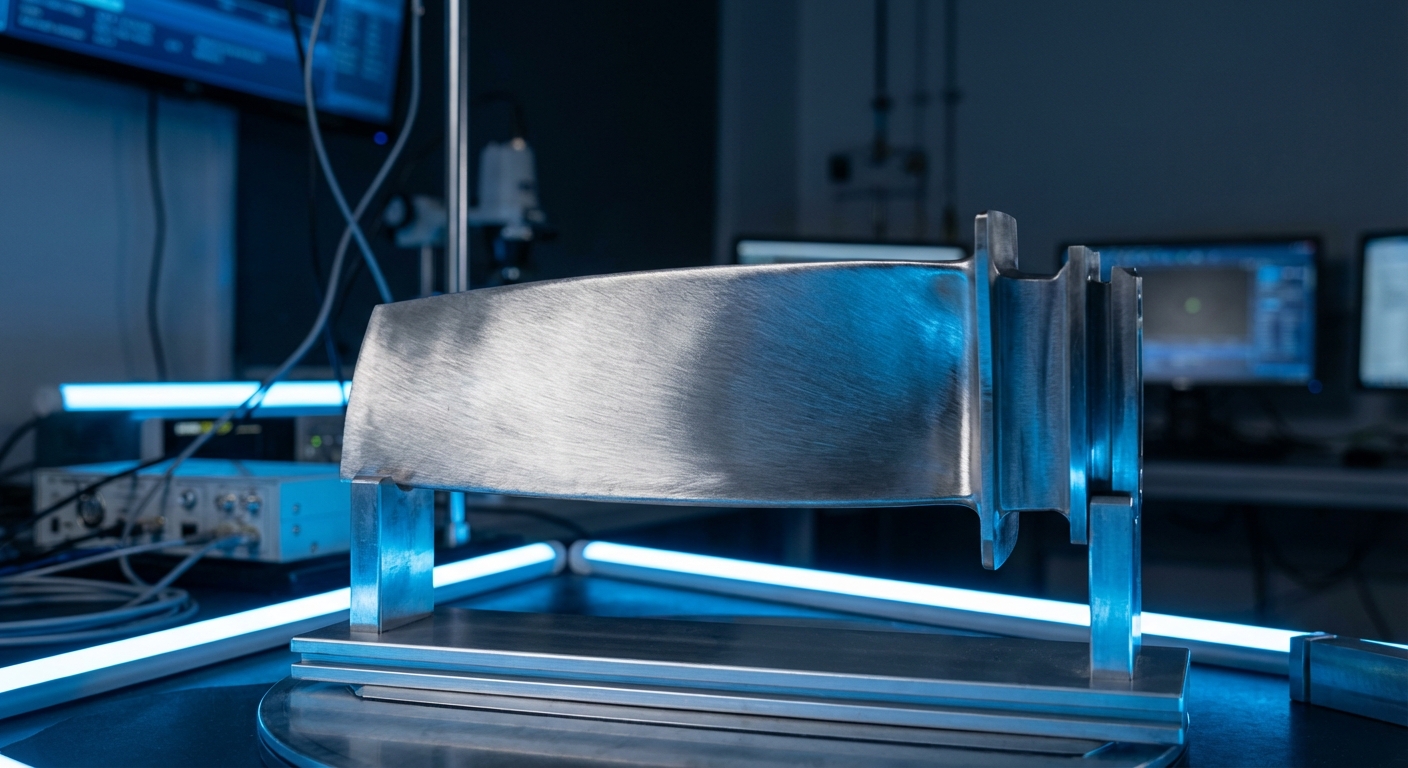
Titanium is widely considered the most durable of the three because it combines high tensile strength with the ability to flex without shattering under pressure. When looking at zirconium vs titanium, you have to choose between the surface hardness of zirconium and the structural “toughness” of titanium. Tungsten is the most “durable” against scratches, but it is objectively the most fragile metal here because it is prone to cracking or shattering if dropped on a hard surface.
Tensile Strength and Flexural Modulus
Durability isn’t just about hardness; it is about how much force a material can absorb before it fails. Titanium can withstand incredible pressure and return to its original shape, which is why it is used in bone implants and airframes. Think about it:
- Titanium is “shatter-proof”
- Excellent strength-to-weight ratio
- Absorbs energy from impacts effectively
- Does not undergo brittle fracture easily
Managing Brittle Failure Risks
You might be wondering: what happens when these metals reach their limit? Zirconium behaves much like titanium, but tungsten will simply snap or explode into fragments if stressed beyond its capacity. Look:
- Tungsten carbide is a composite material.
- It lacks the metallic bonds that allow for bending.
- Impact resistance is its primary weakness.
- Zirconium provides a safer alternative for active users.
Key Takeaway: Titanium provides the best overall structural durability for environments where impacts and high mechanical stresses are unavoidable.
| Factor | Titanium | Zirconium | Tungsten | |
|---|---|---|---|---|
| Impact Resistance | Excellent | High | Very Low | |
| Tensile Strength | High | Moderate | Very High | |
| Fracture Risk | Minimal | Low | High |
Selecting a metal with high impact resistance ensures that your investment won’t be destroyed by a single accidental drop or strike.
What are the industrial uses for zirconium vs titanium?
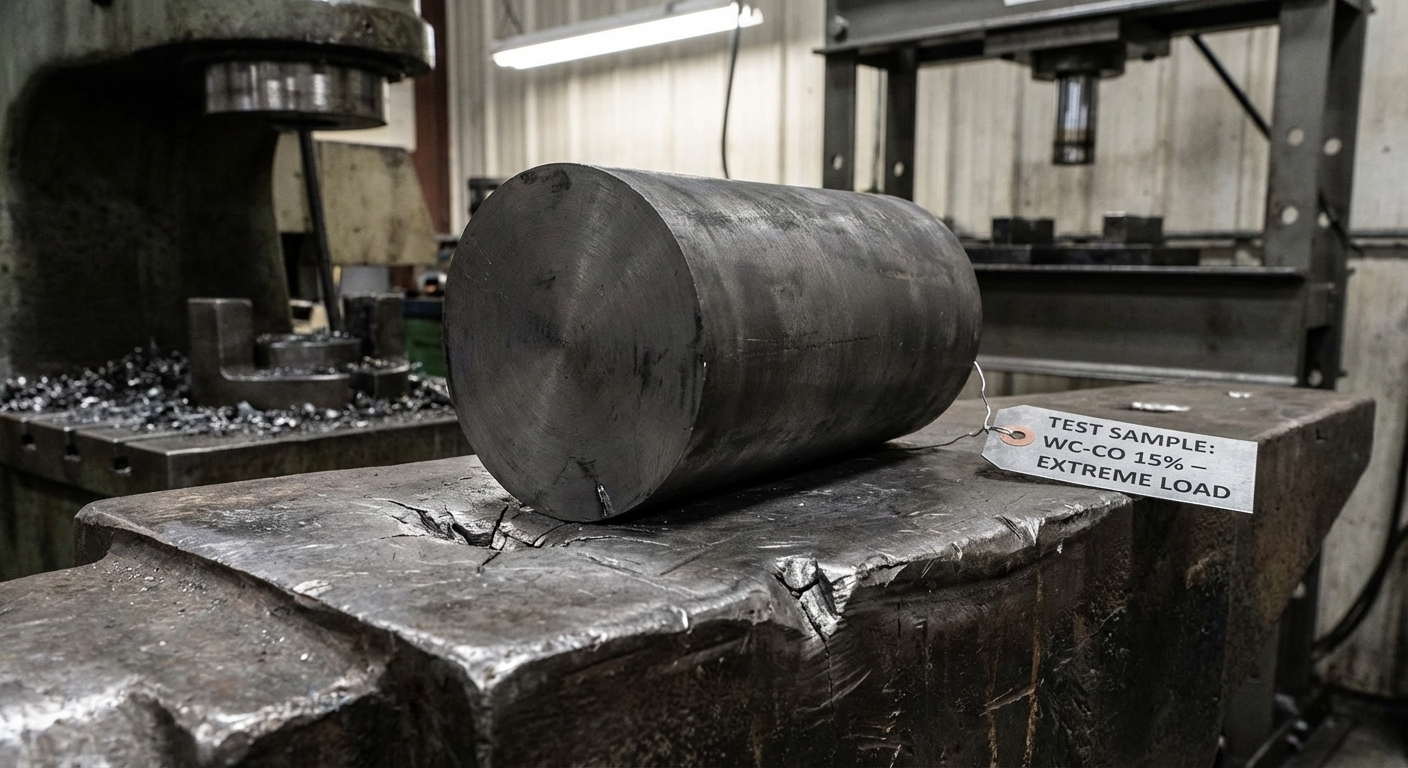
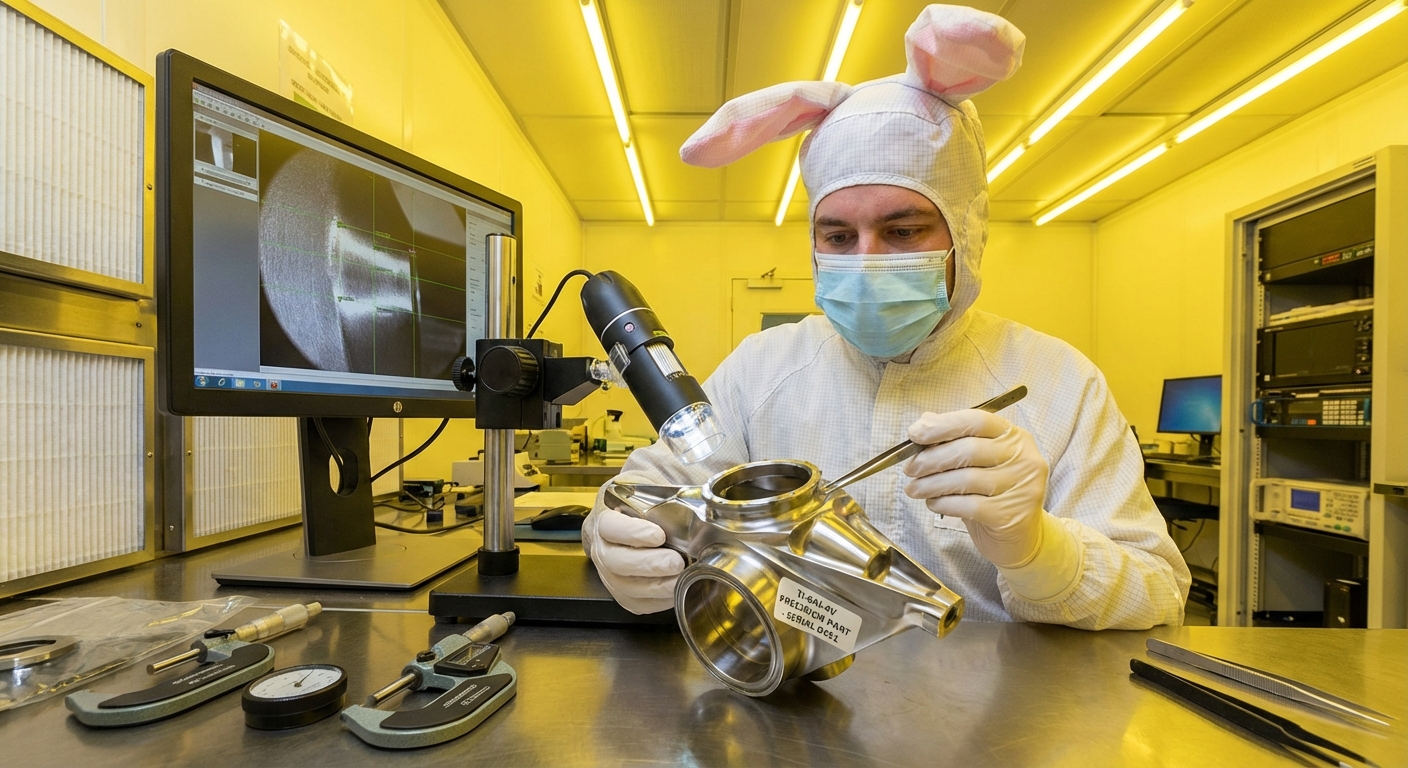
Titanium is the backbone of the aerospace and medical industries due to its strength and biocompatibility, while zirconium is indispensable in the nuclear and chemical processing sectors. In the comparison of zirconium vs titanium , the specific chemical environment of your facility will likely dictate the winner. Tungsten is primarily used for cutting tools, armor-piercing rounds, and high-mass weights where its extreme hardness and density are functional requirements.
Aerospace and Medical Frontiers
Titanium is favored in these fields because it does not react with the human body and can withstand the extreme pressure changes of flight. Its ability to bond with bone makes it the gold standard for dental implants and joint replacements. Simply put:
- Aerospace fasteners and frames
- Surgical implants and tools
- Marine hardware for saltwater use
- Performance automotive parts
Chemical Processing and Nuclear Power
But wait, there is more: Zirconium has a very low absorption cross-section for neutrons, making it the primary material for fuel rod cladding in nuclear reactors. Its resistance to highly corrosive acids is also vastly superior to almost any other industrial metal. Here is the deal:
- Nuclear energy production components
- Chemical heat exchangers
- Pipe linings for corrosive fluids
- Advanced ceramic manufacturing
Key Takeaway: Understanding industrial applications allows you to leverage the specific chemical and physical strengths of each metal for maximum efficiency.
| Industry | Dominant Metal | Specific Reason | |
|---|---|---|---|
| Aerospace | Titanium | Strength-to-Weight | |
| Nuclear | Zirconium | Neutron Transparency | |
| Tooling | Tungsten | Extreme Hardness |
Matching the material to the industry-specific stress factors prevents premature component failure and optimizes maintenance cycles.
How does weight impact the choice of zirconium vs titanium?
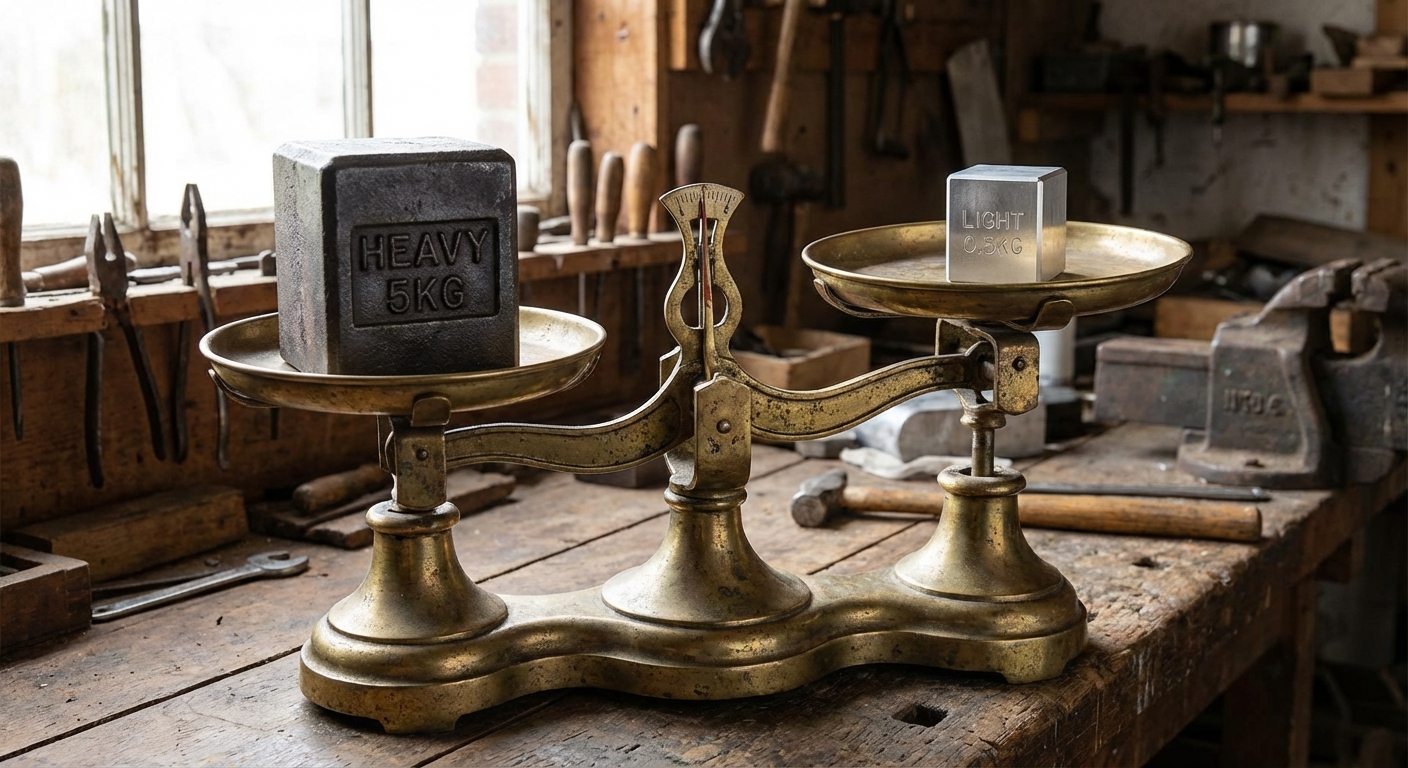
Weight is often the deciding factor for consumers and engineers who prioritize long-term comfort and reduced energy consumption in mechanical systems. When you weigh the pros and cons of zirconium vs titanium, you are essentially choosing between a “substantial” feeling and a “weightless” feeling. Titanium is so light that users often forget they are wearing it, whereas zirconium provides enough weight to remind you of its presence without becoming an encumbrance.
The Psychological Impact of Mass
In the luxury market, weight is often associated with quality. Tungsten’s massive feel appeals to those who want a piece of equipment or jewelry that feels indestructible and heavy. Make no mistake:
- Heavy weight = perceived value for some
- Light weight = modern efficiency for others
- Mass can stabilize industrial vibrations
- Excessive mass can cause user fatigue
Ergonomics and Motion Efficiency
You might be wondering: why would I ever want a lighter metal? In high-performance sports or aerospace, every gram saved translates to more speed or better fuel economy. It gets better:
- Titanium reduces the inertia of moving parts.
- Lightweight tools reduce strain on workers.
- Zirconium offers a balanced alternative for daily wear.
- Titanium is the best choice for large-scale components.
Key Takeaway: Selecting the right weight ensures that the material enhances performance and comfort rather than becoming a physical burden.
| Metal | Grams per CC | Application Advantage | |
|---|---|---|---|
| Titanium | 4.5 | Speed and Ergonomics | |
| Zirconium | 6.5 | Stability and Feel | |
| Tungsten | 19.3 | Inertia and Ballasting |
The mass of a material is a critical design variable that influences everything from user comfort to mechanical wear and tear.
Are aesthetics more versatile in zirconium vs titanium?
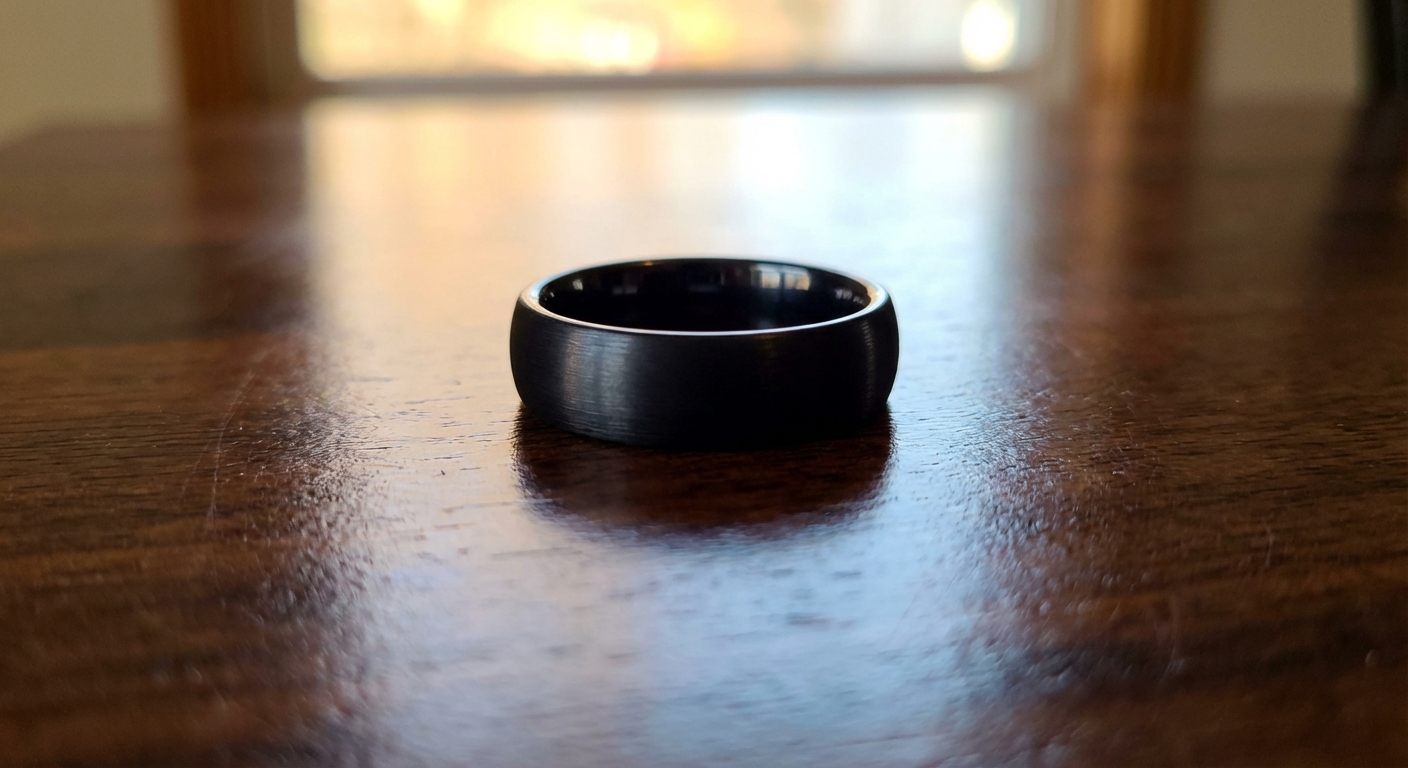
Zirconium is the clear winner for those seeking a deep, permanent black aesthetic, while titanium and tungsten are limited to various shades of industrial gray. When comparing zirconium vs titanium for design purposes, you will find that titanium can be anodized into a rainbow of colors, but these surface treatments can wear off. Zirconium’s black oxide layer is created through heat, making it part of the metal’s surface structure and incredibly resilient to fading or chipping.
The Allure of Black Zirconium
Black metals are currently a major trend in both industrial design and fashion. Zirconium provides a silky, dark finish that is far more durable than black-plated steel or tungsten. The bottom line?
- Natural silver-gray core
- Heat-treated ceramic exterior
- Will not discolor over time
- Can be polished to a high gloss or matted
Anodization and Gray Tones
Titanium is naturally a medium gray, which is slightly darker than white gold or silver. While it lacks the deep black of zirconium, its ability to be “colored” through electricity provides unique branding opportunities. Here is the deal:
- Titanium anodizes to blues, purples, and golds.
- Tungsten stays a consistent, heavy dark gray.
- Titanium finishes can be brushed or polished.
- Zirconium can be “two-toned” with engraving.
Key Takeaway: If a permanent black finish is your primary goal, zirconium is the only material that can deliver that look with high durability.
| Finish | Zirconium | Titanium | Tungsten | |
|---|---|---|---|---|
| Deep Black | Yes (Permanent) | No (Plated Only) | No (Plated Only) | |
| Natural Gray | Medium | Light/Medium | Dark | |
| Color Options | Black/Silver | Multi-Color (Anodized) | Gray Only |
Aesthetic versatility allows you to align the visual identity of your products or personal items with specific style or branding requirements.
What about corrosion resistance in zirconium vs titanium?
All three metals are exceptionally resistant to corrosion, but zirconium is arguably the most immune to chemical attack from aggressive acids and alkalis. In the battle of zirconium vs titanium, titanium is world-renowned for its ability to resist saltwater corrosion, making it perfect for marine environments. However, zirconium is the preferred choice for chemical reactors that handle hydrochloric and sulfuric acids, as it remains untouched by solutions that would dissolve titanium in minutes.
Saltwater and Atmospheric Resilience
Titanium builds a nearly impenetrable oxide layer the moment it is exposed to oxygen. This self-healing property makes it virtually “immortal” in the ocean or in smoggy urban environments. Look:
- Immune to chlorine and salt
- No rust or oxidation over time
- Does not react with sweat or skin oils
- Preferred for high-performance marine tech
Extreme Chemical Inertness
You might be wondering: can anything actually damage these metals? While titanium is tough, zirconium’s resistance to alkaline solutions and strong mineral acids is legendary in the engineering world. Believe it or not:
- Zirconium resists nitric acid at all concentrations.
- It is stable in phosphoric and citric acids.
- Used in highly volatile pharmaceutical production.
- Tungsten is resistant but can oxidize at high temps.
Key Takeaway: Exceptional corrosion resistance ensures that your components will maintain their integrity and appearance even in the most hostile chemical environments.
| Environment | Titanium | Zirconium | Tungsten | |
|---|---|---|---|---|
| Saltwater | Excellent | Excellent | Good | |
| Strong Acids | Good | Excellent | Fair | |
| Human Tissue | Excellent | Excellent | Moderate |
The chemical stability of a metal determines its lifecycle costs, as resistant materials require fewer replacements and less maintenance.
Which is more cost-effective: zirconium vs titanium?
Tungsten is generally the most budget-friendly option, while titanium offers a moderate price point, and zirconium remains the most expensive due to its complex processing requirements. When comparing zirconium vs titanium for bulk procurement or individual items, you must factor in the total cost of ownership, including machining and finishing. Titanium is easier to work with than zirconium, which helps keep production costs lower even though the raw material price can be volatile.
The Affordability of Tungsten
Tungsten products are often mass-produced using powder metallurgy, which significantly reduces the cost per unit. This makes it a great entry-level choice for high-durability needs. Simply put:
- Low raw material cost
- Efficient mass production
- High availability globally
- Best for price-sensitive projects
Investing in Premium Performance
Look: zirconium and titanium are considered “exotic” metals. The cost reflects the energy required to extract them from their ores and the specialized equipment needed to shape them without causing fires or tool failure. Think about it:
- Zirconium requires vacuum heat treatment.
- Titanium machining requires slow speeds and high cooling.
- Higher costs usually reflect better corrosion resistance.
- Long-term savings come from reduced replacement rates.
Key Takeaway: While tungsten is the most affordable upfront, the long-term reliability of titanium and zirconium often justifies their higher initial investment.
| Cost Factor | Tungsten | Titanium | Zirconium | |
|---|---|---|---|---|
| Raw Material | Low | Moderate | High | |
| Machining Cost | Low | Moderate | High | |
| Long-term Value | Moderate | High | Excellent |
Evaluating cost over the entire lifecycle of a product reveals that the most expensive metal often provides the best value through durability.
How do you choose between tungsten, zirconium vs titanium?

Your final choice depends on whether you value scratch resistance, weight, or a specific aesthetic finish above all other factors. In the definitive match-up of zirconium vs titanium, you should choose titanium for comfort and structural reliability, but opt for zirconium if you want a unique black appearance and superior chemical resistance. Tungsten remains the best choice for those on a budget who want a heavy, permanent shine that never scuffs.
Prioritizing Your Functional Needs
What is the most important feature for your specific use case? If you are an engineer, you look at the data; if you are a consumer, you look at the style and feel. It gets better:
- For high-impact work: Titanium
- For a high-fashion black look: Zirconium
- For a heavy, budget-friendly ring: Tungsten
- For high-heat industrial use: Zirconium
Balancing Performance and Style
Make no mistake: there is no “perfect” metal, only the right metal for your specific environment. You must weigh the trade-offs of each to ensure long-term satisfaction. Look:
- Hardness often equals brittleness.
- Light weight can sometimes feel “cheap” to some.
- Black finishes are exclusive to zirconium.
- Titanium is the most “all-around” performer.
Key Takeaway: Tailoring your choice to your physical environment and aesthetic preferences ensures your material will perform as expected for years to come.
| User Profile | Best Choice | Reason | |
|---|---|---|---|
| Active Laborer | Titanium | Impact Resistance | |
| Executive / Style | Zirconium | Unique Black Finish | |
| Price Conscious | Tungsten | High Durability/Low Cost |
Choosing the right material is a strategic decision that balances physical limitations with the specific demands of your professional or personal life.
Conclusion
Selecting the right industrial or personal material solves the problems of premature wear, chemical degradation, and physical discomfort. We provide the high-purity engineered components and zircon materials necessary to elevate your production standards and ensure your projects withstand the test of time. Take the next step in optimizing your material performance by choosing a partner dedicated to technical excellence and consistent quality. To find the perfect grade for your specific application, contact us today and let our engineers guide your selection.
Frequently Asked Questions
Can I resize a ring made of tungsten or zirconium?
Generally, no, these metals cannot be resized. Because they are so hard and processed at extreme temperatures, they cannot be cut and soldered like gold or silver, so it is vital to get an accurate measurement before ordering.
What is the best metal for someone with sensitive skin?
Titanium is the definitive choice for sensitive skin. It is completely biocompatible and is the same material used for surgical implants, ensuring it will never cause an allergic reaction or skin discoloration.
How do I know if I should choose tungsten over titanium?
You should choose tungsten if you prefer a heavy feel and want a surface that is nearly impossible to scratch. If you prefer a lightweight, comfortable feel and need a metal that won’t shatter if dropped, titanium is the better option.
Can zirconium or titanium be engraved?
Yes, both materials can be engraved using high-powered lasers or diamond-tipped tools. On black zirconium, engraving reveals the natural silver metal underneath, creating a striking contrast that is highly desirable for custom designs.
Will a black zirconium ring ever lose its color?
No, the black color on zirconium is a structural oxide layer that is much harder than the metal itself. It is not a coating or plating, meaning it will not rub off, though it can be scratched by very hard materials like concrete or diamonds.