
Zirconia Ceramic is an inorganic, non-metallic material known as zirconium oxide (ZrO2) that combines high mechanical strength with exceptional chemical stability. You face constant component failures due to wear, heat, or corrosion in demanding industrial environments. These breakdowns lead to costly downtime, safety risks, and frequent maintenance that eat into your profit margins. Transitioning to advanced Zirconia Ceramic offers a durable, high-performance alternative that withstands the most brutal conditions.
What defines a Zirconia Ceramic material?
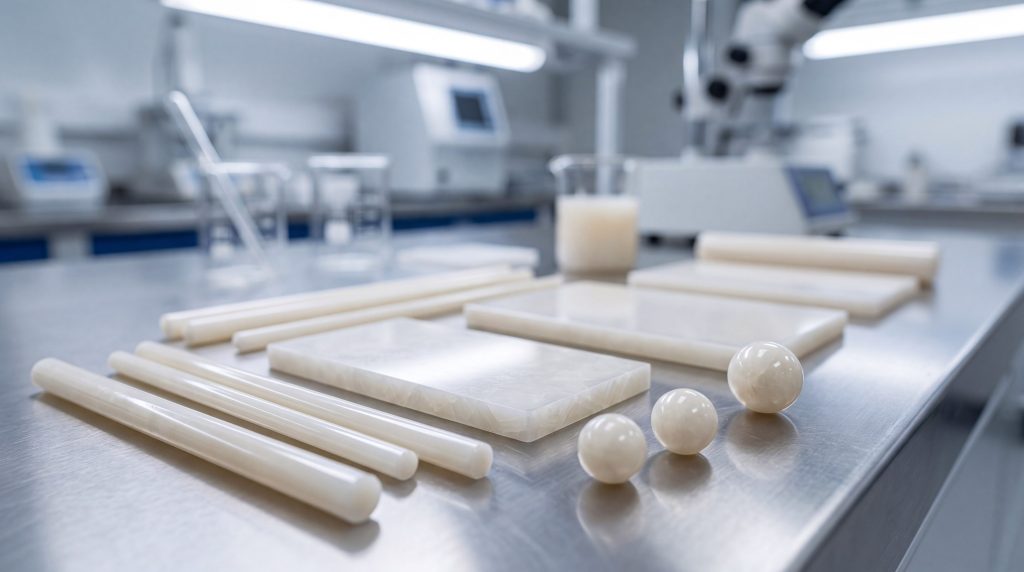
A Zirconia Ceramic is defined by its crystalline structure and its ability to exist in monoclinic, tetragonal, and cubic phases depending on temperature. This material is often called “ceramic steel” because it possesses a unique mechanism to stop cracks from spreading. You will find that its density and hardness far exceed traditional ceramics, making it suitable for heavy-duty engineering.
What is the basic composition?
Think about this:
The chemical makeup of this material relies on precise atomic ratios of zirconium and oxygen.
- Pure Zirconium Dioxide (ZrO2).
- Trace amounts of hafnium.
- Stabilizing oxides (Yttria or Magnesia).
You must understand that the purity of the powder determines the final mechanical integrity of the part. High-purity inputs ensure that the grain boundaries are tight and free from defects.
Why is it called ceramic steel?
Here is the kicker:
Zirconia exhibits a “transformation toughening” process where the material actually expands to close up any emerging cracks.
- High fracture toughness.
- Exceptional flexural strength.
- High modulus of elasticity.
This self-healing characteristic allows you to use these ceramics in high-stress environments where other materials would simply shatter.
Key Takeaway: The crystalline phase management of Zirconia Ceramic allows it to mimic the toughness of metals while retaining the hardness of ceramics.
| Phase Type | Temperature Range | Primary Characteristic |
|---|---|---|
| Monoclinic | Below 1170°C | Room temperature stability |
| Tetragonal | 1170°C – 2370°C | High strength/toughness |
| Cubic | Above 2370°C | Optical clarity/Thermal stability |
The phase transitions shown above are critical because they dictate the mechanical properties you can expect during operational use.
Why choose Zirconia Ceramic for structural parts?
Choosing Zirconia Ceramic for structural parts ensures extreme wear resistance and fracture toughness in components that face constant friction. You can replace metal bushings, sleeves, and rollers with this material to extend the service life of your machinery. It provides a smooth, low-friction surface that reduces the need for frequent lubrication.
Can it resist heavy wear?
Look at this:
The surface hardness of this material makes it nearly immune to abrasive particles in industrial fluids.
- Low friction coefficient.
- Resistance to galling.
- Abrasive wear immunity.
You will notice that components maintain their dimensional tolerances much longer than hardened steel. This translates directly to higher precision in your manufacturing processes.
How does it handle mechanical stress?
Believe it or not:
Zirconia Ceramic can withstand intense compressive loads without deformation or surface chipping.
- Superior impact resistance.
- High fatigue limits.
- Thermal expansion matching metals.
You can rely on these structural parts for high-speed pumping systems or heavy-duty valve seats. The material does not creep or lose its shape under sustained pressure.
Key Takeaway: Utilizing Zirconia Ceramic for structural components drastically reduces maintenance intervals and prevents catastrophic part failure.
| Application | Material Benefit | Operational Result |
|---|---|---|
| Pump Seals | Corrosion resistance | Zero leakage over time |
| Bushings | Low friction | Energy savings |
| Guide Rollers | High hardness | Minimal surface scoring |
This comparison highlights how specific material benefits directly improve your bottom line through improved operational results.
How does Yttria stabilize Zirconia Ceramic?
Yttria stabilizes Zirconia Ceramic by preventing the volume expansion associated with phase transitions during cooling from high manufacturing temperatures. Without these stabilizers, the material would crack as it cools from its firing temperature to room temperature. By adding Yttria (Y2O3), you lock the material into a high-performance tetragonal or cubic phase.
What is the role of Y2O3?
Here is the deal:
Adding yttrium oxide creates oxygen vacancies in the crystal lattice that stabilize the structure.
- Prevents phase-change cracking.
- Enables transformation toughening.
- Controls grain growth during sintering.
You can customize the amount of yttria to achieve different levels of translucency or mechanical strength. This flexibility is what makes yttria-stabilized grades the industry standard.
What are the benefits of the tetragonal phase?
Check this out:
The tetragonal phase is where the “ceramic steel” properties are most prominent for your structural needs.
- Peak fracture toughness.
- Fine grain microstructure.
- High bending strength.
You will find that yttria-stabilized tetragonal zirconia polycrystal (Y-TZP) is the most popular grade for precision engineering. It offers the best balance of properties for the widest range of tasks.
Key Takeaway: Yttria stabilization is the secret to producing Zirconia Ceramic that is both strong enough for tools and tough enough for impacts.
| Yttria Content | Resulting Phase | Best Use Case |
|---|---|---|
| 3 mol% (3Y) | Tetragonal | High strength structural parts |
| 5 mol% (5Y) | Partially Cubic | High translucency dental work |
| 8 mol% (8Y) | Cubic | Fuel cell electrolytes |
Selecting the correct molar percentage of yttria allows you to tune the material for specific thermal or mechanical loads.
Is Zirconia Ceramic used in high heat?
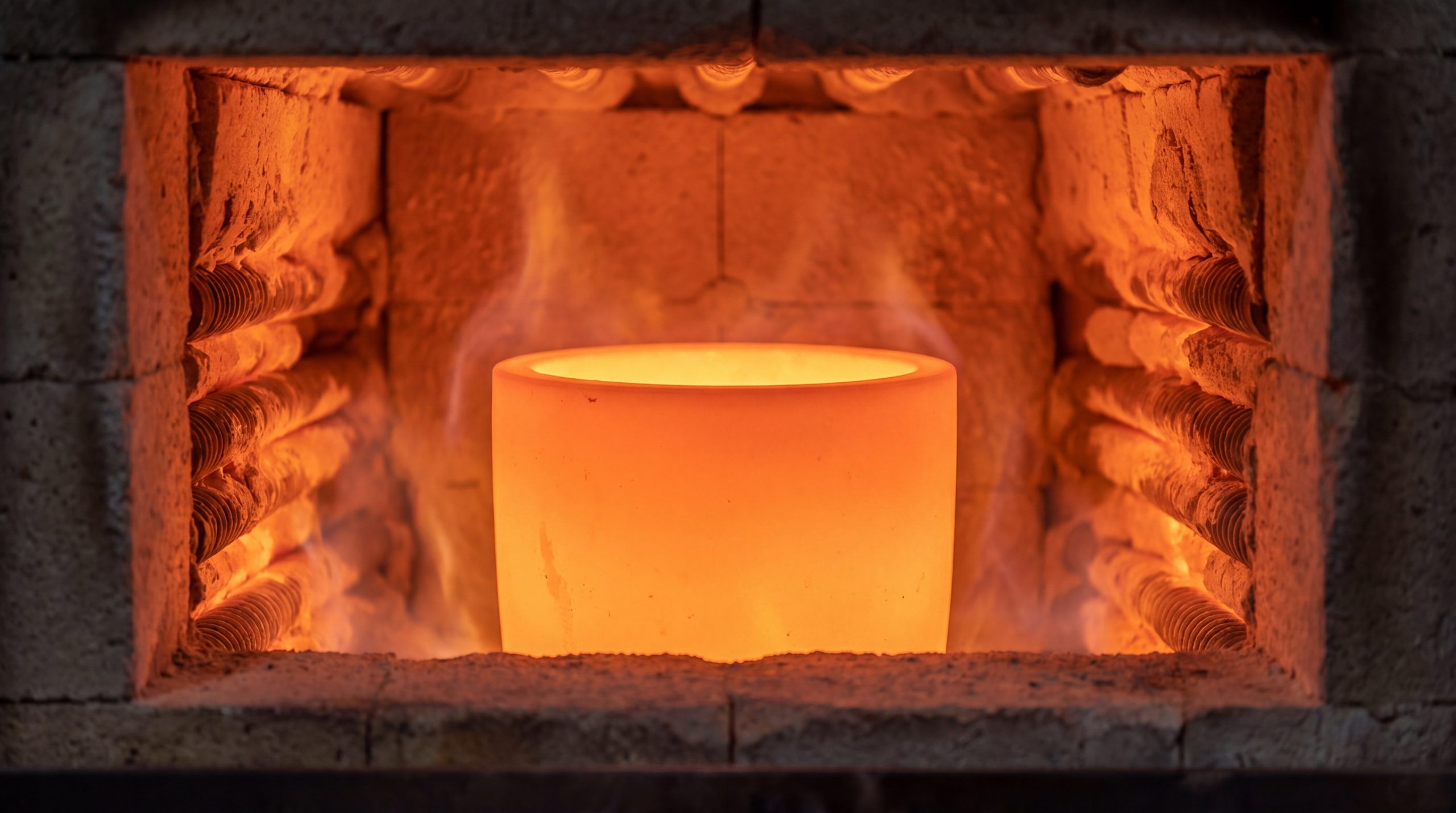
Zirconia Ceramic is frequently used in high-heat applications because it remains stable at temperatures exceeding 2000°C and possesses low thermal conductivity. You can use it as a thermal barrier to protect temperature-sensitive metal substrates in engines or furnaces. It acts as an insulator, keeping heat where it belongs and protecting surrounding equipment.
Are thermal barrier coatings effective?
Don’t miss this:
Applying a layer of this ceramic to turbine blades allows them to operate at temperatures higher than the melting point of the metal.
- Low thermal conductivity.
- High heat reflectance.
- Thermal shock resistance.
You can increase the efficiency of your combustion systems by maintaining higher internal temperatures. The ceramic layer prevents the metal from degrading or warping under the heat.
Can it work in industrial furnaces?
You should know:
Zirconia Ceramic is ideal for crucibles, setters, and heating elements because it does not react with molten metals.
- Stability up to 2400°C.
- Chemical inertness at heat.
- Refractory excellence.
You will find that your samples or production melts remain uncontaminated when using zirconia containers. The material survives thousands of heating and cooling cycles without crumbling.
Key Takeaway: The extreme melting point and insulating properties of Zirconia Ceramic make it the ultimate choice for thermal management.
| Temperature (°C) | Material Status | Common Heat Application |
|---|---|---|
| 1000°C | Fully Stable | Engine exhaust sensors |
| 1800°C | High Integrity | Furnace linings |
| 2200°C | Structural Stability | Specialized crucibles |
Thermal stability at these extreme ranges ensures that your high-temperature processes remain safe and predictable.
Which Zirconia Ceramic type offers best toughness?
Partially Stabilized Zirconia Ceramic offers the best toughness by utilizing transformation toughening to arrest crack propagation before it causes total failure. You get a material that effectively “absorbs” the energy of a crack by changing its internal crystal structure. This makes it much less brittle than standard alumina or porcelain ceramics.
How does PSZ compare to pure Zirconia?
Look at this:
Pure zirconia is too brittle for industrial use, whereas PSZ is engineered for rugged durability.
- Magnesia or Calcia stabilizers.
- Multi-phase microstructure.
- High energy absorption.
You will notice that PSZ parts can survive drops or sudden impacts that would shatter other technical ceramics. It is the heavy-duty variant for the most demanding mechanical jobs.
What is transformation toughening?
Here is the kicker:
When a crack starts, the stress causes nearby tetragonal grains to switch to a larger monoclinic state.
- Local volume expansion.
- Compressive stress on the crack.
- Arresting of crack growth.
You effectively have a material that fights back against structural damage. This internal pressure squeezes the crack shut and prevents it from moving through the part.
Key Takeaway: Partially Stabilized Zirconia Ceramic is the most “metal-like” ceramic available, offering unmatched resistance to shattering.
| Feature | Pure Zirconia | PSZ Ceramic |
|---|---|---|
| Crack Resistance | Very Low | Extremely High |
| Structural Phase | Monoclinic | Tetragonal/Cubic Mix |
| Impact Survival | Poor | Excellent |
Choosing PSZ ensures that your components can handle the unpredictable stresses of a real-world industrial environment.
Can Zirconia Ceramic work in medical implants?
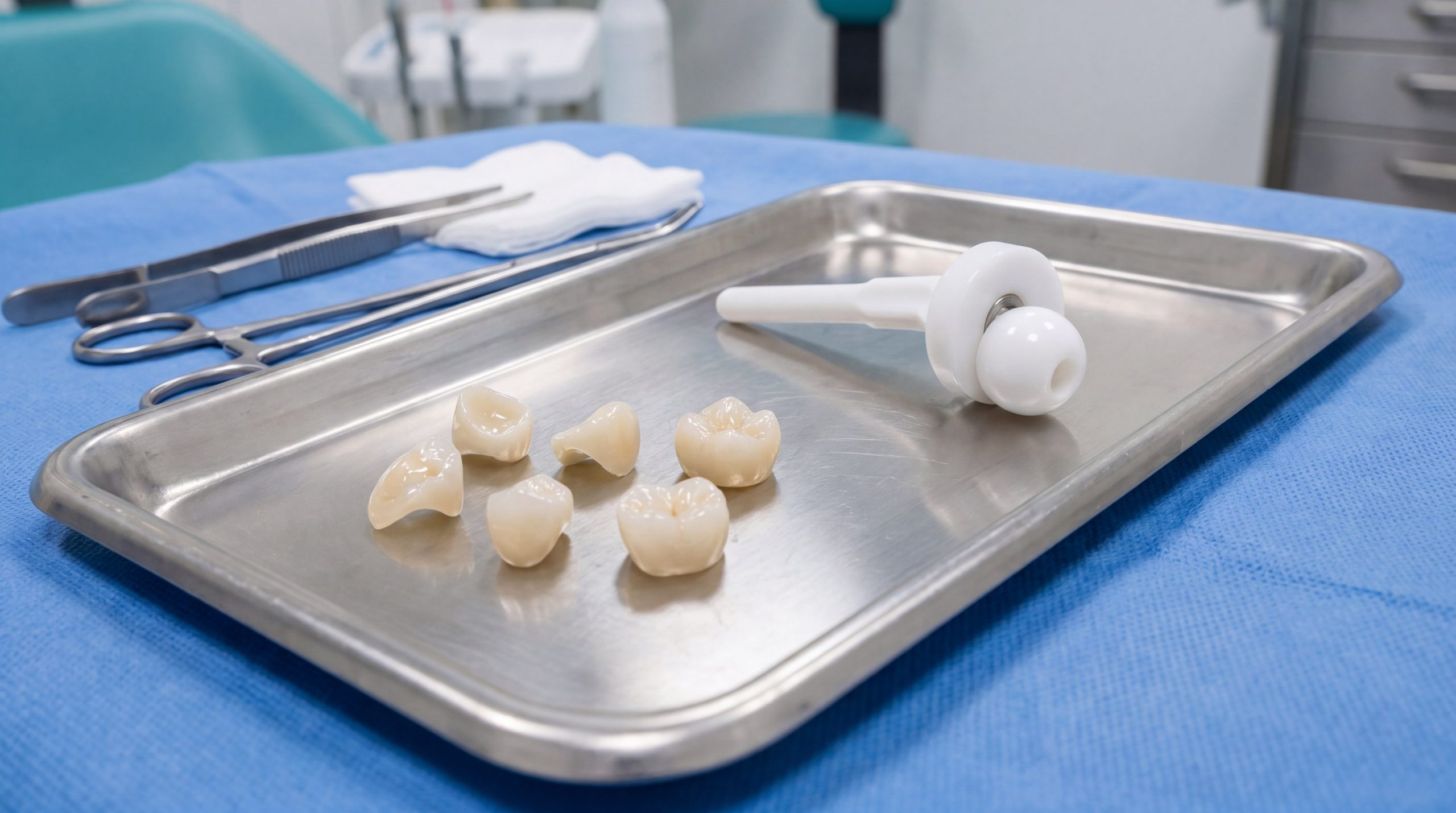
Zirconia Ceramic is ideal for medical implants due to its superior biocompatibility and corrosion resistance when exposed to bodily fluids. You can trust this material for long-term use inside the human body because it does not release toxic ions or cause allergic reactions. It is widely used for dental restorations and orthopedic joint replacements.
Is it safe for the human body?
Think about this:
The material is chemically inert, meaning it won’t corrode or degrade in the acidic environment of the mouth or joints.
- Non-toxic composition.
- Low bacterial adhesion.
- Zero metal allergy risk.
You will find that tissues integrate well with the smooth surface of the ceramic. This reduces the risk of inflammation or implant rejection for the patient.
How is it used in dentistry and orthopedics?
Check this out:
The photorealistic aesthetic of zirconia makes it the top choice for crowns that look exactly like natural teeth.
- Dental bridges and abutments.
- Hip joint ball replacements.
- Surgical cutting tools.
You get a material that is not only strong but also visually appealing and functionally durable. It withstands the millions of cycles of chewing or walking without significant wear.
Key Takeaway: Zirconia Ceramic provides a metal-free, high-strength alternative that has revolutionized modern medical and dental prosthetics.
| Medical Use | Key Requirement | Zirconia Performance |
|---|---|---|
| Dental Crown | Aesthetics | Translucent and tooth-colored |
| Hip Joint | Wear resistance | Extremely low wear rates |
| Bone Screw | Strength | High torque resistance |
These applications prove that the material can be trusted in the most sensitive and high-stakes environments imaginable.
Why is Monoclinic Zirconia Ceramic unique?
Monoclinic Zirconia Ceramic is unique because it is the naturally stable phase of zirconium oxide at room temperature without any added stabilizers. You typically see this form used as a high-purity raw material for the production of other specialized ceramic grades. It possesses excellent chemical stability and a high refractive index.
What is its chemical stability?
Believe it or not:
This unstabilized form can resist almost all acids and alkalis, even at elevated temperatures.
- Inert to most chemicals.
- High corrosion resistance.
- Extreme electrical insulation.
You can use it in chemical processing where maintaining the purity of the surrounding environment is critical. It will not leach impurities or break down under chemical attack.
How is it used as a raw material?
Look at this:
It serves as the foundation for creating yttria or magnesia stabilized powders through advanced mixing and sintering.
- Precursor for stabilized zirconia.
- Additive for glass manufacturing.
- Polishing agent for optics.
You must start with high-quality monoclinic powder to ensure your final stabilized part has no internal flaws. It is the building block of the entire advanced zirconia industry.
Key Takeaway: While less common in finished structural parts, Monoclinic Zirconia Ceramic is indispensable as a chemical-resistant raw material.
| Property | Monoclinic Value | Benefit |
|---|---|---|
| Refractive Index | ~2.1 | High optical brilliance |
| Dielectric Constant | ~25 | Excellent insulator |
| Purity | 99.9%+ | Low contamination |
The high purity and unique electrical properties of the monoclinic phase make it a vital component in specialty electronics and chemical processing.
How does Zirconia Ceramic impact electronics?
Zirconia Ceramic impacts electronics by providing high oxygen ion conductivity for advanced sensors and clean energy fuel cells. You can utilize its unique ability to allow oxygen ions to pass through its crystal lattice while remaining an electrical insulator. This makes it a core component in monitoring and generating energy.
How does it work in Solid Oxide Fuel Cells?
Check this out:
As an electrolyte, this ceramic allows for the efficient conversion of chemical energy into electricity with minimal emissions.
- High ionic conductivity.
- Thermal expansion matching.
- Gas-tight structure.
You can build fuel cell stacks that operate at high temperatures for long durations. The ceramic membrane ensures that only the intended ions pass through the system.
What is oxygen sensor technology?
Here is the deal:
Your car’s engine relies on a zirconia sensor to balance the air-fuel ratio for optimal combustion and low emissions.
- Nernst cell principle.
- Real-time gas monitoring.
- Durability in exhaust heat.
You will see improved fuel efficiency and reduced environmental impact thanks to this sensor’s precision. It is rugged enough to live in the harsh environment of an exhaust manifold for years.
Key Takeaway: Zirconia Ceramic is a “smart” material in electronics, acting as both a structural insulator and a functional ion conductor.
| Electronic Part | Function | Primary Benefit |
|---|---|---|
| SOFC Electrolyte | Ion transport | Efficient power generation |
| Oxygen Sensor | Gas detection | Reduced emissions |
| Phone Backplane | Structural | Signal transparency |
The versatility of zirconia allows it to serve multiple roles, from the internal chemistry of a fuel cell to the external shell of a smartphone.
What makes Zirconia Ceramic wear resistant?
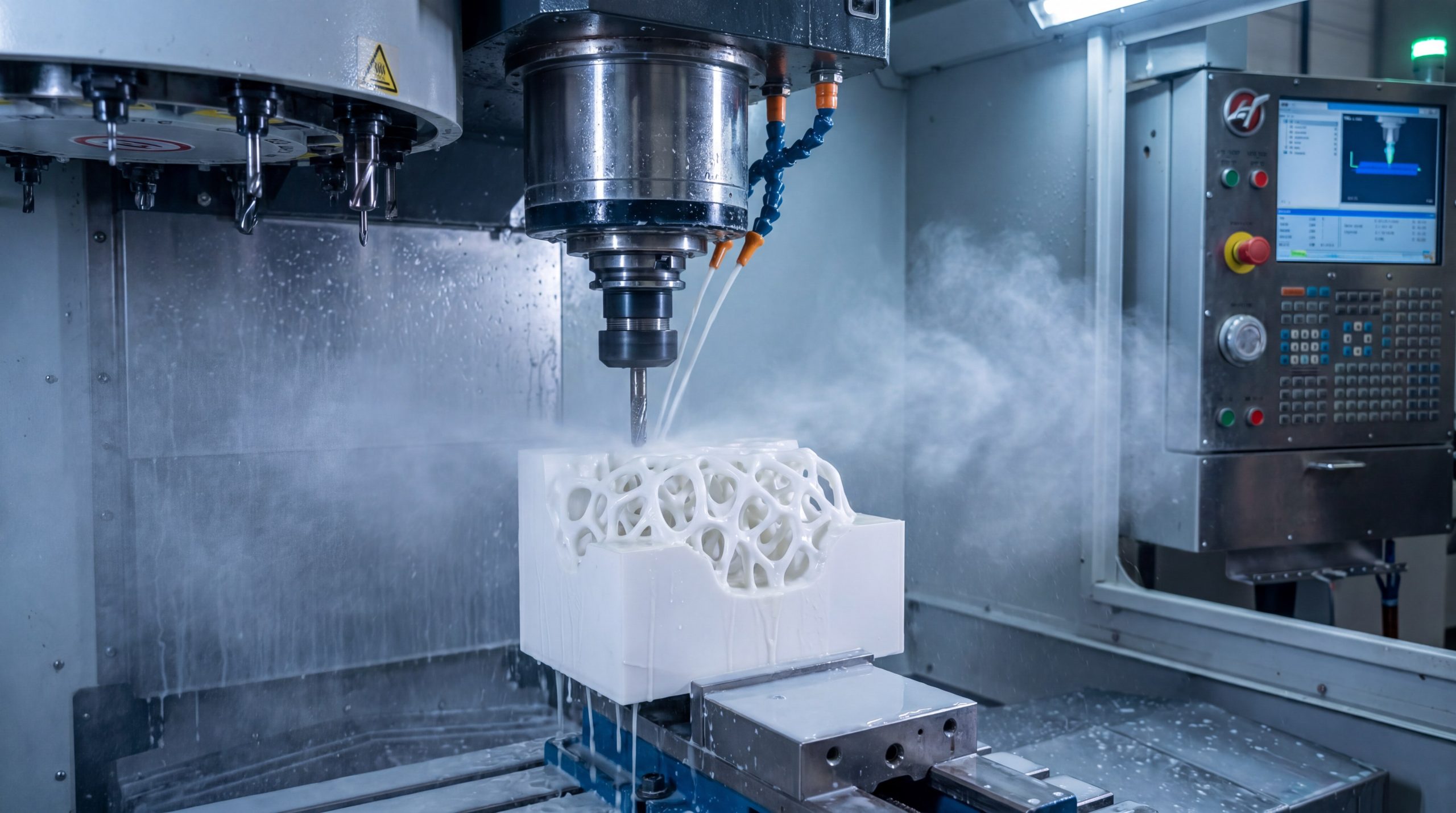
High surface hardness and low friction coefficients make Zirconia Ceramic exceptionally resistant to abrasive wear in high-speed industrial machinery. You can run equipment for thousands of hours without the parts showing the typical signs of erosion or scoring. This is due to the dense, fine-grained structure of the material.
Is it effective as grinding media?
Look at this:
Zirconia beads are the gold standard for high-energy milling where you need to avoid contaminating the product.
- High density (6.0 g/cm3).
- High crushing strength.
- Low wear rate.
You will achieve smaller particle sizes faster while ensuring that your pigments or pharmaceuticals remain pure. The beads do not break or wear down into the mixture.
How does it perform in industrial valve seals?
Don’t miss this:
Valve seals made from this ceramic can handle abrasive slurries that would destroy stainless steel in a matter of days.
- Diamond-polished finishes.
- Zero-leakage precision.
- Chemical and heat resistance.
You can reduce your plant’s downtime significantly by switching to ceramic valve internals. The hardness of the surface prevents particles from embedding and causing leaks.
Key Takeaway: The combination of hardness and density makes Zirconia Ceramic the premier choice for any application involving heavy abrasion.
| Wear Type | Zirconia Performance | Metal Comparison |
|---|---|---|
| Abrasive | Superior | 10x longer life than steel |
| Erosive | Excellent | Immune to most slurries |
| Adhesive | High | No “welding” under friction |
Switching from traditional metals to zirconia can offer a tenfold increase in part longevity for your most abrasive processes.
How to specify a custom Zirconia Ceramic?
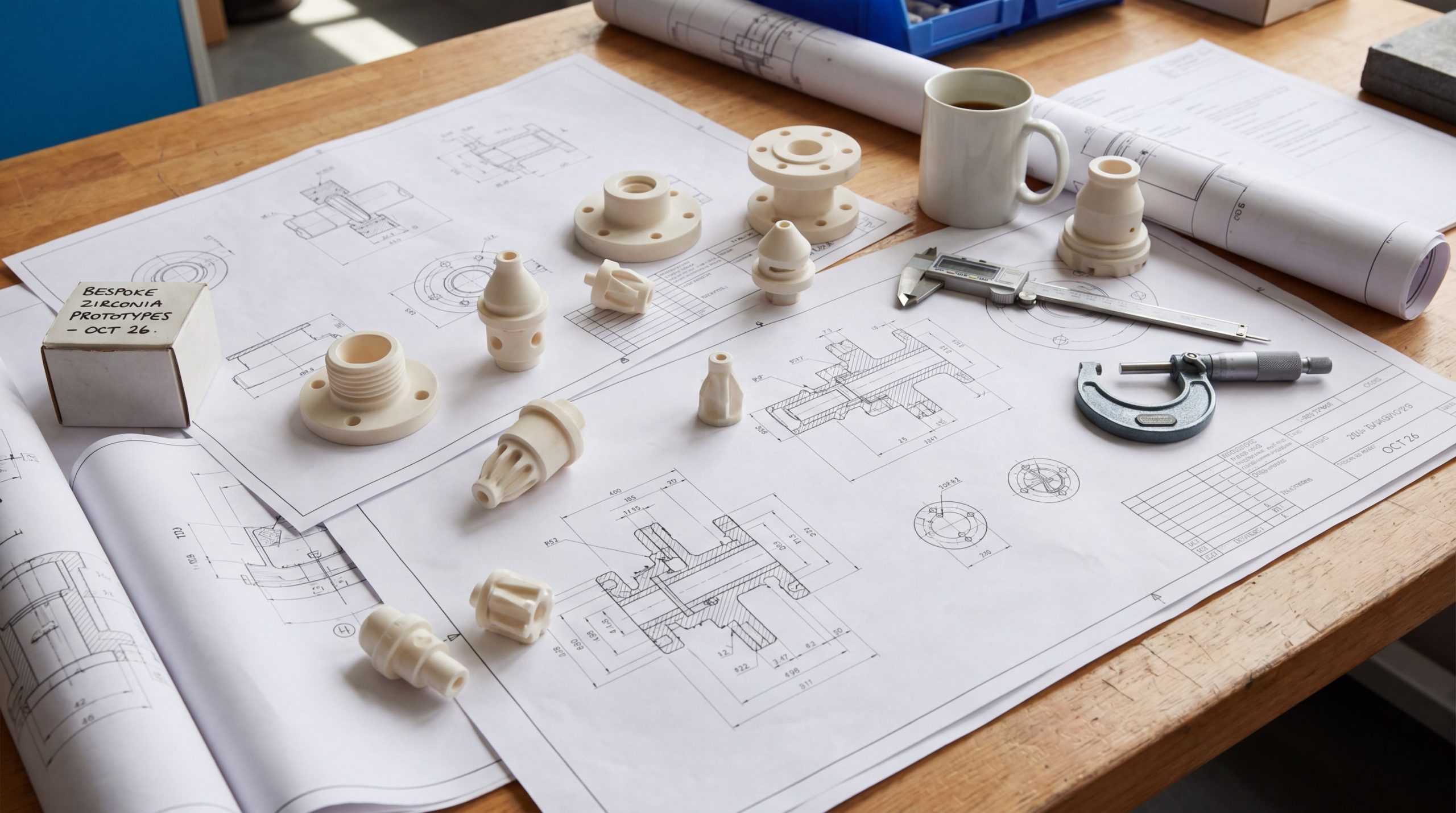
You can specify a custom Zirconia Ceramic by defining target particle size distribution, whiteness, and specific phase composition to meet your application. You are not limited to “off-the-shelf” solutions; the material can be engineered to fit your exact engineering drawings and environmental needs.
How do you define your requirements?
Think about this:
Start by identifying the primary stressor in your application, whether it is heat, impact, or chemical attack.
- Target density and hardness.
- Specific dimensional tolerances.
- Surface finish requirements.
You should collaborate with engineers to determine which stabilizer (Yttria, Magnesia, or Calcia) is best for your specific use case. Each choice changes the behavior of the final part.
Can you optimize for performance?
Here is the kicker:
Custom manufacturing allows you to control the microstructure to achieve either high translucency or maximum fracture toughness.
- Precision CAD/CAM milling.
- Controlled sintering cycles.
- Injection molding for complex shapes.
You get a component that is purpose-built for your machine, ensuring a perfect fit and maximum service life. The material can even be color-matched for aesthetic applications.
Key Takeaway: Customization ensures that you get the exact mechanical and thermal properties required for your unique industrial challenges.
| Specification | Custom Option | User Benefit |
|---|---|---|
| Particle Size | Nano-scale to Micron | Controlled strength/purity |
| Shaping | Pressing or Injection | Complex geometry access |
| Finishing | Lapping or Polishing | Ultra-low friction surfaces |
Engineering a custom solution allows you to solve specific failure points in your current systems with surgical precision.
This article has explored the complex world of Zirconia Ceramic, from its various crystalline phases and stabilization methods to its critical role in high-heat, medical, and electronic applications. We have solved the problem of material selection by illustrating how transformation toughening and chemical inertness overcome the limitations of traditional metals and plastics. Our vision is to provide high-performance ceramic solutions that empower your business to innovate without the fear of component failure. If you are ready to upgrade your operations with the strength of ceramic steel, contact us today to discuss your specific requirements.
Frequently Asked Questions
Can I use Zirconia Ceramic in temperatures above 2000°C?
Yes. Zirconia has a melting point of approximately 2700°C and remains structurally sound in industrial furnaces and thermal coatings at extreme ranges.
What’s the best way to clean Zirconia Ceramic parts?
Use ultrasonic cleaning or non-abrasive chemical washes. Because the material is chemically inert, it can withstand harsh cleaning agents that would corrode metal parts.
How do I know if I need Yttria or Magnesia stabilization?
Choose yttria for the highest strength and room-temperature toughness, but select magnesia if your application involves extreme thermal cycling or steam environments.
Can I weld Zirconia Ceramic to metal components?
No. You cannot weld them directly, but you can use specialized brazing, active metal bonding, or mechanical shrink-fitting to join ceramic parts to metal housings.
What’s the best way to prevent cracking in Zirconia Ceramic?
Ensure your design avoids sharp internal corners and sudden thin-to-thick transitions. Proper geometry distributes stress and allows the material’s natural toughness to work effectively.